Connecticut · fresh and salt
Fish in Connecticut: what’s worth eating, and what’s garbage
Connecticut fishing centers on Long Island Sound, where scup, black sea bass, tautog and striped bass lead NOAA's 2023 to 2025 catch estimates and menhaden, fluke, sea robins and bluefish follow, and on a managed inland system of stocked trout, Bass Management Lakes and special pike, walleye, kokanee and carp waters. The Connecticut River has the state's largest run of American shad (the state fish) along with trophy carp, catfish and pike.
51 fish rated · limits checked Nov 21, 2026 against CT DEEP and federal sources, then re-checked: 668 of 670 details confirmed or corrected on the official pages
Resident Inland Waters Only: $28 (CT residents 18 to 64), $14 (CT residents 16 and 17); free for CT residents 65 and older (renew annually). Full details
Buy a licenseSeparate Marine Waters Fishing License ($10 resident 18 to 64, $5 resident 16 and 17, $15 nonresident; resident one-day $5, or $3 at 16 and 17; nonresident 3-day $8; free for residents 65… Full details
Saltwater limitsFreshwater limits, seasons and size rules from Connecticut Department of Energy and Environmental Protection, Fisheries Division.
Freshwater limitsAmerican shad
2026: Family Fishing Day, Saturday May 9 (no license required)… Full details
The Connecticut table-fare board
Fish Connecticut anglers catch, sorted by how they eat. The bars show how heavily each one is regulated here. Tap a fish for the details.
No limits Light regs Heavy regs No harvest
Best eating20
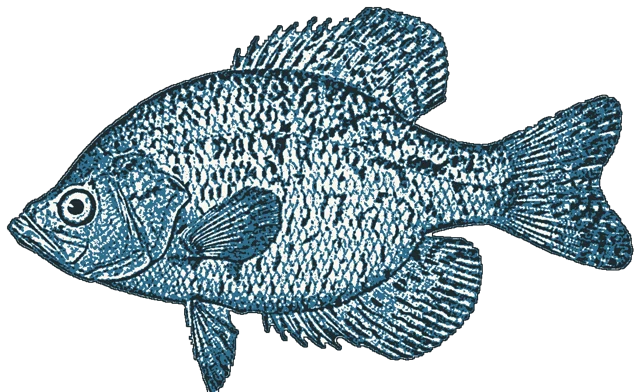 Black crappie“calico bass”
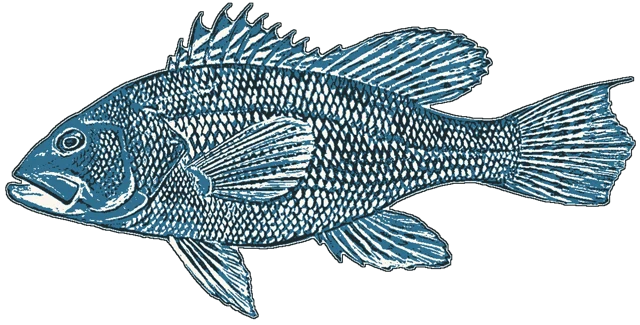 Black sea bass
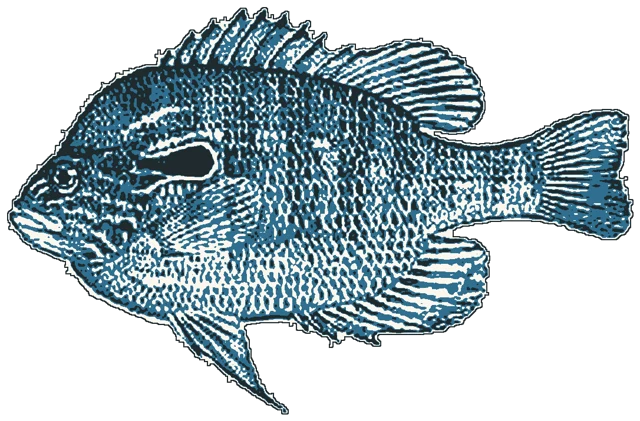 Bluegill
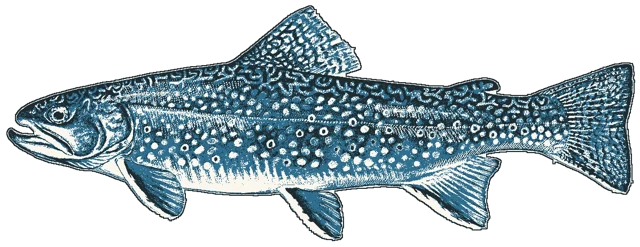 Brook trout“speckled trout”
 Brown trout
 Channel catfish
 Kingfish (whiting)“northern kingfish”Kokanee salmon“silver bullet”Pumpkinseed“common sunfish”
 Rainbow trout
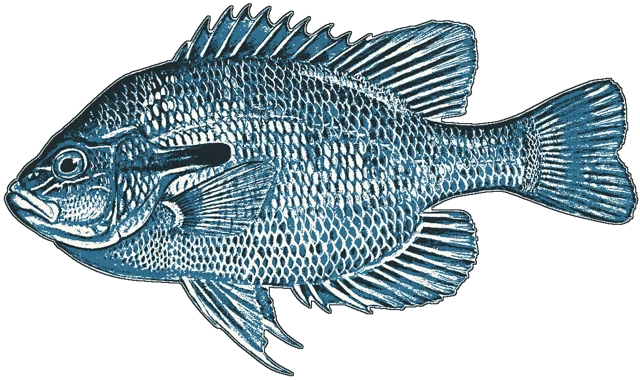 Redbreast sunfish
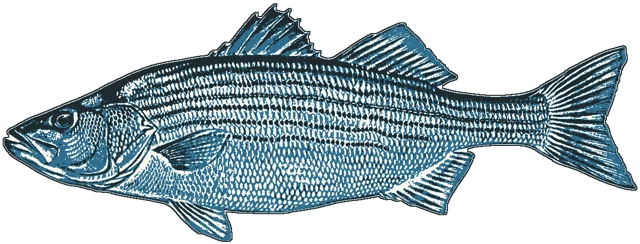 Striped bass
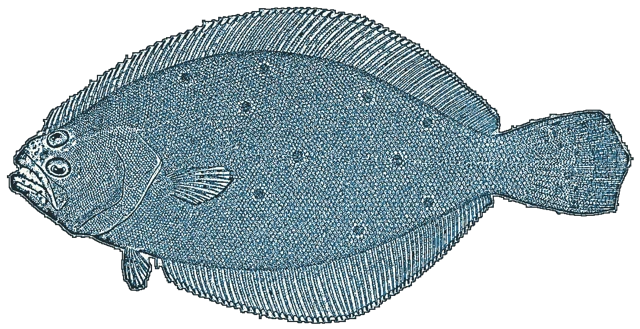 Summer flounder“fluke”Tautog“blackfish”
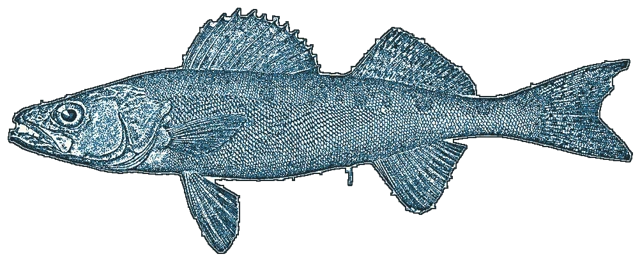 Walleye
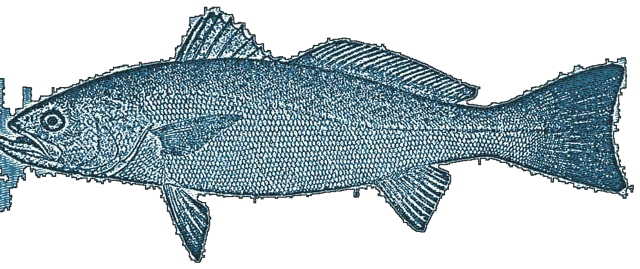 Weakfish“sea trout”White catfish
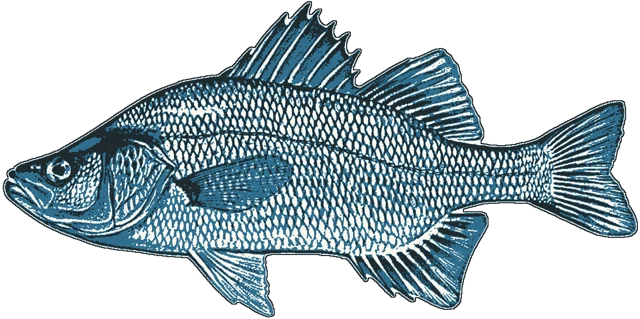 White perchWinter flounder
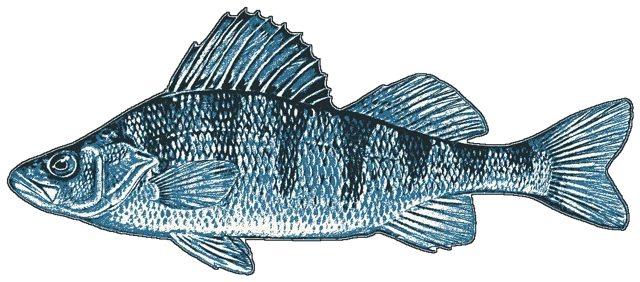 Yellow perch
Just OK20
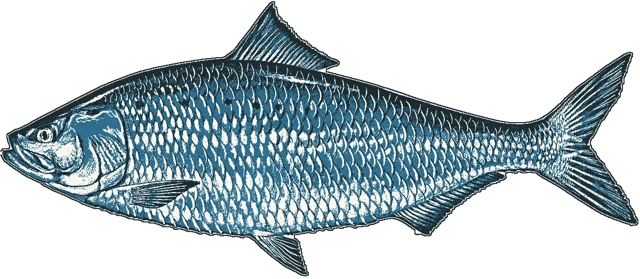 American shadAtlantic bonitoAtlantic mackerel
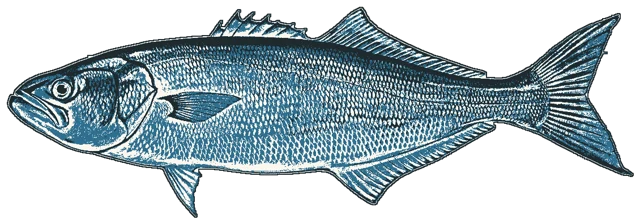 Bluefish“snappers (small bluefish)”
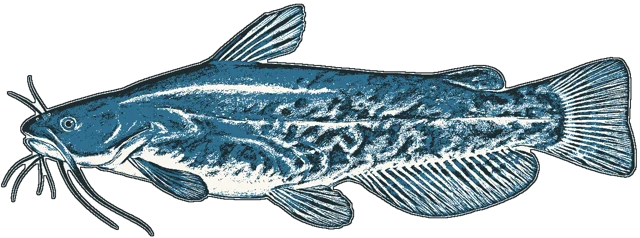 Bullhead (black, brown, yellow)
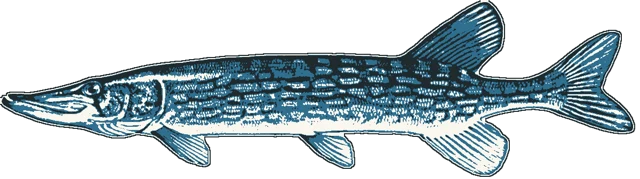 Chain pickerel
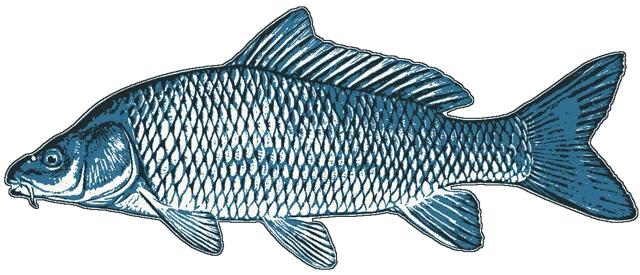 Common carpCunnerFallfish“dace”
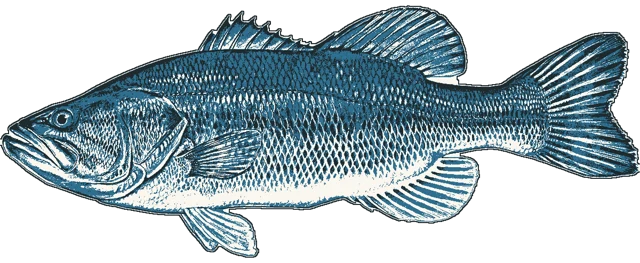 Largemouth bass
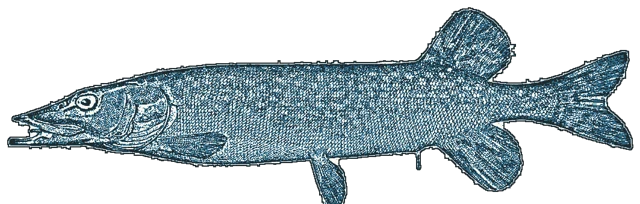 Northern pike
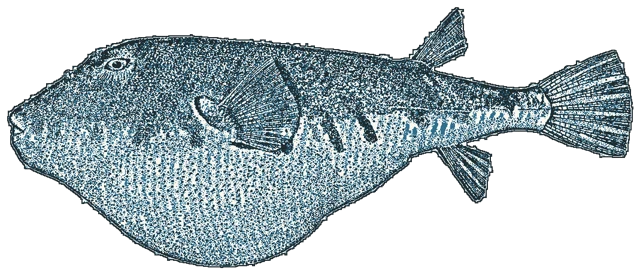 Northern pufferRed hakeRiver herring (alewife and blueback herring)“buckies”Rock bassScup“porgy”Silver hake“whiting”
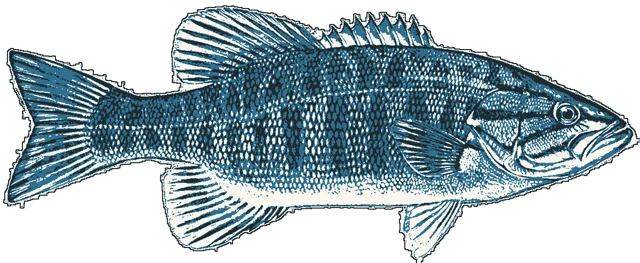 Smallmouth bassSmooth dogfish
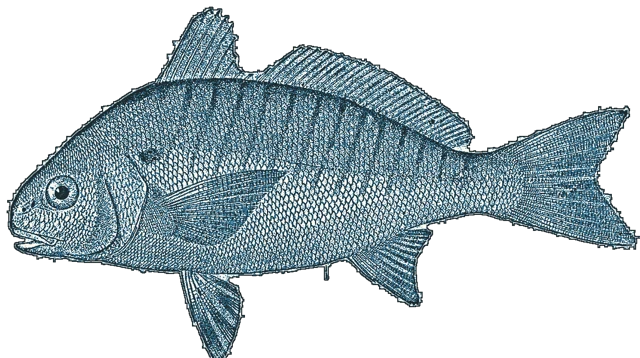 Spot
Garbage fish10
Catch & release
What’s actually caught in Connecticut
NOAA Marine Recreational Information Program (MRIP) estimates for Connecticut, averaged over 2023, 2024 and 2025 and counting both kept and released fish, from the all-modes, whole-year totals. MRIP is a saltwater survey, so it does not rank freshwater fish. Fish reported only as dogfish shark (about 126,246) and Atlantic silverside (about 121,000 a year, all of it in 2023) also ranked in this range but are left out because they are not on this page's board or are not a single species. Sea robins combine the northern, striped and unidentified sea robin rows. Spot shows 0 in 2023, and several rows (menhaden, sea robins, dogfish) swing widely from year to year. NOAA recalibrated its survey in 2026, so its current query tool may show lower totals, and a different order, than the 2023-2025 estimate files used here.
- Scup Just OK4,235,583 fish a year (2023: 4,985,621, 2024: 3,645,468, 2025: 4,075,660); about 1,643,500 a year kept, 61% released.
- Black sea bass Best eating2,797,586 fish a year (2023: 2,493,462, 2024: 2,909,741, 2025: 2,989,554); about 165,823 a year kept, 94% released.
- Tautog Best eating1,838,935 fish a year (2023: 2,592,110, 2024: 1,528,845, 2025: 1,395,849); about 250,846 a year kept, 86% released.
- Striped bass Best eating1,251,420 fish a year (2023: 1,361,026, 2024: 1,484,676, 2025: 908,557); about 51,557 a year kept, 96% released.
- Atlantic menhaden Garbage fish666,015 fish a year (2023: 1,773,925, 2024: 167,677, 2025: 56,444); about 474,700 a year kept, 29% released.
- Summer flounder Best eating614,258 fish a year (2023: 585,902, 2024: 624,091, 2025: 632,780); about 60,943 a year kept, 90% released.
- Sea robin Garbage fish554,142 fish a year (2023: 841,287, 2024: 475,951, 2025: 345,188); about 24,629 a year kept, 96% released.
- Bluefish Just OK530,918 fish a year (2023: 837,900, 2024: 373,525, 2025: 381,328); about 125,308 a year kept, 76% released.
- Spot Just OK269,287 fish a year (2023: 0, 2024: 277,766, 2025: 530,095); about 56,701 a year kept, 79% released.
- Smooth dogfish Just OK194,164 fish a year (2023: 284,990, 2024: 120,204, 2025: 177,297); about 6,117 a year kept, 97% released.
- False albacore Garbage fish84,716 fish a year (2023: 168,471, 2024: 11,004, 2025: 74,674); about 3,005 a year kept, 96% released.
Source: NOAA MRIP . Saltwater only: it does not survey freshwater fishing.
Fish by fish
Why each one sits where it does, the current Connecticut limits, and the bait that works.
Black crappie
Pomoxis nigromaculatus · also called calico bass · Freshwater
One of the classic fish-fry fish: MeatEater counts crappie among the best-eating fish in freshwater.
- Tastes
- mild, sweet, delicate, flaky, white
- Limits
- No limits. All waters: no minimum length, no daily limit, open year-round (black crappie, sunfish, yellow perch and rock bass). A few lakes set their own fishing season (for example Lake McDonough, open to fish other than trout from the second Saturday of April to Nov 30). (Statewide inland rules effective Jan 1, 2026 (DEEP species page, content updated Nov 2026); in force on Nov 21, 2026) Source
- Where
- Moderately clear lakes and larger ponds and backwaters of larger rivers, near cover such as boulders and fallen trees; spawn in shallow water near vegetation in early spring (usually April). Candlewood Lake, Lake Lillinonah and Bantam Lake list calico bass.
- small jigs
- live minnows
- Do not eat (anyone): any fish from Union Pond in Manchester, the Hockanum River from there up through Vernon to the Shenipsit Lake outlet, the Tankerhoosen River, or Versailles and Papermill Ponds and the Little River in Sprague.
Meal limits and other waters (3)
- Limit (everyone): 1 meal a month of any fish from the Connecticut River, the Quinnipiac River from the gorge south of Meriden to Long Island Sound, the Housatonic from Derby Dam to the Route 15 bridge, the Naugatuck up to Kinneytown Dam, the Hockanum River below Union Pond or in Ellington, or the Natchaug, Willimantic and Shetucket sections named on this page.
- Limit: calico bass (crappie) from the Housatonic River above Lake Lillinonah or Lakes Lillinonah, Zoar and Housatonic, 1 meal a month if under 6, pregnant, nursing or may become pregnant; 1 a week for everyone else (PCBs).
- Statewide (CT DPH 2025 guide): 1 meal a month if under 6, pregnant, nursing or may become pregnant; 1 meal a week for everyone else (mercury).
Black sea bass
Centropristis striata · Saltwater
Mild, delicate, firm white fillets; Maine Sea Grant calls it popular for its firm texture and mild, slightly sweet flavor.
- Tastes
- mild, fresh, delicate, tender but firm
- Limits
- Heavy regs. 15.5 in minimum (tail tendril excluded), 4 per day, open May 16 to Nov 25 (2026 dates). Party and charter paying passengers: May 16 to Dec 31, 4 per day May 16 to Aug 31 and 6 per day Sept 1 to Dec 31, with daily logbook reporting by the operator. The size, bag and season are new for 2026. (2026 marine rules (DEEP species page updated Nov 2026; Declaration 26-03, signed Apr 9, 2026 and effective 10 days later, changed black sea bass and bluefish); in force on Nov 21, 2026) Source
- Best months
- Legal season May 16 to Nov 25 (party and charter to Dec 31)
- Where
- Along the entire Connecticut coast, and just about anywhere in Long Island Sound; DEEP points anglers to Connecticut charter boats and headboats for bottom fishing.
- squid strips
- cut fish
- clams
- bucktail
- diamond or slow-pitch jig
Before you eat it: CT DPH 2025 advisory: for Long Island Sound, most fish are safe to eat except for listed restrictions on striped bass, bluefish and weakfish. Fish of any species from the Connecticut River (shad excepted), the lower Quinnipiac River or the Housatonic around O'Sullivan's Island: one meal a month.
Bluegill
Lepomis macrochirus · Freshwater
MeatEater calls the flesh light, delicate and sweet; the original fish-fry panfish.
- Tastes
- mild, sweet, firm, flaky
- Limits
- No limits. All waters: no minimum length, no daily limit, open year-round (black crappie, sunfish, yellow perch and rock bass). A few lakes set their own fishing season (for example Lake McDonough, open to fish other than trout from the second Saturday of April to Nov 30). (Statewide inland rules effective Jan 1, 2026 (DEEP species page, content updated Nov 2026); in force on Nov 21, 2026) Source
- Where
- Almost every water body in Connecticut: lakes, ponds and slow backwaters, more abundant where there is moderate vegetation, often in shallow areas.
- worms
- small lures
- Do not eat (anyone): any fish from Union Pond in Manchester, the Hockanum River from there up through Vernon to the Shenipsit Lake outlet, the Tankerhoosen River, or Versailles and Papermill Ponds and the Little River in Sprague.
Meal limits and other waters (3)
- Limit (everyone): 1 meal a month of bluegill from the Housatonic River above Lake Lillinonah (PCBs), or of any fish from the Connecticut River, the Quinnipiac River from the gorge south of Meriden to Long Island Sound, the Housatonic from Derby Dam to the Route 15 bridge, the Naugatuck up to Kinneytown Dam, the Hockanum River below Union Pond or in Ellington, or the Natchaug, Willimantic and Shetucket sections named on this page.
- Limit: bluegill and other sunfish from Lakes Lillinonah, Zoar and Housatonic, 1 meal a month if under 6, pregnant, nursing or may become pregnant; 1 a week for everyone else (PCBs).
- Statewide (CT DPH 2025 guide): no limit on sunfish from other waters.
Brook trout
Salvelinus fontinalis · also called speckled trout · Freshwater
Often called the tastiest trout: MeatEater describes the meat as light and delicate with an almost sweet flavor.
- Tastes
- sweet, delicate, light, delicate
- Limits
- Heavy regs. Statewide: 9 in minimum, 5 per day, open year-round, but catch and release only from March 1 until 6:00 a.m. on the second Saturday of April (Opening Day of harvest; April 10, 2027). A Trout and Salmon Stamp is needed to keep any trout or salmon. Many waters differ. Trout Parks and Trophy Trout Areas: 2 per day. Ten Trout Management Area river sections are catch and release all year (for example the Housatonic River from the Route 7/112 bridge to the Route 4/7 bridge, and the West Branch Farmington River in Barkhamsted and New Hartford); seasonal Trout Management Areas allow 2 a day from Opening Day to Aug 31 (12 in minimum on the Farmington) and are catch and release from Sept 1 (Farmington, Hammonasset, Mianus, Salmon, Saugatuck, Yantic and others). Class 1 Wild Trout Management Areas are catch and release all year with a single barbless hook on an artificial lure or fly; Class 2: 2 per day, 12 in minimum. Sea-Run Trout Streams and tidal waters: 2 per day, usually 15 in minimum, harvest allowed year-round. Trout Management Lakes such as Candlewood Lake and Squantz Pond allow 1 trout a day from March 1 to Opening Day, usually 16 in minimum; East Twin Lake and Lake Wononskopomuc allow 5 trout with no more than 1 brown trout, brown trout 22 in minimum. Other listed waters differ. Brook Trout Lakes (Black Pond in Woodstock and Mohawk Pond): 5 trout with only 1 brook trout over 14 in; from March 1 to Opening Day, 1 trout a day at 14 in minimum. (Statewide inland rules effective Jan 1, 2026 (DEEP species page, content updated Nov 2026); in force on Nov 21, 2026; special-water rules from the April 2026 guide (v3)) Source
- Best months
- Opening Day is the second Saturday of April; Trout Parks are stocked frequently in spring and fall
- Where
- Small, cold headwater streams with gravel or cobble bottoms and shade; self-sustaining wild brook trout live mostly in small headwater streams, and brook trout seldom survive summer in Connecticut lakes. Class 1 Wild Trout Management Areas protect many small brooks.
- worms
- meal worms
- live shiners
- small lures
- flies
- Do not eat (anyone): trout from the Housatonic River above Lake Lillinonah or Lakes Lillinonah, Zoar and Housatonic (PCBs).
- Do not eat (anyone): any fish from Union Pond in Manchester, the Hockanum River from there up through Vernon to the Shenipsit Lake outlet, the Tankerhoosen River, or Versailles and Papermill Ponds and the Little River in Sprague.
- Do not eat (under 6, pregnant, nursing or may become pregnant): trout from any part of the Housatonic River (DPH's 2024 women's guide).
- Limit (everyone, unless a line above says do not eat): 1 meal a month of trout from Furnace Brook in Cornwall (PCBs), or of any fish from the Connecticut River, the Quinnipiac River from the gorge south of Meriden to Long Island Sound, the Housatonic from Derby Dam to the Route 15 bridge, the Naugatuck up to Kinneytown Dam, the Hockanum River below Union Pond or in Ellington, or the Natchaug, Willimantic and Shetucket sections named on this page.
- Limit (under 6, pregnant, nursing or may become pregnant): eat smaller trout, under 15 in.
- Statewide (CT DPH 2025 guide): no limit on other trout, but DPH warns of mercury in large trout from lakes.
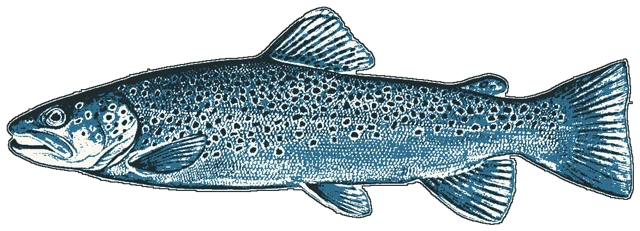
Brown trout
Salmo trutta · Freshwater
Good trout eating like rainbows; most kept browns are stocked fish.
- Tastes
- mild to rich, flaky
- Limits
- Heavy regs. Statewide: 9 in minimum, 5 per day, open year-round, but catch and release only from March 1 until 6:00 a.m. on the second Saturday of April (Opening Day of harvest; April 10, 2027). A Trout and Salmon Stamp is needed to keep any trout or salmon. Many waters differ. Trout Parks and Trophy Trout Areas: 2 per day. Ten Trout Management Area river sections are catch and release all year (for example the Housatonic River from the Route 7/112 bridge to the Route 4/7 bridge, and the West Branch Farmington River in Barkhamsted and New Hartford); seasonal Trout Management Areas allow 2 a day from Opening Day to Aug 31 (12 in minimum on the Farmington) and are catch and release from Sept 1 (Farmington, Hammonasset, Mianus, Salmon, Saugatuck, Yantic and others). Class 1 Wild Trout Management Areas are catch and release all year with a single barbless hook on an artificial lure or fly; Class 2: 2 per day, 12 in minimum. Sea-Run Trout Streams and tidal waters: 2 per day, usually 15 in minimum, harvest allowed year-round. Trout Management Lakes such as Candlewood Lake and Squantz Pond allow 1 trout a day from March 1 to Opening Day, usually 16 in minimum; East Twin Lake and Lake Wononskopomuc allow 5 trout with no more than 1 brown trout, brown trout 22 in minimum. Other listed waters differ. (Statewide inland rules effective Jan 1, 2026 (DEEP species page, content updated Nov 2026); in force on Nov 21, 2026; special-water rules from the April 2026 guide (v3)) Source
- Best months
- Opening Day is the second Saturday of April; Trout Parks are stocked frequently in spring and fall
- Where
- Stocked as adults in many lakes and most fishable streams; wild browns live in many streams. Large holdover browns, for example from East Twin Lake (Salisbury), a Trout Management Lake.
- worms
- meal worms
- live shiners
- small lures
- flies
- Do not eat (anyone): trout from the Housatonic River above Lake Lillinonah or Lakes Lillinonah, Zoar and Housatonic (PCBs).
- Do not eat (anyone): any fish from Union Pond in Manchester, the Hockanum River from there up through Vernon to the Shenipsit Lake outlet, the Tankerhoosen River, or Versailles and Papermill Ponds and the Little River in Sprague.
- Do not eat (under 6, pregnant, nursing or may become pregnant): trout from any part of the Housatonic River (DPH's 2024 women's guide).
- Limit (everyone, unless a line above says do not eat): 1 meal a month of trout from Furnace Brook in Cornwall (PCBs), or of any fish from the Connecticut River, the Quinnipiac River from the gorge south of Meriden to Long Island Sound, the Housatonic from Derby Dam to the Route 15 bridge, the Naugatuck up to Kinneytown Dam, the Hockanum River below Union Pond or in Ellington, or the Natchaug, Willimantic and Shetucket sections named on this page.
- Limit (under 6, pregnant, nursing or may become pregnant): eat smaller trout, under 15 in.
- Statewide (CT DPH 2025 guide): no limit on other trout, but DPH warns of mercury in large trout from lakes.
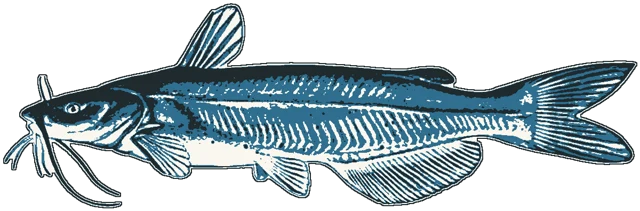
Channel catfish
Ictalurus punctatus · Freshwater
Very good to eat (Maryland DNR) and delicious when cooked (TPWD), and the basis of US catfish farming.
- Tastes
- mild, sweet, firm, moist
- Limits
- Light regs. Statewide: no minimum length, 6 per day (channel and white catfish together), open year-round. Community Fishing Waters, which DEEP stocks with channel catfish, are 3 per day (for example Beaver Park Pond, Birge Pond, Bunnells Pond, Keney Park Pond, Rogers Park Pond and Allen Brook Pond in Wharton Brook State Park). Other listed waters differ. (Statewide inland rules effective Jan 1, 2026 (DEEP species page updated Nov 2026); waterbody lists from the DEEP lake and pond page updated Aug 2026 and the April 2026 guide (v3); in force on Nov 21, 2026) Source
- Best months
- Most active at night, but feeds in the daytime too
- Where
- Rivers and larger streams with fairly clean water; the largest population is in the Connecticut River. DEEP stocks farm-raised channel catfish in Community Fishing Waters and other catfish lakes.
- nightcrawlers
- minnows
- artificial lures (occasionally)
- Do not eat (anyone): catfish from the Housatonic River above Lake Lillinonah or Lakes Lillinonah, Zoar and Housatonic (PCBs), or from Brewster Pond in Stratford (chlordane).
- Do not eat (anyone): any fish from Union Pond in Manchester, the Hockanum River from there up through Vernon to the Shenipsit Lake outlet, the Tankerhoosen River, or Versailles and Papermill Ponds and the Little River in Sprague.
- Do not eat (under 6, pregnant, nursing or may become pregnant): catfish from any part of the Housatonic River (DPH's web page).
- Limit (everyone, unless a line above says do not eat): 1 meal a month of any fish from the Connecticut River, the Quinnipiac River from the gorge south of Meriden to Long Island Sound, the Housatonic from Derby Dam to the Route 15 bridge, the Naugatuck up to Kinneytown Dam, the Hockanum River below Union Pond or in Ellington, or the Natchaug, Willimantic and Shetucket sections named on this page.
- Statewide (CT DPH 2025 guide): 1 meal a month if under 6, pregnant, nursing or may become pregnant; 1 meal a week for everyone else (mercury).
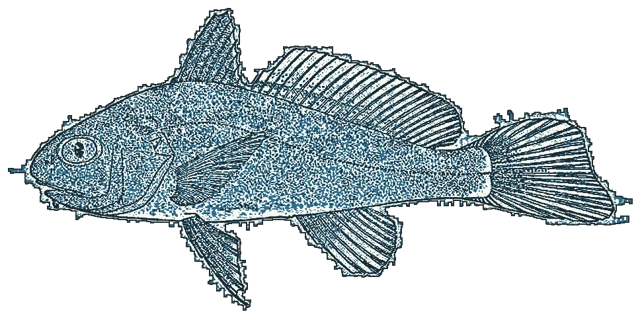
Kingfish (whiting)
Menticirrhus spp. (M. americanus, M. littoralis, M. saxatilis) · also called northern kingfish · Saltwater
Firm, white, mild fillets with good flavor; small, but no smaller than the bluegill and crappie we also rate best. Fried whole or filleted, it's the Carolinas' favorite pier fish ("sea mullet" in NC).
- Tastes
- mild, sweet, firm, white
- Limits
- No limits. No Connecticut minimum length, daily limit or season is listed for northern kingfish. (2026 marine rules (DEEP species page updated Nov 2026; Declaration 26-03, signed Apr 9, 2026 and effective 10 days later, changed black sea bass and bluefish); in force on Nov 21, 2026) Source
- Where
- Silver Sands State Park (Milford), where both DEEP record northern kingfish were caught (2016 and 2021).
- shrimp
- sand fleas (mole crabs)
- bloodworms
- squid
- Fishbites-type synthetic bait
Before you eat it: CT DPH 2025 advisory: for Long Island Sound, most fish are safe to eat except for listed restrictions on striped bass, bluefish and weakfish. Fish of any species from the Connecticut River (shad excepted), the lower Quinnipiac River or the Housatonic around O'Sullivan's Island: one meal a month.
Kokanee salmon
Oncorhynchus nerka (landlocked) · also called silver bullet · Freshwater
Landlocked sockeye with vivid orange, rich flesh; kokanee anglers fish specifically to fill a cooler.
- Tastes
- rich, salmon-like, slightly soft, orange
- Limits
- Heavy regs. Lakes and ponds: 5 per day from 6:00 a.m. on the second Saturday of April (April 10, 2027) until the last day of February, no minimum length; catch and release only from March 1 until Opening Day. A Trout and Salmon Stamp is needed to keep kokanee. DEEP names East Twin Lake (Salisbury) and West Hill Pond (New Hartford) as the lakes with kokanee fisheries; a lake's own listing can differ (for example East Twin Lake has its own trout rules). (Statewide inland rules effective Jan 1, 2026 (DEEP species page, content updated Nov 2026); in force on Nov 21, 2026) Source
- Best months
- May through July is the best time
- Where
- East Twin Lake (Salisbury) and West Hill Pond (New Hartford); open-water fish, mostly boat fishing, with shore fishing in fall when males enter the shallows to spawn.
- small piece of garden worm
- maggot
- shoepeg corn on a small hook, jig or weighted fly
- small spinner rigs and plastic skirt lures (trolled)
- salmon eggs and small bright lures or flies (shore, fall spawners)
Before you eat it: Statewide (CT DPH 2025 guide): 1 meal a month if under 6, pregnant, nursing or may become pregnant; 1 meal a week for everyone else (mercury). The guide does not name kokanee separately.
Pumpkinseed
Lepomis gibbosus · also called common sunfish · Freshwater
A standard northern panfish; MeatEater notes pond owners stock it partly for its quality as table fare.
- Tastes
- mild, sweet, flaky
- Limits
- No limits. All waters: no minimum length, no daily limit, open year-round (black crappie, sunfish, yellow perch and rock bass). A few lakes set their own fishing season (for example Lake McDonough, open to fish other than trout from the second Saturday of April to Nov 30). (Statewide inland rules effective Jan 1, 2026 (DEEP species page, content updated Nov 2026); in force on Nov 21, 2026) Source
- Where
- Present in almost all Connecticut lakes, ponds and larger streams, in still water with moderate to heavy vegetation.
- garden worms
- red wigglers
- grubs
- crickets
- wet flies
- nymphs
- Do not eat (anyone): any fish from Union Pond in Manchester, the Hockanum River from there up through Vernon to the Shenipsit Lake outlet, the Tankerhoosen River, or Versailles and Papermill Ponds and the Little River in Sprague.
Meal limits and other waters (3)
- Limit (everyone): 1 meal a month of any fish from the Connecticut River, the Quinnipiac River from the gorge south of Meriden to Long Island Sound, the Housatonic from Derby Dam to the Route 15 bridge, the Naugatuck up to Kinneytown Dam, the Hockanum River below Union Pond or in Ellington, or the Natchaug, Willimantic and Shetucket sections named on this page.
- Limit: sunfish from the Housatonic River above Lake Lillinonah or Lakes Lillinonah, Zoar and Housatonic, 1 meal a month if under 6, pregnant, nursing or may become pregnant; 1 a week for everyone else (PCBs).
- Statewide (CT DPH 2025 guide): no limit on sunfish from other waters.
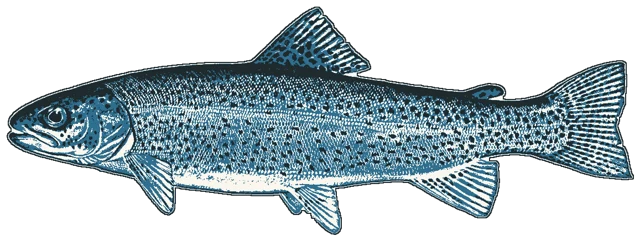
Rainbow trout
Oncorhynchus mykiss · Freshwater
TPWD calls rainbow trout an excellent fish to eat; the most-stocked put-and-take fish in America.
- Tastes
- mild, clean, delicate, flaky
- Limits
- Heavy regs. Statewide: 9 in minimum, 5 per day, open year-round, but catch and release only from March 1 until 6:00 a.m. on the second Saturday of April (Opening Day of harvest; April 10, 2027). A Trout and Salmon Stamp is needed to keep any trout or salmon. Many waters differ. Trout Parks and Trophy Trout Areas: 2 per day. Ten Trout Management Area river sections are catch and release all year (for example the Housatonic River from the Route 7/112 bridge to the Route 4/7 bridge, and the West Branch Farmington River in Barkhamsted and New Hartford); seasonal Trout Management Areas allow 2 a day from Opening Day to Aug 31 (12 in minimum on the Farmington) and are catch and release from Sept 1 (Farmington, Hammonasset, Mianus, Salmon, Saugatuck, Yantic and others). Class 1 Wild Trout Management Areas are catch and release all year with a single barbless hook on an artificial lure or fly; Class 2: 2 per day, 12 in minimum. Sea-Run Trout Streams and tidal waters: 2 per day, usually 15 in minimum, harvest allowed year-round. Trout Management Lakes such as Candlewood Lake and Squantz Pond allow 1 trout a day from March 1 to Opening Day, usually 16 in minimum; East Twin Lake and Lake Wononskopomuc allow 5 trout with no more than 1 brown trout, brown trout 22 in minimum. Other listed waters differ. (Statewide inland rules effective Jan 1, 2026 (DEEP species page, content updated Nov 2026); in force on Nov 21, 2026; special-water rules from the April 2026 guide (v3)) Source
- Best months
- Opening Day is the second Saturday of April; Trout Parks are stocked frequently in spring and fall
- Where
- Cold, well-oxygenated lakes and streams; rainbows seldom survive Connecticut summers, and large ones are usually surplus broodstock stocked at size. Trout Parks and Community Fishing Waters are stocked with trout.
- worms
- meal worms
- live shiners
- small lures
- flies
- Do not eat (anyone): trout from the Housatonic River above Lake Lillinonah or Lakes Lillinonah, Zoar and Housatonic (PCBs).
- Do not eat (anyone): any fish from Union Pond in Manchester, the Hockanum River from there up through Vernon to the Shenipsit Lake outlet, the Tankerhoosen River, or Versailles and Papermill Ponds and the Little River in Sprague.
- Do not eat (under 6, pregnant, nursing or may become pregnant): trout from any part of the Housatonic River (DPH's 2024 women's guide).
- Limit (everyone, unless a line above says do not eat): 1 meal a month of trout from Furnace Brook in Cornwall (PCBs), or of any fish from the Connecticut River, the Quinnipiac River from the gorge south of Meriden to Long Island Sound, the Housatonic from Derby Dam to the Route 15 bridge, the Naugatuck up to Kinneytown Dam, the Hockanum River below Union Pond or in Ellington, or the Natchaug, Willimantic and Shetucket sections named on this page.
- Limit (under 6, pregnant, nursing or may become pregnant): eat smaller trout, under 15 in.
- Statewide (CT DPH 2025 guide): no limit on other trout, but DPH warns of mercury in large trout from lakes.
Redbreast sunfish
Lepomis auritus · Freshwater
A favorite river panfish across the Southeast; MeatEater counts panfish among the best-eating fish in freshwater.
- Tastes
- mild, sweet, flaky
- Limits
- No limits. All waters: no minimum length, no daily limit, open year-round (black crappie, sunfish, yellow perch and rock bass). A few lakes set their own fishing season (for example Lake McDonough, open to fish other than trout from the second Saturday of April to Nov 30). (Statewide inland rules effective Jan 1, 2026 (DEEP species page, content updated Nov 2026); in force on Nov 21, 2026) Source
- Where
- Rivers and large streams in all major watersheds, in clear water over rocks; uncommon to rare in lakes.
- worms
- small lures
- Do not eat (anyone): any fish from Union Pond in Manchester, the Hockanum River from there up through Vernon to the Shenipsit Lake outlet, the Tankerhoosen River, or Versailles and Papermill Ponds and the Little River in Sprague.
Meal limits and other waters (3)
- Limit (everyone): 1 meal a month of any fish from the Connecticut River, the Quinnipiac River from the gorge south of Meriden to Long Island Sound, the Housatonic from Derby Dam to the Route 15 bridge, the Naugatuck up to Kinneytown Dam, the Hockanum River below Union Pond or in Ellington, or the Natchaug, Willimantic and Shetucket sections named on this page.
- Limit: sunfish from the Housatonic River above Lake Lillinonah or Lakes Lillinonah, Zoar and Housatonic, 1 meal a month if under 6, pregnant, nursing or may become pregnant; 1 a week for everyone else (PCBs).
- Statewide (CT DPH 2025 guide): no limit on sunfish from other waters.
Striped bass
Morone saxatilis · Saltwater
Firm, large-flaked, slightly sweet white meat; one of the most kept and eaten gamefish in the country, fresh or salt.
- Tastes
- mild, slightly sweet, firm, large flakes
- Limits
- Heavy regs. Slot of 28 in up to (not including) 31 in, 1 fish per angler, harvest April 1 to Nov 30. All striped bass fishing is catch and release from Dec 1 to March 31 each year under Public Act 26-101, starting Dec 1, 2026. Applies to all Connecticut waters, inland and marine, and to fish taken in other states once you are in Connecticut waters; federal waters are closed to striped bass fishing (NOAA). An in-line circle hook is required with natural bait (not artificial lures tipped with bait), and a striped bass caught on bait with any other hook must be released. No gaffing or spearing; the head and tail must stay on. (Slot of 28 to under 31 in since May 26, 2023 (Declaration 26-03 for 2026); Public Act 26-101, sec. 2, effective Oct 1, 2026, first catch-and-release period Dec 1, 2026 to Mar 31, 2027; in force on Nov 21, 2026) Source
- Best months
- Large rivers in spring and fall, estuaries and bays in summer; catch and release only Dec 1 to Mar 31
- Where
- Seasonally along the entire coast and in all large tidal rivers. Shore spots DEEP lists: Hammonasset Beach, Sherwood Island, Rocky Neck jetty, Fort Trumbull, Bluff Point beach, Silver Sands, Harkness rocky point and Ferry Landing.
- live menhaden
- live eels
- shiners
- sand worms
- swimming and diving plugs
- bucktail jigs
- Consumption advisories for striped bass vary from state to state (NOAA).
Before you eat it: Do not eat (under 6, pregnant, nursing or may become pregnant): striped bass from Long Island Sound and connected rivers (PCBs; CT DPH 2025 guide). Limit (everyone else): striped bass, 1 meal a month.
Summer flounder
Paralichthys dentatus · also called fluke · Saltwater
Delicate, fine-flaked white fillets; one of the most sought-after table fish from New England to North Carolina.
- Tastes
- delicate, mild, flaky and fine
- Limits
- Heavy regs. 3 per day. Open May 4 to Oct 15 (2026 dates). Minimum length 19 in May 4 to Aug 1 and 19.5 in Aug 2 to Oct 15; at the Enhanced Opportunity shore fishing sites (listed in Declaration 26-03 Appendix A, from Stonington to Westport) the minimum is 17 in. DEEP's marine declaration sets the season each year. (2026 marine rules (DEEP species page updated Nov 2026; Declaration 26-03, signed Apr 9, 2026 and effective 10 days later, changed black sea bass and bluefish); in force on Nov 21, 2026) Source
- Best months
- Legal season May 4 to Oct 15 (2026)
- Where
- Estuaries, bays and lower sections of rivers over hard bottom and channels. Shore spots DEEP lists: Bluff Point beach, Fort Trumbull, Hammonasset Beach, Harkness beach, Sherwood Island, Silver Sands and Ferry Landing.
- live or dead bait (bunker, herring, mummichogs, shiners, silversides)
- cut squid
- baited jigs
- rubber worms
- plastic baits
Before you eat it: CT DPH 2025 advisory: for Long Island Sound, most fish are safe to eat except for listed restrictions on striped bass, bluefish and weakfish. Fish of any species from the Connecticut River (shad excepted), the lower Quinnipiac River or the Housatonic around O'Sullivan's Island: one meal a month.
Tautog
Tautoga onitis · also called blackfish, 'tog · Saltwater
Northeast anglers prize its tasty meat (ASMFC).
- Tastes
- mild, sweet (shellfish diet), firm, white
- Limits
- Heavy regs. 16 in minimum. Open April 1 to April 30 (2 per day), July 1 to Aug 31 (2 per day) and Oct 10 to Nov 28 (3 per day); closed the rest of the year. (2026 marine rules (DEEP species page updated Nov 2026; Declaration 26-03, signed Apr 9, 2026 and effective 10 days later, changed black sea bass and bluefish); in force on Nov 21, 2026) Source
- Best months
- Legal seasons April 1-30, July 1 to Aug 31 and Oct 10 to Nov 28
- Where
- Shore spots DEEP lists: Fort Trumbull, Hammonasset Beach, Harkness (rocky point), Rocky Neck jetty, Sherwood Point and Bluff Point beach.
- green crabs
- Asian shore crabs
- hermit crabs
- clam
- tautog jigs, 1 to 3 oz
Before you eat it: CT DPH 2025 advisory: for Long Island Sound, most fish are safe to eat except for listed restrictions on striped bass, bluefish and weakfish. Fish of any species from the Connecticut River (shad excepted), the lower Quinnipiac River or the Housatonic around O'Sullivan's Island: one meal a month.
Walleye
Sander vitreus · Freshwater
Widely rated the best-eating freshwater fish: Maryland DNR calls it one of the best tasting, TPWD an excellent food fish.
- Tastes
- mild, clean, firm, tender, flaky white
- Limits
- Heavy regs. Statewide: 18 in minimum, 2 per day, open year-round. Lake Pocotopaug, which has no public access, has a 20 in minimum. (Statewide inland rules effective Jan 1, 2026 (DEEP species page updated Nov 2026); waterbody lists from the DEEP lake and pond page updated Aug 2026 and the April 2026 guide (v3); in force on Nov 21, 2026) Source
- Best months
- Winter ice fishing is very popular on walleye lakes; fish are caught most effectively at twilight or at night
- Where
- Stocked each fall with yearlings: Batterson Park Pond, Beach Pond, Coventry Lake, Gardner Lake, Lake Pocotopaug, Lake Saltonstall, Lake Zoar, Long Pond, Mashapaug Lake, Mount Tom Pond, Saugatuck Reservoir and Squantz Pond (2025 stockings; Saltonstall, Pocotopaug and Saugatuck stocked by water companies or the town).
- a variety of baits and lures
- Do not eat (anyone): any fish from Union Pond in Manchester, the Hockanum River from there up through Vernon to the Shenipsit Lake outlet, the Tankerhoosen River, or Versailles and Papermill Ponds and the Little River in Sprague.
Meal limits and other waters (3)
- Limit (everyone): 1 meal a month of any fish from the Connecticut River, the Quinnipiac River from the gorge south of Meriden to Long Island Sound, the Housatonic from Derby Dam to the Route 15 bridge, the Naugatuck up to Kinneytown Dam, the Hockanum River below Union Pond or in Ellington, or the Natchaug, Willimantic and Shetucket sections named on this page.
- Statewide (CT DPH 2025 guide): 1 meal a month if under 6, pregnant, nursing or may become pregnant; 1 meal a week for everyone else (mercury).
- Lake Zoar and the other Housatonic lakes carry PCB advice for named species; walleye is not named.
Weakfish
Cynoscion regalis · also called sea trout · Saltwater
A close cousin of the speckled trout with the same sweet, delicate fillets; ASMFC describes it as known for its delicious taste.
- Tastes
- mild, sweet
- Limits
- Heavy regs. 16 in minimum, 1 per day, open year-round. (2026 marine rules (DEEP species page updated Nov 2026; Declaration 26-03, signed Apr 9, 2026 and effective 10 days later, changed black sea bass and bluefish); in force on Nov 21, 2026) Source
- Best months
- Open year-round
- Where
- Shore spots DEEP lists: Hammonasset Beach, Fort Trumbull and Silver Sands.
- soft plastic on a jighead
- bucktail
- Stingsilver-type metal jig
- spec rig
- squid strip
- peeler crab
- Soft flesh; ice immediately and eat fresh.
Before you eat it: Limit (everyone): weakfish from Long Island Sound and connected rivers, 1 meal a month (PCBs; CT DPH 2025 guide).
White catfish
Ameiurus catus · Freshwater
Maryland DNR says white catfish are very good to eat; a mid-size cat with the same mild fillets as channel cats.
- Tastes
- mild, firm, moist
- Limits
- Light regs. Statewide: no minimum length, 6 per day (channel and white catfish together), open year-round. Community Fishing Waters, which DEEP stocks with channel catfish, are 3 per day (for example Beaver Park Pond, Birge Pond, Bunnells Pond, Keney Park Pond, Rogers Park Pond and Allen Brook Pond in Wharton Brook State Park). Other listed waters differ. (Statewide inland rules effective Jan 1, 2026 (DEEP species page updated Nov 2026); waterbody lists from the DEEP lake and pond page updated Aug 2026 and the April 2026 guide (v3); in force on Nov 21, 2026) Source
- Best months
- Taken in daytime, more often at night
- Where
- Backwaters and slow areas of larger rivers and streams and in lakes and ponds; white catfish outnumber channel catfish only in the southern Connecticut River.
- worms
- fish (cut bait)
- Do not eat (anyone): catfish from the Housatonic River above Lake Lillinonah or Lakes Lillinonah, Zoar and Housatonic (PCBs), or from Brewster Pond in Stratford (chlordane).
- Do not eat (anyone): any fish from Union Pond in Manchester, the Hockanum River from there up through Vernon to the Shenipsit Lake outlet, the Tankerhoosen River, or Versailles and Papermill Ponds and the Little River in Sprague.
- Do not eat (under 6, pregnant, nursing or may become pregnant): catfish from any part of the Housatonic River (DPH's web page).
- Limit (everyone, unless a line above says do not eat): 1 meal a month of any fish from the Connecticut River, the Quinnipiac River from the gorge south of Meriden to Long Island Sound, the Housatonic from Derby Dam to the Route 15 bridge, the Naugatuck up to Kinneytown Dam, the Hockanum River below Union Pond or in Ellington, or the Natchaug, Willimantic and Shetucket sections named on this page.
- Statewide (CT DPH 2025 guide): 1 meal a month if under 6, pregnant, nursing or may become pregnant; 1 meal a week for everyone else (mercury).
White perch
Morone americana · Fresh and salt
Maryland DNR calls it a delectable game fish, and it is a staple panfish in the Chesapeake and a prized ice-fishing catch in New England.
- Tastes
- mild, sweet, firm, flaky
- Limits
- No limits. Rivers, streams, lakes and ponds: no minimum length and no daily limit, open year-round. Connecticut River (including coves and tributaries) and tidally influenced rivers and streams: 7 in minimum, 30 per day. The marine district uses the same 7 in and 30 per day. (Statewide inland rules effective Jan 1, 2026 (DEEP species page, content updated Nov 2026); in force on Nov 21, 2026; marine-district rule from the Nov 2026 species page) Source
- Where
- Estuaries and tidal waters, plus landlocked lake populations (Candlewood Lake lists white perch), which tend to become overabundant and stunted. Ferry Landing State Park (Old Lyme) lists white perch.
- jigs
- worms
- minnows
- Do not eat (anyone): any fish from Union Pond in Manchester, the Hockanum River from there up through Vernon to the Shenipsit Lake outlet, the Tankerhoosen River, or Versailles and Papermill Ponds and the Little River in Sprague.
- Do not eat (under 6, pregnant, nursing or may become pregnant): white perch from any part of the Housatonic River, its lakes included (PCBs; DPH's 2024 women's guide names no stretch).
- Limit (everyone, unless a line above says do not eat): 1 meal a month of any fish from the Connecticut River, the Quinnipiac River from the gorge south of Meriden to Long Island Sound, the Housatonic from Derby Dam to the Route 15 bridge, the Naugatuck up to Kinneytown Dam, the Hockanum River below Union Pond or in Ellington, or the Natchaug, Willimantic and Shetucket sections named on this page.
Meal limits and other waters (2)
- Limit (everyone else): white perch, 1 meal every 2 months from the Housatonic River above Lake Lillinonah and 1 meal a month from Lakes Lillinonah, Zoar and Housatonic (PCBs).
- Statewide (CT DPH 2025 guide): 1 meal a month if under 6, pregnant, nursing or may become pregnant; 1 meal a week for everyone else (mercury).
Winter flounder
Pseudopleuronectes americanus · Saltwater
Mild, lean, boneless, flaky fillets (NOAA).
- Tastes
- mild, sweet, lean, boneless, flaky
- Limits
- Heavy regs. 12 in minimum, 2 per day, open April 1 to Dec 31 (closed Jan 1 to March 31). (2026 marine rules (DEEP species page updated Nov 2026; Declaration 26-03, signed Apr 9, 2026 and effective 10 days later, changed black sea bass and bluefish); in force on Nov 21, 2026) Source
- Best months
- Legal season April 1 to Dec 31
- Where
- Shore spots DEEP lists: Poquonock Cove (Bluff Point), Fort Trumbull, Hammonasset Beach, Rocky Neck jetty, Sherwood Island and Ferry Landing.
- sandworms
- nightcrawlers
- clams
Before you eat it: CT DPH 2025 advisory: for Long Island Sound, most fish are safe to eat except for listed restrictions on striped bass, bluefish and weakfish. Fish of any species from the Connecticut River (shad excepted), the lower Quinnipiac River or the Housatonic around O'Sullivan's Island: one meal a month.
Yellow perch
Perca flavescens · Freshwater
A great food fish (MN DNR) and the centerpiece of Great Lakes perch fries; Iowa DNR calls a fried stringer of perch unsurpassed in flavor.
- Tastes
- mild, sweet, firm, flaky, white
- Limits
- No limits. All waters: no minimum length, no daily limit, open year-round (black crappie, sunfish, yellow perch and rock bass). A few lakes set their own fishing season (for example Lake McDonough, open to fish other than trout from the second Saturday of April to Nov 30). (Statewide inland rules effective Jan 1, 2026 (DEEP species page, content updated Nov 2026); in force on Nov 21, 2026) Source
- Best months
- Feeds actively through the winter; a staple for ice anglers
- Where
- Open water and shorelines of lakes; the fish feed in daylight and are inactive at night.
- jigs
- minnows
- worms
- Do not eat (anyone): any fish from Union Pond in Manchester, the Hockanum River from there up through Vernon to the Shenipsit Lake outlet, the Tankerhoosen River, or Versailles and Papermill Ponds and the Little River in Sprague.
Meal limits and other waters (3)
- Limit (everyone): 1 meal a month of yellow perch from the Farmington River below Rainbow Dam (PFOS), or of any fish from the Connecticut River, the Quinnipiac River from the gorge south of Meriden to Long Island Sound, the Housatonic from Derby Dam to the Route 15 bridge, the Naugatuck up to Kinneytown Dam, the Hockanum River below Union Pond or in Ellington, or the Natchaug, Willimantic and Shetucket sections named on this page.
- Limit: yellow perch from the Housatonic River above Lake Lillinonah or Lakes Lillinonah, Zoar and Housatonic, 1 meal a month if under 6, pregnant, nursing or may become pregnant; 1 a week for everyone else (PCBs).
- Statewide (CT DPH 2025 guide): 1 meal a month if under 6, pregnant, nursing or may become pregnant; 1 meal a week for everyone else (mercury).
American shad
Alosa sapidissima · Fresh and salt
Some of the best-flavored fish in North America and prized roe, but so bony that most modern anglers do not bother.
Worth a try: Debone, score and deep-fry (Hank Shaw's boneless tempura shad), bake for hours to soften bones, or smoke; the roe sautéed with bacon is a spring classic.
- Tastes
- rich, oily, sweet, soft, extremely bony
- Limits
- Light regs. Harvest of American shad is allowed only in the Connecticut River system (the river and its tributaries); 6 per day in aggregate with hickory shad, no minimum length, open year-round, angling only. Shad caught anywhere else in Connecticut, including Long Island Sound outside the river mouth, must be released immediately. (Declaration 26-01 effective Jan 1, 2026 and DEEP species page (updated Nov 2026); in force on Nov 21, 2026) Source
- Best months
- Spring runs up the major rivers
- Where
- Spring runs in the Connecticut, Housatonic, Pawcatuck and Thames Rivers, with the largest run in the Connecticut River and minor runs in the Quinnipiac, Hammonasset and East Rivers.
- small jigs
- spinners
- Do not eat (anyone): any fish from the all-fish waters named on this page (Union Pond, the upper Hockanum and Tankerhoosen Rivers, and Versailles and Papermill Ponds and the Little River).
Meal limits and other waters (2)
- Limit (everyone): 1 meal a month of any fish, shad included, from the Quinnipiac River from the gorge south of Meriden to Long Island Sound, the Housatonic from Derby Dam to the Route 15 bridge, or the Naugatuck up to Kinneytown Dam (PFOS, PCBs).
- CT DPH 2025 advisory: shad travel to the Connecticut River only to spawn, have low contamination and are not included in the advisory; the Connecticut River advice for all other species is one meal a month.
Atlantic bonito
Sarda sarda · Saltwater
Good to eat (LSU Sea Grant) and milder than false albacore, but small, dark-meated and best eaten very fresh.
- Tastes
- rich, meaty, firm
- Limits
- No limits. No state minimum length, daily limit or season is listed for Atlantic bonito. (2026 marine rules (DEEP species page updated Nov 2026; Declaration 26-03, signed Apr 9, 2026 and effective 10 days later, changed black sea bass and bluefish); in force on Nov 21, 2026) Source
- Clark spoon (trolled)
- epoxy jigs
- small trolling feathers
- small topwater plugs
Before you eat it: CT DPH 2025 advisory: for Long Island Sound, most fish are safe to eat except for listed restrictions on striped bass, bluefish and weakfish. Fish of any species from the Connecticut River (shad excepted), the lower Quinnipiac River or the Housatonic around O'Sullivan's Island: one meal a month.
Atlantic mackerel
Scomber scombrus · Saltwater
Rich, oily and strong; eaten fresh, grilled or smoked by those who like oily fish, but used for bait by many anglers.
- Tastes
- rich, pronounced, soft, flaky, moist
- Limits
- No limits. No state minimum length, daily limit or season is listed for Atlantic mackerel in Connecticut. In federal waters NOAA lists open all year, no minimum size, 20 fish per person. (2026 marine rules (DEEP species page updated Nov 2026; Declaration 26-03, signed Apr 9, 2026 and effective 10 days later, changed black sea bass and bluefish); in force on Nov 21, 2026) Source
- sabiki rig
- butterfly-style jig
Before you eat it: CT DPH 2025 advisory: for Long Island Sound, most fish are safe to eat except for listed restrictions on striped bass, bluefish and weakfish. Fish of any species from the Connecticut River (shad excepted), the lower Quinnipiac River or the Housatonic around O'Sullivan's Island: one meal a month.
Bluefish
Pomatomus saltatrix · also called snappers (small bluefish) · Saltwater
Rich, oily and strong-tasting, with soft meat that does not freeze well; Hank Shaw calls it about as polarizing a food as there is.
Worth a try: Bleed and ice it, cook it the same day, and trim the dark strip (NOAA). Fresh blues are excellent grilled or smoked, and smoked bluefish pâté is a New England classic (Hank Shaw). Acid such as citrus or tomato cuts the oil.
- Tastes
- rich, full, coarse, moist
- Limits
- Heavy regs. No minimum length; 5 per day per angler (snappers included), open year-round; paying passengers on party and charter vessels 7 per day. Both limits are new for 2026. (2026 marine rules (DEEP species page updated Nov 2026; Declaration 26-03, signed Apr 9, 2026 and effective 10 days later, changed black sea bass and bluefish); in force on Nov 21, 2026) Source
- Best months
- Open year-round
- Where
- Shore spots DEEP lists: snapper bluefish at Poquonock Cove (Bluff Point, Groton); bluefish from the beach at Bluff Point and from Fort Trumbull, Hammonasset Beach, Harkness (rocky point), Rocky Neck jetty, Sherwood Point, Silver Sands and Ferry Landing.
- umbrella rigs
- Large bluefish can carry higher mercury and PCBs; some states recommend limited consumption (NOAA).
- Raw fillets freeze poorly; cook or smoke before freezing (Hank Shaw).
- Do not eat (under 6, pregnant, nursing or may become pregnant): bluefish over 25 in from Long Island Sound and connected rivers (PCBs).
- Limit (everyone, unless a line above says do not eat): any fish, snappers included, 1 meal a month from the Connecticut River, the Quinnipiac River from the gorge south of Meriden to Long Island Sound, or the Housatonic from Derby Dam to the Route 15 bridge.
- Limit (everyone else): bluefish over 25 in, 1 meal a month.
- Limit (everyone): bluefish 13 to 25 in, 1 meal a month.
- Elsewhere snappers (under 13 in) are not included in the CT DPH 2025 advisory.
Bullhead (black, brown, yellow)
Ameiurus melas, A. nebulosus, A. natalis · Freshwater
Sweet, delicious catfish meat, but most are small and many come from warm, muddy water, so many anglers dismiss them.
- Tastes
- mild, sweet, firm, moist
- Limits
- No limits. All waters: no minimum length, no daily limit, open year-round (brown and yellow bullhead). Gear rules apply (angling, ice fishing, by hand). (Statewide inland rules effective Jan 1, 2026 (DEEP species page, content updated Nov 2026); in force on Nov 21, 2026) Source
- Where
- Quiet water of lakes and ponds and backwaters of rivers and streams; the brown bullhead is Connecticut's most widely distributed and only native catfish.
- worms (on the bottom, after dark)
- Do not eat (anyone): bullhead or catfish from Brewster Pond in Stratford (chlordane).
- Do not eat (anyone): any fish from Union Pond in Manchester, the Hockanum River from there up through Vernon to the Shenipsit Lake outlet, the Tankerhoosen River, or Versailles and Papermill Ponds and the Little River in Sprague.
- Do not eat (under 6, pregnant, nursing or may become pregnant): bullhead from any part of the Housatonic River, its lakes included (DPH's web page).
- Limit (everyone, unless a line above says do not eat): 1 meal a month of any fish from the Connecticut River, the Quinnipiac River from the gorge south of Meriden to Long Island Sound, the Housatonic from Derby Dam to the Route 15 bridge, the Naugatuck up to Kinneytown Dam, the Hockanum River below Union Pond or in Ellington, or the Natchaug, Willimantic and Shetucket sections named on this page.
Meal limits and other waters (2)
- Limit (everyone else): bullhead, 1 meal a month from the Housatonic River above Lake Lillinonah or Lakes Lillinonah, Zoar and Housatonic (PCBs).
- Statewide (CT DPH 2025 guide): 1 meal a month if under 6, pregnant, nursing or may become pregnant; 1 meal a week for everyone else (mercury).
Chain pickerel
Esox niger · Freshwater
White, flaky and good-tasting meat, but quite bony with pike-style Y-bones.
- Tastes
- mild, white, flaky, bony
- Limits
- Light regs. Lakes and ponds: 15 in minimum, 6 per day, open year-round. Rivers and streams: no minimum and no daily limit. Three Chain Pickerel Management Lakes (Lake Wononskopomuc, East Twin Lake, West Twin Lake) are 1 per day with a 22 in minimum. Other listed waters differ. (Statewide inland rules effective Jan 1, 2026 (DEEP species page, content updated Nov 2026); in force on Nov 21, 2026) Source
- Best months
- Feeds actively through the winter; popular with ice anglers
- Where
- Almost all lakes and ponds and most medium to large streams, in quiet vegetated water; less common in streams west of the Connecticut River.
- a variety of lures and baits
- Do not eat (anyone): any fish from Union Pond in Manchester, the Hockanum River from there up through Vernon to the Shenipsit Lake outlet, the Tankerhoosen River, or Versailles and Papermill Ponds and the Little River in Sprague.
- Do not eat (under 6, pregnant, nursing or may become pregnant): pickerel from Dodge Pond (East Lyme), Lake McDonough (Barkhamsted), Silver Lake (Berlin and Meriden) or Wyassup Lake (North Stonington) (mercury).
Meal limits and other waters (3)
- Limit (everyone else): pickerel, 1 meal a month from those four lakes.
- Limit (everyone): 1 meal a month of any fish from the Connecticut River, the Quinnipiac River from the gorge south of Meriden to Long Island Sound, the Housatonic from Derby Dam to the Route 15 bridge, the Naugatuck up to Kinneytown Dam, the Hockanum River below Union Pond or in Ellington, or the Natchaug, Willimantic and Shetucket sections named on this page.
- Statewide (CT DPH 2025 guide): 1 meal a month if under 6, pregnant, nursing or may become pregnant; 1 meal a week for everyone else (mercury).
Common carp
Cyprinus carpio · Freshwater
Most US anglers call it a muddy, bony trash fish, but it is a prized food fish in Europe and Asia and eats well from clean, cold water.
Worth a try: Catch from clean water, remove the dark 'mud vein', and either score small fish and fry hard so the Y-bones soften, or hard-smoke large fish over fruitwood (Hank Shaw).
- Tastes
- mild from clean water, strong from muddy water, firm, fatty, Y-bones
- Limits
- Heavy regs. Statewide: no minimum length, 5 per day with only 1 over 30 in, open year-round; angling, ice fishing, bow and arrow and spearing (spearing is prohibited in lakes and ponds; spearing and bow and arrow are prohibited in trout-stocked streams). Trophy Carp Waters (the Connecticut River and its coves, Farmington, Coginchaug, Mattabesset and Salmon Rivers, Batterson Park Pond, Squantz Pond): 1 per day, 26 in maximum. Bow and arrow anglers may take 12 carp a day, no more than 3 over 30 in, in listed waters (for example the Connecticut River below the Arrigoni Bridge, Thames River, Housatonic River below the Derby Dam, West Thompson Lake). Other listed waters differ. (Statewide inland rules effective Jan 1, 2026 (DEEP species page updated Nov 2026); waterbody lists from the DEEP lake and pond page updated Aug 2026 and the April 2026 guide (v3); in force on Nov 21, 2026) Source
- Where
- Connecticut River and its coves (trophy carp water), Batterson Park Pond, Squantz Pond, the Housatonic River and its lakes (Lillinonah, Zoar, Housatonic; do not eat from there), Aspinook Pond, Hanover Pond and Coventry Lake.
- corn
- dough balls
- boilies (on a hair rig)
- Do not eat (anyone): carp from any part of the Housatonic River, Lakes Lillinonah, Zoar and Housatonic included (PCBs).
- Do not eat (anyone): any fish from Union Pond in Manchester, the Hockanum River from there up through Vernon to the Shenipsit Lake outlet, the Tankerhoosen River, or Versailles and Papermill Ponds and the Little River in Sprague.
- Do not eat (under 6, pregnant, nursing or may become pregnant): carp from the Connecticut River.
- Limit (everyone, unless a line above says do not eat): 1 meal a month of any fish from the Connecticut River, the Quinnipiac River from the gorge south of Meriden to Long Island Sound, the Housatonic from Derby Dam to the Route 15 bridge, the Naugatuck up to Kinneytown Dam, the Hockanum River below Union Pond or in Ellington, or the Natchaug, Willimantic and Shetucket sections named on this page.
- Statewide (CT DPH 2025 guide): 1 meal a month if under 6, pregnant, nursing or may become pregnant; 1 meal a week for everyone else (mercury).
Cunner
Tautogolabrus adspersus · Saltwater
Excellent eating according to On The Water, but few anglers consider eating them; tough skin and small size mean many toss them as bait-stealing short tautog.
- Tastes
- mild, sweet, firm, white
- Limits
- No limits. No Connecticut minimum length, daily limit or season is listed for cunner. (2026 marine rules (DEEP species page updated Nov 2026; Declaration 26-03, signed Apr 9, 2026 and effective 10 days later, changed black sea bass and bluefish); in force on Nov 21, 2026) Source
- bits of clam
- crab
- sea worms
- bloodworms
- grass shrimp
- small strips of squid
Before you eat it: CT DPH 2025 advisory: for Long Island Sound, most fish are safe to eat except for listed restrictions on striped bass, bluefish and weakfish. Fish of any species from the Connecticut River (shad excepted), the lower Quinnipiac River or the Housatonic around O'Sullivan's Island: one meal a month.
Fallfish
Semotilus corporalis · also called dace · Freshwater
The largest native eastern minnow; edible but bony, and Virginia DWR says its taste is much debated, from bland to sweet and delicate. Most are released.
- Tastes
- bland to sweet, soft, small thin bones
- Limits
- No limits. No statewide creel, size or season rule is listed for fallfish on the DEEP species page; fallfish are among the legal bait species. (Statewide inland rules effective Jan 1, 2026 (DEEP species page, content updated Nov 2026); in force on Nov 21, 2026) Source
- Where
- Small to medium streams with gravel or cobble bottoms, often caught by anglers fishing for trout; sometimes in lakes with significant tributaries.
- worms
- small lures
- flies
- Do not eat (anyone): any fish from Union Pond in Manchester, the Hockanum River from there up through Vernon to the Shenipsit Lake outlet, the Tankerhoosen River, or Versailles and Papermill Ponds and the Little River in Sprague.
Meal limits and other waters (2)
- Limit (everyone): 1 meal a month of fallfish from the Housatonic River above Lake Lillinonah or Lakes Lillinonah, Zoar and Housatonic (PCBs), or of any fish from the Connecticut River, the Quinnipiac River from the gorge south of Meriden to Long Island Sound, the Housatonic from Derby Dam to the Route 15 bridge, the Naugatuck up to Kinneytown Dam, the Hockanum River below Union Pond or in Ellington, or the Natchaug, Willimantic and Shetucket sections named on this page.
- Statewide (CT DPH 2025 guide): 1 meal a month if under 6, pregnant, nursing or may become pregnant; 1 meal a week for everyone else (mercury).
Largemouth bass
Micropterus nigricans (syn. M. salmoides) · Freshwater
Perfectly edible white fillets, but America's top catch-and-release fish and many anglers swear the meat tastes fishy or muddy, so reputation is split.
- Tastes
- mild to slightly 'fishy', firm, thick fillets
- Limits
- Light regs. Statewide in lakes, ponds and the Connecticut River: 12 in minimum and 6 per day, largemouth and smallmouth counted together, open year-round. Rivers and streams: no minimum, 6 per day. Catch and release only, all year, in the Housatonic River from the CT/MA line to the Bleachery Dam in New Milford and in the Tenmile River (Kent and Sherman). Bass Management Lakes differ: 12 to 16 in protected slot, 6 per day with only 2 at 16 in or longer (for example Bashan Lake, Lake Chamberlain, Mashapaug Lake, Mansfield Hollow Reservoir); 12 to 18 in slot with only 1 at 18 in or longer (Amos Lake, Moodus Reservoir, Mudge Pond, Pattagansett Lake); 16 in minimum and 2 per day (Gardner Lake, Highland Lake, Lake Housatonic, Mohegan Park Pond, Quinebaug Lake, Taftville Reservoir, Wyassup Lake); 18 in minimum and 1 per day (Lake Saltonstall). Culling is prohibited except for permitted tournaments. Other listed waters differ. (Statewide inland rules effective Jan 1, 2026 (DEEP species page updated Nov 2026); waterbody lists from the DEEP lake and pond page updated Aug 2026 and the April 2026 guide (v3); in force on Nov 21, 2026) Source
- Where
- Lakes and ponds and backwaters of streams and rivers with at least moderate vegetation; males guard nests in shallow areas in May and June. Many lakes are Bass Management Lakes (DEEP says most are best reached by boat, some have shore access).
- a variety of baits and lures
- Water-body mercury advisories commonly list largemouth bass; check your state's advisory before eating large fish.
- Do not eat (anyone): any fish from Union Pond in Manchester, the Hockanum River from there up through Vernon to the Shenipsit Lake outlet, the Tankerhoosen River, or Versailles and Papermill Ponds and the Little River in Sprague.
- Do not eat (anyone): bass from the Hockanum River below Union Pond or in Ellington (East Hartford Lake included), the Natchaug below the Willimantic Reservoir dam, the first half mile of the Shetucket (to Plains Road), or the Willimantic River below the Pine Street dam (PFOS).
- Do not eat (under 6, pregnant, nursing or may become pregnant): bass from any part of the Housatonic River or Lakes Lillinonah, Zoar and Housatonic, the Quinnipiac River above the gorge, Dodge Pond (East Lyme), Lake McDonough (Barkhamsted), Silver Lake (Berlin and Meriden) or Wyassup Lake (North Stonington).
- Limit (everyone, unless a line above says do not eat): 1 meal a month of bass from the Naugatuck River (West Branch below Stillwater Pond included), Still River in Winchester or the Farmington River below Rainbow Dam (PFOS), or of any fish from the Connecticut River, the Quinnipiac River from the gorge south of Meriden to Long Island Sound or the Housatonic from Derby Dam to the Route 15 bridge.
Meal limits and other waters (2)
- Limit (everyone else): bass, 1 meal every 2 months from the Housatonic River above Lake Lillinonah and Lakes Lillinonah, Zoar and Housatonic (PCBs), and 1 meal a month from Dodge Pond, Lake McDonough, Silver Lake and Wyassup Lake (mercury).
- Statewide (CT DPH 2025 guide): 1 meal a month if under 6, pregnant, nursing or may become pregnant; 1 meal a week for everyone else (mercury).
Northern pike
Esox lucius · Freshwater
The meat is white, flaky and great in flavor, but the Y-bones put many anglers off; reputation is split between 'too bony' and 'better than walleye once you learn to clean them'.
Worth a try: Remove the Y-bones with the five-fillet method, or grind, pickle or make fish balls from the meat; Hank Shaw's pike balls grind small pike so the bones vanish.
- Tastes
- mild, clean, firm, flaky white; Y-bones in the upper fillet
- Limits
- Heavy regs. Most waters: 26 in minimum, 2 per day, open year-round. Bantam Lake and Little Pond: May 1 to Nov 30 2 per day with a 26 in minimum; Dec 1 to the last day of February 1 per day with a 36 in minimum; closed to pike fishing March 1 to April 30. Connecticut River: 24 in minimum, 2 per day. Lake Lillinonah: 1 per day, pike and tiger muskie together, 38 in minimum. DEEP's Northern Pike Management Lakes are Winchester Lake, Bantam Lake, Mansfield Hollow Reservoir and Pachaug Pond; other listed waters differ. (Statewide inland rules effective Jan 1, 2026 (DEEP species page updated Nov 2026); waterbody lists from the DEEP lake and pond page updated Aug 2026 and the April 2026 guide (v3); in force on Nov 21, 2026) Source
- Best months
- Winter (ice fishing is very popular, April 2026 guide p. 6); active through the winter
- Where
- Management lakes: Winchester Lake, Bantam Lake, Mansfield Hollow Reservoir, Pachaug Pond. Also the Connecticut River, its coves and tributaries (Mattabesset and Salmon Rivers), Lake Lillinonah (do not eat from there), the Housatonic River above Great Falls (do not eat from there), Shetucket River below Willimantic, West Branch Reservoir, Quaddick Reservoir and Lake Beseck.
- a variety of lures
- live fish
- Large pike in parts of northern and western Alaska can carry enough mercury that eating large quantities can be harmful (ADF&G).
- Do not eat (anyone): northern pike from the Housatonic River above Lake Lillinonah or Lakes Lillinonah, Zoar and Housatonic (PCBs).
- Do not eat (anyone): any fish from Union Pond in Manchester, the Hockanum River from there up through Vernon to the Shenipsit Lake outlet, the Tankerhoosen River, or Versailles and Papermill Ponds and the Little River in Sprague.
- Do not eat (under 6, pregnant, nursing or may become pregnant): northern pike from any part of the Housatonic River (DPH's 2024 women's guide).
- Limit (everyone, unless a line above says do not eat): 1 meal a month of any fish from the Connecticut River, the Quinnipiac River from the gorge south of Meriden to Long Island Sound, the Housatonic from Derby Dam to the Route 15 bridge, the Naugatuck up to Kinneytown Dam, the Hockanum River below Union Pond or in Ellington, or the Natchaug, Willimantic and Shetucket sections named on this page.
- Statewide (CT DPH 2025 guide): 1 meal a month if under 6, pregnant, nursing or may become pregnant; 1 meal a week for everyone else (mercury).
Northern puffer
Sphoeroides maculatus · Saltwater
A small fish most anglers toss because 'puffers are poisonous', though it has long been sold as sea squab in Northeast markets.
Worth a try: The northern puffer is not poisonous like its tropical cousins (NC DMF). Skin it, discard all skin and viscera, and cook the tail section on the bone like a chicken drumstick; On The Water calls them amazingly sweet. Be certain of the ID first.
- Tastes
- sweet, mild, firm, boneless tail (backbone only)
- Limits
- No limits. No Connecticut minimum length, daily limit or season is listed for northern puffer. (2026 marine rules (DEEP species page updated Nov 2026; Declaration 26-03, signed Apr 9, 2026 and effective 10 days later, changed black sea bass and bluefish); in force on Nov 21, 2026) Source
- Where
- Hammonasset, where DEEP's catch-and-release record northern puffer (10 in) was caught in 2017.
- shrimp
- bloodworms
- squid
- Remove all skin and viscera before eating; some scientists believe low-level toxins occur there (NC DMF).
- Never eat southern puffer or smooth puffer. Florida bans taking puffers in Volusia, Brevard, Indian River, St. Lucie and Martin counties because of saxitoxin.
Before you eat it: CT DPH 2025 advisory: for Long Island Sound, most fish are safe to eat except for listed restrictions on striped bass, bluefish and weakfish. Fish of any species from the Connecticut River (shad excepted), the lower Quinnipiac River or the Housatonic around O'Sullivan's Island: one meal a month.
Red hake
Urophycis chuss · Saltwater
Mild and slightly sweet, but softer and less flaky than cod, haddock or pollock (NOAA).
- Tastes
- mild, slightly sweet, soft
- Limits
- No limits. No Connecticut minimum length, daily limit or season is listed for red hake. In federal waters NOAA lists hake (offshore, red, white, silver) as open all year, no minimum size, unlimited possession. (2026 marine rules (DEEP species page updated Nov 2026; Declaration 26-03, signed Apr 9, 2026 and effective 10 days later, changed black sea bass and bluefish); in force on Nov 21, 2026) Source
- clam
- squid strips
- bergall, sea robin or bluefish strips
Before you eat it: CT DPH 2025 advisory: for Long Island Sound, most fish are safe to eat except for listed restrictions on striped bass, bluefish and weakfish. Fish of any species from the Connecticut River (shad excepted), the lower Quinnipiac River or the Housatonic around O'Sullivan's Island: one meal a month.
River herring (alewife and blueback herring)
Alosa pseudoharengus (alewife) and Alosa aestivalis (blueback herring) · also called buckies · Fresh and salt
Maine Sea Grant says the fish carry numerous small bones and are mostly eaten smoked, as the traditional bloaters. A food fish with a big bone problem.
- Tastes
- rich, savory when smoked, bony
- Limits
- No harvest. No harvest: taking migratory alewife and blueback herring is prohibited in all Connecticut waters, inland and marine, including Long Island Sound (declaration effective April 1, 2026). The only exception is landlocked alewife from twelve lakes (Amos Lake, Ball Pond, Beach Pond, Candlewood Lake, Crystal Lake, Highland Lake, Mount Tom Pond, Lake Quassapaug, Lake Quonnipaug, Squantz Pond, Uncas Pond and Lake Waramaug): 25 a day, no minimum length, by angling all year or scoop net April 1 to June 15. (Commissioner's declaration effective April 1, 2026, until superseded; DEEP species pages updated Nov 2026; in force on Nov 21, 2026) Source
- Best months
- Alewife runs in early spring, blueback herring typically May and June
- Where
- Spring runs in coastal streams and rivers; DEEP names the Housatonic at the Derby Dam, Sasco Brook at U.S. Route 1, the Salmon River at the Leesville Dam and the Shetucket River at the Greenville Dam for seeing bluebacks.
- Numerous small bones (Maine Sea Grant).
- Populations are depleted and under habitat restoration (Maine Sea Grant); check your state's rules before keeping any.
- Do not eat (anyone): any fish from the all-fish waters named on this page (Union Pond, the upper Hockanum and Tankerhoosen Rivers, and Versailles and Papermill Ponds and the Little River).
Meal limits and other waters (3)
- Limit (everyone): 1 meal a month of any fish from the Connecticut River, the Quinnipiac River from the gorge south of Meriden to Long Island Sound, the Housatonic from Derby Dam to the Route 15 bridge, the Naugatuck up to Kinneytown Dam, or the Hockanum River below Union Pond.
- Statewide (CT DPH 2025 guide): 1 meal a month if under 6, pregnant, nursing or may become pregnant; 1 meal a week for everyone else (mercury).
- CT DPH 2025 advisory: for Long Island Sound, most fish are safe to eat except for listed restrictions on striped bass, bluefish and weakfish.
Rock bass
Ambloplites rupestris · Freshwater
Light, flaky fillets that some anglers rate highly, while others find them oily and fishy compared with bluegill or crappie.
- Tastes
- mild to slightly fishy, light, flaky
- Limits
- No limits. All waters: no minimum length, no daily limit, open year-round (black crappie, sunfish, yellow perch and rock bass). A few lakes set their own fishing season (for example Lake McDonough, open to fish other than trout from the second Saturday of April to Nov 30). (Statewide inland rules effective Jan 1, 2026 (DEEP species page, content updated Nov 2026); in force on Nov 21, 2026) Source
- Where
- Lakes and slower parts of streams with rocky bottoms and clear water, in shallow water around rocks; originally mostly western Connecticut, now spread east.
- small baits
- small lures
- Do not eat (anyone): any fish from Union Pond in Manchester, the Hockanum River from there up through Vernon to the Shenipsit Lake outlet, the Tankerhoosen River, or Versailles and Papermill Ponds and the Little River in Sprague.
Meal limits and other waters (3)
- Limit (everyone): 1 meal a month of any fish from the Connecticut River, the Quinnipiac River from the gorge south of Meriden to Long Island Sound, the Housatonic from Derby Dam to the Route 15 bridge, the Naugatuck up to Kinneytown Dam, the Hockanum River below Union Pond or in Ellington, or the Natchaug, Willimantic and Shetucket sections named on this page.
- Limit: rock bass from the Housatonic River above Lake Lillinonah or Lakes Lillinonah, Zoar and Housatonic, 1 meal a month if under 6, pregnant, nursing or may become pregnant; 1 a week for everyone else (PCBs).
- Statewide (CT DPH 2025 guide): 1 meal a month if under 6, pregnant, nursing or may become pregnant; 1 meal a week for everyone else (mercury).
Scup
Stenotomus chrysops · also called porgy · Saltwater
Mild, tasty meat (ASMFC), but lots of bones make it hard to fillet, so most are scaled and cooked whole (NOAA).
- Tastes
- mild, lean, flaky, bony
- Limits
- Heavy regs. 11 in minimum for boat anglers and 9.5 in for shore anglers (including Enhanced Opportunity sites), 30 per day, open May 1 to Dec 31 (closed Jan 1 to April 30). Party and charter paying passengers: 30 per day May 1 to Aug 31 and Nov 1 to Dec 31, 40 per day Sept 1 to Oct 31. (2026 marine rules (DEEP species page updated Nov 2026; Declaration 26-03, signed Apr 9, 2026 and effective 10 days later, changed black sea bass and bluefish); in force on Nov 21, 2026) Source
- Best months
- Legal season May 1 to Dec 31
- Where
- Estuaries and bays over rock piles and reefs, oyster and mussel beds, pilings and jetties; scup can be found just about anywhere in Long Island Sound (DEEP). Shore spots DEEP lists include Fort Trumbull, Hammonasset Beach and Sherwood Island.
- squid
- conch
- sand worms
- shrimp
- night crawlers
- mussels
Before you eat it: CT DPH 2025 advisory: for Long Island Sound, most fish are safe to eat except for listed restrictions on striped bass, bluefish and weakfish. Fish of any species from the Connecticut River (shad excepted), the lower Quinnipiac River or the Housatonic around O'Sullivan's Island: one meal a month.
Silver hake
Merluccius bilinearis · also called whiting · Saltwater
Mild, slightly sweet meat (NOAA), but soft flesh that does not hold up well (NOAA).
- Tastes
- mild, slightly sweet, soft
- Limits
- No limits. No Connecticut minimum length, daily limit or season is listed for silver hake. In federal waters NOAA lists hake (offshore, red, white, silver) as open all year, no minimum size, unlimited possession. (2026 marine rules (DEEP species page updated Nov 2026; Declaration 26-03, signed Apr 9, 2026 and effective 10 days later, changed black sea bass and bluefish); in force on Nov 21, 2026) Source
- squid strips
Before you eat it: CT DPH 2025 advisory: for Long Island Sound, most fish are safe to eat except for listed restrictions on striped bass, bluefish and weakfish. Fish of any species from the Connecticut River (shad excepted), the lower Quinnipiac River or the Housatonic around O'Sullivan's Island: one meal a month.
Smallmouth bass
Micropterus dolomieu · Freshwater
Firm, white and good, often rated above largemouth, but most smallmouth are released by custom and the flesh has a slight 'fishy' edge some anglers dislike.
- Tastes
- mild, slightly fishy edge, firm, thick white fillets
- Limits
- Light regs. Statewide in lakes, ponds and the Connecticut River: 12 in minimum and 6 per day, largemouth and smallmouth counted together, open year-round. Rivers and streams: no minimum, 6 per day. Catch and release only, all year, in the Housatonic River from the CT/MA line to the Bleachery Dam in New Milford and in the Tenmile River (Kent and Sherman). Bass Management Lakes differ: 12 to 16 in protected slot, 6 per day with only 2 at 16 in or longer (for example Bashan Lake, Lake Chamberlain, Mashapaug Lake, Mansfield Hollow Reservoir); 12 to 18 in slot with only 1 at 18 in or longer (Amos Lake, Moodus Reservoir, Mudge Pond, Pattagansett Lake); 16 in minimum and 2 per day (Gardner Lake, Highland Lake, Lake Housatonic, Mohegan Park Pond, Quinebaug Lake, Taftville Reservoir, Wyassup Lake); 18 in minimum and 1 per day (Lake Saltonstall). Culling is prohibited except for permitted tournaments. Other listed waters differ. (Statewide inland rules effective Jan 1, 2026 (DEEP species page updated Nov 2026); waterbody lists from the DEEP lake and pond page updated Aug 2026 and the April 2026 guide (v3); in force on Nov 21, 2026) Source
- Where
- Sparsely vegetated habitats, faster-flowing streams and rivers, and larger clearer lakes than largemouth prefer. Lakes include Candlewood Lake, Lake Zoar, Lake Lillinonah, Squantz Pond and Gardner Lake; the Housatonic River from the state line to New Milford is catch and release for bass.
- a variety of baits and lures
- Do not eat (anyone): any fish from Union Pond in Manchester, the Hockanum River from there up through Vernon to the Shenipsit Lake outlet, the Tankerhoosen River, or Versailles and Papermill Ponds and the Little River in Sprague.
- Do not eat (anyone): bass from the Hockanum River below Union Pond or in Ellington (East Hartford Lake included), the Natchaug below the Willimantic Reservoir dam, the first half mile of the Shetucket (to Plains Road), or the Willimantic River below the Pine Street dam (PFOS).
- Do not eat (under 6, pregnant, nursing or may become pregnant): bass from any part of the Housatonic River or Lakes Lillinonah, Zoar and Housatonic, the Quinnipiac River above the gorge, Dodge Pond (East Lyme), Lake McDonough (Barkhamsted), Silver Lake (Berlin and Meriden) or Wyassup Lake (North Stonington).
- Limit (everyone, unless a line above says do not eat): 1 meal a month of bass from the Naugatuck River (West Branch below Stillwater Pond included), Still River in Winchester or the Farmington River below Rainbow Dam (PFOS), of smallmouth from the Blackberry River below the Blast Furnace in North Canaan (PCBs), or of any fish from the Connecticut River, the Quinnipiac River from the gorge south of Meriden to Long Island Sound or the Housatonic from Derby Dam to the Route 15 bridge.
Meal limits and other waters (2)
- Limit (everyone else): bass, 1 meal every 2 months from the Housatonic River above Lake Lillinonah and Lakes Lillinonah, Zoar and Housatonic (PCBs), and 1 meal a month from Dodge Pond, Lake McDonough, Silver Lake and Wyassup Lake (mercury).
- Statewide (CT DPH 2025 guide): 1 meal a month if under 6, pregnant, nursing or may become pregnant; 1 meal a week for everyone else (mercury).
Smooth dogfish
Mustelus canis · Saltwater
Edible small shark marketed fresh or dried-salted in parts of its range (Florida Museum), but most US anglers release it.
- Tastes
- mild, firm
- Limits
- No limits. Smooth and spiny dogfish: no minimum length, no daily limit, open all year. Any other shark needs a federal Atlantic Highly Migratory Species permit to take, possess or land in Connecticut. DEEP's 2026 shark declaration (26-01) sets sport gear rules for sharks taken from Connecticut waters and lists no exception for smooth dogfish: rod and reel or handline only, non-offset and non-stainless circle hooks unless using flies or artificial lures, and head, tail and fins left on. (2026 marine rules (DEEP species page updated Nov 2026; Declaration 26-03, signed Apr 9, 2026 and effective 10 days later, changed black sea bass and bluefish); in force on Nov 21, 2026) Source
- strips of squid
- cut pieces of fish
- peeler crab
- Like all sharks, bleed and ice quickly to avoid ammonia flavor.
- FDA/EPA list shark as a 'Choice to Avoid' (highest mercury).
- Do not eat (under 6, pregnant, nursing or may become pregnant): shark, and a dogfish is a shark (CT DPH 2025 guide, market fish advice; mercury).
Meal limits and other waters (3)
- Limit (everyone else): shark, 1 meal a month.
- CT DPH 2025 advisory: for Long Island Sound, most fish are safe to eat except for listed restrictions on striped bass, bluefish and weakfish.
- Fish of any species from the Connecticut River (shad excepted), the lower Quinnipiac River or the Housatonic around O'Sullivan's Island: one meal a month.
Spot
Leiostomus xanthurus · Saltwater
A pier and bridge staple kept by the cooler-full and fried whole; small size and a slightly rich flesh keep it in Just OK.
- Tastes
- medium, small flakes
- Limits
- No limits. No Connecticut minimum length, daily limit or season is listed for spot. (2026 marine rules (DEEP species page updated Nov 2026; Declaration 26-03, signed Apr 9, 2026 and effective 10 days later, changed black sea bass and bluefish); in force on Nov 21, 2026) Source
- Where
- Branford, where DEEP's catch-and-release record spot (11 in) was caught in 2025.
- bloodworms
- shrimp
- squid
- Fishbites-type synthetic bait
Before you eat it: CT DPH 2025 advisory: for Long Island Sound, most fish are safe to eat except for listed restrictions on striped bass, bluefish and weakfish. Fish of any species from the Connecticut River (shad excepted), the lower Quinnipiac River or the Housatonic around O'Sullivan's Island: one meal a month.
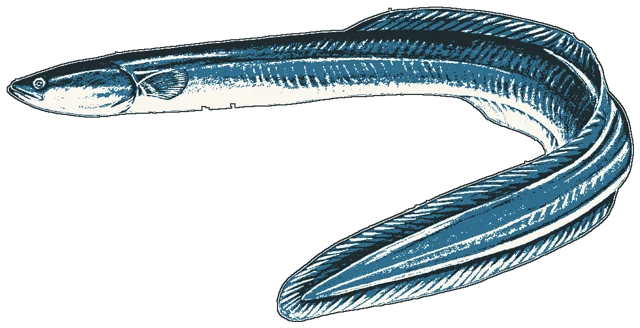
American eel
Anguilla rostrata · Fresh and salt
Few people in the US eat them (Maryland DNR) and most anglers cut them loose or use them as striper and crab bait, even though eel is a delicacy in Europe and Japan.
Worth a try: Eel is a popular food in Europe and Japan (Maryland DNR); skin it and smoke it hard.
- Tastes
- rich, sweet, dense, oily
- Limits
- Light regs. All waters, inland and marine: 9 in minimum, 25 per day, open year-round. Taking elver, glass and silver eels is prohibited. Spearing and bow and arrow use are allowed in streams not stocked with trout; spearing is prohibited in all lakes and ponds. (Statewide inland rules effective Jan 1, 2026 (DEEP species page, content updated Nov 2026); in force on Nov 21, 2026; marine-district rule matches the Nov 2026 marine species page) Source
- Where
- Only freshwater eel in Connecticut, living in fresh water and spawning at sea; DEEP lists American eel among legal bait species taken in the marine district.
- cut bait
- nightcrawlers
- Eels in some rivers carry high PCB levels; check local advisories.
- Do not eat (anyone): eel from any part of the Housatonic River, Lakes Lillinonah, Zoar and Housatonic included (PCBs).
- Do not eat (anyone): any fish from Union Pond in Manchester, the Hockanum River from there up through Vernon to the Shenipsit Lake outlet, the Tankerhoosen River, or Versailles and Papermill Ponds and the Little River in Sprague.
- Limit (everyone, unless a line above says do not eat): 1 meal a month of eel from the Scantic River below Somersville Pond Dam or the Pequabuck River (PFOS), or of any fish from the Connecticut River, the Quinnipiac River from the gorge south of Meriden to Long Island Sound, the Housatonic from Derby Dam to the Route 15 bridge, the Naugatuck up to Kinneytown Dam, the Hockanum River below Union Pond or in Ellington, or the Natchaug, Willimantic and Shetucket sections named on this page.
- Statewide (CT DPH 2025 guide): 1 meal a month if under 6, pregnant, nursing or may become pregnant; 1 meal a week for everyone else (mercury).
Atlantic menhaden
Brevoortia tyrannus · also called bunker · Saltwater
NOAA: too small and oily to eat. Menhaden go to fish meal and oil, and they support a major bait fishery (ASMFC).
- Tastes
- very oily, soft, bony
- Limits
- Light regs. No minimum length, 50 fish or 5 gallons a day, whichever is greater, open year-round. A Personal Use Gillnet License ($100, annual catch report required) is needed to take menhaden with a single gillnet up to 60 ft. (2026 marine rules (DEEP species page updated Nov 2026; Declaration 26-03, signed Apr 9, 2026 and effective 10 days later, changed black sea bass and bluefish); in force on Nov 21, 2026) Source
- Best months
- Open year-round
Before you eat it: CT DPH 2025 advisory: for Long Island Sound, most fish are safe to eat except for listed restrictions on striped bass, bluefish and weakfish. Fish of any species from the Connecticut River (shad excepted), the lower Quinnipiac River or the Housatonic around O'Sullivan's Island: one meal a month.
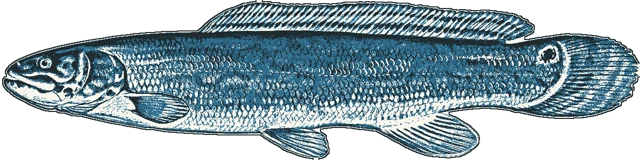
Bowfin
Amia calva (ruddy bowfin) and Amia ocellicauda (emerald bowfin) · Freshwater
TPWD calls it a rough fish rather than one for the table; the soft, pale flesh earned it the nickname 'cottonfish'.
Worth a try: Keep it alive until you clean it, cook it the same day, and use it smoked, fried as patties or stewed; MeatEater serves fried bowfin with a morel cream sauce.
- Tastes
- mild, soft, jelly-like unless very fresh
- Limits
- No limits. No minimum length and no daily limit, open year-round (RCSA 26-112-45(f), amended Jan 1, 2026, sets daily limits only for carp and eel in this group). DEEP's species page prints the common carp limit, 5 a day with only 1 over 30 in, under bowfin, tench, suckers and lampreys. Spearing and bow and arrow are allowed in streams not stocked with trout; spearing is prohibited in lakes and ponds. Possession of live bowfin is prohibited; bowfin may be fished for and either released at once or killed and kept. (RCSA 26-112-45(f), amended Jan 1, 2026 (eRegulations text last updated Dec 24, 2025); DEEP April 2026 fishing guide (v3), p. 10; in force on Nov 22, 2026) Source
- Where
- Scoville Reservoir (Wolcott) and the Connecticut River, where they can be locally common and are now common north of Hartford.
- live minnows
- cut bait
- jigs
- topwater lures
- Do not eat (anyone): any fish from Union Pond in Manchester, the Hockanum River from there up through Vernon to the Shenipsit Lake outlet, the Tankerhoosen River, or Versailles and Papermill Ponds and the Little River in Sprague.
Meal limits and other waters (2)
- Limit (everyone): 1 meal a month of any fish from the Connecticut River, the Quinnipiac River from the gorge south of Meriden to Long Island Sound, the Housatonic from Derby Dam to the Route 15 bridge, the Naugatuck up to Kinneytown Dam, the Hockanum River below Union Pond or in Ellington, or the Natchaug, Willimantic and Shetucket sections named on this page.
- Statewide (CT DPH 2025 guide): 1 meal a month if under 6, pregnant, nursing or may become pregnant; 1 meal a week for everyone else (mercury).
False albacore
Euthynnus alletteratus · also called little tunny · Saltwater
Dark, bloody, strong-tasting meat; most anglers release albies or cut them up for shark and kingfish bait.
Worth a try: Kill it immediately, cut the gills and bleed it in a saltwater bucket, then ice it. Fresh loins make good sashimi (Outdoor Life; Florida Sportsman, where 'bonito' means little tunny), and LSU Sea Grant rates it better than its reputation. Trim all dark meat.
- Tastes
- strong; clean and sweet when bled and very fresh, firm, dark red
- Limits
- No limits. No state minimum length, daily limit or season is listed for false albacore (little tunny). (2026 marine rules (DEEP species page updated Nov 2026; Declaration 26-03, signed Apr 9, 2026 and effective 10 days later, changed black sea bass and bluefish); in force on Nov 21, 2026) Source
- Where
- Shore spot DEEP lists: the beach at Bluff Point State Park (Groton), where little tunny are caught.
- metal jig
- epoxy jig
- fly
- small spoon
- live pinfish or spot
- Ciguatera has been reported (Florida Museum).
Before you eat it: CT DPH 2025 advisory: for Long Island Sound, most fish are safe to eat except for listed restrictions on striped bass, bluefish and weakfish. Fish of any species from the Connecticut River (shad excepted), the lower Quinnipiac River or the Housatonic around O'Sullivan's Island: one meal a month.
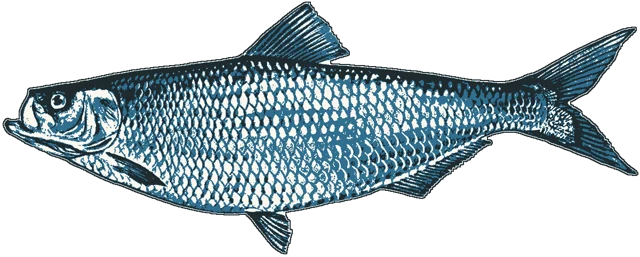
Hickory shad
Alosa mediocris · Saltwater
A spring sport fish that most anglers release: South Carolina DNR says hickory shad are not used as food for humans, and Virginia notes the few that are kept mostly become catfish bait.
- Limits
- Light regs. No minimum length, 6 per day in aggregate with American shad, open year-round. American shad harvest is limited to the Connecticut River system. (2026 marine rules (DEEP species page updated Nov 2026; Declaration 26-03, signed Apr 9, 2026 and effective 10 days later, changed black sea bass and bluefish); in force on Nov 21, 2026) Source
- Best months
- Open year-round
- Where
- Estuaries, bays and the lower sections of rivers and coves. Shore spots DEEP lists: Bluff Point beach, Fort Trumbull, Silver Sands and Ferry Landing.
- willowleaf lures
- shad darts
- Kastmaster
- small jigs with plastic bodies
- Limit (everyone): 1 meal a month of any fish from the Connecticut River, the Quinnipiac River from the gorge south of Meriden to Long Island Sound, or the Housatonic from Derby Dam to the Route 15 bridge.
Meal limits and other waters (2)
- The guide's Connecticut River exception is for shad that enter the river only to spawn; it does not name hickory shad.
- CT DPH 2025 advisory: for Long Island Sound, most fish are safe to eat except for listed restrictions on striped bass, bluefish and weakfish.
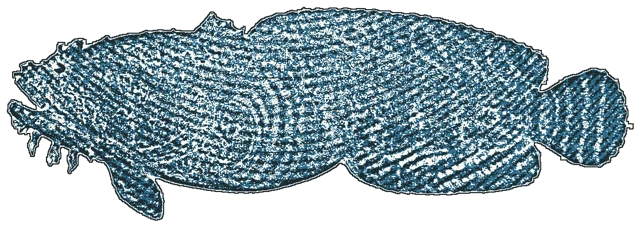
Oyster toadfish
Opsanus tau · Saltwater
An ugly, snapping bycatch fish that almost nobody keeps; toadfishes are generally considered undesirable as food (Florida Museum).
- Tastes
- mild
- Limits
- No limits. No Connecticut minimum length, daily limit or season is listed for toadfish. (2026 marine rules (DEEP species page updated Nov 2026; Declaration 26-03, signed Apr 9, 2026 and effective 10 days later, changed black sea bass and bluefish); in force on Nov 21, 2026) Source
- squid
- clams
- bloodworms
- peeler crab
Before you eat it: CT DPH 2025 advisory: for Long Island Sound, most fish are safe to eat except for listed restrictions on striped bass, bluefish and weakfish. Fish of any species from the Connecticut River (shad excepted), the lower Quinnipiac River or the Housatonic around O'Sullivan's Island: one meal a month.
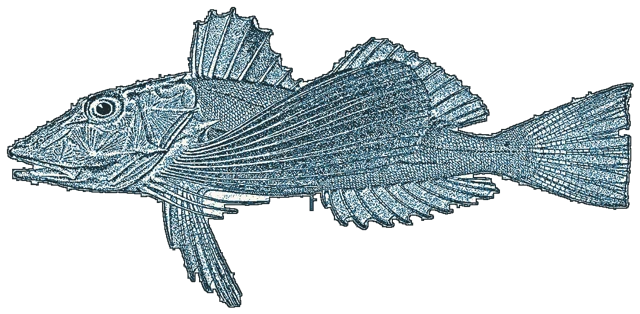
Sea robin
Prionotus spp. (mainly P. carolinus and P. evolans) · Saltwater
Anglers treat sea robins as bait-stealing nuisances and throw them back; few keep one to eat.
Worth a try: On The Water found the fillets delicious, better than fluke or sea bass, if a little darker and firmer. Fillet the tail section (watch the spines) and fry or bake it like fluke.
- Tastes
- mild, sweet, firm, slightly darker than sea bass
- Limits
- No limits. No Connecticut minimum length, daily limit or season is listed for sea robins. (2026 marine rules (DEEP species page updated Nov 2026; Declaration 26-03, signed Apr 9, 2026 and effective 10 days later, changed black sea bass and bluefish); in force on Nov 21, 2026) Source
- squid strips
- cut bait
- cut shrimp
- clams
- Spiny head and fins make it unpleasant to handle.
Before you eat it: CT DPH 2025 advisory: for Long Island Sound, most fish are safe to eat except for listed restrictions on striped bass, bluefish and weakfish. Fish of any species from the Connecticut River (shad excepted), the lower Quinnipiac River or the Housatonic around O'Sullivan's Island: one meal a month.
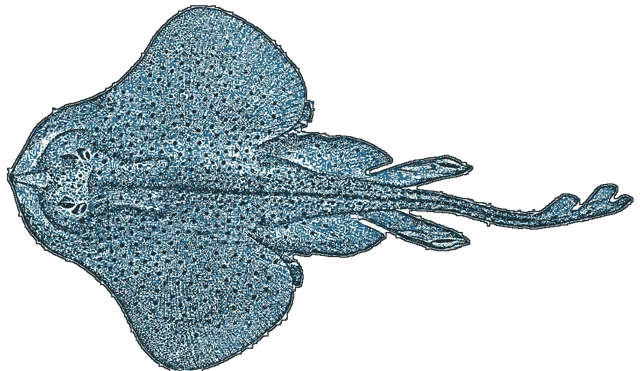
Skate
Rajidae (mainly Raja eglanteria, Leucoraja erinacea, L. ocellata) · Saltwater
Almost every US angler throws skates back or uses them for trap bait; Hank Shaw notes no one he knew growing up in New York and New Jersey kept one.
Worth a try: Kill the fish and cut off the wings right away, refrigerate a day or two so the meat firms up, and brine to remove any ammonia (Hank Shaw). NOAA describes winter skate as mild with a flavor similar to scallops. Classic prep: dredged and sautéed in brown butter with capers.
- Tastes
- mild, scallop-like, firm, stringy, corduroy grain
- Limits
- No limits. No Connecticut minimum length, daily limit or season is listed for skates. NOAA's Greater Atlantic table lists no recreational fishing for barndoor, smooth and thorny skates, and open all year with unlimited possession for clearnose, little, rosette and winter skates. (2026 marine rules (DEEP species page updated Nov 2026; Declaration 26-03, signed Apr 9, 2026 and effective 10 days later, changed black sea bass and bluefish); in force on Nov 21, 2026) Source
- cut bait
- squid
- clams
- Poorly handled skates and rays can smell of ammonia; bleed, ice and brine (Hank Shaw).
- Barndoor and thorny skates are protected; possession is prohibited (NOAA).
Before you eat it: CT DPH 2025 advisory: for Long Island Sound, most fish are safe to eat except for listed restrictions on striped bass, bluefish and weakfish. Fish of any species from the Connecticut River (shad excepted), the lower Quinnipiac River or the Housatonic around O'Sullivan's Island: one meal a month.
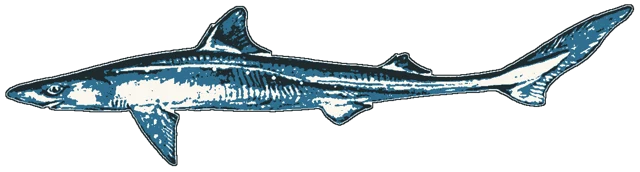
Spiny dogfish
Squalus acanthias · Saltwater
To most US anglers dogfish are a nuisance that swarms baits; NOAA says there is little consumer demand for it in the United States.
Worth a try: NOAA describes the meat as mild, sweet, flaky but firm. It is the fish in British fish and chips, and North Carolina Sea Grant's chef panels served it as 'cape shark' blackened, fried and in chowder. Bleed and gut it quickly like any shark.
- Tastes
- mild, sweet, flaky but firm, oilier than other sharks
- Limits
- No limits. Smooth and spiny dogfish: no minimum length, no daily limit, open all year. Any other shark needs a federal Atlantic Highly Migratory Species permit to take, possess or land in Connecticut. NOAA's federal table lists spiny dogfish as open all year with no minimum size and unlimited possession. (2026 marine rules (DEEP species page updated Nov 2026; Declaration 26-03, signed Apr 9, 2026 and effective 10 days later, changed black sea bass and bluefish); in force on Nov 21, 2026) Source
- strips of squid
- cut pieces of fish
- Do not eat (under 6, pregnant, nursing or may become pregnant): shark, and a dogfish is a shark (CT DPH 2025 guide, market fish advice; mercury).
Meal limits and other waters (3)
- Limit (everyone else): shark, 1 meal a month.
- CT DPH 2025 advisory: for Long Island Sound, most fish are safe to eat except for listed restrictions on striped bass, bluefish and weakfish.
- Fish of any species from the Connecticut River (shad excepted), the lower Quinnipiac River or the Housatonic around O'Sullivan's Island: one meal a month.
White sucker
Catostomus commersonii · Freshwater
Suckers have perhaps the worst reputation of the rough fish (MeatEater) and are mostly raised and sold as bait (MN DNR); the many small bones keep most anglers from eating them.
Worth a try: Spring fish from cold water are light and sweet like walleye (MeatEater); score them deeply and fry hard, pickle them to dissolve the bones, or grind into fish cakes.
- Tastes
- light, sweet, firm, white, many small bones
- Limits
- No limits. No minimum length and no daily limit, open year-round (RCSA 26-112-45(f), amended Jan 1, 2026, sets daily limits only for carp and eel in this group). DEEP's species page prints the common carp limit, 5 a day with only 1 over 30 in, under bowfin, tench, suckers and lampreys. Spearing and bow and arrow are allowed in streams not stocked with trout; spearing is prohibited in lakes and ponds. (RCSA 26-112-45(f), amended Jan 1, 2026 (eRegulations text last updated Dec 24, 2025); DEEP April 2026 fishing guide (v3), p. 10; in force on Nov 22, 2026) Source
- Best months
- Most abundant in early spring spawning runs, March to early May
- Where
- Almost all but the smallest streams and most lakes with tributaries; spring runs can be watched at the Leesville Dam and Fishway on the Salmon River in East Haddam.
- bait on the bottom
- Do not eat (anyone): any fish from Union Pond in Manchester, the Hockanum River from there up through Vernon to the Shenipsit Lake outlet, the Tankerhoosen River, or Versailles and Papermill Ponds and the Little River in Sprague.
- Do not eat (under 6, pregnant, nursing or may become pregnant): white sucker from the Konkapot River in North Canaan (mercury).
Meal limits and other waters (3)
- Limit (everyone else): white sucker, 1 meal a month from the Konkapot.
- Limit (everyone): 1 meal a month of any fish from the Connecticut River, the Quinnipiac River from the gorge south of Meriden to Long Island Sound, the Housatonic from Derby Dam to the Route 15 bridge, the Naugatuck up to Kinneytown Dam, the Hockanum River below Union Pond or in Ellington, or the Natchaug, Willimantic and Shetucket sections named on this page.
- Statewide (CT DPH 2025 guide): 1 meal a month if under 6, pregnant, nursing or may become pregnant; 1 meal a week for everyone else (mercury).
Atlantic salmon (sea-run)
Salmo salar · Freshwater
Commercial and recreational fishing for sea-run Atlantic salmon is prohibited in the US (NOAA); the species is ESA-endangered.
- Tastes
- buttery, rich (farmed), firm, fatty
- Limits
- Heavy regs. Taking Atlantic salmon is prohibited unless DEEP allows it by a yearly declaration (RCSA 26-112-45(c)), so check the current declaration before keeping one. It names the Naugatuck River (Torrington to the Housatonic), the Housatonic River (Derby Dam to Long Island Sound), the Shetucket River (Scotland Dam to Water Street Bridge, Norwich), Crystal Lake (Ellington, Stafford) and Mount Tom Pond (Litchfield, Morris, Washington). In the three rivers, Sept 1 to Dec 15 is catch and release only and from Dec 16 to Aug 31 the limit is 1 a day, no minimum length. In Crystal Lake and Mount Tom Pond the limit is 1 a day from Opening Day (second Saturday of April) to the last day of February and catch and release from March 1. Gear in the rivers is a single fly or an artificial lure with a single free-swinging hook and no added weight; in the Atlantic Salmon Management Areas (upper and lower Naugatuck River, Shetucket River from Scotland Dam to Occum Dam) that gear is required for every species from Sept 1 to Mar 31. A Trout and Salmon Stamp is required to keep a salmon and to fish an Atlantic Salmon Management Area. (DEEP species page (updated Nov 2026), April 2026 guide (v3) and the 2025-26 declaration (valid through Aug 31, 2026); in force on Nov 21, 2026) Source
- Best months
- Surplus broodstock stocked in fall into the Shetucket and Naugatuck Rivers; adults strike small lures and flies
- Where
- Adults are stocked each fall into the Naugatuck and Shetucket Rivers (the Atlantic Salmon Management Areas) and into Mount Tom Pond and Crystal Lake (Ellington).
- small lures
- flies
- Do not eat (anyone): any fish from the all-fish waters named on this page (Union Pond, the upper Hockanum and Tankerhoosen Rivers, and Versailles and Papermill Ponds and the Little River).
Meal limits and other waters (3)
- Limit (everyone): 1 meal a month of any fish from the Connecticut River, the Housatonic from Derby Dam to the Route 15 bridge, the Naugatuck up to Kinneytown Dam, or the first half mile of the Shetucket at Willimantic, to Plains Road (PFOS).
- Statewide (CT DPH 2025 guide): 1 meal a month if under 6, pregnant, nursing or may become pregnant; 1 meal a week for everyone else (mercury).
- The guide does not name salmon separately.
Where to fish in Connecticut
Fish named here are what people catch at each spot, not a promise they’re safe to eat. Read the eating advice on the fish’s card before you keep one.
# Salt or brackish# Freshwater
- 1East Twin Lake (Lake Washining) lake · fresh
DEEP lists it as both a Trout Management Lake and a Kokanee Lake: 5 trout a day with no more than 1 brown trout (brown trout 22 in minimum), and 1 chain pickerel a day at 22 in minimum.
Known for: Kokanee salmon, Brown trout, Chain pickerel, Largemouth bass
Access: Car top access via a state ramp; otherwise a commercial launching ramp (fee) and a boat livery. Ice fishing is limited to 2 devices per angler.
- 2Squantz Pond lake · fresh
DEEP lists it as a Walleye Lake, a Trout Management Lake and a Trophy Carp Water (1 carp a day, 26 in maximum).
Known for: Walleye, Common carp, Largemouth bass, Smallmouth bass, White perch
Access: State park launch ramp; motors on boats launched there are limited to 25 horsepower. Fishing from shore is prohibited behind the fence along the shore in the state park from Memorial Day through Labor Day.
- 3Bantam Lake lake · fresh
DEEP lists it as a Northern Pike Lake: closed to pike fishing March 1 to April 30, 2 pike a day at 26 in minimum May 1 to Nov 30, and 1 a day at 36 in minimum Dec 1 to the last day of February. Species listed include smallmouth and largemouth bass, white perch, calico bass and yellow perch.
Known for: Northern pike, Smallmouth bass, Largemouth bass, White perch, Black crappie
Access: Motors are prohibited from 11 p.m. to 5 a.m.; internal combustion motors are prohibited on the Bantam River between the lake and the inlet to Little Pond.
- 4Lake Lillinonah reservoir · fresh
Housatonic River impoundment between the Bleachery Dam and the Shepaug Dam. DEEP sets 1 pike or tiger muskie a day (not both) at 38 in minimum, and lists largemouth and smallmouth bass, white perch, calico bass, white catfish, common carp and yellow perch among its species. Eating advice (PCBs): nobody should eat its pike, carp, catfish, trout or eel; children under 6 and anyone pregnant, nursing or who may become pregnant should not eat its bass or white perch; for everyone else bass is 1 meal every 2 months and white perch 1 meal a month.
Known for: Largemouth bass, Smallmouth bass, White perch, Black crappie, Yellow perch
Access: Boat access is run by DEEP's Boating Division; the lake listing gives a 45 mph daytime speed limit and 25 mph from half an hour after sunset.
- 5Lake Waramaug lake · fresh
A 656-acre lake where DEEP lists largemouth and smallmouth bass, chain pickerel, yellow perch, bullhead and sunfish; trout fishing there is catch and release from March 1 to Opening Day.
Known for: Largemouth bass, Smallmouth bass, Chain pickerel, Yellow perch, Bullhead (black, brown, yellow)
Access: Carry-in boat access in Lake Waramaug State Park (about a 100-foot carry to the water); town boat launch in Washington (annual launch permit and daily inspection fee).
- 6Housatonic River Trout Management Area (Cornwall and Sharon) river · fresh
DEEP stocked brown and rainbow trout here in 2025. The Housatonic River from the Route 7/112 bridge to the Route 4/7 bridge is a year-round catch-and-release trout management area, with a 3-mile fly-fishing-only section upstream of the Route 4/7 bridge. Eating advice (PCBs): nobody should eat trout, catfish, eel, carp or pike from this part of the Housatonic, so its trout are not listed as fish to keep; children under 6 and anyone pregnant, nursing or who may become pregnant should not eat its bass or white perch either.
Access: A Trout and Salmon Stamp is required to fish here. June 15 to September 15, fishing is prohibited within 100 feet of posted thermal refuges.
- 7West Branch Farmington River Trout Management Area river · fresh
DEEP stocked brown and rainbow trout here in 2025. The West Branch Farmington River in Barkhamsted and New Hartford is a year-round catch-and-release trout management area where barbless hooks are required. The sections above and below it allow 2 trout a day from Opening Day to Aug 31, 12 in minimum.
Known for: Brown trout, Rainbow trout
Access: A Trout and Salmon Stamp is required to fish here.
- 8Connecticut River (tidal river and coves) river · fresh
DEEP names the entire Connecticut River and its coves a Trophy Carp Water (1 carp a day, 26 in maximum). Eating advice (PCBs, PFOS): children under 6 and anyone pregnant, nursing or who may become pregnant should not eat its carp; for everyone else carp, like every fish here but shad, is 1 meal a month.
Known for: Common carp
Access: The entire river and its coves are a Trophy Carp Water; bow and arrow anglers may take 12 carp a day, no more than 3 over 30 in, below the Arrigoni Bridge in Middletown.
- 9Hammonasset Beach State Park surf · salt
DEEP lists blackfish, winter flounder, bluefish, summer flounder, scup, weakfish and striped bass. Eating advice (PCBs): children under 6 and anyone pregnant, nursing or who may become pregnant should not eat its striped bass or its bluefish over 25 in; for everyone else those are 1 meal a month, and bluefish 13 to 25 in and weakfish are 1 meal a month for everyone.
Known for: Tautog, Winter flounder, Bluefish, Summer flounder, Scup
Access: Fishing is allowed only at the Meig's Point Jetty (south end) and the West Beach Jetty in the peak season from 8:00 a.m. to sunset. Night fishing is allowed along the 2-mile beach; the whole beach is not open to night fishing October to May.
- 10Sherwood Island State Park surf · salt
DEEP lists blackfish, bluefish, scup, summer flounder, winter flounder and striped bass off Sherwood Point. Eating advice (PCBs): children under 6 and anyone pregnant, nursing or who may become pregnant should not eat its striped bass or its bluefish over 25 in; for everyone else those are 1 meal a month, and bluefish 13 to 25 in are 1 meal a month for everyone.
Known for: Tautog, Bluefish, Scup, Summer flounder, Winter flounder
Access: Fishing is allowed at Sherwood Point and the East and West Jetty from April 15 to Sept 30; the entire beach is open to fishing in the off-season from 8:00 a.m. to sunset only.
- 11Silver Sands State Park and Charles Island tombolo surf · salt
DEEP lists bluefish, striped bass, summer flounder, hickory shad and weakfish. Eating advice (PCBs): children under 6 and anyone pregnant, nursing or who may become pregnant should not eat its striped bass or its bluefish over 25 in; for everyone else those are 1 meal a month, and bluefish 13 to 25 in and weakfish are 1 meal a month for everyone.
Known for: Bluefish, Striped bass, Summer flounder, Hickory shad, Weakfish
Access: Fishing is open throughout the area, including the tombolo that runs about a mile to Charles Island; swift tidal currents on a flood tide make the tombolo dangerous. Charles Island is closed from the Friday before Memorial Day until September 9 for nesting waterbirds.
- 12Rocky Neck State Park jetty surf · salt
DEEP lists blackfish, winter flounder, bluefish and striped bass off the jetty. Eating advice (PCBs): children under 6 and anyone pregnant, nursing or who may become pregnant should not eat its striped bass or its bluefish over 25 in; for everyone else those are 1 meal a month, and bluefish 13 to 25 in are 1 meal a month for everyone.
Known for: Tautog, Winter flounder, Bluefish, Striped bass
Access: Fishing is allowed on the jetty year-round (on the right side of the beach); the entire beach and jetty are open to fishing in the off-season. Crabbing is allowed at designated areas.
- 13Fort Trumbull State Park pier pier · salt
DEEP lists bluefish, striped bass, summer flounder, hickory shad, scup, tautog, winter flounder and weakfish. Eating advice (PCBs): children under 6 and anyone pregnant, nursing or who may become pregnant should not eat its striped bass or its bluefish over 25 in; for everyone else those are 1 meal a month, and bluefish 13 to 25 in and weakfish are 1 meal a month for everyone.
Known for: Bluefish, Striped bass, Summer flounder, Hickory shad, Scup
Access: There is 24-hour pedestrian access from Riverfront Walk to Pier 4 on the Thames River; regulations are posted on the pier.
- 14Bluff Point State Park and Poquonock Cove surf · salt
DEEP lists winter flounder and snapper bluefish at Poquonock Cove, and bluefish, striped bass, hickory shad, summer flounder, little tunny and blackfish from the beach. Eating advice (PCBs): children under 6 and anyone pregnant, nursing or who may become pregnant should not eat its striped bass or its bluefish over 25 in; for everyone else those are 1 meal a month, and bluefish 13 to 25 in are 1 meal a month for everyone.
Known for: Winter flounder, Bluefish, Striped bass, Hickory shad, Summer flounder
Access: Fishing is allowed at Poquonock Cove and the beach at Bluff Point, 24 hours.
Connecticut fishing license and rules
- Resident: Inland Waters Only: $28 (CT residents 18 to 64), $14 (CT residents 16 and 17); free for CT residents 65 and older (renew annually). All Waters (inland and marine): $32 (18 to 64), $16 (16 and 17).
- Nonresident: Inland Waters Only: $55. All Waters (inland and marine): $63.
- Nonresident short-term: Inland: $22 for 3 consecutive days (nonresidents). Marine: $8 for 3 consecutive days (nonresidents).
- Saltwater: Separate Marine Waters Fishing License ($10 resident 18 to 64, $5 resident 16 and 17, $15 nonresident; resident one-day $5, or $3 at 16 and 17; nonresident 3-day $8; free for residents 65 and older with annual renewal), or an All Waters license ($32 resident, $63 nonresident), which covers inland and marine. Marine licenses from Maine, Massachusetts, Rhode Island and New York are valid in Connecticut's marine district; New Hampshire's is not.
- Who needs one: A license is required at 16 and older; Connecticut residents 16 and 17 pay half price; residents 65 and older fish free with an annual license renewal. No license is needed under 16.
- Free fishing days: 2026: Family Fishing Day, Saturday May 9 (no license required); Free Fishing License Days, Sunday June 21 and Saturday Aug 8 (a free 1-day license from the online licensing system, available 3 weeks ahead). Check the DEEP licenses page for 2027 dates.
More license details
Licenses are on a calendar year and expire Dec 31. The Trout and Salmon Stamp ($5; $3 for residents 16 and 17; $5 nonresident) is required at 16 and older to keep any trout or salmon and to fish Trout Management Areas, Trout Parks, Wild Trout Management Areas (Classes 1 to 3) and Atlantic Salmon Management Areas. An Inland or All Waters license is required upstream of the demarcation landmarks between the inland and marine districts (for example the I-95 bridge on the Connecticut River) and an All Waters or Marine license downstream. Reciprocity: a valid marine license from Maine, Massachusetts, Rhode Island or New York works in Connecticut's marine district, and Connecticut residents with a Connecticut marine license may fish the marine waters of those states (residents still need a Connecticut license at home); on boundary lakes a license from either state is valid on the whole water (Beach Pond, Hazard Pond, Killingly Pond and Peck Pond with Rhode Island; Indian Lake with New York; Congamond Lakes, Breakneck Pond and Hamilton Reservoir with Massachusetts; Colebrook River Lake only from the demarcation posters to the dam). Connecticut marine license holders are exempt from the federal saltwater registry; taking tunas, sharks, swordfish or billfish in federal waters also needs a NOAA Highly Migratory Species permit. Free licenses are available to Connecticut residents who are blind or intellectually disabled, and to people who have lost a limb or the use of one (nonresidents only if their state does the same for Connecticut residents). Licenses bought online are signed electronically.
Buy a license License types and fees
Fees: 2026 (calendar year).
- Striped bass: 1 fish at 28 to under 31 in, an in-line circle hook is required with natural bait, and all striped bass fishing is catch and release from Dec 1 to March 31 each year, starting Dec 1, 2026 (Public Act 26-101).
- Trout: a Trout and Salmon Stamp is required to keep any trout or salmon and to fish Trout Management Areas, Trout Parks, Wild Trout Management Areas and Atlantic Salmon Management Areas. Trout must be 9 in to keep, and trout fishing is catch and release from March 1 until 6:00 a.m. on the second Saturday of April (April 10, 2027).
- Wild Trout Management Areas Class 1 (22 waters added for 2026) are catch and release all year with a single barbless hook on an artificial lure or fly.
- Housatonic River bass are catch and release only, all year, from the CT/MA line to the Bleachery Dam in New Milford.
- Bantam Lake and Little Pond: northern pike are closed March 1 to April 30, then 2 per day at 26 in minimum May 1 to Nov 30 and 1 per day at 36 in minimum Dec 1 to the last day of February.
- Taking migratory alewife and blueback herring is prohibited in all Connecticut waters (declaration effective April 1, 2026); landlocked alewife may be taken only from twelve named lakes such as Candlewood Lake and Quassapaug Lake.
- American shad may be kept only in the Connecticut River system (6 a day with hickory shad); shad caught anywhere else must be released.
- 2026 marine seasons: summer flounder May 4 to Oct 15; tautog April 1 to 30, July 1 to Aug 31 and Oct 10 to Nov 28; black sea bass May 16 to Nov 25 (party and charter to Dec 31). Shore anglers can keep scup at 9.5 in, and fluke at 17 in at the listed Enhanced Opportunity sites.
- Any shark other than smooth or spiny dogfish needs a federal Atlantic Highly Migratory Species permit with a shark endorsement; tunas, billfish and swordfish are managed by NOAA's HMS office. Inland, set lines and gaffs are prohibited, snagging is prohibited (menhaden may be snagged in tidal waters), and culling is prohibited except for black bass in a permitted tournament.
Limits here are summaries for convenience, checked on the date shown. The official Connecticut regulations govern; check them before you keep a fish.
Before you eat it
- Do not eat any fish (anyone): Union Pond in Manchester; the Hockanum River from Union Pond east through Manchester and Vernon to the Shenipsit Lake outlet, with the Papermill Pond impoundments and Pitney Park in Vernon; the Tankerhoosen River up to the Main Street dam in Vernon (all PFOS); and Versailles and Papermill Ponds and the attached Little River in Sprague (mercury, PCBs).
- Do not eat bass (anyone), PFOS: the Hockanum River from the Connecticut River up to the Union Pond outlet (East Hartford and western Manchester, with East Hartford Lake and the small impoundments and ponds) and its Ellington section; the Natchaug River from the Willimantic Reservoir dam down to the Shetucket; the first half mile of the Shetucket River, to Plains Road; and the Willimantic River from its mouth up to the Pine Street dam. Any other fish from those sections is 1 meal a month for everyone.
- Do not eat (anyone): trout, catfish, eel, carp or northern pike from the Housatonic River above Lake Lillinonah or from Lakes Lillinonah, Zoar and Housatonic, and carp or eel from any part of the Housatonic River (PCBs). Catfish or bullhead from Brewster Pond in Stratford (chlordane).
Do not eat (children under 6 and anyone pregnant, nursing or who may become pregnant, the group DPH calls high risk): bass, white perch, trout, northern pike, catfish or bullhead from any … (see the full list)
Do not eat (children under 6 and anyone pregnant, nursing or who may become pregnant, the group DPH calls high risk): bass, white perch, trout, northern pike, catfish or bullhead from any part of the Housatonic River; carp from the Connecticut River; bass or pickerel from Dodge Pond (East Lyme), Lake McDonough (Barkhamsted), Silver Lake (Berlin and Meriden) or Wyassup Lake (North Stonington); bass from the Quinnipiac River above the gorge; white sucker from the Konkapot River (North Canaan); and striped bass or bluefish over 25 in from Long Island Sound and connected rivers. DPH's market-fish advice adds shark and swordfish.
- Border waters, from the neighbor state's list: Massachusetts (December 2025) says children under 12 and anyone nursing, pregnant or who may become pregnant do not eat any fish from Congamond Lakes (Suffield and Southwick), and everyone else 1 meal a week (PFAS). Rhode Island says native fish (perch, bass and pickerel) from the Pawcatuck River below Burdickville Road no more than once a month, and none of the organs (PFAS).
- Do not eat lobster tomalley (the green gland), from the Sound or anywhere else, or any crab from the Mill River in Fairfield between Harbor Road and Sturges Road (lead).
- West River, New Haven and West Haven, from upstream of Derby Avenue (Route 34) to Kimberly Avenue (Route 122): DPH's March 5, 2026 precaution after a fuel oil spill says to avoid eating the fish, for two weeks or until no sheen or odor is present. Check with DPH (1-877-458-3474) before eating fish from there.
Housatonic River above Lake Lillinonah and Lakes Lillinonah, Zoar and Housatonic, other limits (PCBs): bass are 1 meal every 2 months for everyone outside the high risk group (white perch … (see the full list)
Housatonic River above Lake Lillinonah and Lakes Lillinonah, Zoar and Housatonic, other limits (PCBs): bass are 1 meal every 2 months for everyone outside the high risk group (white perch the same above Lake Lillinonah); fallfish, bullhead and white perch in the lakes, and fallfish, bullhead and bluegill in the river, are 1 meal a month; yellow perch, calico bass, rock bass and sunfish (bluegill in the lakes too) are 1 meal a month for the high risk group and 1 a week for everyone else. Around O'Sullivan's Island (Derby Dam to the Route 15 bridge, and up the Naugatuck to the Kinneytown Dam), any fish not named above is 1 meal a month for everyone (PFOS). DPH's web page and May 2024 women's guide name no stretch of the Housatonic, so the stricter line is printed here.
- Statewide freshwater (CT DPH 2025 guide, dated Jan 30, 2025): trout and sunfish have no limits on consumption, though DPH warns of mercury in large trout from lakes and says the high risk group should eat smaller trout (under 15 in). All other freshwater fish are 1 meal a month for the high risk group and 1 meal a week for everyone else, because of mercury.
- Connecticut River: any fish except shad, 1 meal a month (PCBs, PFOS); the high risk group should not eat its carp. Shad enter the river only to spawn and are not included there. Quinnipiac River from the gorge south of Meriden to Long Island Sound: any fish, 1 meal a month for everyone (PFOS, PCBs). Long Island Sound and connected rivers: striped bass and bluefish over 25 in, 1 meal a month for everyone outside the high risk group; bluefish 13 to 25 in and weakfish, 1 meal a month for everyone; snapper bluefish under 13 in are not included. DPH says most other Sound fish are safe to eat.
1 meal a month (everyone): bass from the Naugatuck River (the West Branch below Stillwater Pond included), the Still River (Winchester) and the lower Farmington River from Rainbow Dam to … (see the full list)
1 meal a month (everyone): bass from the Naugatuck River (the West Branch below Stillwater Pond included), the Still River (Winchester) and the lower Farmington River from Rainbow Dam to the Connecticut River (yellow perch there too), PFOS; smallmouth bass from the Blackberry River below the Blast Furnace (North Canaan) and trout from Furnace Brook (Cornwall), PCBs; eel from the Scantic River below the Somersville Pond Dam and from the Pequabuck River, PFOS. 1 meal a month for everyone outside the high risk group: bass and pickerel from Dodge Pond, Lake McDonough, Silver Lake and Wyassup Lake, and white sucker from the Konkapot River (mercury).
- Cleaning: cut away and throw out the organs, head, skin and the dark fatty tissue along the backbone, lateral lines and belly, and cook on a rack so the fat drips away (PCBs). Cleaning and cooking do not lower mercury.
Local lingo
- Opening Day: the second Saturday in April, when trout harvest opens (April 10, 2027).
- TMA and WTMA: Trout Management Area and Wild Trout Management Area.
- 'Tog or blackfish: tautog.
- Fluke: summer flounder. Porgy: scup. Sea trout: weakfish. Bunker: Atlantic menhaden.
- Snappers: young bluefish, under 13 in in the health advisory.
- Calico bass: black crappie.
- Kokanee, or silver bullet: landlocked sockeye salmon, found in East Twin Lake and West Hill Pond.
- The Sound: Long Island Sound. The marine district also takes in coves and river mouths below the demarcation lines.
Questions anglers ask about Connecticut
What is the most common fish in Connecticut?
In NOAA MRIP estimates for 2023 to 2025, scup was the most-caught saltwater fish in Connecticut, at about 4,235,583 fish a year (about 39% kept), followed by black sea bass at about 2,797,586 (about 94% released) and tautog at about 1,838,935. MRIP is a saltwater survey, so it does not rank freshwater fish.
Do I need a saltwater fishing license in Connecticut?
Yes. Separate Marine Waters Fishing License ($10 resident 18 to 64, $5 resident 16 and 17, $15 nonresident; resident one-day $5, or $3 at 16 and 17; nonresident 3-day $8; free for residents 65 and older with annual renewal), or an All Waters license ($32 resident, $63 nonresident), which covers inland and marine. Marine licenses from Maine, Massachusetts, Rhode Island and New York are valid in Connecticut's marine district; New Hampshire's is not.
What is the best fish to eat in Connecticut?
20 of the 51 fish on our Connecticut board rate Best eating. Among the fish caught most: black sea bass, tautog, striped bass, summer flounder, brown trout and rainbow trout.
What is the state fish of Connecticut?
American shad: State fish, Conn. Gen. Stat. § 3-109d.
Does Connecticut have free fishing days?
2026: Family Fishing Day, Saturday May 9 (no license required); Free Fishing License Days, Sunday June 21 and Saturday Aug 8 (a free 1-day license from the online licensing system, available 3 weeks ahead). Check the DEEP licenses page for 2027 dates.
Which Connecticut fish are better to eat than their reputation?
We give the Worth a try badge to northern pike, common carp, American eel, American shad, white sucker, bowfin, bluefish, spiny dogfish, false albacore, skate, sea robin and northern puffer: fish most anglers toss or rate low that eat well when they're cleaned and cooked right. Each card says how.
Neighboring states
Sources
Limits, prices and advisories come from these pages, read on or before Nov 21, 2026. Where a line gives its own date, that’s the date it rests on. Eating advice changes: check the state’s current list. Ratings are national and come from the fish’s own page.
68 sources
- ct.aspirafocus.com license buy
- eregulations.ct.gov Atlantic salmon (sea-run): regs; bowfin: regs; white sucker: regs
- onthewater.com tautog: baits; winter flounder: baits
- onthewater.com bluefish: baits; tautog: baits
- portal.ct.gov Atlantic salmon (sea-run): regs; bowfin: regs; brook trout: months; brook trout: names; brook trout: regs; brown trout: months; brown trout: regs; channel catfi
- portal.ct.gov fishing spots
- portal.ct.gov Atlantic salmon (sea-run): regs
- portal.ct.gov American shad: regs; smooth dogfish: regs; spiny dogfish: regs; top species
- portal.ct.gov Atlantic menhaden: regs; black sea bass: regs; bluefish: regs; scup: regs; striped bass: regs; summer flounder: regs; tautog: regs; weakfish: regs; winter floun
- portal.ct.gov river herring (alewife and blueback herring): regs
- portal.ct.gov Atlantic salmon (sea-run): where
- portal.ct.gov common carp: baits; common carp: regs; common carp: where; fishing spots; top species
- portal.ct.gov Kokanee salmon: baits; Kokanee salmon: months; Kokanee salmon: names; Kokanee salmon: where; top species
- portal.ct.gov northern pike: where; top species
- portal.ct.gov brook trout: baits; brook trout: regs; brown trout: baits; brown trout: regs; rainbow trout: baits; rainbow trout: regs
- portal.ct.gov top species; walleye: where
- portal.ct.gov state records
- portal.ct.gov black crappie: regs; black crappie: where; bluegill: regs; brook trout: regs; brown trout: regs; chain pickerel: regs; fishing spots; largemouth bass: regs; nor
- portal.ct.gov Atlantic salmon (sea-run): regs; brook trout: regs; brown trout: regs; rainbow trout: regs
- portal.ct.gov American eel: regs; American shad: regs; Atlantic salmon (sea-run): regs; Kokanee salmon: regs; black crappie: regs; bluegill: regs; bowfin: regs; brook trout:
- portal.ct.gov Kokanee salmon: why; brook trout: months; brown trout: months; channel catfish: where; rainbow trout: months
- portal.ct.gov river herring (alewife and blueback herring): months; river herring (alewife and blueback herring): why
- portal.ct.gov American shad: baits; American shad: months; American shad: where; American shad: why
- portal.ct.gov Atlantic salmon (sea-run): baits; Atlantic salmon (sea-run): months; Atlantic salmon (sea-run): where
- portal.ct.gov black crappie: baits; black crappie: names; black crappie: where
- portal.ct.gov river herring (alewife and blueback herring): months; river herring (alewife and blueback herring): names; river herring (alewife and blueback herring): where
- portal.ct.gov bluegill: baits; bluegill: months; bluegill: where
- portal.ct.gov bowfin: where
- portal.ct.gov brook trout: where; top species
- portal.ct.gov bullhead (black, brown, yellow): baits; bullhead (black, brown, yellow): where
- portal.ct.gov brown trout: where; top species
- portal.ct.gov chain pickerel: baits; chain pickerel: months; chain pickerel: where
- portal.ct.gov channel catfish: baits; channel catfish: months; channel catfish: where; top species
- portal.ct.gov fallfish: baits; fallfish: names; fallfish: where
- portal.ct.gov American eel: where
- portal.ct.gov largemouth bass: baits; largemouth bass: where
- portal.ct.gov northern pike: baits; northern pike: months
- portal.ct.gov pumpkinseed: names; pumpkinseed: where
- portal.ct.gov rainbow trout: where; top species
- portal.ct.gov redbreast sunfish: baits; redbreast sunfish: where; redbreast sunfish: why
- portal.ct.gov rock bass: baits; rock bass: where
- portal.ct.gov smallmouth bass: baits; smallmouth bass: where
- portal.ct.gov walleye: baits; walleye: months
- portal.ct.gov white catfish: baits; white catfish: months; white catfish: where
- portal.ct.gov white perch: baits; white perch: where
- portal.ct.gov white sucker: baits; white sucker: months; white sucker: where
- portal.ct.gov bullhead (black, brown, yellow): baits
- portal.ct.gov yellow perch: baits; yellow perch: months; yellow perch: where
- portal.ct.gov where to fish
- portal.ct.gov free fishing days; license fees; license info
- portal.ct.gov bowfin: regs; white sucker: regs
- portal.ct.gov American eel: where; Atlantic menhaden: regs
- portal.ct.gov kingfish (whiting): names; kingfish (whiting): where; northern puffer: where; spot: where
- portal.ct.gov American eel: regs; Atlantic bonito: regs; Atlantic mackerel: regs; Atlantic menhaden: months; Atlantic menhaden: names; Atlantic menhaden: regs; black sea bass
- portal.ct.gov striped bass: regs
- portal.ct.gov black sea bass: where; summer flounder: where
- portal.ct.gov catch rankings; hickory shad: baits; hickory shad: where; scup: baits; scup: where; striped bass: baits; striped bass: months; striped bass: where; summer floun
- portal.ct.gov bluefish: where; false albacore: names; false albacore: where; fishing spots; hickory shad: where; scup: where; striped bass: where; summer flounder: where; tau
- portal.ct.gov striped bass: regs
- portal.ct.gov American eel: advisory; American shad: advisory; Atlantic bonito: advisory; Atlantic mackerel: advisory; Atlantic menhaden: advisory; Atlantic salmon (sea-run):
- portal.ct.gov brook trout: advisory; brown trout: advisory; northern pike: advisory; rainbow trout: advisory; white perch: advisory
- portal.ct.gov American eel: advisory; brook trout: advisory; brown trout: advisory; bullhead (black, brown, yellow): advisory; channel catfish: advisory; common carp: advisor
- portal.ct.gov largemouth bass: advisory; smallmouth bass: advisory
- cga.ct.gov striped bass: regs
- cga.ct.gov state fish
- eregulations.com black sea bass: where; scup: where; tautog: names
- fisheries.noaa.gov Atlantic mackerel: regs; red hake: regs; silver hake: names; silver hake: regs; skate: regs; spiny dogfish: regs; striped bass: regs
- st.nmfs.noaa.gov catch rankings; catch survey; kingfish (whiting): why; northern puffer: why; red hake: why; silver hake: why; spot: why
Illustrations: stencils we made from public-domain art by John J. Baird (Black crappie); Duane Raver, U.S. Fish and Wildlife Service (Black sea bass, Brook trout, Channel catfish, Rainbow trout, Redbreast sunfish, Striped bass, White perch, Yellow perch, American shad, Bluefish, Bullhead (black, brown, yellow), Chain pickerel, Smallmouth bass, American eel, Bowfin, Hickory shad, Spiny dogfish); NOAA (Bluegill); U.S. Fish and Wildlife Service (Brown trout, Common carp, Largemouth bass); William Welsh (Kingfish (whiting)); Hugh McCormick Smith (Summer flounder, Walleye, Northern puffer, Spot, Oyster toadfish, Sea robin); James Alexander Henshall (Weakfish); David Starr Jordan (Northern pike); New York Fish and Game Commission (Skate), via Wikimedia Commons.
Spotted an error or a rule that changed? Tell us and we will check it against the official source.