The namesake list
Garbage fish: what anglers throw back, and which ones are secretly good
Rough fish, trash fish, garbage fish: whatever your crowd calls them, these are the fish most anglers toss or cut up for bait. Some deserve it. Some eat better than the fish you kept.
Worth a try: garbage with a good side
Rated Garbage fish by reputation, but they eat well cleaned and cooked right. Each page says how.
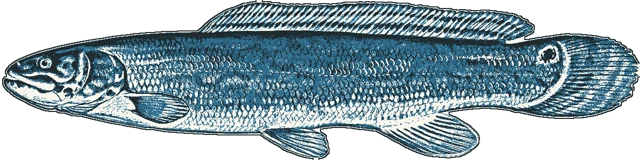
Bowfin Worth a try
TPWD calls it a rough fish rather than one for the table; the soft, pale flesh earned it the nickname 'cottonfish'.
White sucker Worth a try
Suckers have perhaps the worst reputation of the rough fish (MeatEater) and are mostly raised and sold as bait (MN DNR); the many small bones keep most anglers from eating them.
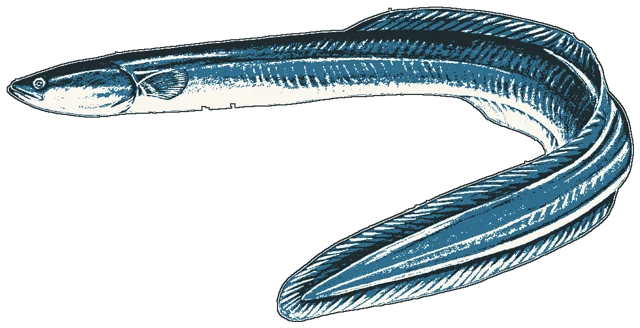
American eel Worth a try
Few people in the US eat them (Maryland DNR) and most anglers cut them loose or use them as striper and crab bait, even though eel is a delicacy in Europe and Japan.
Redhorse suckers Worth a try
Seldom caught on hook and line and written off as bony bottom-feeders; MeatEater notes the bones.
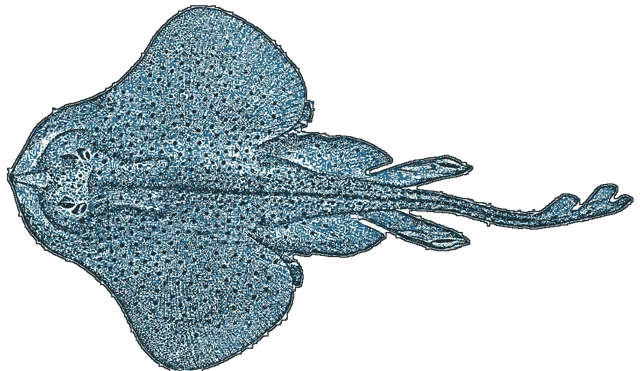
Skate Worth a try
Almost every US angler throws skates back or uses them for trap bait; Hank Shaw notes no one he knew growing up in New York and New Jersey kept one.
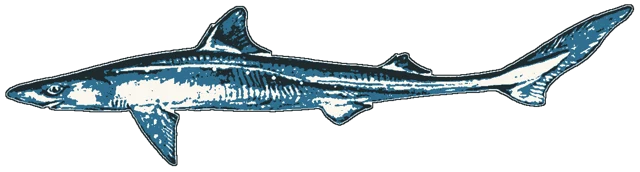
Spiny dogfish Worth a try
To most US anglers dogfish are a nuisance that swarms baits; NOAA says there is little consumer demand for it in the United States.
Goldeye Worth a try
MeatEater describes its flesh as soft and bony, and US anglers mostly treat it as a trash fish or cut bait.
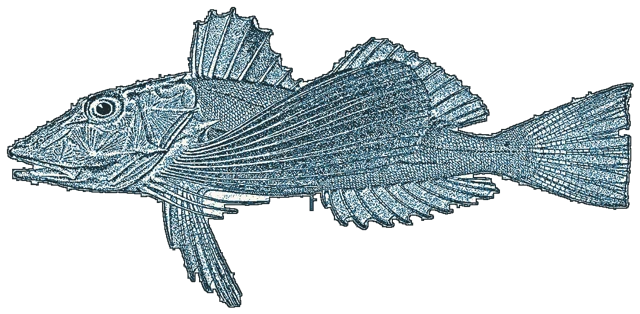
Sea robin Worth a try
Anglers treat sea robins as bait-stealing nuisances and throw them back; few keep one to eat.
False albacore Worth a try
Dark, bloody, strong-tasting meat; most anglers release albies or cut them up for shark and kingfish bait.
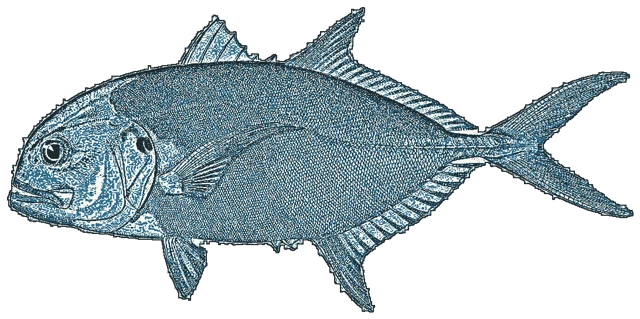
Crevalle jack Worth a try
Fun to catch, but most anglers release them or use them for bait because the meat is dark and strong; TPWD says it is not very desirable as food.
Mooneye Worth a try
Soft and bony like its cousin the goldeye; in many areas mooneye are used as catfish cut bait rather than eaten.
Leave these for bait
Bony, mushy, strong-tasting, tiny, or a real health risk.
Gizzard shad
Soft, tasteless, bony and strong-smelling; TPWD calls it worthless as a food fish and Maryland says it is almost always discarded.
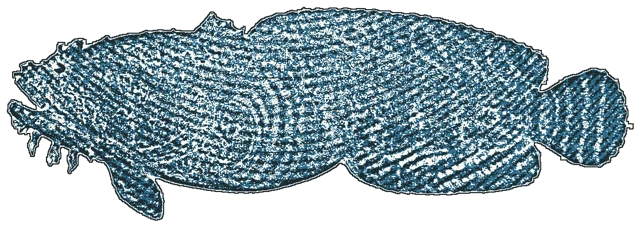
Oyster toadfish
An ugly, snapping bycatch fish that almost nobody keeps; toadfishes are generally considered undesirable as food (Florida Museum).
Hardhead catfish
A bait-stealing pest with painful spines that most anglers throw back; TPWD says the flesh isn't very tasty and the fish is hard to clean.
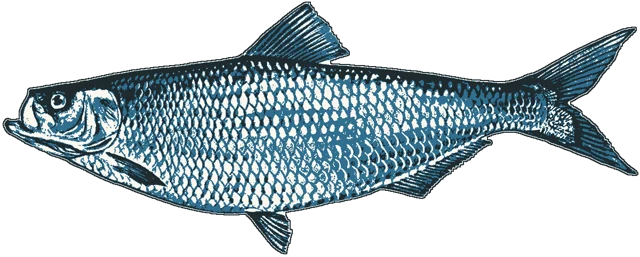
Hickory shad
A spring sport fish that most anglers release: South Carolina DNR says hickory shad are not used as food for humans, and Virginia notes the few that are kept mostly become catfish bait.
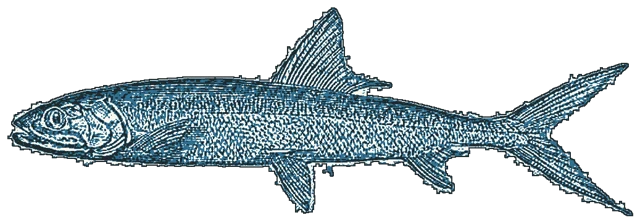
Ladyfish
Bony, dry flesh with little food value; anglers catch them for sport and cut them up for bait.
Atlantic menhaden
NOAA: too small and oily to eat. Menhaden go to fish meal and oil, and they support a major bait fishery (ASMFC).
Northern pikeminnow
A bounty fish, not a food fish: the Pikeminnow Sport-Reward Program pays anglers per fish to remove them, and very few of the tens of thousands caught each year reach the dinner table (MeatEater).
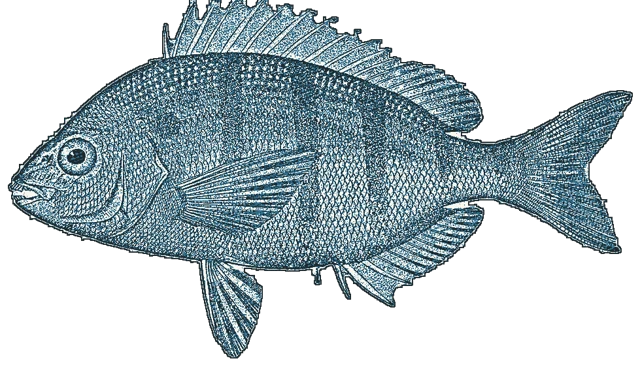
Pinfish
Used as live bait far more than eaten; TPWD notes good flavor, but they are too small to bother with.
Skipjack herring
It is bony and generally considered a rough fish (FWS); anglers mostly catch it for sport on light tackle or for catfish bait.
Cownose ray
No US market exists for it (Florida Museum) and anglers treat it as a nuisance that tears up bottom rigs.
Caught as bycatch on bottom baits (NC DMF) and almost always cut loose; rays are near the top of most anglers' 'inedible' list (Hank Shaw).
Arrowtooth flounder
Its flesh carries a protease enzyme that turns it to mush in the pan; ADF&G says it is generally considered inedible, and it has never been a fishermen's favorite.
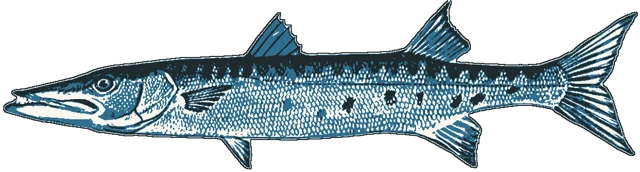
The classic ciguatera fish: the CDC lists barracuda among the fish most likely to cause ciguatera poisoning, and cooking does not destroy the toxin.
Gulf toadfish
Considered of poor quality and generally undesirable as food (Florida Museum); a bait-stealing nuisance on inshore bottom rigs.
Peacock grouper (roi)
Brought in as a food fish in the 1950s, roi became one of Hawaii's leading ciguatera carriers; UH researchers concluded a safe fishery does not appear feasible.
Pigfish
Edible, but mostly caught and sold as live bait for speckled trout (TPWD).
White croaker
A small, soft-fleshed bottom feeder that Southern California anglers mostly cut up or fish live as bait, and it heads California's do-not-eat list for the Los Angeles coast.
Atlantic cutlassfish
Not used as a food fish in the US (TPWD); anglers catch ribbonfish for king mackerel bait, and dead ribbonfish is a top king bait (NC DMF).
Inshore lizardfish
Not known as table fare; small, full of fine bones, and quick to spoil and smell (Louisiana Sportsman). Most anglers shake them off the hook.
Pacific staghorn sculpin
A small, bland, spiny bait-stealer; Ken Jones throws them back, a Canadian reference rates them fit mainly for fish paste, and they rarely end up in a cooler.
Southern puffer
Can carry saxitoxin: fish from Florida's Indian River Lagoon caused poisonings, and Florida bans taking puffers in five east-coast counties.
Bad name, decent fish
Rated Just OK with a Worth a try badge: the rough fish and oily fish that reward a little work.
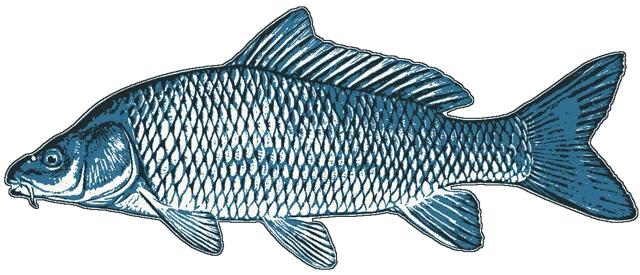
Common carp Worth a try
Most US anglers call it a muddy, bony trash fish, but it is a prized food fish in Europe and Asia and eats well from clean, cold water.
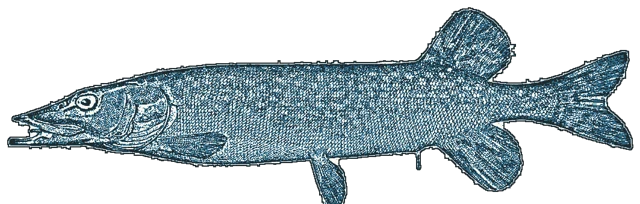
Northern pike Worth a try
The meat is white, flaky and great in flavor, but the Y-bones put many anglers off; reputation is split between 'too bony' and 'better than walleye once you learn to clean them'.
Freshwater drum Worth a try
Many anglers call it a rough fish, but it is prized as food in some areas (TPWD); bled and iced, the boneless fillets eat like a redfish's.
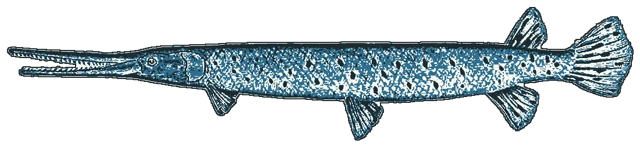
Longnose gar Worth a try
Most anglers treat it as a nuisance and few eat it, but the firm white backstraps are good once you get through the armor.
Bigmouth buffalo Worth a try
A food fish many people consider worth keeping despite its many bones (TPWD), but and rarely caught on hook and line, so most anglers write it off as a rough fish.
Burbot Worth a try
Many anglers still throw back the slimy, eel-like 'eelpout' as trash, yet Alaskans keep them for their delicate white meat.
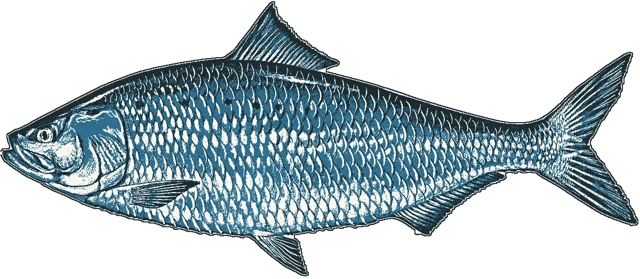
American shad Worth a try
Some of the best-flavored fish in North America and prized roe, but so bony that most modern anglers do not bother.
Smallmouth buffalo Worth a try
Smallmouth buffalo is highly prized in many areas (TPWD), but some anglers still call it a rough fish because of its bones.
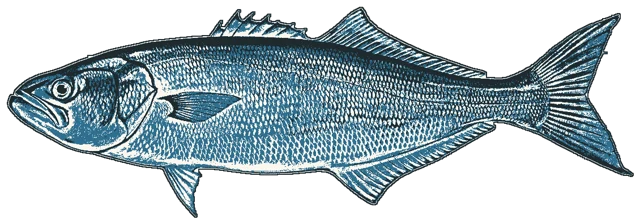
Bluefish Worth a try
Rich, oily and strong-tasting, with soft meat that does not freeze well; Hank Shaw calls it about as polarizing a food as there is.
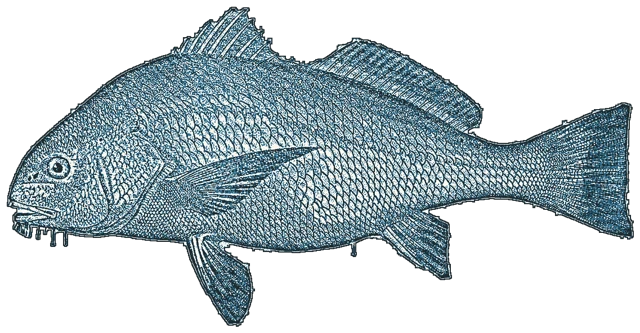
Black drum Worth a try
Small black drum are good eating, but big fish are coarse and often carry harmless but off-putting spaghetti worms, so the species' reputation is mixed.
Grass carp Worth a try
TPWD says grass carp are excellent table fare despite their bones, but as a 'carp' most anglers never consider eating one.
Silver carp Worth a try
A clean, mild white fish that most US anglers only encounter while bowfishing and throw away because it is extremely bony and invasive.
Why we're called Garbage Fish
The domain started in 2008 as a brag-flag site for the fish nobody else wanted on the line: skate, sea robin and dogfish. It changed hands in 2018, and this guide is new. Read the whole story, or see the recipes for those three fish.
Questions about garbage fish
What is a garbage fish?
A fish most anglers throw back or use for bait because of poor flavor or texture, lots of bones, little meat, or a real health risk. Some state rulebooks call non-game fish rough fish, and anglers say trash fish. Plenty of them eat well; we mark those Worth a try.
What is the worst-tasting fish?
Taste is personal, but the fish most anglers leave for bait include gizzard shad, menhaden, pinfish, toadfish and lizardfish. Great barracuda is off the table for a different reason: ciguatera.
Is carp a garbage fish?
Not on our board. Carp rates Just OK with a Worth a try badge: it's a prized food fish in Europe and Asia, it eats well from clean, cold water, and it's best smoked, or scored and fried hard.
Can you eat trash fish?
Most of them, yes. Skate, sea robin, dogfish, bowfin and eel all eat well when they're cleaned and cooked right. The real exceptions are fish with a health risk, like great barracuda and the southern puffer.