Best eating
The best fish to eat
These are the fish with broad agreement that they’re excellent on the table: clean flavor, good texture, decent yield and few problem bones. They’re listed by how widely they’re caught, so the fish near the top are among the top species in the most states.
Best freshwater fish to eat
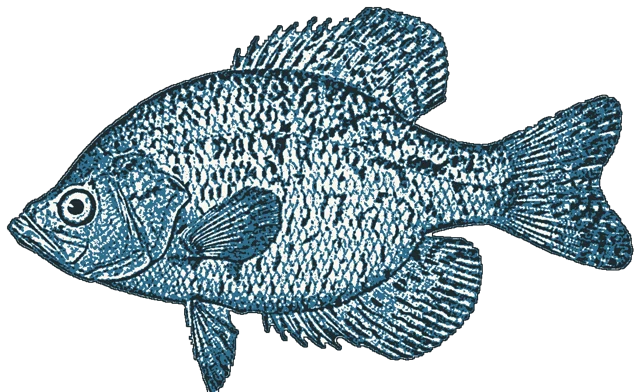
One of the classic fish-fry fish: MeatEater counts crappie among the best-eating fish in freshwater.
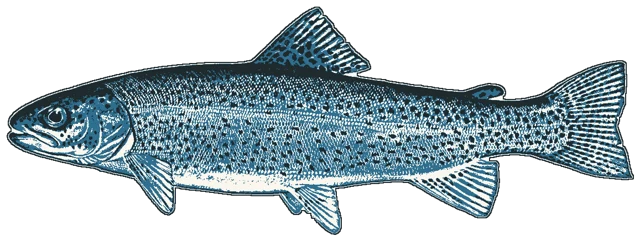
TPWD calls rainbow trout an excellent fish to eat; the most-stocked put-and-take fish in America.
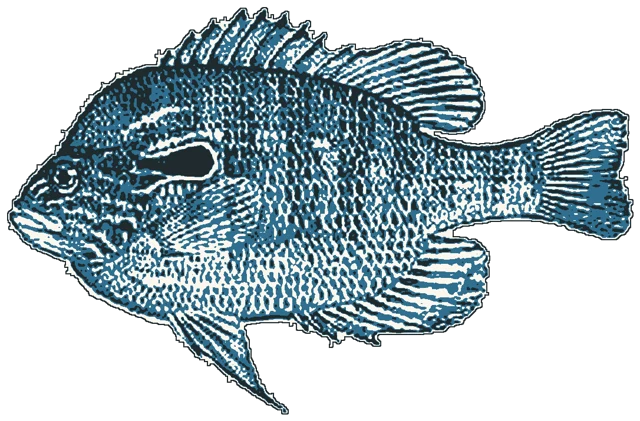
MeatEater calls the flesh light, delicate and sweet; the original fish-fry panfish.
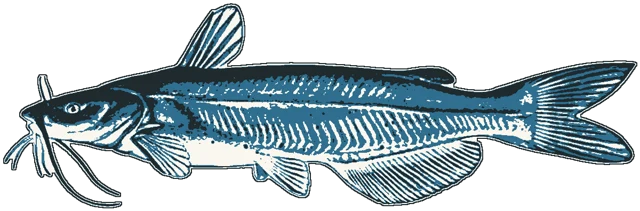
Very good to eat (Maryland DNR) and delicious when cooked (TPWD), and the basis of US catfish farming.
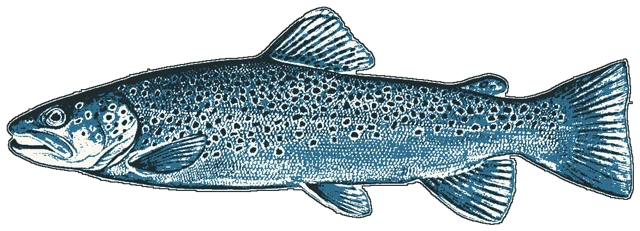
Brown trout
Good trout eating like rainbows; most kept browns are stocked fish.
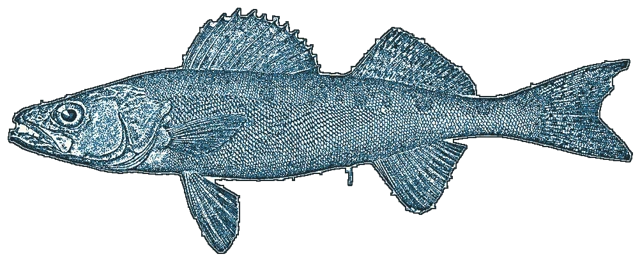
Widely rated the best-eating freshwater fish: Maryland DNR calls it one of the best tasting, TPWD an excellent food fish.
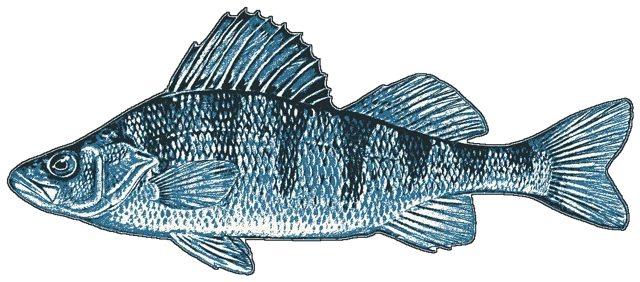
Yellow perch
A great food fish (MN DNR) and the centerpiece of Great Lakes perch fries; Iowa DNR calls a fried stringer of perch unsurpassed in flavor.
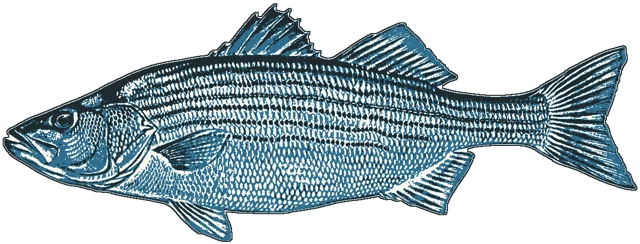
Firm, large-flaked, slightly sweet white meat; one of the most kept and eaten gamefish in the country, fresh or salt.
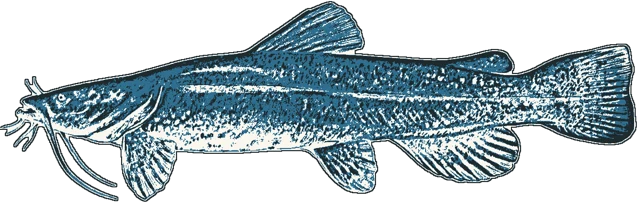
Flathead catfish
Widely considered the best-tasting catfish because it eats live fish instead of scavenging; Maryland DNR notes its mild, white flesh.
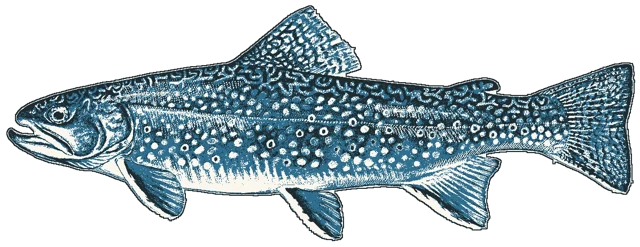
Brook trout
Often called the tastiest trout: MeatEater describes the meat as light and delicate with an almost sweet flavor.
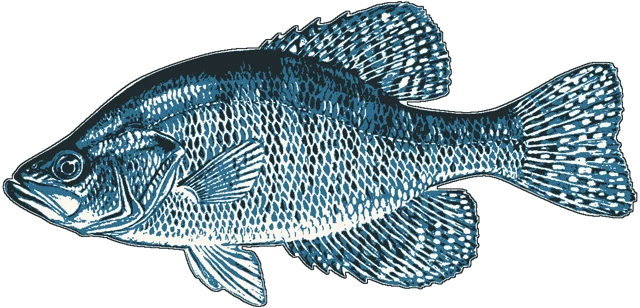
White crappie
Same top-tier panfish fillets as black crappie; one of the most popular panfish in the country.
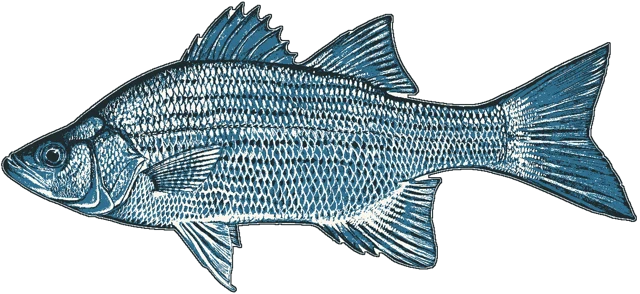
White bass
Texas Parks & Wildlife calls white bass superb table fare, and the spring runs fill a lot of coolers; light, flaky meat like walleye.
Best saltwater fish to eat
Firm, large-flaked, slightly sweet white meat; one of the most kept and eaten gamefish in the country, fresh or salt.
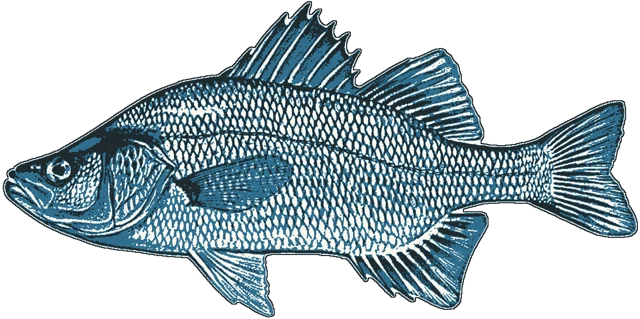
White perch
Maryland DNR calls it a delectable game fish, and it is a staple panfish in the Chesapeake and a prized ice-fishing catch in New England.
Chinook salmon
NOAA calls Chinook the most highly prized salmon in the culinary world: rich, buttery and oily.
Cutthroat trout
Eats like other trout; kept where legal, especially stocked fish and coastal sea-run cutts.
Steelhead
Steelhead are sea-run rainbow trout, and bright fish eat like a mild salmon; hatchery fish are kept as food across the Pacific Northwest and Great Lakes.
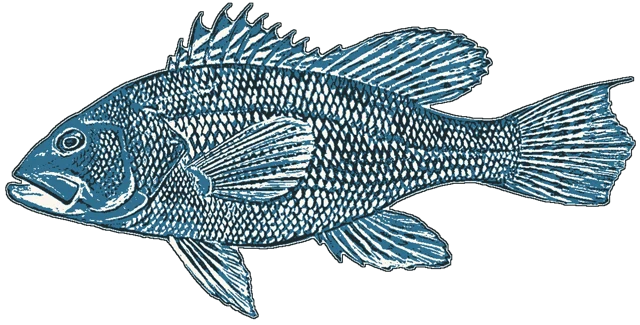
Black sea bass
Mild, delicate, firm white fillets; Maine Sea Grant calls it popular for its firm texture and mild, slightly sweet flavor.
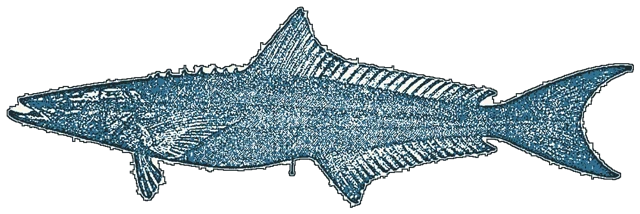
Cobia
Firm, white, sweet meat; TPWD calls it an exceptionally fine food fish.
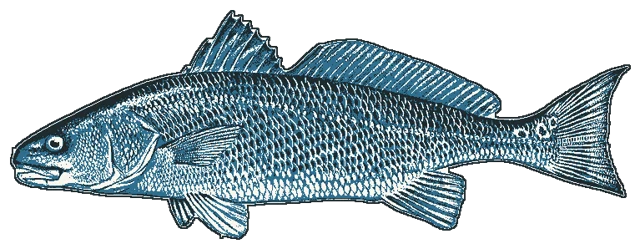
Slot-size reds are firm, mild, white-fleshed fish that anglers keep specifically to eat; blackened redfish made the species famous.
Coho salmon
High oil content, firm and flaky when cooked; NOAA notes smaller coho have a delicate flavor.
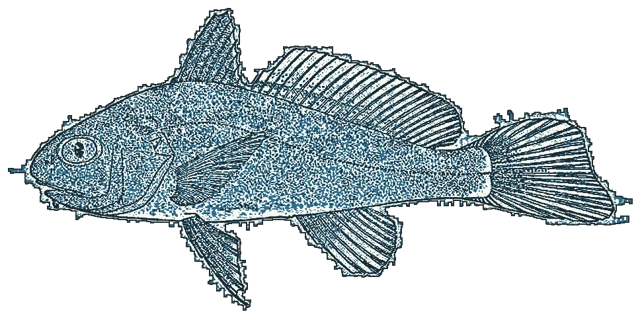
Kingfish (whiting)
Firm, white, mild fillets with good flavor; small, but no smaller than the bluegill and crappie we also rate best. Fried whole or filleted, it's the Carolinas' favorite pier fish ("sea mullet" in NC).
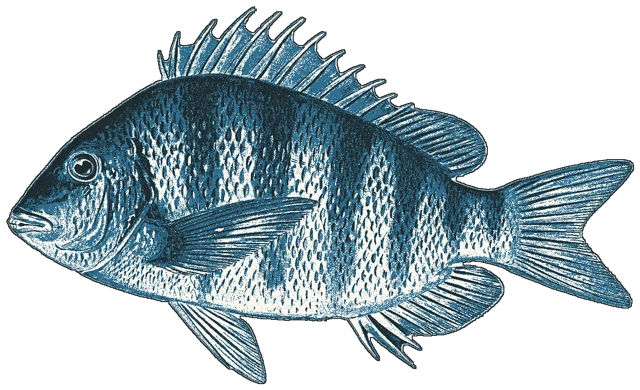
Sheepshead
Fine, white, mild flesh that agencies call excellent; the only knock is that the heavy scales and spines make it a chore to clean.
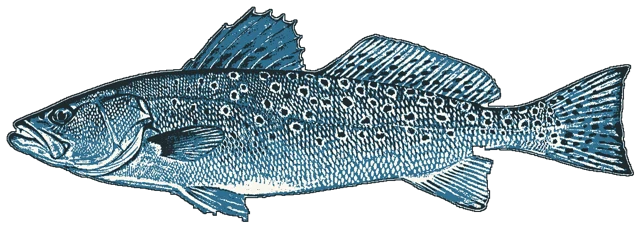
Spotted seatrout
Excellent flavor and delicate texture; one of the most-kept inshore fish from the Carolinas to Texas.
Better than their reputation
These carry our Worth a try badge: fish with a bad name that eat well when they're cleaned and cooked right.
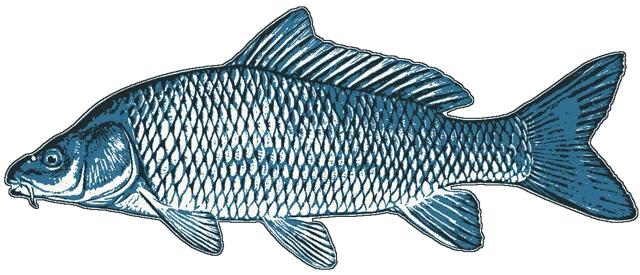
Common carp Just OK Worth a try
Most US anglers call it a muddy, bony trash fish, but it is a prized food fish in Europe and Asia and eats well from clean, cold water.
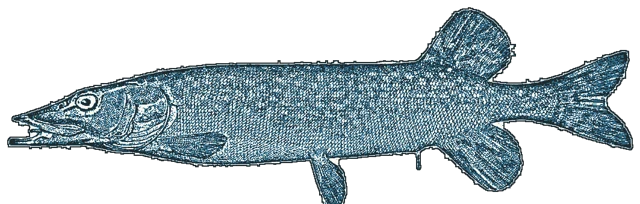
Northern pike Just OK Worth a try
The meat is white, flaky and great in flavor, but the Y-bones put many anglers off; reputation is split between 'too bony' and 'better than walleye once you learn to clean them'.
Freshwater drum Just OK Worth a try
Many anglers call it a rough fish, but it is prized as food in some areas (TPWD); bled and iced, the boneless fillets eat like a redfish's.
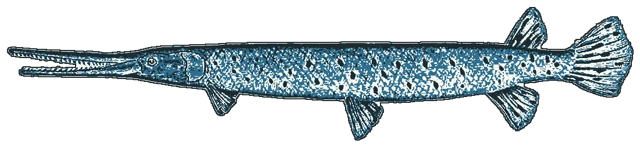
Longnose gar Just OK Worth a try
Most anglers treat it as a nuisance and few eat it, but the firm white backstraps are good once you get through the armor.
Bigmouth buffalo Just OK Worth a try
A food fish many people consider worth keeping despite its many bones (TPWD), but and rarely caught on hook and line, so most anglers write it off as a rough fish.
Burbot Just OK Worth a try
Many anglers still throw back the slimy, eel-like 'eelpout' as trash, yet Alaskans keep them for their delicate white meat.
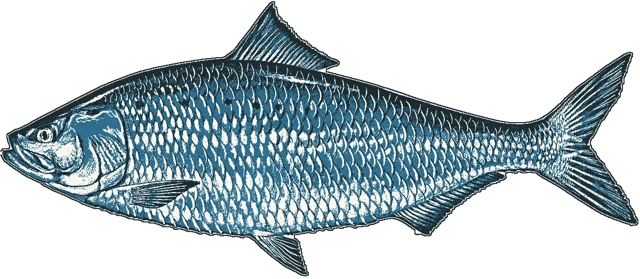
American shad Just OK Worth a try
Some of the best-flavored fish in North America and prized roe, but so bony that most modern anglers do not bother.
Smallmouth buffalo Just OK Worth a try
Smallmouth buffalo is highly prized in many areas (TPWD), but some anglers still call it a rough fish because of its bones.
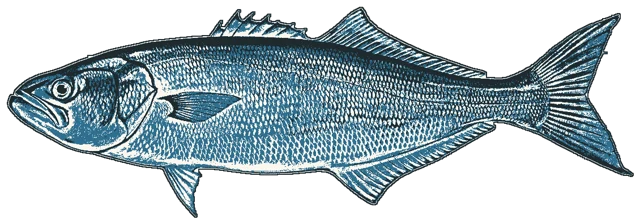
Bluefish Just OK Worth a try
Rich, oily and strong-tasting, with soft meat that does not freeze well; Hank Shaw calls it about as polarizing a food as there is.
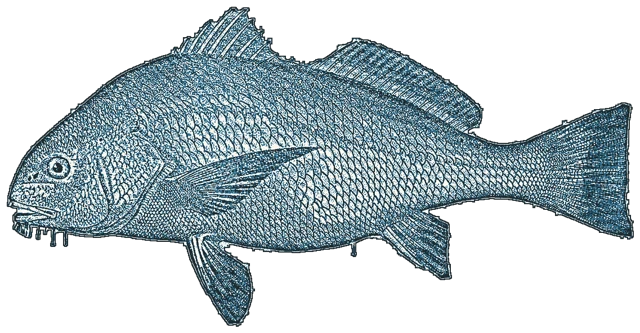
Black drum Just OK Worth a try
Small black drum are good eating, but big fish are coarse and often carry harmless but off-putting spaghetti worms, so the species' reputation is mixed.
Questions about the best fish to eat
What is the best-tasting fish?
There's no single winner, but in fresh water walleye comes closest: Maryland DNR calls it one of the best-tasting fish and Texas Parks and Wildlife an excellent food fish. In salt water, flounder, red drum, grouper and red snapper all rate Best eating.
What is the best freshwater fish to eat?
Walleye, yellow perch, crappie, bluegill and channel catfish are the classic answers, and all rate Best eating. Trout are excellent too, though many wild-trout waters are catch-and-release by rule or custom.
What is the best saltwater fish to eat?
Inshore: flounder, slot-size red drum, spotted seatrout and sheepshead. Offshore: grouper, red snapper, mahi-mahi and wahoo. All of them rate Best eating.
Which fish should you avoid eating?
Great barracuda, for ciguatera; southern and smooth puffers, for toxins; and any fish your state's consumption advisory flags for the water you caught it in. Shark and big king mackerel are high in mercury, so eat them rarely if at all.