Virginia · fresh and salt
Fish in Virginia: what’s worth eating, and what’s garbage
Virginia fishing runs from Chesapeake Bay and Atlantic waters, where spot, Atlantic croaker, speckled trout, black sea bass, southern kingfish and summer flounder lead the catch, to inland reservoirs and rivers known for largemouth bass, smallmouth bass, landlocked striped bass, walleye and mountain trout. Smith Mountain Lake, Lake Anna and Buggs Island Lake draw the reservoir crowds, while the James, New and Shenandoah rivers are the smallmouth waters and Shenandoah National Park holds the state fish, brook trout.
41 fish rated · limits checked Nov 21, 2026 against DWR and federal sources, then re-checked: 527 of 585 details confirmed or corrected on the official pages
Resident $28.00 one-year freshwater (issuance fee included); freshwater and saltwater $44.50; two-year $54.00, three-year $80.00. Full details
Buy a licenseSeparate saltwater license sold through DWR for VMRC ($17.50 resident, $25 nonresident, $10 for 10 days). Full details
Saltwater limitsFreshwater limits, seasons and size rules from Virginia Department of Wildlife Resources.
Freshwater limitsBrook trout; Striped bass
Sept 25 to 27, 2026 (DWR's first fall Free Fishing Days): no fishing license of any kind for rod-and-reel fishing in fresh or salt water, designated stocked trout waters open to all… Full details
The Virginia table-fare board
Fish Virginia anglers catch, sorted by how they eat. The bars show how heavily each one is regulated here. Tap a fish for the details.
No limits Light regs Heavy regs No harvest
Best eating21
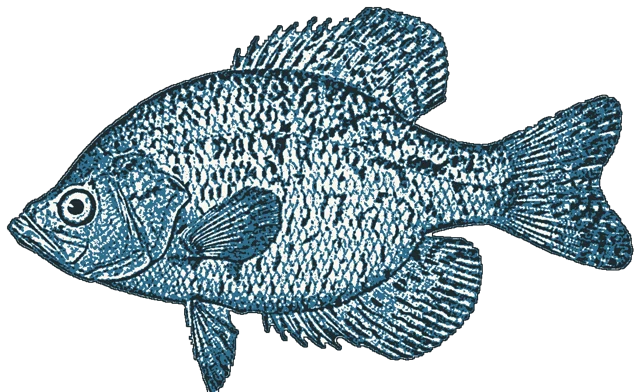 Black crappie
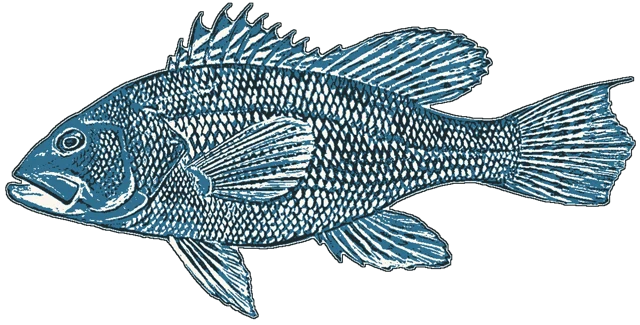 Black sea bass“black will”
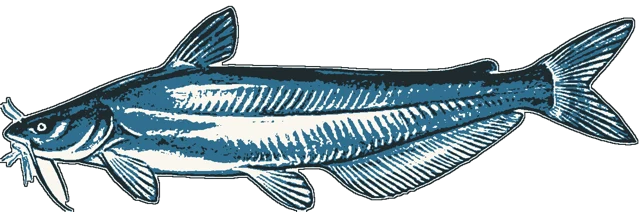 Blue catfish
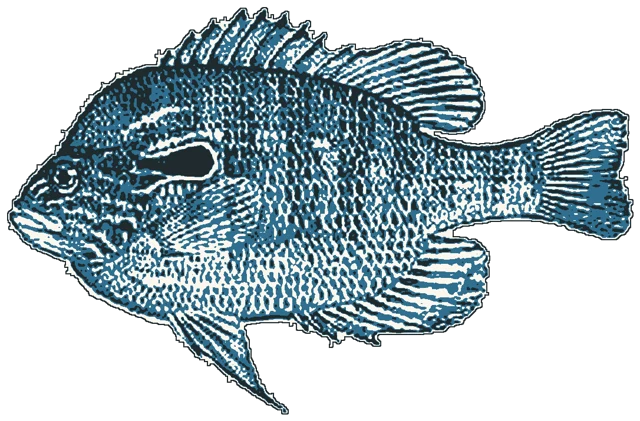 Bluegill“bream”
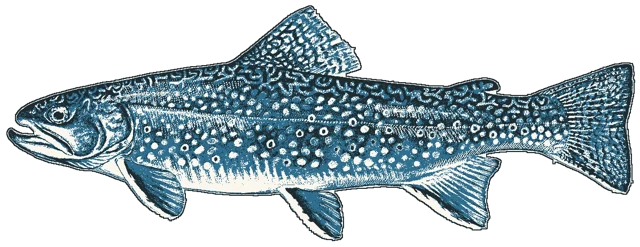 Brook trout
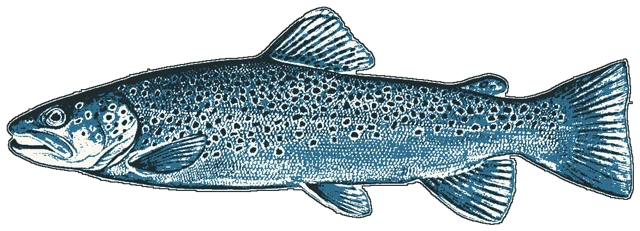 Brown trout
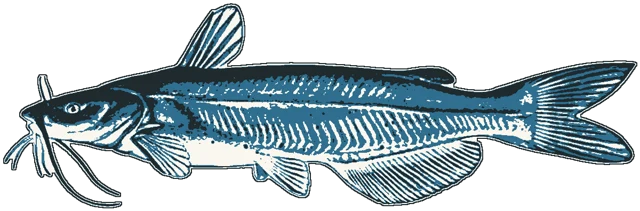 Channel catfish
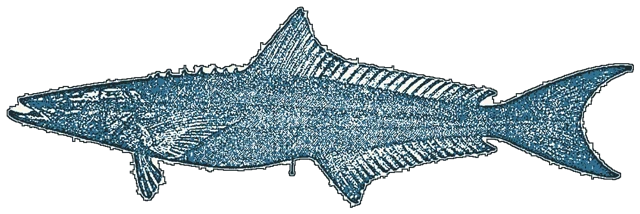 Cobia“bonito”
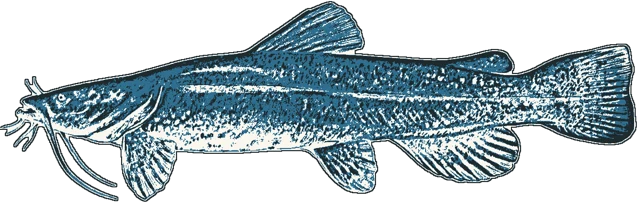 Flathead catfish
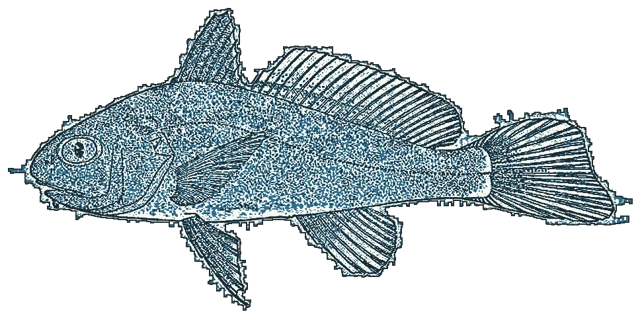 Kingfish (whiting)“roundhead”
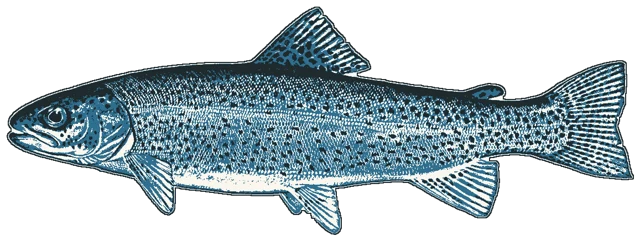 Rainbow trout
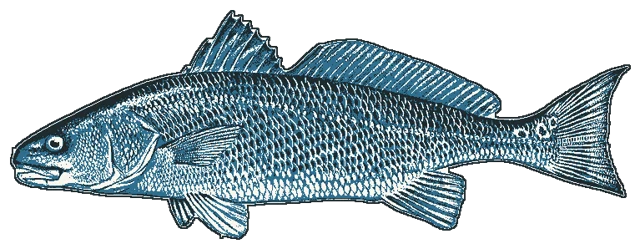 Red drum“channel bass”
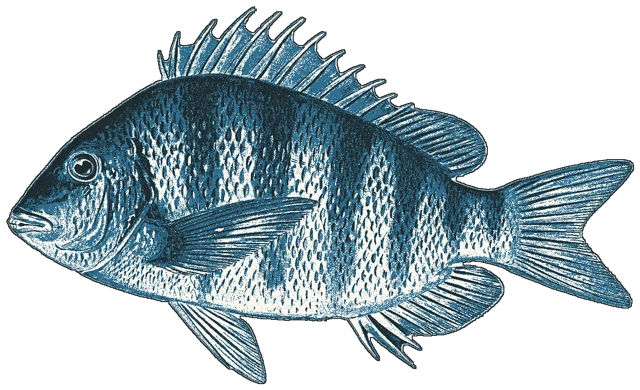 Sheepshead“convict fish”
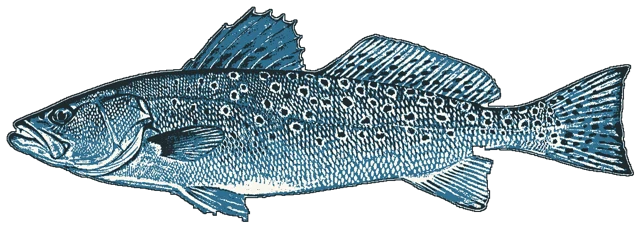 Spotted seatrout“speckled trout”
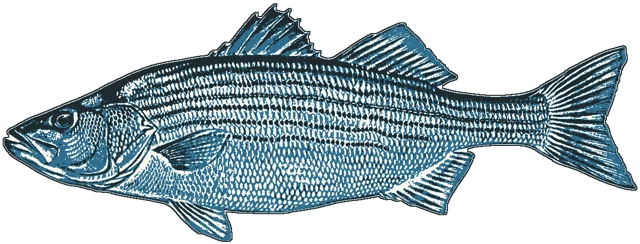 Striped bass“rockfish”
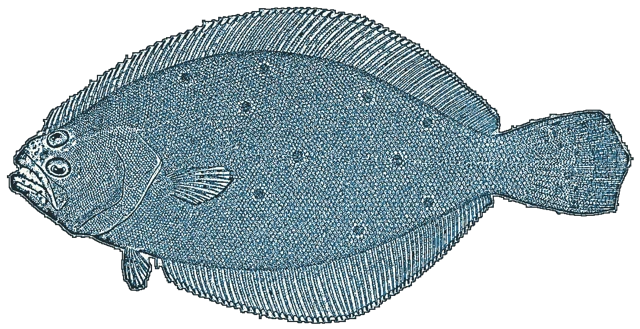 Summer flounder“fluke”Tautog“blackfish”
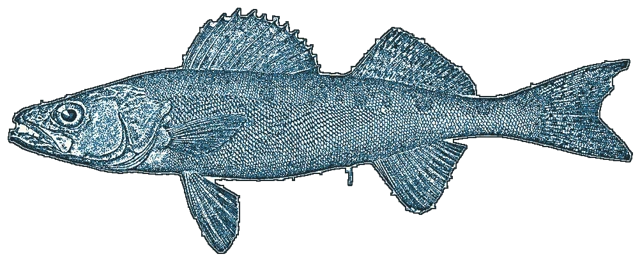 Walleye
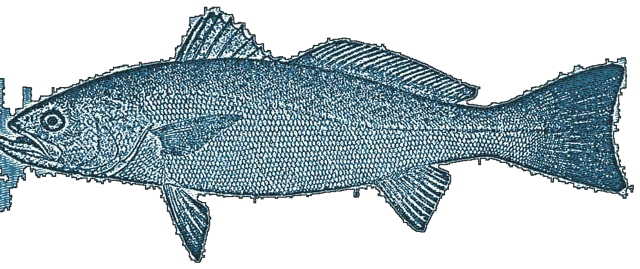 Weakfish“gray trout”
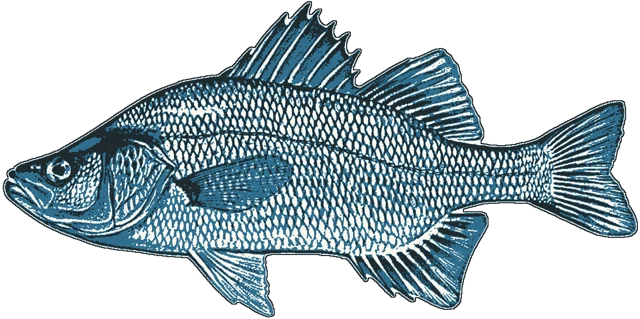 White perch
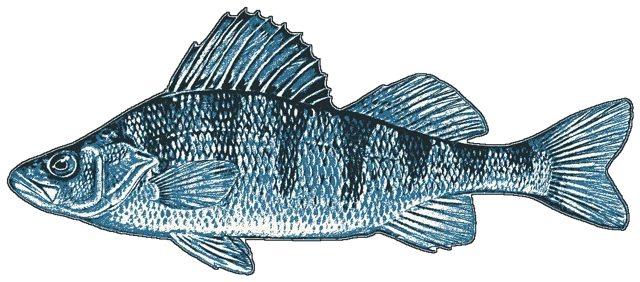 Yellow perch
Just OK14
Garbage fish5
Catch & release
What’s actually caught in Virginia
NOAA's MRIP estimates saltwater fish caught by recreational anglers, including the Chesapeake Bay and tidal rivers. The numbers below are the average number of fish caught per year (kept plus released) in 2023, 2024 and 2025 for Virginia; bait-size threadfin shad (about 0.69 million a year), unidentified groups and family-level groups are left out. NOAA recalibrated its survey in 2026, so its current query tool may show lower totals, and a different order, than the 2023-2025 estimate files used here.
- Spot Just OK10.20 million fish caught per year, average of 2023-2025 (2023 6.26M, 2024 12.65M, 2025 11.69M); 44% released.
- Atlantic croaker Just OK8.56 million fish caught per year, average of 2023-2025 (2023 9.22M, 2024 9.99M, 2025 6.48M); 80% released.
- Spotted seatrout Best eating3.35 million fish caught per year, average of 2023-2025 (2023 2.30M, 2024 5.56M, 2025 2.19M); 92% released.
- Black sea bass Best eating2.50 million fish caught per year, average of 2023-2025 (2023 2.76M, 2024 2.04M, 2025 2.71M); 86% released.
- Kingfish (whiting) Best eating1.90 million fish caught per year, average of 2023-2025 (2023 3.40M, 2024 1.82M, 2025 464K); 25% released. MRIP category: southern kingfish; northern kingfish and the kingfish genus are not added.
- Summer flounder Best eating1.67 million fish caught per year, average of 2023-2025 (2023 1.51M, 2024 1.58M, 2025 1.93M); 86% released.
- Bluefish Just OK1.14 million fish caught per year, average of 2023-2025 (2023 695K, 2024 1.13M, 2025 1.61M); 70% released.
- Red drum Best eating1.00 million fish caught per year, average of 2023-2025 (2023 816K, 2024 983K, 2025 1.20M); 84% released.
- Blue catfish Best eating0.82 million fish caught per year, average of 2023-2025 (2023 1.07M, 2024 516K, 2025 863K); 39% released.
- Pigfish Garbage fish0.75 million fish caught per year, average of 2023-2025 (2023 592K, 2024 767K, 2025 877K); 87% released.
Source: NOAA Fisheries Marine Recreational Information Program (MRIP) . Saltwater only: it does not survey freshwater fishing.
Fish by fish
Why each one sits where it does, the current Virginia limits, and the bait that works.
Black crappie
Pomoxis nigromaculatus · Freshwater
One of the classic fish-fry fish: MeatEater counts crappie among the best-eating fish in freshwater.
- Tastes
- mild, sweet, delicate, flaky, white
- Limits
- Light regs. 25 per day in the aggregate (black and white), no statewide length limit. Lake Gaston and the New River from the NC line to the New/Little confluence have no daily limit; Buggs Island Lake/Kerr Reservoir, Briery Creek and Sandy River reservoirs have a 9 in minimum; Flannagan and South Holston reservoirs have a 10 in minimum, and South Holston has a 15 a day limit (DWR digest). (4VAC15-320-25, amended eff. Jan 1, 2026 (page read Nov 21, 2026)) Source
- Best months
- Mid-March to early April when fish move shallow to spawn (Lake Anna); February to April at Buggs Island Lake; at night under floating lights in summer (Flannagan, South Holston).
- Where
- Buggs Island Lake/Kerr Reservoir creek arms, Lake Anna, Flannagan and South Holston reservoirs, Lake Moomaw.
- small minnows
- small jigs
- spinners
- live minnows
- Do not eat (anyone): any fish from the North Fork Holston River below Saltville, the Levisa Fork below Grundy, or the South River from Waynesboro to Port Republic (trout excepted there).
- Do not eat (pregnant or may become pregnant, nursing, young children): black crappie from any water named here.
Meal limits and other waters (3)
- Limit (everyone else): 2 meals a month of black crappie from the Chickahominy River, from the James up to Route 360, including Chickahominy Lake (PFOS, added April 2026).
- Limit (everyone else): 2 meals a month of any fish from Knox Creek, Beaver Creek (Bristol), the Levisa Fork above Grundy (to Contrary Creek), the South Fork Shenandoah below Port Republic, the North Fork below Riverton Dam and the Shenandoah above Warren Power Dam.
- Limit (everyone else): 1 meal a day of black crappie from the rest of the tidal James and its tidal tributaries, Richmond to Hampton Roads (Kepone).
Black sea bass
Centropristis striata · also called black will · Saltwater
Mild, delicate, firm white fillets; Maine Sea Grant calls it popular for its firm texture and mild, slightly sweet flavor.
- Tastes
- mild, fresh, delicate, tender but firm
- Limits
- Heavy regs. State waters 2026: May 11 to December 31, 13 in minimum, 15 per person per day; the 2027 season is April 1 to December 31. A February 1 to 28, 2026 season required a free VMRC permit and trip reports. The same season, size and limit apply in federal waters when the fish are landed in Virginia (VMRC memo, May 1, 2026). (4VAC20-950-45, eff. May 1, 2026 (page read Nov 21, 2026); VMRC news, Apr 23, 2026) Source
- Best months
- April to December; fish move offshore in winter.
- Where
- Ocean wrecks, reefs and rough bottom; fewer and smaller in the lower Chesapeake Bay.
- squid
- crab
- cut fish
- clam
- shrimp
- diamond jigs
- Do not eat (pregnant or may become pregnant, nursing, young children): any black sea bass from the tidal James River and its tidal tributaries (Richmond to the Hampton Roads Bridge-Tunnel, with the Appomattox, Chickahominy, Pagan, Nansemond, Hampton and Elizabeth rivers).
- Limit (everyone else): 1 meal a day of black sea bass from those tidal James waters (Kepone).
- VDH's list has no line of its own for black sea bass (list dated Aug 11, 2026).
Blue catfish
Ictalurus furcatus · Fresh and salt
TPWD calls it an excellent food fish; Maryland DNR says blues are very good to eat.
- Tastes
- mild, firm
- Limits
- Light regs. Statewide 20 per day, no length limit. Below the fall line there is no daily limit and no size limit on the York and Rappahannock and their tributaries, on the other tidal rivers, or on the James below a line from Hog Point to College Creek. Above that line, the tidal James River and its tributaries have no daily limit, except only 1 blue catfish over 32 in per day. Lake Gaston: no daily limit, except 1 over 32 in. Buggs Island Lake/Kerr Reservoir: 20 a day, only 1 over 32 in. (DWR 2026 creel and length limit table; 4VAC15-320-25 amended eff. Jan 1, 2026 (Virginia Register Vol. 42, Iss. 8)) Source
- Spawns
- Runs start in spring at 46 to 50 F; fish gather in deep holes and drop-offs after the spawn.
- Where
- Tidal James, Chickahominy, Rappahannock and York tributaries; Chickahominy Lake; Kerr and Gaston.
- cut chunks of fresh gizzard shad
- Large, old blue catfish accumulate contaminants; some water bodies have size-based consumption advisories.
- Do not eat (anyone): blue catfish 32 in or longer from the tidal James River and its tidal tributaries, Richmond to the Hampton Roads Bridge-Tunnel (PCBs).
- Do not eat (anyone): any fish from the all-fish waters on this page (North Fork Holston River below Saltville, Levisa Fork below Grundy, South River below Waynesboro).
- Do not eat (pregnant or may become pregnant, nursing, young children): blue catfish of any size from any water named here.
Meal limits and other waters (2)
- Limit (everyone else): 2 meals a month of smaller blue catfish from those tidal James waters (PCBs).
- Limit (everyone else): 2 meals a month of blue catfish from the Rappahannock below I-95, the Staunton below Leesville Dam (PCBs), the Dan below Danville (PCBs and mercury), and the Pamunkey and Nottoway rivers (mercury).
Bluegill
Lepomis macrochirus · also called bream · Freshwater
MeatEater calls the flesh light, delicate and sweet; the original fish-fry panfish.
- Tastes
- mild, sweet, firm, flaky
- Limits
- Light regs. 50 per day in the aggregate for bluegill and other sunfish (not crappie, rock bass or Roanoke bass), no statewide length limit. Lake Gaston, Buggs Island Lake/Kerr Reservoir and parts of the Staunton, Dan and New rivers have no daily limit. (4VAC15-320-25, amended eff. Jan 1, 2026 (page read Nov 21, 2026)) Source
- Spawns
- Beds in late May and early June (South Holston); May in the backs of coves (Flannagan); DWR's late-summer video report targets sunfish.
- Where
- Lake Moomaw boat-ramp shallows, South Holston and Flannagan reservoirs, Chickahominy Lake (7 to 9 in fish), and the rivers.
- worms
- crickets
- small jigs
- small crankbaits
- Do not eat (anyone): sunfish of any kind from White Oak Swamp and its tributaries in Henrico and Charles City counties (PFOS).
- Do not eat (anyone): any fish from the North Fork Holston River below Saltville, the Levisa Fork below Grundy, or the South River from Waynesboro to Port Republic (trout excepted there).
- Do not eat (pregnant or may become pregnant, nursing, young children): bluegill or other sunfish from any water named here.
Meal limits and other waters (3)
- Limit (everyone else): 2 meals a month of bluegill and other sunfish from the Occoquan River and Reservoir, Bull Run, Broad Run, South Run, Cub Run and the Chickahominy River and Lake (PFOS).
- Limit (everyone else): 2 meals a month from Lake Anna, the tidal James, the tidal Potomac tributaries from I-395 to Route 301, the Staunton River below Leesville Dam, and the Shenandoah, its South Fork from Port Republic down and its North Fork below Riverton Dam (PCBs; mercury too on the Shenandoah waters).
- Limit (everyone else): 2 meals a month from the Nottoway and Blackwater rivers and Herring Creek (mercury), and from Knox Creek, Beaver Creek (Bristol) and the Levisa Fork above Grundy (to Contrary Creek) (PCBs).
Brook trout
Salvelinus fontinalis · Freshwater
Often called the tastiest trout: MeatEater describes the meat as light and delicate with an almost sweet flavor.
- Tastes
- sweet, delicate, light, delicate
- Limits
- Heavy regs. Statewide trout limit is 6 per day with no fish under 7 in, open year-round. Shenandoah National Park streams open to harvest: 6 a day with a 9 in minimum for brook trout, single-point artificial lures only, and all other park streams are catch and release. Special regulation streams are catch and release or have 9 in, 16 in or 20 in minimums with artificial lures only; Delayed Harvest waters are catch and release with artificial lures Oct 1 to May 31. A trout license is needed in designated stocked trout waters Oct 1 to June 15. Other listed waters differ. (DWR trout season and limits page (read Nov 21, 2026); special trout areas page) Source
- Best months
- Fall is one of the best times for brook trout in the high-elevation mountain streams.
- Where
- Shenandoah National Park streams (over 70 contain fish, most with native brook trout), and other high-elevation mountain streams.
- dry flies
- nymphs
- Do not eat (anyone): any fish from the North Fork Holston River below Saltville (mercury, PCBs) or the Levisa Fork below Grundy (PCBs).
- Do not eat (pregnant or may become pregnant, nursing, young children): any trout from those rivers or from the waters below.
- VDH's do-not-eat line for the South River from Waynesboro to Port Republic (mercury) excepts trout.
Meal limits and other waters (2)
- Limit (everyone else): 2 meals a month of any fish from Knox Creek, Beaver Creek (Bristol), the Levisa Fork above Grundy (to Contrary Creek), the South Fork Shenandoah below Port Republic, the North Fork below Riverton Dam and the Shenandoah above Warren Power Dam.
- VDH's list has no line of its own for brook trout (list dated Aug 11, 2026).
Brown trout
Salmo trutta · Freshwater
Good trout eating like rainbows; most kept browns are stocked fish.
- Tastes
- mild to rich, flaky
- Limits
- Heavy regs. Statewide trout limit is 6 per day with no fish under 7 in. Lake Moomaw: 16 in minimum, 2 a day. Jackson River tailwater: no brown trout under 20 in, only 1 of 4 trout can be a brown over 20 in. Smith River below Philpott Dam: no brown trout 10 to 24 in, only 1 brown over 24 in. In Shenandoah National Park streams, brown trout may not be released. (DWR trout season and limits page, special regulation page and special trout areas page (read Nov 21, 2026)) Source
- Best months
- Especially active in late winter and early spring, in 15 to 20 ft of water feeding on alewives (Lake Moomaw).
- Where
- Lake Moomaw, the Jackson River tailwater and the Smith River below Philpott Dam.
- live alewives or shiners (Lake Moomaw)
- trolling
- Do not eat (anyone): any fish from the North Fork Holston River below Saltville (mercury, PCBs) or the Levisa Fork below Grundy (PCBs).
- Do not eat (pregnant or may become pregnant, nursing, young children): any trout from those rivers or from the waters below.
- VDH's do-not-eat line for the South River from Waynesboro to Port Republic (mercury) excepts trout.
Meal limits and other waters (2)
- Limit (everyone else): 2 meals a month of brown trout from Stock Creek in Scott County, from the Route 650 bridge to the Clinch River (PCBs).
- Limit (everyone else): 2 meals a month of any fish from Knox Creek, Beaver Creek (Bristol), the Levisa Fork above Grundy (to Contrary Creek), the South Fork Shenandoah below Port Republic, the North Fork below Riverton Dam and the Shenandoah above Warren Power Dam.
Channel catfish
Ictalurus punctatus · Freshwater
Very good to eat (Maryland DNR) and delicious when cooked (TPWD), and the basis of US catfish farming.
- Tastes
- mild, sweet, firm, moist
- Limits
- Light regs. 20 per day for channel, white and flathead catfish combined, no length limits. All rivers below the fall line have no daily limit. South Holston Reservoir: 20 per day, only 1 catfish over 34 in (DWR digest). (4VAC15-320-25, amended eff. Jan 1, 2026 (page read Nov 21, 2026)) Source
- Best months
- Summer, when fishing for other species slows (Lake Anna).
- Where
- Lake Anna, Smith Mountain Lake, Buggs Island Lake, Claytor Lake, Flannagan Reservoir, and rivers such as the Rappahannock above Fredericksburg and the Staunton.
- shiners
- nightcrawlers
- cut herring
- shrimp
- dough baits
- chicken livers
- Do not eat (anyone): channel catfish from the Shenandoah River, its South Fork below the Route 619 bridge, its North Fork below Riverton Dam, or Knox Creek and its tributaries (PCBs).
- Do not eat (anyone): channel catfish 18 in or longer from the tidal Potomac tributaries from I-395 to Route 301 (PCBs).
- Do not eat (anyone): any fish from the North Fork Holston River below Saltville, the Levisa Fork below Grundy, or the South River from Waynesboro to Port Republic (trout excepted there).
- Do not eat (pregnant or may become pregnant, nursing, young children): channel catfish from any water named here.
Meal limits and other waters (2)
- Limit (everyone else): 2 meals a month (PCBs) from Lake Anna, Smith Mountain Lake and the Roanoke below Niagara Dam, Kerr Reservoir, Flannagan Reservoir, the tidal James, the Rappahannock below I-95, the Dan below Danville, the Staunton below Leesville Dam, the New River below Claytor Lake Dam, Bull Run, Upper Machodoc Creek, Monroe Creek and the Coan River, and of smaller channel catfish from the tidal Potomac tributaries above Route 301.
- Limit (everyone else): 2 meals a month from the Nottoway River and the South Fork Shenandoah from Port Republic to Route 619 (mercury), and from Beaver Creek (Bristol) and the Levisa Fork above Grundy (to Contrary Creek) (PCBs).
Cobia
Rachycentron canadum · also called bonito, ling, crabeater · Saltwater
Firm, white, sweet meat; TPWD calls it an exceptionally fine food fish.
- Tastes
- sweet, rich, firm, lean, moist
- Limits
- Heavy regs. June 15 to September 20, 43 in minimum, 1 per person and 2 per vessel per day, whichever is more restrictive; gaffing is illegal. VMRC says a species permit has not been required to target cobia since 2023. (4VAC20-510-20 and -30 (amended eff. Apr 1, 2025; code as read Nov 21, 2026)) Source
- Best months
- May to September, peak mid-June to mid-September.
- Where
- Buoys in the lower Chesapeake Bay and at the mouth of the Bay, the Bridge-Tunnel, Bluefish Rock, Cabbage Patch, Kiptopeake and York Spit.
- live eels
- live spot
- live menhaden
- live mullet
- large spoons
- white bucktails
- Do not eat (pregnant or may become pregnant, nursing, young children): any cobia from the tidal James River and its tidal tributaries (Richmond to the Hampton Roads Bridge-Tunnel, with the Appomattox, Chickahominy, Pagan, Nansemond, Hampton and Elizabeth rivers).
- Limit (everyone else): 1 meal a day of cobia from those tidal James waters (Kepone).
- VDH's list has no line of its own for cobia (list dated Aug 11, 2026).
Flathead catfish
Pylodictis olivaris · Freshwater
Widely considered the best-tasting catfish because it eats live fish instead of scavenging; Maryland DNR notes its mild, white flesh.
- Tastes
- mild, clean, firm, white
- Limits
- Light regs. 20 per day for channel, white and flathead catfish combined, no length limits; all rivers below the fall line have no daily limit. South Holston Reservoir: 20 per day, only 1 catfish over 34 in (DWR digest). (4VAC15-320-25, amended eff. Jan 1, 2026 (page read Nov 21, 2026)) Source
- Best months
- Spring at the James head-of-tide, Richmond; summer at Buggs Island (Kerr) Reservoir.
- Where
- Upper Roanoke and Blackwater arms of Smith Mountain Lake, the upper end of Claytor Lake (lake record 58 lb 8 oz), South Holston Reservoir, the Staunton, upper New and middle James rivers.
- live sunfish
- Do not eat (anyone): flathead catfish 32 in or longer from the tidal James River and its tidal tributaries (Richmond to the Hampton Roads Bridge-Tunnel), the Dan River from Danville to Kerr Reservoir with the lower Hyco and Banister rivers, the Roanoke (Staunton) River below Leesville Dam, or Smith Mountain Lake and the Roanoke River below Niagara Dam (PCBs; mercury too on the Dan).
- Do not eat (anyone): any fish from the North Fork Holston River below Saltville, the Levisa Fork below Grundy, or the South River from Waynesboro to Port Republic (trout excepted there).
- Do not eat (pregnant or may become pregnant, nursing, young children): flathead catfish of any size from any water named here.
Meal limits and other waters (2)
- Limit (everyone else): 2 meals a month of flatheads under 32 in from those tidal James, Dan, Staunton and Smith Mountain Lake waters, and of flatheads of any size from the James between Big Island Dam and Richmond, the New River below Claytor Lake Dam and Kerr Reservoir (PCBs).
- Limit (everyone else): 2 meals a month of any fish from Knox Creek, Beaver Creek (Bristol), the Levisa Fork above Grundy (to Contrary Creek), the South Fork Shenandoah below Port Republic, the North Fork below Riverton Dam and the Shenandoah above Warren Power Dam.
Kingfish (whiting)
Menticirrhus spp. (M. americanus, M. littoralis, M. saxatilis) · also called roundhead, sea mullet, king whiting, Virginia mullet · Saltwater
Firm, white, mild fillets with good flavor; small, but no smaller than the bluegill and crappie we also rate best. Fried whole or filleted, it's the Carolinas' favorite pier fish ("sea mullet" in NC).
- Tastes
- mild, sweet, firm, white
- Limits
- No limits. VMRC's finfish regulation index and the state code list no regulation for kingfish (roundhead). (VMRC finfish regulation index and 4VAC20 chapter list (read Nov 21, 2026)) Source
- Best months
- May to October.
- Where
- Surf zone from Sandbridge to Assateague Island, ocean piers and the lower Bay piers.
- bloodworms
- shrimp
- small pieces of cut bait
- squid
- sand fleas
- Do not eat (pregnant or may become pregnant, nursing, young children): any kingfish from the tidal James River and its tidal tributaries (Richmond to the Hampton Roads Bridge-Tunnel, with the Appomattox, Chickahominy, Pagan, Nansemond, Hampton and Elizabeth rivers).
- Limit (everyone else): 1 meal a day of kingfish from those tidal James waters (Kepone).
- VDH's list has no line of its own for kingfish (list dated Aug 11, 2026).
Rainbow trout
Oncorhynchus mykiss · Freshwater
TPWD calls rainbow trout an excellent fish to eat; the most-stocked put-and-take fish in America.
- Tastes
- mild, clean, delicate, flaky
- Limits
- Heavy regs. Statewide trout limit is 6 per day with no fish under 7 in. Lake Moomaw: 16 in minimum, 2 a day. Jackson River tailwater (Gathright Dam to Covington): no rainbow trout 12 to 16 in, 4 trout a day combined. Designated stocked trout waters need a trout license Oct 1 to June 15 and limit anglers to one rod, one line and one baited hook; Delayed Harvest waters are catch and release with artificial lures Oct 1 to May 31. Other listed waters differ. (DWR trout season and limits page (read Nov 21, 2026); special regulation trout waters page) Source
- Best months
- Large lake-run rainbows are caught from late winter through spring in the Jackson River above Lake Moomaw.
- Where
- Lake Moomaw and the Jackson River; designated stocked trout waters statewide (October to May stockings).
- live alewives or shiners (Lake Moomaw)
- trolling
- Do not eat (anyone): any fish from the North Fork Holston River below Saltville (mercury, PCBs) or the Levisa Fork below Grundy (PCBs).
- Do not eat (pregnant or may become pregnant, nursing, young children): any trout from those rivers or from the waters below.
- VDH's do-not-eat line for the South River from Waynesboro to Port Republic (mercury) excepts trout.
Meal limits and other waters (2)
- Limit (everyone else): 2 meals a month of rainbow trout from Stock Creek in Scott County, from the Route 650 bridge to the Clinch River (PCBs).
- Limit (everyone else): 2 meals a month of any fish from Knox Creek, Beaver Creek (Bristol), the Levisa Fork above Grundy (to Contrary Creek), the South Fork Shenandoah below Port Republic, the North Fork below Riverton Dam and the Shenandoah above Warren Power Dam.
Red drum
Sciaenops ocellatus · also called channel bass, redfish, puppy drum, spottail bass · Saltwater
Slot-size reds are firm, mild, white-fleshed fish that anglers keep specifically to eat; blackened redfish made the species famous.
- Tastes
- mild, slightly sweet, firm, moist, large flakes; coarse in big fish
- Limits
- Heavy regs. State waters: 18 to 26 in total length, 3 per person per day. Back Bay, the North Landing River and their tributaries (DWR rule): 1 per day between 18 and 27 in. The Potomac River follows the Potomac River Fisheries Commission. (4VAC20-1400-30 (eff. Sept 1, 2021; code as read Nov 21, 2026)) Source
- Best months
- Spring and fall surf fisheries for big red drum on the barrier island beaches.
- Where
- Eastern Shore barrier island beaches (surf).
- cut menhaden
- peeler crab
- whole blue crab
- jigs with soft-plastic tails
- topwater poppers
- Slot-size fish eat best; large 'bull reds' are coarse and are usually released.
- Do not eat (pregnant or may become pregnant, nursing, young children): any red drum from the tidal James River and its tidal tributaries (Richmond to the Hampton Roads Bridge-Tunnel, with the Appomattox, Chickahominy, Pagan, Nansemond, Hampton and Elizabeth rivers).
- Limit (everyone else): 1 meal a day of red drum from those tidal James waters (Kepone).
- VDH's list has no line of its own for red drum (list dated Aug 11, 2026).
Sheepshead
Archosargus probatocephalus · also called convict fish · Saltwater
Fine, white, mild flesh that agencies call excellent; the only knock is that the heavy scales and spines make it a chore to clean.
- Tastes
- mild, sweet (shellfish diet), firm, white, fine flake
- Limits
- Heavy regs. No minimum size, 4 per person per day, no closed season listed. (4VAC20-1110-30 (eff. May 1, 2007; code as read Nov 21, 2026)) Source
- Best months
- May to October.
- Where
- Chesapeake Bay Bridge-Tunnel, nearshore coastal wrecks and the lower Bay.
- fiddler crabs
- mole crabs (sand fleas)
- clams
- Sharp gill covers and dorsal spines; heavy scales make filleting slow (TPWD).
- Do not eat (pregnant or may become pregnant, nursing, young children): any sheepshead from the tidal James River and its tidal tributaries (Richmond to the Hampton Roads Bridge-Tunnel, with the Appomattox, Chickahominy, Pagan, Nansemond, Hampton and Elizabeth rivers).
- Limit (everyone else): 1 meal a day of sheepshead from those tidal James waters (Kepone).
- VDH's list has no line of its own for sheepshead (list dated Aug 11, 2026).
Spotted seatrout
Cynoscion nebulosus · also called speckled trout, spotted trout, speckle · Saltwater
Excellent flavor and delicate texture; one of the most-kept inshore fish from the Carolinas to Texas.
- Tastes
- mild, sweet, delicate, soft to medium, fine flake
- Limits
- Heavy regs. Closed to recreational harvest April 1 to June 30, 2026. Otherwise 14 in minimum, 5 per person per day, only 1 of the 5 at 24 in or longer. Back Bay, the North Landing River and their tributaries (DWR rule): 4 per day, 14 in minimum. (4VAC20-280-30 (amended eff. Apr 2, 2026; subsection D names 2026 only)) Source
- Best months
- April to mid-December, peak May to mid-June and September to November (the April 1 to June 30, 2026 harvest closure covers the spring peak).
- Where
- Spring: Mobjack Bay rivers, Eastern Shore bayside grass flats and marshes, Rudee Inlet. Fall: Lynnhaven Inlet, Rudee Inlet, Mobjack Bay area, Windmill Point, Gwynn's Island and Poquoson Flats.
- mirror-sided plugs
- bucktails
- plastic-tail jigs
- peeler crab
- live small spot or mullet
- live shrimp
- Ice immediately; the meat loses quality quickly in warm weather (TPWD).
- Some fish carry harmless 'spaghetti worm' tapeworm larvae along the backbone (TPWD, Florida Museum).
- Do not eat (pregnant or may become pregnant, nursing, young children): any speckled trout from the tidal James River and its tidal tributaries (Richmond to the Hampton Roads Bridge-Tunnel, with the Appomattox, Chickahominy, Pagan, Nansemond, Hampton and Elizabeth rivers).
- Limit (everyone else): 1 meal a day of speckled trout from those tidal James waters (Kepone).
- VDH's list has no line of its own for speckled trout (list dated Aug 11, 2026).
Striped bass
Morone saxatilis · also called rockfish, striper · Fresh and salt
Firm, large-flaked, slightly sweet white meat; one of the most kept and eaten gamefish in the country, fresh or salt.
- Tastes
- mild, slightly sweet, firm, large flakes
- Limits
- Heavy regs. Chesapeake Bay and its Virginia tributaries (state waters): May 16 to June 15 and Oct 4 to Dec 31, 19 to 24 in, 1 per person per day. Coastal area (Territorial Sea and seaside Accomack, Northampton and Virginia Beach): Jan 1 to Mar 31 and May 16 to Dec 31, 28 to 31 in, 1 per person. Virginia Potomac tributaries: May 16 to Jul 6 and Aug 21 to Dec 31, 19 to 24 in, 1 per person; the Potomac mainstem follows the Potomac River Fisheries Commission. Federal waters beyond 3 miles are closed to striped bass. Gaffing is illegal and circle hooks are required with bait. Landlocked striped bass and hybrids: 4 per day, 20 in minimum statewide; Kerr Reservoir Oct 1 to May 31 is 2 a day and 20 to 26 in; Claytor Lake, Smith Mountain Lake (2 a day, no 30 to 40 in Nov 1 to May 31) and Lake Gaston have their own rules. Striped bass may not be kept from the Meherrin, Nottoway, Blackwater (Chowan drainage), North Landing or Northwest rivers, their tributaries, or Back Bay. (4VAC20-252-80, -90 and -100 (amended eff. Apr 1, 2024) and -110 (eff. July 1, 2023), code as read Nov 21, 2026; 4VAC15-320-25 for landlocked fish) Source
- Best months
- Fished year-round in the Bay per the VMRC guide, with large fish peaking in November and December and school fish in spring and fall. Lake Anna has a winter surface fishery.
- Where
- Chesapeake Bay and the Chesapeake Bay Bridge-Tunnel, Assateague surf in late fall and early spring; landlocked at Smith Mountain Lake, Lake Anna, Buggs Island Lake/Kerr Reservoir, Claytor Lake and Lake Gaston.
- spoons
- plastic eels
- bucktails
- surface plugs
- peeler crab
- bloodworms
- Consumption advisories for striped bass vary from state to state (NOAA).
- Do not eat (anyone): any fish from the all-fish waters on this page (North Fork Holston River below Saltville, Levisa Fork below Grundy, South River below Waynesboro).
- Do not eat (pregnant or may become pregnant, nursing, young children): striped bass from any water named here.
Meal limits and other waters (3)
- Limit (everyone else): 2 meals a month (PCBs) of sea-run striped bass from the Chesapeake Bay mainstem and its small coastal tidal tributaries, the Rappahannock below I-95, the Mattaponi below Route 628 and the tidal Potomac tributaries from I-395 to Route 301.
- Limit (everyone else): 2 meals a month (PCBs) of striped bass from the tidal James River and its tidal tributaries, and from Tabb Creek in Hampton and Poquoson.
- Limit (everyone else): 2 meals a month from Smith Mountain Lake and the Roanoke below Niagara Dam, Lake Anna (PCBs), the Staunton below Leesville Dam, the Dan below Danville and Kerr Reservoir (PCBs and mercury).
Summer flounder
Paralichthys dentatus · also called fluke · Saltwater
Delicate, fine-flaked white fillets; one of the most sought-after table fish from New England to North Carolina.
- Tastes
- delicate, mild, flaky and fine
- Limits
- Heavy regs. State waters, open year-round: 16 in minimum Jan 1 to May 31 and 17.5 in June 1 to Dec 31, 4 per person per day. Virginia Potomac tributaries follow the Potomac River Fisheries Commission's size, season and limit. The same limits apply in federal waters when the fish are landed in Virginia (VMRC memo, May 1, 2026). (4VAC20-620-50 (amended eff. Apr 1, 2024), -60 and -70; VMRC memo of May 1, 2026 for federal waters) Source
- Best months
- March to November; peak May to July on the Eastern Shore seaside and July to October in the Chesapeake Bay.
- Where
- Eastern Shore seaside inlets, the Chesapeake Bay Bridge-Tunnel area, the lower Bay, Rudee Inlet and the Cell.
- live minnows and small fish
- frozen minnows
- strip baits
- squid
- bucktails
- Do not eat (pregnant or may become pregnant, nursing, young children): any flounder from the tidal James River and its tidal tributaries (Richmond to the Hampton Roads Bridge-Tunnel, with the Appomattox, Chickahominy, Pagan, Nansemond, Hampton and Elizabeth rivers).
- Limit (everyone else): 1 meal a day of flounder from those tidal James waters (Kepone).
- VDH's list has no line of its own for flounder (list dated Aug 11, 2026).
Tautog
Tautoga onitis · also called blackfish, chub, white chin · Saltwater
Northeast anglers prize its tasty meat (ASMFC).
- Tastes
- mild, sweet (shellfish diet), firm, white
- Limits
- Heavy regs. 16 in minimum, 4 per person per day, closed May 16 to June 30 (open Jan 1 to May 15 and July 1 to Dec 31). (4VAC20-960-30 (amended eff. Sept 1, 2018) and -45 (eff. Jan 1, 2020), code as read Nov 21, 2026) Source
- Best months
- All year, peak March to June and October to December (May 16 to June 30 is closed to harvest).
- Where
- Wrecks and reefs off the coast, the lower Bay and the Chesapeake Bay Bridge-Tunnel.
- blue, fiddler, green and mole crabs
- clams
- whelk
- Do not eat (pregnant or may become pregnant, nursing, young children): any tautog from the tidal James River and its tidal tributaries (Richmond to the Hampton Roads Bridge-Tunnel, with the Appomattox, Chickahominy, Pagan, Nansemond, Hampton and Elizabeth rivers).
- Limit (everyone else): 1 meal a day of tautog from those tidal James waters (Kepone).
- VDH's list has no line of its own for tautog (list dated Aug 11, 2026).
Walleye
Sander vitreus · Freshwater
Widely rated the best-eating freshwater fish: Maryland DNR calls it one of the best tasting, TPWD an excellent food fish.
- Tastes
- mild, clean, firm, tender, flaky white
- Limits
- Heavy regs. 5 per day in the aggregate (walleye and saugeye), none under 18 in. Claytor Lake and the New River up to Fries Dam (Grayson County): 2 walleye a day, no walleye 19 to 28 in. (4VAC15-320-25, amended eff. Jan 1, 2026 (page read Nov 21, 2026)) Source
- Spawns
- Runs in February to early April (South Holston) and March (Flannagan); most anglers start in February.
- Where
- New River, Flannagan (do not eat from there) and South Holston reservoirs, the Staunton River (Leesville Dam to Altavista), Claytor Lake near Allisonia, Lake Anna and Shenandoah River.
- minnow plugs such as the Rapala
- night crawler harnesses
- plugs on lead core line
- jigging spoons
- crankbaits
- Do not eat (anyone): walleye from Flannagan Reservoir, including the Cranesnest River arm up to the Highway 83 bridge and the Pound River arm up to the Route 621 bridge (PCBs, added April 2026).
- Do not eat (anyone): any fish from the North Fork Holston River below Saltville, the Levisa Fork below Grundy, or the South River from Waynesboro to Port Republic (trout excepted there).
- Do not eat (pregnant or may become pregnant, nursing, young children): walleye from any water named here.
Meal limits and other waters (3)
- Limit (everyone else): 2 meals a month of walleye from Kerr Reservoir, the Dan below Danville (PCBs), the Roanoke (Staunton) River below Leesville Dam (PCBs and mercury), and Lake Gaston and its Virginia arms (mercury).
- Limit (everyone else): 2 meals a month of any fish from Knox Creek, Beaver Creek (Bristol), the Levisa Fork above Grundy (to Contrary Creek), the South Fork Shenandoah below Port Republic, the North Fork below Riverton Dam and the Shenandoah above Warren Power Dam.
- Limit (everyone else): 1 meal a day of walleye from the tidal James and its tidal tributaries, Richmond to Hampton Roads (Kepone).
Weakfish
Cynoscion regalis · also called gray trout, yellowfin trout, squeteague, tiderunner · Saltwater
A close cousin of the speckled trout with the same sweet, delicate fillets; ASMFC describes it as known for its delicious taste.
- Tastes
- mild, sweet
- Limits
- Heavy regs. 12 in minimum, 1 per person per day. Back Bay, the North Landing River and their tributaries (DWR rule): 1 per day, 12 in minimum. (4VAC20-380-60 (amended eff. Apr 1, 2021; code as read Nov 21, 2026)) Source
- Best months
- May to November; peaks at the Chesapeake Bay Bridge-Tunnel in May, June and October, and June to September in the Bay, its tributary rivers and the Eastern Shore seaside inlets.
- Where
- Chesapeake Bay Bridge-Tunnel, Bay channel edges, the James, York and Rappahannock rivers, and Eastern Shore seaside inlets.
- bucktails
- lead jigs with plastic tails
- metal jigs
- live spot and small mullet
- peeler crab
- squid
- Soft flesh; ice immediately and eat fresh.
- Do not eat (pregnant or may become pregnant, nursing, young children): any gray trout from the tidal James River and its tidal tributaries (Richmond to the Hampton Roads Bridge-Tunnel, with the Appomattox, Chickahominy, Pagan, Nansemond, Hampton and Elizabeth rivers).
- Limit (everyone else): 1 meal a day of gray trout from those tidal James waters (Kepone).
- VDH's list has no line of its own for gray trout (list dated Aug 11, 2026).
White perch
Morone americana · Fresh and salt
Maryland DNR calls it a delectable game fish, and it is a staple panfish in the Chesapeake and a prized ice-fishing catch in New England.
- Tastes
- mild, sweet, firm, flaky
- Limits
- No limits. No possession limit: DWR's nongame rule lists white perch among fish that can be possessed in unlimited numbers (Lake Moomaw limit applies to yellow perch, not white perch). Gill nets may be used below the fall line in Chesapeake Bay tidal rivers under VMRC rules. (DWR nongame fish regulations page (read Nov 21, 2026)) Source
- Best months
- Late fall and winter, with November best at Lake Anna.
- Where
- Buggs Island Lake/Kerr Reservoir, Lake Anna, Lake Chesdin, the Rappahannock and Piankatank rivers.
- night crawlers
- bloodworms
- red wigglers
- Do not eat (anyone): any fish from the all-fish waters on this page (North Fork Holston River below Saltville, Levisa Fork below Grundy, South River below Waynesboro).
- Do not eat (pregnant or may become pregnant, nursing, young children): white perch from any water named here.
- Limit (everyone else): 2 meals a month of white perch (PCBs) from the tidal James and its tidal tributaries, the tidal Potomac tributaries from I-395 to Route 301, Upper Machodoc Creek, Monroe Creek and the Coan River, the Mattaponi River, Lake Anna, Kerr Reservoir, the Dan below Danville and the Staunton below Leesville Dam.
Yellow perch
Perca flavescens · Fresh and salt
A great food fish (MN DNR) and the centerpiece of Great Lakes perch fries; Iowa DNR calls a fried stringer of perch unsurpassed in flavor.
- Tastes
- mild, sweet, firm, flaky, white
- Limits
- Light regs. No statewide daily limit or length limit. Lake Moomaw: 10 per day. Tidal rivers of the Chesapeake Bay below the fall line: no yellow perch under 9 in, no daily limit. (4VAC15-320-25, amended eff. Jan 1, 2026 (page read Nov 21, 2026)) Source
- Best months
- Late winter at Lake Moomaw; late February to early March run in the tidal Rappahannock.
- Where
- Lake Moomaw (lake record 2 lb 7 oz, 1999), Claytor Lake, tidal Rappahannock tributaries near Tappahannock.
- minnows
- Do not eat (anyone): any fish from the North Fork Holston River below Saltville, the Levisa Fork below Grundy, or the South River from Waynesboro to Port Republic (trout excepted there).
- Do not eat (pregnant or may become pregnant, nursing, young children): yellow perch from any water named here.
Meal limits and other waters (3)
- Limit (everyone else): 2 meals a month of yellow perch from the tidal Potomac tributaries from I-395 to the Route 301 bridge (PCBs).
- Limit (everyone else): 2 meals a month of any fish from Knox Creek, Beaver Creek (Bristol), the Levisa Fork above Grundy (to Contrary Creek), the South Fork Shenandoah below Port Republic, the North Fork below Riverton Dam and the Shenandoah above Warren Power Dam.
- Limit (everyone else): 1 meal a day of yellow perch from the tidal James and its tidal tributaries, Richmond to Hampton Roads (Kepone).
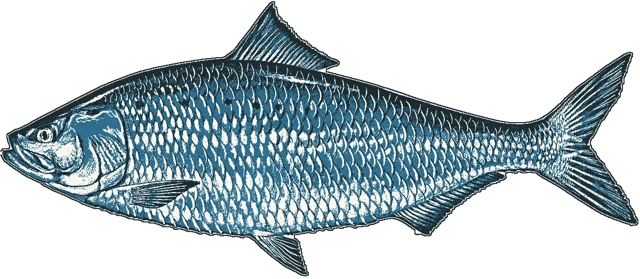
American shad
Alosa sapidissima · Fresh and salt
Some of the best-flavored fish in North America and prized roe, but so bony that most modern anglers do not bother.
Worth a try: Debone, score and deep-fry (Hank Shaw's boneless tempura shad), bake for hours to soften bones, or smoke; the roe sautéed with bacon is a spring classic.
- Tastes
- rich, oily, sweet, soft, extremely bony
- Limits
- No harvest. Statewide moratorium on possession since Jan 1, 2019; catch and immediate release is allowed. No fishing or bait collecting within 300 ft of the Boshers Dam Fishway on the north bank of the James River from March 1 to June 15. (DWR regulations page (read Nov 21, 2026)) Source
- Best months
- Spring migration (DWR Shadcam went live March 16, 2026).
- Where
- James River at Boshers Dam fishway (river mile 114, Richmond).
- shad darts
- spoons
- flies
- small plastic worms
- spinners
- Do not eat (pregnant or may become pregnant, nursing, young children): any fish from the tidal James River or its tidal tributaries.
- Limit (everyone else): 1 meal a day of American shad from the tidal James and its tidal tributaries, Richmond to Hampton Roads (Kepone).
- VDH's list has no line of its own for American shad (list dated Aug 11, 2026).
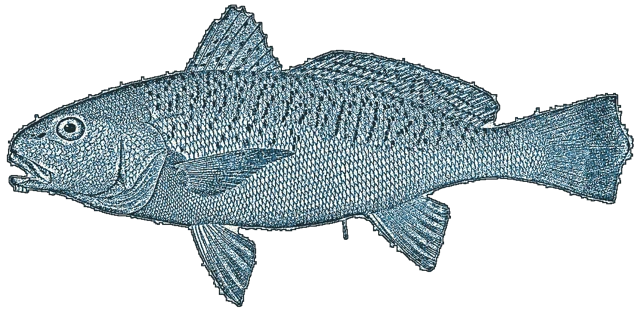
Atlantic croaker
Micropogonias undulatus · also called hardhead · Saltwater
Good mild meat (LSU Sea Grant rates it very good), but most catches are under half a pound, so yield is low and they are usually fried whole or as small fillets.
- Tastes
- mild, slightly sweet, medium-firm, small flakes
- Limits
- Light regs. No minimum size, 50 per person per day (plus 50 live bait per customer capacity on for-hire vessels), no closed season listed. (4VAC20-1370-30 and -40 (eff. Apr 15, 2021; code as read Nov 21, 2026)) Source
- Best months
- March to November.
- Where
- Chesapeake Bay, Bay tributary rivers, coastal waters and inlets, from boats, piers, docks, shore and surf.
- peeler crab
- bloodworms
- cut bait
- squid
- shrimp
- Do not eat raw; croaker can pass trematode parasites (TPWD).
- Do not eat (pregnant or may become pregnant, nursing, young children): croaker from any water named here.
- Limit (everyone else): 2 meals a month of croaker (PCBs) from the tidal James River and its tidal tributaries (Richmond to the Hampton Roads Bridge-Tunnel, with the Appomattox, Chickahominy, Pagan, Nansemond, Hampton and Elizabeth rivers), the York River with tidal King, Queen and Wormley creeks, the Rappahannock below I-95, Little Creek near the Norfolk and Virginia Beach line, and Tabb Creek in Hampton and Poquoson.
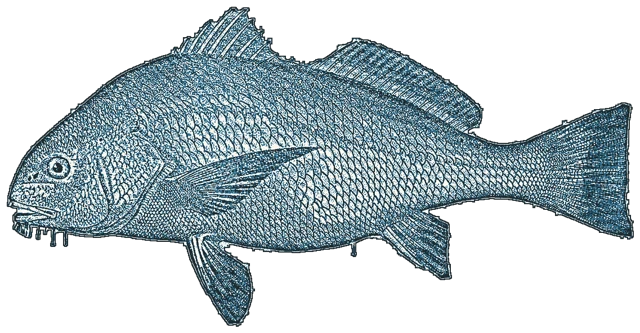
Black drum
Pogonias cromis · also called drumfish · Saltwater
Small black drum are good eating, but big fish are coarse and often carry harmless but off-putting spaghetti worms, so the species' reputation is mixed.
Worth a try: Keep fish under about 5 lb (TPWD's cutoff) and skip the bulls. Small black drum fillets are white, mild and firm, and work anywhere redfish does: blackened, fried, or grilled on the half shell. LSU Sea Grant rates food value good, especially smaller fish.
- Tastes
- mild, sweet, firm; coarse in large fish
- Limits
- Heavy regs. 16 in minimum total length, 1 per person per day, no closed season listed. (4VAC20-320-40 and -60 (size limit amended eff. Sept 1, 2018; code as read Nov 21, 2026)) Source
- Best months
- May to September; peak May to early June on the Eastern Shore, and late June to early August at the 2nd and 3rd Islands of the Chesapeake Bay Bridge-Tunnel.
- Where
- Chesapeake Bay channel ledge from Fisherman's Island to north of Cape Charles, Kiptopeake and Cabbage Patch, Eastern Shore seaside inlets, and the Bridge-Tunnel islands.
- whole clam
- peeler crab
- whelk
- peeler crab and clam sandwich
- bucktails
- leadhead jigs
- Large fish are coarse and often carry larval tapeworms ('spaghetti worms'); harmless to people but unappetizing (LSU Sea Grant).
- Do not eat (pregnant or may become pregnant, nursing, young children): any black drum from the tidal James River and its tidal tributaries (Richmond to the Hampton Roads Bridge-Tunnel, with the Appomattox, Chickahominy, Pagan, Nansemond, Hampton and Elizabeth rivers).
- Limit (everyone else): 1 meal a day of black drum from those tidal James waters (Kepone).
- VDH's list has no line of its own for black drum (list dated Aug 11, 2026).
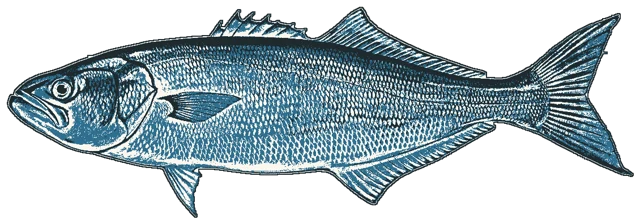
Bluefish
Pomatomus saltatrix · also called chopper, snapper, tailor blue · Saltwater
Rich, oily and strong-tasting, with soft meat that does not freeze well; Hank Shaw calls it about as polarizing a food as there is.
Worth a try: Bleed and ice it, cook it the same day, and trim the dark strip (NOAA). Fresh blues are excellent grilled or smoked, and smoked bluefish pâté is a New England classic (Hank Shaw). Acid such as citrus or tomato cuts the oil.
- Tastes
- rich, full, coarse, moist
- Limits
- Heavy regs. No minimum size, 5 per person per day from shore or on a rented or private vessel, and 5 per person on for-hire or charter vessels (VMRC set this at its March 31, 2026 meeting). (4VAC20-450-20 (amended eff. Apr 1, 2026); VMRC news, Mar 31, 2026) Source
- Best months
- Mid-April to July and October to December for large fish; May to October for small fish.
- Where
- Offshore and coastal waters, the Chesapeake Bay and Eastern Shore barrier island surf.
- spoons
- tube eels
- metal squids
- surface plugs
- cut menhaden, mullet, herring or spot
- Large bluefish can carry higher mercury and PCBs; some states recommend limited consumption (NOAA).
- Raw fillets freeze poorly; cook or smoke before freezing (Hank Shaw).
- Do not eat (pregnant or may become pregnant, nursing, young children): bluefish from the tidal James River and its tidal tributaries (Richmond to the Hampton Roads Bridge-Tunnel, with the Appomattox, Chickahominy, Pagan, Nansemond, Hampton and Elizabeth rivers).
- Limit (everyone else): 2 meals a month of bluefish from those tidal James waters (PCBs).
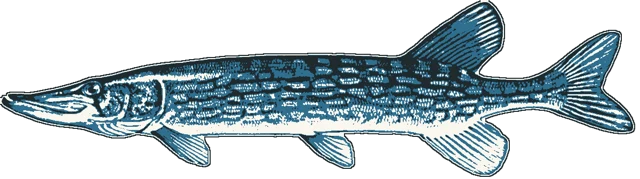
Chain pickerel
Esox niger · Freshwater
White, flaky and good-tasting meat, but quite bony with pike-style Y-bones.
- Tastes
- mild, white, flaky, bony
- Limits
- Heavy regs. 5 per day (chain pickerel and northern pike combined), no statewide length limit. Lake Gaston and Buggs Island Lake/Kerr Reservoir have no daily limit. (4VAC15-320-25, amended eff. Jan 1, 2026 (page read Nov 21, 2026)) Source
- Best months
- Surface plugs work best in early spring and pickerel can be taken year-round (Lake Moomaw); February to March at Chickahominy Lake.
- Where
- Lake Moomaw weedy flats and Greenwood Point, Chickahominy Lake, Dragon Run, and Lake Gaston.
- surface plugs
- plastic-bodied jigs
- Do not eat (anyone): chain pickerel from White Oak Swamp and its tributaries in Henrico and Charles City counties (PFOS).
- Do not eat (anyone): any fish from the North Fork Holston River below Saltville, the Levisa Fork below Grundy, or the South River from Waynesboro to Port Republic (trout excepted there).
- Do not eat (pregnant or may become pregnant, nursing, young children): chain pickerel from any water named here.
Meal limits and other waters (3)
- Limit (everyone else): 2 meals a month of chain pickerel from the Chickahominy River, from the James up to Route 360 (PFOS), Chickahominy Lake (PFOS and mercury), Harrison Lake, the Nottoway and Blackwater rivers, and the Great Dismal Swamp Canal with Lake Drummond (mercury).
- Limit (everyone else): 2 meals a month of any fish from Knox Creek, Beaver Creek (Bristol), the Levisa Fork above Grundy (to Contrary Creek), the South Fork Shenandoah below Port Republic, the North Fork below Riverton Dam and the Shenandoah above Warren Power Dam.
- Limit (everyone else): 1 meal a day of chain pickerel from the rest of the tidal James and its tidal tributaries, Richmond to Hampton Roads (Kepone).
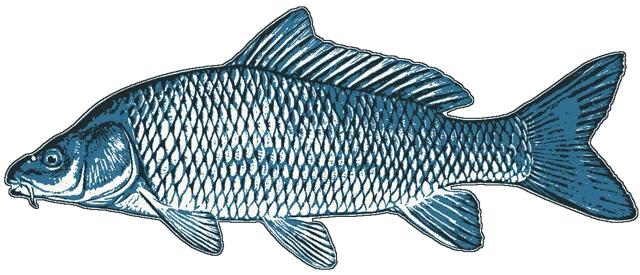
Common carp
Cyprinus carpio · Freshwater
Most US anglers call it a muddy, bony trash fish, but it is a prized food fish in Europe and Asia and eats well from clean, cold water.
Worth a try: Catch from clean water, remove the dark 'mud vein', and either score small fish and fry hard so the Y-bones soften, or hard-smoke large fish over fruitwood (Hank Shaw).
- Tastes
- mild from clean water, strong from muddy water, firm, fatty, Y-bones
- Limits
- No limits. No possession limit: carp can be possessed in unlimited numbers. Bow and arrow and gigging are allowed for carp in some waters (Shenandoah River year-round); snagging is allowed for carp and suckers in a few creeks. (DWR nongame fish regulations page (read Nov 21, 2026)) Source
- Where
- Claytor Lake, the upper New River pools and Flannagan Reservoir.
- sweet corn
- dough baits
- Do not eat (anyone): carp (PCBs) from the tidal James River and its tidal tributaries, the tidal Potomac tributaries from I-395 to Route 301, the New River below Claytor Lake Dam, the Bluestone River, the Roanoke (Staunton) River below Leesville Dam, Beaver Creek and Little Creek in Washington County and Bristol, or the Shenandoah River, its South Fork below the Route 619 bridge and its North Fork below Riverton Dam.
- Do not eat (anyone): any fish from the North Fork Holston River below Saltville, the Levisa Fork below Grundy, or the South River from Waynesboro to Port Republic (trout excepted there).
- Do not eat (pregnant or may become pregnant, nursing, young children): carp from any water named here.
- Limit (everyone else): 2 meals a month (PCBs, some mercury) from the James between Big Island Dam and Richmond, the upper James from Iron Gate to Balcony Falls Dam, the Maury below Buena Vista, the New River from Route 77 and Claytor Lake, Smith Mountain Lake, the upper Roanoke above Niagara Dam, the Dan below Danville, Kerr Reservoir, Lake Anna, the Rappahannock below I-95, Bull Run, the Guest River, Wolf Creek, Lake Trashmore, Lake Whitehurst with Little Creek Reservoir, the South Fork Shenandoah from Port Republic to Route 619, Knox Creek and the Levisa Fork above Grundy (to Contrary Creek).
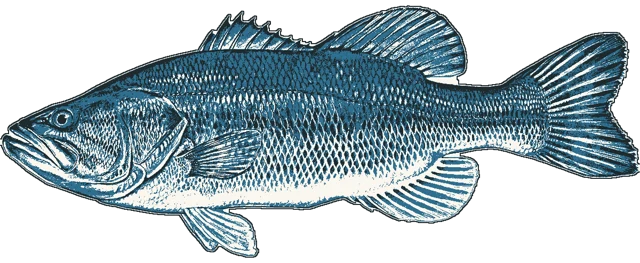
Largemouth bass
Micropterus nigricans (syn. M. salmoides) · Freshwater
Perfectly edible white fillets, but America's top catch-and-release fish and many anglers swear the meat tastes fishy or muddy, so reputation is split.
- Tastes
- mild to slightly 'fishy', firm, thick fillets
- Limits
- Heavy regs. 5 per day in the aggregate with smallmouth bass and no statewide length limit. Exceptions by water: Smith Mountain Lake, Lake Gaston, Buggs Island Lake/Kerr Reservoir and Leesville Reservoir allow only 2 of 5 under 14 in; Flannagan Reservoir and Lake Moomaw have a 12 in minimum; Briery Creek Lake has a 16 to 24 in no-keep slot with 1 over 24 in; the James River (Jackson/Cowpasture confluence to the 14th Street Bridge, Richmond) and the New River (Fields Dam to the WV line) have a 14 to 22 in no-keep slot with 1 over 22 in; the Shenandoah River and its North and South forks have an 11 to 14 in no-keep slot; Virginia's tidal Potomac tributaries above the Rt. 301 bridge have a 15 in minimum March 1 to June 15. Other listed waters differ. (4VAC15-320-25, amended eff. Jan 1, 2026 (page read Nov 21, 2026)) Source
- Best months
- Late March to early May when fish move shallow to spawn (Briery Creek); topwater action at dawn and dusk in summer and fall.
- Where
- Smith Mountain Lake, Lake Anna, Briery Creek Lake, Chickahominy Lake, and the tidal James, Chickahominy, Potomac and Rappahannock rivers.
- plastic worms
- jigs
- spinnerbaits
- crankbaits
- soft plastics
- topwater lures
- Water-body mercury advisories commonly list largemouth bass; check your state's advisory before eating large fish.
- Do not eat (anyone): largemouth bass from the tidal Occoquan River, Belmont Bay, Occoquan Bay or Occoquan Reservoir (PFOS), or from Beaver Creek and Little Creek in Washington County and Bristol (PCBs).
- Do not eat (anyone): any fish from the North Fork Holston River below Saltville, the Levisa Fork below Grundy, or the South River from Waynesboro to Port Republic (trout excepted there).
- Do not eat (pregnant or may become pregnant, nursing, young children): largemouth bass from any water named here.
Meal limits and other waters (2)
- Limit (everyone else): 2 meals a month (PCBs, mercury or PFOS) from Lake Anna, Smith Mountain Lake, Kerr Reservoir, Flannagan Reservoir, Chickahominy Lake and River, the tidal James, the tidal Potomac tributaries from I-395 to Route 301, Bull Run, Broad Run, South Run, the Dan, Staunton, upper Roanoke, Mattaponi, Nottoway, Blackwater, Meherrin and Bluestone rivers, Dragon Run and the Piankatank, the Shenandoah, its South Fork from Port Republic down and its North Fork below Riverton Dam.
- Limit (everyone else): 2 meals a month from 11 smaller waters too: Lake Trashmore, Harrison Lake, Lake Gordonsville, Lake Witten, Lovills Creek Lake, Chandler's Mill Pond, Emporia, Motts Run and Big Cherry reservoirs, Knox Creek and the Levisa Fork above Grundy (to Contrary Creek).
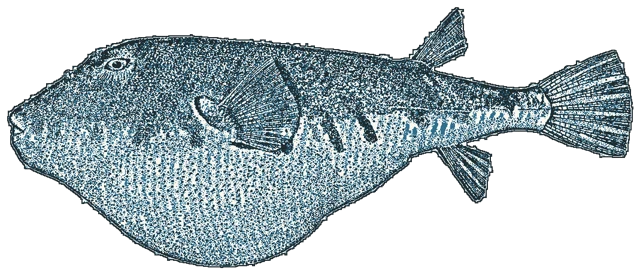
Northern puffer
Sphoeroides maculatus · also called blow toad, blowfish, swell toad · Saltwater
A small fish most anglers toss because 'puffers are poisonous', though it has long been sold as sea squab in Northeast markets.
Worth a try: The northern puffer is not poisonous like its tropical cousins (NC DMF). Skin it, discard all skin and viscera, and cook the tail section on the bone like a chicken drumstick; On The Water calls them amazingly sweet. Be certain of the ID first.
- Tastes
- sweet, mild, firm, boneless tail (backbone only)
- Limits
- No limits. VMRC's finfish regulation index and the state code list no regulation for puffers. (VMRC finfish regulation index and 4VAC20 chapter list (read Nov 21, 2026)) Source
- shrimp
- bloodworms
- squid
- Remove all skin and viscera before eating; some scientists believe low-level toxins occur there (NC DMF).
- Never eat southern puffer or smooth puffer. Florida bans taking puffers in Volusia, Brevard, Indian River, St. Lucie and Martin counties because of saxitoxin.
- Do not eat (pregnant or may become pregnant, nursing, young children): any puffer from the tidal James River and its tidal tributaries (Richmond to the Hampton Roads Bridge-Tunnel, with the Appomattox, Chickahominy, Pagan, Nansemond, Hampton and Elizabeth rivers).
- Limit (everyone else): 1 meal a day of puffer from those tidal James waters (Kepone).
- VDH's list has no line of its own for puffer (list dated Aug 11, 2026).
Northern snakehead
Channa argus · Freshwater
Its reputation is a scary invasive monster, yet Maryland DNR calls it nutritious and delicious, and Outdoor Life's writer says it might be his favorite freshwater fish on the table.
Worth a try: Firm, mild white fillets that take any preparation: blackened, fried nuggets, tacos or etouffee (Maryland DNR cookbook).
- Tastes
- mild, clean, firm, white, few bones
- Limits
- Heavy regs. No daily limit and no length limit, but an angler who keeps a snakehead must kill it immediately and notify DWR at (804) 367-2925 or a regional office. DWR says a live snakehead cannot be possessed without a permit. (4VAC15-320-25, amended eff. Jan 1, 2026 (page read Nov 21, 2026)) Source
- Best months
- Easier to locate early in the season before aquatic vegetation emerges; stacked below Rapidan Mill Dam mid-April to early May.
- Where
- Tidal Potomac tributaries (Occoquan, Neabsco, Pohick, Aquia and others), the tidal Rappahannock below Fredericksburg, and Lake Anna.
- weedless soft plastics (spring)
- topwater lures (summer)
- Parasitic worms can occur in the flesh; cut them out, and they are harmless when the fish is fully cooked (Maryland DNR).
- Do not eat (anyone): any fish from the North Fork Holston River below Saltville, the Levisa Fork below Grundy, or the South River from Waynesboro to Port Republic (trout excepted there).
- Do not eat (pregnant or may become pregnant, nursing, young children): any snakehead from the waters named here.
Meal limits and other waters (3)
- Limit (everyone else): 2 meals a month of any fish from Knox Creek, Beaver Creek (Bristol), the Levisa Fork above Grundy (to Contrary Creek), the South Fork Shenandoah below Port Republic, the North Fork below Riverton Dam and the Shenandoah above Warren Power Dam.
- Limit (everyone else): 1 meal a day of snakehead from the tidal James and its tidal tributaries, Richmond to Hampton Roads (Kepone).
- VDH's list has no line of its own for snakehead (list dated Aug 11, 2026).
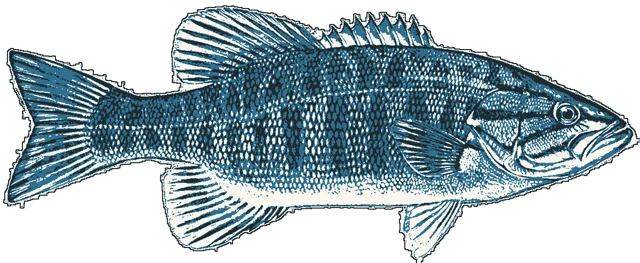
Smallmouth bass
Micropterus dolomieu · Freshwater
Firm, white and good, often rated above largemouth, but most smallmouth are released by custom and the flesh has a slight 'fishy' edge some anglers dislike.
- Tastes
- mild, slightly fishy edge, firm, thick white fillets
- Limits
- Heavy regs. 5 per day in the aggregate with largemouth bass and no statewide length limit. Exceptions by water: Claytor Lake no smallmouth under 14 in; Flannagan and South Holston reservoirs no smallmouth under 15 in (South Holston: DWR digest); Clinch, Levisa Fork, North Fork Holston and the Staunton River below Leesville Dam no bass under 20 in with 1 over 20 in; James and New rivers 14 to 22 in no-keep slot with 1 over 22 in; Shenandoah River and its North and South forks 11 to 14 in no-keep slot. Other listed waters differ. (4VAC15-320-25, amended eff. Jan 1, 2026 (page read Nov 21, 2026)) Source
- Best months
- Pursued year-round at South Holston Reservoir; spring spawn moves fish shallow; float-and-fly is a winter method there.
- Where
- Upper and middle James, New (above and below Claytor Lake), Staunton, North Fork Holston (do not eat from there below Saltville), Clinch, Powell and Shenandoah rivers; South Holston Reservoir, Claytor Lake and Flannagan Reservoir.
- crayfish imitations
- soft plastics
- jigs
- spinnerbaits
- drop-shot soft plastics
- float-and-fly hair jigs
- Do not eat (anyone): smallmouth bass from Beaver Creek and Little Creek in Washington County and Bristol, or from Knox Creek and its tributaries in Buchanan County (PCBs).
- Do not eat (anyone): any fish from the North Fork Holston River below Saltville, the Levisa Fork below Grundy, or the South River from Waynesboro to Port Republic (trout excepted there).
- Do not eat (pregnant or may become pregnant, nursing, young children): smallmouth bass from any water named here.
Meal limits and other waters (2)
- Limit (everyone else): 2 meals a month from Claytor Lake and the New River from Route 77 down to it (with lower Peak and Reed creeks), the upper Roanoke River above Niagara Dam, the Staunton River below Leesville Dam, Kerr Reservoir, the tidal James, the tidal Potomac tributaries from I-395 to Route 301, the Shenandoah, its South Fork from Port Republic down and its North Fork below Riverton Dam (PCBs, some mercury), the Nottoway River (mercury) and the Levisa Fork above Grundy (to Contrary Creek) (PCBs).
- VDH's Nov 17, 2025 review found PCBs above its screening level in smallmouth bass from the North Fork Shenandoah near the Route 663 bridge, upstream of the listed reach, and asked for more sampling.
Smooth dogfish
Mustelus canis · also called smoothhound shark · Saltwater
Edible small shark marketed fresh or dried-salted in parts of its range (Florida Museum), but most US anglers release it.
- Tastes
- mild, firm
- Limits
- No limits. No possession limit and no size limit: VMRC's one-shark limit and 54 in minimum both leave out smooth dogfish, and no closed season is listed for it. Handline or rod and reel only, with non-offset, corrodible, non-stainless circle hooks unless fishing flies or artificial lures; keep head, tail and fins attached, and no filleting until the shark is offloaded. Spiny dogfish are different: no one may keep one without a state limited entry permit. (4VAC20-490-40 (amended eff. Nov 1, 2022) and -44; code as read Nov 21, 2026) Source
- Best months
- Summer and fall, when smooth dogfish are common to abundant in the lower Chesapeake Bay (VIMS).
- Where
- Lower Chesapeake Bay, in coastal waters typically less than 60 feet deep (VIMS).
- strips of squid
- cut pieces of fish
- peeler crab
- Like all sharks, bleed and ice quickly to avoid ammonia flavor.
- FDA/EPA list shark as a 'Choice to Avoid' (highest mercury).
- Do not eat (pregnant or may become pregnant, nursing, young children): any smooth dogfish from the tidal James River and its tidal tributaries (Richmond to the Hampton Roads Bridge-Tunnel, with the Appomattox, Chickahominy, Pagan, Nansemond, Hampton and Elizabeth rivers).
- Limit (everyone else): 1 meal a day of smooth dogfish from those tidal James waters (Kepone).
- VDH's list has no line of its own for smooth dogfish (list dated Aug 11, 2026).
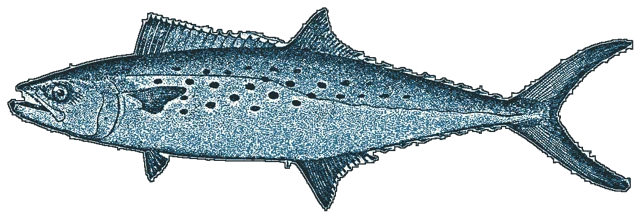
Spanish mackerel
Scomberomorus maculatus · Saltwater
Very good fresh and bled, but oily with a pronounced flavor that fades fast on ice; better broiled or smoked than fried (LSU Sea Grant).
- Tastes
- rich, pronounced, flaky, moist
- Limits
- Light regs. 14 in minimum, 15 per person per day. State waters; federal-water rules are set separately. (4VAC20-540-30 and -40 (amended eff. Sept 1, 2020; code as read Nov 21, 2026)) Source
- Best months
- June to October; peak June to September.
- Where
- Coastal ocean waters off inlets, along tide lines and over coastal wrecks, and the lower Bay.
- small spoons
- metal lures
- feather and nylon lures
- small live menhaden or mullet
- Do not eat (pregnant or may become pregnant, nursing, young children): any Spanish mackerel from the tidal James River and its tidal tributaries (Richmond to the Hampton Roads Bridge-Tunnel, with the Appomattox, Chickahominy, Pagan, Nansemond, Hampton and Elizabeth rivers).
- Limit (everyone else): 1 meal a day of Spanish mackerel from those tidal James waters (Kepone).
- VDH's list has no line of its own for Spanish mackerel (list dated Aug 11, 2026).
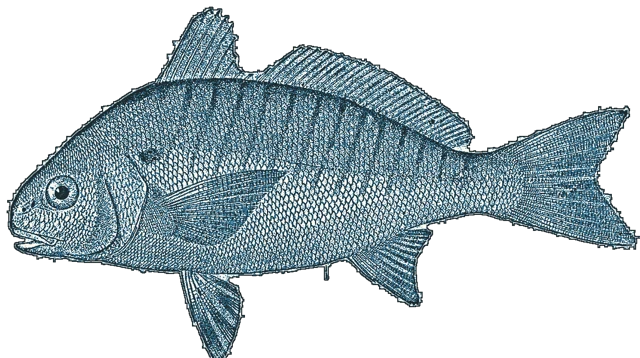
Spot
Leiostomus xanthurus · also called Norfolk spot, yellowbelly · Saltwater
A pier and bridge staple kept by the cooler-full and fried whole; small size and a slightly rich flesh keep it in Just OK.
- Tastes
- medium, small flakes
- Limits
- Light regs. No minimum size, 50 per person per day (plus 50 live bait per customer capacity on for-hire vessels), no closed season listed. (4VAC20-1380-30 and -40 (eff. Apr 15, 2021; code as read Nov 21, 2026)) Source
- Best months
- June to October; peak July to September in the Bay and tributaries and mid-August to mid-October in the lower Bay and coastal areas.
- Where
- Chesapeake Bay and tributary rivers, inlets, docks, piers and the surf and piers of Virginia Beach.
- bloodworms
- peeler crab
- clam
- Do not eat (pregnant or may become pregnant, nursing, young children): spot from any water named here.
- Limit (everyone else): 2 meals a month of spot (PCBs) from the tidal James River and its tidal tributaries (Richmond to the Hampton Roads Bridge-Tunnel, with the Appomattox, Chickahominy, Pagan, Nansemond, Hampton and Elizabeth rivers), the York River with tidal King, Queen and Wormley creeks, and Little Creek near the Norfolk and Virginia Beach line.
Spotted bass
Micropterus punctulatus · Freshwater
Eats like other black bass and is kept more often than largemouth because it is abundant and small; agencies in some states encourage harvest.
- Tastes
- mild, firm, white
- Limits
- No limits. No statewide daily limit and no statewide length limit for spotted bass (listed with Alabama bass). (4VAC15-320-25, amended eff. Jan 1, 2026 (page read Nov 21, 2026)) Source
- Where
- Claytor Lake (state record 4 lb 12 oz, Jan 1, 2020) and the Staunton River, especially below Brookneal.
- crayfish imitations
- fish-imitating lures
- Do not eat (anyone): any fish from the North Fork Holston River below Saltville, the Levisa Fork below Grundy, or the South River from Waynesboro to Port Republic (trout excepted there).
- Do not eat (pregnant or may become pregnant, nursing, young children): spotted bass from any water named here.
Meal limits and other waters (3)
- Limit (everyone else): 2 meals a month of spotted bass from the Roanoke (Staunton) River below Leesville Dam (PCBs).
- Limit (everyone else): 2 meals a month of any fish from Knox Creek, Beaver Creek (Bristol), the Levisa Fork above Grundy (to Contrary Creek), the South Fork Shenandoah below Port Republic, the North Fork below Riverton Dam and the Shenandoah above Warren Power Dam.
- Limit (everyone else): 1 meal a day of spotted bass from the tidal James and its tidal tributaries, Richmond to Hampton Roads (Kepone).
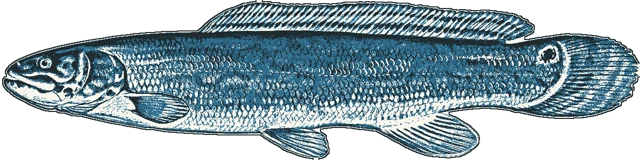
Bowfin
Amia calva (ruddy bowfin) and Amia ocellicauda (emerald bowfin) · Freshwater
TPWD calls it a rough fish rather than one for the table; the soft, pale flesh earned it the nickname 'cottonfish'.
Worth a try: Keep it alive until you clean it, cook it the same day, and use it smoked, fried as patties or stewed; MeatEater serves fried bowfin with a morel cream sauce.
- Tastes
- mild, soft, jelly-like unless very fresh
- Limits
- Heavy regs. July 1 to April 14: 5 per day. April 15 to June 30: 1 per day. No statewide length limit. (4VAC15-320-25, amended eff. Jan 1, 2026 (page read Nov 21, 2026)) Source
- Where
- Chickahominy Lake (many fish of 3 to 6 lb), the Piankatank River and Dragon Run, and tidal Rappahannock tributaries.
- bass jigs
- artificial worms
- Do not eat (anyone): any fish from the all-fish waters on this page (North Fork Holston River below Saltville, Levisa Fork below Grundy, South River below Waynesboro).
- Do not eat (pregnant or may become pregnant, nursing, young children): bowfin from any water named here.
Meal limits and other waters (2)
- Limit (everyone else): 2 meals a month of bowfin (mercury) from Chickahominy Lake, Harrison Lake, the Blackwater and Nottoway rivers, the Meherrin below Emporia Reservoir Dam, and the Great Dismal Swamp Canal with Lake Drummond.
- Limit (everyone else): 1 meal a day of bowfin from the tidal James and its tidal tributaries, Richmond to Hampton Roads (Kepone).
Cownose ray
Rhinoptera bonasus · also called bat ray, bullfish · Saltwater
No US market exists for it (Florida Museum) and anglers treat it as a nuisance that tears up bottom rigs.
- Limits
- No limits. No state rule listed: VMRC's finfish regulation index and the state code have no regulation for cownose rays or other rays. (VMRC finfish regulation index and 4VAC20 chapter list (read Nov 21, 2026)) Source
- peeler crab
- clams
- Shigella has been linked to contaminated cownose ray meat (Florida Museum).
- Slow to mature with very few young; Maryland and Virginia have restricted killing contests.
- Do not eat (pregnant or may become pregnant, nursing, young children): any cownose ray from the tidal James River and its tidal tributaries (Richmond to the Hampton Roads Bridge-Tunnel, with the Appomattox, Chickahominy, Pagan, Nansemond, Hampton and Elizabeth rivers).
- Limit (everyone else): 1 meal a day of cownose ray from those tidal James waters (Kepone).
- VDH's list has no line of its own for cownose ray (list dated Aug 11, 2026).
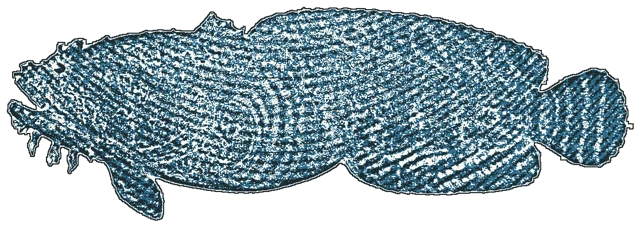
Oyster toadfish
Opsanus tau · also called mud toad · Saltwater
An ugly, snapping bycatch fish that almost nobody keeps; toadfishes are generally considered undesirable as food (Florida Museum).
- Tastes
- mild
- Limits
- No limits. No state rule listed: VMRC's finfish regulation index and the state code have no regulation for toadfish. (VMRC finfish regulation index and 4VAC20 chapter list (read Nov 21, 2026)) Source
- squid
- clams
- bloodworms
- peeler crab
- Do not eat (pregnant or may become pregnant, nursing, young children): any toadfish from the tidal James River and its tidal tributaries (Richmond to the Hampton Roads Bridge-Tunnel, with the Appomattox, Chickahominy, Pagan, Nansemond, Hampton and Elizabeth rivers).
- Limit (everyone else): 1 meal a day of toadfish from those tidal James waters (Kepone).
- VDH's list has no line of its own for toadfish (list dated Aug 11, 2026).
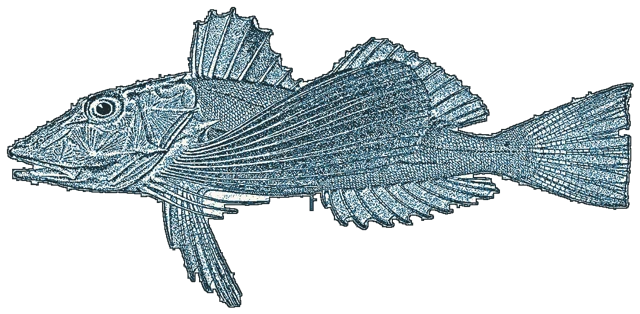
Sea robin
Prionotus spp. (mainly P. carolinus and P. evolans) · Saltwater
Anglers treat sea robins as bait-stealing nuisances and throw them back; few keep one to eat.
Worth a try: On The Water found the fillets delicious, better than fluke or sea bass, if a little darker and firmer. Fillet the tail section (watch the spines) and fry or bake it like fluke.
- Tastes
- mild, sweet, firm, slightly darker than sea bass
- Limits
- No limits. No state rule listed: VMRC's finfish regulation index and the state code have no regulation for sea robins. (VMRC finfish regulation index and 4VAC20 chapter list (read Nov 21, 2026)) Source
- squid strips
- cut bait
- cut shrimp
- clams
- Spiny head and fins make it unpleasant to handle.
- Do not eat (pregnant or may become pregnant, nursing, young children): any sea robin from the tidal James River and its tidal tributaries (Richmond to the Hampton Roads Bridge-Tunnel, with the Appomattox, Chickahominy, Pagan, Nansemond, Hampton and Elizabeth rivers).
- Limit (everyone else): 1 meal a day of sea robin from those tidal James waters (Kepone).
- VDH's list has no line of its own for sea robin (list dated Aug 11, 2026).
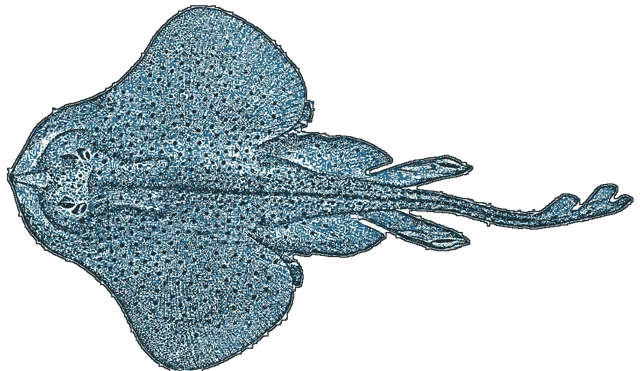
Skate
Rajidae (mainly Raja eglanteria, Leucoraja erinacea, L. ocellata) · Saltwater
Almost every US angler throws skates back or uses them for trap bait; Hank Shaw notes no one he knew growing up in New York and New Jersey kept one.
Worth a try: Kill the fish and cut off the wings right away, refrigerate a day or two so the meat firms up, and brine to remove any ammonia (Hank Shaw). NOAA describes winter skate as mild with a flavor similar to scallops. Classic prep: dredged and sautéed in brown butter with capers.
- Tastes
- mild, scallop-like, firm, stringy, corduroy grain
- Limits
- No limits. No state rule listed: VMRC's finfish regulation index and the state code have no regulation for skates. In federal waters NOAA lists no season, size or possession limit for clearnose, little, rosette and winter skates kept recreationally, and barndoor, smooth and thorny skates may not be kept. (VMRC finfish regulation index and 4VAC20 chapter list (read Nov 21, 2026); NOAA recreational rules page, updated Oct 2, 2026) Source
- cut bait
- squid
- clams
- Poorly handled skates and rays can smell of ammonia; bleed, ice and brine (Hank Shaw).
- Barndoor and thorny skates are protected; possession is prohibited (NOAA).
- Do not eat (pregnant or may become pregnant, nursing, young children): any skate from the tidal James River and its tidal tributaries (Richmond to the Hampton Roads Bridge-Tunnel, with the Appomattox, Chickahominy, Pagan, Nansemond, Hampton and Elizabeth rivers).
- Limit (everyone else): 1 meal a day of skate from those tidal James waters (Kepone).
- VDH's list has no line of its own for skate (list dated Aug 11, 2026).
Muskellunge
Esox masquinongy · Freshwater
A trophy fish that is almost never kept: high minimum lengths and a strong release ethic mean most muskie anglers let their catch go.
- Limits
- Heavy regs. 1 per day, none under 40 in. New River below Claytor Dam to the WV line: 1 a day, no muskellunge 40 to 48 in from June 1 to the last day of February, and none under 48 in from March 1 to May 31. (4VAC15-320-25, amended eff. Jan 1, 2026 (page read Nov 21, 2026)) Source
- Best months
- Late April through May (Cowpasture River); winter months for live bait (New River).
- Where
- Upper James above Lynchburg, lower New River between Claytor Dam and Radford and near Whitethorne, North Fork Shenandoah pools, Smith Mountain Lake (a few caught each year).
- large crankbaits
- jerkbaits
- in-line bucktail spinners
- live bait
- Do not eat (anyone): any fish from the North Fork Holston River below Saltville, the Levisa Fork below Grundy, or the South River from Waynesboro to Port Republic (trout excepted there).
- Do not eat (pregnant or may become pregnant, nursing, young children): any muskellunge from the waters named here.
Meal limits and other waters (3)
- Limit (everyone else): 2 meals a month of any fish from Knox Creek, Beaver Creek (Bristol), the Levisa Fork above Grundy (to Contrary Creek), the South Fork Shenandoah below Port Republic, the North Fork below Riverton Dam and the Shenandoah above Warren Power Dam.
- Limit (everyone else): 1 meal a day of muskellunge from the tidal James and its tidal tributaries, Richmond to Hampton Roads (Kepone).
- VDH's list has no line of its own for muskellunge (list dated Aug 11, 2026).
Where to fish in Virginia
Fish named here are what people catch at each spot, not a promise they’re safe to eat. Read the eating advice on the fish’s card before you keep one.
# Salt or brackish# Freshwater
- 1Smith Mountain Lake reservoir · fresh
20,600 acres; DWR calls black bass the most sought species and striped bass the second most popular. VDH: do not eat flathead catfish 32 in or longer. VDH: 2 meals a month of smaller flatheads, striped bass, largemouth bass or channel catfish, and none for anyone who is or may become pregnant, nursing mothers or young children (PCBs).
Known for: Largemouth bass, Striped bass, Flathead catfish, Channel catfish
Access: Numerous public and private boat ramps and marinas; Smith Mountain Lake State Park has a boat ramp and a handicapped-accessible fishing pier.
- 2Buggs Island Lake / Kerr Reservoir reservoir · fresh
About 48,900 acres at full pool; DWR calls it one of Virginia's best places to catch crappie, best from February through April, and lists striped bass, channel, flathead and blue catfish. VDH: 2 meals a month of largemouth bass, striped bass, channel catfish, flathead catfish or white perch, and none for anyone who is or may become pregnant, nursing mothers or young children (PCBs, some mercury).
Known for: Largemouth bass, Striped bass, Black crappie, Channel catfish, Flathead catfish
Access: Virginia fishing licenses are legal lake-wide; North Bend Park has a pier designed for disabled anglers; numerous campgrounds and boat ramps.
- 3Lake Anna reservoir · fresh
9,600 acres; ranks in the statewide top three for citation largemouth bass and has stocked striped bass and hybrids with a winter surface fishery. VDH: 2 meals a month of largemouth bass, striped bass, channel catfish or white perch, and none for anyone who is or may become pregnant, nursing mothers or young children (PCBs).
Known for: Largemouth bass, Striped bass, Black crappie, Channel catfish, White perch
Access: Many private marinas, several campgrounds and Lake Anna State Park have launching; DWR's Rt. 522 ramp is closed.
- 4Claytor Lake reservoir · fresh
DWR calls it the top Virginia destination for hybrid striped bass and lists the spotted bass state record (4 lb 12 oz, 2020), a 58 lb 8 oz flathead lake record and carp of 20 to 30 lb. VDH: 2 meals a month of smallmouth bass or carp, and none for anyone who is or may become pregnant, nursing mothers or young children (PCBs).
Known for: Smallmouth bass, Spotted bass, Striped bass, Walleye, Channel catfish
Access: Claytor Lake State Park (north side) has a marina; DWR maintains a ramp at Allisonia; private ramps at Lighthouse Bridge and two Peak Creek marinas charge a small fee.
- 5Lake Moomaw reservoir · fresh
Alewife-fed trout lake with browns of 3 to 5 lb, a 16 in minimum and 2-a-day limit on trout, and a 2 lb 7 oz lake-record yellow perch (1999).
Known for: Brown trout, Rainbow trout, Smallmouth bass, Largemouth bass, Yellow perch
Access: DWR lists boat ramps, a fishing pier and handicap access; neither a trout license nor a National Forest Stamp is required.
- 6Upper James River (Iron Gate to Lynchburg) river · fresh
DWR 2026 forecast: rising smallmouth numbers from the 2021, 2023 and 2024 spawns, good numbers of muskies upstream of Lynchburg, and channel and flathead catfish plentiful in places. VDH: 2 meals a month of flathead catfish from Big Island Dam down, and none for anyone who is or may become pregnant, nursing mothers or young children (PCBs).
Known for: Smallmouth bass, Muskellunge, Channel catfish, Flathead catfish
- 7New River (Claytor Dam to Radford and Whitethorne) river · fresh
DWR 2026 forecast: lower New River smallmouth catch rates over 17 in were at an all-time high in 2025, and the best musky water is Claytor Dam to Radford and near Whitethorne; walleye are also listed.
Known for: Smallmouth bass, Muskellunge, Walleye
- 8North Fork Shenandoah River (Woodstock to Strasburg) river · fresh
DWR 2026 forecast: target the middle and lower North Fork around Woodstock, Edinburg and Strasburg, where biologists found the most quality smallmouth; deeper pools can hold largemouth, channel catfish and the occasional musky. VDH: from Riverton Dam down to the mouth, do not eat channel catfish, and 2 meals a month of smallmouth or largemouth bass, none for anyone who is or may become pregnant, nursing mothers or young children (PCBs, mercury); a VDH letter of Nov 17, 2025 puts the upper end of that advice near Cedar Creek at Strasburg.
Known for: Smallmouth bass, Largemouth bass, Channel catfish, Muskellunge
- 9Shenandoah National Park streams river · fresh
Over 70 park streams hold fish, most with native brook trout; all are open to catch and release, and trout may be kept only on the 17 waters (and tributaries) the park lists.
Known for: Brook trout, Brown trout, Rainbow trout
Access: National Park Service lands; artificial lures with one single-point hook only, no organic bait; a Virginia fishing license is needed at 16 and older, but no state trout license. Park: 540-999-3500.
- 10Chickahominy Lake reservoir · fresh
DWR calls the largemouth fishing great, reports bowfin at 58 fish an hour in 2019, black crappie of 10 to 13 in and blue catfish of 30 to 40 lb. VDH: 2 meals a month of largemouth bass, chain pickerel, bowfin, black crappie or bluegill, and none for anyone who is or may become pregnant, nursing mothers or young children (PFOS, mercury).
Known for: Largemouth bass, Bowfin, Chain pickerel, Black crappie, Blue catfish
Access: Ed Allen's Boats and Bait off Rt. 649 (Rockahock Road) is listed on the DWR page.
- 11Chesapeake Bay Bridge-Tunnel offshore · salt
VMRC's guide lists sheepshead, black drum (2nd and 3rd Islands), tautog, flounder, gray trout, cobia and large striped bass at the Bridge-Tunnel. VDH: 2 meals a month of sea-run striped bass from the Bay mainstem, and none for anyone who is or may become pregnant, nursing mothers or young children (PCBs).
Known for: Sheepshead, Black drum, Tautog, Summer flounder, Weakfish
- 12Rudee Inlet and Virginia Beach oceanfront inlet · salt
VMRC lists Rudee Inlet for flounder and speckled trout, big fall spot runs in the surf and piers of Virginia Beach, and kingfish in the surf zone from Sandbridge.
Known for: Summer flounder, Spotted seatrout, Spot, Kingfish (whiting)
Access: Ocean piers and surf; VMRC lists the ocean piers as kingfish locations.
- 13Eastern Shore barrier islands and Assateague surf surf · salt
VMRC highlights the spring and fall surf fisheries for big red drum and lists bluefish, striped bass, black drum, gray trout, flounder, kingfish, croaker and spot along the beaches.
Known for: Red drum, Black drum, Bluefish, Striped bass, Weakfish
Access: Assateague Island National Seashore: a causeway gives surf anglers road access, and four-wheel-drive vehicles are allowed on designated beach portions at certain times; most other barrier islands are reached only by boat.
Virginia fishing license and rules
- Resident: $28.00 one-year freshwater (issuance fee included); resident freshwater and saltwater $44.50; two-year $54.00, three-year $80.00
- Nonresident: $72.00 freshwater; freshwater and saltwater $96.00
- Nonresident short-term: $20.00 for 1 day freshwater; 5-day freshwater $36.00; 5-day freshwater and saltwater $46.00
- Saltwater: Separate saltwater license sold through DWR for VMRC ($17.50 resident, $25 nonresident, $10 for 10 days). Saltwater anglers 16 to 64 need a paid license; anglers 65 and older, and anglers using a licensed pier, a licensed boat, their own property or a reciprocal Maryland license, need the free Fisherman Identification Program (FIP) registration instead.
- Who needs one: 16 and older. Under 16 needs no paid license or FIP registration. Saltwater: 16 to 64 need a paid license; 65 and older need only the free FIP registration.
- Free fishing days: Sept 25 to 27, 2026 (DWR's first fall Free Fishing Days): no fishing license of any kind for rod-and-reel fishing in fresh or salt water, designated stocked trout waters open to all, regulations still apply. June 5 to 7, 2026 were Free Fishing Days too: fresh water (DWR digest) and salt water (VMRC notice May 29, 2026; not on headboats, charter boats, rental boats or fee piers).
More license details
Designated stocked trout waters need an additional trout license Oct 1 to June 15 ($28.00 resident, $48.00 nonresident; none needed June 16 to Sept 30). Resident freshwater license for 65 and older is $9.00. A National Forest permit is required on most National Forest waters. DWR's fee page says the issuance fee is included in all prices. Persons 65 or older do not need a saltwater license but must comply with FIP. Back Bay, the North Landing River, and the Meherrin, Nottoway and Blackwater rivers are entirely freshwater for licensing; below the listed lines on tidal rivers a saltwater (or freshwater/saltwater) license is needed.
Buy a license License types and fees
Fees: Fees effective Oct 1, 2026 (DWR fee page; 4VAC15-20-65, amended eff. Oct 1, 2026, plus the $1 issuance fee). Saltwater-only fees: VMRC license page..
- Saltwater license line: freshwater and saltwater licenses meet at set lines on tidal rivers (James River: Hog Point to College Creek line; Potomac: Rt. 301 bridge; Rappahannock: Rt. 360 bridge; York system: Rt. 33 bridges). Saltwater anglers 16 to 64 need a paid license unless fishing from a licensed pier, a licensed boat, their own property or with a reciprocal Maryland license; those anglers and everyone 65 or older register free with the Fisherman Identification Program (FIP).
- Trout: statewide limit is 6 a day, 7 in minimum. Designated stocked trout waters need a separate trout license from Oct 1 to June 15, and one rod, one line and one baited hook. Delayed Harvest waters are catch and release with artificial lures from Oct 1 to May 31.
- Striped bass (Bay, 2026): May 16 to June 15 and Oct 4 to Dec 31, 19 to 24 in, 1 per person. Coastal area: Jan 1 to Mar 31 and May 16 to Dec 31, 28 to 31 in, 1 per person. Federal waters beyond 3 miles are closed. Gaffing is illegal and circle hooks are required with bait.
- Speckled trout (spotted seatrout): closed to recreational harvest April 1 to June 30, 2026; 14 in minimum, 5 per person, only 1 at 24 in or longer.
- Potomac River: the mainstem follows the Potomac River Fisheries Commission, and Virginia's Potomac tributaries use its season for striped bass and its size, season and limit for flounder.
- American shad and sea-run river herring (alewife, blueback) may not be possessed; sturgeon are illegal to possess. Catch and immediate release is allowed for shad.
- Back Bay, the North Landing River and tributaries are freshwater for licensing but have their own DWR limits on marine fish: red drum 1 a day, 18 to 27 in; speckled trout 4 a day, 14 in minimum; gray trout 1 a day, 12 in minimum.
- Northern snakehead: no limit, but a kept fish must be killed immediately and reported to DWR at (804) 367-2925.
- Cobia: June 15 to September 20, 43 in minimum, 1 per person and 2 per vessel; gaffing is illegal. VMRC says a species permit has not been required since 2023.
Limits here are summaries for convenience, checked on the date shown. The official Virginia regulations govern; check them before you keep a fish.
Before you eat it
- Do not eat (pregnant or may become pregnant, nursing, young children): any fish listed in a Virginia Department of Health (VDH) advisory. That means every fish named below, from every water named with it, whatever the limit is for everyone else. Where the advisory covers every species (the tidal James, Knox and Beaver creeks, the Levisa Fork and the listed Shenandoah waters), it means any fish at all.
- Do not eat (anyone): any fish from the North Fork Holston River from Saltville to the Tennessee line (mercury and PCBs), the Levisa Fork from Grundy to the state line (PCBs), or the South River from Waynesboro to Port Republic (mercury; trout excepted there).
- Do not eat (anyone): gizzard shad, carp, or blue or flathead catfish 32 in or longer from the tidal James River and its tidal tributaries, from I-95 in Richmond to the Hampton Roads Bridge-Tunnel (PCBs). The tributaries include the Appomattox up to Lake Chesdin Dam, the Chickahominy up to Walkers Dam, the Pagan, Nansemond, Hampton, Elizabeth and Lafayette rivers, Willoughby Bay, and Bailey, Skiffes and Chuckatuck creeks.
- Do not eat (anyone), tidal Potomac tributaries from I-395 to the Route 301 bridge: carp, American eel, or channel catfish 18 in or longer (PCBs). These are the Occoquan River, Four Mile Run, and Hunting, Little Hunting, Pohick, Accotink, Neabsco, Powell, Quantico, Chopawamsic, Aquia and Potomac creeks. Limit (everyone else) there: 2 meals a month of smaller channel catfish, bullheads, largemouth and smallmouth bass, sea-run striped bass, sunfish, white catfish, white perch, gizzard shad and yellow perch (PCBs).
- Do not eat (anyone): largemouth bass from the tidal Occoquan River below the dam, Belmont Bay, Occoquan Bay or Occoquan Reservoir (PFOS, April 2026). Limit (everyone else): 2 meals a month of bluegill there (PFOS); of largemouth bass and bluegill from Bull Run (I-66 to the reservoir), Broad Run (Lake Manassas to Cedar Run) and South Run (Lake Brittle to Lake Manassas) (PFOS); of bluegill from Cub Run (PFOS); and of channel catfish and carp from Bull Run (PCBs).
- Do not eat (anyone): chain pickerel, sunfish or creek chubsucker from White Oak Swamp and its tributaries in Henrico and Charles City counties (PFOS). Limit (everyone else): 2 meals a month of chain pickerel, largemouth bass, sunfish and black crappie from the Chickahominy River, from the James up to Route 360, including Chickahominy Lake (PFOS); of bowfin from Chickahominy Lake (mercury); and of largemouth bass, redear sunfish, chain pickerel and bowfin from Harrison Lake (mercury).
- Do not eat (anyone): carp, channel catfish or white sucker from the Shenandoah River to the West Virginia line, its South Fork below the Route 619 bridge or its North Fork below Riverton Dam (PCBs). Limit (everyone else): 2 meals a month of smallmouth bass, largemouth bass, sunfish and rock bass there (PCBs); of any fish from the South Fork from Port Republic down, the North Fork below Riverton Dam and the main river down to Warren Power Dam (mercury); and of white sucker and bluehead chub from Lewis Creek (PCBs).
- Do not eat (anyone): flathead catfish 32 in or longer from Smith Mountain Lake (with the Blackwater arm up to Route 122) and the Roanoke River below Niagara Dam, the Roanoke (Staunton) River below Leesville Dam, or the Dan River from Danville to Kerr Reservoir with the lower Hyco and Banister rivers; or carp from the Staunton below Leesville Dam (PCBs; mercury too on the Dan).
- Do not eat (anyone): walleye from Flannagan Reservoir, with the Cranesnest River arm up to the Highway 83 bridge and the Pound River arm up to the Route 621 bridge (April 2026); largemouth bass, smallmouth bass or carp from Beaver Creek and Little Creek in Washington County and Bristol; or smallmouth bass, rock bass, channel catfish, redhorse, golden redhorse, northern hogsucker or creek chub from Knox Creek and its tributaries in Buchanan County (PCBs).
- Do not eat (anyone): carp from the New River below Claytor Lake Dam to the West Virginia line, or from the Bluestone River below Route 460 (PCBs). Limit (everyone else): 2 meals a month (PCBs) of flathead and channel catfish from that part of the New River; of smallmouth bass and carp from Claytor Lake and the New River from Route 77 down, with lower Peak and Reed creeks; and of largemouth bass, rock bass and white sucker from the Bluestone.
- Do not eat (anyone): gizzard shad from Lake Anna, or from Tabb Creek in Hampton and Poquoson (PCBs).
- Limit (everyone else), tidal James and its tidal tributaries: 2 meals a month of smaller blue and flathead catfish, channel and white catfish, yellow bullhead, largemouth and smallmouth bass, bluegill, white perch, striped bass, bluefish, croaker, spot, American eel, quillback carpsucker, creek chub, blueback herring and hickory shad (PCBs), and 1 meal a day of any other fish (Kepone).
- Limit (everyone else), Smith Mountain Lake and the Roanoke below Niagara Dam: 2 meals a month of smaller flatheads, striped bass, largemouth bass, channel catfish, carp, gizzard shad and redhorse (PCBs). Upper Roanoke above Niagara Dam: 2 meals a month of largemouth and smallmouth bass, redbreast sunfish, rock bass, carp, redhorse and bluehead chub (PCBs).
- Limit (everyone else), Roanoke (Staunton) River below Leesville Dam: 2 meals a month of smaller flatheads, blue and channel catfish, striped bass, walleye, largemouth, smallmouth and spotted bass, sunfish, white bass, white perch, rock bass, gizzard shad, redhorse, quillback carpsucker and bluehead chub (PCBs; mercury too in striped bass, walleye and white bass).
- Limit (everyone else), Dan River below Danville: 2 meals a month of smaller flatheads, blue and channel catfish, striped bass, walleye, largemouth bass, white bass, white perch, carp, redhorse and longnose gar (PCBs, some mercury).
- Limit (everyone else), Kerr Reservoir: 2 meals a month of largemouth and smallmouth bass, striped bass, walleye, channel and flathead catfish, white perch, white bass, carp and redhorse (PCBs, some mercury). Lake Gaston and its Virginia arms: 2 meals a month of walleye (mercury). Lovills Creek Lake: 2 meals a month of largemouth bass (mercury).
- Limit (everyone else), Tennessee and Big Sandy basin, 2 meals a month: channel catfish and largemouth bass from Flannagan Reservoir; any other fish from Beaver Creek or Knox Creek; any fish from the Levisa Fork above Grundy (to Contrary Creek), with Garden Creek; rainbow trout, brown trout and white sucker from Stock Creek; carp, river chub and stoneroller from the Guest River; carp and northern hogsucker from Wolf Creek (PCBs); and largemouth bass from Big Cherry Reservoir and Lake Witten (mercury).
Limit (everyone else), Chesapeake Bay, York and Rappahannock, 2 meals a month (PCBs): sea-run striped bass from the Bay mainstem and its small coastal tidal tributaries; croaker, spot and … (see the full list)
Limit (everyone else), Chesapeake Bay, York and Rappahannock, 2 meals a month (PCBs): sea-run striped bass from the Bay mainstem and its small coastal tidal tributaries; croaker, spot and gizzard shad from the York River with tidal King, Queen and Wormley creeks and from Little Creek (Norfolk and Virginia Beach); croaker and striped bass from Tabb Creek; sea-run striped bass, blue and channel catfish, croaker, carp, American eel and gizzard shad from the Rappahannock below I-95; sea-run striped bass, white perch and gizzard shad from the Mattaponi; carp and gizzard shad from Lake Whitehurst; carp from Lake Trashmore; largemouth bass, striped bass, white perch, channel and white catfish, bluegill and carp from Lake Anna.
- Limit (everyone else), mercury, 2 meals a month: largemouth bass from the Mattaponi, Dragon Run and the Piankatank, Lake Gordonsville, Lake Trashmore, Motts Run Reservoir and Chandler's Mill Pond; blue catfish from the Pamunkey; carp from Lake Whitehurst; bluegill and yellow bullhead from Herring Creek; redbreast sunfish and yellow bullhead from Reedy Creek.
Limit (everyone else), Chowan and Dismal Swamp, 2 meals a month (mercury): largemouth bass, sunfish, bowfin, chain pickerel, white catfish, redhorse and longnose gar from the Blackwater … (see the full list)
Limit (everyone else), Chowan and Dismal Swamp, 2 meals a month (mercury): largemouth bass, sunfish, bowfin, chain pickerel, white catfish, redhorse and longnose gar from the Blackwater River and its tributaries; largemouth and smallmouth bass, bowfin, chain pickerel, sunfish, blue and channel catfish, redhorse and longnose gar from the Nottoway River; bowfin and chain pickerel from the Great Dismal Swamp Canal with Lake Drummond; largemouth bass from Emporia Reservoir; largemouth bass and bowfin from the Meherrin River below it, with lower Fontaine Creek and Mill Swamp. Gizzard shad from the Meherrin: 2 meals a month (PCBs and mercury).
- Limit (everyone else), other James and Potomac waters, 2 meals a month (PCBs): flathead catfish, carp, American eel, gizzard shad and quillback carpsucker from the James between Big Island Dam and Richmond, with the lower Hardware and Slate rivers; carp from the upper James, Iron Gate to Balcony Falls Dam; redbreast sunfish, rock bass, yellow bullhead and carp from the Maury River below Buena Vista; channel catfish, white perch and gizzard shad from tidal Upper Machodoc Creek, Monroe Creek and the Coan River.
- VDH's Potomac lines cover Virginia's creeks and bays; for the main river, check Maryland's and D.C.'s advice. A VDH letter of Nov 17, 2025 reports PCBs above its screening level in smallmouth bass, redbreast sunfish and white sucker from the North Fork Shenandoah near the Route 663 bridge, upstream of the listed reach.
- PCBs: VDH says to eat smaller, younger fish, take off the skin, the belly and top fat and the organs, and bake, broil or grill so the fat drains off. Cleaning or cooking does not remove PFOS. A meal is 8 ounces.
- An advisory is a warning about a species in a named water, not a ban. VDH reviews the list every year (page last updated Aug 11, 2026): check it, or call (804) 864-8182, for the water you fish.
Local lingo
- rockfish or striper (striped bass)
- speckled trout (spotted seatrout)
- gray trout (weakfish)
- channel bass, redfish or puppy drum (red drum)
- roundhead, sea mullet or whiting (southern kingfish)
- tog or blackfish (tautog)
- bream (bluegill)
- Norfolk spot (spot)
Questions anglers ask about Virginia
What is the most common fish in Virginia?
By count, the most-caught fish in Virginia salt water is spot, about 10.2 million a year, followed by Atlantic croaker (about 8.6 million) and spotted seatrout (about 3.3 million), according to NOAA MRIP (2023-2025 average, kept plus released); most croaker and trout are released. MRIP covers the Bay, tidal rivers and ocean only, and blue catfish (about 0.8 million a year) is in its counts. For inland fresh water no statewide catch survey was used; DWR reports that black bass are the most sought species at Smith Mountain Lake.
Do I need a saltwater fishing license in Virginia?
Yes. Separate saltwater license sold through DWR for VMRC ($17.50 resident, $25 nonresident, $10 for 10 days). Saltwater anglers 16 to 64 need a paid license; anglers 65 and older, and anglers using a licensed pier, a licensed boat, their own property or a reciprocal Maryland license, need the free Fisherman Identification Program (FIP) registration instead.
What is the best fish to eat in Virginia?
21 of the 41 fish on our Virginia board rate Best eating. Among the fish caught most: spotted seatrout, black sea bass, kingfish (whiting), summer flounder, red drum and blue catfish.
What is the state fish of Virginia?
Brook trout: State fish (freshwater), Code of Virginia § 1-510. Striped bass: State fish (saltwater), Code of Virginia § 1-510.
Does Virginia have free fishing days?
Sept 25 to 27, 2026 (DWR's first fall Free Fishing Days): no fishing license of any kind for rod-and-reel fishing in fresh or salt water, designated stocked trout waters open to all, regulations still apply. June 5 to 7, 2026 were Free Fishing Days too: fresh water (DWR digest) and salt water (VMRC notice May 29, 2026; not on headboats, charter boats, rental boats or fee piers).
Which Virginia fish are better to eat than their reputation?
We give the Worth a try badge to northern snakehead, common carp, bowfin, American shad, black drum, bluefish, northern puffer, sea robin and skate: fish most anglers toss or rate low that eat well when they're cleaned and cooked right. Each card says how.
Neighboring states
Sources
Limits, prices and advisories come from these pages, read on or before Nov 21, 2026. Where a line gives its own date, that’s the date it rests on. Eating advice changes: check the state’s current list. Ratings are national and come from the fish’s own page.
79 sources
- apps-st.fisheries.noaa.gov catch survey; cownose ray: evidence; oyster toadfish: evidence; sea robin: evidence; skate: evidence; smooth dogfish: evidence
- dwr.virginia.gov smallmouth bass: baits
- dwr.virginia.gov bluegill: months
- dwr.virginia.gov brook trout: baits; brook trout: months; brook trout: where
- dwr.virginia.gov blue catfish: baits; flathead catfish: baits
- dwr.virginia.gov top species
- dwr.virginia.gov channel catfish: where; common carp: where; fishing spots; flathead catfish: where; muskellunge: months; muskellunge: where; smallmouth bass: where; spotted bas
- dwr.virginia.gov blue catfish: months; blue catfish: where; bowfin: where; chain pickerel: where; channel catfish: where; fishing spots; largemouth bass: where; northern snakehe
- dwr.virginia.gov walleye: where
- dwr.virginia.gov free fishing days
- dwr.virginia.gov American shad: regs; freshwater regs
- dwr.virginia.gov American shad: regs
- dwr.virginia.gov license fees; license info
- dwr.virginia.gov common carp: regs; white perch: regs
- dwr.virginia.gov northern snakehead: where
- dwr.virginia.gov state records; top species
- dwr.virginia.gov rainbow trout: where
- dwr.virginia.gov brook trout: regs; brown trout: regs; rainbow trout: regs
- dwr.virginia.gov brown trout: regs; brown trout: where; rainbow trout: regs
- dwr.virginia.gov brook trout: regs
- dwr.virginia.gov where to fish
- dwr.virginia.gov bowfin: baits
- dwr.virginia.gov black crappie: baits; bluegill: baits; largemouth bass: baits; largemouth bass: months; largemouth bass: where
- dwr.virginia.gov black crappie: months; black crappie: where; blue catfish: where; channel catfish: where; fishing spots; striped bass: where; white perch: where
- dwr.virginia.gov blue catfish: where; bluegill: where; bowfin: where; chain pickerel: months; chain pickerel: where; fishing spots; largemouth bass: where
- dwr.virginia.gov channel catfish: where; common carp: where; fishing spots; flathead catfish: where; smallmouth bass: baits; smallmouth bass: where; spotted bass: baits; spotted
- dwr.virginia.gov black crappie: baits; black crappie: months; black crappie: where; bluegill: baits; bluegill: months; bluegill: where; channel catfish: baits; channel catfish:
- dwr.virginia.gov flathead catfish: months
- dwr.virginia.gov black crappie: baits; black crappie: months; black crappie: where; bluegill: baits; channel catfish: baits; channel catfish: months; channel catfish: where; fis
- dwr.virginia.gov white perch: baits; white perch: where
- dwr.virginia.gov blue catfish: where; chain pickerel: where; striped bass: where
- dwr.virginia.gov black crappie: where; bluegill: where; brown trout: baits; brown trout: months; brown trout: where; chain pickerel: baits; chain pickerel: months; chain pickere
- dwr.virginia.gov common carp: baits
- dwr.virginia.gov muskellunge: baits; muskellunge: months
- dwr.virginia.gov channel catfish: where; fishing spots; flathead catfish: where; largemouth bass: where; muskellunge: where; striped bass: where
- dwr.virginia.gov black crappie: months; black crappie: where; bluegill: months; bluegill: where; flathead catfish: where; smallmouth bass: baits; smallmouth bass: months; smallm
- dwr.virginia.gov regs digest pdf
- dwr.virginia.gov flathead catfish: months
- dwr.virginia.gov black crappie: regs; blue catfish: regs; channel catfish: regs; flathead catfish: regs; smallmouth bass: regs
- law.lis.virginia.gov black crappie: regs; blue catfish: regs; bluegill: names; bluegill: regs; bowfin: regs; chain pickerel: regs; channel catfish: regs; flathead catfish: regs; lar
- law.lis.virginia.gov cownose ray: regs; oyster toadfish: regs; sea robin: regs; skate: regs
- law.lis.virginia.gov red drum: regs
- law.lis.virginia.gov striped bass: regs
- law.lis.virginia.gov spotted seatrout: regs
- law.lis.virginia.gov cobia: regs
- law.lis.virginia.gov black sea bass: regs
- law.lis.virginia.gov sheepshead: regs; top species
- law.lis.virginia.gov Atlantic croaker: regs; top species
- law.lis.virginia.gov spot: regs; top species
- law.lis.virginia.gov red drum: regs; top species
- law.lis.virginia.gov striped bass: regs; top species
- law.lis.virginia.gov spotted seatrout: regs; top species
- law.lis.virginia.gov black drum: regs; top species
- law.lis.virginia.gov weakfish: regs
- law.lis.virginia.gov bluefish: regs; top species
- law.lis.virginia.gov smooth dogfish: names; smooth dogfish: regs
- law.lis.virginia.gov cobia: regs; top species
- law.lis.virginia.gov Spanish mackerel: regs; top species
- law.lis.virginia.gov summer flounder: regs; top species
- law.lis.virginia.gov top species
- law.lis.virginia.gov tautog: regs
- law.lis.virginia.gov top species
- law.lis.virginia.gov state fish
- mrc.virginia.gov black sea bass: regs; summer flounder: regs
- mrc.virginia.gov saltwater regs
- mrc.virginia.gov cownose ray: regs; kingfish (whiting): regs; northern puffer: regs; oyster toadfish: regs; sea robin: regs; skate: regs
- mrc.virginia.gov black drum: names
- mrc.virginia.gov Atlantic croaker: baits; Atlantic croaker: months; Atlantic croaker: where; Spanish mackerel: baits; Spanish mackerel: months; Spanish mackerel: where; black dr
- mrc.virginia.gov Atlantic croaker: names; black sea bass: names; bluefish: names; cobia: names; cownose ray: names; kingfish (whiting): names; northern puffer: names; oyster toa
- mrc.virginia.gov fishing spots; red drum: months; red drum: where
- mrc.virginia.gov American shad: months; American shad: where
- register.dls.virginia.gov blue catfish: regs
- fisheries.noaa.gov black sea bass: regs; skate: regs; summer flounder: regs
- gooutdoorsvirginia.com license buy
- nps.gov brook trout: where; fishing spots
- saltwatersportsman.com red drum: baits
- vdh.virginia.gov smallmouth bass: advisory
- vdh.virginia.gov American shad: advisory; Atlantic croaker: advisory; Spanish mackerel: advisory; black crappie: advisory; black drum: advisory; black sea bass: advisory; blue c
- vims.edu smooth dogfish: months; smooth dogfish: where
Illustrations: stencils we made from public-domain art by John J. Baird (Black crappie); Duane Raver, U.S. Fish and Wildlife Service (Black sea bass, Blue catfish, Brook trout, Channel catfish, Flathead catfish, Rainbow trout, Red drum, Spotted seatrout, Striped bass, White perch, Yellow perch, American shad, Bluefish, Chain pickerel, Smallmouth bass, Bowfin); NOAA (Bluegill); U.S. Fish and Wildlife Service (Brown trout, Common carp, Largemouth bass); James Alexander Henshall (Cobia, Weakfish); William Welsh (Kingfish (whiting)); Sherman Foote Denton (Sheepshead); Hugh McCormick Smith (Summer flounder, Walleye, Atlantic croaker, Black drum, Northern puffer, Spanish mackerel, Spot, Oyster toadfish, Sea robin); New York Fish and Game Commission (Skate), via Wikimedia Commons.
Spotted an error or a rule that changed? Tell us and we will check it against the official source.