Maryland · fresh and salt
Fish in Maryland: what’s worth eating, and what’s garbage
Maryland fishing centers on the Chesapeake Bay, where striped bass (rockfish), white perch, spot, croaker and blue catfish dominate the catch, and on Ocean City's inlet, wrecks and reefs for tautog, black sea bass, flounder and offshore dolphin. Inland, the state is known for stocked and wild trout streams, smallmouth bass and walleye on the upper Potomac and Deep Creek Lake, and invasive blue catfish and northern snakehead in the tidal rivers.
36 fish rated · limits checked Nov 21, 2026 against MD DNR and federal sources, then re-checked: 499 of 516 details confirmed or corrected on the official pages
Resident $32.00 nontidal sport fishing license; 7-day $16; trout stamp $20 (2026 fees). Full details
Buy a licenseSeparate Chesapeake Bay and Coastal Sport Fishing License: $15 resident, $22.50 nonresident (7-day $6 resident, $12 nonresident); a boat license costs $50 resident, $100 nonresident. Full details
Saltwater limitsFreshwater limits, seasons and size rules from Maryland Department of Natural Resources, Fishing and Boating Services.
Freshwater limitsRockfish (striped bass)
The first two Saturdays in June and July 4: June 6, June 13 and July 4 in 2026; June 5, June 12 and July 4 (a Sunday) in 2027, by DNR's published rule. Full details
The Maryland table-fare board
Fish Maryland anglers catch, sorted by how they eat. The bars show how heavily each one is regulated here. Tap a fish for the details.
No limits Light regs Heavy regs No harvest
Best eating20
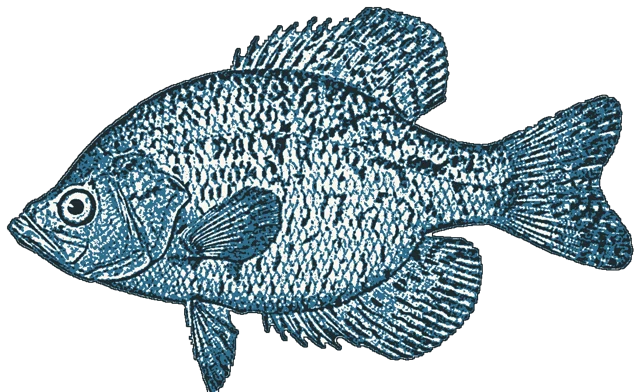 Black crappie
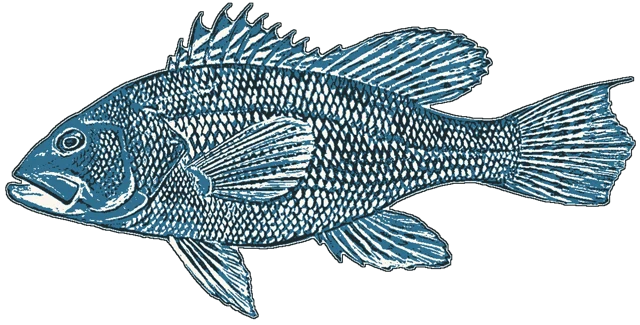 Black sea bass“black will”
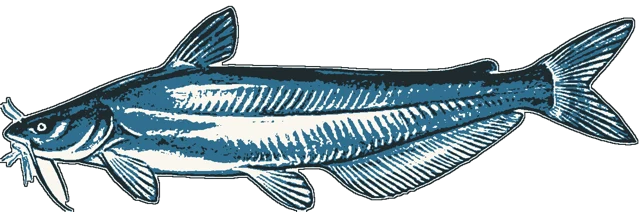 Blue catfish“hump-back blue”
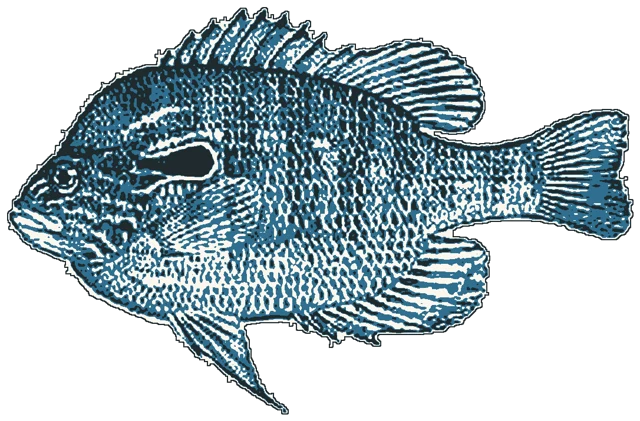 Bluegill“sunfish”
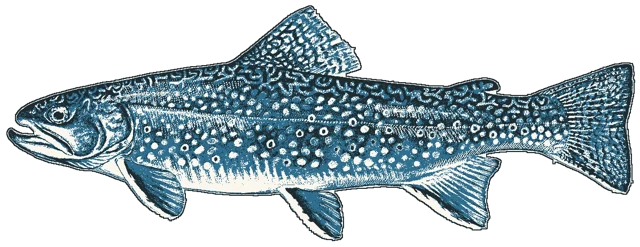 Brook trout“speckled trout”
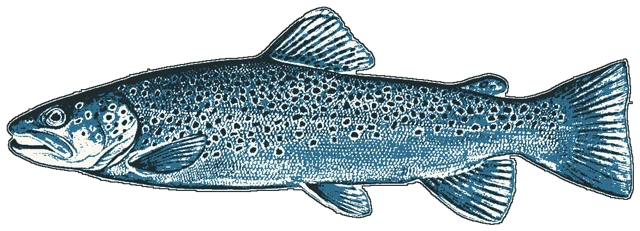 Brown trout
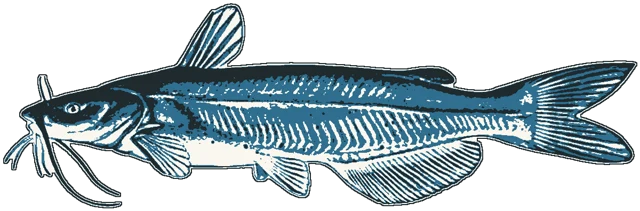 Channel catfish“forked tail”
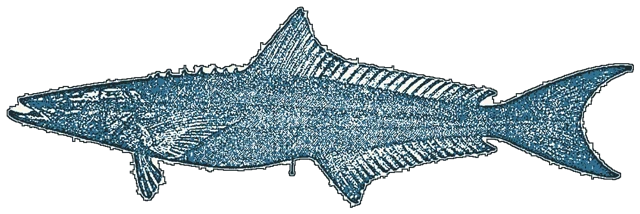 Cobia“black kingfish”
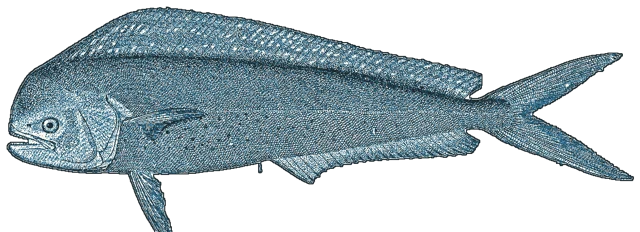 Mahi-mahi“dolphinfish”
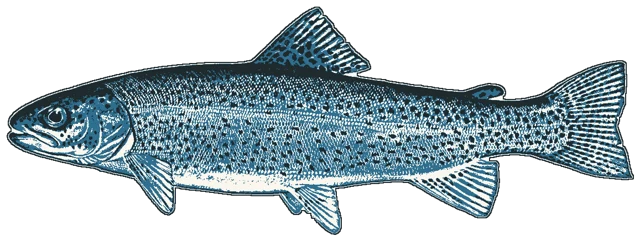 Rainbow trout
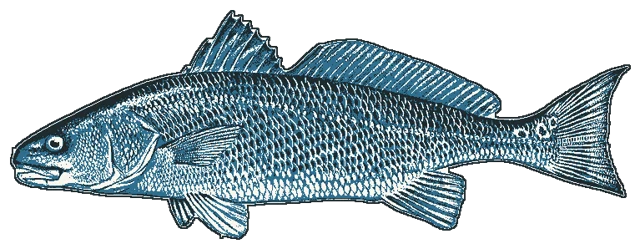 Red drum“channel bass”
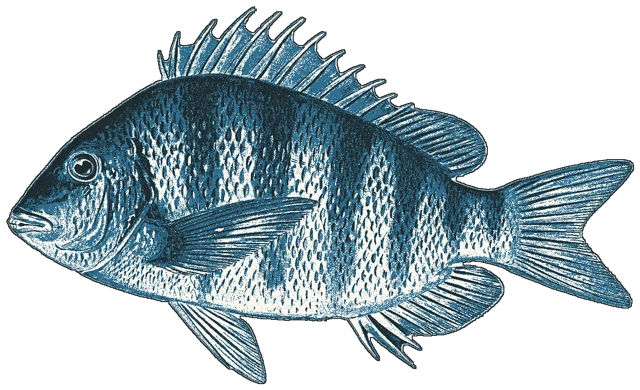 Sheepshead“convict fish”
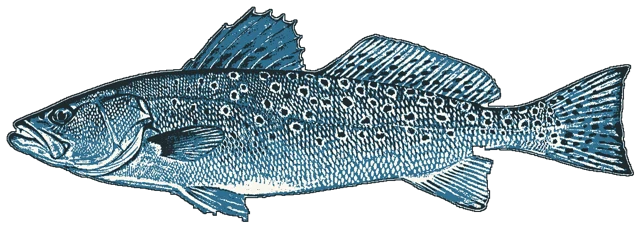 Spotted seatrout“speckled trout”
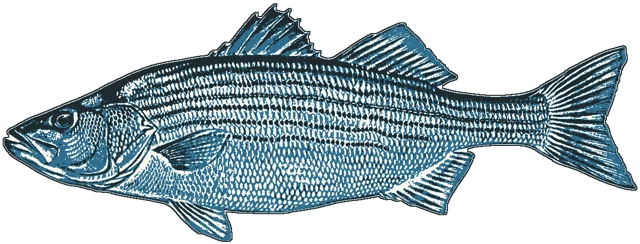 Striped bass“rockfish”
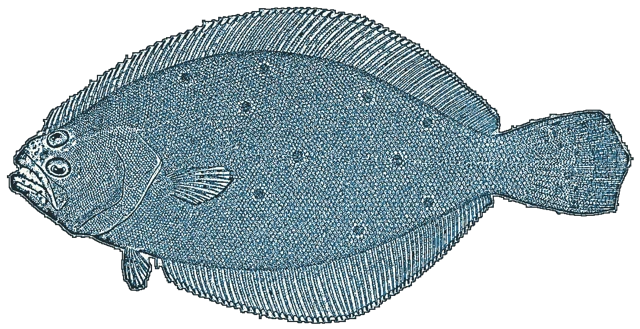 Summer flounder“fluke”Tautog“blackfish”
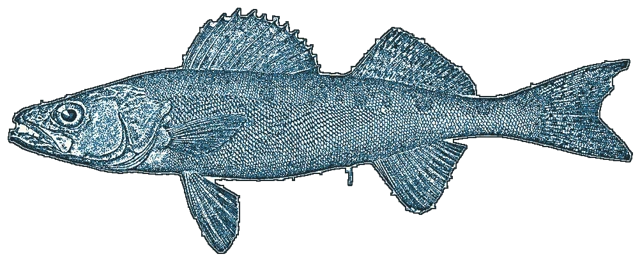 Walleye
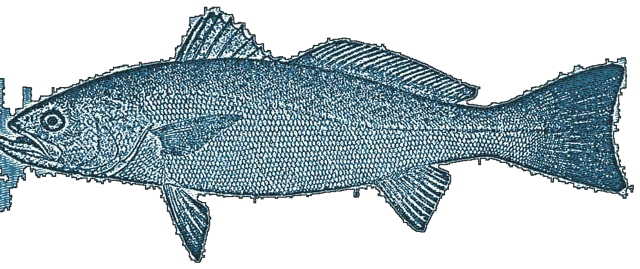 Weakfish“gray trout”
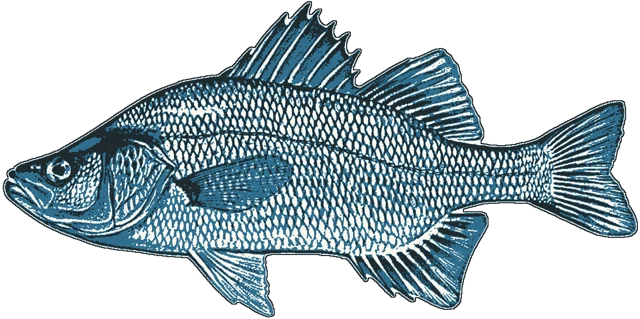 White perch
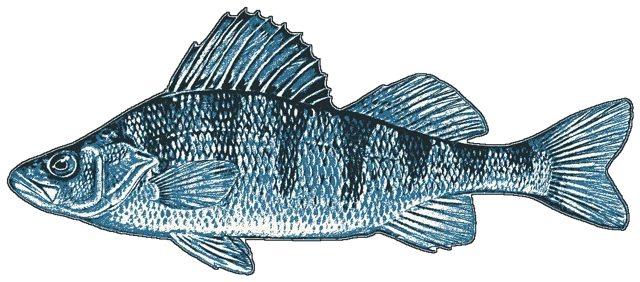 Yellow perch“yellow ned”
Just OK11
Garbage fish5
What’s actually caught in Maryland
NOAA's MRIP estimates fish caught by recreational anglers in Maryland tidal and ocean waters. The numbers below are the average number of fish caught per year (kept plus released) in 2023, 2024 and 2025; MRIP does not survey nontidal lakes and streams, and each yearly estimate carries a wide margin of error. NOAA recalibrated its survey in 2026, so its current query tool may show lower totals, and a different order, than the 2023-2025 estimate files used here.
- Spot Just OK4.82 million fish caught per year, average of 2023-2025 (2023 6.1M, 2024 4.0M, 2025 4.3M); 56% released.
- White perch Best eating3.99 million fish caught per year, average of 2023-2025 (2023 5.9M, 2024 3.3M, 2025 2.8M); 43% released.
- Atlantic croaker Just OK2.16 million fish caught per year, average of 2023-2025 (2023 2.6M, 2024 2.8M, 2025 1.0M); 95% released.
- Striped bass Best eating1.95 million fish caught per year, average of 2023-2025 (2023 2.6M, 2024 1.4M, 2025 1.8M); 85% released.
- Black sea bass Best eating884,000 fish caught per year, average of 2023-2025 (2023 869K, 2024 1.2M, 2025 618K); 87% released.
- Summer flounder Best eating876,000 fish caught per year, average of 2023-2025 (2023 957K, 2024 1.1M, 2025 579K); 96% released.
- Blue catfish Best eating701,000 fish caught per year, average of 2023-2025 (2023 792K, 2024 853K, 2025 459K); 25% released. Tidal waters only.
- Channel catfish Best eating697,000 fish caught per year, average of 2023-2025 (2023 711K, 2024 470K, 2025 910K); 68% released. Tidal waters only.
- Bluefish Just OK462,000 fish caught per year, average of 2023-2025 (2023 574K, 2024 573K, 2025 240K); 65% released.
- Tautog Best eating439,000 fish caught per year, average of 2023-2025 (2023 715K, 2024 310K, 2025 292K); 97% released.
Source: NOAA Fisheries Marine Recreational Information Program (MRIP) . Saltwater only: it does not survey freshwater fishing.
Fish by fish
Why each one sits where it does, the current Maryland limits, and the bait that works.
Black crappie
Pomoxis nigromaculatus · Freshwater
One of the classic fish-fry fish: MeatEater counts crappie among the best-eating fish in freshwater.
- Tastes
- mild, sweet, delicate, flaky, white
- Limits
- Light regs. Nontidal waters: no size limit, 15 crappie per day (30 in possession), open year round. Tidal Potomac mainstem (Potomac River Fisheries Commission): no minimum size, 10 per person. Youghiogheny Reservoir: 50 per day in aggregate with sunfish, perch, catfish and other listed fish. (eRegulations Maryland guide, last updated Sept 16, 2026; Potomac River Fisheries Commission 2026 Blue Sheet, rev. Sept 1, 2026) Source
- Best months
- Fall, October and November (DNR weekly reports).
- Where
- Unicorn Lake (DNR sank leftover Christmas trees there) and the tidal Potomac near the Wilson Bridge and Fort Washington Marina.
- small minnows under a slip bobber
- marabou jigs
- small Gulp soft plastics
- Do not eat (anyone): black crappie from Johnson Pond below Salisbury (PFOS).
Meal limits and other waters (8)
- Limit (everyone), 2 meals a month: the Potomac from the DC line to Dam #3 (PCBs).
- Limit (everyone), 3 meals a month: Lake Roland and the Potomac from Dam #4 to Dam #5.
- Limit (everyone), 4 meals a month: Millington Wildlife Management Area (children 2); Cash Lake and Youghiogheny River Lake (women 3, children 2).
- Limit (everyone), meals a month: 5 Rocky Gorge Reservoir (women 4, children 2); 6 Lake Artemesia (children 5); 8 Liberty Reservoir (women 7, children 4).
- Limit (women 8, children 4 a month): Lake Needwood and Tuckahoe Lake.
- Limit (children), meals a month: 6 Loch Raven Reservoir.
- MDE lists Lake Bernard Frank as no limit for everyone.
- Women means pregnant, may become pregnant or nursing; children means up to 6; a meal is 8 oz, 3 oz for children (MDE charts, May 18, 2026).
Black sea bass
Centropristis striata · also called black will · Saltwater
Mild, delicate, firm white fillets; Maine Sea Grant calls it popular for its firm texture and mild, slightly sweet flavor.
- Tastes
- mild, fresh, delicate, tender but firm
- Limits
- Heavy regs. Chesapeake Bay and tributaries, and Atlantic Ocean and coastal bays: 12.5 in minimum (not counting the tail filament), 15 per day, open May 1-Dec 31 (closed Jan 1-April 30). (eRegulations Maryland guide, last updated Sept 16, 2026) Source
- Best months
- Season runs May 1-Dec 31; DNR says December is usually a great month (Oct 28, 2026 report).
- Where
- Offshore wreck and reef sites off Ocean City, reached by party and charter boats.
- squid
- other natural baits
Before you eat it: Limit (everyone): 2 meals a month (children 1) of black sea bass from the lower Chesapeake Bay and its tributaries (PFOS). MDE's list has no line for sea bass caught in the ocean. Women means pregnant, may become pregnant or nursing; children means up to 6; a meal is 8 oz, 3 oz for children (MDE charts, May 18, 2026).
Blue catfish
Ictalurus furcatus · also called hump-back blue · Fresh and salt
TPWD calls it an excellent food fish; Maryland DNR says blues are very good to eat.
- Tastes
- mild, firm
- Limits
- No limits. Tidal waters (Chesapeake Bay and tributaries): "Catfish" listed with no minimum size, open year round, no creel limit; the guide says Maryland promotes blue catfish fishing with no size or season limits. Nontidal waters: the table lists only channel catfish (5 per day), so blue catfish fall under the state code's default of 35 fish per day in aggregate for any legal bait species with no limit of its own. Youghiogheny Reservoir: 50 per day in aggregate with catfish, perch and other listed fish. (eRegulations Maryland guide, last updated Sept 16, 2026; COMAR 08.02.11.04I (Cornell LII copy, amended through Jan 22, 2024)) Source
- Best months
- Year-round; DNR calls late fall and winter an excellent time to catch blue catfish and fill the freezer (Nov 18, 2026 report).
- Where
- Conowingo Dam pool down to the upper Bay tidal rivers, the tidal Potomac, and the Choptank from the Dover Bridge area to Denton and the Tuckahoe.
- cut gizzard shad
- cut menhaden
- cut white perch
- chicken liver
- shrimp
- scented and processed bait
- Large, old blue catfish accumulate contaminants; some water bodies have size-based consumption advisories.
- Do not eat (anyone): blue catfish over 30 in from Mattawoman Creek or the Potomac from its mouth to the DC line (PCBs).
- Do not eat (anyone): blue catfish over 19 in from the Anacostia River, trimmed or not (MDE's trimmed-fish line and its 2022 blue catfish sheet say Avoid with no size given).
Meal limits and other waters (7)
- Limit (everyone), over 30 in from Mattawoman Creek or that Potomac stretch with all dark meat and belly fat removed: 2 meals a month (children 1).
- Limit (everyone), smaller fish from those waters, meals a month: 1 at 24 to 30 in (children 1 every 2 months); 2 at 15 to 24 in from the Potomac (children 1); 4 at 15 to 24 in from Mattawoman Creek (women 3, children 2); 4 at 12 to 15 in.
- Limit (everyone), 15 to 24 in, meals a month: 3 lower Patuxent River (children 1); 4 Middle River (women 3, children 2); 7 Nanticoke River (children 6).
- Limit (everyone): 4 meals a month of Anacostia fish 15 to 19 in (women 3, children 2).
- Limit, 15 to 24 in, meals a month: women 8 and children 5 Choptank River; children 6 middle and upper Patuxent and Wicomico rivers.
- Other waters: up to a pound a month in general (MDE blue catfish sheet, 2022).
- Women means pregnant, may become pregnant or nursing; children means up to 6; a meal is 8 oz, 3 oz for children (MDE charts, May 18, 2026).
Bluegill
Lepomis macrochirus · also called sunfish · Freshwater
MeatEater calls the flesh light, delicate and sweet; the original fish-fry panfish.
- Tastes
- mild, sweet, firm, flaky
- Limits
- Light regs. Nontidal waters: no size limit, sunfish including bluegill and rock bass 15 per day in aggregate (30 in possession), open year round. Youghiogheny Reservoir: 50 per day in aggregate with perch, crappie, catfish and other listed fish. (eRegulations Maryland guide, last updated Sept 16, 2026) Source
- Best months
- April: bluegills move into warm, shallow coves at Deep Creek Lake (DNR report, April 22, 2026).
- Where
- Loch Raven, Liberty and Prettyboy reservoirs, Little Seneca Lake and many other lakes and ponds DNR lists; in tidal tributaries with salinity under 18 ppt.
- earthworms
- corn kernels
- Do not eat (anyone): bluegill or other sunfish from non-tidal Piscataway Creek (PFOS).
- Do not eat (children up to 6): bluegill or other sunfish from the Monocacy River (PFOS).
Meal limits and other waters (7)
- Limit (everyone), 1 meal every 2 months: Monocacy River.
- Limit (everyone), 1 meal a month: Anacostia River, Antietam Creek and Winters Run (children 1 every 2 months); the Potomac from its mouth to the 301 Bridge (women and children 1 every 2 months).
- Limit (everyone), 2 meals a month: the Potomac from the 301 Bridge to the DC line; Bynum Run, Gunpowder River, upper Patuxent River and non-tidal Gwynns Falls (children 1); Port Tobacco River (women 1, children 1 every 2 months).
- Limit (everyone), 3 meals a month: Rock Creek (Montgomery County); the Patapsco north of Ellicott City (women 2, children 1).
- Another 9 waters run from 4 to 8 a month, and 12 more limit children only.
- MDE lists 14 waters as no limit for everyone, among them Loch Raven, Liberty and Prettyboy reservoirs.
- Women means pregnant, may become pregnant or nursing; children means up to 6; a meal is 8 oz, 3 oz for children (MDE charts, May 18, 2026).
Brook trout
Salvelinus fontinalis · also called speckled trout · Freshwater
Often called the tastiest trout: MeatEater describes the meat as light and delicate with an almost sweet flavor.
- Tastes
- sweet, delicate, light, delicate
- Limits
- Heavy regs. Put-and-take areas: none may be kept (0 daily, release all). All nontidal waters east of Interstate 81 and the Savage River upstream of the reservoir dam: no brook trout may be possessed. Savage River trophy areas: 2 trout per day, brook trout 12 in minimum, artificial lures or flies only. Statewide, all trout together are 2 per day (4 in possession). DNR asks anglers not to harvest native brook trout. Cannot be used as bait. (eRegulations Maryland guide, last updated Sept 16, 2026) Source
- Where
- The lower Savage River below Savage River Dam (DNR calls it the only high-profile native trout fishery); Big Hunting Creek has wild brook and brown trout; native streams concentrate in central and northern Baltimore County, the Catoctin Mountains and Garrett County.
- worms
- small spinners
Before you eat it: Limit (may become pregnant, pregnant, nursing; young children): where no local advice exists, up to 6 oz (one average meal) a week of the fish you catch, and no other fish that week (2004 federal guideline on MDE's page). MDE's list has no line of its own for brook trout (charts dated May 18, 2026).
Brown trout
Salmo trutta · Freshwater
Good trout eating like rainbows; most kept browns are stocked fish.
- Tastes
- mild to rich, flaky
- Limits
- Heavy regs. Statewide, all trout species together: 2 per day (4 in possession), no minimum size, open year round, with a trout stamp for anglers 16 and older; cannot be used as bait. Put-and-take areas: 5 per day combined (10 in possession). Savage River trophy trout areas: 2 per day, brown trout 18 in minimum, artificial lures or flies only. Many catch-and-return, delayed harvest and fly-fishing-only waters allow no possession for set periods; Beaver Creek from the Albert Powell hatchery to Antietam Creek allows no brown trout to be kept. Youghiogheny Reservoir: 7 in minimum, 5 per day Apr 18-Sept 7. (eRegulations Maryland guide, last updated Sept 16, 2026) Source
- Best months
- Winter on catch-and-release and fly-fishing-only trout waters, west and central Maryland (DNR report, Dec. 11, 2024).
- Where
- Wild brown trout in the Gunpowder watershed (Bee Tree Run, Little Falls, Western Run and the mainstem between Prettyboy and Loch Raven), Jones Falls, Hunting Creek and the lower Savage River; stocked in Big Elk Creek, the Patapsco, Patuxent, North Branch Potomac and Youghiogheny.
- nightcrawlers
- spinners
- minnow-imitating flies
- Limit (everyone), 3 meals a month: Jones Falls; Antietam Creek (children 2) (PCBs).
Meal limits and other waters (3)
- Limit (everyone), 5 meals a month: Savage River (children 3); Patapsco River north of Ellicott City (children 4) (PCBs).
- MDE's list has no line for brown trout from other waters.
- Women means pregnant, may become pregnant or nursing; children means up to 6; a meal is 8 oz, 3 oz for children (MDE charts, May 18, 2026).
Channel catfish
Ictalurus punctatus · also called forked tail, spotted cat, river cats · Fresh and salt
Very good to eat (Maryland DNR) and delicious when cooked (TPWD), and the basis of US catfish farming.
- Tastes
- mild, sweet, firm, moist
- Limits
- Heavy regs. Nontidal waters: no size limit, 5 per day (10 in possession), open year round. Tidal waters (Chesapeake Bay and tributaries): "Catfish" listed with no size, season or creel limit. Youghiogheny Reservoir: 50 per day in aggregate with sunfish, perch, crappie and other listed fish. (eRegulations Maryland guide, last updated Sept 16, 2026) Source
- Best months
- Year-round; DNR reports catfish very active in cool November water.
- Where
- Mouths of the Susquehanna (do not eat from there), Elk and North East rivers, the Choptank River from Choptank to Denton, and the Tuckahoe up to Hillsboro; Rocky Gap and many reservoirs.
- peeler crab
- soft crab
- shrimp
- squid
- chicken liver
- processed catfish bait
- Do not eat (anyone): channel catfish from Back River, Bird River, Middle River or the Susquehanna River below Conowingo Dam (PCBs).
- Do not eat (anyone): channel catfish over 18 in from the Potomac between the 301 Bridge and the DC line, or over 20 in from the Anacostia River (MDE's 2018 Anacostia brochure, still posted, says any size).
- Do not eat (children up to 6): channel catfish from the C & D (Chesapeake and Delaware) Canal or Gunpowder River, or under 18 in from that Potomac stretch.
Meal limits and other waters (6)
- Limit (everyone), 1 meal every 2 months: C & D Canal, Bohemia, Gunpowder and Nanticoke rivers, Patapsco River/Baltimore Harbor, the Patapsco from S. Hanover Bridge to Annapolis Road, and fish under 18 in from the Potomac from the 301 Bridge to the DC line.
- Limit (everyone), 1 meal a month: Bush River, Elk River, the Susquehanna above Conowingo Dam, and Chester River fish over 20 in.
- Limit (everyone), 2 meals a month: Choptank River and its Tuckahoe Branch; Northeast, Sassafras, Wicomico and Patuxent rivers, and Anacostia fish 15 to 20 in (children 1).
- Another 7 waters, and Chester River fish under 20 in, run from 3 to 6 a month.
- Limit (children), meals a month: 6 Potomac at Little Orleans; 8 Potomac at Hancock and from the DC line to Dam #3.
- Women means pregnant, may become pregnant or nursing; children means up to 6; a meal is 8 oz, 3 oz for children (MDE charts, May 18, 2026).
Cobia
Rachycentron canadum · also called black kingfish, ling, lemonfish, crabeater · Saltwater
Firm, white, sweet meat; TPWD calls it an exceptionally fine food fish.
- Tastes
- sweet, rich, firm, lean, moist
- Limits
- Heavy regs. Chesapeake Bay and tributaries, and Atlantic Ocean and coastal bays: 43 in total length minimum, open June 15-Sept 20, 1 per person per day or up to 2 per vessel per day when 2 or more people are aboard; catch and release only Sept 21-June 14. (eRegulations Maryland guide, last updated Sept 16, 2026) Source
- Best months
- June 15 through September 20 season; fish move into the lower Bay in late June (DNR 2026 reports).
- Where
- Lower Bay chum slicks off Smith Point and the Middle Grounds.
- live natural baits
- dead natural baits
- chum slicks
Before you eat it: Limit (may become pregnant, pregnant, nursing; young children): where no local advice exists, up to 6 oz (one average meal) a week of the fish you catch, and no other fish that week (2004 federal guideline on MDE's page). MDE's list has no line of its own for cobia (charts dated May 18, 2026).
Mahi-mahi
Coryphaena hippurus · also called dolphinfish, dolphin, dorado · Saltwater
Sweet, mild, moist fish that is easy to catch and kept by almost everyone who catches it (NOAA; LSU Sea Grant: very good).
- Tastes
- sweet, mild, lean, fairly firm, large moist flakes
- Limits
- Light regs. Federal waters only (the guide says the limit applies only there): no size limit, 10 per day, boat limit of 54, open year round. Federal Atlantic charter/headboat dolphin/wahoo for-hire permit applies on for-hire trips. (eRegulations Maryland guide, last updated Sept 16, 2026) Source
- Best months
- June to September (DNR Fish Facts); small dolphin still around the lobster buoys in late October 2026.
- Where
- Offshore canyons and the lobster buoys off Ocean City.
- ballyhoo (trolled)
- squid
- small crustaceans
- Mahi appear on Florida's list of ciguatera-associated fish (UF/Florida DOH study); risk is low.
Before you eat it: Limit (may become pregnant, pregnant, nursing; young children): where no local advice exists, up to 6 oz (one average meal) a week of the fish you catch, and no other fish that week (2004 federal guideline on MDE's page). MDE's list has no line of its own for mahi-mahi (charts dated May 18, 2026).
Rainbow trout
Oncorhynchus mykiss · Freshwater
TPWD calls rainbow trout an excellent fish to eat; the most-stocked put-and-take fish in America.
- Tastes
- mild, clean, delicate, flaky
- Limits
- Heavy regs. Statewide, all trout species together: no minimum size, 2 per day (4 in possession), open year round, with a trout stamp for anglers 16 and older. Put-and-take areas: 5 per day (10 in possession) of all trout other than brook trout (none may be kept), no minimum size, fishing hours 5:30 a.m. to 10 p.m. (no time limit on impoundments of 5 acres or more). Closure 1 areas are closed to all fishing from 10 p.m. March 8 to 6:30 a.m. March 28, 2026, except for a youth-only trout day on March 21. Catch-and-return and delayed harvest areas allow no possession for stated periods (Group I areas Oct 1-May 31, Group II areas Oct 1-June 15); other listed areas differ. Youghiogheny Reservoir: 7 in minimum, 5 per day 8 a.m. April 18-Sept 7 and 3 per day Jan 1-Feb 28 and Sept 8-Dec 31. Brown and brook trout cannot be used as bait. (eRegulations Maryland guide, last updated Sept 16, 2026) Source
- Best months
- Stocking runs February-March in eastern, southern and central waters and March-May in Allegany and Garrett counties; a fall stocking ran through late October 2026 (DNR weekly reports).
- Where
- Put-and-take waters across the state (DNR stocking list), including Gunpowder Falls, the Patapsco and Patuxent rivers, Lake Habeeb at Rocky Gap, the Casselman River and Big Hunting Creek.
- PowerBait
- small spinners
- streamer flies
Before you eat it: MDE lists hatchery-raised rainbow and golden rainbow trout as no limit for everyone, women and children included; the species chart names 18 counties and Baltimore City, from Allegany to Worcester, where they are stocked. Wild rainbow trout have no line on MDE's list (charts dated May 18, 2026).
Red drum
Sciaenops ocellatus · also called channel bass, puppy drum, redfish · Saltwater
Slot-size reds are firm, mild, white-fleshed fish that anglers keep specifically to eat; blackened redfish made the species famous.
- Tastes
- mild, slightly sweet, firm, moist, large flakes; coarse in big fish
- Limits
- Heavy regs. Chesapeake Bay and tributaries, and Atlantic Ocean and coastal bays: slot of 18 to 26 in, 3 per day, open year round. (Rule effective Aug 3, 2026 (DNR regulation changes page); eRegulations Maryland guide, last updated Sept 16, 2026) Source
- Best months
- Adults are in the Bay May through November and in the surf in late fall (DNR Fish Facts); the fall run was winding down by early November in 2025.
- Where
- Eastern side of the Bay near the Target Ship and Tangier Sound, marsh edges and creek mouths in the lower Bay, and the Assateague surf.
- cut spot
- large soft plastic jigs
- popping cork with plastic shrimp
- Slot-size fish eat best; large 'bull reds' are coarse and are usually released.
Before you eat it: Limit (may become pregnant, pregnant, nursing; young children): where no local advice exists, up to 6 oz (one average meal) a week of the fish you catch, and no other fish that week (2004 federal guideline on MDE's page). MDE's list has no line of its own for red drum (charts dated May 18, 2026).
Sheepshead
Archosargus probatocephalus · also called convict fish · Saltwater
Fine, white, mild flesh that agencies call excellent; the only knock is that the heavy scales and spines make it a chore to clean.
- Tastes
- mild, sweet (shellfish diet), firm, white, fine flake
- Limits
- Heavy regs. Chesapeake Bay and tributaries, and Atlantic Ocean and coastal bays: 12 in minimum, 4 per day, open year round. (eRegulations Maryland guide, last updated Sept 16, 2026) Source
- Best months
- September to October (DNR weekly reports, 2025).
- Where
- Ocean City Inlet jetties, bridge piers and bulkheads.
- sand fleas
- fiddler crabs
- green crab pieces
- wild shrimp
- clams
- Sharp gill covers and dorsal spines; heavy scales make filleting slow (TPWD).
Before you eat it: Limit (may become pregnant, pregnant, nursing; young children): where no local advice exists, up to 6 oz (one average meal) a week of the fish you catch, and no other fish that week (2004 federal guideline on MDE's page). MDE's list has no line of its own for sheepshead (charts dated May 18, 2026).
Spotted seatrout
Cynoscion nebulosus · also called speckled trout · Saltwater
Excellent flavor and delicate texture; one of the most-kept inshore fish from the Carolinas to Texas.
- Tastes
- mild, sweet, delicate, soft to medium, fine flake
- Limits
- Heavy regs. Chesapeake Bay and tributaries, and Atlantic Ocean and coastal bays: 14 in minimum, 4 per day, open year round; may not be used as bait. Tidal Potomac mainstem (Potomac River Fisheries Commission): 14 in minimum, 10 per person. (eRegulations Maryland guide, last updated Sept 16, 2026; Potomac River Fisheries Commission 2026 Blue Sheet, rev. Sept 1, 2026) Source
- Best months
- April and May through November: fish enter the Bay in April and May and leave as water cools in November (DNR Fish Facts).
- Where
- Mostly the lower Bay: shallow marsh edges and grass beds around Tangier Sound and Hoopers Island.
- artificial lures
- peeler crab
- soft crab
- shrimp
- live minnows
- popping cork with plastic shrimp
- Ice immediately; the meat loses quality quickly in warm weather (TPWD).
- Some fish carry harmless 'spaghetti worm' tapeworm larvae along the backbone (TPWD, Florida Museum).
Before you eat it: Limit (may become pregnant, pregnant, nursing; young children): where no local advice exists, up to 6 oz (one average meal) a week of the fish you catch, and no other fish that week (2004 federal guideline on MDE's page). MDE's list has no line of its own for spotted seatrout (charts dated May 18, 2026).
Striped bass
Morone saxatilis · also called rockfish, rock, striper · Saltwater
Firm, large-flaked, slightly sweet white meat; one of the most kept and eaten gamefish in the country, fresh or salt.
- Tastes
- mild, slightly sweet, firm, large flakes
- Limits
- Heavy regs. Chesapeake Bay and tidal tributaries, 2026: 1 fish per person per day, 19 to 24 in, harvest open June 1-July 31 and Sept 1-Dec 5 (all areas), plus May 1-31 in the parts of the Bay the guide maps for those dates. Catch and release only Jan 1-Feb 28 and Dec 6-31; March 1-April 30 is catch and release only in the Bay from a line between Abbey Point and Worton Point (upper Bay) down to the Virginia line, including Tangier and Pocomoke sounds. All of August is closed to striped bass fishing (no targeting). Spawning rivers and the Upper Bay spawning area are off limits March 1-May 31. Susquehanna Flats, Lower Susquehanna River and Northeast River: catch and release in March, closed April 1-May 31, harvest open June 1-July 31 and Sept 1-Dec 5 with the same limit. Atlantic Ocean, coastal bays and tributaries (state waters): 1 fish per person per day, 28 to 31 in, Jan 1-Dec 31. Tidal Potomac mainstem (Potomac River Fisheries Commission): 1 per person per day, 19 to 24 in, harvest open May 16-July 6 and Aug 21-Dec 31; no targeting July 7-Aug 20; catch and release only Jan 1-May 15. Nontidal lakes, ponds and reservoirs: 18 in minimum, 2 per day, only one over 30 in; nontidal rivers and streams are closed at all times. Must be landed whole in tidal waters, no gaffs or cast nets, non-offset circle hooks with fish, crab, worm or processed bait. Eels may not be used as hook-and-line bait in the Bay and its tidal tributaries Dec 6-May 15 or Aug 1-31. (2026 season table (Jan 1-Dec 31, 2026); recreational seasons rule effective April 1, 2026; Potomac River Fisheries Commission 2026 Blue Sheet, rev. Sept 1, 2026) Source
- Best months
- Fall, September to early December, for jigging and shallow casting (DNR weekly reports); Bay harvest seasons are May 1-July 31 (May in part of the Bay) and Sept 1-Dec 5, 2026.
- Where
- Upper Bay (Susquehanna Flats edges, Love Point rocks, Baltimore Harbor), Chesapeake Bay Bridge piers and rock piles, the mouth of the Choptank River, the lower Potomac near the Route 301 bridge, lower Bay channel edges; Ocean City Inlet and the Route 50 and Route 90 bridges for Atlantic fish; landlocked fish in Liberty, Triadelphia and Piney Run reservoirs.
- live-lined spot
- live eels
- small white perch
- cut bait
- soft plastic jigs and paddletails
- umbrella rigs and bucktails (trolled)
- Consumption advisories for striped bass vary from state to state (NOAA).
- Limit (everyone), 1 meal a month (children 1 every 2 months): fish over 28 in from the upper, mid and lower Chesapeake Bay with their tributaries or the Patapsco's Middle Branch (PCBs).
Meal limits and other waters (7)
- Limit (everyone), 1 meal a month (children 1 every 2 months): Atlantic Ocean fish of any size (PCBs).
- Limit (everyone), under 28 in, 2 meals a month: Patapsco Middle Branch (children 1).
- Limit (everyone), under 28 in, 3 meals a month: Northeast River and the Susquehanna below Conowingo Dam (women 2, children 1); upper, mid and lower Bay with their tributaries (children 2).
- Limit (everyone), under 28 in, meals a month: 4 the Patapsco from S. Hanover Bridge to Annapolis Road; 5 the Potomac from the 301 Bridge to the DC line (children 3).
- Limit, under 28 in: women 8 and children 5 from the Choptank River.
- With all dark meat and belly fat removed: 7 from the upper Bay at any size (women 6, children 4); children 7 under 28 in and 5 over 28 in from the mid and lower Bay, no limit for adults there.
- Women means pregnant, may become pregnant or nursing; children means up to 6; a meal is 8 oz, 3 oz for children (MDE charts, May 18, 2026).
Summer flounder
Paralichthys dentatus · also called fluke · Saltwater
Delicate, fine-flaked white fillets; one of the most sought-after table fish from New England to North Carolina.
- Tastes
- delicate, mild, flaky and fine
- Limits
- Heavy regs. Chesapeake Bay and tributaries, and Atlantic Ocean and coastal bays: 4 per day, open year round, 16 in minimum Jan 1-May 31 and 17.5 in June 1-Dec 31. (eRegulations Maryland guide, last updated Sept 16, 2026) Source
- Best months
- Late summer in the Bay; flounder leave the inlet area for offshore by mid-to-late November (DNR Fish Facts and weekly reports).
- Where
- Coastal bays and Ocean City Inlet (drifting); in the Bay, south of the Bay Bridge, with the most effort near the Virginia line and the mouth of the Potomac.
- minnows
- squid strips
- Gulp baits
- live spot
- finger mullet
Before you eat it: Limit (may become pregnant, pregnant, nursing; young children): where no local advice exists, up to 6 oz (one average meal) a week of the fish you catch, and no other fish that week (2004 federal guideline on MDE's page). MDE's list has no line of its own for summer flounder (charts dated May 18, 2026).
Tautog
Tautoga onitis · also called blackfish · Saltwater
Northeast anglers prize its tasty meat (ASMFC).
- Tastes
- mild, sweet (shellfish diet), firm, white
- Limits
- Heavy regs. Chesapeake Bay and tributaries, and Atlantic Ocean and coastal bays: 16 in minimum, open July 1-May 15. Limits: Jan 1-May 15, 4 per day; July 1-Oct 31, 2 per day; Nov 1-Dec 31, 4 per day. Catch and release only May 16-June 30. Tidal Potomac mainstem (Potomac River Fisheries Commission): 14 in minimum, no possession limit. (eRegulations Maryland guide, last updated Sept 16, 2026; Potomac River Fisheries Commission 2026 Blue Sheet, rev. Sept 1, 2026) Source
- Best months
- October and November at the inlet; DNR also reports tautog in April and May.
- Where
- Ocean City Inlet jetties, Route 50 Bridge piers and inlet bulkheads, and inshore and offshore wreck and reef sites.
- sand fleas
- green crab
- rock crabs
- fiddler crabs
Before you eat it: Limit (may become pregnant, pregnant, nursing; young children): where no local advice exists, up to 6 oz (one average meal) a week of the fish you catch, and no other fish that week (2004 federal guideline on MDE's page). MDE's list has no line of its own for tautog (charts dated May 18, 2026).
Walleye
Sander vitreus · Freshwater
Widely rated the best-eating freshwater fish: Maryland DNR calls it one of the best tasting, TPWD an excellent food fish.
- Tastes
- mild, clean, firm, tender, flaky white
- Limits
- Heavy regs. Nontidal waters: 15 in minimum, 5 per day (10 in possession), open year round. Potomac River mainstem (about 0.5 mile upriver from Chain Bridge to the spillway in Cumberland): 20 in maximum from Jan 1-April 15. Deep Creek Lake: 15 in minimum with a protected slot of 18 to 21 in (release all fish in the slot); closed March 1-April 15, as is the Youghiogheny River downstream of the Route 42 bridge. Youghiogheny Reservoir: 15 in minimum, 6 per day, open Jan 1-March 14 and May 2-Dec 31. Chesapeake Bay and tributaries: 15 in minimum, 5 per day. Cannot be used as bait. (eRegulations Maryland guide, last updated Sept 16, 2026) Source
- Best months
- Evenings; October and November in 2025 and 2026 when cooler water makes walleye more active (DNR weekly reports). Closed March 1-April 15 on Deep Creek Lake.
- Where
- Deep Creek Lake (steep rocky shores in the evening), the upper Potomac River (current breaks and deep holes), the lower Susquehanna River, Youghiogheny Reservoir and Savage Reservoir.
- minnow-type lures and jigs
- nightcrawlers
- live minnows worked slowly
- jerkbaits and small crankbaits
- Do not eat (children up to 6): walleye from Savage Reservoir (mercury).
Meal limits and other waters (6)
- Limit (everyone), 1 meal every 2 months: Savage Reservoir.
- Limit (everyone), 1 meal a month: Youghiogheny River Lake.
- Limit (everyone), 2 meals a month: North Branch Potomac from Oldtown to Jennings Randolph (children 1); the Potomac from the DC line to Dam #3 (women and children 1).
- Limit (everyone), 3 meals a month: Conococheague Creek (children 2); Deep Creek Lake (women 2, children 1).
- Limit (everyone), 4 meals a month: Jennings Randolph Reservoir and the Potomac from Dam #4 to Dam #5 (children 2).
- Women means pregnant, may become pregnant or nursing; children means up to 6; a meal is 8 oz, 3 oz for children (MDE charts, May 18, 2026).
Weakfish
Cynoscion regalis · also called gray trout, squeteague, sea trout, tiderunner, drummer · Saltwater
A close cousin of the speckled trout with the same sweet, delicate fillets; ASMFC describes it as known for its delicious taste.
- Tastes
- mild, sweet
- Limits
- Heavy regs. Chesapeake Bay and tributaries, and Atlantic Ocean and coastal bays: 13 in minimum, 1 per day, open year round. Tidal Potomac mainstem (Potomac River Fisheries Commission): 12 in minimum, 1 per person. (eRegulations Maryland guide, last updated Sept 16, 2026; Potomac River Fisheries Commission 2026 Blue Sheet, rev. Sept 1, 2026) Source
- Best months
- April-May: larger weakfish enter the lower Chesapeake Bay; age-one fish are abundant in summer (DNR Fish Facts).
- Where
- Maryland's offshore waters, coastal bays and the Bay; most often within ten miles of the coast, around the Ocean City inlet and in the southern Bay (DNR Fish Facts).
- soft plastic on a jighead
- bucktail
- Stingsilver-type metal jig
- spec rig
- squid strip
- peeler crab
- Soft flesh; ice immediately and eat fresh.
Before you eat it: Limit (may become pregnant, pregnant, nursing; young children): where no local advice exists, up to 6 oz (one average meal) a week of the fish you catch, and no other fish that week (2004 federal guideline on MDE's page). MDE's list has no line of its own for weakfish (charts dated May 18, 2026).
White perch
Morone americana · Saltwater
Maryland DNR calls it a delectable game fish, and it is a staple panfish in the Chesapeake and a prized ice-fishing catch in New England.
- Tastes
- mild, sweet, firm, flaky
- Limits
- No limits. Chesapeake Bay and tidal tributaries: no size or creel limit if caught with hook and line (8 in minimum with other gear), open year round. Nontidal waters: no limit listed. Exception: Youghiogheny Reservoir lists 50 per day for sunfish, yellow perch, white perch, crappie, catfish, rock bass, suckers, carp and white bass combined. (eRegulations Maryland guide, last updated Sept 16, 2026) Source
- Best months
- Spring spawning season and September through November (DNR Fish Facts).
- Where
- Tidal rivers and creeks (deeper water over oyster bars in late fall), Chesapeake Bay Bridge rock piles, Kent Narrows; reservoirs including Liberty, Loch Raven, Prettyboy, Triadelphia and Rocky Gorge.
- grass shrimp
- bloodworm pieces
- peeler crab
- small Gulp jigs and spin-jigs
- shad darts on dropper rigs
- Do not eat (children up to 6): white perch from Middle River (PCBs).
Meal limits and other waters (7)
- Limit (everyone), 1 meal every 2 months: Middle River.
- Limit (everyone), 1 meal a month: Patapsco River/Baltimore Harbor.
- Limit (everyone), 2 meals a month: Magothy and Sassafras rivers; Anacostia, Bird, Bohemia and Gunpowder rivers (children 1); Back River (women and children 1).
- Limit (everyone), 3 meals a month: Herring Bay, Severn River and South River (children 2); Liberty Reservoir, Northeast River, Port Tobacco River and the Potomac from the 301 Bridge to the DC line (women 2, children 1).
- Another 14 waters run from 4 to 8 a month, with fewer for children in most.
- Limit (children), meals a month: 6 Tred Avon River; 8 Miles and Wye rivers (Eastern Bay) and Maryland's Atlantic coastal waters.
- Women means pregnant, may become pregnant or nursing; children means up to 6; a meal is 8 oz, 3 oz for children (MDE charts, May 18, 2026).
Yellow perch
Perca flavescens · also called yellow ned, ned · Fresh and salt
A great food fish (MN DNR) and the centerpiece of Great Lakes perch fries; Iowa DNR calls a fried stringer of perch unsurpassed in flavor.
- Tastes
- mild, sweet, firm, flaky, white
- Limits
- Heavy regs. Chesapeake Bay and tidal tributaries: 9 in minimum, 5 per day, open year round. Tidal Potomac mainstem (Potomac River Fisheries Commission): 9 in minimum, 10 per person. Nontidal rivers and streams: 9 in minimum, 5 per day and 5 in possession. Nontidal lakes and ponds: no size limit, 10 per day, 20 in possession. Youghiogheny Reservoir: no size limit, 50 per day with sunfish, white perch, crappie, catfish and other listed fish combined. (Daily limit cut to 5 effective June 8, 2026 (DNR regulation changes page); eRegulations Maryland guide, last updated Sept 16, 2026; Potomac River Fisheries Commission 2026 Blue Sheet, rev. Sept 1, 2026) Source
- Best months
- Early winter and spring spawning runs in the upper tributaries (DNR Fish Facts); pre-spawn fish are caught in March (DNR weekly report).
- Where
- Upper Bay tidal rivers such as the Bush, Sassafras, Chester and Magothy, the lower Susquehanna River, Deep Creek Lake, and reservoirs including Piney Run, Liberty, Loch Raven and Prettyboy.
- small minnows on a two-hook dropper rig
- small soft plastic jigs
- Do not eat (anyone): yellow perch from Middle River (PCBs).
Meal limits and other waters (8)
- Limit (everyone), 1 meal every 2 months: Elk River.
- Limit (everyone), 1 meal a month: Gunpowder River.
- Limit (everyone), 2 meals a month: Bush River (children 1).
- Limit (everyone), 3 meals a month: Magothy River; Savage Reservoir and Deep Creek Lake (children 2); upper Choptank, Greensboro Branch (women 2, children 1).
- Limit (everyone), meals a month: 4 South River; 4 the Patapsco from S. Hanover Bridge to Annapolis Road (children 3); 5 Severn River (children 4); 6 Youghiogheny River Lake (children 3); 8 Patapsco River/Baltimore Harbor (women 7, children 4; 2025 Harbor sheet).
- Limit (children), meals a month: 6 Loch Raven Reservoir and Piney Run Lake; 8 Liberty and Triadelphia reservoirs.
- The Deep Creek number is from MDE's Garrett County chart (May 19, 2026); the statewide charts print women 8 and children 5 there.
- Women means pregnant, may become pregnant or nursing; children means up to 6; a meal is 8 oz, 3 oz for children (MDE charts, May 18, 2026).
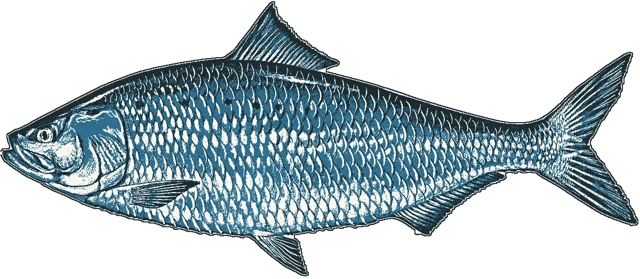
American shad
Alosa sapidissima · also called white shad, common shad, Atlantic shad · Fresh and salt
Some of the best-flavored fish in North America and prized roe, but so bony that most modern anglers do not bother.
Worth a try: Debone, score and deep-fry (Hank Shaw's boneless tempura shad), bake for hours to soften bones, or smoke; the roe sautéed with bacon is a spring classic.
- Tastes
- rich, oily, sweet, soft, extremely bony
- Limits
- No harvest. Statewide, harvest is closed in tidal and nontidal waters; catch and release is permitted at all times. Exception: Youghiogheny Reservoir lists American shad at no size limit and 3 per day, open year round. (eRegulations Maryland guide, last updated Sept 16, 2026) Source
- Where
- Susquehanna River below Conowingo Dam; the Susquehanna, Nanticoke and Patuxent rivers hold the viable stocks (DNR Fish Facts).
- shad darts
- spoons
- flies
- small plastic worms
- spinners
Before you eat it: Limit (may become pregnant, pregnant, nursing; young children): where no local advice exists, up to 6 oz (one average meal) a week of the fish you catch, and no other fish that week (2004 federal guideline on MDE's page). MDE's list has no line of its own for American shad (charts dated May 18, 2026).
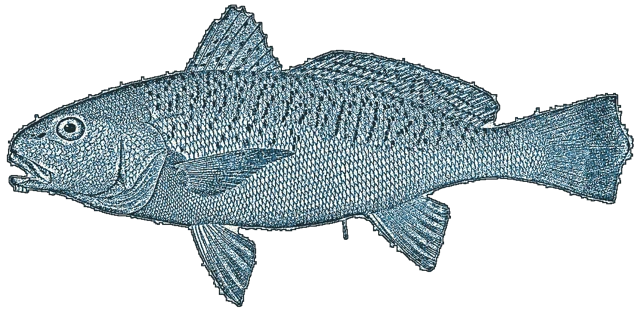
Atlantic croaker
Micropogonias undulatus · also called hardhead · Saltwater
Good mild meat (LSU Sea Grant rates it very good), but most catches are under half a pound, so yield is low and they are usually fried whole or as small fillets.
- Tastes
- mild, slightly sweet, medium-firm, small flakes
- Limits
- Light regs. Chesapeake Bay and tidal tributaries, and Atlantic Ocean and coastal bays: 9 in minimum, 25 per day, open year round. (eRegulations Maryland guide, last updated Sept 16, 2026) Source
- Best months
- Adults move up the Bay in spring and back toward the ocean in fall (DNR Fish Facts); in the lower Bay by mid-June (June 17, 2026 report) and gone from Maryland waters by early November (Nov 5, 2025 report).
- Where
- Lower Patuxent River, Cornfield Harbor near Point Lookout, the Cobb Island area of the Potomac River, and Tangier and Pocomoke sounds.
- bloodworms
- squid strips
- peeler crab
- soft crab
- Do not eat raw; croaker can pass trematode parasites (TPWD).
Before you eat it: Limit (everyone): 4 meals a month (PCBs) of croaker from the upper Chesapeake Bay, the mid Bay from the Patapsco to the upper Patuxent, and the lower Bay, with their tributaries. Women means pregnant, may become pregnant or nursing; children means up to 6; a meal is 8 oz, 3 oz for children (MDE charts, May 18, 2026).
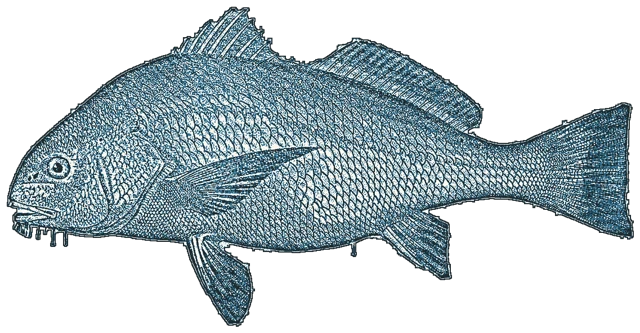
Black drum
Pogonias cromis · also called pompey drum, puppy drum · Saltwater
Small black drum are good eating, but big fish are coarse and often carry harmless but off-putting spaghetti worms, so the species' reputation is mixed.
Worth a try: Keep fish under about 5 lb (TPWD's cutoff) and skip the bulls. Small black drum fillets are white, mild and firm, and work anywhere redfish does: blackened, fried, or grilled on the half shell. LSU Sea Grant rates food value good, especially smaller fish.
- Tastes
- mild, sweet, firm; coarse in large fish
- Limits
- Heavy regs. Chesapeake Bay and tributaries, and Atlantic Ocean and coastal bays: 16 in minimum, 1 per person per day, boat limit of 6, open year round. (eRegulations Maryland guide, last updated Sept 16, 2026) Source
- Best months
- April, with a Bay fishery late April to early June (DNR weekly reports and Fish Facts).
- Where
- Assateague beaches in the surf; in the Bay, around spawning grounds west of Cape Charles (Virginia).
- sand fleas
- clams
- Large fish are coarse and often carry larval tapeworms ('spaghetti worms'); harmless to people but unappetizing (LSU Sea Grant).
Before you eat it: Limit (may become pregnant, pregnant, nursing; young children): where no local advice exists, up to 6 oz (one average meal) a week of the fish you catch, and no other fish that week (2004 federal guideline on MDE's page). MDE's list has no line of its own for black drum (charts dated May 18, 2026).
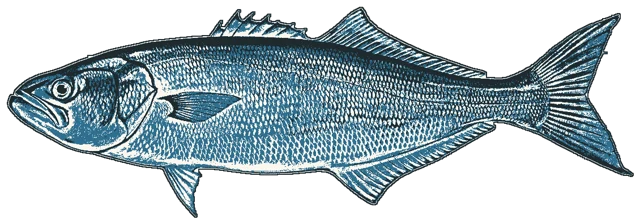
Bluefish
Pomatomus saltatrix · also called snapper, skipjack · Saltwater
Rich, oily and strong-tasting, with soft meat that does not freeze well; Hank Shaw calls it about as polarizing a food as there is.
Worth a try: Bleed and ice it, cook it the same day, and trim the dark strip (NOAA). Fresh blues are excellent grilled or smoked, and smoked bluefish pâté is a New England classic (Hank Shaw). Acid such as citrus or tomato cuts the oil.
- Tastes
- rich, full, coarse, moist
- Limits
- Heavy regs. Chesapeake Bay and tidal tributaries, and Atlantic Ocean and coastal bays: 8 in minimum, open year round, 5 per person from shore or a private boat and 7 per person on a for-hire boat (2026; 2025 was 3 and 5). (eRegulations Maryland guide, last updated Sept 16, 2026; limits raised for 2026) Source
- Best months
- April to July and October to November near the Bay mouth; fall surf fishing near Ocean City (DNR Fish Facts).
- Where
- Middle and lower Bay (trolling from the HS Buoy south past the Target Ship), and the beaches near Ocean City in fall.
- cut bait
- metal jigs (cast)
- surgical tube lures and spoons (trolled)
- Large bluefish can carry higher mercury and PCBs; some states recommend limited consumption (NOAA).
- Raw fillets freeze poorly; cook or smoke before freezing (Hank Shaw).
- Do not eat (anyone): bluefish 15 in or longer from the Atlantic Ocean (PCBs).
Meal limits and other waters (3)
- Limit (everyone): 2 meals a month of bluefish under 15 in from the Atlantic Ocean.
- MDE's list has no separate line for bluefish caught in the Bay.
- Women means pregnant, may become pregnant or nursing; children means up to 6; a meal is 8 oz, 3 oz for children (MDE charts, May 18, 2026).
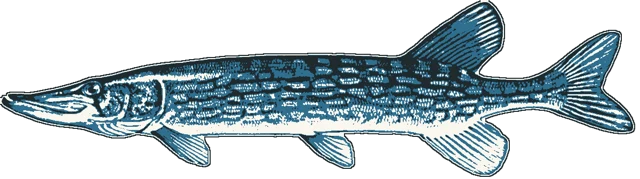
Chain pickerel
Esox niger · also called pike, chainsides, jackpike · Freshwater
White, flaky and good-tasting meat, but quite bony with pike-style Y-bones.
- Tastes
- mild, white, flaky, bony
- Limits
- Heavy regs. Tidal waters (Chesapeake Bay and tributaries): 14 in minimum, 10 per day, open May 1-March 14 (closed March 15-April 30). Tidal Potomac mainstem (Potomac River Fisheries Commission): 14 in minimum, no possession limit. Nontidal waters: 14 in minimum, 5 per day (10 in possession), open year round. Youghiogheny Reservoir: 18 in minimum, 4 per day. Cannot be used as bait. (eRegulations Maryland guide, last updated Sept 16, 2026; Potomac River Fisheries Commission 2026 Blue Sheet, rev. Sept 1, 2026) Source
- Best months
- Fall and winter: DNR calls November through winter the time for chain pickerel in tidal and nontidal waters.
- Where
- Deep Creek Lake, Little Pool, the Magothy and Severn rivers, Loch Raven Reservoir, St. Mary's Lake, Tuckahoe Lake, Johnson's Pond, Smithville Lake and tidal tributaries.
- live minnows
- streamer flies
- spoons
- spinners
- paddletails
Before you eat it: Limit (everyone): 6 meals a month (women 5, children 3) of chain pickerel from Deep Creek Lake (mercury). MDE's list has no line for chain pickerel from other waters. Women means pregnant, may become pregnant or nursing; children means up to 6; a meal is 8 oz, 3 oz for children (MDE charts, May 18, 2026).
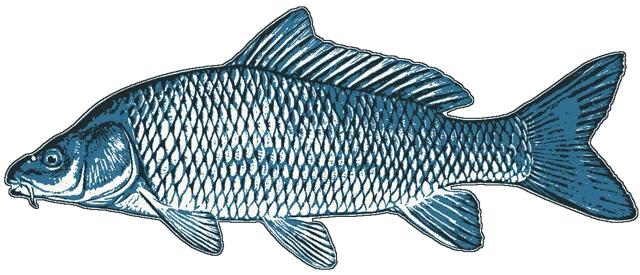
Common carp
Cyprinus carpio · also called German carp, mirror carp, leather carp, European carp · Freshwater
Most US anglers call it a muddy, bony trash fish, but it is a prized food fish in Europe and Asia and eats well from clean, cold water.
Worth a try: Catch from clean water, remove the dark 'mud vein', and either score small fish and fry hard so the Y-bones soften, or hard-smoke large fish over fruitwood (Hank Shaw).
- Tastes
- mild from clean water, strong from muddy water, firm, fatty, Y-bones
- Limits
- Light regs. Nontidal waters: no size limit, 15 per day (30 in possession), open year round. Youghiogheny Reservoir: 50 per day with sunfish, perch, crappie, catfish and other listed fish combined. No carp row in the Chesapeake Bay table. (eRegulations Maryland guide, last updated Sept 16, 2026) Source
- Where
- Monocacy River (DNR Nov 11, 2026 report), Clopper Lake, Blairs Valley Lake and Urieville Lake.
- dough balls
- worms
- crayfish tails
- canned corn
- Do not eat (anyone): carp from the Anacostia River, Back River or the Potomac between the 301 Bridge and the DC line (PCBs).
Meal limits and other waters (4)
- Limit (everyone), 2 meals a month: Gunpowder River and Lake Roland; South River (children 1).
- Limit (everyone), 7 meals a month: Rhode and West rivers.
- MDE's list has no line for carp from other waters.
- Women means pregnant, may become pregnant or nursing; children means up to 6; a meal is 8 oz, 3 oz for children (MDE charts, May 18, 2026).
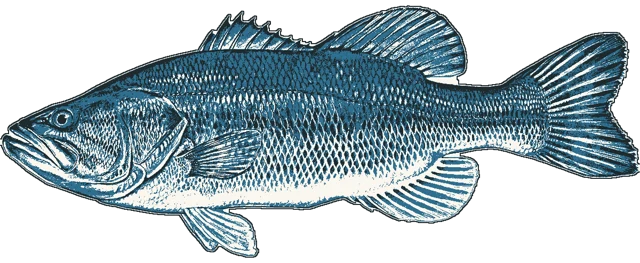
Largemouth bass
Micropterus nigricans (syn. M. salmoides) · Freshwater
Perfectly edible white fillets, but America's top catch-and-release fish and many anglers swear the meat tastes fishy or muddy, so reputation is split.
- Tastes
- mild to slightly 'fishy', firm, thick fillets
- Limits
- Heavy regs. Nontidal waters: 12 in minimum, 5 per day (10 in possession) in aggregate for largemouth and smallmouth, harvest June 16-last day of February; catch and release only March 1-June 15. Tidal waters (Chesapeake Bay and tributaries): 5 per day in aggregate, open year round, 15 in minimum March 1-June 15 and 12 in June 16 through the last day of February. Slot-limit lakes (Johnson Pond, Leonard Mill Pond, Little Seneca Lake, St. Mary's Lake): 5 bass a day, none between 11 and 15 in, only one 15 in or longer. Catch and release only (no possession): Monocacy River (Potomac to Buckeystown Dam), Patapsco River (I-70 to MD 144), Potomac River (Dam No. 2 to the Monocacy mouth). Youghiogheny Reservoir: 15 in minimum, 4 per day, Jan 1-April 10 and Nov 1-Dec 31; 12 in minimum, 6 per day, June 13-Oct 31; catch and release other dates. Bass cannot be used as bait. (eRegulations Maryland guide, last updated Sept 16, 2026; special areas from the bass fishing page, same date) Source
- Best months
- Fall: DNR reports bass feeding on baitfish and crayfish moving to deeper structure in October and November; harvest is closed March 1-June 15 in nontidal waters.
- Where
- Clopper Lake, St. Mary's Lake (slot-limit lake), Johnsons Pond and Leonard's Mill Pond (special bass management areas), Deep Creek Lake, and tidal rivers such as the Transquaking.
- live minnows
- nightcrawlers
- spinnerbaits
- jerkbaits
- crankbaits
- paddletails
- Water-body mercury advisories commonly list largemouth bass; check your state's advisory before eating large fish.
- Do not eat (anyone): largemouth or smallmouth bass from the tidal headwaters of Piscataway Creek (PFOS).
- Do not eat (pregnant, may become pregnant, nursing; children up to 6): bass over 15 in from Johnson Pond below Salisbury (PFOS).
- Do not eat (children up to 6): bass from Conococheague Creek (PFOS).
Meal limits and other waters (6)
- Limit (everyone), 1 meal every 2 months: Conococheague Creek; Johnson Pond, over 15 in.
- Limit (everyone), 1 meal a month: Savage Reservoir; Middle River and the Susquehanna above Conowingo Dam (children 1 every 2 months).
- Limit (everyone), 2 meals a month: Anacostia River; Deep Creek Lake, Gunpowder River, Loch Raven Reservoir, Youghiogheny River Lake and the Patapsco from S. Hanover Bridge to Annapolis Road (children 1); Piney Reservoir and the Potomac from the DC line to Dam #3 (children 1 every 2 months); Antietam Creek, Northeast River, St. Mary's River and Johnson Pond under 11 in (women 1, children 1 every 2 months).
- Limit (everyone), 3 meals a month: the Potomac from the 301 Bridge to the DC line (women 2, children 1).
- Another 25 waters run from 3 to 8 a month, and 18 more limit only women or children.
- Women means pregnant, may become pregnant or nursing; children means up to 6; a meal is 8 oz, 3 oz for children (MDE charts, May 18, 2026).
Northern snakehead
Channa argus · also called Chesapeake channa, channa · Freshwater
Its reputation is a scary invasive monster, yet Maryland DNR calls it nutritious and delicious, and Outdoor Life's writer says it might be his favorite freshwater fish on the table.
Worth a try: Firm, mild white fillets that take any preparation: blackened, fried nuggets, tacos or etouffee (Maryland DNR cookbook).
- Tastes
- mild, clean, firm, white, few bones
- Limits
- No limits. No minimum size and no creel limit, open year round. It is illegal to possess a live snakehead (fine up to $2,500 per fish); a fish you plan to keep must be killed immediately. (Invasive species page updated Jan 27, 2026; eRegulations Maryland guide, last updated Sept 16, 2026) Source
- Best months
- March to October: active on sunny shorelines in March and April afternoons, in grass beds in June, hard to entice once water cools in the fall (DNR weekly reports).
- Where
- Tidal grass beds, including the Transquaking River, the lower Susquehanna River and Conowingo dam pool, and the southern Potomac.
- frogs
- buzzbaits
- chatterbaits
- paddletails
- large minnows under a bobber (cold water)
- Parasitic worms can occur in the flesh; cut them out, and they are harmless when the fish is fully cooked (Maryland DNR).
- Do not eat (children up to 6): snakehead from Mattawoman Creek or Johnson Pond below Salisbury (PFOS).
Meal limits and other waters (7)
- Limit (everyone), 1 meal every 2 months: Mattawoman Creek and Johnson Pond.
- Limit (everyone), 2 meals a month: Bush River (children 1).
- Limit (everyone), 3 meals a month: the Potomac from the 301 Bridge to the DC line; Anacostia River (children 1).
- Limit (everyone), meals a month: 4 Wicomico River (women 3, children 2); 5 Lake Lariat (children 3); 6 Little Seneca Lake (women 5, children 3).
- Limit (children), meals a month: 5 lower Patuxent River; 7 Susquehanna below Conowingo Dam; 8 Marshyhope Creek.
- MDE lists the Gunpowder River as no limit for everyone.
- Women means pregnant, may become pregnant or nursing; children means up to 6; a meal is 8 oz, 3 oz for children (MDE charts, May 18, 2026).
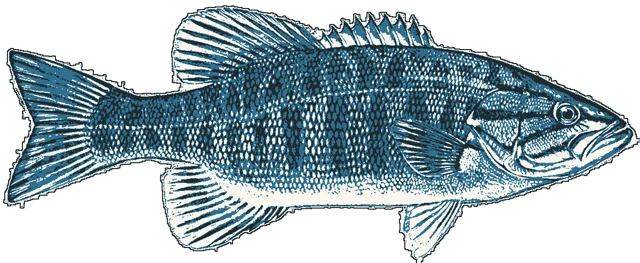
Smallmouth bass
Micropterus dolomieu · Freshwater
Firm, white and good, often rated above largemouth, but most smallmouth are released by custom and the flesh has a slight 'fishy' edge some anglers dislike.
- Tastes
- mild, slightly fishy edge, firm, thick white fillets
- Limits
- Heavy regs. Nontidal waters: 12 in minimum, 5 per day (10 in possession) in aggregate for largemouth and smallmouth, harvest June 16-last day of February; catch and release only March 1-June 15. Tidal waters (Chesapeake Bay and tributaries): 5 per day in aggregate, open year round, 15 in minimum March 1-June 15 and 12 in June 16 through the last day of February. Slot-limit lakes (Johnson Pond, Leonard Mill Pond, Little Seneca Lake, St. Mary's Lake): 5 bass a day, none between 11 and 15 in, only one 15 in or longer. Catch and release only (no possession): Monocacy River (Potomac to Buckeystown Dam), Patapsco River (I-70 to MD 144), Potomac River (Dam No. 2 to the Monocacy mouth). Youghiogheny Reservoir: 15 in minimum, 4 per day, Jan 1-April 10 and Nov 1-Dec 31; 12 in minimum, 6 per day, June 13-Oct 31; catch and release other dates. Bass cannot be used as bait. (eRegulations Maryland guide, last updated Sept 16, 2026; special areas from the bass fishing page, same date) Source
- Best months
- Fall: DNR calls fishing for smallmouth in the upper Potomac and Deep Creek Lake good in October and November; harvest closed March 1-June 15 in nontidal waters.
- Where
- Upper Potomac River, the lower Susquehanna River, Deep Creek Lake, Liberty and Prettyboy reservoirs, and Town Creek.
- soft plastic grubs and tubes
- crayfish-style jigs
- small crankbaits
- spinnerbaits
- Do not eat (anyone): largemouth or smallmouth bass from the tidal headwaters of Piscataway Creek (PFOS).
- Do not eat (pregnant, may become pregnant, nursing; children up to 6): bass over 15 in from Johnson Pond below Salisbury (PFOS).
- Do not eat (children up to 6): bass from Conococheague Creek (PFOS).
Meal limits and other waters (6)
- Limit (everyone), 1 meal every 2 months: Conococheague Creek; Johnson Pond, over 15 in.
- Limit (everyone), 1 meal a month: Savage Reservoir; Middle River and the Susquehanna above Conowingo Dam (children 1 every 2 months).
- Limit (everyone), 2 meals a month: Anacostia River; Deep Creek Lake, Gunpowder River, Loch Raven Reservoir, Youghiogheny River Lake and the Patapsco from S. Hanover Bridge to Annapolis Road (children 1); Piney Reservoir and the Potomac from the DC line to Dam #3 (children 1 every 2 months); Antietam Creek, Northeast River, St. Mary's River and Johnson Pond under 11 in (women 1, children 1 every 2 months).
- Limit (everyone), 3 meals a month: the Potomac from the 301 Bridge to the DC line (women 2, children 1).
- Another 25 waters run from 3 to 8 a month, and 18 more limit only women or children.
- Women means pregnant, may become pregnant or nursing; children means up to 6; a meal is 8 oz, 3 oz for children (MDE charts, May 18, 2026).
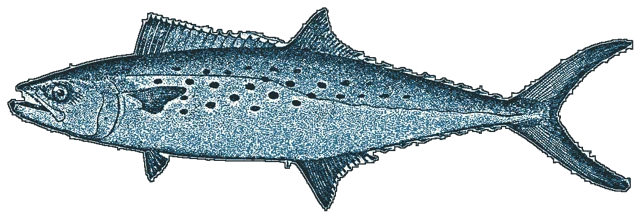
Spanish mackerel
Scomberomorus maculatus · also called Atlantic Spanish mackerel · Saltwater
Very good fresh and bled, but oily with a pronounced flavor that fades fast on ice; better broiled or smoked than fried (LSU Sea Grant).
- Tastes
- rich, pronounced, flaky, moist
- Limits
- Light regs. Chesapeake Bay and tributaries, and Atlantic Ocean and coastal bays: 14 in minimum, 15 per day, open year round; must be landed with head and fins intact. Federal charter and headboat permits cover for-hire trips. (eRegulations Maryland guide, last updated Sept 16, 2026) Source
- Best months
- Off Ocean City by late June (June 24, 2026 report) and in the lower and middle Bay by mid-August (Aug 12, 2026 report).
- Where
- Lower Bay by trolling or drifting; from piers, jetties and beaches by casting spoons and jigs (DNR Fish Facts).
- spoons
- jigs
- live bait
Before you eat it: Limit (may become pregnant, pregnant, nursing; young children): where no local advice exists, up to 6 oz (one average meal) a week of the fish you catch, and no other fish that week (2004 federal guideline on MDE's page). MDE's list has no line of its own for Spanish mackerel (charts dated May 18, 2026).
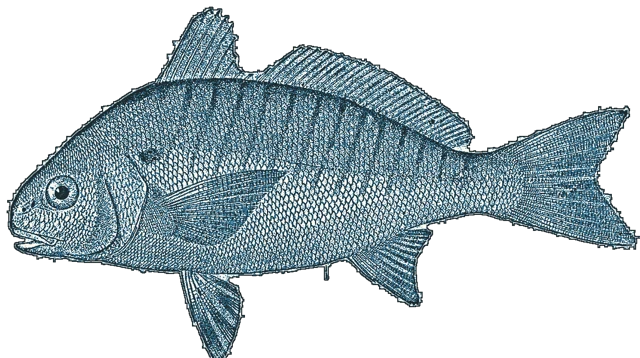
Spot
Leiostomus xanthurus · Saltwater
A pier and bridge staple kept by the cooler-full and fried whole; small size and a slightly rich flesh keep it in Just OK.
- Tastes
- medium, small flakes
- Limits
- Light regs. Chesapeake Bay and tidal tributaries, and Atlantic Ocean and coastal bays: no minimum size, 50 per day, open year round. (eRegulations Maryland guide, last updated Sept 16, 2026) Source
- Best months
- Adults enter the Bay in spring and stay until late summer or fall (DNR Fish Facts); DNR reports them heading south in October.
- Where
- Lower Patuxent River, Cornfield Harbor near Point Lookout, the Cobb Island area of the Potomac River, and Tangier and Pocomoke sounds.
- bloodworms
- Limit (everyone), 2 meals a month: mid Bay from Middle River to the Patapsco, and the Patapsco's Middle Branch (children 1).
Meal limits and other waters (6)
- Limit (everyone), 3 meals a month: upper Bay, lower Bay, and mid Bay from the Patapsco to the upper Patuxent, with their tributaries (children 2) (PFOS).
- Limit (everyone), 4 meals a month: Patapsco River/Baltimore Harbor (children 2).
- Limit (everyone), 5 meals a month: Back, Bohemia, Bush, Chester, Choptank, Elk, Magothy, Middle, Miles and Wye, Nanticoke, Northeast, Pocomoke, Rhode and West, Sassafras, Severn, South, St. Mary's, Wicomico and upper and middle Patuxent rivers, and the Potomac from its mouth to the 301 Bridge (children 4).
- Limit (everyone), 6 meals a month: Herring Bay (women 5, children 3).
- MDE lists the lower Patuxent as no limit for everyone.
- Women means pregnant, may become pregnant or nursing; children means up to 6; a meal is 8 oz, 3 oz for children (MDE charts, May 18, 2026).
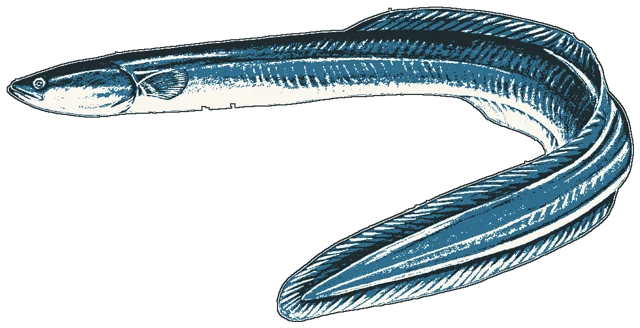
American eel
Anguilla rostrata · also called freshwater eel · Fresh and salt
Few people in the US eat them (Maryland DNR) and most anglers cut them loose or use them as striper and crab bait, even though eel is a delicacy in Europe and Japan.
Worth a try: Eel is a popular food in Europe and Japan (Maryland DNR); skin it and smoke it hard.
- Tastes
- rich, sweet, dense, oily
- Limits
- Heavy regs. Chesapeake Bay and tidal tributaries, and Atlantic Ocean and coastal bays: 9 in minimum, 25 per day, open Jan 1-Aug 31 (closed Sept 1-Dec 31 for hook and line), except open year round for spears and baited traps or pots. Nontidal waters: 9 in minimum, 25 per day and 25 in possession, open year round. (eRegulations Maryland guide, last updated Sept 16, 2026) Source
- cut bait
- Eels in some rivers carry high PCB levels; check local advisories.
- Do not eat (anyone): American eel from Back River, Elk River, Patapsco River/Baltimore Harbor or the Susquehanna River below Conowingo Dam (PCBs).
- Do not eat (children up to 6): American eel from Middle River (PCBs).
Meal limits and other waters (6)
- Limit (everyone), 1 meal every 2 months: Middle River, Bynum Run, Rock Creek (Montgomery County) and the Potomac from the 301 Bridge to the DC line.
- Limit (everyone), 1 meal a month: Choptank River; Anacostia and Northeast rivers (children 1 every 2 months).
- Limit (everyone), 2 meals a month: South River (children 1).
- Limit (everyone), 3 meals a month: Patuxent River (lower, middle and upper).
- Limit (everyone), 4 meals a month: Bush River.
- Women means pregnant, may become pregnant or nursing; children means up to 6; a meal is 8 oz, 3 oz for children (MDE charts, May 18, 2026).
Cownose ray
Rhinoptera bonasus · also called cowfish, cownose stingray · Saltwater
No US market exists for it (Florida Museum) and anglers treat it as a nuisance that tears up bottom rigs.
- Limits
- No limits. No limit listed for cownose rays in the guide's Chesapeake Bay or Atlantic tables. DNR adopted a Fishery Management Plan on Jan 14, 2026 and is considering rules to carry it out, including a daily catch limit. DNR says cownose ray tournaments have been banned since 2017. (eRegulations Maryland guide, last updated Sept 16, 2026) Source
- Best months
- Summer in the Bay and coastal bays (DNR Fish Facts).
- Where
- Chesapeake Bay and the Maryland coastal bays in summer (DNR Fish Facts).
- peeler crab
- clams
- Shigella has been linked to contaminated cownose ray meat (Florida Museum).
- Slow to mature with very few young; Maryland and Virginia have restricted killing contests.
Before you eat it: Limit (may become pregnant, pregnant, nursing; young children): where no local advice exists, up to 6 oz (one average meal) a week of the fish you catch, and no other fish that week (2004 federal guideline on MDE's page). MDE's list has no line of its own for cownose ray (charts dated May 18, 2026).
Gizzard shad
Dorosoma cepedianum · Fresh and salt
Soft, tasteless, bony and strong-smelling; TPWD calls it worthless as a food fish and Maryland says it is almost always discarded.
- Tastes
- bland, strong odor, soft, many fine bones
- Limits
- No limits. Nontidal waters: covered by the bait fish limit of 35 per day in aggregate (state code counts any fish that can be used as bait and has no limit of its own). Tidal waters: no size, season or creel limit. Youghiogheny Reservoir: 50 per day. (eRegulations Maryland guide, last updated Sept 16, 2026; COMAR 08.02.11.04I (Cornell LII copy, amended through Jan 22, 2024)) Source
- Where
- Smithville Lake and Wye Mills Lake (Eastern Shore).
Before you eat it: Limit (may become pregnant, pregnant, nursing; young children): where no local advice exists, up to 6 oz (one average meal) a week of the fish you catch, and no other fish that week (2004 federal guideline on MDE's page). MDE's list has no line of its own for gizzard shad (charts dated May 18, 2026).
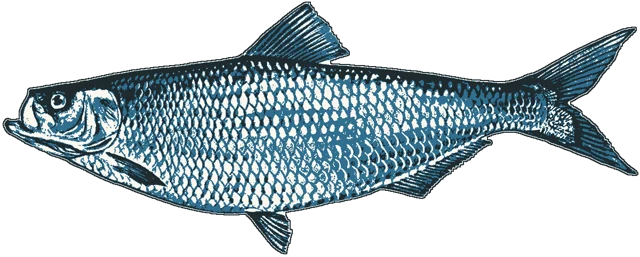
Hickory shad
Alosa mediocris · also called hickory jacks, tailor shad · Fresh and salt
A spring sport fish that most anglers release: South Carolina DNR says hickory shad are not used as food for humans, and Virginia notes the few that are kept mostly become catfish bait.
- Limits
- No harvest. Statewide, harvest is closed in tidal and nontidal waters; catch and release is permitted at all times. (eRegulations Maryland guide, last updated Sept 16, 2026) Source
- Best months
- Spring: runs arrived in late March and early April in 2026 (DNR weekly reports).
- Where
- Deer Creek, the Patuxent River, the Susquehanna River below Conowingo Dam, and Mattawoman Creek.
- shad darts
- small spoons
- wet flies
Before you eat it: Limit (may become pregnant, pregnant, nursing; young children): where no local advice exists, up to 6 oz (one average meal) a week of the fish you catch, and no other fish that week (2004 federal guideline on MDE's page). MDE's list has no line of its own for hickory shad (charts dated May 18, 2026).
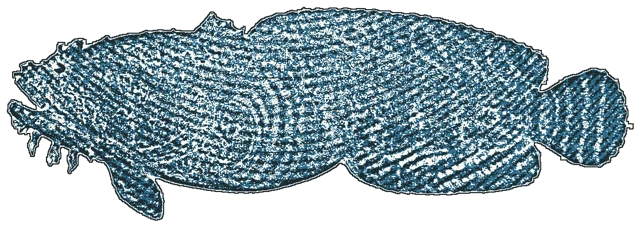
Oyster toadfish
Opsanus tau · Saltwater
An ugly, snapping bycatch fish that almost nobody keeps; toadfishes are generally considered undesirable as food (Florida Museum).
- Tastes
- mild
- Limits
- No limits. No limit listed for oyster toadfish in the guide's Chesapeake Bay or Atlantic tables. (eRegulations Maryland guide, last updated Sept 16, 2026) Source
- squid
- clams
- bloodworms
- peeler crab
Before you eat it: Limit (may become pregnant, pregnant, nursing; young children): where no local advice exists, up to 6 oz (one average meal) a week of the fish you catch, and no other fish that week (2004 federal guideline on MDE's page). MDE's list has no line of its own for oyster toadfish (charts dated May 18, 2026).
Where to fish in Maryland
Fish named here are what people catch at each spot, not a promise they’re safe to eat. Read the eating advice on the fish’s card before you keep one.
# Salt or brackish# Freshwater
- 1Deep Creek Lake (Garrett County) lake · fresh
DNR's hotspots page calls it Maryland's largest freshwater lake, about six square miles, with bass, trout, walleye, pike and panfish. MDE: 3 meals a month of walleye, 2 for women who are pregnant, may become pregnant or are nursing, 1 for children up to 6 (mercury).
Known for: Walleye
Access: Ten miles northeast of Oakland.
- 2Savage River tailwater trophy trout area (Garrett County) tailrace · fresh
DNR lists the Savage River Tailwater Trophy Trout Fishing Area as a place to catch both brook and brown trout. MDE: 5 meals a month of brown trout from the Savage River, 3 for children up to 6 (PCBs).
Known for: Brook trout, Brown trout
Access: Savage River State Forest, southwest of Frostburg; flows can be checked at 410-962-7687.
- 3Lake Habeeb at Rocky Gap State Park (Allegany County) lake · fresh
DNR lists smallmouth bass, crappie, channel catfish, sunfish and brown and rainbow trout in the lake. MDE: 7 meals a month of smallmouth bass, 6 for women who are pregnant, may become pregnant or are nursing, 3 for children up to 6 (mercury).
Known for: Smallmouth bass, Channel catfish, Brown trout, Rainbow trout
Access: Five miles east of Cumberland; Rocky Gap State Park has an on-site tackle loaner program.
- 4Upper Potomac River river · fresh
DNR says the northern Potomac River fishery includes muskie, walleye and trout. MDE: from the DC line to Dam #3, 2 meals a month of walleye, and 1 for women who are pregnant, may become pregnant or are nursing and for children up to 6; on the North Branch from Oldtown to Jennings Randolph, 2, and 1 for children (mercury).
Known for: Walleye
- 5Gunpowder Falls below Prettyboy Reservoir (Baltimore County) river · fresh
DNR names the Gunpowder watershed, including the mainstem between Prettyboy and Loch Raven reservoirs, as some of the best wild brown trout fishing in the state.
Known for: Brown trout
Access: Mainstem between Prettyboy and Loch Raven reservoirs.
- 6Loch Raven Reservoir (Baltimore County) reservoir · fresh
DNR lists the 2,400-acre reservoir for large and smallmouth bass, bluegill, white perch, crappie, chain pickerel, walleye, catfish, yellow perch and northern pike. MDE: 2 meals a month of largemouth or smallmouth bass, 1 for children up to 6, and 6 of yellow perch for children (mercury).
Known for: Largemouth bass, Smallmouth bass, Bluegill, White perch, Chain pickerel
Access: A few miles outside Towson with a fully equipped fishing center; call 410-887-7692 for boat rentals, boat permits and fishing permits.
- 7Conowingo Dam and the lower Susquehanna River tailrace · fresh
DNR says a catch and release American shad fishery has grown below Conowingo Dam, the first dam on the Susquehanna, with up to 100 shad per angler per day at the peak of the run. MDE: do not eat channel catfish or American eel from the Susquehanna below the dam (PCBs).
Known for: American shad
Access: Below the dam on the Susquehanna; American shad are catch and release only.
- 8Susquehanna Flats and Havre de Grace estuary · brackish
The guide gives the Susquehanna Flats, Lower Susquehanna River and Northeast River their own striped bass season, separate from the rest of the Bay. MDE: from the Susquehanna below Conowingo Dam and the Northeast River, 3 meals a month of striped bass under 28 in, 2 for women who are pregnant, may become pregnant or are nursing, 1 for children up to 6 (PFOS); upper Bay fish over 28 in, 1 a month, and 1 every 2 months for children (PCBs).
Known for: Striped bass
Access: Upstream of a line from Sandy Point to Turkey Point (guide).
- 9Chesapeake Bay Bridge piers and rock piles estuary · brackish
DNR's Nov 18, 2026 report names the Bay Bridge piers, abutments and rock piles for striped bass and deep jigging for white perch. MDE: 3 meals a month of mid Bay striped bass under 28 in, 2 for children up to 6; over 28 in, 1 a month, and 1 every 2 months for children (PCBs).
Known for: Striped bass, White perch
Access: Drifting live and cut bait back to the pier bases (DNR report).
- 10Tidal Potomac near the Route 301 bridge river · brackish
DNR's Sept 24, 2025 report named the lower Potomac around the Route 301 bridge for striped bass taken by live-lining spot or jigging soft plastics along channel edges. MDE: above the bridge to the DC line, 5 meals a month of striped bass under 28 in, 3 for children up to 6 (PFOS); its lower Bay and tributaries line is 3, 2 for children, and 1 a month over 28 in (PCBs).
Known for: Striped bass
- 11Tangier Sound (Somerset County) sound · brackish
DNR's Sept 24, 2025 report named Tangier and Pocomoke sounds for spot, the Target Ship and Tangier Sound for large red drum, and eastern marsh edges for speckled trout. MDE's lower Bay line: 3 meals a month of spot, 2 for children up to 6 (PFOS).
Known for: Spot, Red drum, Spotted seatrout
- 12Transquaking River (Dorchester County) river · fresh
DNR lists largemouth bass, striped bass, chain pickerel, crappie, channel catfish, yellow and white perch, bluegill and carp. MDE's line for the lower Bay and its tributaries: 3 meals a month of striped bass under 28 in, 2 for children up to 6 (PCBs).
Known for: Largemouth bass, Striped bass, Chain pickerel, Channel catfish, Yellow perch
Access: DNR information: 410-228-2920.
- 13Ocean City Inlet and Route 50 Bridge (Worcester County) inlet · salt
DNR's Nov 18, 2026 report names the inlet and Route 50 bridge area for tautog and the last flounder of the season, and striped bass in and around the inlet. MDE: 1 meal a month of Atlantic Ocean striped bass of any size, 1 every 2 months for children up to 6 (PCBs).
Known for: Tautog, Striped bass, Summer flounder
- 14Assateague State Park surf (Worcester County) surf · salt
DNR's April 22, 2026 report called surf fishing for black drum along the Assateague beaches excellent.
Known for: Black drum
Access: Surf fishing from the beaches.
- 15Wreck and reef sites off Ocean City (Worcester County) offshore · salt
DNR's Oct 28, 2026 report says anglers riding out to the wreck and reef sites off Ocean City are catching black sea bass and porgies, with larger sea bass and some limits at wrecks farther offshore.
Known for: Black sea bass
Access: DNR describes anglers catching a ride out to the sites.
Maryland fishing license and rules
- Resident: $32.00 nontidal sport fishing license; 7-day $16; trout stamp $20 (2026 fees)
- Nonresident: $55.00 nontidal, or the visitor fee charged by the angler's home state if higher; trout stamp $30
- Nonresident short-term: $35.00 for 3 days nontidal; 7-day nontidal $45 (both or the home-state fee if higher)
- Saltwater: Separate Chesapeake Bay and Coastal Sport Fishing License: $15 resident, $22.50 nonresident (7-day $6 resident, $12 nonresident); a boat license costs $50 resident, $100 nonresident. A free Maryland Saltwater Angler Registration is required for tidal anglers who are exempt from the license, such as boat-license passengers, anglers in license-free fishing areas, waterfront owners and Virginia saltwater license holders.
- Who needs one: Licenses and the trout stamp are required at age 16 and older; anglers under 16 fish without a license.
- Free fishing days: The first two Saturdays in June and July 4: June 6, June 13 and July 4 in 2026; June 5, June 12 and July 4 (a Sunday) in 2027, by DNR's published rule. No fishing license, Chesapeake Bay sport fishing license or trout stamp is needed in tidal or nontidal waters, and all other rules, limits and seasons still apply.
More license details
Licenses, stamps and registrations are valid 365 days from purchase. The resident senior consolidated license (65 and older, $12) covers tidal and nontidal fishing but no longer includes the trout stamp. A trout stamp is needed to catch or possess trout in nontidal waters (not from private ponds or licensed fee-fishing ponds). Tidal anglers are exempt from the license when on a licensed charter boat or licensed commercial fishing pier, or when fishing from a boat with a Chesapeake Bay and Coastal Sport Boat License (with the free registration). Reciprocal arrangements: a Virginia resident's Virginia nontidal license covers the nontidal Potomac mainstem opposite Virginia; a West Virginia resident's license covers the nontidal Potomac mainstem opposite West Virginia; a Pennsylvania resident with a Pennsylvania license may fish the Maryland parts of the Conowingo and Youghiogheny reservoirs, but not tributaries or from shore; a Potomac River Fisheries Commission license covers all Maryland tidal waters; a Maryland Chesapeake Bay and Coastal license covers the Potomac mainstem below the Woodrow Wilson Bridge. License sales moved from COMPASS to MD Outdoors in 2026.
Buy a license License types and fees
Fees: 2026.
- Two licenses: a nontidal license ($32 resident, $55 nonresident) for fresh water and a separate Chesapeake Bay and Coastal license ($15 resident, $22.50 nonresident) for tidal water; check the guide's tidal and nontidal dividing lines. Trout in nontidal waters also need a trout stamp ($20 resident, $30 nonresident).
- Striped bass: all of August is closed to striped bass fishing in the Bay and tidal tributaries, and attempting to catch them is illegal; in 2026 the Bay is catch and release only Dec 6-31. Tidal-water striped bass must be landed whole (no cut or filleted fish aboard), gaffs and cast nets are banned, and non-offset circle hooks are required with fish, crab, worm or processed bait.
- Eels may not be used as bait with hook and line in the Chesapeake Bay and its tidal tributaries Dec 6-May 15 or Aug 1-31.
- Nontidal largemouth and smallmouth bass can be kept only June 16 through the last day of February (12 in minimum, 5 per day combined); March 1-June 15 is catch and release. Tidal bass follow different limits (15 in March 1-June 15).
- The Potomac River Fisheries Commission, not Maryland, regulates fishing on the tidal Potomac mainstem between Washington, DC and the Chesapeake Bay; the tributaries are not included. For 2026 it opens striped bass harvest May 16-July 6 and Aug 21-Dec 31 (no targeting July 7-Aug 20) and sets 10 per person for yellow perch, spotted seatrout and crappie, 12 in for weakfish, and 14 in with no possession limit for tautog and chain pickerel. A Maryland Chesapeake Bay and Coastal license covers the mainstem below the Woodrow Wilson Bridge.
- Northern snakehead (Chesapeake channa): it is illegal to possess one alive, with fines up to $2,500 per fish; kill it immediately. There is no size or creel limit.
- American and hickory shad, alewife and blueback herring, Atlantic sturgeon and shortnose sturgeon are closed to harvest; shad and herring may be caught and released.
- Sabiki rigs and mackerel trees are illegal in Maryland waters (allowed in the Atlantic Exclusive Economic Zone), and tidal hook-and-line anglers may use no more than two hook units per line.
- Trout waters: it is illegal to fish streams or nontidal waters that contain trout between 10 p.m. and 5:30 a.m. (not nontidal impoundments of five acres or more), and put-and-take areas marked Closure 1 are closed to all fishing from 10 p.m. March 8 to 6:30 a.m. March 28, 2026, except for the March 21 youth-only day; brown and brook trout cannot be used as bait.
- Sharks: only handlines or rod and reel, with non-stainless circle hooks except when fishing with artificial flies or lures; heads, tails and fins attached through landing, and sandbar, dusky, sand tiger and shortfin mako sharks must be released; recreational anglers no longer need to tag and report landed sharks as of Jan 1, 2026.
Limits here are summaries for convenience, checked on the date shown. The official Maryland regulations govern; check them before you keep a fish.
Before you eat it
- Do not eat (anyone), PCBs: American eel from Back River, Elk River, Patapsco River/Baltimore Harbor or the Susquehanna River below Conowingo Dam; channel catfish from Back River, Bird River, Middle River or the Susquehanna River below Conowingo Dam, over 18 in from the Potomac between the 301 Bridge and the DC line, or over 20 in from the Anacostia River; carp from the Anacostia River, Back River or that Potomac stretch; white catfish from Patapsco River/Baltimore Harbor or that Potomac stretch; yellow perch from Middle River.
- Do not eat (anyone), PCBs: bluefish 15 in or longer from the Atlantic Ocean; blue catfish over 30 in from Mattawoman Creek or the Potomac from its mouth to the DC line (2 meals a month, children 1, once all dark meat and belly fat is removed); blue catfish over 19 in from the Anacostia River, trimmed or not (the trimmed-fish line and a 2022 state sheet say Avoid with no size given).
- Do not eat (anyone), PFOS: largemouth or smallmouth bass from the tidal headwaters of Piscataway Creek; bluegill or other sunfish from non-tidal Piscataway Creek; black crappie from Johnson Pond below Salisbury.
- Do not eat (children up to 6): channel catfish from the C & D (Chesapeake and Delaware) Canal or Gunpowder River, or under 18 in from the Potomac between the 301 Bridge and the DC line; American eel or white perch from Middle River; largemouth or smallmouth bass from Conococheague Creek; snakehead from Mattawoman Creek or Johnson Pond below Salisbury; bluegill or other sunfish from the Monocacy River; walleye from Savage Reservoir.
- Do not eat (pregnant, may become pregnant, nursing; children up to 6): largemouth or smallmouth bass over 15 in from Johnson Pond below Salisbury (PFOS).
- Do not eat (may become pregnant, pregnant, nursing; young children): shark, swordfish, king mackerel or tilefish, because of high mercury (2004 FDA and EPA guidelines on the Maryland Department of the Environment's page).
- Do not eat (anyone): blue crab mustard from Back River, Middle River or Patapsco River including Baltimore Harbor (PCBs). The department's Piscataway Creek sheet (March 2025) marks it Avoid too, and its 2016 brochure tells pregnant and nursing women, women who may become pregnant and children not to eat crab mustard at all.
Limit (everyone), 1 meal every 2 months: American eel from Middle River, Bynum Run, Rock Creek (Montgomery County) or the Potomac between the 301 Bridge and the DC line; channel catfish … (see the full list)
Limit (everyone), 1 meal every 2 months: American eel from Middle River, Bynum Run, Rock Creek (Montgomery County) or the Potomac between the 301 Bridge and the DC line; channel catfish from the Bohemia, Gunpowder or Nanticoke rivers, the C & D Canal, Patapsco River/Baltimore Harbor or the Patapsco from S. Hanover Bridge to Annapolis Road, or under 18 in from that Potomac stretch; bass from Conococheague Creek, or over 15 in from Johnson Pond below Salisbury; snakehead from Mattawoman Creek or Johnson Pond; sunfish from the Monocacy River; walleye from Savage Reservoir; white perch from Middle River; yellow perch from Elk River. Several of these are none at all for children (see above).
- Limit (everyone), striped bass (PCBs): 1 meal a month, and 1 every 2 months for children, of fish over 28 in from the Chesapeake Bay and its tributaries or of any size from the Atlantic Ocean; 3 a month, and 2 for children, of Bay fish under 28 in.
- Potomac River, mouth to the 301 Bridge, meals a month for fish not marked Avoid: 1 sunfish (women and children 1 every 2 months); blue catfish 1 at 24 to 30 in (children 1 every 2 months), 2 at 15 to 24 in (children 1), 4 at 12 to 15 in; 5 spot (children 4); 6 white perch.
- Potomac River, 301 Bridge to the DC line, meals a month for fish not marked Avoid: 1 every 2 months American eel or channel catfish under 18 in (no channel catfish for children); blue catfish 1 at 24 to 30 in (children 1 every 2 months), 2 at 15 to 24 in (children 1), 4 at 12 to 15 in; 2 sunfish; 3 bass or white perch (women 2, children 1); 3 snakehead; 5 striped bass under 28 in (children 3).
Potomac River above D.C., meals a month: DC line to Dam #3, 2 walleye (women and children 1), 2 bass (children 1 every 2 months), 2 flathead catfish (children 1), 2 crappie, children 8 … (see the full list)
Potomac River above D.C., meals a month: DC line to Dam #3, 2 walleye (women and children 1), 2 bass (children 1 every 2 months), 2 flathead catfish (children 1), 2 crappie, children 8 channel catfish or sunfish; Dam #3 to Dam #4, 2 flathead catfish (children 1), 3 bass (children 2), 5 channel catfish (women 4, children 2); Dam #4 to Dam #5, 3 crappie, 4 walleye (children 2), 5 bass (women 4, children 3), 5 channel catfish (women 4, children 2), children 5 sunfish; channel catfish for children, 8 at Hancock and 6 at Little Orleans; 6 sunfish at Town Creek (women 5, children 3); North Branch from Oldtown to Jennings Randolph, 2 walleye (children 1), 5 bass (children 3), 8 rock bass (women 7, children 4).
- Limit (everyone), largemouth and smallmouth bass, 3 meals a month: Bush River, Cash Lake, Lake Lariat, the upper Choptank's Greensboro Branch and the Potomac between the 301 Bridge and the DC line (women 2, children 1); Big Pool, Broadford Lake, Millington Wildlife Management Area, Patapsco River/Baltimore Harbor, the Potomac from Dam #3 to Dam #4, Tuckahoe Lake and the upper Patuxent and Wicomico rivers (children 2).
- Where the department's own charts differ, this page prints the stricter number: Deep Creek Lake bass and yellow perch (Garrett County chart, May 19, 2026), Johnson Pond bass under 11 in and Potomac blue catfish 15 to 24 in (the two statewide charts differ). Some county charts from February 2025 are still posted and stricter than the 2026 statewide ones: Lake Lariat bass 1 meal a month (children 1 every 2 months) and sunfish 4 (women 3, children 2), Liberty Reservoir bass 5 (children 3), Mattawoman Creek bass 6 (children 5).
- Maryland Department of the Environment (MDE) sets meals-per-month advice by species and waterbody for PCBs, mercury, pesticides and PFOS (species and location charts dated May 18, 2026). A meal is 8 oz for adults and 3 oz for children up to 6; women means pregnant, may become pregnant or nursing. MDE's 2022 blue catfish sheet says the monthly numbers are for all fish together, not for each kind.
- To cut PCBs, MDE's brochure says to eat only fillets, cut off the skin, the fat along the back and side and the belly flap, bake, grill or broil on a rack, and skip batter and breading. Mercury cannot be cooked out.
- Fish or water that MDE does not list: for women who may become pregnant, pregnant or nursing women and young children, MDE repeats a federal guideline of up to 6 oz (one average meal) a week of the fish you catch where no advice exists, and no other fish that week. The charts have no line for summer flounder, tautog, sheepshead, red drum, black drum, weakfish, spotted seatrout, cobia, Spanish mackerel, mahi-mahi, shad, brook trout or rays.
- Hatchery-raised rainbow and golden rainbow trout stocked in the listed counties are no limit for adults, women and children.
- MDE's county charts and interactive map give the advice water by water; questions go to its Fish Consumption Advisory Program, 410-537-3000. D.C., Virginia, West Virginia, Pennsylvania and Delaware have their own advice for their waters.
Local lingo
- rockfish (striped bass)
- hardhead (Atlantic croaker)
- fluke (summer flounder)
- tog or blackfish (tautog)
- channel bass or puppy drum (red drum)
- Chesapeake channa (northern snakehead)
- yellow ned (yellow perch)
- speckled trout (spotted seatrout)
Questions anglers ask about Maryland
What is the most common fish in Maryland?
By count, the most-caught fish in Maryland's tidal and ocean waters is spot, at about 4.8 million a year, according to NOAA MRIP (2023-2025 average). White perch (about 4.0 million), Atlantic croaker (about 2.2 million) and striped bass, the state fish (about 1.9 million), follow, and most striped bass and croaker are released. MRIP does not cover nontidal fresh water.
Do I need a saltwater fishing license in Maryland?
Yes. Separate Chesapeake Bay and Coastal Sport Fishing License: $15 resident, $22.50 nonresident (7-day $6 resident, $12 nonresident); a boat license costs $50 resident, $100 nonresident. A free Maryland Saltwater Angler Registration is required for tidal anglers who are exempt from the license, such as boat-license passengers, anglers in license-free fishing areas, waterfront owners and Virginia saltwater license holders.
What is the best fish to eat in Maryland?
20 of the 36 fish on our Maryland board rate Best eating. Among the fish caught most: white perch, striped bass, black sea bass, summer flounder, blue catfish and channel catfish.
What is the state fish of Maryland?
Rockfish (striped bass): Official state fish, 1965 (Chapter 513, Acts of 1965; Code General Provisions Article, sec. 7-305).
Does Maryland have free fishing days?
The first two Saturdays in June and July 4: June 6, June 13 and July 4 in 2026; June 5, June 12 and July 4 (a Sunday) in 2027, by DNR's published rule. No fishing license, Chesapeake Bay sport fishing license or trout stamp is needed in tidal or nontidal waters, and all other rules, limits and seasons still apply.
Which Maryland fish are better to eat than their reputation?
We give the Worth a try badge to bluefish, black drum, American shad, northern snakehead, common carp and American eel: fish most anglers toss or rate low that eat well when they're cleaned and cooked right. Each card says how.
Neighboring states
Sources
Limits, prices and advisories come from these pages, read on or before Nov 21, 2026. Where a line gives its own date, that’s the date it rests on. Eating advice changes: check the state’s current list. Ratings are national and come from the fish’s own page.
88 sources
- dnr.maryland.gov cownose ray: regs status
- dnr.maryland.gov yellow perch: regs (possession limit)
- dnr.maryland.gov American eel: names|baits
- dnr.maryland.gov American shad: names|where; fishing spots
- dnr.maryland.gov Atlantic croaker: names|baits|months
- dnr.maryland.gov black crappie: names
- dnr.maryland.gov black drum: names|months|where
- dnr.maryland.gov black sea bass: names|baits
- dnr.maryland.gov blue catfish: names|baits
- dnr.maryland.gov bluefish: names|baits|months|where
- dnr.maryland.gov bluegill: baits|where
- dnr.maryland.gov brook trout: names|where
- dnr.maryland.gov brown trout: where; fishing spots
- dnr.maryland.gov chain pickerel: names|baits|where
- dnr.maryland.gov channel catfish: names|baits
- dnr.maryland.gov cobia: names|baits
- dnr.maryland.gov common carp: names|baits
- dnr.maryland.gov cownose ray: names|months|where
- dnr.maryland.gov mahi-mahi: names|baits|months
- dnr.maryland.gov hickory shad: names|baits|where
- dnr.maryland.gov largemouth bass: baits|where
- dnr.maryland.gov rainbow trout: where
- dnr.maryland.gov red drum: names|months
- dnr.maryland.gov sheepshead: names|baits
- dnr.maryland.gov smallmouth bass: baits|where
- dnr.maryland.gov Spanish mackerel: names|baits|where
- dnr.maryland.gov spot: baits|months
- dnr.maryland.gov spotted seatrout: names|baits|months|where
- dnr.maryland.gov striped bass: names
- dnr.maryland.gov summer flounder: names|baits|months|where
- dnr.maryland.gov tautog: names|baits
- dnr.maryland.gov walleye: baits|where
- dnr.maryland.gov weakfish: months; weakfish: names|where
- dnr.maryland.gov white perch: months|where
- dnr.maryland.gov yellow perch: names|months|where
- dnr.maryland.gov free fishing days
- dnr.maryland.gov where to fish
- dnr.maryland.gov cownose ray: regs status; red drum: regs effective date; yellow perch: regs effective date
- dnr.maryland.gov state records
- dnr.maryland.gov bluegill: where; brook trout: where; channel catfish: where; common carp: where; fishing spots; gizzard shad: where; largemouth bass: where; northern snakehead:
- dnr.maryland.gov license info
- mde.maryland.gov largemouth bass: advisory; smallmouth bass: advisory; yellow perch: advisory
- mde.maryland.gov channel catfish: advisory
- mde.maryland.gov yellow perch: advisory
- mde.maryland.gov blue catfish: advisory
- mde.maryland.gov American eel: advisory; Atlantic croaker: advisory; black crappie: advisory; black sea bass: advisory; blue catfish: advisory; bluefish: advisory; bluegill: adv
- mde.maryland.gov American eel: advisory; American shad: advisory; Atlantic croaker: advisory; Spanish mackerel: advisory; black crappie: advisory; black drum: advisory; black se
- mde.maryland.gov American shad: advisory; Spanish mackerel: advisory; black drum: advisory; brook trout: advisory; cobia: advisory; consumption advisories; consumption advisory;
- mdoutdoors.maryland.gov license buy
- msa.maryland.gov state fish
- news.maryland.gov brown trout: months
- news.maryland.gov bluefish: baits|where; fishing spots; red drum: baits|where; sheepshead: baits|where; white perch: baits
- news.maryland.gov Atlantic croaker: where; red drum: where; spot: where
- news.maryland.gov channel catfish: where; northern snakehead: where
- news.maryland.gov sheepshead: where; spotted seatrout: baits|where
- news.maryland.gov Atlantic croaker: months; black crappie: where|months|baits
- news.maryland.gov rainbow trout: months; yellow perch: baits|where
- news.maryland.gov gizzard shad: bait use
- news.maryland.gov hickory shad: where
- news.maryland.gov striped bass: regs|months
- news.maryland.gov hickory shad: months|where
- news.maryland.gov black drum: baits; channel catfish: where; northern snakehead: months
- news.maryland.gov black drum: where; bluegill: months; fishing spots
- news.maryland.gov tautog: months
- news.maryland.gov Atlantic croaker: months; Spanish mackerel: months; cobia: months; northern snakehead: baits
- news.maryland.gov Spanish mackerel: months; cobia: where|baits; northern snakehead: where
- news.maryland.gov Spanish mackerel: months; northern snakehead: baits
- news.maryland.gov black crappie: baits|months; black sea bass: months|where; fishing spots; mahi-mahi: where; rainbow trout: months; smallmouth bass: baits|where; striped bass: w
- news.maryland.gov American eel: bait use; blue catfish: baits|where; brown trout: baits; channel catfish: months; common carp: where; northern snakehead: baits|months; rainbow tr
- news.maryland.gov blue catfish: months|where; chain pickerel: baits|months; fishing spots; largemouth bass: baits|months; smallmouth bass: baits|where; striped bass: baits|months
- prfc.us black crappie: regs (tidal Potomac); chain pickerel: regs (tidal Potomac); spotted seatrout: regs (tidal Potomac); striped bass: regs (tidal Potomac); tautog: r
- eregulations.com black sea bass: regs; blue catfish: regs remark; mahi-mahi: regs; oyster toadfish: regs; summer flounder: regs; tautog: regs
- eregulations.com largemouth bass: regs special areas; smallmouth bass: regs special areas
- eregulations.com American eel: regs; Atlantic croaker: regs|names; Spanish mackerel: regs; black drum: regs; blue catfish: regs; bluefish: regs; chain pickerel: regs; channel ca
- eregulations.com top species
- eregulations.com rainbow trout: regs (trout water hours)
- eregulations.com American eel: regs nontidal; American shad: regs; black crappie: regs; blue catfish: regs nontidal; bluegill: regs; brook trout: regs; brown trout: regs; chain
- eregulations.com northern snakehead: regs|names
- eregulations.com license fees; rainbow trout: trout stamp
- eregulations.com brook trout: regs; brown trout: regs; rainbow trout: regs
- eregulations.com striped bass: regs (eels as bait)
- eregulations.com brook trout: regs; brown trout: regs; rainbow trout: regs
- eregulations.com fishing spots; striped bass: regs
- eregulations.com American shad: regs exception; bluegill: regs exception; chain pickerel: regs exception; common carp: regs exception; gizzard shad: regs exception; largemouth b
- law.cornell.edu rainbow trout: regs (put-and-take hours)
- law.cornell.edu blue catfish: regs (nontidal default); gizzard shad: regs (bait fish default)
- law.cornell.edu gizzard shad: regs (no tidal gizzard shad rule)
- st.nmfs.noaa.gov American eel: evidence; Atlantic croaker: evidence; Spanish mackerel: evidence; black crappie: evidence; black drum: evidence; black sea bass: evidence; blue ca
Illustrations: stencils we made from public-domain art by John J. Baird (Black crappie); Duane Raver, U.S. Fish and Wildlife Service (Black sea bass, Blue catfish, Brook trout, Channel catfish, Rainbow trout, Red drum, Spotted seatrout, Striped bass, White perch, Yellow perch, American shad, Bluefish, Chain pickerel, Smallmouth bass, American eel, Hickory shad); NOAA (Bluegill); U.S. Fish and Wildlife Service (Brown trout, Common carp, Largemouth bass); James Alexander Henshall (Cobia, Weakfish); H. L. Todd (Mahi-mahi); Sherman Foote Denton (Sheepshead); Hugh McCormick Smith (Summer flounder, Walleye, Atlantic croaker, Black drum, Spanish mackerel, Spot, Oyster toadfish), via Wikimedia Commons.
Spotted an error or a rule that changed? Tell us and we will check it against the official source.