North Carolina · fresh and salt
Fish in North Carolina: what’s worth eating, and what’s garbage
North Carolina fishing splits between the Outer Banks surf, piers and the huge Albemarle-Pamlico sound system (speckled trout, red drum, sea mullet, spot, croaker and bluefish, plus Gulf Stream tuna and mahi) and inland reservoirs, coastal rivers and mountain trout streams. It is also one of the most regulated states for the fish people most want to keep: flounder had a 14-day season in 2026, striped bass harvest is closed in most rivers and sounds, and five species must be reported when kept.
40 fish rated · limits checked Nov 21, 2026 against NCWRC and federal sources, then re-checked: 197 of 208 details confirmed or corrected on the official pages
Resident $32 State Inland Fishing (valid 12 months from purchase; covers inland and joint waters, including Public Mountain Trout Waters). Nonresident $56 State Inland Fishing (12 months).
Buy a licenseSeparate Coastal Recreational Fishing License ($20 resident, $40 nonresident annual); residents can instead buy the Unified Inland/Coastal license ($51) that covers both.
Saltwater limitsFreshwater limits, seasons and size rules from North Carolina Wildlife Resources Commission.
Freshwater limitsRed drum (channel bass); Southern Appalachian brook trout
July 4 every year: no license needed in any public water, inland or coastal; all other rules apply.
The North Carolina table-fare board
Fish North Carolina anglers catch, sorted by how they eat. The bars show how heavily each one is regulated here. Tap a fish for the details.
No limits Light regs Heavy regs No harvest
Best eating24
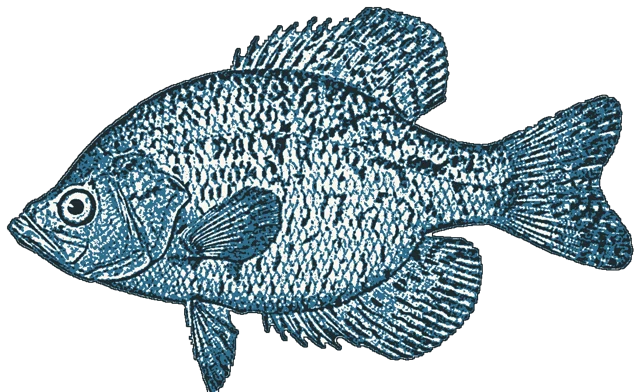 Black crappie
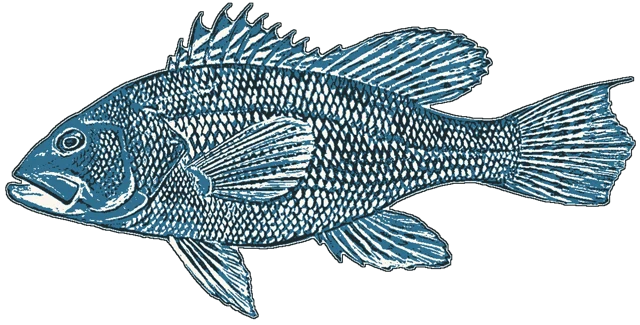 Black sea bass“blackfish”
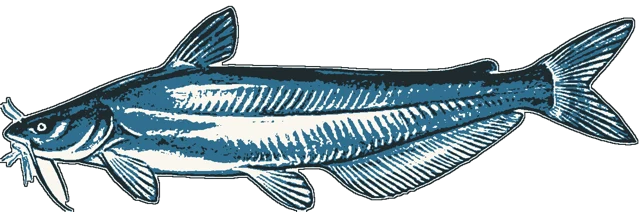 Blue catfish
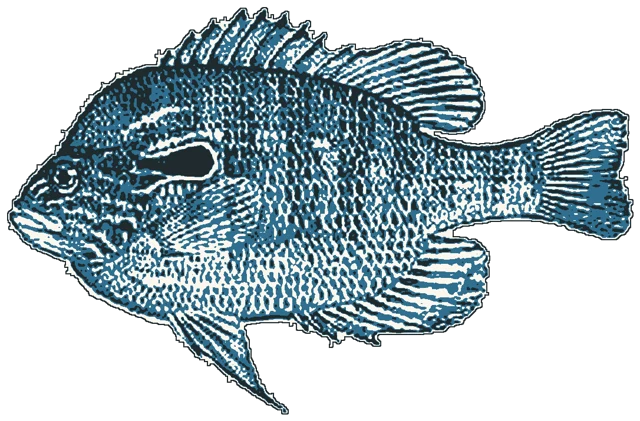 Bluegill“brim”
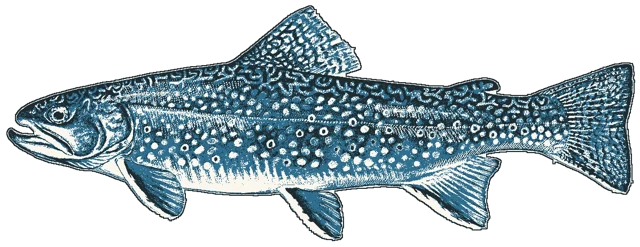 Brook trout
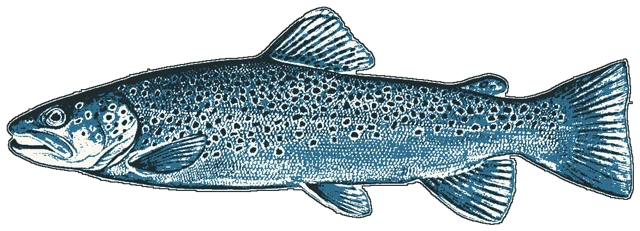 Brown trout
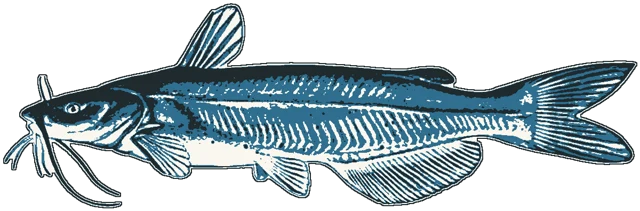 Channel catfish
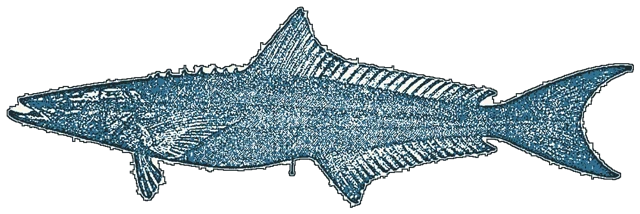 Cobia“ling”
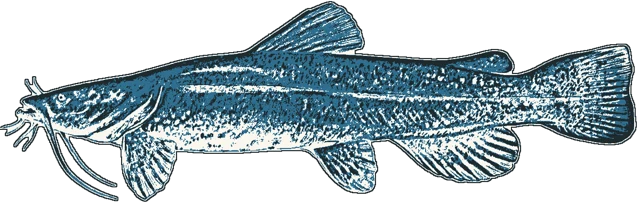 Flathead catfish
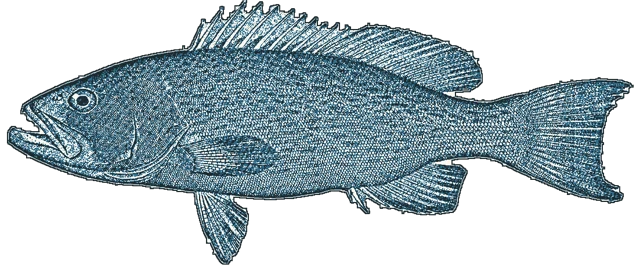 Gag“black grouper”
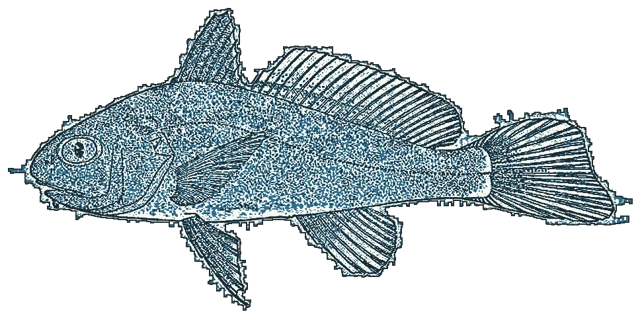 Kingfish (whiting)“sea mullet”
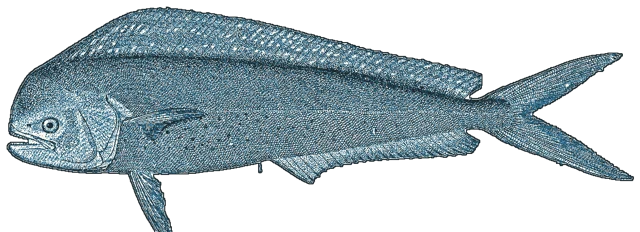 Mahi-mahi“dolphin”
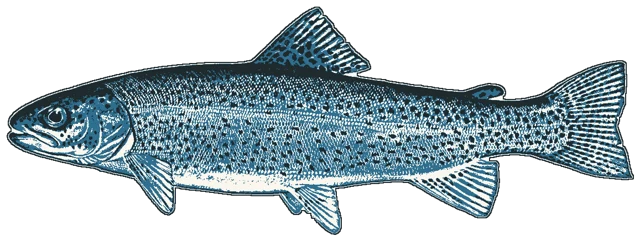 Rainbow trout
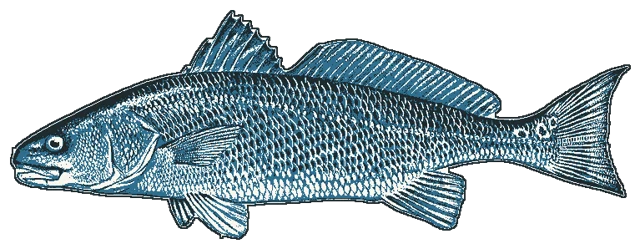 Red drum“puppy drum (slot-size fish)”
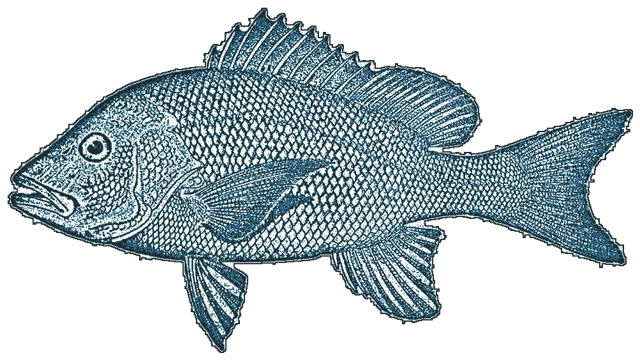 Red snapper
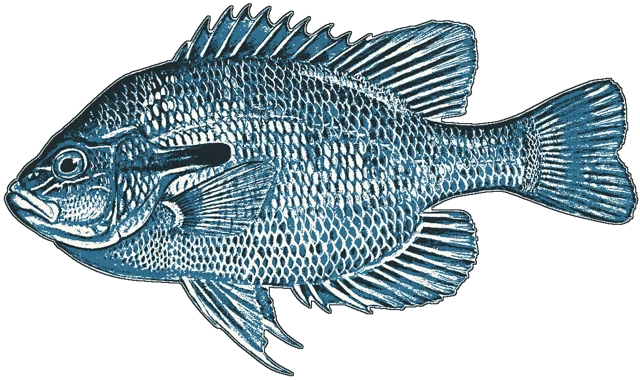 Redbreast sunfish
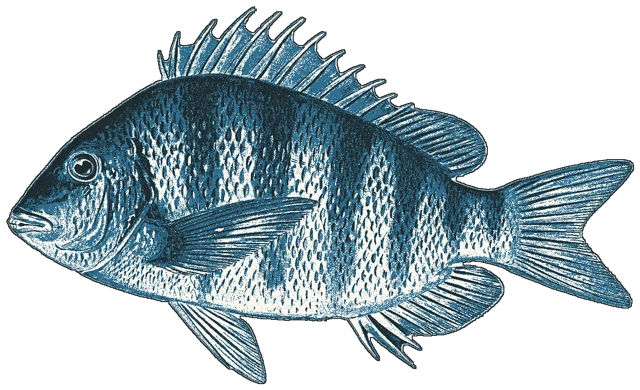 Sheepshead“convict fish”
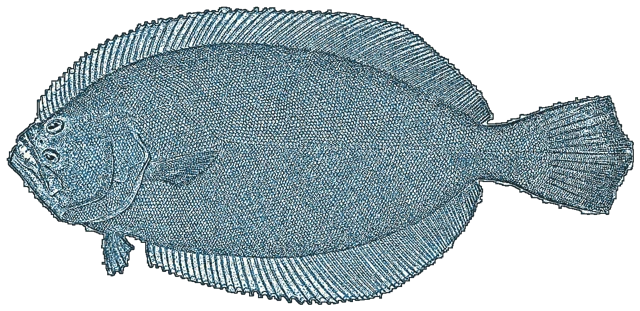 Southern flounder
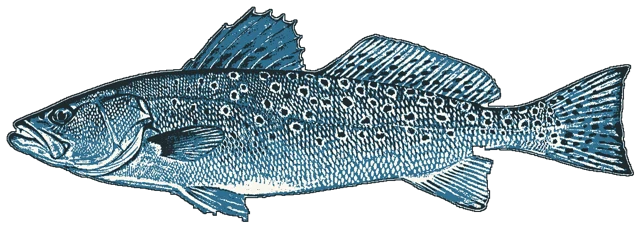 Spotted seatrout“speckled trout”
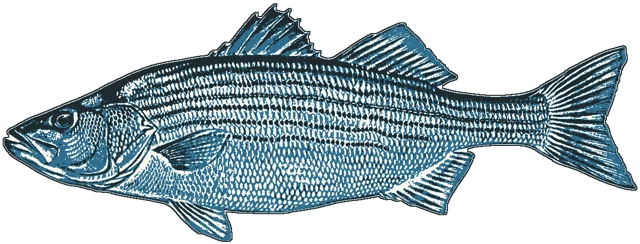 Striped bass“rockfish”
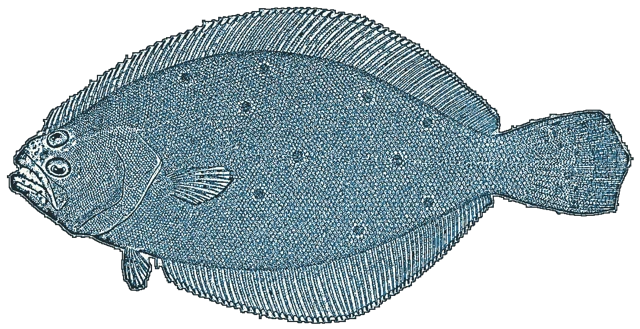 Summer flounder“fluke”
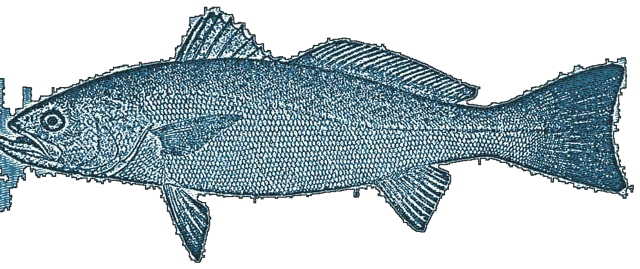 Weakfish“gray trout”
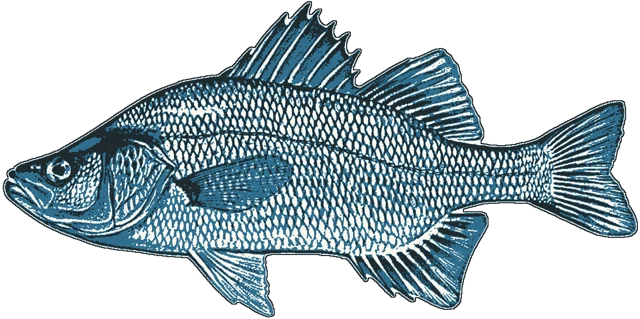 White perchYellowfin tuna
Just OK13
Garbage fish3
What’s actually caught in North Carolina
NOAA's Marine Recreational Information Program (MRIP) estimates how many fish saltwater anglers catch in each coastal state. Numbers below are totals for 2023-2025, three years combined, kept plus released. NOAA recalibrated its survey in 2026, so its current query tool may show lower totals, and a different order, than the 2023-2025 estimate files used here.
- Pinfish Garbage fish#1 by total catch (about 36.5 million, 9% kept); mostly a bait stealer and live bait
- Bluefish Just OK#2 by total catch (about 18.4 million)
- Atlantic croaker Just OK#3 (about 18.3 million)
- Spotted seatrout Best eating#4 (about 12.5 million)
- Kingfish (whiting) Best eatingKingfish species combined about 15.7 million ('sea mullet')
- Spot Just OK#6 (about 8.95 million)
- Spanish mackerel Just OK#7 (about 7.68 million, 51% kept)
- Black sea bass Best eating#8 (about 7.59 million)
- Southern flounder Best eatingAbout 6.67 million unidentified flounder caught (#9), mostly released
- Northern puffer Just OK#10 (about 5.55 million)
- Red drum Best eatingState saltwater fish; MRIP NC 2023-2025 #12 (about 4.41 million)
- Sheepshead Best eating#14 (about 2.72 million)
- Black drum Just OK#20 (about 1.79 million)
- Weakfish Best eating#21 (about 1.58 million)
- Mahi-mahi Best eating#30, 94% kept: the most-harvested Gulf Stream species
Source: NOAA Fisheries recreational catch estimates (MRIP) . Saltwater only: it does not survey freshwater fishing.
Fish by fish
Why each one sits where it does, the current North Carolina limits, and the bait that works.
Black crappie
Pomoxis nigromaculatus · Freshwater
One of the classic fish-fry fish: MeatEater counts crappie among the best-eating fish in freshwater.
- Tastes
- mild, sweet, delicate, flaky, white
- Limits
- Light regs. No statewide size or creel limit for black or white crappie. But most major crappie waters have limits: 8 in minimum and 20 per day combined on listed waters including Jordan, Falls (downstream waters), Lake Norman and Shearon Harris, plus all other public waters east of I-95 (except Tar River Reservoir, Sutton Lake and the Roanoke River) and all public waters west of I-77 (except Lake Chatuge); John H. Kerr Reservoir 9 in and 25 per day; Lake Mattamuskeet and the Roanoke, Cashie, Middle and Eastmost rivers below Roanoke Rapids Dam 10 in and 20 per day; Buckhorn Reservoir 20 per day; Lake Chatuge 30 per day. Check the water before keeping fish. (2026-27 NCWRC inland regulations, effective Aug 1, 2026 (eRegulations page updated Jul 13, 2026)) Source
- Where
- Brush piles, fallen trees and shorelines in the reservoirs and rivers listed above.
- small jigs
- minnows
- silver spoons
- flies
- spinners
- fish hides or 'hurdles' of sunk Christmas trees
- Do not eat (anyone): any fish from Brier Creek, Brier Creek Reservoir, Little Brier Creek or its tributaries (Wake County, PCBs).
- Do not eat (under 15, pregnant, nursing or may become pregnant): black crappie from any NC water (mercury), or any fish from Lake Crabtree (PCBs).
- Limit (everyone else): 1 serving a week, statewide.
- Limit (everyone else): 1 meal a month from Lake Crabtree.
Black sea bass
Centropristis striata · also called blackfish, pinbass, old humpback · Saltwater
Mild, delicate, firm white fillets; Maine Sea Grant calls it popular for its firm texture and mild, slightly sweet flavor.
- Tastes
- mild, fresh, delicate, tender but firm
- Limits
- Light regs. 13 in total length minimum (excluding tail filament) statewide. North of Cape Hatteras (35 15.3' N): 15 per person per day, open May 1-Dec 31, 2026 only. South of Cape Hatteras: 7 per person per day, no closed season listed; snapper-grouper gear rules apply (non-offset, non-stainless circle hooks with natural bait and a descending device aboard). (FF-24-2026 (north of Hatteras, effective May 1, 2026) and FF-45-2026 (south of Hatteras, effective Oct 28, 2026)) Source
- Best months
- Jun-Nov (MRIP share 10-15% per month)
- Where
- Hard bottom, wrecks and artificial reefs offshore; juveniles in high-salinity sounds in summer.
- squid strips
- cut fish strips
Blue catfish
Ictalurus furcatus · Freshwater
TPWD calls it an excellent food fish; Maryland DNR says blues are very good to eat.
- Tastes
- mild, firm
- Limits
- Light regs. No statewide size or creel limit. On Badin Lake, the Dan River below Union St. Dam, Lake Gaston, John H. Kerr Reservoir, Mountain Island Reservoir, Lake Norman, Roanoke Rapids Reservoir, Lake Tillery and Lake Wylie, only 1 blue catfish over 32 in may be kept per day (no limit under 32 in). Pee Dee River below Blewett Falls Dam: 5 catfish per day combined. (2026-27 NCWRC inland regulations, effective Aug 1, 2026 (eRegulations page updated Jul 13, 2026)) Source
- Where
- Cape Fear River, Yadkin-Pee Dee impoundments (High Rock, Badin, Tillery), Lake Norman, Kerr and Gaston.
- cut gizzard shad (preferred)
- live fish
- crayfish
- clams
- shrimp
- stink bait
- Large, old blue catfish accumulate contaminants; some water bodies have size-based consumption advisories.
- Do not eat (anyone): blue catfish from Lake Crabtree (PCBs).
- Do not eat (anyone): any fish from Brier Creek, Brier Creek Reservoir, Little Brier Creek or its tributaries (Wake County, PCBs).
- Do not eat (under 15, pregnant, nursing or may become pregnant): wild catfish from any NC water (mercury).
- Named for that group too: Mountain Island Lake, western Albemarle Sound, the lower Roanoke, Welch Creek, High Rock, Badin, Falls (Yadkin River) and Tillery lakes, the Yadkin-Pee Dee, the lower Cape Fear, the Brunswick River and Sturgeon Creek.
Meal limits and other waters (3)
- Limit (everyone else): 1 serving a week, any size, statewide.
- Limit (everyone else): 7 meals a year from the Cape Fear between Fayetteville (I-95) and the Bluffs (I-140), combined with channel catfish and American shad (PFOS).
- Limit (everyone else): 1 meal a month from Mountain Island Lake (PCBs), from western Albemarle Sound, the Roanoke below the US 17 bridge at Williamston and Welch Creek (dioxins), and from Crabtree Creek, Walnut Creek, Rocky Branch and the Neuse from Crabtree Creek to Auburn-Knightdale Road (PCBs).
Bluegill
Lepomis macrochirus · also called brim, bream · Freshwater
MeatEater calls the flesh light, delicate and sweet; the original fish-fry panfish.
- Tastes
- mild, sweet, firm, flaky
- Limits
- Light regs. No statewide limit. On listed rivers (Cape Fear; Deep River below Lockville Dam; Haw River below Jordan Lake Dam; Lumber River incl. Drowning Creek; Neuse River below Falls Lake Dam; Roanoke River below Roanoke Rapids Dam; Tar River below Tar River Reservoir Dam; Waccamaw River below Lake Waccamaw Dam) and all public waters east of I-95 except Tar River Reservoir: 30 sunfish per day combined, no more than 12 redbreast. Jordan and Falls lakes themselves have no sunfish limit. (2026-27 NCWRC inland regulations, effective Aug 1, 2026 (eRegulations page updated Jul 13, 2026)) Source
- Where
- Statewide except cold mountain streams; near vegetation, brush piles, fallen logs and docks.
- garden worms
- crickets
- small spinners
- flies
- No. 10 hooks
- Do not eat (anyone): any fish from Brier Creek, Brier Creek Reservoir, Little Brier Creek or its tributaries (Wake County, PCBs).
- Do not eat (under 15, pregnant, nursing or may become pregnant): bluegill from the Cape Fear River from the Fayetteville boat ramp near I-95 to the Bluffs near I-140 (PFOS), or any fish from Lake Crabtree (PCBs).
Meal limits and other waters (5)
- Limit (everyone else): 1 meal a year from that Cape Fear stretch, combined with redear, largemouth, striped bass and flathead catfish.
- Limit (everyone else): 1 meal a month from Lake Crabtree.
- Limit (everyone): 1 meal a week from the Northeast Cape Fear River, Davis Creek, Burnt Mill Creek (arsenic, hexavalent chromium, mercury), Walnut Creek or Rocky Branch (PCBs).
- The Cape Fear near Riegelwood is also listed at 1 meal a week (hexavalent chromium), but it lies inside the 1-a-year PFOS stretch.
- Limit, other NC waters (low-mercury list): up to 4 servings a week, or up to 2 for people under 15, pregnant, nursing or who may become pregnant.
Brook trout
Salvelinus fontinalis · Freshwater
Often called the tastiest trout: MeatEater describes the meat as light and delicate with an almost sweet flavor.
- Tastes
- sweet, delicate, light, delicate
- Limits
- Heavy regs. Set by water designation (2026-27). Hatchery Supported: 7 per day, no size or bait limits, closed Mar 1 until 7 a.m. on the first Saturday in April (Apr 3, 2027). Delayed Harvest: Oct 1-Jun 4, 2027 no trout may be kept and only single-hook artificial lures (no natural bait in possession); youth under 16 only 6 a.m.-noon Jun 5, 2027, then Hatchery Supported rules. Wild Trout: 4 per day, 7 in minimum, single-hook artificial lures only, open all year. Catch-and-release artificial flies/lures waters: no harvest. Undesignated trout waters: 7 per day, no closed season. Special-regulation waters differ (e.g., Catawba River below Muddy Creek 14 in, 2 per day). (2026-27 trout regulations, Aug 1, 2026-Jul 31, 2027) Source
- Best months
- Spring stocking season; wild-trout streams open year-round
- Where
- Small mountain streams, many designated Wild Trout waters.
- dry flies, nymphs and streamers
- worms and corn for hatchery fish (where bait is allowed)
- small spinners and spoons
Before you eat it: NC statewide mercury advisory lists it among low-mercury fish: up to 4 servings a week for most people, up to 2 a week for people who are pregnant, nursing or may become pregnant and children under 15. (listed as 'Trout').
Brown trout
Salmo trutta · Freshwater
Good trout eating like rainbows; most kept browns are stocked fish.
- Tastes
- mild to rich, flaky
- Limits
- Heavy regs. Set by water designation (2026-27). Hatchery Supported: 7 per day, no size or bait limits, closed Mar 1 until 7 a.m. on the first Saturday in April (Apr 3, 2027). Delayed Harvest: Oct 1-Jun 4, 2027 no trout may be kept and only single-hook artificial lures (no natural bait in possession); youth under 16 only 6 a.m.-noon Jun 5, 2027, then Hatchery Supported rules. Wild Trout: 4 per day, 7 in minimum, single-hook artificial lures only, open all year. Catch-and-release artificial flies/lures waters: no harvest. Undesignated trout waters: 7 per day, no closed season. Special-regulation waters differ (e.g., Catawba River below Muddy Creek 14 in, 2 per day). (2026-27 trout regulations, Aug 1, 2026-Jul 31, 2027) Source
- Best months
- Spring stocking season and fall-spring Delayed Harvest; low-light and post-rain periods for big fish (NCWRC)
- Where
- Public Mountain Trout Waters across western NC.
- worms and corn for hatchery fish (where bait is allowed)
- dry flies, nymphs and streamers
- small spinners, spoons and crankbaits
Before you eat it: NC statewide mercury advisory lists it among low-mercury fish: up to 4 servings a week for most people, up to 2 a week for people who are pregnant, nursing or may become pregnant and children under 15. (listed as 'Trout').
Channel catfish
Ictalurus punctatus · Freshwater
Very good to eat (Maryland DNR) and delicious when cooked (TPWD), and the basis of US catfish farming.
- Tastes
- mild, sweet, firm, moist
- Limits
- No limits. No statewide size or creel limit. 7 per day in specified county community ponds; Pee Dee River below Blewett Falls Dam: 5 catfish per day combined. (2026-27 NCWRC inland regulations, effective Aug 1, 2026 (eRegulations page updated Jul 13, 2026)) Source
- Best months
- April, May, September and October; most active sunset to midnight (NCWRC)
- Where
- Black, Cape Fear (do not eat from Riegelwood Landing to Livingston Creek), Lumber, Neuse and Yadkin/Pee Dee rivers; Community Fishing Program ponds.
- stink baits
- cut fish
- chicken livers
- cheese
- shrimp
- crayfish
- Do not eat (anyone): channel catfish from Mountain Island Lake or Lake Crabtree (PCBs), or the Cape Fear River between Riegelwood Landing and Livingston Creek (hexavalent chromium, mercury).
- Do not eat (anyone): any fish from Brier Creek, Brier Creek Reservoir, Little Brier Creek or its tributaries (Wake County, PCBs).
- Do not eat (under 15, pregnant, nursing or may become pregnant): wild catfish from any NC water (mercury).
- Named for that group too: western Albemarle Sound, the lower Roanoke, Welch Creek, High Rock, Badin, Falls (Yadkin River) and Tillery lakes, the Yadkin-Pee Dee, the lower Cape Fear, the Brunswick River and Sturgeon Creek.
Meal limits and other waters (3)
- Limit (everyone else): 1 serving a week, any size, statewide.
- Limit (everyone else): 7 meals a year from the Cape Fear between Fayetteville (I-95) and the Bluffs (I-140), combined with blue catfish and American shad (PFOS, July 2023 notice).
- Limit (everyone else): 1 meal a month from western Albemarle Sound, the Roanoke below the US 17 bridge at Williamston and Welch Creek (dioxins), and from Crabtree Creek, Walnut Creek, Rocky Branch and the Neuse from Crabtree Creek to Auburn-Knightdale Road (PCBs).
Cobia
Rachycentron canadum · also called ling, lemonfish · Saltwater
Firm, white, sweet meat; TPWD calls it an exceptionally fine food fish.
- Tastes
- sweet, rich, firm, lean, moist
- Limits
- Heavy regs. Recreational season May 1-Dec 31, 2026; 36 in fork length minimum; 1 per person per day. Private boats: 2 per vessel May 1-Jun 30 (1 if only one person aboard), 1 per vessel Jul 1-Dec 31. For-hire: 4 per vessel (or 1 per person if fewer than 4 aboard). Closed Jan 1-Apr 30. (Proclamation FF-4-2026, effective Jan 1, 2026 (recreational season May 1-Dec 31, 2026)) Source
- Best months
- May peak (MRIP share 35%), Jun-Sep (14-17% each)
- Where
- Inlets and buoys or markers, nearshore reefs and wrecks, ends of ocean piers.
- bucktails sight-cast to cruising fish
- live bait near reefs and wrecks
- fly tackle
Before you eat it: NC statewide mercury advisory lists it among high-mercury fish: no more than 1 serving a week for most people; people who are pregnant, nursing or may become pregnant and children under 15 should not eat it.
Flathead catfish
Pylodictis olivaris · Freshwater
Widely considered the best-tasting catfish because it eats live fish instead of scavenging; Maryland DNR notes its mild, white flesh.
- Tastes
- mild, clean, firm, white
- Limits
- No limits. No statewide size or creel limit; Pee Dee River below Blewett Falls Dam: 5 catfish per day combined. (2026-27 NCWRC inland regulations, effective Aug 1, 2026 (eRegulations page updated Jul 13, 2026)) Source
- Where
- Cape Fear River and Yadkin River impoundments.
- live shad
- live panfish
- live bullheads
- crawfish
- Do not eat (anyone): flathead catfish from Lake Crabtree (PCBs).
- Do not eat (anyone): any fish from Brier Creek, Brier Creek Reservoir, Little Brier Creek or its tributaries (Wake County, PCBs).
- Do not eat (under 15, pregnant, nursing or may become pregnant): wild catfish from any NC water (mercury).
- Named for that group too: the Cape Fear between Fayetteville (I-95) and the Bluffs (I-140) (PFOS), the lower Cape Fear, the Brunswick River, Sturgeon Creek, western Albemarle Sound, the lower Roanoke, Welch Creek, High Rock, Badin, Falls (Yadkin River) and Tillery lakes, and the Yadkin-Pee Dee.
Meal limits and other waters (3)
- Limit (everyone else): 1 serving a week, any size, statewide (Burnt Mill Creek in Wilmington is listed at 1 a week for hexavalent chromium).
- Limit (everyone else): 1 meal a year from that PFOS stretch, combined with bluegill, redear, largemouth and striped bass.
- Limit (everyone else): 1 meal a month from western Albemarle Sound, the Roanoke below the US 17 bridge at Williamston and Welch Creek (dioxins), and from Crabtree Creek, Walnut Creek, Rocky Branch and the Neuse from Crabtree Creek to Auburn-Knightdale Road (PCBs).
Gag
Mycteroperca microlepis · also called black grouper · Saltwater
Mild, firm, moist fillets (NOAA); LSU Sea Grant rates food value excellent.
- Tastes
- mild but distinct, firm, moist, flaky
- Limits
- Heavy regs. 24 in total length minimum. 2026 season was May 1-Aug 1 only (now closed). 1 gag or black grouper per person per day within the 3-fish grouper/tilefish aggregate; private vessels no more than 2 gag/black grouper per vessel per day; for-hire 2 per vessel per trip and captain and crew may not keep any. Non-offset, non-stainless circle hooks with natural bait and a descending device aboard are required. Federal Regulatory Amendment 36 rules. (Proclamation FF-45-2026 (Regulatory Amendment 36), effective Oct 28, 2026) Source
- Best months
- Harvest only during the federal season (May 1-Aug 1 in 2026); MRIP shows most encounters in Sep-Oct, when they must be released
- Where
- Offshore hard bottom 60-250 ft, ledges, wrecks and artificial reefs.
- live cigar minnows
- squid
- bottom rigs over ledges, rock piles and wrecks
- Ciguatera cases have been reported (Florida Museum).
Before you eat it: NC statewide mercury advisory lists it among high-mercury fish: no more than 1 serving a week for most people; people who are pregnant, nursing or may become pregnant and children under 15 should not eat it. (listed as 'South Atlantic grouper').
Kingfish (whiting)
Menticirrhus spp. (M. americanus, M. littoralis, M. saxatilis) · also called sea mullet, Virginia mullet, roundhead · Saltwater
Firm, white, mild fillets with good flavor; small, but no smaller than the bluegill and crappie we also rate best. Fried whole or filleted, it's the Carolinas' favorite pier fish ("sea mullet" in NC).
- Tastes
- mild, sweet, firm, white
- Limits
- No limits. No state size or creel limit: kingfishes are not listed on DMF's recreational size and bag limit table. (DMF recreational size and bag limit table, effective Nov 1, 2026) Source
- Best months
- Apr-May and Oct-Nov (MRIP: southern kingfish 49% of catch in April, 25% in November)
- Where
- Ocean piers, surf, jetties and nearshore boats; often caught while fishing for gray trout.
- shrimp
- sand fleas (mole crabs)
- bloodworms
- squid
- two-hook bottom rigs
- spec rigs and jigs
Before you eat it: NC statewide mercury advisory lists it among low-mercury fish: up to 4 servings a week for most people, up to 2 a week for people who are pregnant, nursing or may become pregnant and children under 15. (listed as 'Southern Kingfish').
Mahi-mahi
Coryphaena hippurus · also called dolphin, dolphinfish, dorado · Saltwater
Sweet, mild, moist fish that is easy to catch and kept by almost everyone who catches it (NOAA; LSU Sea Grant: very good).
- Tastes
- sweet, mild, lean, fairly firm, large moist flakes
- Limits
- Light regs. No size limit; 10 per person per day and no more than 54 per vessel per trip (whichever is less); headboats 10 per paying customer; no sale of bag-limit fish from charter or head boats. (Proclamation FF-30-2022 (May 2, 2022); 10/day confirmed on DMF table effective Nov 1, 2026) Source
- Best months
- May-Jul (MRIP share: Jun 32%, Jul 30%, May 16%)
- Where
- Offshore along the Gulf Stream and sargassum weedlines; sometimes within 10 miles of shore in summer.
- trolled ballyhoo and artificials
- 'bailing' with a hooked fish kept in the water to hold the school
- Mahi appear on Florida's list of ciguatera-associated fish (UF/Florida DOH study); risk is low.
Before you eat it: NC statewide mercury advisory lists it among low-mercury fish: up to 4 servings a week for most people, up to 2 a week for people who are pregnant, nursing or may become pregnant and children under 15. (listed as 'Mahi-mahi').
Rainbow trout
Oncorhynchus mykiss · Freshwater
TPWD calls rainbow trout an excellent fish to eat; the most-stocked put-and-take fish in America.
- Tastes
- mild, clean, delicate, flaky
- Limits
- Heavy regs. Set by water designation (2026-27). Hatchery Supported: 7 per day, no size or bait limits, closed Mar 1 until 7 a.m. on the first Saturday in April (Apr 3, 2027). Delayed Harvest: Oct 1-Jun 4, 2027 no trout may be kept and only single-hook artificial lures (no natural bait in possession); youth under 16 only 6 a.m.-noon Jun 5, 2027, then Hatchery Supported rules. Wild Trout: 4 per day, 7 in minimum, single-hook artificial lures only, open all year. Catch-and-release artificial flies/lures waters: no harvest. Undesignated trout waters: 7 per day, no closed season. Special-regulation waters differ (e.g., Catawba River below Muddy Creek 14 in, 2 per day). (2026-27 trout regulations, Aug 1, 2026-Jul 31, 2027) Source
- Best months
- Hatchery Supported opening day (first Saturday in April) and spring stocking; Delayed Harvest catch-and-release Oct-early June
- Where
- Public Mountain Trout Waters across western NC (NCWRC trout map), e.g. the Davidson River in Pisgah National Forest.
- worms
- corn (where bait is allowed)
- dry flies, nymphs and streamers
- small spinners, spoons and crankbaits
Before you eat it: NC statewide mercury advisory lists it among low-mercury fish: up to 4 servings a week for most people, up to 2 a week for people who are pregnant, nursing or may become pregnant and children under 15. (listed as 'Trout').
Red drum
Sciaenops ocellatus · also called puppy drum (slot-size fish), channel bass, redfish, spottail bass · Saltwater
Slot-size reds are firm, mild, white-fleshed fish that anglers keep specifically to eat; blackened redfish made the species famous.
- Tastes
- mild, slightly sweet, firm, moist, large flakes; coarse in big fish
- Limits
- Heavy regs. 18-27 in total length slot, 1 per person per day; fish over 27 in may not be kept; no gigging, spearing or gaffing. For red drum in inland waters, DMF refers anglers to NCWRC rules. Kept fish must be reported to DMF when the trip ends (mandatory since Dec 1, 2025). (DMF recreational size and bag limit table, effective Nov 1, 2026) Source
- Best months
- Aug-Nov peak (MRIP share of NC catch: Sep 24%, Aug 15%, Nov 12%); caught year-round
- Where
- Outer Banks surf and inlets, sounds and creeks coast-wide; trophy catch-and-release 'big drum' around the mouths of the Neuse and Pamlico rivers in Pamlico Sound.
- live finger mullet
- cut mullet
- live shrimp
- mud minnows
- blue crab
- gold spoon
- Slot-size fish eat best; large 'bull reds' are coarse and are usually released.
Before you eat it: Do not eat (anyone): red drum from the Brunswick River near the US 74/US 17 bridge (hexavalent chromium). Limit, other NC waters (low-mercury list): up to 4 servings a week, or up to 2 for people who are pregnant, nursing or may become pregnant and children under 15.
Red snapper
Lutjanus campechanus · Saltwater
Sweet, firm, succulent white fillets; Florida Sportsman's pick for best-eating bottom fish, and TPWD calls the throats a delicacy.
- Tastes
- sweet, mild, distinctive, semi-firm, lean, moist
- Limits
- Heavy regs. Unlawful to possess except during the federal mini-season: Oct 9-11, 2026 only, 1 per person per day, no minimum size. Otherwise listed with prohibited finfish. Circle hooks with natural bait and a descending device aboard are required. (Proclamation FF-40-2026 (2026 season Oct 9-11); closure continued in FF-45-2026 (Oct 28, 2026)) Source
- Best months
- Harvest only on the federal season days (Oct 9-11 in 2026); MRIP encounters peak May-Jul, all released
- Where
- Offshore reefs and wrecks.
- squid
- cigar minnows
- live pinfish
- tomtates
- bonito or amberjack strips
- menhaden
Redbreast sunfish
Lepomis auritus · Freshwater
A favorite river panfish across the Southeast; MeatEater counts panfish among the best-eating fish in freshwater.
- Tastes
- mild, sweet, flaky
- Limits
- Light regs. No statewide limit. On listed waters with a sunfish limit: no more than 12 redbreast within 30 sunfish per day. (2026-27 NCWRC inland regulations, effective Aug 1, 2026 (eRegulations page updated Jul 13, 2026)) Source
- Best months
- Year-round; can also be caught at night (NCWRC)
- Where
- Most major river systems, best in central-NC streams with cover and current; sparse in the Chowan and Pasquotank.
- small natural baits
- spinners
- small spoons and plugs
- flies and popping bugs
- line under 4 lb
- Do not eat (anyone): any fish from Brier Creek, Brier Creek Reservoir, Little Brier Creek or its tributaries (Wake County, PCBs).
- Do not eat (under 15, pregnant, nursing or may become pregnant): any fish from Lake Crabtree (PCBs).
- On the Cape Fear River from the Fayetteville boat ramp near I-95 to the Bluffs near I-140, redbreast is not listed, but the state says untested fish there likely hold similar PFOS. The limit there for bluegill and redear is 1 meal a year, none for people under 15, pregnant, nursing or who may become pregnant.
- Limit (everyone else): 1 meal a month from Lake Crabtree.
- Limit (everyone): 1 meal a week from Walnut Creek or Rocky Branch (Wake County, PCBs).
Sheepshead
Archosargus probatocephalus · also called convict fish · Saltwater
Fine, white, mild flesh that agencies call excellent; the only knock is that the heavy scales and spines make it a chore to clean.
- Tastes
- mild, sweet (shellfish diet), firm, white, fine flake
- Limits
- Heavy regs. 14 in total length minimum, 5 per person per day (or per trip, whichever is less). Changed in February 2026 (FF-14-2026, superseded by FF-16-2026): the Jan 26, 2026 DMF guide still showed 10 in fork length and 10 per day. (Proclamation FF-16-2026, effective Mar 16, 2026) Source
- Best months
- May-Nov (MRIP share 10-16% each month, peak November)
- Where
- Pilings, bridges, jetties, docks, wrecks and reefs.
- fiddler crabs
- barnacles
- oysters
- clams
- crabs
- shrimp
- Sharp gill covers and dorsal spines; heavy scales make filleting slow (TPWD).
Before you eat it: NC statewide mercury advisory lists it among low-mercury fish: up to 4 servings a week for most people, up to 2 a week for people who are pregnant, nursing or may become pregnant and children under 15.
Southern flounder
Paralichthys lethostigma · Saltwater
Lean, white, mild fillets; TPWD says its reputation as table fare is unsurpassed in Texas.
- Tastes
- mild, sweet, lean, fine, delicate flakes
- Limits
- Heavy regs. Harvest open only Sept 1-14 in 2026: 15 in total length minimum, 1 flounder per person per day, hook and line or gig only; no harvest with a Recreational Commercial Gear License. The rule covers all flounder species in coastal, joint and inland waters and the ocean. Exception: a spring Gulf flounder season in ocean waters only, from the north end of Portsmouth Island to the SC line (Mar 9-22, 2026; 1 fish, 15 in). Unlawful to possess the rest of the year. Kept fish must be reported to DMF when the trip ends (mandatory since Dec 1, 2025). (Proclamation FF-27-2026 (season Sept 1-14, 2026); WRC inland season matches (15A NCAC 10C .0307); 2027 dates not yet set) Source
- Best months
- Harvest only Sept 1-14 (2026); MRIP shows 96% of kept southern flounder in September; catch-and-release Jun-Oct (unidentified flounder catch peaks Jun-Sep)
- Where
- Estuaries, under bridges and docks, inlets and the nearshore ocean; night gigging on shallow sound flats.
- live finger mullet on a single-hook rig
- jigs worked along soundside marshes
- artificial lures
- gigs at night from lighted boats
Before you eat it: NC statewide mercury advisory lists it among low-mercury fish: up to 4 servings a week for most people, up to 2 a week for people who are pregnant, nursing or may become pregnant and children under 15. (listed as 'Flounder').
Spotted seatrout
Cynoscion nebulosus · also called speckled trout, specks, speck · Saltwater
Excellent flavor and delicate texture; one of the most-kept inshore fish from the Carolinas to Texas.
- Tastes
- mild, sweet, delicate, soft to medium, fine flake
- Limits
- Heavy regs. 14-20 in total length slot, except 1 fish over 26 in may be kept; 3 per person per day. Under Amendment 1, a significant cold-stun event closes all harvest through spring: the fishery closed Feb 6, 2026 and reopened Jul 1, 2026 (it also closed after cold stuns in winter 2025). Kept fish must be reported to DMF when the trip ends (mandatory since Dec 1, 2025). (Proclamation FF-31-2026, effective Jul 1, 2026 (in force Nov 21, 2026)) Source
- Best months
- Oct-Nov peak (MRIP share: Oct 17%, Nov 17%), secondary May-Jun; harvest can close after winter cold stuns
- Where
- Sounds, creeks, grass beds and marsh edges coast-wide; piers and surf in fall.
- live shrimp under a float
- live minnows under a float
- scented soft plastics
- soft plastics and other artificial lures on light spinning tackle
- Ice immediately; the meat loses quality quickly in warm weather (TPWD).
- Some fish carry harmless 'spaghetti worm' tapeworm larvae along the backbone (TPWD, Florida Museum).
Before you eat it: NC statewide mercury advisory lists it among low-mercury fish: up to 4 servings a week for most people, up to 2 a week for people who are pregnant, nursing or may become pregnant and children under 15. (listed as 'Speckled Trout').
Striped bass
Morone saxatilis · also called rockfish, rock, striper · Fresh and salt
Firm, large-flaked, slightly sweet white meat; one of the most kept and eaten gamefish in the country, fresh or salt.
- Tastes
- mild, slightly sweet, firm, large flakes
- Limits
- Heavy regs. Depends on the water. Inland reservoirs statewide: 20 in minimum, 4 per day (striped bass and hybrids combined), with exceptions (Lake Gaston: 20 in Oct 1-May 31, no minimum Jun-Sep; Roanoke Rapids Reservoir: same as Lake Gaston, 4 per day; Dan River below Danville and John H. Kerr Reservoir: 20 in minimum with none over 26 in and 2 per day Oct 1-May 31, no minimum and 4 per day Jun-Sep; Hyco and several small lakes 16 in). Roanoke River Management Area (up to Roanoke Rapids dam): harvest closed by proclamation in 2026. Albemarle Sound Management Area: closed since Mar 12, 2023. Central Southern area: only the upper Tar-Pamlico and Neuse opened Apr 1-30, 2026 (18 in minimum, none 22-27 in, 1 per day); Cape Fear River and tributaries closed by rule; rest of the area closed. Atlantic Ocean 0-3 mi: open year-round, 28-31 in slot, 1 per day, non-offset non-stainless circle hooks with natural bait, no gaffs. No gigging, spearing or gaffing anywhere in coastal waters. Kept fish must be reported to DMF when the trip ends (mandatory since Dec 1, 2025). (2026: NCWRC striped bass page and Mar 20, 2026 WRC proclamation; DMF FF-19-2026 (Apr 1-30, 2026), FF-17-2023 (Albemarle closed), FF-25-2023(REVISED) (ocean slot); inland limits 2026-27 NCWRC inland regulations, effective Aug 1, 2026 (eRegulations page updated Jul 13, 2026)) Source
- Where
- Lake Norman, Kerr Lake, Lake Gaston and other reservoirs; Roanoke River at Weldon (catch-and-release in 2026); upper Tar and Neuse in April; ocean off the Outer Banks.
- natural bait floated or fished on the bottom
- trolled artificials
- bucktails and jigs
- surf spoons and heavy lures
- Consumption advisories for striped bass vary from state to state (NOAA).
- Do not eat (under 15, pregnant, nursing or may become pregnant): striped bass from the Dan River in Caswell County below Danville, VA (mercury), or from the Cape Fear River from the Fayetteville boat ramp near I-95 to the Bluffs near I-140 (PFOS).
Meal limits and other waters (4)
- Limit (everyone else): 1 meal a year from that Cape Fear stretch, combined with bluegill, redear, largemouth and flathead catfish.
- Limit (everyone else): 1 meal a week from the Dan River in Caswell County.
- Limit (everyone): 2 meals a week from the Brunswick River, Sturgeon Creek, and the Cape Fear from just above the Brunswick River to the US 17 bridge (mercury).
- Hybrid striped bass from Lake Norman: no more than 2 meals a week, everyone (PCBs).
Summer flounder
Paralichthys dentatus · also called fluke · Saltwater
Delicate, fine-flaked white fillets; one of the most sought-after table fish from New England to North Carolina.
- Tastes
- delicate, mild, flaky and fine
- Limits
- Heavy regs. Covered by the all-species flounder rule: harvest only Sept 1-14 in 2026, 15 in total length minimum, 1 flounder per person per day combined; unlawful to possess the rest of the year. Kept fish must be reported to DMF when the trip ends (mandatory since Dec 1, 2025). (Proclamation FF-27-2026 (season Sept 1-14, 2026)) Source
- Best months
- Harvest only Sept 1-14 (2026); MRIP shows nearly all identified kept fish in September
- Where
- Surf, ocean piers, inlets (drifting) and nearshore wrecks and hard bottom, mostly north of Cape Lookout.
- cut bait
- shrimp
- live minnows on flounder rigs
- small bucktails and jigs
Before you eat it: NC statewide mercury advisory lists it among low-mercury fish: up to 4 servings a week for most people, up to 2 a week for people who are pregnant, nursing or may become pregnant and children under 15. (listed as 'Flounder').
Weakfish
Cynoscion regalis · also called gray trout, trout · Saltwater
A close cousin of the speckled trout with the same sweet, delicate fillets; ASMFC describes it as known for its delicious taste.
- Tastes
- mild, sweet
- Limits
- Heavy regs. 12 in total length minimum, 1 per person per day. Kept fish must be reported to DMF when the trip ends (mandatory since Dec 1, 2025). (DMF recreational size and bag limit table, effective Nov 1, 2026) Source
- Best months
- April peak (MRIP share 41%), then Oct-Nov (13%, 17%)
- Where
- Piers, inlets and nearshore ocean; sounds in spring and fall.
- sting silver metal jigs
- spec rigs
- natural bait fished on the bottom
- Soft flesh; ice immediately and eat fresh.
White perch
Morone americana · Freshwater
Maryland DNR calls it a delectable game fish, and it is a staple panfish in the Chesapeake and a prized ice-fishing catch in New England.
- Tastes
- mild, sweet, firm, flaky
- Limits
- No limits. No size or creel limit (NCWRC lists white perch as an inland game fish with no limits). Unlawful to possess, transport or release live white perch in Haywood, Buncombe and Rutherford counties and west. (2026-27 NCWRC inland regulations, effective Aug 1, 2026 (eRegulations page updated Jul 13, 2026)) Source
- Where
- Albemarle and Pamlico sounds and tributaries, Lake Mattamuskeet, Lake Waccamaw; Badin Lake, Lake Tillery and Lake Norman in the Piedmont.
- shrimp
- worms
- small minnows
- small lures
- streamer flies
- Do not eat (anyone): any fish from Brier Creek, Brier Creek Reservoir, Little Brier Creek or its tributaries (Wake County, PCBs).
- Do not eat (under 15, pregnant, nursing or may become pregnant): any fish from Lake Crabtree (PCBs).
- Limit (everyone else): 1 meal a month from Lake Crabtree.
- Limit (everyone): 1 meal a week from Walnut Creek or Rocky Branch (Wake County, PCBs).
Yellowfin tuna
Thunnus albacares · Saltwater
Clean, meaty, red flesh prized raw and seared; Florida Sportsman's pick for best offshore eating fish.
- Tastes
- mild, meaty, firm, moist, large flakes
- Limits
- Heavy regs. 27 in curved fork length minimum; 3 per person per day; a federal Highly Migratory Species permit is required (DMF guide says in state or federal waters). (DMF recreational size and bag limit table, effective Nov 1, 2026; HMS permit note from DMF guide updated Jan 26, 2026) Source
- Best months
- Apr-Jul (MRIP share: Jun 54%, May 20%)
- Where
- Offshore Gulf Stream waters; charter fleets run from Oregon Inlet and other inlets.
- brightly colored trolled lures rigged with ballyhoo
Before you eat it: NC statewide mercury advisory lists it among high-mercury fish: no more than 1 serving a week for most people; people who are pregnant, nursing or may become pregnant and children under 15 should not eat it. (listed as 'Tuna, fresh or frozen').
Alabama bass
Micropterus henshalli · also called spotted bass · Freshwater
Edible black bass that agencies outside its native range want anglers to keep: North Carolina removed all size and creel limits so anglers can harvest unlimited numbers.
- Limits
- No limits. No size or creel limit statewide for 'Alabama and spotted bass', except Lake Chatuge (no minimum; 10 black bass per day combined). (2026-27 NCWRC inland regulations, effective Aug 1, 2026 (eRegulations page updated Jul 13, 2026)) Source
- Do not eat (anyone): any fish from Brier Creek, Brier Creek Reservoir, Little Brier Creek or its tributaries (Wake County, PCBs).
- Do not eat (under 15, pregnant, nursing or may become pregnant): any fish from Lake Crabtree (PCBs).
- Limit (everyone else): 1 meal a month from Lake Crabtree.
- Limit (everyone): 1 meal a week from Walnut Creek or Rocky Branch (Wake County, PCBs).
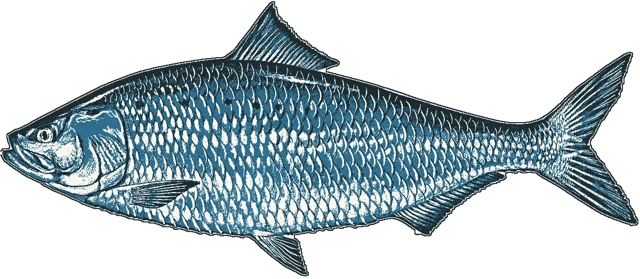
American shad
Alosa sapidissima · also called white shad · Fresh and salt
Some of the best-flavored fish in North America and prized roe, but so bony that most modern anglers do not bother.
Worth a try: Debone, score and deep-fry (Hank Shaw's boneless tempura shad), bake for hours to soften bones, or smoke; the roe sautéed with bacon is a spring classic.
- Tastes
- rich, oily, sweet, soft, extremely bony
- Limits
- Heavy regs. Hook and line in inland and joint waters: 10 shad per day combined, no more than 1 American shad; Cape Fear River and tributaries: 10 combined, no more than 5 American; Pamlico and Pungo rivers (coastal waters): 10 combined. Unlawful to possess American shad taken from the Atlantic Ocean. Some reservoirs (Kerr, Gaston, Roanoke Rapids, Yadkin-Pee Dee) carry separate shad rules; check the water. (2026-27 NCWRC inland regulations, effective Aug 1, 2026 (eRegulations page updated Jul 13, 2026); DMF Proclamation FF-8-2026 (Jan 1, 2026)) Source
- Where
- Cape Fear River lock and dams near Tarheel, Elizabethtown and Riegelwood; Tar River near Battle Park (Rocky Mount) and Bell's Bridge north of Tarboro.
- shad darts
- small spoons
- flies
- 4-8 lb spinning line, cast upstream along current breaks
- Limit (under 15, pregnant, nursing or may become pregnant): 1 meal a year from the Cape Fear River from the Fayetteville boat ramp near I-95 to the Bluffs near I-140, combined with blue and channel catfish (PFOS).
- Limit (everyone else): 7 meals a year from that stretch, combined with blue and channel catfish.
- The state assumes shad anywhere in the Cape Fear River system hold similar PFOS.
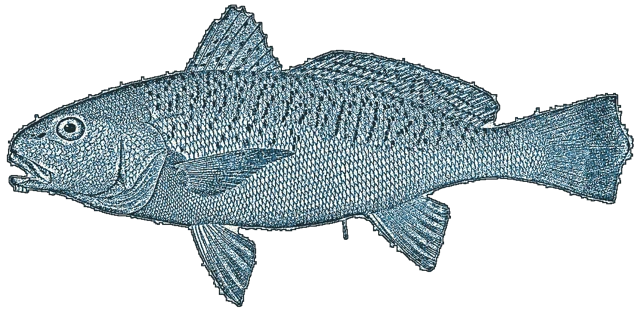
Atlantic croaker
Micropogonias undulatus · also called hardhead, pinhead · Saltwater
Good mild meat (LSU Sea Grant rates it very good), but most catches are under half a pound, so yield is low and they are usually fried whole or as small fillets.
- Tastes
- mild, slightly sweet, medium-firm, small flakes
- Limits
- Light regs. No size limit; 50 per person per day. (Proclamation FF-24-2021 (Apr 15, 2021); unchanged on DMF table effective Nov 1, 2026) Source
- Best months
- May-Sep (MRIP share: Jun 20%, Jul 20%); DMF says spring through fall, best around high tide in channels and deep holes
- Where
- Throughout coastal waters: piers, surf, sound channels and deep holes.
- shrimp
- clams
- bloodworms
- squid
- Do not eat raw; croaker can pass trematode parasites (TPWD).
Before you eat it: NC statewide mercury advisory lists it among low-mercury fish: up to 4 servings a week for most people, up to 2 a week for people who are pregnant, nursing or may become pregnant and children under 15.
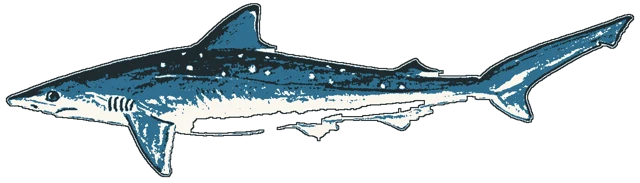
Atlantic sharpnose shark
Rhizoprionodon terraenovae · Saltwater
NOAA reports it is quite tasty; a common small surf and pier shark that some anglers keep and many use for bait.
- Tastes
- mild, firm
- Limits
- Heavy regs. No minimum size for Atlantic sharpnose (or bonnethead): 1 sharpnose and 1 bonnethead per person per day, plus 1 other permitted shark per vessel (or per shore angler) at 54 in fork length minimum (78 in for hammerheads). Non-offset, non-stainless circle hooks required with natural bait; rod and reel or handline only; many species prohibited (sandbar, dusky, sand tiger, shortfin mako and others). (Proclamation FF-3-2026, effective Jan 1, 2026) Source
- Best months
- Jun-Aug (MRIP share: Jul 35%, Jun 32%, Aug 18%)
- cut bloody fish
- FDA/EPA list shark as a 'Choice to Avoid' (highest mercury).
Before you eat it: NC statewide mercury advisory lists it among high-mercury fish: no more than 1 serving a week for most people; people who are pregnant, nursing or may become pregnant and children under 15 should not eat it. (listed as 'Shark').
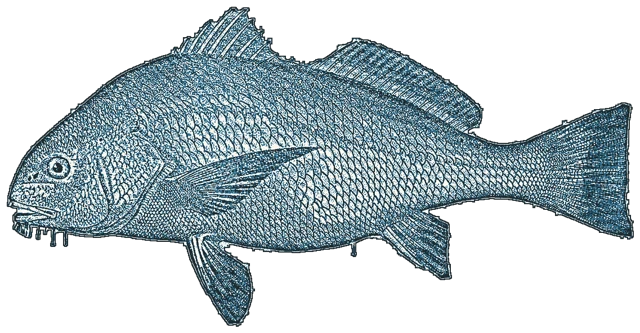
Black drum
Pogonias cromis · Saltwater
Small black drum are good eating, but big fish are coarse and often carry harmless but off-putting spaghetti worms, so the species' reputation is mixed.
Worth a try: Keep fish under about 5 lb (TPWD's cutoff) and skip the bulls. Small black drum fillets are white, mild and firm, and work anywhere redfish does: blackened, fried, or grilled on the half shell. LSU Sea Grant rates food value good, especially smaller fish.
- Tastes
- mild, sweet, firm; coarse in large fish
- Limits
- Heavy regs. 14-25 in total length slot, but 1 fish over 25 in may be kept per person per day; 10 per person per day. (Proclamation FF-73-2013 (in force since Jan 1, 2014); confirmed on DMF table effective Nov 1, 2026) Source
- Best months
- Oct-Nov peak (MRIP share: Nov 32%, Oct 16%); caught year-round
- Where
- Banks, surf, piers, bridges, inlets and sound channels.
- cut mullet
- cut menhaden
- shrimp
- bloodworms
- clams
- crab pieces (big fish)
- Large fish are coarse and often carry larval tapeworms ('spaghetti worms'); harmless to people but unappetizing (LSU Sea Grant).
Before you eat it: NC statewide mercury advisory lists it among low-mercury fish: up to 4 servings a week for most people, up to 2 a week for people who are pregnant, nursing or may become pregnant and children under 15.
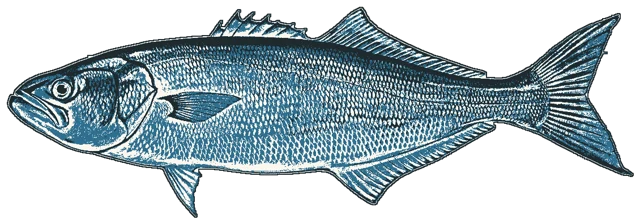
Bluefish
Pomatomus saltatrix · also called blues, Taylor blues, snappers, choppers · Saltwater
Rich, oily and strong-tasting, with soft meat that does not freeze well; Hank Shaw calls it about as polarizing a food as there is.
Worth a try: Bleed and ice it, cook it the same day, and trim the dark strip (NOAA). Fresh blues are excellent grilled or smoked, and smoked bluefish pâté is a New England classic (Hank Shaw). Acid such as citrus or tomato cuts the oil.
- Tastes
- rich, full, coarse, moist
- Limits
- Heavy regs. No size limit; 5 per person per day on private trips, 7 per person per day on for-hire vessels (both raised Jan 1, 2026). (Proclamation FF-1-2026, effective Jan 1, 2026) Source
- Best months
- Apr-May and Sep-Nov (MRIP share: May 20%, Apr 15%, Sep 13%)
- Where
- Surf, piers, inlets, bridges and sounds statewide.
- cut bait on the bottom
- metal spoons
- popping plugs
- lead-head grubs
- trolled lures
- Large bluefish can carry higher mercury and PCBs; some states recommend limited consumption (NOAA).
- Raw fillets freeze poorly; cook or smoke before freezing (Hank Shaw).
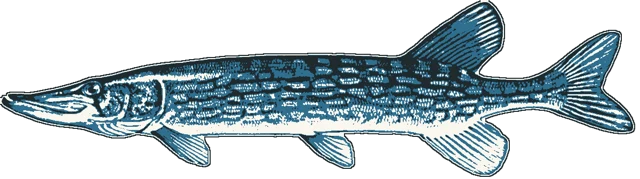
Chain pickerel
Esox niger · also called jackfish, jack · Freshwater
White, flaky and good-tasting meat, but quite bony with pike-style Y-bones.
- Tastes
- mild, white, flaky, bony
- Limits
- No limits. No size or creel limit in any public water. (2026-27 NCWRC inland regulations, effective Aug 1, 2026 (eRegulations page updated Jul 13, 2026)) Source
- Best months
- Year-round; no NCWRC month guidance found
- Where
- Lily pads, brush piles and vegetation in eastern and Piedmont lakes, swamps and slow streams.
- spinners
- spoons
- jigs
- crankbaits
- live minnows
- Do not eat (anyone): any fish from Brier Creek, Brier Creek Reservoir, Little Brier Creek or its tributaries (Wake County, PCBs).
- Do not eat (under 15, pregnant, nursing or may become pregnant): chain pickerel ("jack fish" on the state chart) from any NC water (mercury), or any fish from Lake Crabtree (PCBs).
- Limit (everyone else): 1 serving a week, statewide.
- Limit (everyone else): 1 meal a month from Lake Crabtree.
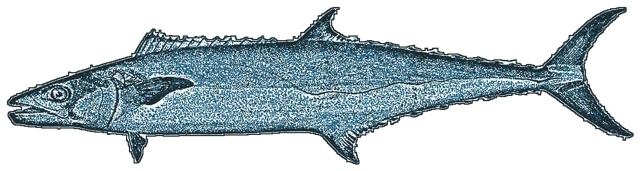
King mackerel
Scomberomorus cavalla · also called kings, kingfish, snakes, smokers · Saltwater
Rich, strong, oily meat that most people smoke or eat very fresh; LSU Sea Grant says the strong taste discourages most consumption.
- Tastes
- rich, pronounced, flaky, moist, oily
- Limits
- Heavy regs. 24 in fork length minimum, 3 per person per day; federal (SAFMC) seasons apply. (DMF recreational size and bag limit table, effective Nov 1, 2026) Source
- Best months
- July and Sep-Oct (MRIP share: Jul 39%, Sep 17%, Oct 17%); inshore along beaches and inlets summer-fall, near the Gulf Stream edge in winter (DMF)
- Where
- Along the beaches and near inlet and river mouths in summer and fall; trolled from boats and fished from the ends of ocean piers (Jennette's Pier sells a cobia/king pass).
- live menhaden
- live cigar minnows
- dead ribbonfish
- slow-trolled live bait
- spoons and jigs
- FDA/EPA list king mackerel as a 'Choice to Avoid' (highest mercury) for pregnant women and children; every Gulf state has issued advisories (LSU Sea Grant).
- Some ciguatera reports, mainly in South Florida (Florida Museum; UF/Florida DOH study).
Before you eat it: NC statewide mercury advisory lists it among high-mercury fish: no more than 1 serving a week for most people; people who are pregnant, nursing or may become pregnant and children under 15 should not eat it.
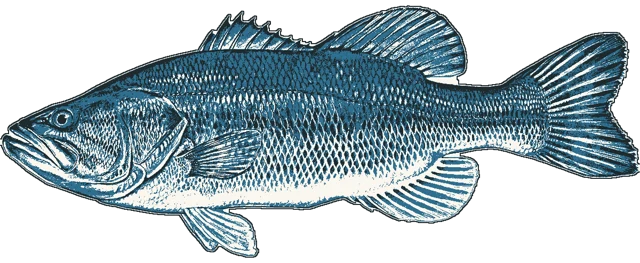
Largemouth bass
Micropterus nigricans (syn. M. salmoides) · Freshwater
Perfectly edible white fillets, but America's top catch-and-release fish and many anglers swear the meat tastes fishy or muddy, so reputation is split.
- Tastes
- mild to slightly 'fishy', firm, thick fillets
- Limits
- Heavy regs. Statewide: 14 in minimum, but 2 fish under 14 in may be kept; 5 largemouth per day (only 2 under 14 in). Many water exceptions, e.g. 16-20 in protected slot on Lake Phelps (14 in minimum, no short fish) and Lake Hampton (2 fish under 14 in allowed); 16 in on Buckhorn Reservoir; 18 in on Lake Thom-A-Lex; Albemarle Sound/Roanoke River area, New Lake, Pungo Lake, Lake Raleigh and Sutton Lake 14 in with no short fish; no largemouth may be kept in Jean Guite Creek (Southern Shores). (2026-27 NCWRC inland regulations, effective Aug 1, 2026 (eRegulations page updated Jul 13, 2026)) Source
- Where
- Statewide around vegetation, brush piles, stumps, docks and standing timber; reservoir points, humps and old road beds (NCWRC). NCWRC electrofishing surveys feature Lake Gaston and Lake Tillery; High Rock Lake is a three-time Bassmaster Classic venue.
- shiners
- topwater plugs
- plastic worms
- Water-body mercury advisories commonly list largemouth bass; check your state's advisory before eating large fish.
- Do not eat (anyone): any fish from Brier Creek, Brier Creek Reservoir, Little Brier Creek or its tributaries (Wake County, PCBs).
- Do not eat (under 15, pregnant, nursing or may become pregnant): largemouth bass from any NC water (mercury).
- Named for that group too: Badin, Chatuge, Crabtree, Gaston, Glenville, Mountain Island, Nantahala and Wylie lakes, the Dan River in Caswell County, the Cape Fear River, the Brunswick River and Sturgeon Creek.
Meal limits and other waters (5)
- Limit (everyone else): 1 serving a week, statewide.
- Limit (everyone else): 1 meal a year from the Cape Fear between Fayetteville (I-95) and the Bluffs (I-140), combined with bluegill, redear, striped bass and flathead catfish (PFOS).
- Limit (everyone else): 1 meal a month from Crabtree Creek or Lake Crabtree (PCBs).
- Limit (everyone else): 2 meals a month from Lake Gaston (mercury), Lake Wylie or Mountain Island Lake (PCBs and mercury).
- PCBs are also listed at Badin Lake (1 meal a week).
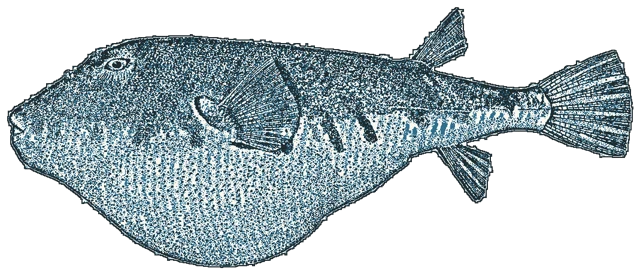
Northern puffer
Sphoeroides maculatus · also called blowfish, swell toad, blow toad, sea squab · Saltwater
A small fish most anglers toss because 'puffers are poisonous', though it has long been sold as sea squab in Northeast markets.
Worth a try: The northern puffer is not poisonous like its tropical cousins (NC DMF). Skin it, discard all skin and viscera, and cook the tail section on the bone like a chicken drumstick; On The Water calls them amazingly sweet. Be certain of the ID first.
- Tastes
- sweet, mild, firm, boneless tail (backbone only)
- Limits
- No limits. No state size or creel limit (not listed on DMF's recreational size and bag limit table). (DMF recreational size and bag limit table, effective Nov 1, 2026) Source
- Best months
- Mar-Apr and Oct-Nov (MRIP share: Nov 27%, Mar 16%, Oct 16%)
- Where
- Piers, jetties, boats and shore over sand bottom and grass beds.
- shrimp
- bloodworms
- squid
- two-hook bottom rigs
- Remove all skin and viscera before eating; some scientists believe low-level toxins occur there (NC DMF).
- Never eat southern puffer or smooth puffer. Florida bans taking puffers in Volusia, Brevard, Indian River, St. Lucie and Martin counties because of saxitoxin.
Before you eat it: DMF: northern puffer is not deadly like tropical puffers and has long been eaten, but may carry low-level toxins in skin and organs; clean off all skin and viscera before eating.
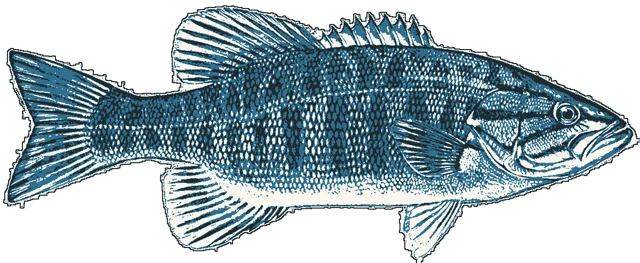
Smallmouth bass
Micropterus dolomieu · Freshwater
Firm, white and good, often rated above largemouth, but most smallmouth are released by custom and the flesh has a slight 'fishy' edge some anglers dislike.
- Tastes
- mild, slightly fishy edge, firm, thick white fillets
- Limits
- Heavy regs. Same as largemouth: 14 in minimum with 2 under 14 in allowed, 5 smallmouth per day. New River below Fields Dam (Alleghany Co.): no fish 14-22 in, only 1 over 22 in, 5 per day. (2026-27 NCWRC inland regulations, effective Aug 1, 2026 (eRegulations page updated Jul 13, 2026)) Source
- Where
- Coolwater streams, lakes and reservoirs in western NC; rarely in ponds or lakes under 25 ft deep (NCWRC).
- crayfish-pattern lures in orange and brown
- live crayfish
- minnows
- nightcrawlers cast upstream in current
Before you eat it: Do not eat (under 15, pregnant, nursing or may become pregnant): smallmouth bass from Glenville Reservoir or Nantahala Lake (mercury). Limit (everyone else): 1 meal a month from Glenville Reservoir. Limit (everyone else): 1 meal a week from Nantahala Lake.
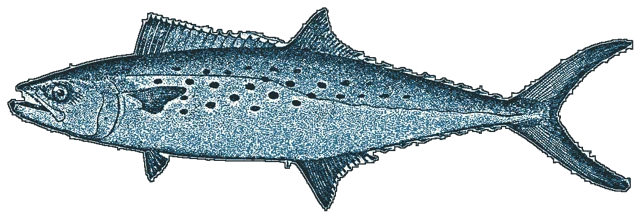
Spanish mackerel
Scomberomorus maculatus · Saltwater
Very good fresh and bled, but oily with a pronounced flavor that fades fast on ice; better broiled or smoked than fried (LSU Sea Grant).
- Tastes
- rich, pronounced, flaky, moist
- Limits
- Light regs. 12 in fork length minimum, 15 per person per day; DMF lists no state season and refers anglers to the SAFMC for federal seasons. (DMF recreational size and bag limit table, effective Nov 1, 2026) Source
- Best months
- May-Sep (MRIP share: May 33%, Aug 20%)
- Where
- Surf, ocean piers, inlets and nearshore boats; sounds and river mouths in summer.
- small shiny metal lures and jigs retrieved or trolled fast
- live bait slow-trolled for king mackerel
- Do not eat (under 15, pregnant, nursing or may become pregnant): Spanish mackerel, which is on the HIGH mercury list of the state's "What fish are safe to eat?" page (updated December 2019, still posted).
- Limit (everyone else): 1 meal a week, on that list.
- The state's November 2026 mercury chart does not list Spanish mackerel as high or low; confirm with the state at 919-707-5900.
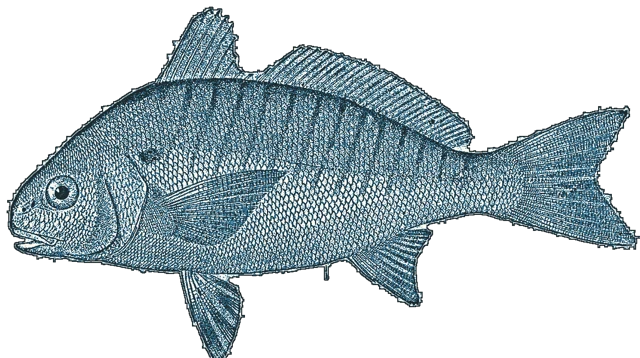
Spot
Leiostomus xanthurus · also called yellow belly · Saltwater
A pier and bridge staple kept by the cooler-full and fried whole; small size and a slightly rich flesh keep it in Just OK.
- Tastes
- medium, small flakes
- Limits
- Light regs. No size limit; 50 per person per day. (Proclamation FF-23-2021 (Apr 15, 2021); unchanged on DMF table effective Nov 1, 2026) Source
- Best months
- Jun-Oct (MRIP share 16-18% each month); fall fish turn yellow-bellied (DMF)
- Where
- Piers, bridges, jetties, surf and small boats.
- shrimp
- bloodworms
- squid
- two-hook bottom rigs
Before you eat it: NC statewide mercury advisory lists it among low-mercury fish: up to 4 servings a week for most people, up to 2 a week for people who are pregnant, nursing or may become pregnant and children under 15.
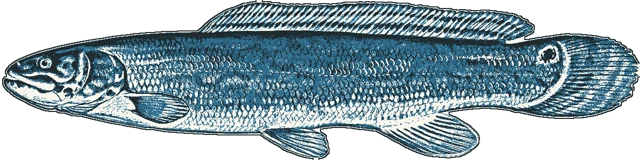
Bowfin
Amia calva (ruddy bowfin) and Amia ocellicauda (emerald bowfin) · also called blackfish · Freshwater
TPWD calls it a rough fish rather than one for the table; the soft, pale flesh earned it the nickname 'cottonfish'.
Worth a try: Keep it alive until you clean it, cook it the same day, and use it smoked, fried as patties or stewed; MeatEater serves fried bowfin with a morel cream sauce.
- Tastes
- mild, soft, jelly-like unless very fresh
- Limits
- No limits. No size or creel limit (nongame fish). (2026-27 NCWRC inland regulations, effective Aug 1, 2026 (eRegulations page updated Jul 13, 2026)) Source
- Best months
- Year-round; no NCWRC month guidance found
- Where
- Coastal rivers, swampy tributaries and Coastal Plain mill ponds with muddy bottoms and vegetation.
- shiners
- topwater plugs
- plastic worms
- Do not eat (anyone): bowfin from the Northeast Cape Fear River, Davis Creek (Navassa), Burnt Mill Creek (Wilmington), or the Cape Fear River between Riegelwood Landing and Livingston Creek (hexavalent chromium and mercury).
- Do not eat (anyone): any fish from Brier Creek, Brier Creek Reservoir, Little Brier Creek or its tributaries (Wake County, PCBs).
- Do not eat (under 15, pregnant, nursing or may become pregnant): bowfin ("blackfish" on the state chart) from any NC water (mercury), or any fish from Lake Crabtree (PCBs).
- Limit (everyone else): 1 serving a week, statewide.
- Limit (everyone else): 1 meal a month from Lake Crabtree.
False albacore
Euthynnus alletteratus · also called fat alberts, little tunny, bonito · Saltwater
Dark, bloody, strong-tasting meat; most anglers release albies or cut them up for shark and kingfish bait.
Worth a try: Kill it immediately, cut the gills and bleed it in a saltwater bucket, then ice it. Fresh loins make good sashimi (Outdoor Life; Florida Sportsman, where 'bonito' means little tunny), and LSU Sea Grant rates it better than its reputation. Trim all dark meat.
- Tastes
- strong; clean and sweet when bled and very fresh, firm, dark red
- Limits
- No limits. No state size or creel limit (not on DMF's table); little tunny is excluded from the federal HMS permit requirement. (DMF recreational size and bag limit table, effective Nov 1, 2026; HMS exclusion from DMF guide updated Jan 26, 2026) Source
- Best months
- Sep-Nov (MRIP share: Oct 39%, Sep 15%, Jun 13%)
- Where
- Nearshore ocean and inlets, chasing bait schools.
- metal spoons and silver jigs retrieved fast
- small trolled lures or feathers
- live bluefish, pinfish or spot
- flies
- Ciguatera has been reported (Florida Museum).
Before you eat it: NC statewide mercury advisory lists it among high-mercury fish: no more than 1 serving a week for most people; people who are pregnant, nursing or may become pregnant and children under 15 should not eat it. (listed as 'Little tunny').
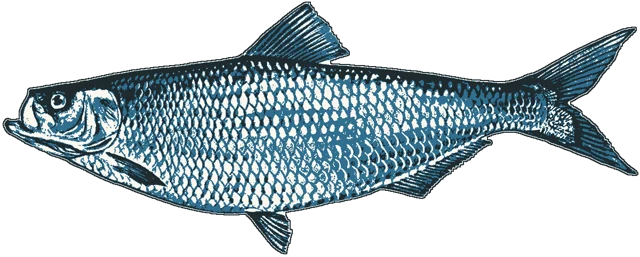
Hickory shad
Alosa mediocris · Fresh and salt
A spring sport fish that most anglers release: South Carolina DNR says hickory shad are not used as food for humans, and Virginia notes the few that are kept mostly become catfish bait.
- Limits
- Light regs. No size limit; 10 shad per day (hickory and American combined) by hook and line in inland, joint and coastal waters; Atlantic Ocean 10 hickory shad per day. Shad taken by methods other than hook and line could be kept only through Apr 14 (2026). (DMF Proclamation FF-8-2026 (Jan 1, 2026); inland limits 2026-27 NCWRC inland regulations, effective Aug 1, 2026 (eRegulations page updated Jul 13, 2026)) Source
- Best months
- Late Feb-April: lower Roanoke near Plymouth from late Feb-early March, Weldon from mid-March (NCWRC)
- Where
- Roanoke River (Plymouth to Weldon), Cashie, Tar and Neuse rivers and Contentnea Creek.
- shad darts
- small spoons
- flies
- light spinning gear with 4-8 lb line
Where to fish in North Carolina
Fish named here are what people catch at each spot, not a promise they’re safe to eat. Read the eating advice on the fish’s card before you keep one.
# Salt or brackish# Freshwater
- 1Jennette's Pier and the Nags Head ocean piers pier · salt
State-run (NC Aquariums) ocean pier; Nov 2026 reports list puffers, Taylor blues, sea mullet, speckled trout, croaker, gray trout, spot and puppy drum.
Known for: Bluefish, Kingfish (whiting), Spotted seatrout, Atlantic croaker, Weakfish
Access: Jennette's Pier: all-day fishing $15 adult, $10 child (12 and under), cobia/king pass +$15, walk-on $2; the pier holds a blanket license so pier anglers don't need their own CRFL; open 6 a.m.-10 p.m. May-Oct, shorter hours in winter.
- 2Cape Point, Cape Hatteras surf · salt
Tip of Cape Hatteras, the heart of the Outer Banks surf fishery where red drum fishing is 'legendary' (DMF).
Known for: Red drum, Bluefish, Kingfish (whiting), Spanish mackerel
Access: Cape Hatteras National Seashore beach; driving on the beach requires an NPS ORV permit, and beach access can close on short notice for nesting birds and sea turtles.
- 3Oregon Inlet inlet · salt
One of the few ocean access points on the northern Outer Banks; the nearby harbor is the base for the offshore charter fleet that runs to the Gulf Stream almost daily.
Known for: Mahi-mahi, Yellowfin tuna, Bluefish, Red drum, Striped bass
Access: Oregon Inlet Fishing Center harbor on the north side of the inlet (charter docks); Marc Basnight Bridge spans the inlet.
- 4Pamlico Sound sound · brackish
Largest lagoon on the US East Coast; DMF notes a catch-and-release fishery for trophy adult red drum around the mouths of the Neuse and Pamlico rivers.
Known for: Red drum, Spotted seatrout, Southern flounder, Striped bass, Atlantic croaker
Access: Boat access from NCWRC public boating access areas around the sound; soundside access ramps on Cape Hatteras National Seashore.
- 5Neuse River at New Bern river · brackish
The upper Neuse and Tar-Pamlico were the only estuarine waters open to striped bass harvest in 2026 (Apr 1-30); NCWRC lists the Neuse for crappie and channel catfish, plus spring shad runs.
Known for: Striped bass, Black crappie, Hickory shad, American shad, Channel catfish
Access: NCWRC public boating access areas along the river.
- 6Cape Fear River at Elizabethtown (lock and dams) river · fresh
NCWRC calls the Cape Fear an excellent American shad fishery, with the three lock and dams near Tarheel, Elizabethtown and Riegelwood the choice spring spots; also a top blue and flathead catfish river. Striped bass harvest is closed by rule. Eating limits here (PFOS): 1 meal a year of flathead catfish and largemouth bass combined, 7 a year of blue catfish, channel catfish and American shad combined; people under 15, pregnant, nursing or who may become pregnant should eat none of the catfish or bass and no more than 1 meal of shad a year.
Known for: American shad, Blue catfish, Flathead catfish, Channel catfish, Largemouth bass
Access: Bank and boat fishing at the lock and dam areas; NCWRC boating access areas. Note the PFAS consumption advisory from Fayetteville to the bluffs near I-140.
- 7Roanoke River at Weldon river · fresh
Weldon calls itself the 'Rockfish Capital of the World' for the spring striped bass spawning run; NCWRC calls the Roanoke the premier hickory shad river (Weldon from mid-March).
Known for: Striped bass, Hickory shad, American shad, Black crappie
Access: NCWRC public boating access areas. 2026: striped bass harvest closed (catch and release only); above the US 258 bridge from Apr 1-Jun 30, only a single barbless hook (circle hook with natural bait) is allowed.
- 8Kerr Lake (John H. Kerr Reservoir) reservoir · fresh
About 50,000 acres on the Roanoke; crappie limit 9 in and 25 per day, blue catfish 1 over 32 in; the NC state record white bass came from here (1986).
Known for: Striped bass, Black crappie, Largemouth bass, Blue catfish, White bass
Access: Kerr Lake State Recreation Area (NC State Parks) with multiple parks and campgrounds, including Kimball Point, Satterwhite Point and Bullocksville; Corps of Engineers sites.
- 9Lake Norman reservoir · fresh
Largest man-made lake entirely in NC; striped bass stocked since 1969; blue catfish 1 over 32 in and crappie 8 in/20 per day; PCB advisory on hybrid striped bass (2 meals a week).
Known for: Striped bass, Hybrid striped bass, Blue catfish, Black crappie, Largemouth bass
Access: Lake Norman State Park; Duke Energy built two bank fishing areas and eight public boating access areas.
- 10Jordan Lake (B. Everett Jordan Lake) reservoir · fresh
13,940-acre Corps reservoir west of Cary; on NCWRC's managed crappie list (8 in/20 per day).
Known for: Black crappie, Bluegill, Largemouth bass, Channel catfish
Access: Jordan Lake State Recreation Area; fishing permitted in designated spots; campgrounds including Poplar Point.
- 11Falls Lake reservoir · fresh
12,410-acre Raleigh water-supply reservoir on the upper Neuse; NCWRC lists the 'Falls of the Neuse Reservoir' among top crappie waters.
Known for: Black crappie, Largemouth bass, Bluegill, Channel catfish
Access: Falls Lake State Recreation Area.
- 12High Rock Lake reservoir · fresh
Hosted the Bassmaster Classic in 1994, 1995 and 1998 and is known for largemouth numbers. Catfish limit, any size: 1 meal a week, and none for people under 15, pregnant, nursing or who may become pregnant (mercury statewide; PCB levels were high in catfish over 18 in).
Known for: Largemouth bass, Black crappie, Channel catfish, Blue catfish, Flathead catfish
Access: NCWRC boating access areas; new private boat ramps are no longer permitted on the lake.
- 13Fontana Lake reservoir · fresh
NC's deepest lake (up to 440 ft) on the Little Tennessee River, bordering Great Smoky Mountains National Park. Walleye limit (mercury): 1 meal a week, and none for people under 15, pregnant, nursing or who may become pregnant.
Known for: Walleye, Smallmouth bass
Access: Shoreline borders Great Smoky Mountains National Park and Nantahala National Forest.
- 14Davidson River (Pisgah National Forest) river · fresh
Headwaters to Avery Creek are Catch and Release/Artificial Flies and Lures Only; Avery Creek to the lower USFS boundary is Hatchery Supported (2026-27).
Known for: Rainbow trout, Brown trout, Brook trout
Access: Pisgah National Forest public water.
North Carolina fishing license and rules
- Resident: $32 State Inland Fishing (valid 12 months from purchase; covers inland and joint waters, including Public Mountain Trout Waters)
- Nonresident: $56 State Inland Fishing (12 months)
- Nonresident short-term: Inland Fishing 10-Day $29; Coastal Recreational Fishing (CRFL) 10-Day $15; Mountain Heritage Trout Waters 3-day license (designated waters only; check the current price with NCWRC). Resident 10-day licenses: inland $12, coastal $9.
- Saltwater: Separate Coastal Recreational Fishing License ($20 resident, $40 nonresident annual); residents can instead buy the Unified Inland/Coastal license ($51) that covers both.
- Who needs one: License required at 16 and older; under 16 exempt from any fishing license and trout privilege. Resident seniors buy a lifetime license at 70 (Senior Lifetime CRFL $20; Senior Lifetime Unified Sportsman/CRFL $40); residents born on or before Aug 1, 1953 qualify at 65.
- Free fishing days: July 4 every year: no license needed in any public water, inland or coastal; all other rules apply.
More license details
Three kinds of water: inland waters (NCWRC rules, inland license), coastal waters (DMF rules, CRFL) and joint waters, where both agencies share authority and either an inland license or a CRFL is valid; boundaries are posted with metal signs. Inland game fish (bass, crappie, sunfish and others) follow NCWRC rules even in joint waters. The inland license does not cover coastal waters and the CRFL does not cover inland waters. Ocean piers may hold a blanket CRFL that covers paying anglers (Jennette's Pier does); for-hire captains and vessels can buy blanket CRFLs that cover customers in coastal (not joint) waters; vessel owners can buy a block of ten 10-day CRFLs ($150) for a private boat 23 ft or longer. No license needed in private ponds or on July 4. Since Dec 1, 2025, anglers must report kept red drum, flounder, spotted seatrout, striped bass and weakfish from coastal, joint and adjacent inland waters (warning tickets from Dec 1, 2026; $35 infraction from Dec 1, 2027). A $5 transaction fee may apply at Wildlife Service Agents. Recreational Commercial Gear License (RCGL) for limited commercial gear: $71 resident, $501 nonresident.
Buy a license License types and fees
Fees: 2026-27 (eRegulations license page last updated Jul 13, 2026; DMF license page checked Nov 21, 2026).
- Know your water: inland waters (NCWRC, inland license), coastal waters (DMF, Coastal Recreational Fishing License) and joint waters (both agencies; either license works). Metal signs mark the boundaries, and inland game fish follow NCWRC rules even in joint waters.
- Mandatory harvest reporting since Dec 1, 2025: kept red drum, flounder, speckled trout, striped bass and weakfish from coastal, joint and adjacent inland waters must be reported when the trip ends at deq.nc.gov/report-my-fish or in the 'NC DMF' iPhone app (paper card also allowed). Warning tickets from Dec 1, 2026; $35 infraction from Dec 1, 2027.
- Flounder (all species) could be kept only Sept 1-14 in 2026: 1 fish, 15 in minimum. Spring Gulf flounder season is ocean-only south of Portsmouth Island.
- Striped bass: harvest closed in the Albemarle Sound and Roanoke River areas, the Cape Fear and most central/southern waters; the ocean slot is 28-31 in, 1 per day.
- Speckled trout harvest closes after big winter cold stuns (closed Feb 6-Jun 30, 2026).
- Red drum over 27 in may not be kept; no gigging, spearing or gaffing red drum or striped bass.
- Fish subject to size or creel limits must keep head and tail attached (except mullet and hickory shad used for bait); you can't take both a state and a federal bag limit on the same trip.
- Offshore snapper-grouper fishing requires non-offset, non-stainless circle hooks with natural bait and a descending device aboard; red snapper opened only Oct 9-11 in 2026; gag closed after Aug 1, 2026.
- Mountain trout: Hatchery Supported waters close Mar 1 until 7 a.m. on the first Saturday in April; Delayed Harvest waters are catch-and-release with single-hook artificial lures Oct 1 to early June. Trout stocking is reduced 2026-2028 during a hatchery renovation.
- Inland game fish may not be bought or sold, and having more than 3 days' creel limit at one place is unlawful.
- It is unlawful to possess, transport or release live white perch in Haywood, Buncombe and Rutherford counties and west.
- Saltwater state records are kept by DMF: https://deq.nc.gov/about/divisions/marine-fisheries/public-information-and-education/coastal-fishing-information/nc-saltwater-fishing-tournament/north-carolina-state-saltwater-records
Limits here are summaries for convenience, checked on the date shown. The official North Carolina regulations govern; check them before you keep a fish.
Before you eat it
- Do not eat any fish (anyone) from Brier Creek, Brier Creek Reservoir, Little Brier Creek below Brier Creek Parkway or its tributaries (Wake County, PCBs).
- Do not eat (anyone): carp or catfish from Lake Crabtree, or channel catfish from Mountain Island Lake (PCBs); bowfin or channel catfish from the Cape Fear River between Riegelwood Landing and Livingston Creek, or bowfin from the Northeast Cape Fear River (Castle Hayne), Davis Creek (Navassa) or Burnt Mill Creek (Wilmington) (hexavalent chromium, mercury); red drum from the Brunswick River near the US 74/US 17 bridge (hexavalent chromium).
- Do not eat (under 15, pregnant, nursing or may become pregnant), any NC water (statewide mercury list): blackfish (bowfin), black crappie, wild catfish, jack fish (chain pickerel), largemouth bass, walleye, warmouth, yellow perch; ocean albacore tuna, almaco jack, banded rudderfish, cobia, crevalle jack, greater amberjack, South Atlantic grouper, king mackerel, ladyfish, little tunny, marlin, orange roughy, shark, swordfish, tilefish, fresh or frozen tuna. Everyone else: no more than 1 serving a week of these.
Do not eat (under 15, pregnant, nursing or may become pregnant), listed waters: any fish from Lake Crabtree; bluegill, redear, largemouth, striped bass or flathead catfish from the Cape … (see the full list)
Do not eat (under 15, pregnant, nursing or may become pregnant), listed waters: any fish from Lake Crabtree; bluegill, redear, largemouth, striped bass or flathead catfish from the Cape Fear between Fayetteville and the Bluffs; striped bass or largemouth from the Dan River in Caswell County; smallmouth, walleye or largemouth from Glenville Reservoir; smallmouth, walleye, yellow perch or largemouth from Nantahala Lake; white bass or largemouth from Chatuge Lake; walleye from Fontana or Santeetlah lakes; walleye or largemouth from Lake Gaston; largemouth from Lake Wylie or Badin Lake; largemouth or catfish from Mountain Island Lake, the Brunswick River, Sturgeon Creek or the Cape Fear from just above the Brunswick River to the US 17 bridge; catfish from High Rock, Badin, Falls (Yadkin River) and Tillery lakes and the Yadkin-Pee Dee; catfish or carp from western Albemarle Sound, the lower Roanoke or Welch Creek.
- Spanish mackerel: the state's "What fish are safe to eat?" page (updated December 2019, still posted) has it on the HIGH mercury list: do not eat if under 15, pregnant, nursing or may become pregnant; 1 meal a week for everyone else. The November 2026 chart does not list it as high or low; confirm with the state at 919-707-5900.
- The statewide mercury advisory covers ALL NC waters (DHHS StoryMap, updated Nov 20, 2026), not only waters east of I-85. A serving is 6 oz cooked for adults, 2 oz for children.
- Low-mercury fish (up to 4 servings a week; 2 for people under 15, pregnant, nursing or who may become pregnant): black drum, croaker, flounder, red drum, speckled trout, spot, sheepshead, southern kingfish, mahi-mahi, pompano, skate, tripletail, white grunt; bluegill, trout, farm-raised catfish, tilapia.
- Cape Fear River PFOS (2023), Fayetteville boat ramp near I-95 to the Bluffs near I-140: bluegill, flathead catfish, largemouth bass, redear and striped bass no more than 1 meal a year, all five combined (none for people under 15, pregnant, nursing or who may become pregnant). Blue catfish, channel catfish and American shad no more than 7 meals a year, combined (1 a year for that group). The state says other fish there likely hold similar PFOS.
- Lower Cape Fear (just above the Brunswick River to the US 17 bridge), Brunswick River and Sturgeon Creek: striped bass no more than 2 meals a week (mercury); striped mullet and blue crab 3 a week; catfish and largemouth 1 a week. Bluegill from the Northeast Cape Fear River, Davis Creek, Burnt Mill Creek or the Cape Fear near Riegelwood no more than 1 meal a week (near Riegelwood the 1-a-year PFOS limit is stricter); flathead from Burnt Mill Creek 1 a week.
PCB limits (everyone else): 1 meal a month of any other fish from Lake Crabtree; carp, catfish or largemouth from Crabtree Creek; carp or catfish from Walnut Creek, Rocky Branch or the … (see the full list)
PCB limits (everyone else): 1 meal a month of any other fish from Lake Crabtree; carp, catfish or largemouth from Crabtree Creek; carp or catfish from Walnut Creek, Rocky Branch or the Neuse from Crabtree Creek to Auburn-Knightdale Road; blue catfish from Mountain Island Lake. 2 meals a month of largemouth from Lake Wylie or Mountain Island Lake. 1 meal a week of any other fish from Walnut Creek or Rocky Branch (everyone), catfish from High Rock, Badin, Falls (Yadkin River) and Tillery lakes and the Yadkin-Pee Dee (PCB levels were high in catfish over 18 in), and Badin largemouth. Lake Norman hybrid striped bass 2 meals a week (everyone).
- Dioxin limits (everyone else): 1 meal a month of catfish or carp from Albemarle Sound west of a line from Bull Bay to Harvey Point (to the Roanoke mouth and the US 17 bridge on the Chowan), the Roanoke River below the US 17 bridge at Williamston, and Welch Creek.
- Mercury limits by water (everyone else): 1 meal a month of walleye or smallmouth from Glenville Reservoir; 2 a month of walleye or largemouth from Lake Gaston; 1 a week of walleye from Fontana and Santeetlah lakes, white bass or largemouth from Chatuge Lake, smallmouth, walleye, yellow perch or largemouth from Nantahala Lake, largemouth from Glenville Reservoir, and striped bass or largemouth from the Dan River in Caswell County.
- Site-specific list and map: https://experience.arcgis.com/experience/470cb0bb993a47969f065e6087282286/ ; full StoryMap: https://storymaps.arcgis.com/stories/eab23dd84e8b403b95dc1223703aa487
Local lingo
- speck / speckled trout = spotted seatrout
- gray trout = weakfish
- puppy drum = slot-size red drum; channel bass = red drum (the statute's name for the state saltwater fish)
- sea mullet (also Virginia mullet, roundhead, whiting) = kingfish
- rockfish / rock = striped bass (Weldon is the 'Rockfish Capital of the World')
- Taylor blues = small bluefish; choppers = big ones
- yellow belly = spot in fall
- hardhead = Atlantic croaker
- fat alberts = false albacore (little tunny)
- blowfish / swell toad / sea squab = northern puffer
- brim or bream = bluegill
- white shad = American shad
- ling / lemonfish = cobia
- convict fish = sheepshead
- snakes / smokers = king mackerel
- beeliner = vermilion snapper
- joint waters = waters where NCWRC and DMF share authority and either license is valid
Questions anglers ask about North Carolina
What is the most common fish in North Carolina?
In salt water, pinfish: NOAA's recreational survey ranks it first in North Carolina, about 36.5 million caught over 2023-2025, but it is mostly a bait stealer and live bait. Bluefish and Atlantic croaker come next. Inland, bluegill is the most common sunfish, found in all 17 of the state's river basins (NCWRC).
Do I need a saltwater fishing license in North Carolina?
Yes. Separate Coastal Recreational Fishing License ($20 resident, $40 nonresident annual); residents can instead buy the Unified Inland/Coastal license ($51) that covers both.
What is the best fish to eat in North Carolina?
24 of the 40 fish on our North Carolina board rate Best eating. They include: red drum, spotted seatrout, southern flounder, summer flounder, weakfish and sheepshead.
What is the state fish of North Carolina?
Red drum (channel bass): Official state saltwater fish (G.S. 145-6, 1971). Southern Appalachian brook trout: Official state freshwater trout (G.S. 145-26, 2005).
Does North Carolina have free fishing days?
July 4 every year: no license needed in any public water, inland or coastal; all other rules apply.
Which North Carolina fish are better to eat than their reputation?
We give the Worth a try badge to black drum, bluefish, false albacore, northern puffer, American shad and bowfin: fish most anglers toss or rate low that eat well when they're cleaned and cooked right. Each card says how.
Neighboring states
Sources
Limits, prices and advisories come from these pages, read on or before Nov 21, 2026. Where a line gives its own date, that’s the date it rests on. Eating advice changes: check the state’s current list. Ratings are national and come from the fish’s own page.
98 sources
- apps-st.fisheries.noaa.gov American shad: evidence; Atlantic croaker: evidence; Atlantic sharpnose shark: evidence; Spanish mackerel: evidence; black drum: evidence; black sea bass: evide
- apps-st.fisheries.noaa.gov Atlantic croaker: months; Atlantic sharpnose shark: months; Spanish mackerel: months; black drum: months; black sea bass: months; bluefish: months; cobia: month
- en.wikipedia.org fishing spots
- en.wikipedia.org fishing spots
- en.wikipedia.org fishing spots; largemouth bass: evidence
- en.wikipedia.org fishing spots
- en.wikipedia.org fishing spots
- en.wikipedia.org Alabama bass: where; fishing spots; striped bass: where
- en.wikipedia.org fishing spots
- en.wikipedia.org fishing spots
- en.wikipedia.org striped bass: name|months
- epi.dph.ncdhhs.gov consumption advisories; consumption advisory
- epi.dph.ncdhhs.gov American shad: advisory
- epi.dph.ncdhhs.gov redbreast sunfish: advisory
- epi.dph.ncdhhs.gov Spanish mackerel: advisory; bowfin: advisory; chain pickerel: advisory
- experience.arcgis.com Alabama bass: advisory; American shad: advisory; black crappie: advisory; blue catfish: advisory; bluegill: advisory; bowfin: advisory; chain pickerel: advisory
- files.nc.gov spot: regs
- files.nc.gov Atlantic croaker: regs
- files.nc.gov black drum: regs
- files.nc.gov mahi-mahi: regs
- files.nc.gov striped bass: regs
- files.nc.gov striped bass: regs
- files.nc.gov bluefish: regs
- files.nc.gov Atlantic sharpnose shark: regs
- files.nc.gov cobia: regs
- files.nc.gov American shad: regs; hickory shad: regs
- files.nc.gov sheepshead: regs
- files.nc.gov fishing spots; striped bass: regs
- files.nc.gov black sea bass: regs
- files.nc.gov southern flounder: regs; summer flounder: regs
- files.nc.gov spotted seatrout: regs
- files.nc.gov red snapper: regs
- files.nc.gov black sea bass: regs; gag: regs; red snapper: regs
- license.gooutdoorsnorthcarolina.com license buy
- ncaquariums.com fishing spots; king mackerel: where; kingfish (whiting): name; northern puffer: evidence; weakfish: name
- ncwildlife.org free fishing days
- services.arcgis.com American shad: advisory; blue catfish: advisory; bluegill: advisory; bowfin: advisory; channel catfish: advisory; flathead catfish: advisory; largemouth bass: a
- storymaps.arcgis.com Spanish mackerel: advisory; bowfin: advisory; chain pickerel: advisory
- arcgis.com Atlantic croaker: advisory; Atlantic sharpnose shark: advisory; black crappie: advisory; black drum: advisory; blue catfish: advisory; bluegill: advisory; bowfi
- deq.nc.gov southern flounder: regs
- deq.nc.gov cobia: name|bait
- deq.nc.gov spotted seatrout: name|bait
- deq.nc.gov Atlantic croaker: regs; Spanish mackerel: regs; black drum: regs; false albacore: regs; king mackerel: regs; kingfish (whiting): regs; mahi-mahi: regs; northern
- deq.nc.gov Spanish mackerel: name|bait|where
- deq.nc.gov Atlantic croaker: name|bait|months
- deq.nc.gov black drum: name|bait
- deq.nc.gov black sea bass: name|bait|where
- deq.nc.gov bluefish: name|bait
- deq.nc.gov mahi-mahi: name|bait|where
- deq.nc.gov southern flounder: name|bait|where; summer flounder: name|bait|where
- deq.nc.gov gag: name|bait|where
- deq.nc.gov king mackerel: name|bait|months; top species
- deq.nc.gov kingfish (whiting): name|bait
- deq.nc.gov false albacore: name|bait
- deq.nc.gov northern puffer: name|bait|caveat
- deq.nc.gov red drum: name|where
- deq.nc.gov sheepshead: name|bait
- deq.nc.gov spot: name|bait
- deq.nc.gov striped bass: name|bait
- deq.nc.gov weakfish: name|bait
- deq.nc.gov top species; yellowfin tuna: evidence|bait
- deq.nc.gov Atlantic sharpnose shark: regs; false albacore: regs; sheepshead: regs history; striped bass: regs; yellowfin tuna: regs
- deq.nc.gov spotted seatrout: regs history (2025 cold-stun closure)
- deq.nc.gov spotted seatrout: regs
- eregulations.com regs digest pdf
- eregulations.com license fees
- eregulations.com brook trout: regs; brown trout: regs; rainbow trout: regs
- eregulations.com white perch: regs
- eregulations.com fishing spots
- eregulations.com blue catfish: regs; bowfin: regs; channel catfish: regs; flathead catfish: regs; white perch: regs
- eregulations.com Alabama bass: regs; American shad: regs; black crappie: regs; bluegill: regs; chain pickerel: regs; hickory shad: regs; largemouth bass: regs; redbreast sunfish
- ncdhhs.gov American shad: advisory; blue catfish: advisory; channel catfish: advisory
- ncleg.gov brook trout: state fish; red drum: state fish; state fish; top species
- ncwildlife.gov brook trout: evidence; brown trout: where; rainbow trout: evidence|where; top species
- ncwildlife.gov Alabama bass: evidence
- ncwildlife.gov freshwater regs
- ncwildlife.gov state records
- ncwildlife.gov striped bass: regs; top species
- ncwildlife.gov where to fish
- ncwildlife.gov license info
- ncwildlife.gov American shad: name|bait|where; fishing spots
- ncwildlife.gov black crappie: bait|where; top species
- ncwildlife.gov blue catfish: bait|where; top species
- ncwildlife.gov bluegill: name|bait|where; top species
- ncwildlife.gov bowfin: bait|where|record|tier; largemouth bass: bait (NCWRC lists these as standard bass baits)
- ncwildlife.gov brook trout: bait|evidence
- ncwildlife.gov brown trout: bait|evidence
- ncwildlife.gov chain pickerel: bait|where|record
- ncwildlife.gov channel catfish: bait|months|where; top species
- ncwildlife.gov flathead catfish: bait|where
- ncwildlife.gov fishing spots; hickory shad: bait|months|where
- ncwildlife.gov largemouth bass: where|record; top species
- ncwildlife.gov rainbow trout: bait|record
- ncwildlife.gov redbreast sunfish: bait|where
- ncwildlife.gov smallmouth bass: bait|where
- ncwildlife.gov Alabama bass: evidence
- ncwildlife.gov white perch: bait|where
- nps.gov fishing spots
Illustrations: stencils we made from public-domain art by John J. Baird (Black crappie); Duane Raver, U.S. Fish and Wildlife Service (Black sea bass, Blue catfish, Brook trout, Channel catfish, Flathead catfish, Rainbow trout, Red drum, Redbreast sunfish, Spotted seatrout, Striped bass, White perch, American shad, Atlantic sharpnose shark, Bluefish, Chain pickerel, Smallmouth bass, Bowfin, Hickory shad); NOAA (Bluegill); U.S. Fish and Wildlife Service (Brown trout, Largemouth bass); James Alexander Henshall (Cobia, Red snapper, Weakfish); Hugh McCormick Smith (Gag, Summer flounder, Atlantic croaker, Black drum, Northern puffer, Spanish mackerel, Spot); William Welsh (Kingfish (whiting)); H. L. Todd (Mahi-mahi); Sherman Foote Denton (Sheepshead); Charles Hugh Stevenson (Southern flounder); New York Fish and Game Commission (King mackerel), via Wikimedia Commons.
Spotted an error or a rule that changed? Tell us and we will check it against the official source.