Mississippi · fresh and salt
Fish in Mississippi: what’s worth eating, and what’s garbage
Mississippi's freshwater fishing centers on crappie in the north Mississippi flood-control reservoirs (Sardis, Grenada, Enid, Arkabutla) and Delta oxbows, smallmouth bass on Pickwick Lake, and huge catfish on the Mississippi River. On the Gulf Coast, anglers fish Mississippi Sound, the barrier islands and state artificial reefs for speckled trout, redfish, flounder, sheepshead and black drum, with red snapper and other reef fish run on state-set seasons.
58 fish rated · limits checked Nov 21, 2026 against MDWFP and federal sources, then re-checked: 653 of 663 details confirmed or corrected on the official pages
Resident MDWFP's price list sells annual freshwater fishing together with a hunting license: Small Game Hunting/Freshwater Fishing is $10 (plus a $1 agent fee and $2.49 processing fee, so… Full details
Buy a licenseSeparate saltwater license: $10 resident ($13.49 with the $1 agent fee and $2.49 processing fee), $30 nonresident annual (plus a $3 agent fee and the processing fee). Full details
Saltwater limitsFreshwater limits, seasons and size rules from Mississippi Department of Wildlife, Fisheries, and Parks.
Freshwater limitsLargemouth bass
2026: June 6 and 7 (Mississippi residents fish without a license; state fishing lake and state park lake permits are also waived) and July 4 (residents fish without a license on public… Full details
The Mississippi table-fare board
Fish Mississippi anglers catch, sorted by how they eat. The bars show how heavily each one is regulated here. Tap a fish for the details.
No limits Light regs Heavy regs No harvest
Best eating21
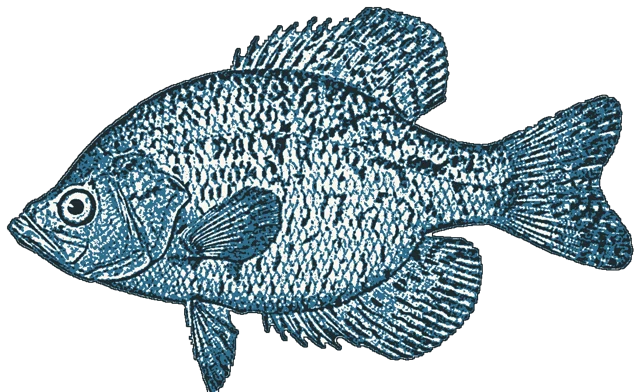 Black crappie“white perch”
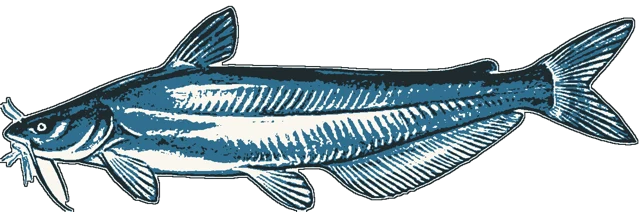 Blue catfish“great forktail cat”
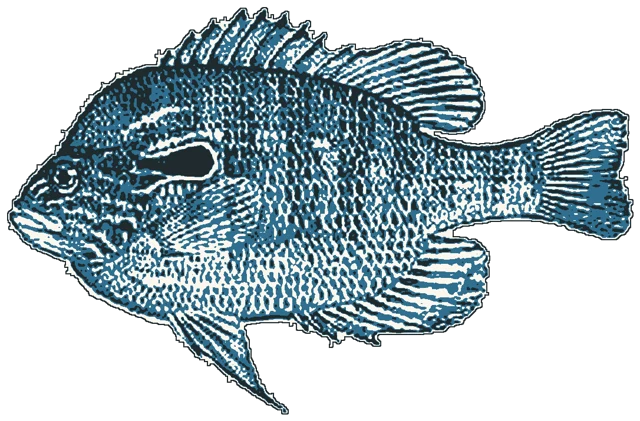 Bluegill“bream”
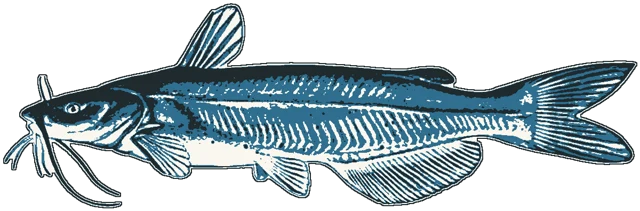 Channel catfish“fiddler”
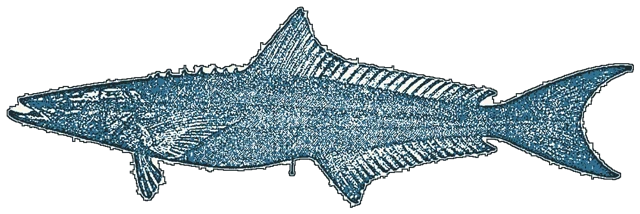 Cobia“lemonfish”
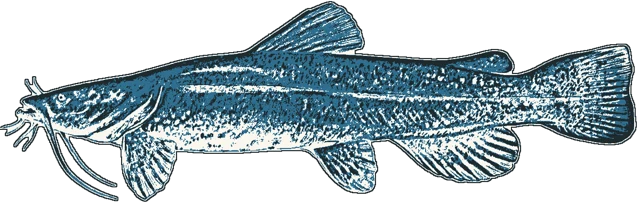 Flathead catfish“appaloosa cat”
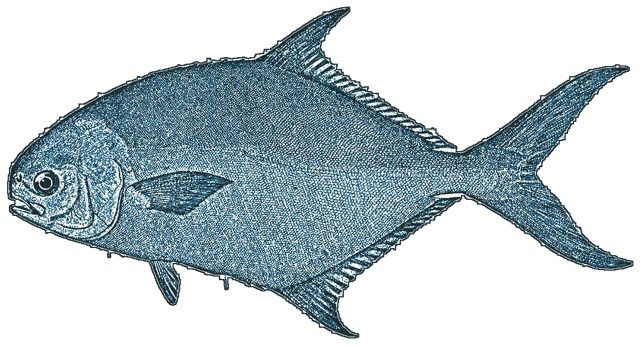 Florida pompanoGray snapper“mangrove snapper”Gray triggerfishHybrid striped bass“sunshine bass”
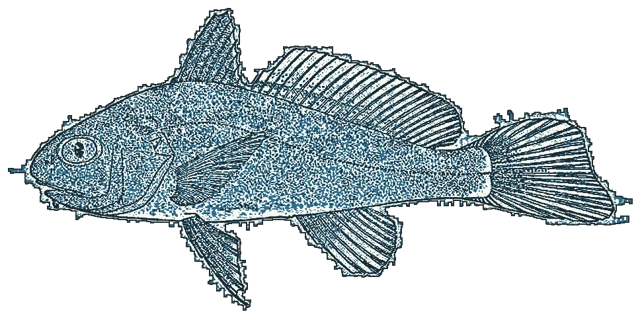 Kingfish (whiting)“ground mullet”
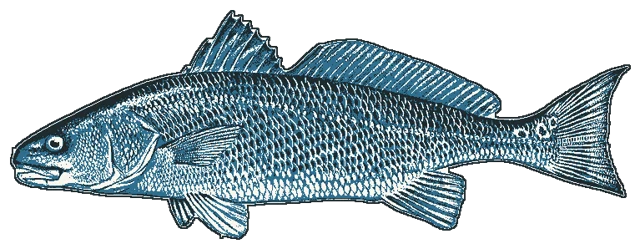 Red drum“redfish”
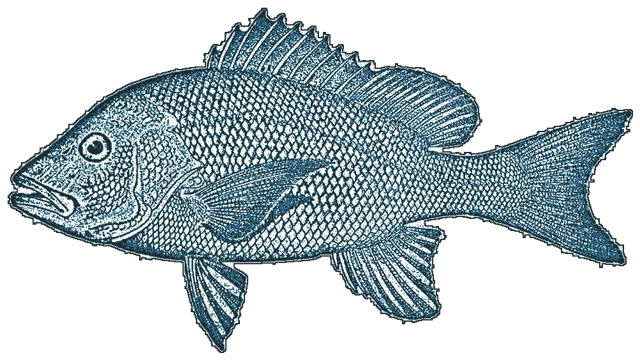 Red snapper
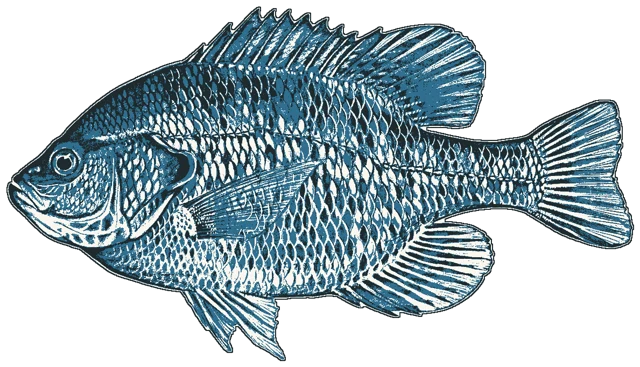 Redear sunfish“chinquapin”
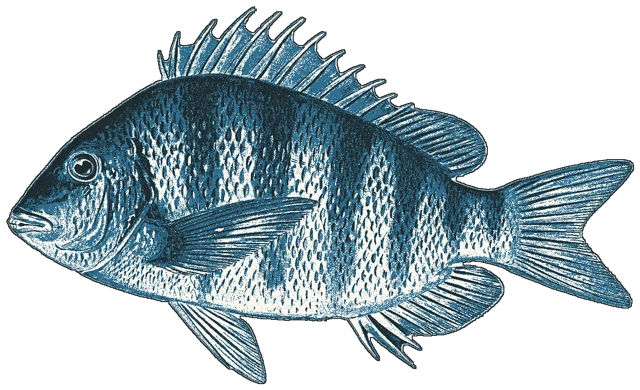 Sheepshead“convict fish”
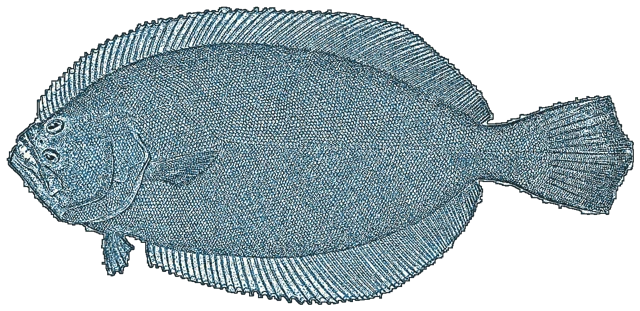 Southern flounder
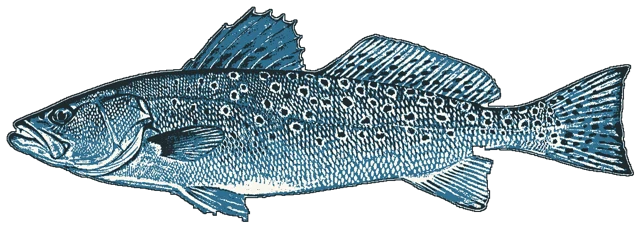 Spotted seatrout“speckled trout”
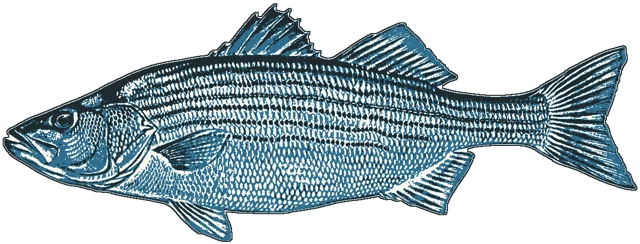 Striped bass“rockfish”Tripletail“blackfish”
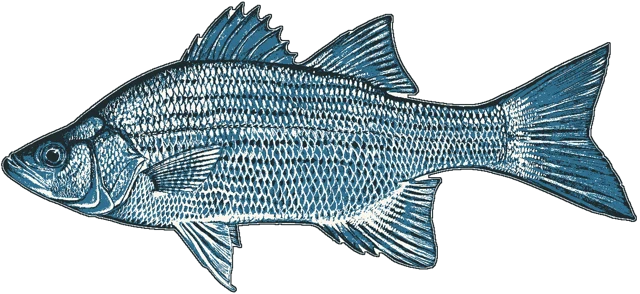 White bass“sand bass”
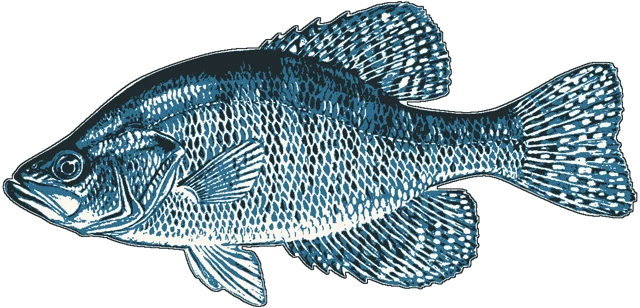 White crappie“white perch”
Just OK28
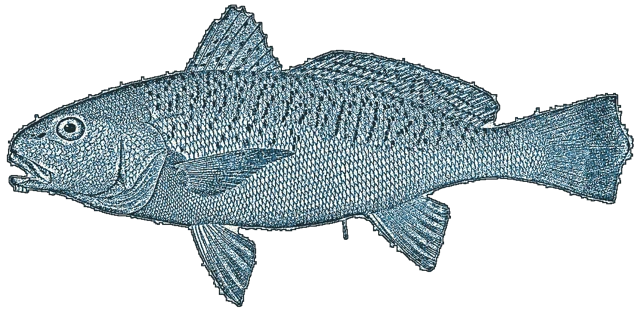 Atlantic croaker
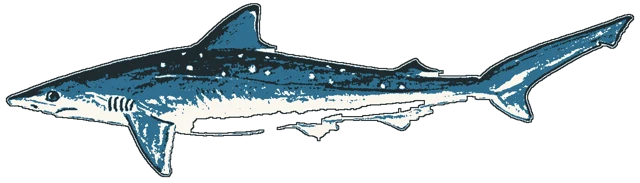 Atlantic sharpnose shark“wormies”
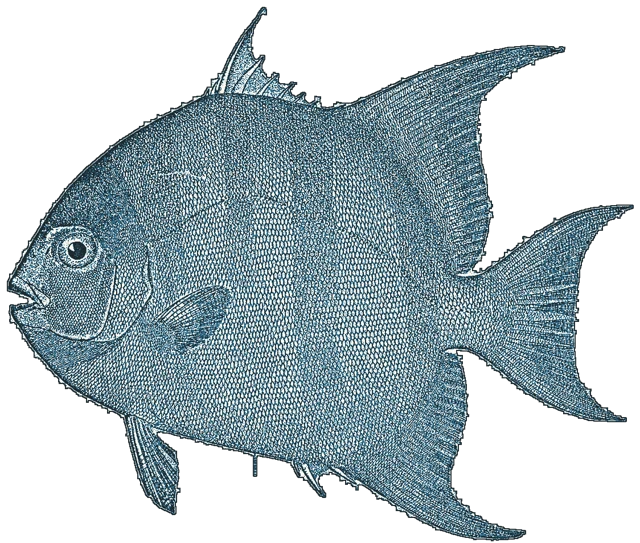 Atlantic spadefishBigmouth buffalo“white buffalo”
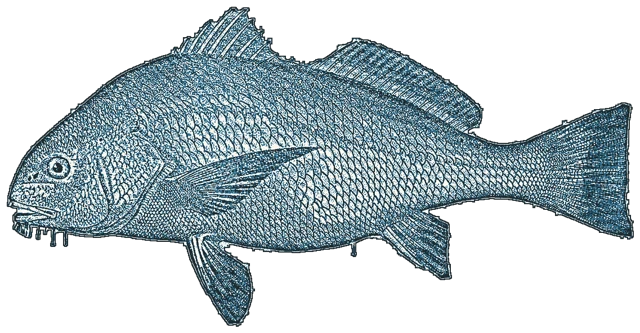 Black drum“big uglies”
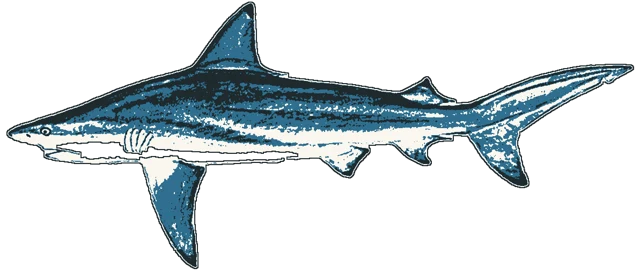 Blacktip shark
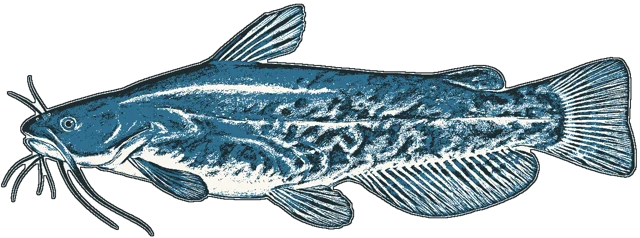 Bullhead (black, brown, yellow)“mudcat”
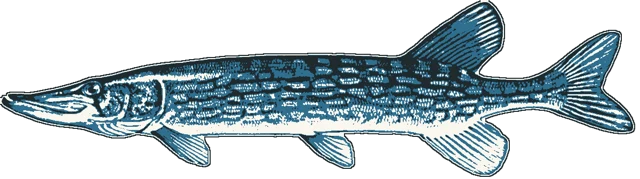 Chain pickerel“green pike”
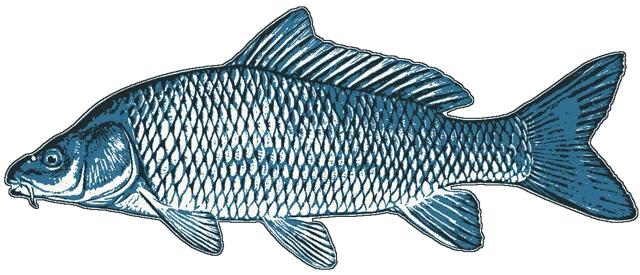 Common carp“German carp”Freshwater drum“drum fish”
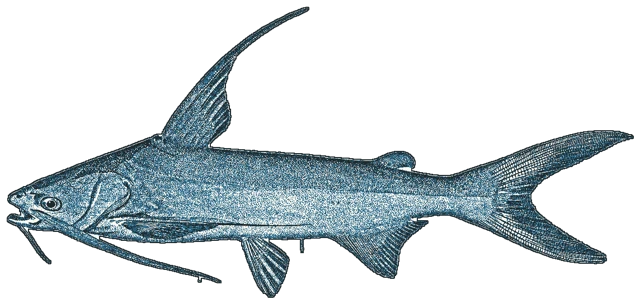 Gafftopsail catfishGrass carp“white amur”Greater amberjack“reef donkey”
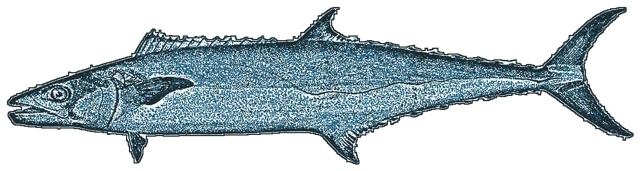 King mackerel“kingfish”
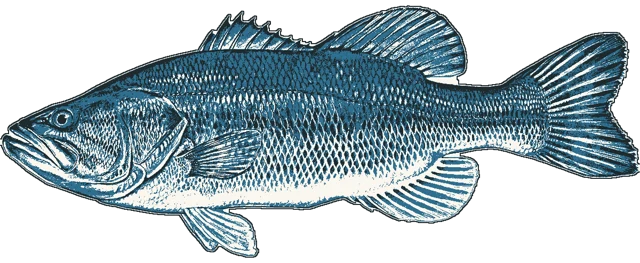 Largemouth bass“green trout”
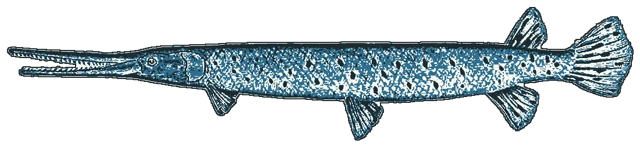 Longnose gar“needlenose gar”Paddlefish“spoonbill”Sand seatrout“white trout”Shovelnose sturgeon“hackleback sturgeon”Silver carp“speckled silver carp”
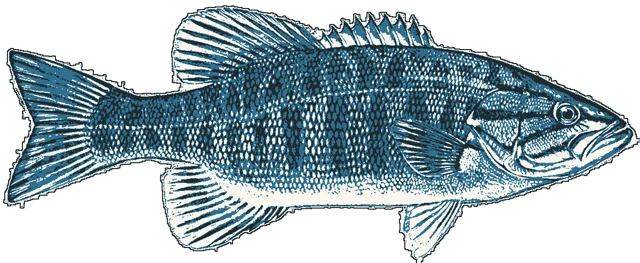 Smallmouth bass“brown bass”Smallmouth buffalo“razor-back buffalo”
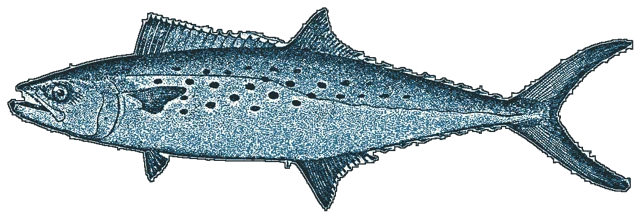 Spanish mackerelSpotted bass“Kentucky bass”Spotted gar“bill fish”
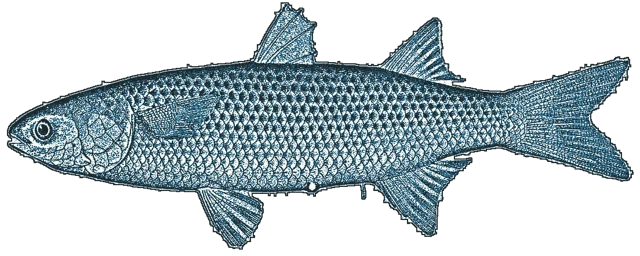 Striped mullet“popeye mullet”Yellow bass“rockfish”
Garbage fish9
What’s actually caught in Mississippi
NOAA's MRIP estimates saltwater fish caught by recreational anglers. The numbers are the average fish caught per year (kept plus released) in 2023, 2024 and 2025 for Mississippi, from MRIP's state-level catch files; these ten are the most-caught fish in the Mississippi estimates and all are on this board. MRIP does not survey fresh water. NOAA recalibrated its survey in 2026, so its current query tool may show lower totals, and a different order, than the 2023-2025 estimate files used here.
- Sand seatrout Just OK3.68M fish caught per year, average of 2023-2025 (2023 2.83M, 2024 4.70M, 2025 3.52M); 35% released. MRIP name: sand seatrout (white trout).
- Spotted seatrout Best eating3.11M fish caught per year, average of 2023-2025 (2023 3.49M, 2024 3.20M, 2025 2.63M); 69% released.
- Atlantic croaker Just OK2.78M fish caught per year, average of 2023-2025 (2023 3.87M, 2024 4.07M, 2025 395K); 74% released. The 2025 estimate is far below 2023 and 2024.
- Hardhead catfish Garbage fish1.90M fish caught per year, average of 2023-2025 (2023 2.51M, 2024 2.47M, 2025 716K); 96% released. The 2025 estimate is far below 2023 and 2024.
- Southern flounder Best eating688K fish caught per year, average of 2023-2025 (2023 442K, 2024 728K, 2025 893K); 58% released.
- Gafftopsail catfish Just OK557K fish caught per year, average of 2023-2025 (2023 1.05M, 2024 550K, 2025 73K); 96% released. The 2025 estimate is far below 2023 and 2024.
- Red drum Best eating555K fish caught per year, average of 2023-2025 (2023 637K, 2024 548K, 2025 480K); 76% released.
- Kingfish (whiting) Best eating533K fish caught per year, average of 2023-2025 (2023 603K, 2024 770K, 2025 225K); 27% released. MRIP name: southern kingfish (ground mullet, whiting); Gulf kingfish (about 57,000 a year) is not counted.
- Pinfish Garbage fish397K fish caught per year, average of 2023-2025 (2023 513K, 2024 604K, 2025 74K); 90% released.
- Black drum Just OK380K fish caught per year, average of 2023-2025 (2023 669K, 2024 293K, 2025 177K); 65% released.
Source: NOAA Fisheries Marine Recreational Information Program (MRIP) . Saltwater only: it does not survey freshwater fishing.
Fish by fish
Why each one sits where it does, the current Mississippi limits, and the bait that works.
Black crappie
Pomoxis nigromaculatus · also called white perch, calico bass, speck, strawberry bass, papermouth, speckled perch, slab · Freshwater
One of the classic fish-fry fish: MeatEater counts crappie among the best-eating fish in freshwater.
- Tastes
- mild, sweet, delicate, flaky, white
- Limits
- Light regs. Statewide: 30 a day, black and white crappie combined, no statewide size limit. Sardis, Grenada, Enid and Arkabutla lakes: 10 per angler, crappie under 12 in released, and 25 per boat when three or more anglers are aboard; in their spillways 10 per angler with no size or boat limit. Lake Washington 20 a day, under 11 in released; Eagle Lake 30, under 11 in; Moon Lake 30, under 10 in; Horseshoe Lake 20, under 11 in; Pickwick Lake and the Tennessee-Tombigbee Waterway (Pickwick to Aliceville Lock and Dam) 30, under 9 in; Lake Okhissa 10, under 10 in; Choctaw Lake 10, under 12 in; Charlie Capps Lake, Elvis Presley Lake, Lake Monroe, Lake Mary Crawford, Percy Quin State Park lake and Simpson County Lake 20, no size limit. Some community fishing ponds have their own limits. (Title 40 Part 3 Rule 1.4 (updated April 2026) and the 2026-27 Mississippi Outdoor Digest (Aug 14, 2026)) Source
- Best months
- Early spring spawn at 58 to 65 F (MDWFP)
- Where
- Shallow lakes and sloughs with clear water and aquatic vegetation; the same reservoirs and oxbows as white crappie, with the state record from Arkabutla headwaters.
- jigs
- small crankbaits
- minnows
- Do not eat (anyone): any fish from Little Conehoma Creek or the Yockanookany River between Hwy 35 near Kosciusko and Hwy 429 near Thomastown (PCBs), Lake Susie in Panola County (PCBs), any water on Yazoo National Wildlife Refuge (toxaphene and DDT), the Pearl River at Jackson (Purple Creek to Byram) or the Jackson creeks named on this page (sewage), or the Yalobusha River in Grenada (Batupan Bogue to I-55; sewage).
Meal limits and other waters (2)
- Limit (children under 7, women of childbearing age), Louisiana's list: one meal a month, all fish combined, from the Pearl River along the state line (mercury).
- Lists: 2026-27 Mississippi Outdoor Digest and MDEQ; confirm at 601-961-5701.
Blue catfish
Ictalurus furcatus · also called great forktail cat, blue channel, humpback, white river cat, Mississippi cat · Freshwater
TPWD calls it an excellent food fish; Maryland DNR says blues are very good to eat.
- Tastes
- mild, firm
- Limits
- No limits. No statewide creel limit. At all MDWFP state fishing lakes and state park lakes the limit is 10 a day; Choctaw Lake and Lake Okhissa 5 a day, Recon Lake 10. On waters shared with Alabama and Tennessee (Pickwick Lake, Aliceville Lake and other reciprocated waters) no more than 1 catfish over 34 in per person, no limit on fish 34 in and under. Catfish may not be taken with a spear or gig from May 1 to July 15. Community fishing ponds allow 2 to 10. (Title 40 Part 3 Rule 1.4 (updated April 2026) and the 2026-27 Mississippi Outdoor Digest (Aug 14, 2026)) Source
- Best months
- October on the Mississippi River; bites through fall and winter (Mississippi Sportsman, Oct 2016)
- Where
- Larger rivers, oxbow lakes, reservoirs and brackish water near the coast; the Mississippi River holds the largest fish.
- minnows
- cut shad
- Large, old blue catfish accumulate contaminants; some water bodies have size-based consumption advisories.
- Do not eat (anyone): any fish from Little Conehoma Creek or the Yockanookany River between Hwy 35 near Kosciusko and Hwy 429 near Thomastown (PCBs), Lake Susie in Panola County (PCBs), any water on Yazoo National Wildlife Refuge (toxaphene and DDT), the Pearl River at Jackson (Purple Creek to Byram) or the Jackson creeks named on this page (sewage), or the Yalobusha River in Grenada (Batupan Bogue to I-55; sewage).
- Do not eat (children, pregnant or nursing), Tennessee's list: catfish from its part of Pickwick Lake (PCBs).
Meal limits and other waters (6)
- Limit (everyone else), Tennessee's list: one meal a month of catfish there.
- Limit (children under 7, women of childbearing age), mercury: one meal every two months of catfish over 27 in from Enid Lake, the Yocona River (Enid to the Little Tallahatchie), Grenada Lake, the Yalobusha River (dam to Holcomb), Archusa Creek Water Park, the Escatawpa River (Alabama line to I-10), the Pearl River (Hwy 25 near Carthage to the Leake County Water Park), or the Bogue Chitto, Pascagoula or Yockanookany rivers.
- Limit (everyone else): one meal every two weeks of catfish over 27 in from those waters.
- Limit (everyone), toxaphene and DDT: one meal every two weeks of catfish over 22 in from Delta waters between the Mississippi River levee and the Bluff Hills, except Steele Bayou, Black Bayou, Bee Lake, RecCon Lake and Lake Charlie Capps.
- Limit (children under 7, women of childbearing age), Louisiana's list: one meal a month, all fish combined, from the Pearl River along the state line (mercury).
- Lists: 2026-27 Mississippi Outdoor Digest and MDEQ; confirm at 601-961-5701.
Bluegill
Lepomis macrochirus · also called bream, coppernose, copperhead, bull bream, blue sunfish, blue joe · Freshwater
MeatEater calls the flesh light, delicate and sweet; the original fish-fry panfish.
- Tastes
- mild, sweet, firm, flaky
- Limits
- Light regs. Statewide: 100 a day, bluegill, redear and other sunfish combined, no statewide size limit. Elvis Presley Lake, Lake Okhissa and Simpson County Lake 50 a day (bluegill and redear); Choctaw Lake 25 a day. Community fishing ponds have their own limits, mostly 10 to 25 a day. (Title 40 Part 3 Rule 1.4 (updated April 2026) and the 2026-27 Mississippi Outdoor Digest (Aug 14, 2026)) Source
- Spawns
- Spawns from about 65 F and often several times through the summer (MDWFP)
- Where
- Shallow vegetated lakes and ponds. MDWFP names the Delta oxbows (Eagle Lake, Tunica Cutoff, Lake Washington) for big bream and Lake Lamar Bruce for large bluegill.
- crickets
- earthworms
- small spinners
- flies
- Do not eat (anyone): any fish from Little Conehoma Creek or the Yockanookany River between Hwy 35 near Kosciusko and Hwy 429 near Thomastown (PCBs), Lake Susie in Panola County (PCBs), any water on Yazoo National Wildlife Refuge (toxaphene and DDT), the Pearl River at Jackson (Purple Creek to Byram) or the Jackson creeks named on this page (sewage), or the Yalobusha River in Grenada (Batupan Bogue to I-55; sewage).
Meal limits and other waters (2)
- Limit (children under 7, women of childbearing age), Louisiana's list: one meal a month, all fish combined, from the Pearl River along the state line (mercury).
- Lists: 2026-27 Mississippi Outdoor Digest and MDEQ; confirm at 601-961-5701.
Channel catfish
Ictalurus punctatus · also called fiddler, willow cat, speckled cat, government cat, river cat · Freshwater
Very good to eat (Maryland DNR) and delicious when cooked (TPWD), and the basis of US catfish farming.
- Tastes
- mild, sweet, firm, moist
- Limits
- No limits. No statewide creel limit. At all MDWFP state fishing lakes and state park lakes the limit is 10 a day; Choctaw Lake and Lake Okhissa 5 a day, Recon Lake 10. On waters shared with Alabama and Tennessee (Pickwick Lake, Aliceville Lake and other reciprocated waters) no more than 1 catfish over 34 in per person, no limit on fish 34 in and under. Catfish may not be taken with a spear or gig from May 1 to July 15. Community fishing ponds allow 2 to 10. (Title 40 Part 3 Rule 1.4 (updated April 2026) and the 2026-27 Mississippi Outdoor Digest (Aug 14, 2026)) Source
- Spawns
- Spawns late spring to early summer; active at night (MDWFP)
- Where
- Streams, rivers, oxbow lakes and ponds; MDWFP says the Delta rivers (Yazoo, Tallahatchie, Sunflower, Yalobusha) hold large catfish populations and the Tennessee-Tombigbee lakes have phenomenal catfish fisheries. State record: Lake Tom Bailey, 1997.
- liver
- stink baits
- cut fish
- worms
- Do not eat (anyone): any fish from Little Conehoma Creek or the Yockanookany River between Hwy 35 near Kosciusko and Hwy 429 near Thomastown (PCBs), Lake Susie in Panola County (PCBs), any water on Yazoo National Wildlife Refuge (toxaphene and DDT), the Pearl River at Jackson (Purple Creek to Byram) or the Jackson creeks named on this page (sewage), or the Yalobusha River in Grenada (Batupan Bogue to I-55; sewage).
- Do not eat (children, pregnant or nursing), Tennessee's list: catfish from its part of Pickwick Lake (PCBs).
Meal limits and other waters (6)
- Limit (everyone else), Tennessee's list: one meal a month of catfish there.
- Limit (children under 7, women of childbearing age), mercury: one meal every two months of catfish over 27 in from Enid Lake, the Yocona River (Enid to the Little Tallahatchie), Grenada Lake, the Yalobusha River (dam to Holcomb), Archusa Creek Water Park, the Escatawpa River (Alabama line to I-10), the Pearl River (Hwy 25 near Carthage to the Leake County Water Park), or the Bogue Chitto, Pascagoula or Yockanookany rivers.
- Limit (everyone else): one meal every two weeks of catfish over 27 in from those waters.
- Limit (everyone), toxaphene and DDT: one meal every two weeks of catfish over 22 in from Delta waters between the Mississippi River levee and the Bluff Hills, except Steele Bayou, Black Bayou, Bee Lake, RecCon Lake and Lake Charlie Capps.
- Limit (children under 7, women of childbearing age), Louisiana's list: one meal a month, all fish combined, from the Pearl River along the state line (mercury).
- Lists: 2026-27 Mississippi Outdoor Digest and MDEQ; confirm at 601-961-5701.
Cobia
Rachycentron canadum · also called lemonfish, ling · Saltwater
Firm, white, sweet meat; TPWD calls it an exceptionally fine food fish.
- Tastes
- sweet, rich, firm, lean, moist
- Limits
- Heavy regs. 36 in minimum fork length, 2 a day. The free MS-ROLP is required to possess cobia. State waters; federal rules are separate (MDMR points to gulfcouncil.org). (MDMR recreational limits page, Title 22 Part 3 (June 5, 2026) and the state digest's limits page (Oct 5, 2026)) Source
- Best months
- Spring to fall (MDMR)
- Where
- Coastal bays, sandbars and offshore structures (MDMR); in Mississippi Sound they hover near crab trap buoys and channel markers.
- a bait cast to fish sighted at buoys and channel markers
- live fish on a drift line near reefs
Flathead catfish
Pylodictis olivaris · also called appaloosa cat, shovelhead cat, tabby cat, willow cat, spotted cat, yellow cat · Freshwater
Widely considered the best-tasting catfish because it eats live fish instead of scavenging; Maryland DNR notes its mild, white flesh.
- Tastes
- mild, clean, firm, white
- Limits
- No limits. No statewide creel limit. At all MDWFP state fishing lakes and state park lakes the limit is 10 a day; Choctaw Lake and Lake Okhissa 5 a day, Recon Lake 10. On waters shared with Alabama and Tennessee (Pickwick Lake, Aliceville Lake and other reciprocated waters) no more than 1 catfish over 34 in per person, no limit on fish 34 in and under. Catfish may not be taken with a spear or gig from May 1 to July 15. Community fishing ponds allow 2 to 10. (Title 40 Part 3 Rule 1.4 (updated April 2026) and the 2026-27 Mississippi Outdoor Digest (Aug 14, 2026)) Source
- Spawns
- Spawns May through July (MDWFP)
- Where
- Deep pools of streams and rivers near underwater structure, and oxbow lakes and reservoirs.
- live bait on trotlines, limb lines, jugs or rod and reel
- Do not eat (anyone): any fish from Little Conehoma Creek or the Yockanookany River between Hwy 35 near Kosciusko and Hwy 429 near Thomastown (PCBs), Lake Susie in Panola County (PCBs), any water on Yazoo National Wildlife Refuge (toxaphene and DDT), the Pearl River at Jackson (Purple Creek to Byram) or the Jackson creeks named on this page (sewage), or the Yalobusha River in Grenada (Batupan Bogue to I-55; sewage).
- Do not eat (children, pregnant or nursing), Tennessee's list: catfish from its part of Pickwick Lake (PCBs).
Meal limits and other waters (6)
- Limit (everyone else), Tennessee's list: one meal a month of catfish there.
- Limit (children under 7, women of childbearing age), mercury: one meal every two months of catfish over 27 in from Enid Lake, the Yocona River (Enid to the Little Tallahatchie), Grenada Lake, the Yalobusha River (dam to Holcomb), Archusa Creek Water Park, the Escatawpa River (Alabama line to I-10), the Pearl River (Hwy 25 near Carthage to the Leake County Water Park), or the Bogue Chitto, Pascagoula or Yockanookany rivers.
- Limit (everyone else): one meal every two weeks of catfish over 27 in from those waters.
- Limit (everyone), toxaphene and DDT: one meal every two weeks of catfish over 22 in from Delta waters between the Mississippi River levee and the Bluff Hills, except Steele Bayou, Black Bayou, Bee Lake, RecCon Lake and Lake Charlie Capps.
- Limit (children under 7, women of childbearing age), Louisiana's list: one meal a month, all fish combined, from the Pearl River along the state line (mercury).
- Lists: 2026-27 Mississippi Outdoor Digest and MDEQ; confirm at 601-961-5701.
Florida pompano
Trachinotus carolinus · Saltwater
Rich, sweet, buttery fillets; TPWD says many consider it the most delicious of all Gulf fish.
- Tastes
- rich, sweet, buttery, firm, moist, fine
- Limits
- No limits. No daily limit and no minimum size listed. State waters; federal rules are separate. (MDMR recreational limits page, Title 22 Part 3 (June 5, 2026) and the state digest's limits page (Oct 5, 2026)) Source
- Best months
- Summer (MDMR)
- Where
- The surf zone of the barrier islands and beaches (MDMR).
- live shrimp
- small pieces of dead shrimp
Gray snapper
Lutjanus griseus · also called mangrove snapper · Saltwater
LSU Sea Grant rates its food value excellent; a mainstay of Florida's recreational snapper catch.
- Tastes
- mild, sweet, firm, white, flaky
- Limits
- Heavy regs. 12 in minimum total length, 10 a day, inside a 10-fish snapper aggregate that counts gray, mutton (no more than 5), yellowtail, schoolmaster, cubera, dog, mahogany, queen, blackfin and silk snapper and wenchman together; red, vermilion and lane snapper are outside it. The free MS-ROLP is required to possess gray snapper, except fish kept inshore, north of the Intracoastal Waterway. Mississippi state waters; federal rules are separate. (MDMR recreational limits page, Title 22 Part 3 (June 5, 2026) and the state digest's limits page (Oct 5, 2026)) Source
- Best months
- Summer to fall (MDMR)
- Where
- Inshore around seagrass beds, rocky areas and piers; bigger fish move offshore over hard bottom, oil rigs and artificial reefs (MDMR).
- live croakers
- live shrimp
- pieces of cigar minnows
- Ciguatera has been documented but is rare (Florida Museum).
Gray triggerfish
Balistes capriscus · Saltwater
Sweet, firm meat that NOAA says tastes more like crab than fish; the tough skin is the only hurdle.
- Tastes
- sweet, crab-like, firm
- Limits
- Heavy regs. Open on Nov 21, 2026: the 2026 state season reopened Aug 1 and runs through Dec 31, 2026 (it was closed Jan 1 to Feb 28 and June 1 to July 31). 1 per person a day, 15 in minimum fork length, inside a 20-fish reef fish aggregate. The free MS-ROLP is required to possess triggerfish. Federal rules are separate. (Open Aug 1 to Dec 31, 2026 (MDMR notice dated Aug 7, 2026)) Source
- Best months
- Year-round per the MDMR booklet; state season dates are set each year
- Where
- Offshore structures, including oil rigs and artificial reefs (MDMR).
- cigar minnows
- cut bonito
- large fresh squid
- Ciguatera has been linked to triggerfish (Florida Museum).
Hybrid striped bass
Morone saxatilis x M. chrysops · also called sunshine bass, Cherokee bass, wipers, hybrids · Freshwater
Indiana DNR says hybrids make great table fare; mild white fillets like a striper's.
- Tastes
- mild, firm, white
- Limits
- Light regs. Statewide: 6 a day, striped bass and hybrids combined, 15 in minimum. In the Pearl River from the Ross Barnett Reservoir dam to the City of Jackson water intake, only 1 striped or hybrid bass over 24 in may be kept. In waters shared with another state, the other state's limit or Mississippi's applies, whichever is greater. (Title 40 Part 3 Rule 1.4 (updated April 2026) and the 2026-27 Mississippi Outdoor Digest (Aug 14, 2026)) Source
- Where
- Reservoirs and lakes stocked to control shad; MDWFP lists sandy shallows and rocky areas near dams. The state record came from Lower Sardis Lake in 1991.
- trolled crankbaits
- Do not eat (anyone): any fish from Little Conehoma Creek or the Yockanookany River between Hwy 35 near Kosciusko and Hwy 429 near Thomastown (PCBs), Lake Susie in Panola County (PCBs), any water on Yazoo National Wildlife Refuge (toxaphene and DDT), the Pearl River at Jackson (Purple Creek to Byram) or the Jackson creeks named on this page (sewage), or the Yalobusha River in Grenada (Batupan Bogue to I-55; sewage).
Meal limits and other waters (2)
- Limit (children under 7, women of childbearing age), Louisiana's list: one meal a month, all fish combined, from the Pearl River along the state line (mercury).
- Lists: 2026-27 Mississippi Outdoor Digest and MDEQ; confirm at 601-961-5701.
Kingfish (whiting)
Menticirrhus spp. (M. americanus, M. littoralis, M. saxatilis) · also called ground mullet, channel mullet, southern kingfish · Saltwater
Firm, white, mild fillets with good flavor; small, but no smaller than the bluegill and crappie we also rate best. Fried whole or filleted, it's the Carolinas' favorite pier fish ("sea mullet" in NC).
- Tastes
- mild, sweet, firm, white
- Limits
- No limits. No daily limit and no minimum size listed. State waters; federal rules are separate. (MDMR recreational limits page, Title 22 Part 3 (June 5, 2026) and the state digest's limits page (Oct 5, 2026)) Source
- Best months
- Summer (MDMR); the bay is full of them in late spring and early summer (Mississippi Sportsman)
- Where
- Bays and estuarine systems (MDMR); Biloxi Bay and the reefs.
- small hooks with small pieces of cut bait or squid
Red drum
Sciaenops ocellatus · also called redfish, bull reds (large fish) · Saltwater
Slot-size reds are firm, mild, white-fleshed fish that anglers keep specifically to eat; blackened redfish made the species famous.
- Tastes
- mild, slightly sweet, firm, moist, large flakes; coarse in big fish
- Limits
- Heavy regs. 3 a day, 18 to 30 in total length; only 1 red drum over 30 in may be kept in a day. State rule; federal rules are separate. (MDMR recreational limits page, Title 22 Part 3 (June 5, 2026) and the state digest's limits page (Oct 5, 2026)) Source
- Best months
- Spring to fall (MDMR); bull reds from mid-July through the first cool snap in late October (Mississippi Sportsman)
- Where
- Bays, estuaries and island passes (MDMR). Anglers fish old pilings and shell banks around Old Fort Bayou, the Biloxi Bay deltas, Graveline, Heron and Davis bayous, piers, the beaches and the barrier islands.
- live shrimp under a popping cork
- live minnows
- cut fish
- cracked blue crab
- mullet-pattern lures
- Slot-size fish eat best; large 'bull reds' are coarse and are usually released.
Before you eat it: Limit (children under 7, women of childbearing age): one meal a month, all fish combined, from the Pearl River along the Louisiana line (mercury; Louisiana's list, Sept 2026).
Red snapper
Lutjanus campechanus · Saltwater
Sweet, firm, succulent white fillets; Florida Sportsman's pick for best-eating bottom fish, and TPWD calls the throats a delicacy.
- Tastes
- sweet, mild, distinctive, semi-firm, lean, moist
- Limits
- Heavy regs. Closed on Nov 21, 2026: the state recreational season closed at 11:59 p.m. on Sept 27, 2026 and stays closed for the rest of 2026, and no red snapper may be landed or possessed in Mississippi state waters while it is closed. When open: 2 per person per day, 16 in minimum total length; one angler per vessel must report each trip through Tails n' Scales, and each licensed angler needs the free MS-ROLP. The 2026 season ran May 22 to July 5 and reopened Sept 4 (Fridays to Sundays plus Labor Day) until it closed Sept 27. For private anglers the Mississippi season covers state and federal waters; federal for-hire seasons are separate. A venting tool or descending device and non-stainless circle hooks (natural bait) are required by federal law when fishing for reef fish. (Closed Sept 27, 2026 through Dec 31, 2026 (MDMR notice dated Oct 1, 2026)) Source
- Best months
- Spring to fall (MDMR); seasons are set each year
- Where
- Offshore structures including oil rigs and artificial reefs (MDMR). MDMR's finfish bureau director calls Fish Haven 13 one of the state's more popular red snapper reefs.
- live fish
Redear sunfish
Lepomis microlophus · also called chinquapin, shellcracker, stump knocker, government bream, cherry gill · Freshwater
Larger than bluegill, with the same sweet fillets; Indiana DNR calls sunfish, redear included, delicious fish.
- Tastes
- mild, sweet, firm, flaky
- Limits
- Light regs. Statewide: 100 a day, bluegill, redear and other sunfish combined, no statewide size limit. Elvis Presley Lake, Lake Okhissa and Simpson County Lake 50 a day (bluegill and redear); Choctaw Lake 25 a day. Community fishing ponds have their own limits, mostly 10 to 25 a day. (Title 40 Part 3 Rule 1.4 (updated April 2026) and the 2026-27 Mississippi Outdoor Digest (Aug 14, 2026)) Source
- Best months
- Spring and early summer spawn near 70 F (MDWFP)
- Where
- Clear, quiet water with vegetation. Fishing near the bottom works best; Lake Lamar Bruce is known for large redear sunfish and bluegill.
- earthworms
- grubs
- Do not eat (anyone): any fish from Little Conehoma Creek or the Yockanookany River between Hwy 35 near Kosciusko and Hwy 429 near Thomastown (PCBs), Lake Susie in Panola County (PCBs), any water on Yazoo National Wildlife Refuge (toxaphene and DDT), the Pearl River at Jackson (Purple Creek to Byram) or the Jackson creeks named on this page (sewage), or the Yalobusha River in Grenada (Batupan Bogue to I-55; sewage).
Meal limits and other waters (2)
- Limit (children under 7, women of childbearing age), Louisiana's list: one meal a month, all fish combined, from the Pearl River along the state line (mercury).
- Lists: 2026-27 Mississippi Outdoor Digest and MDEQ; confirm at 601-961-5701.
Sheepshead
Archosargus probatocephalus · also called convict fish, bait thief, sheep bream, saltwater bream · Saltwater
Fine, white, mild flesh that agencies call excellent; the only knock is that the heavy scales and spines make it a chore to clean.
- Tastes
- mild, sweet (shellfish diet), firm, white, fine flake
- Limits
- Light regs. 14 in minimum total length, 15 a day. State rule; federal rules are separate. (MDMR recreational limits page, Title 22 Part 3 (June 5, 2026) and the state digest's limits page (Oct 5, 2026)) Source
- Best months
- Winter to spring (MDMR); fishing picks up in fall and runs through the late March to early April spawning peak (MDMR finfish bureau)
- Where
- Man-made and natural structure (MDMR): bridge and dock pilings, reefs, jetties, rip-rap and shell piles. The Biloxi to Ocean Springs bridge and railroad trestle are named spots.
- fiddler crabs
- blue crab pieces
- mussels
- clams
- shrimp
- Sharp gill covers and dorsal spines; heavy scales make filleting slow (TPWD).
Before you eat it: Limit (children under 7, women of childbearing age): one meal a month, all fish combined, from the Pearl River along the Louisiana line (mercury; Louisiana's list, Sept 2026).
Southern flounder
Paralichthys lethostigma · Saltwater
Lean, white, mild fillets; TPWD says its reputation as table fare is unsurpassed in Texas.
- Tastes
- mild, sweet, lean, fine, delicate flakes
- Limits
- Light regs. 12 in minimum total length, 10 a day (all flounder, Paralichthys species). State rule; federal rules are separate. (MDMR recreational limits page, Title 22 Part 3 (June 5, 2026) and the state digest's limits page (Oct 5, 2026)) Source
- Best months
- Spring to fall (MDMR)
- Where
- Silty bay and estuary bottoms (MDMR); old pilings and marshy shell-bottom banks around Biloxi Bay. Anglers gig flounder at night along the beaches.
- live shrimp or minnows under a popping cork
- plastic shrimp or minnow imitations
Before you eat it: Limit (children under 7, women of childbearing age): one meal a month, all fish combined, from the Pearl River along the Louisiana line (mercury; Louisiana's list, Sept 2026).
Spotted seatrout
Cynoscion nebulosus · also called speckled trout, specks · Saltwater
Excellent flavor and delicate texture; one of the most-kept inshore fish from the Carolinas to Texas.
- Tastes
- mild, sweet, delicate, soft to medium, fine flake
- Limits
- Light regs. 15 in minimum total length, 15 a day. State rule; federal rules are separate. (MDMR recreational limits page, Title 22 Part 3 (June 5, 2026) and the state digest's limits page (Oct 5, 2026)) Source
- Best months
- Year-round, with spring and fall the peak times (MDMR); spawning peaks mid-May to June with a smaller peak in August (Mississippi Sportsman)
- Where
- Bays and estuaries in spring; in summer the Mississippi Sound islands and shell beds, and artificial reefs such as Katrina Key near Deer Island.
- live shrimp under a popping cork
- live croakers (for big trout)
- topwater lures
- soft plastics on a jighead
- Ice immediately; the meat loses quality quickly in warm weather (TPWD).
- Some fish carry harmless 'spaghetti worm' tapeworm larvae along the backbone (TPWD, Florida Museum).
Before you eat it: Limit (children under 7, women of childbearing age): one meal a month, all fish combined, from the Pearl River along the Louisiana line (mercury; Louisiana's list, Sept 2026).
Striped bass
Morone saxatilis · also called rockfish, greenhead, striper · Freshwater
Firm, large-flaked, slightly sweet white meat; one of the most kept and eaten gamefish in the country, fresh or salt.
- Tastes
- mild, slightly sweet, firm, large flakes
- Limits
- Light regs. Statewide: 6 a day, striped bass and hybrids combined, 15 in minimum. In the Pearl River from the Ross Barnett Reservoir dam to the City of Jackson water intake, only 1 striped or hybrid bass over 24 in may be kept. In waters shared with another state, the other state's limit or Mississippi's applies, whichever is greater. (Title 40 Part 3 Rule 1.4 (updated April 2026) and the 2026-27 Mississippi Outdoor Digest (Aug 14, 2026)) Source
- Spawns
- Spawns February to April (MDWFP)
- Where
- MDWFP says stripers mostly stay in the Mississippi River in the northwest, and typically do poorly in Mississippi reservoirs. Pickwick Lake and the Pascagoula River (state record 2016) are the other waters named.
- slab spoons
- deep-running lures
- jigs in chartreuse and white
- Consumption advisories for striped bass vary from state to state (NOAA).
- Do not eat (anyone): any fish from Little Conehoma Creek or the Yockanookany River between Hwy 35 near Kosciusko and Hwy 429 near Thomastown (PCBs), Lake Susie in Panola County (PCBs), any water on Yazoo National Wildlife Refuge (toxaphene and DDT), the Pearl River at Jackson (Purple Creek to Byram) or the Jackson creeks named on this page (sewage), or the Yalobusha River in Grenada (Batupan Bogue to I-55; sewage).
Meal limits and other waters (2)
- Limit (children under 7, women of childbearing age), Louisiana's list: one meal a month, all fish combined, from the Pearl River along the state line (mercury).
- Lists: 2026-27 Mississippi Outdoor Digest and MDEQ; confirm at 601-961-5701.
Tripletail
Lobotes surinamensis · also called blackfish · Saltwater
Florida Sportsman calls it the top inshore eating fish: delicate, rich, flaky white meat.
- Tastes
- mild, rich, sweet, firm, white, flaky
- Limits
- Heavy regs. 18 in minimum total length, 3 a day. State waters; federal rules are separate. (MDMR recreational limits page, Title 22 Part 3 (June 5, 2026) and the state digest's limits page (Oct 5, 2026)) Source
- Best months
- Summer (MDMR)
- Where
- Open-water debris and wreckage, and inshore channel markers and buoys (MDMR); they hover near crab trap buoys and channel markers in Mississippi Sound.
- live shrimp under a cork
White bass
Morone chrysops · also called sand bass, barfish, stripe, silver bass · Freshwater
Texas Parks & Wildlife calls white bass superb table fare, and the spring runs fill a lot of coolers; light, flaky meat like walleye.
- Tastes
- mild, light, flaky
- Limits
- No limits. No daily creel limit and no statewide size limit: Rule 1.4 sets limits only for the species it lists, and white bass is not one of them. MDWFP says there are no size or number limits on white bass at Sardis, Grenada and Enid lakes. (Title 40 Part 3 Rule 1.4 (updated April 2026) and the 2026-27 Mississippi Outdoor Digest (Aug 14, 2026)) Source
- Spawns
- Run March to May (MDWFP)
- Where
- The Mississippi River and its oxbow lakes, and reservoirs. MDWFP names Tombigbee River tributaries (Buttahatchie River, Luxapalila Creek) and the Sardis, Bay Springs and Tennessee-Tombigbee lakes; the state record came from the Grenada Reservoir spillway.
- jigs
- spinners
- small and medium crankbaits
- minnows
- Do not eat (anyone): any fish from Little Conehoma Creek or the Yockanookany River between Hwy 35 near Kosciusko and Hwy 429 near Thomastown (PCBs), Lake Susie in Panola County (PCBs), any water on Yazoo National Wildlife Refuge (toxaphene and DDT), the Pearl River at Jackson (Purple Creek to Byram) or the Jackson creeks named on this page (sewage), or the Yalobusha River in Grenada (Batupan Bogue to I-55; sewage).
Meal limits and other waters (2)
- Limit (children under 7, women of childbearing age), Louisiana's list: one meal a month, all fish combined, from the Pearl River along the state line (mercury).
- Lists: 2026-27 Mississippi Outdoor Digest and MDEQ; confirm at 601-961-5701.
White crappie
Pomoxis annularis · also called white perch, sac-a-lait, slab, papermouth · Freshwater
Same top-tier panfish fillets as black crappie; one of the most popular panfish in the country.
- Tastes
- mild, sweet, delicate, flaky, white
- Limits
- Light regs. Statewide: 30 a day, black and white crappie combined, no statewide size limit. Sardis, Grenada, Enid and Arkabutla lakes: 10 per angler, crappie under 12 in released, and 25 per boat when three or more anglers are aboard; in their spillways 10 per angler with no size or boat limit. Lake Washington 20 a day, under 11 in released; Eagle Lake 30, under 11 in; Moon Lake 30, under 10 in; Horseshoe Lake 20, under 11 in; Pickwick Lake and the Tennessee-Tombigbee Waterway (Pickwick to Aliceville Lock and Dam) 30, under 9 in; Lake Okhissa 10, under 10 in; Choctaw Lake 10, under 12 in; Charlie Capps Lake, Elvis Presley Lake, Lake Monroe, Lake Mary Crawford, Percy Quin State Park lake and Simpson County Lake 20, no size limit. Some community fishing ponds have their own limits. (Title 40 Part 3 Rule 1.4 (updated April 2026) and the 2026-27 Mississippi Outdoor Digest (Aug 14, 2026)) Source
- Best months
- March to May, during the spawn (MDWFP); fishing effort peaks in the spring crappie spawn
- Where
- Sardis, Enid, Grenada and Arkabutla reservoirs; oxbows such as Lake Washington, Eagle Lake and Tunica Cutoff; Ross Barnett Reservoir; and Aberdeen, Columbus and Aliceville lakes on the Tennessee-Tombigbee Waterway. Around logs, brush piles and cypress trees.
- jigs
- small crankbaits
- minnows
- Do not eat (anyone): any fish from Little Conehoma Creek or the Yockanookany River between Hwy 35 near Kosciusko and Hwy 429 near Thomastown (PCBs), Lake Susie in Panola County (PCBs), any water on Yazoo National Wildlife Refuge (toxaphene and DDT), the Pearl River at Jackson (Purple Creek to Byram) or the Jackson creeks named on this page (sewage), or the Yalobusha River in Grenada (Batupan Bogue to I-55; sewage).
Meal limits and other waters (2)
- Limit (children under 7, women of childbearing age), Louisiana's list: one meal a month, all fish combined, from the Pearl River along the state line (mercury).
- Lists: 2026-27 Mississippi Outdoor Digest and MDEQ; confirm at 601-961-5701.
Alligator gar
Atractosteus spatula · also called Mississippi alligator gar, great gar · Freshwater
The gar people actually keep for meat in Texas and Louisiana, but it is armored, hard to clean and still widely seen as trash.
Worth a try: Cut down the back with shears or a hatchet to get past the armored scales, take the two white backstraps, and fry them or grind them into Louisiana gar balls.
- Tastes
- mild, firm, lean, stringy in large fish
- Limits
- Heavy regs. 2 a day statewide. No harvest on Bee Lake in Holmes County (0 per angler, all lengths). Gar may be taken year-round with bow and arrow, crossbow, spear or gig. (Title 40 Part 3 Rule 1.4 (updated April 2026) and the 2026-27 Mississippi Outdoor Digest (Aug 14, 2026)) Source
- Spawns
- Spawns in late spring (MDWFP)
- Where
- MDWFP says alligator gar are most common in south Mississippi, in large river systems, oxbow lakes, bayous and estuaries.
- Gar eggs (roe) are toxic to people and other warm-blooded animals; never eat them (Maryland DNR).
- Do not eat (anyone): any fish from Little Conehoma Creek or the Yockanookany River between Hwy 35 near Kosciusko and Hwy 429 near Thomastown (PCBs), Lake Susie in Panola County (PCBs), any water on Yazoo National Wildlife Refuge (toxaphene and DDT), the Pearl River at Jackson (Purple Creek to Byram) or the Jackson creeks named on this page (sewage), or the Yalobusha River in Grenada (Batupan Bogue to I-55; sewage).
Meal limits and other waters (3)
- Limit (everyone), toxaphene and DDT: one meal every two weeks of gar from Delta waters between the Mississippi River levee and the Bluff Hills, except Steele Bayou, Black Bayou, Bee Lake, RecCon Lake and Lake Charlie Capps.
- Limit (children under 7, women of childbearing age), Louisiana's list: one meal a month, all fish combined, from the Pearl River along the state line (mercury).
- Lists: 2026-27 Mississippi Outdoor Digest and MDEQ; confirm at 601-961-5701.
Atlantic croaker
Micropogonias undulatus · Saltwater
Good mild meat (LSU Sea Grant rates it very good), but most catches are under half a pound, so yield is low and they are usually fried whole or as small fillets.
- Tastes
- mild, slightly sweet, medium-firm, small flakes
- Limits
- No limits. No daily limit and no minimum size: Title 22 Part 3 Rule 7.1 sets bag and size limits only for the species it names, and croaker is not one of them. State waters; federal rules are separate. (Title 22 Part 3, dated Jun 5, 2026) Source
- Best months
- Summer to fall (MDMR)
- Where
- Bays and estuaries (MDMR); deep holes and structure such as bridges in summer. Anglers also keep live croakers as bait for big trout and reds.
- shrimp
- Do not eat raw; croaker can pass trematode parasites (TPWD).
Before you eat it: Limit (children under 7, women of childbearing age): one meal a month, all fish combined, from the Pearl River along the Louisiana line (mercury; Louisiana's list, Sept 2026).
Atlantic sharpnose shark
Rhizoprionodon terraenovae · also called wormies · Saltwater
NOAA reports it is quite tasty; a common small surf and pier shark that some anglers keep and many use for bait.
- Tastes
- mild, firm
- Limits
- Heavy regs. Small coastal sharks (Atlantic sharpnose, finetooth, blacknose and bonnethead): 25 in minimum total length, 4 per person a day in aggregate. Large coastal and pelagic sharks (blacktip, spinner, bull, tiger, lemon, nurse, hammerheads, shortfin mako, thresher and others): 37 in minimum, 1 per person and 3 per vessel a day. Finning is unlawful. Sandbar, silky, dusky and several other sharks may not be kept. State waters; federal rules are separate. (MDMR recreational limits page, Title 22 Part 3 (June 5, 2026) and the state digest's limits page (Oct 5, 2026)) Source
- Best months
- Peak season spring through fall (MDMR saltwater fish poster)
- Where
- MDMR calls it the most common shark in Mississippi's coastal waters.
- cut bloody fish
- FDA/EPA list shark as a 'Choice to Avoid' (highest mercury).
Before you eat it: Do not eat (pregnant): any shark (mercury; Mississippi State Department of Health, Oct 2026).
Atlantic spadefish
Chaetodipterus faber · Saltwater
Relatively good flesh (Florida Museum) and enjoyed by some anglers, but thin fillets on a round fish and a ciguatera association keep it in Just OK.
- Tastes
- mild, firm, white
- Limits
- No limits. No daily limit and no minimum size: Title 22 Part 3 Rule 7.1 sets limits only for the species it names, and Atlantic spadefish is not one of them. State waters; federal rules are separate. (Title 22 Part 3, dated Jun 5, 2026) Source
- Best months
- Year-round (MDMR)
- Where
- Offshore oil rigs and other hard structures (MDMR).
- cannonball jellyfish
- clam
- shrimp
- tiny hooks
- Associated with ciguatera (Florida Museum).
Bigmouth buffalo
Ictiobus cyprinellus · also called white buffalo, gourdhead · Freshwater
A food fish many people consider worth keeping despite its many bones (TPWD), but and rarely caught on hook and line, so most anglers write it off as a rough fish.
Worth a try: TPWD says many people consider it quite a food fish despite its many bones; smoke it, or fry the rib sections.
- Tastes
- mild, rich, firm, bony
- Limits
- No limits. No statewide creel or size limit. Buffalo may be taken year-round with bow and arrow, crossbow, spear or gig (a sport fishing license is required). (Title 40 Part 3 Rules 1.3 (April 2023) and 1.4 (updated April 2026) and the 2026-27 Mississippi Outdoor Digest (Aug 14, 2026)) Source
- Best months
- Spring spawn at 58 to 78 F (MDWFP)
- Where
- Large streams, rivers, oxbow lakes and reservoirs.
- dough baits (cottonseed meal)
- bowfishing
- Do not eat (anyone): any fish from Little Conehoma Creek or the Yockanookany River between Hwy 35 near Kosciusko and Hwy 429 near Thomastown (PCBs), Lake Susie in Panola County (PCBs), any water on Yazoo National Wildlife Refuge (toxaphene and DDT), the Pearl River at Jackson (Purple Creek to Byram) or the Jackson creeks named on this page (sewage), or the Yalobusha River in Grenada (Batupan Bogue to I-55; sewage).
- Do not eat (anyone): buffalo from Roebuck Lake in Leflore County (MDEQ fact sheet, March 28, 2002, repeated in its 2024 report).
Meal limits and other waters (3)
- Limit (everyone), toxaphene and DDT: one meal every two weeks of buffalo from Delta waters between the Mississippi River levee and the Bluff Hills, except Steele Bayou, Black Bayou, Bee Lake, RecCon Lake and Lake Charlie Capps.
- Limit (children under 7, women of childbearing age), Louisiana's list: one meal a month, all fish combined, from the Pearl River along the state line (mercury).
- Lists: 2026-27 Mississippi Outdoor Digest and MDEQ; confirm at 601-961-5701.
Black drum
Pogonias cromis · also called big uglies, puppy drum (small fish) · Saltwater
Small black drum are good eating, but big fish are coarse and often carry harmless but off-putting spaghetti worms, so the species' reputation is mixed.
Worth a try: Keep fish under about 5 lb (TPWD's cutoff) and skip the bulls. Small black drum fillets are white, mild and firm, and work anywhere redfish does: blackened, fried, or grilled on the half shell. LSU Sea Grant rates food value good, especially smaller fish.
- Tastes
- mild, sweet, firm; coarse in large fish
- Limits
- No limits. No daily limit and no minimum size listed. State waters; federal rules are separate. (MDMR recreational limits page, Title 22 Part 3 (June 5, 2026) and the state digest's limits page (Oct 5, 2026)) Source
- Best months
- Spring to fall (MDMR)
- Where
- Bays and estuaries (MDMR); docks, bridge pilings and reefs, including the piers behind the Palace Casino in Biloxi, the Bay St. Louis and Highway 90 bridges, Katrina Key and the rocks off Beau Rivage.
- live or fresh shrimp
- blue crab
- fiddler crabs
- cut bait
- squid
- Large fish are coarse and often carry larval tapeworms ('spaghetti worms'); harmless to people but unappetizing (LSU Sea Grant).
Before you eat it: Limit (children under 7, women of childbearing age): one meal a month, all fish combined, from the Pearl River along the Louisiana line (mercury; Louisiana's list, Sept 2026).
Blacktip shark
Carcharhinus limbatus · Saltwater
Sweet, meaty and moist (NOAA), but like all sharks it must be bled and iced fast or it can taste of ammonia.
- Tastes
- sweet, meaty, thick, large flakes, moist
- Limits
- Heavy regs. Blacktip count in the large coastal and pelagic shark group (with spinner, bull, tiger, lemon, nurse, hammerheads and others): 37 in minimum total length, 1 shark from the group per person a day and no more than 3 per vessel a day. Finning is unlawful. Mississippi state waters; federal rules are separate. (MDMR recreational limits page, Title 22 Part 3 (June 5, 2026) and the state digest's limits page (Oct 5, 2026)) Source
- Best months
- Peak season summer (MDMR saltwater fish poster)
- Where
- MDMR lists it among the common sharks in Mississippi waters.
- fresh shrimp
- fresh mullet
- menhaden
- bonito
- FDA/EPA list shark as a 'Choice to Avoid' (highest mercury).
- Bleed and gut immediately to keep urea out of the meat.
Before you eat it: Do not eat (pregnant): any shark (mercury; Mississippi State Department of Health, Oct 2026).
Bullhead (black, brown, yellow)
Ameiurus melas, A. nebulosus, A. natalis · also called mudcat, smoothie, polliwog, butter cat, paper skin · Freshwater
Sweet, delicious catfish meat, but most are small and many come from warm, muddy water, so many anglers dismiss them.
- Tastes
- mild, sweet, firm, moist
- Limits
- No limits. No daily creel limit and no size limit listed for black, yellow or brown bullhead, which the digest lists as non-game gross fish apart from channel, blue and flathead catfish. State fishing lakes and state park lakes limit catfish to 10 a day, and the digest doesn't say whether bullheads count. (Title 40 Part 3 Rules 1.3 (April 2023) and 1.4 (updated April 2026) and the 2026-27 Mississippi Outdoor Digest (Aug 14, 2026)) Source
- Spawns
- Spawns from spring into summer (MDWFP)
- Where
- Black bullhead: streams, deep pools, oxbow lakes and small waters. Yellow bullhead: clear, weedy streams, rivers and ponds, and oxbow lakes (MDWFP).
- worms or other natural bait (black bullhead)
- baits meant for bream or catfish (yellow bullhead)
- Do not eat (anyone): any fish from Little Conehoma Creek or the Yockanookany River between Hwy 35 near Kosciusko and Hwy 429 near Thomastown (PCBs), Lake Susie in Panola County (PCBs), any water on Yazoo National Wildlife Refuge (toxaphene and DDT), the Pearl River at Jackson (Purple Creek to Byram) or the Jackson creeks named on this page (sewage), or the Yalobusha River in Grenada (Batupan Bogue to I-55; sewage).
- Do not eat (children, pregnant or nursing), Tennessee's list: catfish from its part of Pickwick Lake (PCBs).
Meal limits and other waters (6)
- Limit (everyone else), Tennessee's list: one meal a month of catfish there.
- Limit (children under 7, women of childbearing age), mercury: one meal every two months of catfish over 27 in from Enid Lake, the Yocona River (Enid to the Little Tallahatchie), Grenada Lake, the Yalobusha River (dam to Holcomb), Archusa Creek Water Park, the Escatawpa River (Alabama line to I-10), the Pearl River (Hwy 25 near Carthage to the Leake County Water Park), or the Bogue Chitto, Pascagoula or Yockanookany rivers.
- Limit (everyone else): one meal every two weeks of catfish over 27 in from those waters.
- Limit (everyone), toxaphene and DDT: one meal every two weeks of catfish over 22 in from Delta waters between the Mississippi River levee and the Bluff Hills.
- Limit (children under 7, women of childbearing age), Louisiana's list: one meal a month, all fish combined, from the Pearl River along the state line (mercury).
- Lists: 2026-27 Mississippi Outdoor Digest and MDEQ; confirm at 601-961-5701.
Chain pickerel
Esox niger · also called green pike, duckbilled pike, black pike, jack fish · Freshwater
White, flaky and good-tasting meat, but quite bony with pike-style Y-bones.
- Tastes
- mild, white, flaky, bony
- Limits
- No limits. No daily creel limit and no statewide size limit: Rule 1.4 sets limits only for the species it lists, and pickerel are not among them. Mississippi law names all pickerel (redfin, grass and chain) as game fish, so they cannot be bought or sold. (Title 40 Part 3 Rule 1.4 (updated April 2026) and the 2026-27 Mississippi Outdoor Digest (Aug 14, 2026)) Source
- Spawns
- Spawns in late winter or early spring at 39 to 59 F (MDWFP)
- Where
- Clear lakes and streams, preferring lakes with plenty of aquatic vegetation; most active early morning and late evening.
- the same artificial lures used for largemouth bass
- Do not eat (anyone): any fish from Little Conehoma Creek or the Yockanookany River between Hwy 35 near Kosciusko and Hwy 429 near Thomastown (PCBs), Lake Susie in Panola County (PCBs), any water on Yazoo National Wildlife Refuge (toxaphene and DDT), the Pearl River at Jackson (Purple Creek to Byram) or the Jackson creeks named on this page (sewage), or the Yalobusha River in Grenada (Batupan Bogue to I-55; sewage).
Meal limits and other waters (2)
- Limit (children under 7, women of childbearing age), Louisiana's list: one meal a month, all fish combined, from the Pearl River along the state line (mercury).
- Lists: 2026-27 Mississippi Outdoor Digest and MDEQ; confirm at 601-961-5701.
Common carp
Cyprinus carpio · also called German carp, European carp, buglemouth bass · Freshwater
Most US anglers call it a muddy, bony trash fish, but it is a prized food fish in Europe and Asia and eats well from clean, cold water.
Worth a try: Catch from clean water, remove the dark 'mud vein', and either score small fish and fry hard so the Y-bones soften, or hard-smoke large fish over fruitwood (Hank Shaw).
- Tastes
- mild from clean water, strong from muddy water, firm, fatty, Y-bones
- Limits
- No limits. No statewide creel or size limit. Carp may be taken year-round with bow and arrow, crossbow, spear or gig (a sport fishing license is required). (Title 40 Part 3 Rules 1.3 (April 2023) and 1.4 (updated April 2026) and the 2026-27 Mississippi Outdoor Digest (Aug 14, 2026)) Source
- Spawns
- Spawns in spring at 62 to 76 F (MDWFP)
- Where
- Deep streams to marshes; spawns in shallow, weedy areas.
- pet food
- dough balls
- canned corn
- Do not eat (anyone): any fish from Little Conehoma Creek or the Yockanookany River between Hwy 35 near Kosciusko and Hwy 429 near Thomastown (PCBs), Lake Susie in Panola County (PCBs), any water on Yazoo National Wildlife Refuge (toxaphene and DDT), the Pearl River at Jackson (Purple Creek to Byram) or the Jackson creeks named on this page (sewage), or the Yalobusha River in Grenada (Batupan Bogue to I-55; sewage).
Meal limits and other waters (3)
- Limit (everyone), toxaphene and DDT: one meal every two weeks of carp from Delta waters between the Mississippi River levee and the Bluff Hills, except Steele Bayou, Black Bayou, Bee Lake, RecCon Lake and Lake Charlie Capps.
- Limit (children under 7, women of childbearing age), Louisiana's list: one meal a month, all fish combined, from the Pearl River along the state line (mercury).
- Lists: 2026-27 Mississippi Outdoor Digest and MDEQ; confirm at 601-961-5701.
Freshwater drum
Aplodinotus grunniens · also called drum fish, gaspergou, goo, sheepshead, grunt, croaker · Freshwater
Many anglers call it a rough fish, but it is prized as food in some areas (TPWD); bled and iced, the boneless fillets eat like a redfish's.
Worth a try: Bleed it, ice it immediately and trim the red lateral meat; then fry thin fillets, grill on the half-shell like redfish, or smoke oily summer fish.
- Tastes
- mild, like other drum, firm but tender, large flake; goes soft if not iced
- Limits
- No limits. No daily creel limit and no size limit listed. Drum may not be taken with bow and arrow, crossbow, spear or gig. (Title 40 Part 3 Rule 1.4 (updated April 2026) and the 2026-27 Mississippi Outdoor Digest (Aug 14, 2026)) Source
- Spawns
- Spawns in May and June (MDWFP)
- Where
- Silty bottoms of rivers, reservoirs and oxbow lakes; the rod-and-reel record came from Eagle Lake in 2016.
- minnows
- artificial lures
- Do not eat (anyone): any fish from Little Conehoma Creek or the Yockanookany River between Hwy 35 near Kosciusko and Hwy 429 near Thomastown (PCBs), Lake Susie in Panola County (PCBs), any water on Yazoo National Wildlife Refuge (toxaphene and DDT), the Pearl River at Jackson (Purple Creek to Byram) or the Jackson creeks named on this page (sewage), or the Yalobusha River in Grenada (Batupan Bogue to I-55; sewage).
Meal limits and other waters (2)
- Limit (children under 7, women of childbearing age), Louisiana's list: one meal a month, all fish combined, from the Pearl River along the state line (mercury).
- Lists: 2026-27 Mississippi Outdoor Digest and MDEQ; confirm at 601-961-5701.
Gafftopsail catfish
Bagre marinus · Saltwater
Reputation is split: LSU Sea Grant rates it fair with a slightly fishy taste, and TPWD says it is hard to prepare and not usually eaten.
- Tastes
- mild to slightly fishy, firm, white
- Limits
- No limits. No daily limit and no minimum size: Title 22 Part 3 Rule 7.1 sets limits only for the species it names, and gafftopsail catfish is not one of them. State waters; federal rules are separate. (Title 22 Part 3, dated Jun 5, 2026) Source
- Best months
- Spring to fall (MDMR)
- Where
- Bays and shallow Gulf waters (MDMR).
- live shrimp
- small crabs
- small live pinfish
- artificial worms
- spoons
- Spines carry a toxic slime; handle carefully (TPWD).
Before you eat it: Limit (children under 7, women of childbearing age): one meal a month, all fish combined, from the Pearl River along the Louisiana line (mercury; Louisiana's list, Sept 2026).
Grass carp
Ctenopharyngodon idella · also called white amur · Freshwater
TPWD says grass carp are excellent table fare despite their bones, but as a 'carp' most anglers never consider eating one.
Worth a try: Illinois markets grass, silver and bighead carp as 'Copi', which Seafood Watch recommends; score or grind the fillets to deal with the bones.
- Tastes
- mild, clean, firm white, with intermuscular bones
- Limits
- No limits. No daily creel limit and no size limit listed. They may be taken year-round with bow and arrow, crossbow, spear or gig (a sport fishing license is required). Releasing any aquatic species into public waters takes an MDWFP permit. Under the commercial rule only dead nonnative fish may be used as bait or taken out of state for sale. In the spillways of Ross Barnett, Okatibbee, Sardis, Enid, Grenada, Arkabutla, Aberdeen, Columbus and Bluff lakes, fish kept from dip nets, cast nets and minnow gear must go straight onto ice or into a dry container. (Title 40 Part 3 Rules 1.1, 1.3 (April 2023) and 1.4 (updated April 2026) and the 2026-27 Mississippi Outdoor Digest (Aug 14, 2026)) Source
- Where
- Usually small lakes and ponds where they were stocked to control weeds; widely introduced across the state (MDWFP).
- earthworms
- small artificial baits
- doughballs
- Do not eat (anyone): any fish from Little Conehoma Creek or the Yockanookany River between Hwy 35 near Kosciusko and Hwy 429 near Thomastown (PCBs), Lake Susie in Panola County (PCBs), any water on Yazoo National Wildlife Refuge (toxaphene and DDT), the Pearl River at Jackson (Purple Creek to Byram) or the Jackson creeks named on this page (sewage), or the Yalobusha River in Grenada (Batupan Bogue to I-55; sewage).
Meal limits and other waters (3)
- Limit (everyone), toxaphene and DDT: one meal every two weeks of carp from Delta waters between the Mississippi River levee and the Bluff Hills.
- Limit (children under 7, women of childbearing age), Louisiana's list: one meal a month, all fish combined, from the Pearl River along the state line (mercury).
- Lists: 2026-27 Mississippi Outdoor Digest and MDEQ; confirm at 601-961-5701.
Greater amberjack
Seriola dumerili · also called reef donkey, AJ · Saltwater
Sources split: NOAA calls it sweet and buttery and LSU Sea Grant rates it very good, but TPWD says it is generally not a preferred eating fish and the Florida Museum calls it moderately good.
- Tastes
- sweet, mild, rich, firm, oily, buttery
- Limits
- Heavy regs. Closed on Nov 21, 2026: the 2026 state season ran Sept 1 to 12:01 a.m. Oct 14, 2026. When open: 1 per person a day, 34 in minimum fork length; the free MS-ROLP is required. Charter captain and crew may not keep amberjack. Federal seasons are separate (MDMR points to the Gulf Council). (Closed Oct 14, 2026 (MDMR notice dated Aug 25, 2026)) Source
- Best months
- Summer (MDMR booklet); the 2026 season ran Sept 1 to Oct 13
- Where
- Hard structure in water at least 150 feet deep; one Biloxi guide runs at least 50 miles south into 200 feet or more, and salt domes and reefs hold the big ones. MDMR lists oil rigs and artificial reefs.
- live hardtails (blue runners) 8 to 12 in
- live pogies
- mullet
- croakers
- squid
- cut bait
- Large amberjack have been implicated in ciguatera in parts of the range, mainly South Florida and the Caribbean (Florida Museum).
- Tapeworm cysts near the tail are common; harmless but cut them out (LSU Sea Grant, Florida Museum).
King mackerel
Scomberomorus cavalla · also called kingfish · Saltwater
Rich, strong, oily meat that most people smoke or eat very fresh; LSU Sea Grant says the strong taste discourages most consumption.
- Tastes
- rich, pronounced, flaky, moist, oily
- Limits
- Heavy regs. 24 in minimum fork length, 3 a day. State waters; federal rules are separate (MDMR points to gulfcouncil.org for openings and closings). (MDMR recreational limits page, Title 22 Part 3 (June 5, 2026) and the state digest's limits page (Oct 5, 2026)) Source
- Best months
- Spring to fall (MDMR)
- Where
- Oil rigs, offshore wrecks and shoal waters (MDMR).
- live fish on a drift line near reefs
- FDA/EPA list king mackerel as a 'Choice to Avoid' (highest mercury) for pregnant women and children; every Gulf state has issued advisories (LSU Sea Grant).
- Some ciguatera reports, mainly in South Florida (Florida Museum; UF/Florida DOH study).
- Do not eat (anyone): king mackerel over 39 in from the Mississippi Gulf Coast (mercury).
- Do not eat (pregnant): any king mackerel (State Department of Health, Oct 2026).
Meal limits and other waters (3)
- Limit (children under 7, women of childbearing age): one meal every two months of 33 to 39 in fish.
- Limit (everyone else): one meal every two weeks of 33 to 39 in fish.
- Lists: State Department of Health, May 1998, in the 2026-27 Mississippi Outdoor Digest and MDEQ's 2024 report; confirm at 601-961-5701.
Largemouth bass
Micropterus nigricans (syn. M. salmoides) · also called green trout, bigmouth bass, bucketmouth bass, hog · Freshwater
Perfectly edible white fillets, but America's top catch-and-release fish and many anglers swear the meat tastes fishy or muddy, so reputation is split.
- Tastes
- mild to slightly 'fishy', firm, thick fillets
- Limits
- Light regs. Statewide: 10 black bass a day (largemouth, spotted and smallmouth combined), no statewide size limit. Lake rules differ: Ross Barnett Reservoir 7 a day, under 14 in released; Pickwick Lake 10 a day, under 15 in released; Aberdeen Lake and Columbus Lake 10 a day, under 14 in released; Eagle Lake 10 a day, under 16 in released; Pascagoula River from Merrill to the Highway 90 bridge (with connected oxbows and the East and West Pascagoula Rivers) 10 a day, under 12 in released; Lake Washington 5 a day, under 15 in released; Wolf and Broad Lake 5 a day, under 12 in released; Moon Lake, Bee Lake, Horseshoe Lake, Lake Jackson, Leroy Percy State Park lake, Charlie Capps and Recon lakes 5 a day, no size limit; Lake Bogue Homa 5 a day, under 15 in released. Slot limits at some state lakes: Lake Bill Waller, Lake Monroe and Simpson County Lake release 18 to 24 in (10 a day, only 1 over 24 in); Elvis Presley Lake, Lake Mary Crawford and Percy Quin State Park lake release 16 to 22 in (10 a day, 1 over 22 in); Natchez State Park lake, Davis Lake and Lake Okhissa release 18 to 22 in (10 a day, 1 over 22 in); Choctaw Lake releases 16 to 20 in (10 a day, 1 over 20 in). In waters shared with another state, the other state's limit or Mississippi's applies, whichever is greater. Community fishing ponds allow 0 to 5 bass a day. (Title 40 Part 3 Rule 1.4 (updated April 2026) and the 2026-27 Mississippi Outdoor Digest (Aug 14, 2026)) Source
- Best months
- Spring through fall, best in the morning and evening (MDWFP)
- Where
- Reservoirs, oxbows and state lakes statewide. MDWFP calls Ross Barnett Reservoir one of the premier largemouth lakes, rates the clearer north Mississippi lakes (Sardis, Enid, Tunica Cutoff) best for bass, and describes Lake Bill Waller as best known for largemouth bass. The rod-and-reel record came from Natchez State Park Lake.
- minnows
- frogs
- artificial baits
- Water-body mercury advisories commonly list largemouth bass; check your state's advisory before eating large fish.
- Do not eat (anyone): any fish from Little Conehoma Creek or the Yockanookany River between Hwy 35 near Kosciusko and Hwy 429 near Thomastown (PCBs), Lake Susie in Panola County (PCBs), any water on Yazoo National Wildlife Refuge (toxaphene and DDT), the Pearl River at Jackson (Purple Creek to Byram) or the Jackson creeks named on this page (sewage), or the Yalobusha River in Grenada (Batupan Bogue to I-55; sewage).
Meal limits and other waters (5)
- Limit (children under 7, women of childbearing age), mercury: one meal every two months of largemouth from Enid Lake, the Yocona River (Enid to the Little Tallahatchie), Grenada Lake, the Yalobusha River (dam to Holcomb), Archusa Creek Water Park, the Escatawpa River (Alabama line to I-10), the Pearl River (Hwy 25 near Carthage to the Leake County Water Park), or the Bogue Chitto, Pascagoula or Yockanookany rivers.
- Limit (everyone else): one meal every two weeks of largemouth from those waters.
- Limit (children under 7, women of childbearing age), Louisiana's list: one meal a month, all fish combined, from the Pearl River along the state line (mercury).
- Limit (everyone else), Louisiana's list: three meals a month of largemouth there.
- Lists: 2026-27 Mississippi Outdoor Digest and MDEQ; confirm at 601-961-5701.
Longnose gar
Lepisosteus osseus · also called needlenose gar, billyfish, pin-nose gar, scissorlips · Freshwater
Most anglers treat it as a nuisance and few eat it, but the firm white backstraps are good once you get through the armor.
Worth a try: Cut down the back with shears or a hatchet to get past the armored scales, take the two white backstraps, and fry them or grind them into Louisiana gar balls.
- Tastes
- mild, firm, meaty, almost like alligator
- Limits
- No limits. No statewide creel or size limit. Gar may be taken year-round with bow and arrow, crossbow, spear or gig (a sport fishing license is required). (Title 40 Part 3 Rules 1.3 (April 2023) and 1.4 (updated April 2026) and the 2026-27 Mississippi Outdoor Digest (Aug 14, 2026)) Source
- Best months
- Spring spawn at 62 to 70 F (MDWFP)
- Where
- Medium to large rivers, oxbow lakes and reservoirs; the record came from the Sardis Lake spillway.
- live minnows suspended near the surface
- rope (frayed nylon) lures
- bowfishing
- Gar eggs (roe) are toxic to people and other warm-blooded animals; never eat them (Maryland DNR).
- Do not eat (anyone): any fish from Little Conehoma Creek or the Yockanookany River between Hwy 35 near Kosciusko and Hwy 429 near Thomastown (PCBs), Lake Susie in Panola County (PCBs), any water on Yazoo National Wildlife Refuge (toxaphene and DDT), the Pearl River at Jackson (Purple Creek to Byram) or the Jackson creeks named on this page (sewage), or the Yalobusha River in Grenada (Batupan Bogue to I-55; sewage).
Meal limits and other waters (3)
- Limit (everyone), toxaphene and DDT: one meal every two weeks of gar from Delta waters between the Mississippi River levee and the Bluff Hills, except Steele Bayou, Black Bayou, Bee Lake, RecCon Lake and Lake Charlie Capps.
- Limit (children under 7, women of childbearing age), Louisiana's list: one meal a month, all fish combined, from the Pearl River along the state line (mercury).
- Lists: 2026-27 Mississippi Outdoor Digest and MDEQ; confirm at 601-961-5701.
Paddlefish
Polyodon spathula · also called spoonbill, spoonbill catfish, shovel bill cat, shovelfish · Freshwater
Valued for its caviar. We have no good source on how it eats, so it is rated Just OK by default.
- Tastes
- mild, firm, boneless
- Limits
- Heavy regs. 2 a day, and only fish under 30 in (measured from the front of the eye to the fork of the tail); paddlefish over 30 in must be released at once. No paddlefish harvest in the Tenn-Tom Waterway, the Tombigbee River and its tributaries, or Pickwick Lake. Snagging is legal statewide all year, with hook limits in spillways. (Title 40 Part 3 Rule 1.4 (updated April 2026) and the 2026-27 Mississippi Outdoor Digest (Aug 14, 2026)) Source
- Spawns
- Spawn late March to early April at 58 to 62 F (MDWFP)
- Where
- Most abundant in the Mississippi River and Delta rivers and oxbows; free-flowing rivers and large reservoirs.
- snagging with large treble hooks
- Do not eat (anyone): any fish from Little Conehoma Creek or the Yockanookany River between Hwy 35 near Kosciusko and Hwy 429 near Thomastown (PCBs), Lake Susie in Panola County (PCBs), any water on Yazoo National Wildlife Refuge (toxaphene and DDT), the Pearl River at Jackson (Purple Creek to Byram) or the Jackson creeks named on this page (sewage), or the Yalobusha River in Grenada (Batupan Bogue to I-55; sewage).
Meal limits and other waters (2)
- Limit (children under 7, women of childbearing age), Louisiana's list: one meal a month, all fish combined, from the Pearl River along the state line (mercury).
- Lists: 2026-27 Mississippi Outdoor Digest and MDEQ; confirm at 601-961-5701.
Sand seatrout
Cynoscion arenarius · also called white trout · Saltwater
Very good eating (LSU Sea Grant), but soft flesh that is hard to freeze and a small average size.
- Tastes
- mild, soft
- Limits
- No limits. No daily limit and no minimum size listed. State waters; federal rules are separate. (MDMR recreational limits page, Title 22 Part 3 (June 5, 2026) and the state digest's limits page (Oct 5, 2026)) Source
- Best months
- Summer to fall (MDMR)
- Where
- Bays, estuaries and inshore artificial reefs (MDMR).
- small hooks with small pieces of cut bait or squid
Before you eat it: Limit (children under 7, women of childbearing age): one meal a month, all fish combined, from the Pearl River along the Louisiana line (mercury; Louisiana's list, Sept 2026).
Shovelnose sturgeon
Scaphirhynchus platorynchus · also called hackleback sturgeon · Freshwater
Indiana DNR says sturgeon flesh has an excellent flavor and is often smoked, but this small river sturgeon is rarely targeted and harvest is closed in some reaches.
- Tastes
- mild, firm
- Limits
- No harvest. No harvest or possession of any sturgeon species (Alabama, Atlantic, pallid and shovelnose) in any Mississippi water. MDWFP says the U.S. Fish and Wildlife Service lists shovelnose sturgeon as threatened because it looks like the endangered pallid sturgeon. (Title 40 Part 3 Rule 1.4 (updated April 2026) and the 2026-27 Mississippi Outdoor Digest (Aug 14, 2026)) Source
- Spawns
- Spawns in spring at 63 to 70 F (MDWFP)
- Where
- The Mississippi River, in deep water with moderately strong current.
- Do not eat (anyone): any fish from Little Conehoma Creek or the Yockanookany River between Hwy 35 near Kosciusko and Hwy 429 near Thomastown (PCBs), Lake Susie in Panola County (PCBs), any water on Yazoo National Wildlife Refuge (toxaphene and DDT), the Pearl River at Jackson (Purple Creek to Byram) or the Jackson creeks named on this page (sewage), or the Yalobusha River in Grenada (Batupan Bogue to I-55; sewage).
- Lists: 2026-27 Mississippi Outdoor Digest and MDEQ; confirm at 601-961-5701.
Silver carp
Hypophthalmichthys molitrix · also called speckled silver carp, Asian carp, jumping carp · Freshwater
A clean, mild white fish that most US anglers only encounter while bowfishing and throw away because it is extremely bony and invasive.
Worth a try: Sold as 'Copi' and recommended by Seafood Watch; grind or score the fillets to beat the bones.
- Tastes
- mild, clean, white, many intermuscular bones
- Limits
- No limits. No daily creel limit and no size limit listed. They may be taken year-round with bow and arrow, crossbow, spear or gig (a sport fishing license is required). It is illegal to stock or release silver carp into any water, public or private. Under the commercial rule only dead nonnative fish may be used as bait or taken out of state for sale. In the spillways of Ross Barnett, Okatibbee, Sardis, Enid, Grenada, Arkabutla, Aberdeen, Columbus and Bluff lakes, fish kept from dip nets, cast nets and minnow gear must go straight onto ice or into a dry container. (Title 40 Part 3 Rules 1.1, 1.3 (April 2023) and 1.4 (updated April 2026) and the 2026-27 Mississippi Outdoor Digest (Aug 14, 2026)) Source
- Where
- The rod-and-reel record came from Sardis Lower Lake in 2019 (MDWFP).
- Leaping silver carp injure boaters; the hazard is physical, not dietary.
- Do not eat (anyone): any fish from Little Conehoma Creek or the Yockanookany River between Hwy 35 near Kosciusko and Hwy 429 near Thomastown (PCBs), Lake Susie in Panola County (PCBs), any water on Yazoo National Wildlife Refuge (toxaphene and DDT), the Pearl River at Jackson (Purple Creek to Byram) or the Jackson creeks named on this page (sewage), or the Yalobusha River in Grenada (Batupan Bogue to I-55; sewage).
- Limit (everyone), toxaphene and DDT: one meal every two weeks of carp from Delta waters between the Mississippi River levee and the Bluff Hills.
- Lists: 2026-27 Mississippi Outdoor Digest and MDEQ; confirm at 601-961-5701.
Smallmouth bass
Micropterus dolomieu · also called brown bass, brownie, bronze back, smallie · Freshwater
Firm, white and good, often rated above largemouth, but most smallmouth are released by custom and the flesh has a slight 'fishy' edge some anglers dislike.
- Tastes
- mild, slightly fishy edge, firm, thick white fillets
- Limits
- Light regs. Counts in the 10-a-day combined black bass limit. Pickwick Lake, the main smallmouth water: 10 a day, bass under 15 in released. Other lake rules differ (see largemouth bass). (Title 40 Part 3 Rule 1.4 (updated April 2026) and the 2026-27 Mississippi Outdoor Digest (Aug 14, 2026)) Source
- Spawns
- Spawns April to May (MDWFP)
- Where
- Pickwick Lake and the Bear Creek system in the northeast corner; Bear Creek can be floated from Tishomingo State Park.
- crankbaits
- jigs
- minnows
- crayfish
- Do not eat (anyone): any fish from Little Conehoma Creek or the Yockanookany River between Hwy 35 near Kosciusko and Hwy 429 near Thomastown (PCBs), Lake Susie in Panola County (PCBs), any water on Yazoo National Wildlife Refuge (toxaphene and DDT), the Pearl River at Jackson (Purple Creek to Byram) or the Jackson creeks named on this page (sewage), or the Yalobusha River in Grenada (Batupan Bogue to I-55; sewage).
- Lists: 2026-27 Mississippi Outdoor Digest and MDEQ; confirm at 601-961-5701.
Smallmouth buffalo
Ictiobus bubalus · also called razor-back buffalo, round buffalo, buffalo drum, roachback · Freshwater
Smallmouth buffalo is highly prized in many areas (TPWD), but some anglers still call it a rough fish because of its bones.
Worth a try: Many people do not realize smallmouth buffalo is quite a food fish (TPWD); fry the ribs or smoke it.
- Tastes
- mild, firm, bony
- Limits
- No limits. No statewide creel or size limit. Buffalo may be taken year-round with bow and arrow, crossbow, spear or gig (a sport fishing license is required). (Title 40 Part 3 Rules 1.3 (April 2023) and 1.4 (updated April 2026) and the 2026-27 Mississippi Outdoor Digest (Aug 14, 2026)) Source
- Best months
- March to May spawn at 57 to 70 F (MDWFP)
- Where
- Deep, large streams, rivers, oxbow lakes and reservoirs.
- worms fished on the bottom
- Do not eat (anyone): any fish from Little Conehoma Creek or the Yockanookany River between Hwy 35 near Kosciusko and Hwy 429 near Thomastown (PCBs), Lake Susie in Panola County (PCBs), any water on Yazoo National Wildlife Refuge (toxaphene and DDT), the Pearl River at Jackson (Purple Creek to Byram) or the Jackson creeks named on this page (sewage), or the Yalobusha River in Grenada (Batupan Bogue to I-55; sewage).
- Do not eat (anyone): buffalo from Roebuck Lake in Leflore County (MDEQ fact sheet, March 28, 2002, repeated in its 2024 report).
Meal limits and other waters (3)
- Limit (everyone), toxaphene and DDT: one meal every two weeks of buffalo from Delta waters between the Mississippi River levee and the Bluff Hills, except Steele Bayou, Black Bayou, Bee Lake, RecCon Lake and Lake Charlie Capps.
- Limit (children under 7, women of childbearing age), Louisiana's list: one meal a month, all fish combined, from the Pearl River along the state line (mercury).
- Lists: 2026-27 Mississippi Outdoor Digest and MDEQ; confirm at 601-961-5701.
Spanish mackerel
Scomberomorus maculatus · Saltwater
Very good fresh and bled, but oily with a pronounced flavor that fades fast on ice; better broiled or smoked than fried (LSU Sea Grant).
- Tastes
- rich, pronounced, flaky, moist
- Limits
- Light regs. 12 in minimum fork length, 15 a day. State waters; federal rules are separate. (MDMR recreational limits page, Title 22 Part 3 (June 5, 2026) and the state digest's limits page (Oct 5, 2026)) Source
- Best months
- Summer to fall (MDMR)
- Where
- Surf zone to offshore (MDMR); schools cruise the coastline and reefs near Bay St. Louis and Pass Christian.
- shiny spoons and other metal lures on a wire leader
Spotted bass
Micropterus punctulatus · also called Kentucky bass, diamond bass, creek bass · Freshwater
Eats like other black bass and is kept more often than largemouth because it is abundant and small; agencies in some states encourage harvest.
- Tastes
- mild, firm, white
- Limits
- Light regs. Same rule as largemouth: 10 black bass a day combined (largemouth, spotted and smallmouth), no statewide size limit. Lake size limits, 5-a-day lakes and slot limits apply to spotted bass too (for example Ross Barnett Reservoir 7 a day, under 14 in released; Pickwick Lake under 15 in released; Aberdeen and Columbus lakes under 14 in released; Pascagoula River Merrill to Highway 90 under 12 in released). Other listed waters differ. (Title 40 Part 3 Rule 1.4 (updated April 2026) and the 2026-27 Mississippi Outdoor Digest (Aug 14, 2026)) Source
- Spawns
- Spawns mid-April through June (MDWFP)
- Where
- Streams and rivers with faster water, and reservoirs around rocks and rip-rap. Bay Springs Lake on the Tennessee-Tombigbee Waterway is named as one of the best spotted bass fisheries in the country.
- spinnerbaits
- jigs
- crankbaits
- plastic worms
- live worms
- Do not eat (anyone): any fish from Little Conehoma Creek or the Yockanookany River between Hwy 35 near Kosciusko and Hwy 429 near Thomastown (PCBs), Lake Susie in Panola County (PCBs), any water on Yazoo National Wildlife Refuge (toxaphene and DDT), the Pearl River at Jackson (Purple Creek to Byram) or the Jackson creeks named on this page (sewage), or the Yalobusha River in Grenada (Batupan Bogue to I-55; sewage).
Meal limits and other waters (4)
- Limit (children under 7, women of childbearing age), mercury: one meal every two months of spotted bass from Enid Lake, the Yocona River (Enid to the Little Tallahatchie), Grenada Lake, the Yalobusha River (dam to Holcomb), Archusa Creek Water Park, the Escatawpa River (Alabama line to I-10), the Pearl River (Hwy 25 near Carthage to the Leake County Water Park), or the Bogue Chitto, Pascagoula or Yockanookany rivers.
- Limit (everyone else): one meal every two weeks of spotted bass from those waters.
- Limit (children under 7, women of childbearing age), Louisiana's list: one meal a month, all fish combined, from the Pearl River along the state line (mercury).
- Lists: 2026-27 Mississippi Outdoor Digest and MDEQ; confirm at 601-961-5701.
Spotted gar
Lepisosteus oculatus · also called bill fish, garfish, shortnose gar · Freshwater
Small gar with little meat; usually tossed, though the backstraps eat like any gar.
Worth a try: Cut down the back with shears or a hatchet to get past the armored scales, take the two white backstraps, and fry them or grind them into Louisiana gar balls.
- Tastes
- mild, firm, meaty
- Limits
- No limits. No statewide creel or size limit. Gar may be taken year-round with bow and arrow, crossbow, spear or gig (a sport fishing license is required). (Title 40 Part 3 Rules 1.3 (April 2023) and 1.4 (updated April 2026) and the 2026-27 Mississippi Outdoor Digest (Aug 14, 2026)) Source
- Spawns
- Spawns April to May (MDWFP)
- Where
- Slow, clear rivers and lakes; spawns in shallow, heavily vegetated water.
- Gar eggs (roe) are toxic to people and other warm-blooded animals; never eat them (Maryland DNR).
- Do not eat (anyone): any fish from Little Conehoma Creek or the Yockanookany River between Hwy 35 near Kosciusko and Hwy 429 near Thomastown (PCBs), Lake Susie in Panola County (PCBs), any water on Yazoo National Wildlife Refuge (toxaphene and DDT), the Pearl River at Jackson (Purple Creek to Byram) or the Jackson creeks named on this page (sewage), or the Yalobusha River in Grenada (Batupan Bogue to I-55; sewage).
Meal limits and other waters (3)
- Limit (everyone), toxaphene and DDT: one meal every two weeks of gar from Delta waters between the Mississippi River levee and the Bluff Hills, except Steele Bayou, Black Bayou, Bee Lake, RecCon Lake and Lake Charlie Capps.
- Limit (children under 7, women of childbearing age), Louisiana's list: one meal a month, all fish combined, from the Pearl River along the state line (mercury).
- Lists: 2026-27 Mississippi Outdoor Digest and MDEQ; confirm at 601-961-5701.
Striped mullet
Mugil cephalus · also called popeye mullet · Saltwater
Oily, rich meat that is a regional delicacy in Florida, especially smoked, but considered oily-tasting and used as bait in Texas and Louisiana.
- Tastes
- rich, oily, soft, oily
- Limits
- No limits. No daily limit and no minimum size listed. State waters; federal rules are separate. (MDMR recreational limits page, Title 22 Part 3 (June 5, 2026) and the state digest's limits page (Oct 5, 2026)) Source
- Best months
- Fall (MDMR)
- Where
- Coastal waters (MDMR).
- doughballs on very small hooks
- cast net
Before you eat it: Limit (children under 7, women of childbearing age): one meal a month, all fish combined, from the Pearl River along the Louisiana line (mercury; Louisiana's list, Sept 2026).
Yellow bass
Morone mississippiensis · also called rockfish, streaker, yellow belly · Freshwater
Small, but schools let anglers fill a cooler fast. We have no good source on how it eats, so it is rated Just OK by default.
- Tastes
- mild, sweet, firm, white
- Limits
- No limits. No daily creel limit and no statewide size limit: Rule 1.4 sets limits only for the species it lists, and yellow bass is not one of them. (Title 40 Part 3 Rule 1.4 (updated April 2026) and the 2026-27 Mississippi Outdoor Digest (Aug 14, 2026)) Source
- Spawns
- Spawns April and May (MDWFP)
- Where
- Oxbow lakes and rivers and weedy areas; the state record came from Pickwick Lake in 2017.
- minnows
- small lures that look like insects or small shad
- Do not eat (anyone): any fish from Little Conehoma Creek or the Yockanookany River between Hwy 35 near Kosciusko and Hwy 429 near Thomastown (PCBs), Lake Susie in Panola County (PCBs), any water on Yazoo National Wildlife Refuge (toxaphene and DDT), the Pearl River at Jackson (Purple Creek to Byram) or the Jackson creeks named on this page (sewage), or the Yalobusha River in Grenada (Batupan Bogue to I-55; sewage).
Meal limits and other waters (2)
- Limit (children under 7, women of childbearing age), Louisiana's list: one meal a month, all fish combined, from the Pearl River along the state line (mercury).
- Lists: 2026-27 Mississippi Outdoor Digest and MDEQ; confirm at 601-961-5701.
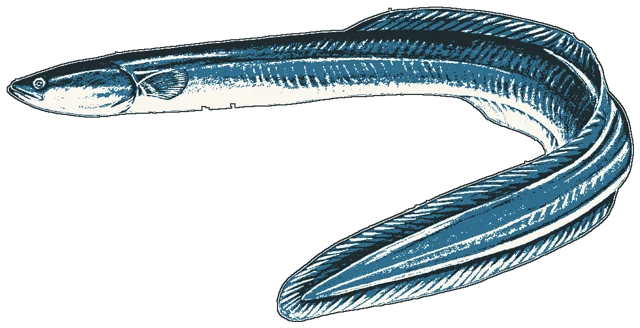
American eel
Anguilla rostrata · also called freshwater eel, glass eel, river eel · Freshwater
Few people in the US eat them (Maryland DNR) and most anglers cut them loose or use them as striper and crab bait, even though eel is a delicacy in Europe and Japan.
Worth a try: Eel is a popular food in Europe and Japan (Maryland DNR); skin it and smoke it hard.
- Tastes
- rich, sweet, dense, oily
- Limits
- No limits. No daily creel limit and no size limit listed. Eels may not be taken with bow and arrow, crossbow, spear or gig. (Title 40 Part 3 Rule 1.4 (updated April 2026) and the 2026-27 Mississippi Outdoor Digest (Aug 14, 2026)) Source
- Where
- Widespread in a variety of habitats; hides under rocks by day and feeds at night. The 5.06 lb state record came from the Mississippi River in 1994.
- cut bait
- nightcrawlers
- Eels in some rivers carry high PCB levels; check local advisories.
- Do not eat (anyone): any fish from Little Conehoma Creek or the Yockanookany River between Hwy 35 near Kosciusko and Hwy 429 near Thomastown (PCBs), Lake Susie in Panola County (PCBs), any water on Yazoo National Wildlife Refuge (toxaphene and DDT), the Pearl River at Jackson (Purple Creek to Byram) or the Jackson creeks named on this page (sewage), or the Yalobusha River in Grenada (Batupan Bogue to I-55; sewage).
Meal limits and other waters (2)
- Limit (children under 7, women of childbearing age), Louisiana's list: one meal a month, all fish combined, from the Pearl River along the state line (mercury).
- Lists: 2026-27 Mississippi Outdoor Digest and MDEQ; confirm at 601-961-5701.
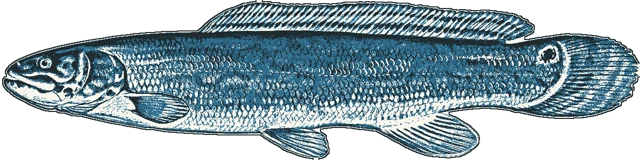
Bowfin
Amia calva (ruddy bowfin) and Amia ocellicauda (emerald bowfin) · also called grinnel, dog fish, choupique, cypress trout, cypress bass, mud fish · Freshwater
TPWD calls it a rough fish rather than one for the table; the soft, pale flesh earned it the nickname 'cottonfish'.
Worth a try: Keep it alive until you clean it, cook it the same day, and use it smoked, fried as patties or stewed; MeatEater serves fried bowfin with a morel cream sauce.
- Tastes
- mild, soft, jelly-like unless very fresh
- Limits
- No limits. No statewide creel or size limit. Bowfin may be taken year-round with bow and arrow, crossbow, spear or gig (a sport fishing license is required). (Title 40 Part 3 Rules 1.3 (April 2023) and 1.4 (updated April 2026) and the 2026-27 Mississippi Outdoor Digest (Aug 14, 2026)) Source
- Spawns
- Spawns in spring at 64 to 78 F (MDWFP)
- Where
- Shallow oxbow lakes, sluggish rivers and swamps; they move into shallows and feed at night.
- nightcrawlers
- minnows
- frogs
- crayfish
- artificial baits
- Do not eat (anyone): any fish from Little Conehoma Creek or the Yockanookany River between Hwy 35 near Kosciusko and Hwy 429 near Thomastown (PCBs), Lake Susie in Panola County (PCBs), any water on Yazoo National Wildlife Refuge (toxaphene and DDT), the Pearl River at Jackson (Purple Creek to Byram) or the Jackson creeks named on this page (sewage), or the Yalobusha River in Grenada (Batupan Bogue to I-55; sewage).
- Do not eat (children under 7, women of childbearing age), Louisiana's list: bowfin from the Pearl River along the state line (mercury).
- Limit (everyone else), Louisiana's list: two meals a month of bowfin there.
- Lists: 2026-27 Mississippi Outdoor Digest and MDEQ; confirm at 601-961-5701.
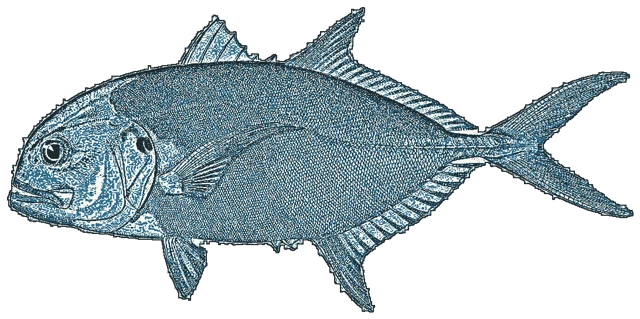
Crevalle jack
Caranx hippos · also called jacks · Saltwater
Fun to catch, but most anglers release them or use them for bait because the meat is dark and strong; TPWD says it is not very desirable as food.
Worth a try: Florida Sportsman and Realtree both found jacks good eating when handled right: cut the gills and bleed the fish, ice it right away, trim out the dark bloodline, and cook it fresh (grilled, blackened, or baked). Smaller fish (2-5 lb) eat best.
- Tastes
- strong, beefy if not bled, firm, dark
- Limits
- No limits. No daily limit and no minimum size: Title 22 Part 3 Rule 7.1 sets limits only for the species it names, and jack crevalle is not one of them. State waters; federal rules are separate. (Title 22 Part 3, dated Jun 5, 2026) Source
- Best months
- Summer (MDMR); big jacks arrive about the first week of June (Mississippi Sportsman)
- Where
- Bays to offshore waters (MDMR); along the beaches and islands.
- large topwater lures
- Ciguatera reports exist for this jack (Florida Museum).
Before you eat it: Limit (children under 7, women of childbearing age): one meal a month, all fish combined, from the Pearl River along the Louisiana line (mercury; Louisiana's list, Sept 2026).
Gizzard shad
Dorosoma cepedianum · also called hickory shad, skipjack, herring · Freshwater
Soft, tasteless, bony and strong-smelling; TPWD calls it worthless as a food fish and Maryland says it is almost always discarded.
- Tastes
- bland, strong odor, soft, many fine bones
- Limits
- No limits. No daily creel limit and no size limit listed. Shad may be taken year-round with bow and arrow, crossbow, spear or gig (a sport fishing license is required). For bait, residents may take shad for their own use with dip or landing nets, cast nets, boat-mounted scoops and wire baskets. In the spillways of Ross Barnett, Okatibbee, Sardis, Enid, Grenada, Arkabutla, Aberdeen, Columbus and Bluff lakes, fish kept from dip nets, cast nets and minnow gear must go straight onto ice or into a dry container. (Title 40 Part 3 Rules 1.3 (April 2023) and 1.4 (updated April 2026) and the 2026-27 Mississippi Outdoor Digest (Aug 14, 2026)) Source
- Spawns
- Spawns mid-April to late June at 60 to 70 F (MDWFP)
- Where
- Most of the state's rivers, streams, lakes and reservoirs (MDWFP).
- Do not eat (anyone): any fish from Little Conehoma Creek or the Yockanookany River between Hwy 35 near Kosciusko and Hwy 429 near Thomastown (PCBs), Lake Susie in Panola County (PCBs), any water on Yazoo National Wildlife Refuge (toxaphene and DDT), the Pearl River at Jackson (Purple Creek to Byram) or the Jackson creeks named on this page (sewage), or the Yalobusha River in Grenada (Batupan Bogue to I-55; sewage).
Meal limits and other waters (2)
- Limit (children under 7, women of childbearing age), Louisiana's list: one meal a month, all fish combined, from the Pearl River along the state line (mercury).
- Lists: 2026-27 Mississippi Outdoor Digest and MDEQ; confirm at 601-961-5701.
Gulf toadfish
Opsanus beta · Saltwater
Considered of poor quality and generally undesirable as food (Florida Museum); a bait-stealing nuisance on inshore bottom rigs.
- Limits
- No limits. No daily limit and no minimum size: Title 22 Part 3 Rule 7.1 sets limits only for the species it names, and Gulf toadfish is not one of them. State waters; federal rules are separate. (Title 22 Part 3, dated Jun 5, 2026) Source
- Linked to ciguatera (Florida Museum).
Hardhead catfish
Ariopsis felis · Saltwater
A bait-stealing pest with painful spines that most anglers throw back; TPWD says the flesh isn't very tasty and the fish is hard to clean.
- Tastes
- mild to fishy, soft
- Limits
- No limits. No daily limit and no minimum size: Title 22 Part 3 Rule 7.1 sets limits only for the species it names, and hardhead catfish is not one of them. State waters; federal rules are separate. (Title 22 Part 3, dated Jun 5, 2026) Source
- Best months
- Spring to fall (MDMR)
- Where
- All coastal waters (MDMR).
- shrimp
- squid
- cut bait
- crab
- Venomous, barbed dorsal and pectoral spines cause painful wounds; handle with pliers (TPWD).
Before you eat it: Limit (children under 7, women of childbearing age): one meal a month, all fish combined, from the Pearl River along the Louisiana line (mercury; Louisiana's list, Sept 2026).
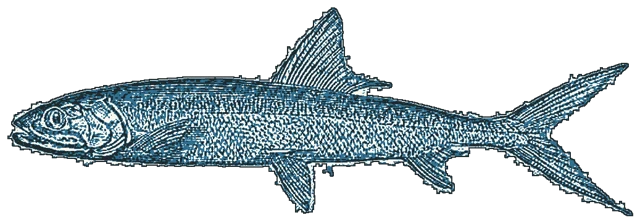
Ladyfish
Elops saurus · also called ten-pounder · Saltwater
Bony, dry flesh with little food value; anglers catch them for sport and cut them up for bait.
- Tastes
- soft, very bony
- Limits
- No limits. No daily limit and no minimum size: Title 22 Part 3 Rule 7.1 sets limits only for the species it names, and ladyfish is not one of them. State waters; federal rules are separate. (Title 22 Part 3, dated Jun 5, 2026) Source
- Best months
- Spring to summer (MDMR)
- Where
- Estuaries and bays (MDMR).
- jigs
Before you eat it: Limit (children under 7, women of childbearing age): one meal a month, all fish combined, from the Pearl River along the Louisiana line (mercury; Louisiana's list, Sept 2026).
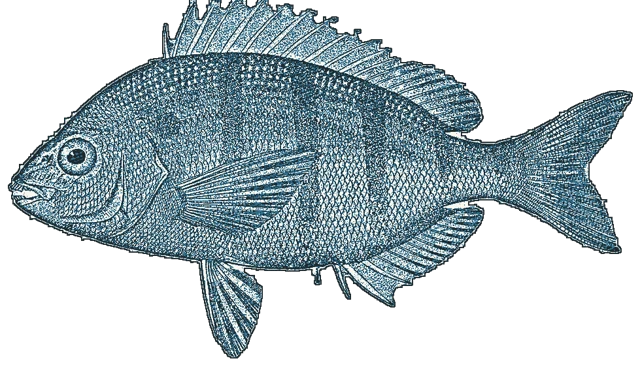
Pinfish
Lagodon rhomboides · Saltwater
Used as live bait far more than eaten; TPWD notes good flavor, but they are too small to bother with.
- Tastes
- good, small, bony
- Limits
- No limits. No daily limit and no minimum size: Title 22 Part 3 Rule 7.1 sets limits only for the species it names, and pinfish is not one of them. State waters; federal rules are separate. (Title 22 Part 3, dated Jun 5, 2026) Source
- Best months
- Year-round (MDMR)
- Where
- Man-made and natural structure (MDMR).
- shrimp
Southern stingray
Hypanus americanus · Saltwater
Caught as bycatch on bottom baits (NC DMF) and almost always cut loose; rays are near the top of most anglers' 'inedible' list (Hank Shaw).
- Limits
- No limits. No daily limit and no minimum size: Title 22 Part 3 Rule 7.1 sets limits only for the species it names, and stingrays are not among them. State waters; federal rules are separate. (Title 22 Part 3, dated Jun 5, 2026) Source
- squid strips
- cut pieces of fish
- peeler crab
- Venomous barbed tail spine; cut the leader rather than handle the fish.
Where to fish in Mississippi
Fish named here are what people catch at each spot, not a promise they’re safe to eat. Read the eating advice on the fish’s card before you keep one.
# Salt or brackish# Freshwater
- 1Sardis Lake reservoir · fresh
MDWFP calls it the state's most popular angling destination; its 400-acre Lower Lake sits below the spillway.
Known for: White crappie, Black crappie, Largemouth bass, Bluegill, White bass
Access: U.S. Army Corps of Engineers flood-control reservoir with boat ramps; fish may be cleaned only at designated stations where available.
- 2Grenada Lake reservoir · fresh
The state's largest lake, a 35,820-acre flood-control reservoir that MDWFP calls a popular destination for crappie and catfish anglers. Mercury limit on largemouth, spotted bass and catfish over 27 in from the lake: one meal every two months for children under 7 and women of childbearing age, one every two weeks for everyone else. Below the dam, do not eat any fish from the Yalobusha River in Grenada, from Batupan Bogue to I-55 (sewage, MDEQ).
Known for: White crappie, Black crappie
Access: U.S. Army Corps of Engineers reservoir; fish may be cleaned only at designated stations where available.
- 3Enid Lake reservoir · fresh
The world record white crappie was caught here in 1957; the 400-acre Wildcat Brake sub-impoundment is in the upper reservoir. Mercury limit on largemouth, spotted bass and catfish over 27 in from the lake: one meal every two months for children under 7 and women of childbearing age, one every two weeks for everyone else.
Known for: White crappie
Access: U.S. Army Corps of Engineers reservoir; crappie limit 10 per angler, 12 in minimum.
- 4Pickwick Lake reservoir · fresh
A 43,100-acre Tennessee River impoundment shared with Alabama and Tennessee that MDWFP calls one of the best bass fishing lakes in the country; bass under 15 in must be released.
Known for: Largemouth bass, Smallmouth bass
Access: TVA-owned lake with J. P. Coleman State Park on the Mississippi shore; a Tennessee fishing license is valid in parts of the Mississippi water.
- 5Bay Springs Lake reservoir · fresh
The northernmost impoundment on the Tennessee-Tombigbee Waterway, about 6,700 acres; crappie are 30 a day with a 9 in minimum.
Known for: White crappie, Black crappie
Access: U.S. Army Corps of Engineers lake connected to Pickwick Lake through the Divide Cut and Yellow Creek.
- 6Columbus Lake reservoir · fresh
The largest reservoir on the Tennessee-Tombigbee Waterway at 8,910 acres, a popular bass and crappie destination; bass under 14 in must be released.
Known for: Largemouth bass, White crappie, Black crappie
Access: Owned and managed by the U.S. Army Corps of Engineers; crappie are 30 a day with a 9 in minimum.
- 7Ross Barnett Reservoir reservoir · fresh
A 33,000-acre Pearl River impoundment that MDWFP calls one of the state's premier crappie and largemouth bass lakes; black bass are 7 a day with a 14 in minimum, and the stretch from the spillway to the Jackson water intake has its own striped and hybrid bass rule. Below the dam, do not eat any fish from the Pearl River at Jackson, from Purple Creek to Byram (sewage, MDEQ).
Known for: Largemouth bass, White crappie, Black crappie
Access: Managed by the Pearl River Valley Water Supply District; see that district for ramps and fees.
- 8Lake Washington lake · fresh
A 3,000-acre Mississippi River oxbow with cypress at both ends; MDWFP calls it an excellent fishery for crappie, bream and catfish. Delta advisory (toxaphene and DDT): no more than one meal every two weeks of catfish over 22 in, buffalo, carp or gar from the lake.
Known for: White crappie, Black crappie, Bluegill
Access: Public access at Paul Love Park and the weir (named in the lake's creel rules); yo-yos must be attended.
- 9Pascagoula River river · fresh
MDWFP calls it the largest undammed river in the contiguous United States; bass must be 12 in or longer from Merrill to the Highway 90 bridge. Mercury limit on largemouth from the whole river: one meal every two months for children under 7 and women of childbearing age, one every two weeks for everyone else.
Known for: Largemouth bass
Access: A free-flowing river of about 80 miles with connected oxbow lakes (Dead River, McCrae Dead River, Big Lake, Caswell Lake).
- 10Katrina Key reef, Biloxi Bay estuary · brackish
Katrina Key, a mile-long reef built from storm rubble including the old U.S. 90 bridge spans, sits outside Back Bay just south of Deer Island and holds trout, redfish, drum, flounder and sheepshead.
Known for: Spotted seatrout, Red drum, Black drum, Southern flounder, Sheepshead
Access: By small boat; MDMR lists it among its inshore artificial reefs and posts the coordinates.
- 11Gene Taylor Key and Pass Key reefs, Mississippi Sound sound · salt
Gene Taylor Key (also called Square Handkerchief) and Pass Key, just east of Pass Christian Harbor, are MDMR artificial reefs that stand about 3 to 5 feet above the water; anglers catch Spanish mackerel and speckled trout there, and sometimes tripletail.
Known for: Spanish mackerel, Spotted seatrout, Tripletail
Access: By small boat or kayak; MDMR posts the coordinates.
- 12Davis Bayou Fishing Pier, Gulf Islands National Seashore pier · brackish
The National Park Service calls the fishing pier near the Davis Bayou visitor center excellent; it reaches about 50 feet over the water.
Access: Public pier at 3500 Park Road, Ocean Springs, with parking and restrooms; a Mississippi saltwater license is required. At Davis Bayou fish only from the pier: the boat ramp finger piers are closed to fishing. The Ship Island pier is closed to fishing too.
- 13Fish Haven 13 (FH-13) offshore reef offshore · salt
MDMR's finfish bureau director calls Fish Haven 13 one of the state's more popular red snapper reefs; a donated drydock was added to it.
Known for: Red snapper
Access: Reached by boat; the more popular Mississippi reefs lie 30 to 40 miles offshore.
Mississippi fishing license and rules
- Resident: MDWFP's price list sells resident annual freshwater fishing together with a hunting license: Small Game Hunting/Freshwater Fishing is $10 (plus a $1 agent fee and $2.49 processing fee, so $13.49), All Game Hunting/Freshwater Fishing is $25 and the Sportsman's License is $45 (same fees). Resident 3-day freshwater fishing is $3 (same fees). Small Game/Freshwater used only for fishing needs no hunter education. Annual licenses are valid one year from the license start date. Paying by card adds an eGov fee and a card processing fee.
- Nonresident: $68 (plus a $3 agent fee and a processing fee: $2.49 in the 2026-27 digest, $4.42 on MDWFP's price page)
- Nonresident short-term: 1-day freshwater $10 (plus a $1 agent fee), 3-day freshwater $30 (plus $2) and 3-day saltwater $15 (plus $2), each with the processing fee added; a 3-day license covers 3 consecutive calendar days. Armed Forces 14-day hunting/fishing is $45 ($48.49 with fees), by application to MDWFP; it covers freshwater fishing, not saltwater.
- Saltwater: Separate saltwater license: $10 resident ($13.49 with the $1 agent fee and $2.49 processing fee), $30 nonresident annual (plus a $3 agent fee and the processing fee). Louisiana residents pay $60 for the saltwater license and must also buy the nonresident freshwater license. A saltwater license is required south of U.S. Highway 90; between I-10 and U.S. 90 either a saltwater or freshwater license works; north of I-10 a freshwater license is required. Saltwater licenses expire one year from the date of purchase.
- Who needs one: 16 and older (residents 16 through 64 need a license; nonresidents under 16 are exempt). Residents 65 and older need no freshwater license but must carry documentation, and must buy a $5 lifetime saltwater license (plus fees, $8.49 in all per MDMR) to fish salt water.
- Free fishing days: 2026: June 6 and 7 (Mississippi residents fish without a license; state fishing lake and state park lake permits are also waived) and July 4 (residents fish without a license on public waters; lake permits are still required). Salt water: MDMR says any person may fish without a recreational license on the first weekend of National Fishing and Boating Week each June and on July 4; size and possession limits and reporting still apply, and the free MS-ROLP is still needed for snapper, amberjack, grouper, hind, triggerfish and cobia.
More license details
Red snapper needs a saltwater license plus a Tails n' Scales trip authorization number from at least one angler on the vessel. The free Mississippi Recreational Offshore Landing Permit (MS-ROLP) is required to possess any snapper, amberjack, grouper, hind, triggerfish or cobia (gray snapper may be kept north of the Intracoastal Waterway without it); it is registered online with your MDWFP customer ID and expires every Dec 31. Anglers under 16, exempt disabled residents and paying clients on a charter don't need their own. Nonresident Avid Angler package (freshwater plus saltwater) $90, or $120 for Louisiana residents (plus fees). State fishing lake and state park lake permits are separate from the license. Under reciprocal agreements an Alabama license is valid on parts of Pickwick Lake and on Aliceville Lake, and a Tennessee license on parts of Pickwick Lake.
Buy a license License types and fees
Fees: MDWFP price page and the 2026-27 digest price pages (updated Aug 14, 2026), read Nov 21-22, 2026; licenses are valid one year from the start date.
- Black bass are 10 a day statewide (largemouth, spotted and smallmouth combined), but many lakes differ: Ross Barnett Reservoir 7 a day with a 14 in minimum, Lake Washington, Moon Lake and Wolf Lake 5 a day, and slot limits at lakes such as Lake Bill Waller, Lake Monroe and Elvis Presley Lake.
- Crappie are 30 a day statewide, but Sardis, Grenada, Enid and Arkabutla lakes allow 10 per angler (under 12 in released), 25 per boat when three or more anglers are aboard, and no more than 4 poles per person with 2 hooks per pole.
- On lakes with a length or slot limit, freshwater game fish must stay whole (head, tail, skin and scales) while you fish; at Sardis, Grenada, Enid and Arkabutla fish may be cleaned only at designated cleaning stations where available, not on the water or in the parking lot.
- Catfish have no creel limit on most waters. MDWFP state fishing lakes and state park lakes allow 10 a day, Recon Lake 10, Choctaw Lake and Lake Okhissa 5, and on waters shared with Alabama and Tennessee only 1 catfish over 34 in may be kept. Catfish may not be taken with a spear or gig from May 1 to July 15.
- In fresh water, buffalo, carp (common, silver, bighead, grass and black), gar, catfish, bowfin, shad and snakehead may be taken year-round with bow and arrow, crossbow, spear or gig; no other freshwater fish may be taken with that gear. Hand-grabbing for non-game fish (mostly catfish) is open May 1 to July 15, with wooden containers only. State fishing lakes and state park lakes are rod and reel or pole only.
- Game fish (bass, crappie, bream, white, yellow and striped bass, hybrids, shadow bass, walleye, sauger, yellow perch and pickerel) cannot be bought or sold, and restaurants may not sell them. Nobody may transport more than seven daily limits per angler in a vehicle.
- Red snapper is closed for the rest of 2026 (state season closed Sept 27). When open, one angler per vessel must report each trip through Tails n' Scales, and every licensed angler on the vessel needs the free MS-ROLP.
- The free MS-ROLP is required to possess any snapper, amberjack, grouper, hind, triggerfish or cobia. Greater amberjack closed Oct 14, 2026; gray triggerfish is open through Dec 31, 2026.
- Red drum must be 18 to 30 in and only 1 fish over 30 in may be kept in a day; saltwater fish may not be filleted or have heads and tails removed until you reach your final destination (gutting, scaling and removing gills is allowed). Seafood caught with a recreational license cannot be sold.
- Community Fishing Assistance ponds (small city and county lakes) are rod and reel or pole only and have their own lower limits: 0 to 5 bass and 2 to 10 catfish a day, and bream usually 10 to 25.
Limits here are summaries for convenience, checked on the date shown. The official Mississippi regulations govern; check them before you keep a fish.
Before you eat it
- Do not eat (anyone): any fish from Little Conehoma Creek and the Yockanookany River between Hwy 35 near Kosciusko and Hwy 429 near Thomastown (PCBs), Lake Susie, an oxbow of the old Tallahatchie River in Panola County west of Batesville (PCBs), or any water on Yazoo National Wildlife Refuge (toxaphene and DDT, a precautionary federal advisory). All three are closed to commercial fishing.
- Do not eat (anyone): any fish from the Pearl River at Jackson, from Purple Creek to the Swinging Bridge in Byram; from Belhaven, Big, Cany, Eubanks, Hanging Moss, Hardy, Lynch, Purple, Three Mile, Town, Trahon or White Oak creeks or Tilda Slough in the Jackson area; or from the Yalobusha River in Grenada, from Batupan Bogue to the I-55 bridge (sewage). MDEQ says to avoid fishing, swimming and wading there too, until further notice, and lists these waters on its Water Contact Advisories page.
- Do not eat (anyone): buffalo from Roebuck Lake in Leflore County (MDEQ fact sheet, March 28, 2002, repeated in MDEQ's 2024 water quality report).
- Do not eat (anyone): king mackerel over 39 in from the Mississippi Gulf Coast (mercury). Do not eat (pregnant): any king mackerel, shark, swordfish or tilefish (State Department of Health, Oct 2026). King mackerel 33 to 39 in: children under 7 and women of childbearing age no more than one meal every two months, everyone else no more than one every two weeks.
- Do not eat, border waters, from the other state's list: bowfin from the Pearl River for women of childbearing age and children under 7, who should also eat no more than one meal a month of any other fish from it; everyone else, two meals a month of bowfin and three of largemouth (mercury; Louisiana, Sept 24, 2026). Catfish from Tennessee's part of Pickwick Lake for children and pregnant or nursing women; everyone else, one meal a month (PCBs; Tennessee, Aug 2026).
- Mercury: no more than one meal every two months for children under 7 and women of childbearing age, and one every two weeks for everyone else, of largemouth bass, spotted bass or catfish over 27 in from Enid Lake, the Yocona River (Enid to the Little Tallahatchie), Grenada Lake, the Yalobusha River (dam to Holcomb), Archusa Creek Water Park, the Escatawpa River (Alabama line to I-10), the Pearl River (Hwy 25 near Carthage to the Leake County Water Park), or the Bogue Chitto, Pascagoula or Yockanookany rivers (State Department of Health).
- Delta waters between the Mississippi River levee and the Bluff Hills (toxaphene and DDT): no more than one meal every two weeks of buffalo, carp, gar or catfish over 22 in. Not under that advisory: Steele Bayou, Black Bayou, Bee Lake, RecCon Lake and Lake Charlie Capps. MDEQ took those five off in July 2011.
- From the 2026-27 Mississippi Outdoor Digest (Aug 14, 2026), MDEQ's undated advisory table, its 2024 water quality report, its 2002 Delta fact sheet and its Water Contact Advisories page, and the State Department of Health. Confirm with MDEQ's current list or call 601-961-5701 before eating fish from these waters.
Local lingo
- Bream: the freshwater term for bluegill, redear and other sunfish (as used in Mississippi's limits).
- Choupique: bowfin (MDWFP lists it among bowfin's other names).
- Gaspergou: freshwater drum.
- Ground mullet: southern kingfish, also called channel mullet or whiting.
- White trout: sand seatrout, the smaller cousin of the speckled trout.
- Bull reds: big red drum that run the beaches and islands from mid-July to late October.
- Reef donkey: greater amberjack.
- Hardtail: blue runner, a favorite live bait for amberjack.
Questions anglers ask about Mississippi
What is the most common fish in Mississippi?
In saltwater, NOAA's MRIP estimates anglers caught about 3.7 million sand seatrout (white trout) a year in Mississippi on average in 2023-2025, ahead of spotted seatrout at 3.1 million and Atlantic croaker at 2.8 million, and most hardhead catfish (1.9 million a year) were released. MRIP does not survey fresh water; MDWFP names crappie as the main draw on its north Mississippi reservoirs.
Do I need a saltwater fishing license in Mississippi?
Yes. Separate saltwater license: $10 resident ($13.49 with the $1 agent fee and $2.49 processing fee), $30 nonresident annual (plus a $3 agent fee and the processing fee). Louisiana residents pay $60 for the saltwater license and must also buy the nonresident freshwater license. A saltwater license is required south of U.S. Highway 90; between I-10 and U.S. 90 either a saltwater or freshwater license works; north of I-10 a freshwater license is required. Saltwater licenses expire one year from the date of purchase.
What is the best fish to eat in Mississippi?
21 of the 58 fish on our Mississippi board rate Best eating. Among the fish caught most: spotted seatrout, southern flounder, red drum, kingfish (whiting), white crappie and black crappie.
What is the state fish of Mississippi?
Largemouth bass: State fish of Mississippi (MDWFP fish ID guide).
Does Mississippi have free fishing days?
2026: June 6 and 7 (Mississippi residents fish without a license; state fishing lake and state park lake permits are also waived) and July 4 (residents fish without a license on public waters; lake permits are still required). Salt water: MDMR says any person may fish without a recreational license on the first weekend of National Fishing and Boating Week each June and on July 4; size and possession limits and reporting still apply, and the free MS-ROLP is still needed for snapper, amberjack, grouper, hind, triggerfish and cobia.
Which Mississippi fish are better to eat than their reputation?
We give the Worth a try badge to alligator gar, spotted gar, longnose gar, bowfin, freshwater drum, common carp, grass carp, silver carp, bigmouth buffalo, smallmouth buffalo, American eel, black drum and crevalle jack: fish most anglers toss or rate low that eat well when they're cleaned and cooked right. Each card says how.
Neighboring states
Sources
Limits, prices and advisories come from these pages, read on or before Nov 21, 2026. Where a line gives its own date, that’s the date it rests on. Eating advice changes: check the state’s current list. Ratings are national and come from the fish’s own page.
105 sources
- dmr.ms.gov gray triggerfish: regs
- dmr.ms.gov red snapper: regs
- dmr.ms.gov red snapper: regs
- dmr.ms.gov red snapper: regs
- dmr.ms.gov gray triggerfish: regs; greater amberjack: regs; red snapper: regs
- dmr.ms.gov red snapper: regs
- dmr.ms.gov red snapper: regs
- dmr.ms.gov Atlantic sharpnose shark: regs; Florida pompano: regs; Spanish mackerel: regs; black drum: regs; blacktip shark: regs; cobia: regs; gray snapper: regs; gray tri
- dmr.ms.gov gray triggerfish: regs
- dmr.ms.gov greater amberjack: regs
- dmr.ms.gov gray triggerfish: regs
- dmr.ms.gov gray triggerfish: regs
- dmr.ms.gov cobia: regs; gray snapper: regs; gray triggerfish: regs; greater amberjack: regs; red snapper: regs
- dmr.ms.gov red snapper: regs
- dmr.ms.gov state records saltwater
- dmr.ms.gov Atlantic croaker: months; Atlantic croaker: where; Atlantic spadefish: months; Atlantic spadefish: where; Florida pompano: months; Florida pompano: where; Spani
- dmr.ms.gov Atlantic sharpnose shark: months; blacktip shark: months
- dmr.ms.gov Atlantic croaker: regs; Atlantic sharpnose shark: regs; Atlantic spadefish: regs; Gulf toadfish: regs; blacktip shark: regs; cobia: regs; crevalle jack: regs; g
- licensing.outdoors.ms license buy
- mississippisportsman.com blue catfish: months
- mississippisportsman.com Spanish mackerel: where; cobia: baits; fishing spots; king mackerel: baits; kingfish (whiting): where; red drum: months; red snapper: baits; red snapper: where;
- mississippisportsman.com Atlantic croaker: where; Spanish mackerel: baits; black drum: names; cobia: where; crevalle jack: baits; crevalle jack: months; kingfish (whiting): baits; kingf
- mississippisportsman.com Atlantic croaker: baits; black drum: baits; black drum: names; black drum: where; pinfish: baits
- mississippisportsman.com sheepshead: names
- mississippisportsman.com sheepshead: baits; sheepshead: months
- mississippisportsman.com greater amberjack: baits; greater amberjack: names; greater amberjack: where
- mississippisportsman.com gray triggerfish: baits
- mississippisportsman.com gray snapper: baits
- mississippisportsman.com Florida pompano: baits
- msdh.ms.gov Atlantic sharpnose shark: advisory; blacktip shark: advisory; king mackerel: advisory
- deq.louisiana.gov American eel: advisory; Atlantic croaker: advisory; alligator gar: advisory; bigmouth buffalo: advisory; black crappie: advisory; black drum: advisory; blue cat
- eregulations.com American eel: advisory; alligator gar: advisory; bigmouth buffalo: advisory; black crappie: advisory; blue catfish: advisory; bluegill: advisory; bowfin: adviso
- eregulations.com American eel: regs; bigmouth buffalo: regs; bowfin: regs; bullhead (black, brown, yellow): regs; common carp: regs; freshwater drum: regs; gizzard shad: regs; g
- eregulations.com American eel: regs; alligator gar: regs; bigmouth buffalo: regs; black crappie: regs; blue catfish: regs; bluegill: regs; bowfin: regs; bullhead (black, brown,
- eregulations.com bullhead (black, brown, yellow): records
- eregulations.com gray snapper: where; spotted seatrout: months; striped mullet: baits
- eregulations.com Atlantic sharpnose shark: names; Atlantic sharpnose shark: where; blacktip shark: where
- eregulations.com Atlantic sharpnose shark: regs; Atlantic spadefish: regs; Florida pompano: regs; Gulf toadfish: regs; Spanish mackerel: regs; black drum: regs; blacktip shark:
- eregulations.com gray snapper: regs
- eregulations.com blacktip shark: regs
- mdeq.ms.gov American eel: advisory; alligator gar: advisory; bigmouth buffalo: advisory; black crappie: advisory; blue catfish: advisory; bluegill: advisory; bowfin: adviso
- mdeq.ms.gov American eel: advisory; alligator gar: advisory; bigmouth buffalo: advisory; black crappie: advisory; blue catfish: advisory; bluegill: advisory; bowfin: adviso
- mdeq.ms.gov bigmouth buffalo: advisory; smallmouth buffalo: advisory
- mdeq.ms.gov bigmouth buffalo: advisory; king mackerel: advisory; smallmouth buffalo: advisory
- mdwfp.com chain pickerel: regs
- mdwfp.com grass carp: regs; silver carp: regs
- mdwfp.com alligator gar: months; alligator gar: names; alligator gar: where
- mdwfp.com American eel: names; American eel: where
- mdwfp.com bigmouth buffalo: months; bigmouth buffalo: names; bigmouth buffalo: where
- mdwfp.com bullhead (black, brown, yellow): baits; bullhead (black, brown, yellow): months; bullhead (black, brown, yellow): names; bullhead (black, brown, yellow): where
- mdwfp.com black crappie: baits; black crappie: months; black crappie: names; black crappie: where
- mdwfp.com blue catfish: baits; blue catfish: names; blue catfish: where
- mdwfp.com bluegill: baits; bluegill: months; bluegill: names
- mdwfp.com bowfin: baits; bowfin: months; bowfin: names; bowfin: where
- mdwfp.com chain pickerel: baits; chain pickerel: months; chain pickerel: names; chain pickerel: where
- mdwfp.com channel catfish: baits; channel catfish: months; channel catfish: names
- mdwfp.com common carp: baits; common carp: months; common carp: names; common carp: where
- mdwfp.com flathead catfish: baits; flathead catfish: months; flathead catfish: names; flathead catfish: where
- mdwfp.com freshwater drum: baits; freshwater drum: months; freshwater drum: names; freshwater drum: where
- mdwfp.com gizzard shad: months; gizzard shad: names; gizzard shad: where
- mdwfp.com grass carp: baits; grass carp: names; grass carp: where
- mdwfp.com hybrid striped bass: baits; hybrid striped bass: names; hybrid striped bass: where
- mdwfp.com largemouth bass: baits; largemouth bass: months; largemouth bass: names; state fish
- mdwfp.com longnose gar: months; longnose gar: names; longnose gar: where
- mdwfp.com paddlefish: months; paddlefish: names; paddlefish: where
- mdwfp.com redear sunfish: baits; redear sunfish: months; redear sunfish: names; redear sunfish: where
- mdwfp.com shovelnose sturgeon: months; shovelnose sturgeon: names; shovelnose sturgeon: regs; shovelnose sturgeon: where
- mdwfp.com silver carp: names; silver carp: where
- mdwfp.com smallmouth bass: baits; smallmouth bass: months; smallmouth bass: names; smallmouth bass: where
- mdwfp.com smallmouth buffalo: baits; smallmouth buffalo: months; smallmouth buffalo: names; smallmouth buffalo: where
- mdwfp.com spotted bass: baits; spotted bass: months; spotted bass: names; spotted bass: where
- mdwfp.com spotted gar: months; spotted gar: names; spotted gar: where
- mdwfp.com striped bass: baits; striped bass: months; striped bass: names; striped bass: where
- mdwfp.com white bass: baits; white bass: months; white bass: names
- mdwfp.com white crappie: baits; white crappie: months; white crappie: names
- mdwfp.com yellow bass: baits; yellow bass: months; yellow bass: names; yellow bass: where
- mdwfp.com bullhead (black, brown, yellow): baits; bullhead (black, brown, yellow): months; bullhead (black, brown, yellow): names; bullhead (black, brown, yellow): where
- mdwfp.com free fishing days
- mdwfp.com fishing spots
- mdwfp.com fishing spots
- mdwfp.com alligator gar: regs
- mdwfp.com fishing spots
- mdwfp.com bluegill: where
- mdwfp.com fishing spots
- mdwfp.com fishing spots
- mdwfp.com largemouth bass: regs; largemouth bass: where; smallmouth bass: regs; spotted bass: regs
- mdwfp.com bluegill: where; redear sunfish: where
- mdwfp.com bluegill: where; fishing spots
- mdwfp.com fishing spots
- mdwfp.com blue catfish: regs; channel catfish: regs; fishing spots; flathead catfish: regs; largemouth bass: regs; smallmouth bass: regs; spotted bass: regs
- mdwfp.com fishing spots
- mdwfp.com black crappie: regs; fishing spots; white bass: regs; white crappie: regs
- mdwfp.com freshwater regs; paddlefish: regs
- mdwfp.com black crappie: where; blue catfish: where; bluegill: where; channel catfish: where; largemouth bass: where; smallmouth bass: where; spotted bass: where; striped
- mdwfp.com state records
- mdwfp.com license info
- mdwfp.com license fees; license prices
- mdwfp.com regs digest pdf
- mdwfp.com alligator gar: regs; bigmouth buffalo: regs; blue catfish: regs; bowfin: regs; channel catfish: regs; common carp: regs; flathead catfish: regs; gizzard shad: r
- mdwfp.com grass carp: regs; silver carp: regs
- mdwfp.com American eel: regs; alligator gar: regs; bigmouth buffalo: regs; black crappie: regs; blue catfish: regs; bluegill: regs; bowfin: regs; chain pickerel: regs; ch
- mdwfp.com where to fish
- nps.gov fishing spots
- st.nmfs.noaa.gov catch survey
- tn.gov blue catfish: advisory; bullhead (black, brown, yellow): advisory; channel catfish: advisory; flathead catfish: advisory
Illustrations: stencils we made from public-domain art by John J. Baird (Black crappie); Duane Raver, U.S. Fish and Wildlife Service (Blue catfish, Channel catfish, Flathead catfish, Red drum, Redear sunfish, Spotted seatrout, Striped bass, White bass, White crappie, Atlantic sharpnose shark, Blacktip shark, Bullhead (black, brown, yellow), Chain pickerel, Smallmouth bass, American eel, Bowfin); NOAA (Bluegill); James Alexander Henshall (Cobia, Red snapper); Hugh McCormick Smith (Florida pompano, Atlantic croaker, Atlantic spadefish, Black drum, Spanish mackerel, Striped mullet, Pinfish); William Welsh (Kingfish (whiting)); Sherman Foote Denton (Sheepshead); Charles Hugh Stevenson (Southern flounder); U.S. Fish and Wildlife Service (Common carp, Largemouth bass); H. L. Todd (Gafftopsail catfish); New York Fish and Game Commission (King mackerel); C. W. Nash (Longnose gar); an unknown artist (Crevalle jack); Albert Günther (Ladyfish), via Wikimedia Commons.
Spotted an error or a rule that changed? Tell us and we will check it against the official source.