Alabama · fresh and salt
Fish in Alabama: what’s worth eating, and what’s garbage
Alabama is known for big-water bass and crappie on the Tennessee and Coosa River lakes (Guntersville, Wheeler, Pickwick, Weiss), striped bass at Smith Lake and Lake Martin, and a stocked rainbow trout tailwater on the Sipsey Fork. On the Gulf, anglers fish Mobile Bay and the Delta for redfish, speckled trout and flounder and run offshore to the state's artificial reefs for red snapper, gray triggerfish and gray snapper.
52 fish rated · limits checked Nov 21, 2026 against ADCNR WFF and federal sources, then re-checked: 740 of 756 details confirmed or corrected on the official pages
Resident $17.45 annual (2026-27). Nonresident $68.20 annual (ADCNR page: Louisiana residents $70.60, Mississippi residents $75.42)… Full details
Buy a licenseSeparate saltwater license: resident $30.90 annual or $12.65 for 7 days; nonresident $66.80 annual or $36.65 for 7 days (2026-27 digest)… Full details
Saltwater limitsFreshwater limits, seasons and size rules from Alabama Department of Conservation and Natural Resources, Wildlife and Freshwater Fisheries Division.
Freshwater limitsSaturday, June 13, 2026 (public waters, fresh and salt; no fishing license, saltwater license or reef fish endorsement; state public fishing lakes still need a permit). Full details
The Alabama table-fare board
Fish Alabama anglers catch, sorted by how they eat. The bars show how heavily each one is regulated here. Tap a fish for the details.
No limits Light regs Heavy regs No harvest
Best eating23
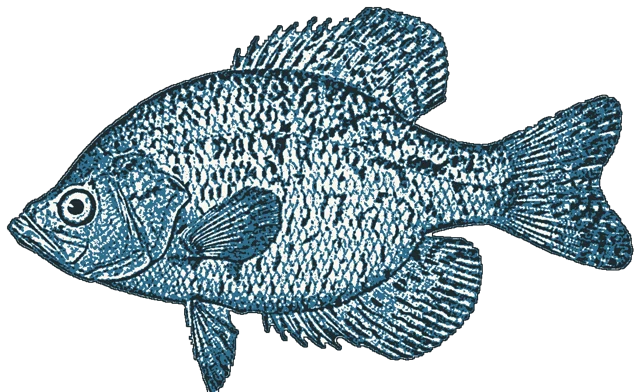 Black crappie
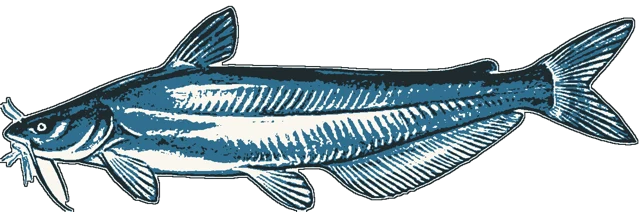 Blue catfish
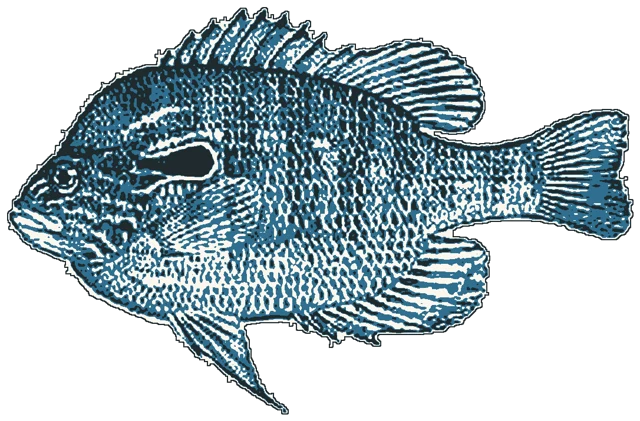 Bluegill“bream”
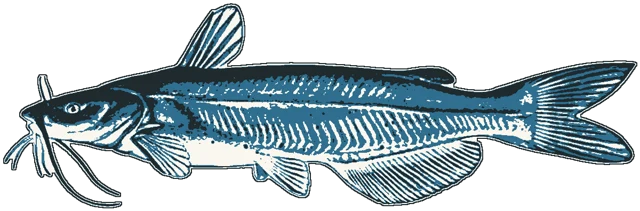 Channel catfish
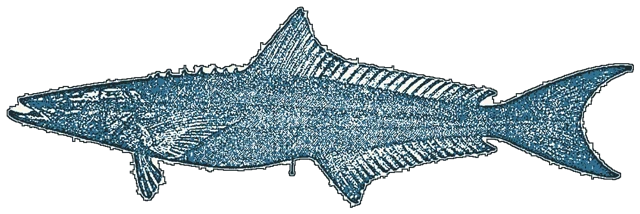 Cobia“ling”
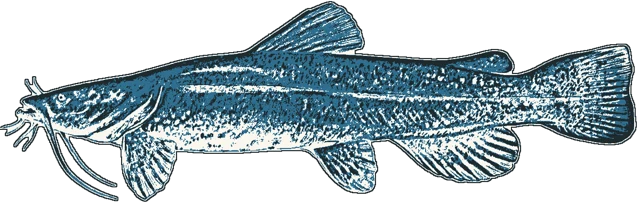 Flathead catfish“yellow catfish”
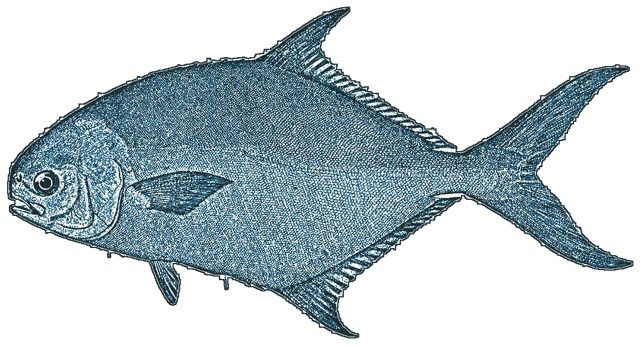 Florida pompanoGray snapper“mangrove snapper”Gray triggerfishHybrid striped bass“palmetto bass”
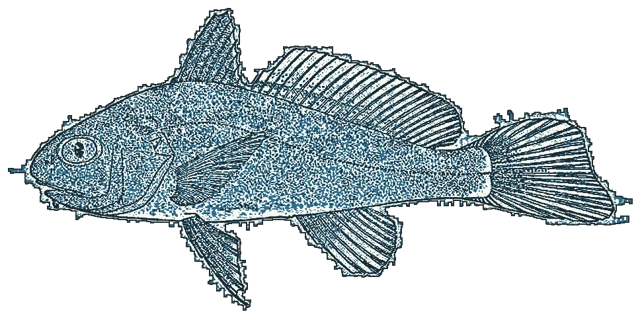 Kingfish (whiting)“whiting (Gulf kingfish)”
 Rainbow trout
 Red drum“redfish”
 Red snapper
 Redear sunfish“shellcracker”Sauger“jack”
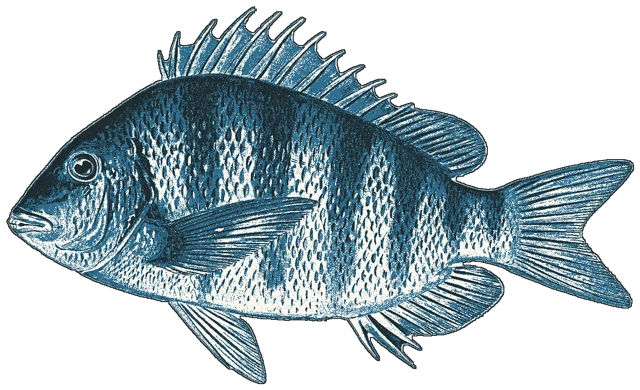 Sheepshead
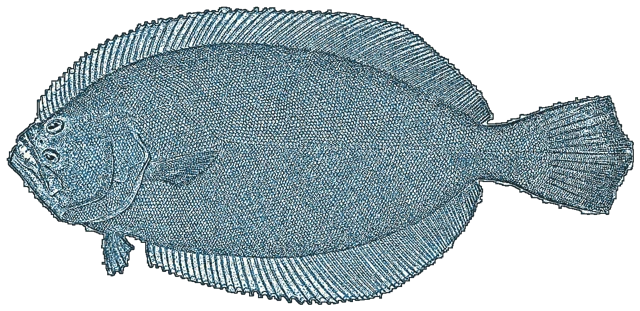 Southern flounder
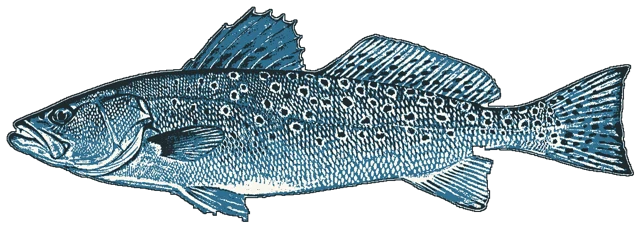 Spotted seatrout“speckled trout”
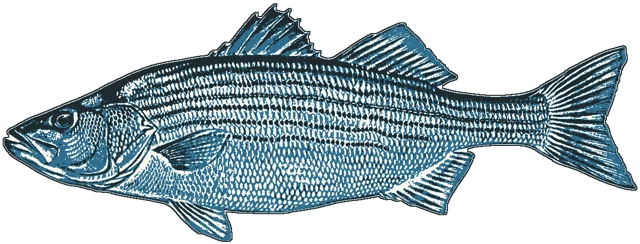 Striped bass“striper”Tripletail“blackfish”
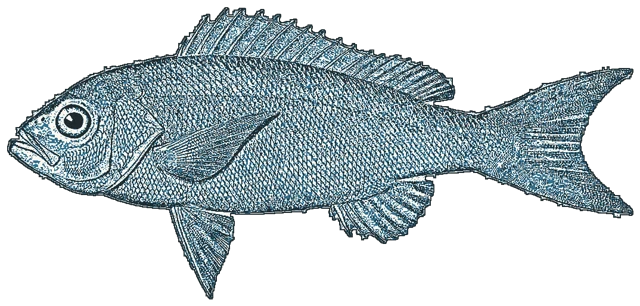 Vermilion snapper“beeliner”
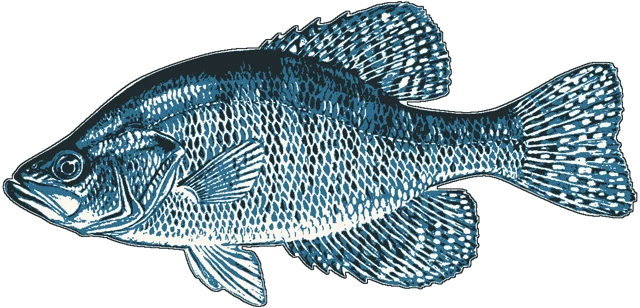 White crappie“papermouth”
Just OK22
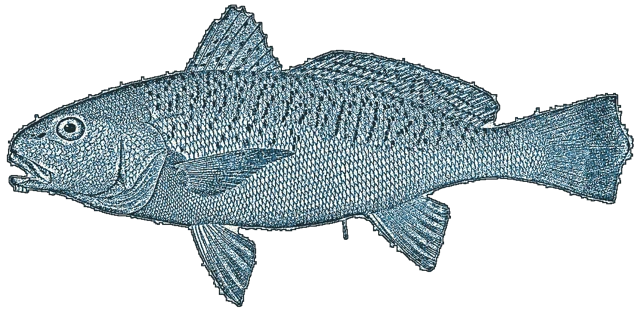 Atlantic croakerBigmouth buffalo
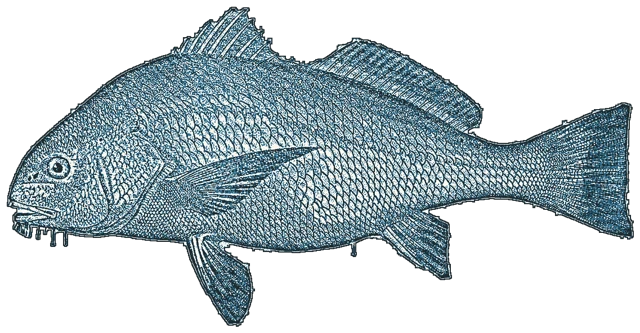 Black drumBlue runner“hardtail”
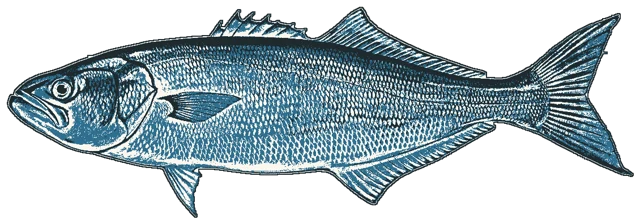 Bluefish
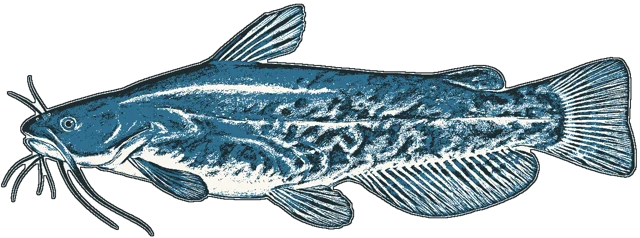 Bullhead (black, brown, yellow)“yellow cat (yellow bullhead)”
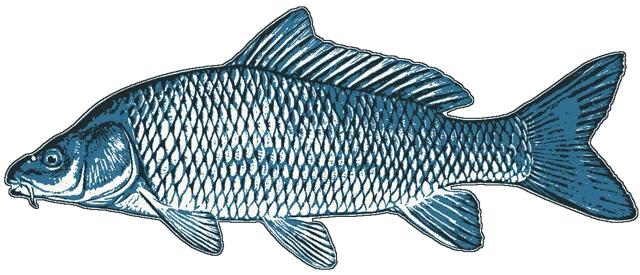 Common carpFreshwater drum“gaspergou”
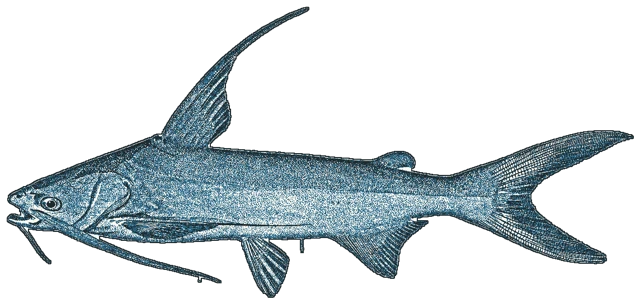 Gafftopsail catfishGreater amberjack
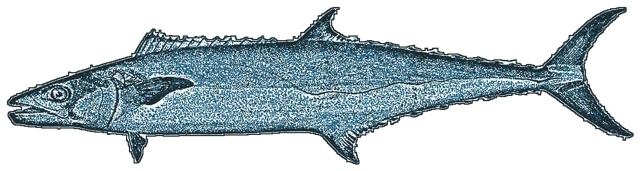 King mackerel
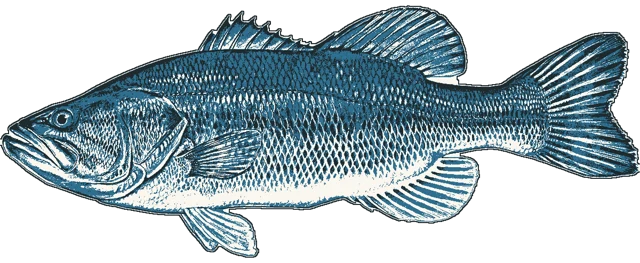 Largemouth bass
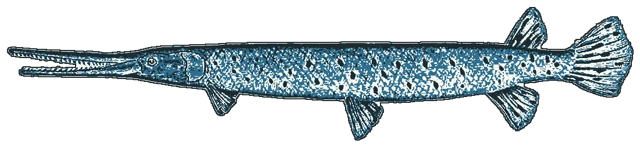 Longnose garSand seatrout“white trout”
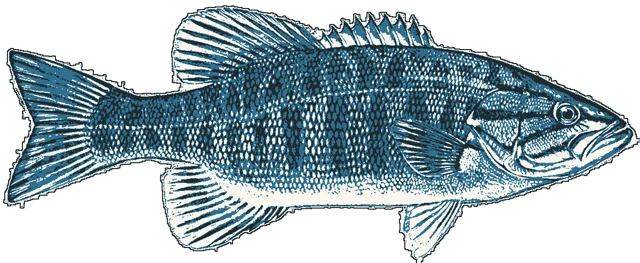 Smallmouth bassSmallmouth buffalo
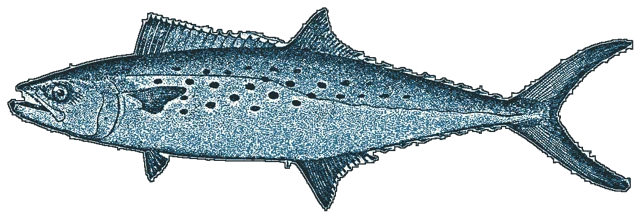 Spanish mackerelSpotted bass“Kentucky bass”Spotted gar
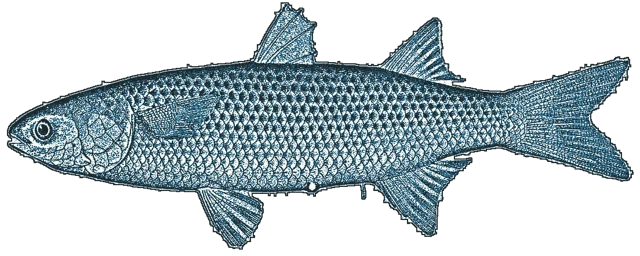 Striped mullet
Garbage fish7
What’s actually caught in Alabama
NOAA's MRIP estimates saltwater fish caught by recreational anglers. The numbers are the average fish caught per year (kept plus released) in 2023, 2024 and 2025 for Alabama, from MRIP's state-level catch files; blue runner (about 630,000 a year), red drum (about 628,000), gafftopsail catfish (about 591,000), Gulf menhaden and fish MRIP could not name to species are left out of this list. MRIP does not survey fresh water. NOAA recalibrated its survey in 2026, so its current query tool may show lower totals, and a different order, than the 2023-2025 estimate files used here.
- Atlantic croaker Just OK3.76 million fish caught per year, average of 2023-2025 (2023 3.77M, 2024 5.06M, 2025 2.44M); 79% released.
- Pinfish Garbage fish2.94 million fish caught per year, average of 2023-2025 (2023 3.38M, 2024 2.31M, 2025 3.13M); 89% released.
- Sand seatrout Just OK2.54 million fish caught per year, average of 2023-2025 (2023 2.62M, 2024 2.71M, 2025 2.28M); 41% released. MRIP name: sand seatrout.
- Hardhead catfish Garbage fish2.49 million fish caught per year, average of 2023-2025 (2023 2.59M, 2024 2.99M, 2025 1.89M); 97% released.
- Spanish mackerel Just OK2.19 million fish caught per year, average of 2023-2025 (2023 1.09M, 2024 1.23M, 2025 4.27M); 49% released. The 2025 estimate is far above the other two years.
- Red snapper Best eating2.02 million fish caught per year, average of 2023-2025 (2023 1.77M, 2024 1.67M, 2025 2.62M); 73% released.
- Ladyfish Garbage fish1.30 million fish caught per year, average of 2023-2025 (2023 1.70M, 2024 359K, 2025 1.83M); 94% released; wide margin of error.
- Spotted seatrout Best eating1.19 million fish caught per year, average of 2023-2025 (2023 1.08M, 2024 947K, 2025 1.55M); 79% released.
- Kingfish (whiting) Best eating1.05 million fish caught per year, average of 2023-2025 (2023 1.12M, 2024 837K, 2025 1.19M); 41% released. MRIP names Gulf kingfish, southern kingfish and kingfish genus, added together.
- Gray snapper Best eating636,000 fish caught per year, average of 2023-2025 (2023 732K, 2024 600K, 2025 577K); 83% released.
Source: NOAA Fisheries Marine Recreational Information Program (MRIP) . Saltwater only: it does not survey freshwater fishing.
Fish by fish
Why each one sits where it does, the current Alabama limits, and the bait that works.
Black crappie
Pomoxis nigromaculatus · Freshwater
One of the classic fish-fry fish: MeatEater counts crappie among the best-eating fish in freshwater.
- Tastes
- mild, sweet, delicate, flaky, white
- Limits
- Light regs. 30 per day, none under 9 in on public waters (exempt: impoundments under 500 acres, the Chattahoochee reciprocal waters, Bear Creek Reservoir, Lake Jackson at Florala and Weiss; Weiss has its own 10 in minimum). State and federally managed public fishing lakes post their own limits. (2026-27 Alabama Hunting & Fishing Digest rules (eRegulations page, last updated Aug 28, 2026; fetched Nov 21, 2026)) Source
- Best months
- Early spring and fall are best; they move shallow before the spawn when dogwoods bloom (ADCNR).
- Where
- Weiss, Logan Martin, Lay, Neely Henry, Millers Ferry (creeks), Pickwick (Bear and Second creek embayments), Lake Martin, the Mobile Delta.
- live minnows
- small jigs (1/32 to 1/16 oz) with curltail grubs or tubes
- Do not eat (anyone): any fish from the 20 all-fish waters named on this page.
- Do not eat (pregnant or nursing): black crappie from any water where the list limits it (ADPH, May 2026).
Meal limits and other waters (5)
- Limit (everyone), 1 meal a month (mercury): Fish River near Polecat Creek (Baldwin County), and any fish from Four Mile/Six Mile Creek near Selma.
- Limit (everyone), 2 meals a month (mercury): the Mobile River at David Lake and the Tombigbee at McIntosh landing.
- Limit (under 14, nursing, pregnant or planning to be): up to 12 oz a week of all fish, from kinds lower in mercury.
- The guide says contaminants are often not measured in panfish such as crappie.
- Other listed waters differ (ADPH list, June 2026).
Blue catfish
Ictalurus furcatus · Freshwater
TPWD calls it an excellent food fish; Maryland DNR says blues are very good to eat.
- Tastes
- mild, firm
- Limits
- Light regs. Catfish under 34 in: no limit. Catfish 34 in or longer: 1 per day (not in the Perdido, Conecuh, Blackwater, Yellow, Choctawhatchee, Chipola and Chattahoochee basins); live catfish 34 in or longer may not leave the state. (2026-27 Alabama Hunting & Fishing Digest rules (eRegulations page, last updated Aug 28, 2026; fetched Nov 21, 2026)) Source
- Best months
- Late winter below Millers Ferry Dam; summer below Wheeler and Wilson dams (ADCNR).
- Where
- Wheeler, Guntersville, Wilson and Pickwick, Millers Ferry tailwater, Mobile Delta; largest fish below dams.
- skipjack herring
- threadfin shad
- cut shad
- live bait for bigger fish
- Large, old blue catfish accumulate contaminants; some water bodies have size-based consumption advisories.
- Do not eat (anyone): any fish from the 20 all-fish waters named on this page.
- Do not eat (pregnant or nursing): blue catfish from any water where the list limits it (ADPH, May 2026).
Meal limits and other waters (6)
- Limit (everyone), 1 meal a month: Logan Martin at Riverside and at Ragland (PCBs), and any fish from Four Mile/Six Mile Creek near Selma (mercury).
- Limit (everyone), 2 meals a month (mercury): Mifflin Lake, the Sipsey River embayment (Greene County) and Harris at the dam.
- Limit (under 14, nursing, pregnant or planning to be): up to 12 oz a week of all fish, from kinds lower in mercury.
- ADPH says bottom feeders such as catfish tend to have more PCBs.
- For PCBs, take off the skin, guts and fat and do not fry; this does not lower mercury.
- Other listed waters differ (ADPH list, June 2026).
Bluegill
Lepomis macrochirus · also called bream · Freshwater
MeatEater calls the flesh light, delicate and sweet; the original fish-fry panfish.
- Tastes
- mild, sweet, firm, flaky
- Limits
- Light regs. Bream (bluegill, redear and the other sunfish ADCNR lists as bream): 50 per day combined, no size limit. State and federally managed public fishing lakes post their own limits. (2026-27 Alabama Hunting & Fishing Digest rules (eRegulations page, last updated Aug 28, 2026; fetched Nov 21, 2026)) Source
- Best months
- Peak spawning late May, continuing into September or October (ADCNR, Lake Martin); April to September spawn.
- Where
- Statewide; Guntersville (late spring, early summer), Lake Martin, the Mobile Delta near duck blinds, state public fishing lakes.
- live crickets
- tiny beetle-spin lures
- Do not eat (anyone): any fish from the 20 all-fish waters named on this page.
- Do not eat (pregnant or nursing): any fish the list limits, which includes Four Mile/Six Mile Creek near Selma (ADPH, May 2026).
Meal limits and other waters (4)
- Limit (everyone), 1 meal a month (mercury): any fish from Four Mile/Six Mile Creek near Selma.
- Limit (under 14, nursing, pregnant or planning to be): up to 12 oz a week of all fish, from kinds lower in mercury.
- ADPH's 2026 guide (June 2026) names no limit for bluegill and says to eat fish with similar feeding habits with caution.
- The guide says contaminants are often not measured in panfish such as bluegill.
Channel catfish
Ictalurus punctatus · Freshwater
Very good to eat (Maryland DNR) and delicious when cooked (TPWD), and the basis of US catfish farming.
- Tastes
- mild, sweet, firm, moist
- Limits
- Light regs. Catfish under 34 in: no limit. Catfish 34 in or longer: 1 per day (not in the Perdido, Conecuh, Blackwater, Yellow, Choctawhatchee, Chipola and Chattahoochee basins); live catfish 34 in or longer may not leave the state. Jug and limb lines are legal in most public waters. (2026-27 Alabama Hunting & Fishing Digest rules (eRegulations page, last updated Aug 28, 2026; fetched Nov 21, 2026)) Source
- Spawns
- Spawns from May for several months (ADCNR); in summer they gather below Wheeler and Wilson dams.
- Where
- Statewide; Lake Eufaula, Millers Ferry, Wilson and Wheeler tailwaters, Pickwick.
- cheese
- chicken
- dough balls
- redworms
- cut bait
- Do not eat (anyone): any fish from the 20 all-fish waters named on this page.
- Do not eat (pregnant or nursing): channel catfish from any water where the list limits it (ADPH, May 2026).
Meal limits and other waters (7)
- Limit (everyone), 1 meal a month (mercury unless noted): the Escatawpa at US 98; Fish River near Polecat Creek; Styx River at US 90; Claiborne at the dam; Upper Bear Creek Reservoir; Bear Creek at Franklin County Road 53; the Big Nance arm at AL 101; the Cowikee arm of Eufaula; Lay two miles below Logan Martin Dam; Logan Martin at Riverside (PCBs); the Tombigbee at McIntosh landing; Burnt Corn Creek at US 31; the Choctawhatchee near State Hwy 92; any fish from Four Mile/Six Mile Creek near Selma.
- Limit (everyone), 2 meals a month: 17 more listed sites, among them Lewis Smith (Rock Creek), Harris, Lay near US 280, the Sugar Creek arm of Martin, the Barbour arm of Eufaula, the Tensaw, the Conecuh at the Florida line, and Gantt, Point A and Big Creek reservoirs.
- Listed as 'No restriction' at the Cedar Creek Reservoir dam, Bilbo Creek and Middle River.
- Limit (under 14, nursing, pregnant or planning to be): up to 12 oz a week of all fish, from kinds lower in mercury.
- ADPH says bottom feeders such as catfish tend to have more PCBs.
- For PCBs, take off the skin, guts and fat and do not fry; this does not lower mercury.
- Other listed waters differ (ADPH list, June 2026).
Cobia
Rachycentron canadum · also called ling · Saltwater
Firm, white, sweet meat; TPWD calls it an exceptionally fine food fish.
- Tastes
- sweet, rich, firm, lean, moist
- Limits
- Heavy regs. 1 per person per day, not to exceed 2 per vessel; 36 in fork length. Cobia are not in the 9-mile reef fish waters: federal rules (the same 1 per person, 2 per vessel) start 3 nautical miles out. (Marine Resources limits sheet revised July 2025; ADCNR table as posted Nov 21, 2026) Source
- Best months
- March to October, peak mid-May to mid-September (ADCNR).
- Where
- Offshore reefs, buoys and floating objects; Gulf beach surf zone on the spring migration (usually mid-March).
- live pinfish, mullet or eels
- cut menhaden or cigar minnows
- large spoons, white bucktails, plastic eels
Before you eat it: Limit (under 14, nursing, pregnant or planning to be): up to 12 oz a week of all fish, from kinds lower in mercury, and no king mackerel, shark, swordfish or tilefish. ADPH's 2026 guide (June 2026) names no limit for cobia and says to eat fish with similar feeding habits with caution.
Flathead catfish
Pylodictis olivaris · also called yellow catfish · Freshwater
Widely considered the best-tasting catfish because it eats live fish instead of scavenging; Maryland DNR notes its mild, white flesh.
- Tastes
- mild, clean, firm, white
- Limits
- Light regs. Catfish under 34 in: no limit. Catfish 34 in or longer: 1 per day (not in the Perdido, Conecuh, Blackwater, Yellow, Choctawhatchee, Chipola and Chattahoochee basins); live catfish 34 in or longer may not leave the state. (2026-27 Alabama Hunting & Fishing Digest rules (eRegulations page, last updated Aug 28, 2026; fetched Nov 21, 2026)) Source
- Spawns
- Spawn in June and July (ADCNR).
- Where
- Flowing water around fallen trees, stumps, rock ledges and riprap; all Mobile-basin rivers and reservoirs and the Tennessee River.
- live skipjack herring
- live bream about 3 inches long
- Do not eat (anyone): any fish from the 20 all-fish waters named on this page.
- Do not eat (pregnant or nursing): any fish the list limits, which includes Four Mile/Six Mile Creek near Selma (ADPH, May 2026).
Meal limits and other waters (5)
- Limit (everyone), 1 meal a month (mercury): any fish from Four Mile/Six Mile Creek near Selma.
- ADPH's 2026 guide (June 2026) names channel and blue catfish, not flathead, and says to eat fish with similar feeding habits with caution, so use those limits (for example 1 meal a month for both at Logan Martin, PCBs).
- Limit (under 14, nursing, pregnant or planning to be): up to 12 oz a week of all fish, from kinds lower in mercury.
- ADPH says bottom feeders such as catfish tend to have more PCBs.
- For PCBs, take off the skin, guts and fat and do not fry; this does not lower mercury.
Florida pompano
Trachinotus carolinus · Saltwater
Rich, sweet, buttery fillets; TPWD says many consider it the most delicious of all Gulf fish.
- Tastes
- rich, sweet, buttery, firm, moist, fine
- Limits
- Heavy regs. 3 per person per day, 12 in total length. (ADCNR Marine Resources rules as posted Nov 21, 2026) Source
- Best months
- May to October, peak July and August (ADCNR).
- Where
- The surf zone along Gulf beaches, where waves break.
- live sand fleas (mole crabs)
- small bucktails
- plastic-tail jigs
- Do not eat (anyone): any fish from Chickasaw Creek, Cold Creek Swamp, the Mobile River at mile 27, Cowpen and Polecat creeks, the Perdido River at US 90 or the lower Blackwater River in Baldwin County (mercury).
Meal limits and other waters (2)
- Limit (under 14, nursing, pregnant or planning to be): up to 12 oz a week of all fish, from kinds lower in mercury, and no king mackerel, shark, swordfish or tilefish.
- ADPH's 2026 guide (June 2026) names no limit for pompano and says to eat fish with similar feeding habits with caution.
Gray snapper
Lutjanus griseus · also called mangrove snapper, black snapper · Saltwater
LSU Sea Grant rates its food value excellent; a mainstay of Florida's recreational snapper catch.
- Tastes
- mild, sweet, firm, white, flaky
- Limits
- Heavy regs. 10 per person per day, 12 in total length. Part of Gulf reef fish: Reef Fish Endorsement required for people 16 and older; state waters open when federal waters are open. (ADCNR Marine Resources rules as posted Nov 21, 2026) Source
- Best months
- All year (ADCNR).
- Where
- Inshore tidal rivers, creeks, channels and gas rigs for small fish; on reefs.
- same as red snapper: cut bait, squid, cigar minnows, live pinfish
- Ciguatera has been documented but is rare (Florida Museum).
- Do not eat (anyone): any fish from Chickasaw Creek, Cold Creek Swamp, the Mobile River at mile 27, Cowpen and Polecat creeks, the Perdido River at US 90 or the lower Blackwater River in Baldwin County (mercury).
Meal limits and other waters (3)
- Limit (pregnant or breastfeeding): 1 serving (4 oz) of snapper a week (ADPH, May 2026).
- Limit (under 14, nursing, pregnant or planning to be): up to 12 oz a week of all fish, from kinds lower in mercury, and no king mackerel, shark, swordfish or tilefish.
- ADPH's 2026 guide (June 2026) names no limit for gray snapper and says to eat fish with similar feeding habits with caution.
Gray triggerfish
Balistes capriscus · Saltwater
Sweet, firm meat that NOAA says tastes more like crab than fish; the tough skin is the only hurdle.
- Tastes
- sweet, crab-like, firm
- Limits
- Heavy regs. 1 per person per day, 15 in fork length, inside the 20-fish reef fish aggregate. State waters open only when federal waters are open, and both are closed every year Jan 1 to the end of February and June 1 to July 31. Report harvest in Snapper Check; Reef Fish Endorsement required at 16 and older. (ADCNR Marine Resources rules as posted Nov 21, 2026) Source
- Best months
- All year per ADCNR's tips page; harvest closed Jan-Feb and Jun-Jul.
- Where
- Gulf waters around reefs, natural bottom and rigs.
- cut bait or a piece of squid on a small, sharp, double-strength 1/0 or 2/0 hook
- Ciguatera has been linked to triggerfish (Florida Museum).
Before you eat it: Limit (under 14, nursing, pregnant or planning to be): up to 12 oz a week of all fish, from kinds lower in mercury, and no king mackerel, shark, swordfish or tilefish. ADPH's 2026 guide (June 2026) names no limit for gray triggerfish and says to eat fish with similar feeding habits with caution.
Hybrid striped bass
Morone saxatilis x M. chrysops · also called palmetto bass · Freshwater
Indiana DNR says hybrids make great table fare; mild white fillets like a striper's.
- Tastes
- mild, firm, white
- Limits
- Light regs. Counts in the 15 per day for saltwater striped bass, hybrids or combinations; no more than 5 of the 15 over 22 in. Chattahoochee: 15 white, striped and hybrid combined, 2 over 22 in. The other exceptions on that row (Lewis Smith, Martin, Yates, Thurlow, coastal rivers) are written for saltwater striped bass. (2026-27 Alabama Hunting & Fishing Digest rules (eRegulations page, last updated Aug 28, 2026; fetched Nov 21, 2026)) Source
- Best months
- Spring runs from March, through summer when dams generate (ADCNR).
- Where
- Lay Lake tailwater below Logan Martin Dam, Logan Martin headwaters below Neely Henry Dam (do not eat from there), Wheeler Lake and the tailwater below Wheeler Dam.
- chicken livers
- shad as cut bait
- artificial lures
- Do not eat (anyone), by the striped bass lines: the Coosa from Riverside to Logan Martin Dam and in Logan Martin (PCBs); Lewis Smith at Ryan Creek (mercury).
- Do not eat (anyone): any fish from the 20 all-fish waters named on this page.
- Do not eat (pregnant or nursing): any fish the list limits (ADPH, May 2026).
Meal limits and other waters (6)
- Limit (everyone), 1 meal a month, by the striped bass lines (PCBs): the Coosa from Logan Martin Dam down through Lay.
- Limit (everyone), 1 meal a month (mercury): any fish from Four Mile/Six Mile Creek near Selma.
- ADPH's 2026 guide (June 2026) lists striped bass, not hybrids, and says similar species should be eaten with caution, so use the striped bass lines.
- Limit (everyone): bass from any water, 3 to 4 oz two to three times a week at most (ADPH, May 2026).
- Limit (under 14, nursing, pregnant or planning to be): up to 12 oz a week of all fish, from kinds lower in mercury.
- For PCBs, take off the skin, guts and fat and do not fry; this does not lower mercury.
Kingfish (whiting)
Menticirrhus spp. (M. americanus, M. littoralis, M. saxatilis) · also called whiting (Gulf kingfish), ground mullet (southern kingfish) · Saltwater
Firm, white, mild fillets with good flavor; small, but no smaller than the bluegill and crappie we also rate best. Fried whole or filleted, it's the Carolinas' favorite pier fish ("sea mullet" in NC).
- Tastes
- mild, sweet, firm, white
- Limits
- No limits. No size or creel limit: ADCNR's saltwater limits (sheet revised July 2025) have no line for whiting or ground mullet. (ADCNR Marine Resources rules as posted Nov 21, 2026) Source
- Best months
- May to September (ADCNR); night fishing is productive.
- Where
- Whiting: Gulf surf zone, Gulf piers and lower bays. Ground mullet: inshore artificial reefs, oyster reefs and tidal river mouths.
- dead shrimp
- small pieces of cut bait
- squid, fished on the bottom
- Do not eat (anyone): any fish from Chickasaw Creek, Cold Creek Swamp, the Mobile River at mile 27, Cowpen and Polecat creeks, the Perdido River at US 90 or the lower Blackwater River in Baldwin County (mercury).
Meal limits and other waters (2)
- Limit (under 14, nursing, pregnant or planning to be): up to 12 oz a week of all fish, from kinds lower in mercury, and no king mackerel, shark, swordfish or tilefish.
- ADPH's 2026 guide (June 2026) names no limit for whiting and says to eat fish with similar feeding habits with caution.
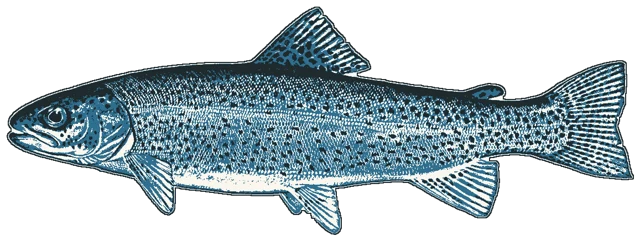
Rainbow trout
Oncorhynchus mykiss · Freshwater
TPWD calls rainbow trout an excellent fish to eat; the most-stocked put-and-take fish in America.
- Tastes
- mild, clean, delicate, flaky
- Limits
- Heavy regs. 5 per day, no size limit. On the Sipsey Fork from Lewis Smith Dam to the Mulberry Fork: no more than 2 rods and no culling of trout. State public fishing lakes post their own rules. (2026-27 Alabama Hunting & Fishing Digest rules (eRegulations page, last updated Aug 28, 2026; fetched Nov 21, 2026)) Source
- Best months
- Year-round; stocked on the third Thursday of each month (2026 schedule).
- Where
- Sipsey Fork tailwater below Smith Lake Dam (Cullman and Walker counties); Tannehill State Park's Mud Creek is also stocked.
- spinners
- small spoons
- salmon eggs
- corn
- PowerBait
- fly patterns (midges year-round; terrestrials in summer and fall)
- Do not eat (anyone): any fish from the 20 all-fish waters named on this page.
- On the Sipsey Fork about a mile above the Mulberry Fork, largemouth bass are do not eat for anyone (mercury).
Meal limits and other waters (2)
- Limit (under 14, nursing, pregnant or planning to be): up to 12 oz a week of all fish, from kinds lower in mercury.
- ADPH's 2026 guide (June 2026) names no limit for rainbow trout and says to eat fish with similar feeding habits with caution.
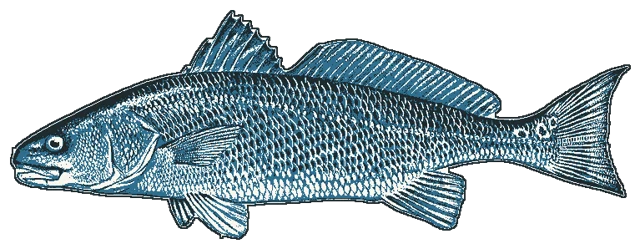
Red drum
Sciaenops ocellatus · also called redfish · Saltwater
Slot-size reds are firm, mild, white-fleshed fish that anglers keep specifically to eat; blackened redfish made the species famous.
- Tastes
- mild, slightly sweet, firm, moist, large flakes; coarse in big fish
- Limits
- Heavy regs. 3 per person per day, 16 to 26 in total length, slot only: none over 26 in may be kept (since June 2025). Red drum may not be harvested or possessed in federal waters (more than 3 nautical miles out). (Rule of June 17, 2025 (ADCNR release June 27, 2025); Marine Resources limits sheet revised July 2025; ADCNR table as posted Nov 21, 2026) Source
- Best months
- All year (ADCNR).
- Where
- Mobile Bay Eastern Shore and oyster reefs, barrier island surf, Dixey Bar for bull reds, Mobile Delta river mouths in fall.
- fresh mullet, croaker or menhaden cut bait
- crabs
- spoons, large plugs and jigs
- live shrimp (Mobile Delta)
- Slot-size fish eat best; large 'bull reds' are coarse and are usually released.
- Do not eat (anyone): any fish from Chickasaw Creek, Cold Creek Swamp, the Mobile River at mile 27, Cowpen and Polecat creeks, the Perdido River at US 90 or the lower Blackwater River in Baldwin County (mercury).
- Do not eat (pregnant or nursing): red drum from any water where the list limits it (ADPH, May 2026).
Meal limits and other waters (3)
- Limit (everyone), 2 meals a month (mercury): Perdido Bay at mid-channel south of Chambers Point.
- Limit (under 14, nursing, pregnant or planning to be): up to 12 oz a week of all fish, from kinds lower in mercury, and no king mackerel, shark, swordfish or tilefish.
- Sampled sites in Mobile Bay, Bon Secour Bay, Heron Bay and Weeks Bay are 'No restriction' for all species (ADPH list, June 2026).
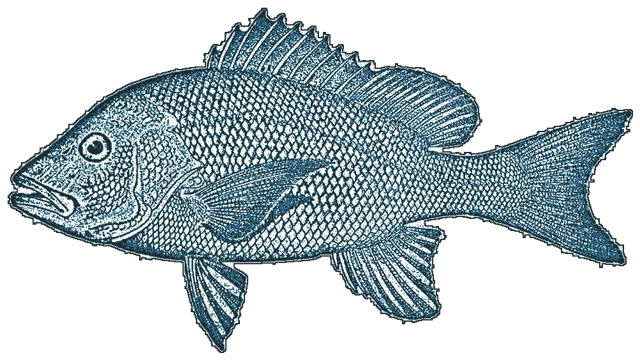
Red snapper
Lutjanus campechanus · Saltwater
Sweet, firm, succulent white fillets; Florida Sportsman's pick for best-eating bottom fish, and TPWD calls the throats a delicacy.
- Tastes
- sweet, mild, distinctive, semi-firm, lean, moist
- Limits
- Heavy regs. Closed at 12:01 a.m. Nov 16, 2026 for private anglers and state-licensed charters; the season opened May 22, 2026. Limit 2 per person per day, 16 in total length, in state and federal waters. Each vessel trip must file one Snapper Check report before the fish are landed, and pier and shore catches count too (federally permitted for-hire boats are exempt); a Reef Fish Endorsement is required at 16 and older. While closed, red snapper may not be possessed in state waters, and boats with recreationally caught red snapper may not transit them. Federally permitted for-hire boats had a separate season (June 1 to Oct 26, 2026). ADCNR sets the 2027 dates in spring. (State season closed Nov 16, 2026 (ADCNR release of Nov 13, 2026)) Source
- Best months
- The 2026 season ran May 22 to Nov 15 (closed 12:01 a.m. Nov 16).
- Where
- Offshore natural bottom and Alabama's artificial reefs, inside the 9 nautical mile state waters line for state-licensed charters.
- cut bait on 7/0 single-hook dropper rigs
- whole cigar minnows
- squid
- live pinfish or tomtates
- Limit (pregnant or breastfeeding): 1 serving (4 oz) of snapper a week (ADPH, May 2026).
Meal limits and other waters (2)
- Limit (under 14, nursing, pregnant or planning to be): up to 12 oz a week of all fish, from kinds lower in mercury, and no king mackerel, shark, swordfish or tilefish.
- ADPH's 2026 guide (June 2026) names no limit for red snapper and says to eat fish with similar feeding habits with caution.
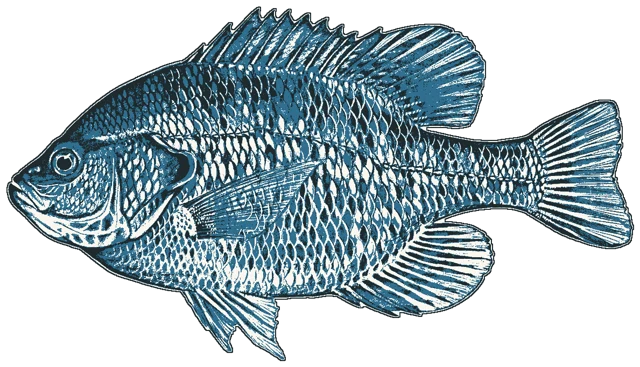
Redear sunfish
Lepomis microlophus · also called shellcracker, bream · Freshwater
Larger than bluegill, with the same sweet fillets; Indiana DNR calls sunfish, redear included, delicious fish.
- Tastes
- mild, sweet, firm, flaky
- Limits
- Light regs. Bream: 50 per day combined, no size limit. State and federally managed public fishing lakes post their own limits. (2026-27 Alabama Hunting & Fishing Digest rules (eRegulations page, last updated Aug 28, 2026; fetched Nov 21, 2026)) Source
- Best months
- Late spring in shallow coves (ADCNR, Lake Martin); winter fishery in deep channels of the lower Mobile Delta.
- Where
- Lake Martin, Guntersville, the Mobile Delta.
- redworms fished on the bottom
- Do not eat (anyone): any fish from the 20 all-fish waters named on this page.
- Do not eat (pregnant or nursing): redear from any water where the list limits it (ADPH, May 2026).
Meal limits and other waters (4)
- Limit (everyone), 1 meal a month (mercury): any fish from Four Mile/Six Mile Creek near Selma.
- Limit (everyone), 2 meals a month (mercury): the Choctawhatchee near State Hwy 92 (Dale County) and 1.5 miles above the Florida line (Geneva County).
- Limit (under 14, nursing, pregnant or planning to be): up to 12 oz a week of all fish, from kinds lower in mercury.
- Other listed waters differ (ADPH list, June 2026).
Sauger
Sander canadensis · also called jack · Freshwater
The walleye's smaller river cousin, with the same fillets; MeatEater says they taste just as good.
- Tastes
- mild, clean, firm, flaky white
- Limits
- Heavy regs. 5 per day, none under 15 in. (2026-27 Alabama Hunting & Fishing Digest rules (eRegulations page, last updated Aug 28, 2026; fetched Nov 21, 2026)) Source
- Best months
- Winter and early spring runs; spawns April to May (ADCNR).
- Where
- Tennessee River only: below Guntersville, Wheeler and Wilson dams and at Guntersville bridge crossings.
- minnow-tipped jigs
- Lindy rigs with a minnow
- hair jigs
- shad-style crankbaits
- Do not eat (anyone): any fish from Baker's Creek on Wheeler Lake (PFOS) or Bear Creek Reservoir at the dam (mercury).
Meal limits and other waters (2)
- Limit (under 14, nursing, pregnant or planning to be): up to 12 oz a week of all fish, from kinds lower in mercury.
- ADPH's 2026 guide (June 2026) names no limit for sauger and says to eat fish with similar feeding habits with caution.
Sheepshead
Archosargus probatocephalus · Saltwater
Fine, white, mild flesh that agencies call excellent; the only knock is that the heavy scales and spines make it a chore to clean.
- Tastes
- mild, sweet (shellfish diet), firm, white, fine flake
- Limits
- Light regs. 8 per person per day, 12 in fork length. (Rule of June 17, 2025 (bag cut from 10 to 8); Marine Resources limits sheet revised July 2025; ADCNR table as posted Nov 21, 2026) Source
- Best months
- All year (ADCNR).
- Where
- Oyster reefs, bridge pilings, inshore artificial reefs and rock jetties.
- live shrimp
- hermit or fiddler crabs, fished on the bottom or under a float
- Sharp gill covers and dorsal spines; heavy scales make filleting slow (TPWD).
- Do not eat (anyone): any fish from Chickasaw Creek, Cold Creek Swamp, the Mobile River at mile 27, Cowpen and Polecat creeks, the Perdido River at US 90 or the lower Blackwater River in Baldwin County (mercury).
Meal limits and other waters (2)
- Limit (under 14, nursing, pregnant or planning to be): up to 12 oz a week of all fish, from kinds lower in mercury, and no king mackerel, shark, swordfish or tilefish.
- ADPH's 2026 guide (June 2026) names no limit for sheepshead and says to eat fish with similar feeding habits with caution.
Southern flounder
Paralichthys lethostigma · Saltwater
Lean, white, mild fillets; TPWD says its reputation as table fare is unsurpassed in Texas.
- Tastes
- mild, sweet, lean, fine, delicate flakes
- Limits
- Heavy regs. 5 per person per day, 14 in minimum total length. Closed for the month of November (recreational and commercial). Gigging needs a saltwater license. (ADCNR Marine Resources rules as posted Nov 21, 2026) Source
- Best months
- April to October; May to July on the Eastern Shore, June to October in Mobile Bay (ADCNR).
- Where
- Coastal bays and inlets, jetties, piers, beaches and lower Mobile Bay; Mobile Delta river mouths in fall.
- live bull minnows or small croakers
- bucktails
- strip baits (large fish, lower Mobile Bay)
- gigging on dark moons
- Do not eat (anyone): any fish from Chickasaw Creek, Cold Creek Swamp, the Mobile River at mile 27, Cowpen and Polecat creeks, the Perdido River at US 90 or the lower Blackwater River in Baldwin County (mercury).
Meal limits and other waters (2)
- Limit (under 14, nursing, pregnant or planning to be): up to 12 oz a week of all fish, from kinds lower in mercury, and no king mackerel, shark, swordfish or tilefish.
- ADPH's 2026 guide (June 2026) names no limit for flounder and says to eat fish with similar feeding habits with caution.
Spotted seatrout
Cynoscion nebulosus · also called speckled trout, speck · Saltwater
Excellent flavor and delicate texture; one of the most-kept inshore fish from the Carolinas to Texas.
- Tastes
- mild, sweet, delicate, soft to medium, fine flake
- Limits
- Heavy regs. 6 per person per day, 15 to 22 in total length; one oversized fish (over 22 in) allowed. (Marine Resources limits sheet revised July 2025; ADCNR table as posted Nov 21, 2026) Source
- Best months
- All year; Gulf beaches in March; late fall and winter in rivers above the Mobile Bay Causeway (ADCNR).
- Where
- Marshy and grassy shorelines, oyster reefs, inshore artificial reefs, jetties, shoals, Gulf beaches.
- artificial lures (mirror plugs, bucktails, plastic-tail jigs)
- live croakers, mullet, menhaden
- live shrimp
- Ice immediately; the meat loses quality quickly in warm weather (TPWD).
- Some fish carry harmless 'spaghetti worm' tapeworm larvae along the backbone (TPWD, Florida Museum).
- Do not eat (anyone): any fish from Chickasaw Creek, Cold Creek Swamp, the Mobile River at mile 27, Cowpen and Polecat creeks, the Perdido River at US 90 or the lower Blackwater River in Baldwin County (mercury).
- Do not eat (pregnant or nursing): speckled trout from any water where the list limits it (ADPH, May 2026).
Meal limits and other waters (3)
- Limit (everyone), 2 meals a month (mercury): Perdido Bay at mid-channel south of Chambers Point.
- Limit (under 14, nursing, pregnant or planning to be): up to 12 oz a week of all fish, from kinds lower in mercury, and no king mackerel, shark, swordfish or tilefish.
- Sampled sites in Mobile Bay, Bon Secour Bay and Weeks Bay are 'No restriction' for all species (ADPH list, June 2026).
Striped bass
Morone saxatilis · also called striper · Freshwater
Firm, large-flaked, slightly sweet white meat; one of the most kept and eaten gamefish in the country, fresh or salt.
- Tastes
- mild, slightly sweet, firm, large flakes
- Limits
- Light regs. Saltwater striped bass, hybrids or combinations: 15 per day, no more than 5 over 22 in. Lewis Smith and Lake Martin: no more than 2 over 22 in, and no culling June 15 to Oct 15. Yates and Thurlow: no more than 2 over 22 in and only 1 over 30 in. Coastal rivers of Mobile and Baldwin counties (Dog, East Fowl, Fish, Fowl, Perdido, West Fowl, and their tributaries): 2 per day, 16 in minimum, the same as the salt water limit. Chattahoochee: 15 white, striped and hybrid combined, 2 over 22 in. (2026-27 Alabama Hunting & Fishing Digest rules (eRegulations page, last updated Aug 28, 2026; fetched Nov 21, 2026)) Source
- Best months
- Best in cool months and in tailwaters; spawns late March through April; moves to cold creeks in late May and June (ADCNR). Lake Martin fish sit in 50-80 ft in summer.
- Where
- Lewis Smith, Lake Martin, Weiss, the headwaters of Logan Martin (below Neely Henry Dam; do not eat from there) and Neely Henry (below Weiss Dam), Wheeler, the Chattahoochee River, tailwaters of locks and dams.
- live gizzard shad or shad
- white or yellow jigs
- spoons
- large white hair jigs, chrome lipless crankbaits and Zara Spooks (cool water, Lake Martin)
- Consumption advisories for striped bass vary from state to state (NOAA).
- Do not eat (anyone): the Coosa from Riverside to Logan Martin Dam, and Logan Martin at Ragland, Riverside and the dam (PCBs); Lewis Smith at Ryan Creek (mercury).
- Do not eat (anyone): any fish from the mouth of Clear Creek on Lewis Smith, or the other all-fish waters named on this page (20 in all).
- Do not eat (pregnant or nursing): striped bass from any water where the list limits it (ADPH, May 2026).
Meal limits and other waters (6)
- Limit (everyone), 1 meal a month (PCBs): the Coosa from Logan Martin Dam to the railroad crossing near Vincent, and all of Lay from Logan Martin Dam to Lay Dam.
- Limit (everyone), 1 meal a month (mercury): any fish from Four Mile/Six Mile Creek near Selma.
- Limit (everyone): bass from any water, 3 to 4 oz two to three times a week at most (ADPH, May 2026).
- Limit (under 14, nursing, pregnant or planning to be): up to 12 oz a week of all fish, from kinds lower in mercury.
- For PCBs, take off the skin, guts and fat and do not fry; this does not lower mercury.
- Other listed waters differ (ADPH list, June 2026).
Tripletail
Lobotes surinamensis · also called blackfish · Saltwater
Florida Sportsman calls it the top inshore eating fish: delicate, rich, flaky white meat.
- Tastes
- mild, rich, sweet, firm, white, flaky
- Limits
- Heavy regs. 3 per person per day, 18 in total length. (Marine Resources limits sheet revised July 2025; ADCNR table as posted Nov 21, 2026) Source
- Best months
- Mid-May to October, peak July (ADCNR).
- Where
- Buoys, channel markers and other floating objects.
- large live shrimp under a cork
- slow-sinking jigs
- Do not eat (anyone): any fish from Chickasaw Creek, Cold Creek Swamp, the Mobile River at mile 27, Cowpen and Polecat creeks, the Perdido River at US 90 or the lower Blackwater River in Baldwin County (mercury).
Meal limits and other waters (2)
- Limit (under 14, nursing, pregnant or planning to be): up to 12 oz a week of all fish, from kinds lower in mercury, and no king mackerel, shark, swordfish or tilefish.
- ADPH's 2026 guide (June 2026) names no limit for tripletail and says to eat fish with similar feeding habits with caution.
Vermilion snapper
Rhomboplites aurorubens · also called beeliner · Saltwater
Mild, sweet, medium-firm fillets (NOAA); eaten like any snapper, if a step below red snapper in popularity (TPWD).
- Tastes
- mild, sweet, medium-firm, medium flakes
- Limits
- Heavy regs. 10 per person per day, 10 in total length. Reef Fish Endorsement required for people 16 and older; open when federal waters are open. (ADCNR Marine Resources rules as posted Nov 21, 2026) Source
- Best months
- All year (ADCNR).
- Where
- Offshore natural structure and artificial reefs, mid water column.
- cut bait on multi-hook rigs
- cigar minnows or Spanish sardines (large fish)
- Limit (pregnant or breastfeeding): 1 serving (4 oz) of snapper a week (ADPH, May 2026).
Meal limits and other waters (2)
- Limit (under 14, nursing, pregnant or planning to be): up to 12 oz a week of all fish, from kinds lower in mercury, and no king mackerel, shark, swordfish or tilefish.
- ADPH's 2026 guide (June 2026) names no limit for vermilion snapper and says to eat fish with similar feeding habits with caution.
White crappie
Pomoxis annularis · also called papermouth · Freshwater
Same top-tier panfish fillets as black crappie; one of the most popular panfish in the country.
- Tastes
- mild, sweet, delicate, flaky, white
- Limits
- Light regs. 30 per day (black and white crappie together), none under 9 in on public waters; Weiss 10 in minimum; exempt from the 9 in rule: impoundments under 500 acres, the Chattahoochee reciprocal waters, Bear Creek Reservoir and Lake Jackson at Florala. State and federally managed public fishing lakes post their own limits. (2026-27 Alabama Hunting & Fishing Digest rules (eRegulations page, last updated Aug 28, 2026; fetched Nov 21, 2026)) Source
- Best months
- Late winter and early spring around cover in creeks (Millers Ferry); spring and fall elsewhere (ADCNR).
- Where
- Weiss, Neely Henry, Millers Ferry creeks, Lake Martin (Wind Creek, Elkahatchee Creek).
- live minnows
- jigs
- Do not eat (anyone): any fish from the 20 all-fish waters named on this page.
- Do not eat (pregnant or nursing): any fish the list limits, which includes Four Mile/Six Mile Creek near Selma (ADPH, May 2026).
Meal limits and other waters (5)
- Limit (everyone), 1 meal a month (mercury): any fish from Four Mile/Six Mile Creek near Selma.
- Black crappie, the closest listed fish, are 1 meal a month at Fish River near Polecat Creek (Baldwin County) and 2 a month on the Mobile River at David Lake and the Tombigbee at McIntosh landing.
- Limit (under 14, nursing, pregnant or planning to be): up to 12 oz a week of all fish, from kinds lower in mercury.
- ADPH's 2026 guide (June 2026) names no limit for white crappie and says to eat fish with similar feeding habits with caution.
- The guide says contaminants are often not measured in panfish such as crappie.
Alabama bass
Micropterus henshalli · also called spotted bass (the old name in the Mobile drainage) · Freshwater
Edible black bass that agencies outside its native range want anglers to keep: North Carolina removed all size and creel limits so anglers can harvest unlimited numbers.
- Limits
- Light regs. Black bass (largemouth, smallmouth, spotted, Alabama, shoal and the former 'redeye' bass, now Coosa, Warrior, Cahaba, Tallapoosa and Chattahoochee bass) count together: 10 per day, no more than 5 of them smallmouth. Lewis Smith: none of 13 to 15 in; Duck River Reservoir: none of 14 to 22 in and only 1 of the 10 over 22 in. Lake Jackson at Florala: 5 black bass a day over 12 in, only 1 over 22 in. State and federally managed public fishing lakes post their own limits. (2026-27 Alabama Hunting & Fishing Digest rules (eRegulations page, last updated Aug 28, 2026; fetched Nov 21, 2026)) Source
- Best months
- Spring and fall most productive; schools tightly in colder months (ADCNR, Lake Martin).
- Where
- Upper Mobile basin: Lake Martin, the Coosa lakes (Weiss, Neely Henry, Logan Martin, Lay) and the Black Warrior system.
- finesse worms (4 in)
- jigs
- spinnerbaits
- floating trick worms
- Do not eat (anyone), mercury, listed as 'spotted bass', the old name in the Mobile basin: Lewis Smith at Ryan Creek, Lay two miles below Logan Martin Dam, the Tallapoosa 3 miles above US 231 and the Cahaba at AL 183.
- Do not eat (anyone): any fish from Choccolocco Creek south of Oxford down, the mouth of Clear Creek on Lewis Smith, or the other all-fish waters named on this page (20 in all).
- Do not eat (pregnant or nursing): spotted or Alabama bass from any water where the list limits it (ADPH, May 2026).
Meal limits and other waters (5)
- Limit (everyone), 1 meal a month: Harris at the dam, Logan Martin at Riverside (PCBs), the Alabama River at miles 65-66, the Cahaba at AL 219, and any fish from Four Mile/Six Mile Creek near Selma.
- Limit (everyone), 2 meals a month: Coffeeville (Tombigbee miles 200-202), Choccolocco Creek at Boiling Springs Road and the Cahaba embayment (Dallas County).
- Limit (everyone): bass from any water, 3 to 4 oz two to three times a week at most (ADPH, May 2026).
- Limit (under 14, nursing, pregnant or planning to be): up to 12 oz a week of all fish, from kinds lower in mercury.
- Other listed waters differ (ADPH list, June 2026).
Alligator gar
Atractosteus spatula · Freshwater
The gar people actually keep for meat in Texas and Louisiana, but it is armored, hard to clean and still widely seen as trash.
Worth a try: Cut down the back with shears or a hatchet to get past the armored scales, take the two white backstraps, and fry them or grind them into Louisiana gar balls.
- Tastes
- mild, firm, lean, stringy in large fish
- Limits
- Heavy regs. 1 per day. Alligator gar caught with commercial fishing gear must be returned to the water at once. (2026-27 Alabama Hunting & Fishing Digest rules (eRegulations page, last updated Aug 28, 2026; fetched Nov 21, 2026)) Source
- Spawns
- Spawns in spring (ADCNR).
- Where
- Mobile Delta, Chuckfee Bay and Mobile Causeway area, Conecuh River near Brewton.
- Gar eggs (roe) are toxic to people and other warm-blooded animals; never eat them (Maryland DNR).
- Do not eat (anyone): any fish from the 20 all-fish waters named on this page.
- Do not eat (pregnant or nursing): any fish the list limits, which includes Four Mile/Six Mile Creek near Selma (ADPH, May 2026).
Meal limits and other waters (3)
- Limit (everyone), 1 meal a month (mercury): any fish from Four Mile/Six Mile Creek near Selma.
- Limit (under 14, nursing, pregnant or planning to be): up to 12 oz a week of all fish, from kinds lower in mercury.
- ADPH's 2026 guide (June 2026) names no limit for alligator gar and says to eat fish with similar feeding habits with caution.
Atlantic croaker
Micropogonias undulatus · Saltwater
Good mild meat (LSU Sea Grant rates it very good), but most catches are under half a pound, so yield is low and they are usually fried whole or as small fillets.
- Tastes
- mild, slightly sweet, medium-firm, small flakes
- Limits
- No limits. No size or creel limit: ADCNR's saltwater limits (sheet revised July 2025) have no line for croaker. (ADCNR Marine Resources rules as posted Nov 21, 2026) Source
- Best months
- April to October (ADCNR).
- Where
- Mobile Bay, tributary rivers, coastal bays and inlets, from piers, docks and shore.
- cut bait
- squid
- dead shrimp
- Do not eat raw; croaker can pass trematode parasites (TPWD).
- Do not eat (anyone): any fish from Chickasaw Creek, Cold Creek Swamp, the Mobile River at mile 27, Cowpen and Polecat creeks, the Perdido River at US 90 or the lower Blackwater River in Baldwin County (mercury).
Meal limits and other waters (2)
- Limit (under 14, nursing, pregnant or planning to be): up to 12 oz a week of all fish, from kinds lower in mercury, and no king mackerel, shark, swordfish or tilefish.
- ADPH's 2026 guide (June 2026) names no limit for Atlantic croaker and says to eat fish with similar feeding habits with caution.
Bigmouth buffalo
Ictiobus cyprinellus · Freshwater
A food fish many people consider worth keeping despite its many bones (TPWD), but and rarely caught on hook and line, so most anglers write it off as a rough fish.
Worth a try: TPWD says many people consider it quite a food fish despite its many bones; smoke it, or fry the rib sections.
- Tastes
- mild, rich, firm, bony
- Limits
- No limits. No creel or size limit on ADCNR's creel page. (2026-27 Alabama Hunting & Fishing Digest rules (eRegulations page, last updated Aug 28, 2026; fetched Nov 21, 2026)) Source
- Where
- Large rivers and reservoirs, mostly the Tennessee River.
- dough baits (cottonseed meal)
- bowfishing
- Do not eat (anyone): any fish from the 20 all-fish waters named on this page.
- Do not eat (pregnant or nursing): any fish the list limits, which includes Four Mile/Six Mile Creek near Selma (ADPH, May 2026).
Meal limits and other waters (5)
- Limit (everyone), 1 meal a month (mercury): any fish from Four Mile/Six Mile Creek near Selma.
- Limit (under 14, nursing, pregnant or planning to be): up to 12 oz a week of all fish, from kinds lower in mercury.
- ADPH's 2026 guide (June 2026) names no limit for bigmouth buffalo and says to eat fish with similar feeding habits with caution.
- ADPH says bottom feeders such as carp, buffalo fish and sucker tend to have more PCBs.
- For PCBs, take off the skin, guts and fat and do not fry; this does not lower mercury.
Black drum
Pogonias cromis · Saltwater
Small black drum are good eating, but big fish are coarse and often carry harmless but off-putting spaghetti worms, so the species' reputation is mixed.
Worth a try: Keep fish under about 5 lb (TPWD's cutoff) and skip the bulls. Small black drum fillets are white, mild and firm, and work anywhere redfish does: blackened, fried, or grilled on the half shell. LSU Sea Grant rates food value good, especially smaller fish.
- Tastes
- mild, sweet, firm; coarse in large fish
- Limits
- No limits. No size or creel limit: ADCNR's saltwater limits (sheet revised July 2025) have no line for black drum. (ADCNR Marine Resources rules as posted Nov 21, 2026) Source
- Best months
- March to October, peak May to early June (ADCNR).
- Where
- Mobile Bay oyster reefs, channel ledges and tidal river mouths; fish over 15 lb are coarse (ADCNR).
- quartered blue crabs
- hermit crabs
- bucktails and leadhead jigs in clear water
- Large fish are coarse and often carry larval tapeworms ('spaghetti worms'); harmless to people but unappetizing (LSU Sea Grant).
- Do not eat (anyone): any fish from Chickasaw Creek, Cold Creek Swamp, the Mobile River at mile 27, Cowpen and Polecat creeks, the Perdido River at US 90 or the lower Blackwater River in Baldwin County (mercury).
Meal limits and other waters (3)
- Limit (under 14, nursing, pregnant or planning to be): up to 12 oz a week of all fish, from kinds lower in mercury, and no king mackerel, shark, swordfish or tilefish.
- ADPH's 2026 guide (June 2026) names no limit for black drum and says to eat fish with similar feeding habits with caution.
- Red drum, a close relative, are 2 meals a month in Perdido Bay south of Chambers Point.
Blue runner
Caranx crysos · also called hardtail · Saltwater
Mostly caught as live bait for kingfish, amberjack and cobia; edible, with dark meat that some anglers like fresh as sashimi.
- Tastes
- rich, strong, firm, dark
- Limits
- No limits. No size or creel limit: ADCNR's saltwater limits (sheet revised July 2025) have no line for blue runner, and it is not on the Gulf reef fish list. (Marine Resources limits sheet revised July 2025; ADCNR table as posted Nov 21, 2026) Source
- Where
- Close to the beach: MRIP 2023-2025 has 93% of the catch from shore and 95% in Gulf waters within 3 miles.
- small jigs (1/8 to 1/4 oz)
- Do not eat (anyone): any fish from Chickasaw Creek, Cold Creek Swamp, the Mobile River at mile 27, Cowpen and Polecat creeks, the Perdido River at US 90 or the lower Blackwater River in Baldwin County (mercury).
Meal limits and other waters (2)
- Limit (under 14, nursing, pregnant or planning to be): up to 12 oz a week of all fish, from kinds lower in mercury, and no king mackerel, shark, swordfish or tilefish.
- ADPH's 2026 guide (June 2026) names no limit for blue runner and says to eat fish with similar feeding habits with caution.
Bluefish
Pomatomus saltatrix · Saltwater
Rich, oily and strong-tasting, with soft meat that does not freeze well; Hank Shaw calls it about as polarizing a food as there is.
Worth a try: Bleed and ice it, cook it the same day, and trim the dark strip (NOAA). Fresh blues are excellent grilled or smoked, and smoked bluefish pâté is a New England classic (Hank Shaw). Acid such as citrus or tomato cuts the oil.
- Tastes
- rich, full, coarse, moist
- Limits
- No limits. No size or creel limit: ADCNR's saltwater limits (sheet revised July 2025) have no line for bluefish. (ADCNR Marine Resources rules as posted Nov 21, 2026) Source
- Best months
- March to November (ADCNR).
- Where
- Lower Mobile and Perdido bays, Gulf surf and around passes.
- small spoons, feather lures, surface plugs
- cut bait
- Large bluefish can carry higher mercury and PCBs; some states recommend limited consumption (NOAA).
- Raw fillets freeze poorly; cook or smoke before freezing (Hank Shaw).
- Do not eat (anyone): any fish from Chickasaw Creek, Cold Creek Swamp, the Mobile River at mile 27, Cowpen and Polecat creeks, the Perdido River at US 90 or the lower Blackwater River in Baldwin County (mercury).
Meal limits and other waters (3)
- Limit (pregnant or breastfeeding): 1 serving (4 oz) of bluefish a week (ADPH, May 2026).
- Limit (under 14, nursing, pregnant or planning to be): up to 12 oz a week of all fish, from kinds lower in mercury, and no king mackerel, shark, swordfish or tilefish.
- ADPH's 2026 guide (June 2026) names no limit for bluefish and says to eat fish with similar feeding habits with caution.
Bullhead (black, brown, yellow)
Ameiurus melas, A. nebulosus, A. natalis · also called yellow cat (yellow bullhead) · Freshwater
Sweet, delicious catfish meat, but most are small and many come from warm, muddy water, so many anglers dismiss them.
- Tastes
- mild, sweet, firm, moist
- Limits
- No limits. No limit: the creel page's catfish line is 'No Limit' under 34 in, and bullheads top out around 15 in (ADCNR). (2026-27 Alabama Hunting & Fishing Digest rules (eRegulations page, last updated Aug 28, 2026; fetched Nov 21, 2026)) Source
- Best months
- Yellow bullheads spawn in April and May (ADCNR).
- Where
- Medium to small streams, backwaters and swamps with slow current.
- nightcrawlers
- chicken livers
- dough balls
- cut bait
- stinkbait
- Do not eat (anyone): any fish from the 20 all-fish waters named on this page.
- Do not eat (pregnant or nursing): bullhead from any water where the list limits it (ADPH, May 2026).
Meal limits and other waters (4)
- Limit (everyone), 1 meal a month (mercury): yellow bullhead from Big Creek Reservoir (Mobile County), brown bullhead from the Pea River at County Road 248, and any fish from Four Mile/Six Mile Creek near Selma.
- Limit (under 14, nursing, pregnant or planning to be): up to 12 oz a week of all fish, from kinds lower in mercury.
- ADPH says bottom feeders such as catfish tend to have more PCBs.
- Other listed waters differ (ADPH list, June 2026).
Common carp
Cyprinus carpio · Freshwater
Most US anglers call it a muddy, bony trash fish, but it is a prized food fish in Europe and Asia and eats well from clean, cold water.
Worth a try: Catch from clean water, remove the dark 'mud vein', and either score small fish and fry hard so the Y-bones soften, or hard-smoke large fish over fruitwood (Hank Shaw).
- Tastes
- mild from clean water, strong from muddy water, firm, fatty, Y-bones
- Limits
- No limits. No creel or size limit on ADCNR's creel page, and ADCNR groups carp with commercial or non-game fish. ADCNR's own common carp page also says the division 'protects this fish from capture or possession'; call ADCNR Freshwater Fisheries (334-242-3471) before keeping one. (2026-27 Alabama Hunting & Fishing Digest rules (eRegulations page, last updated Aug 28, 2026; fetched Nov 21, 2026)) Source
- Spawns
- Spawn from early spring to summer in vegetated water up to 6 ft (ADCNR).
- Where
- Large streams and fertile impoundments; every major drainage.
- dough balls
- canned corn
- worms
- boilies
- bread
- Do not eat (anyone): any fish from the 20 all-fish waters named on this page.
- Do not eat (pregnant or nursing): any fish the list limits, which includes Four Mile/Six Mile Creek near Selma (ADPH, May 2026).
Meal limits and other waters (5)
- Limit (everyone), 1 meal a month (mercury): any fish from Four Mile/Six Mile Creek near Selma.
- Limit (pregnant or breastfeeding): 1 serving (4 oz) of carp a week (ADPH, May 2026).
- Limit (under 14, nursing, pregnant or planning to be): up to 12 oz a week of all fish, from kinds lower in mercury.
- ADPH's 2026 guide (June 2026) names no limit for common carp at any one water, but says organic chemicals concentrate in fatty fish such as carp and catfish, and to eat fish with similar feeding habits with caution.
- For PCBs, take off the skin, guts and fat and do not fry; this does not lower mercury.
Freshwater drum
Aplodinotus grunniens · also called gaspergou · Freshwater
Many anglers call it a rough fish, but it is prized as food in some areas (TPWD); bled and iced, the boneless fillets eat like a redfish's.
Worth a try: Bleed it, ice it immediately and trim the red lateral meat; then fry thin fillets, grill on the half-shell like redfish, or smoke oily summer fish.
- Tastes
- mild, like other drum, firm but tender, large flake; goes soft if not iced
- Limits
- No limits. No creel or size limit on ADCNR's creel page. (2026-27 Alabama Hunting & Fishing Digest rules (eRegulations page, last updated Aug 28, 2026; fetched Nov 21, 2026)) Source
- Spawns
- Spawn May through mid-summer (ADCNR).
- Where
- Backwaters and river margins; big fish in swift water below dams; Wheeler tailwater.
- Do not eat (anyone): any fish from the 20 all-fish waters named on this page.
- Do not eat (pregnant or nursing): freshwater drum from any water where the list limits it (ADPH, May 2026).
Meal limits and other waters (3)
- Limit (everyone), 1 meal a month (mercury): Widows Creek above Jackson County Road 96, and any fish from Four Mile/Six Mile Creek near Selma.
- Limit (under 14, nursing, pregnant or planning to be): up to 12 oz a week of all fish, from kinds lower in mercury.
- Other listed waters differ (ADPH list, June 2026).
Gafftopsail catfish
Bagre marinus · Saltwater
Reputation is split: LSU Sea Grant rates it fair with a slightly fishy taste, and TPWD says it is hard to prepare and not usually eaten.
- Tastes
- mild to slightly fishy, firm, white
- Limits
- No limits. No size or creel limit: ADCNR's saltwater limits (sheet revised July 2025) have no line for gafftopsail catfish. (ADCNR Marine Resources rules as posted Nov 21, 2026) Source
- live shrimp
- small crabs
- small live pinfish
- artificial worms
- spoons
- Spines carry a toxic slime; handle carefully (TPWD).
- Do not eat (anyone): any fish from Chickasaw Creek, Cold Creek Swamp, the Mobile River at mile 27, Cowpen and Polecat creeks, the Perdido River at US 90 or the lower Blackwater River in Baldwin County (mercury).
Meal limits and other waters (2)
- Limit (under 14, nursing, pregnant or planning to be): up to 12 oz a week of all fish, from kinds lower in mercury, and no king mackerel, shark, swordfish or tilefish.
- ADPH's 2026 guide (June 2026) names no limit for gafftopsail catfish and says to eat fish with similar feeding habits with caution.
Greater amberjack
Seriola dumerili · Saltwater
Sources split: NOAA calls it sweet and buttery and LSU Sea Grant rates it very good, but TPWD says it is generally not a preferred eating fish and the Florida Museum calls it moderately good.
- Tastes
- sweet, mild, rich, firm, oily, buttery
- Limits
- Heavy regs. 1 per person per day, 34 in fork length. State waters open only when federal waters are open: the 2026 season ran Sept 1 to Oct 13 and closed at 12:01 a.m. Oct 14 until Sept 1, 2027. Report harvest in Snapper Check before landing (federally permitted for-hire boats are exempt); Reef Fish Endorsement required at 16 and older. (ADCNR Marine Resources limits sheet revised July 2025, table as posted Nov 21, 2026; federal closure effective Oct 14, 2026) Source
- Best months
- All year per ADCNR's tips page, peak May to mid-September; harvest is open only in the federal season (Sept 1 to Oct 13 in 2026).
- Where
- Gulf waters over wrecks, reefs and gas platforms.
- live pinfish or blue runners
- cigar minnows or cut bait
- spoons, jigs, bucktails and plastic squids
- Large amberjack have been implicated in ciguatera in parts of the range, mainly South Florida and the Caribbean (Florida Museum).
- Tapeworm cysts near the tail are common; harmless but cut them out (LSU Sea Grant, Florida Museum).
Before you eat it: Limit (under 14, nursing, pregnant or planning to be): up to 12 oz a week of all fish, from kinds lower in mercury, and no king mackerel, shark, swordfish or tilefish. ADPH's 2026 guide (June 2026) names no limit for greater amberjack and says to eat fish with similar feeding habits with caution.
King mackerel
Scomberomorus cavalla · Saltwater
Rich, strong, oily meat that most people smoke or eat very fresh; LSU Sea Grant says the strong taste discourages most consumption.
- Tastes
- rich, pronounced, flaky, moist, oily
- Limits
- Heavy regs. 3 per person per day, 24 in fork length (state waters, to 3 nautical miles; federal rules apply farther out). (ADCNR Marine Resources rules as posted Nov 21, 2026) Source
- Best months
- May to October, peak August to mid-September (ADCNR).
- Where
- Coastal and offshore Gulf waters around wrecks, rigs, ledges and off inlets.
- cigar minnows
- live mullet, pinfish or menhaden
- spoons, feather lures and nylon jigs
- FDA/EPA list king mackerel as a 'Choice to Avoid' (highest mercury) for pregnant women and children; every Gulf state has issued advisories (LSU Sea Grant).
- Some ciguatera reports, mainly in South Florida (Florida Museum; UF/Florida DOH study).
Before you eat it: Do not eat (anyone): over 39 in, the whole Alabama coast (mercury). Do not eat (under 14, nursing, pregnant or planning to be): any king mackerel. No restriction under 39 in for other people (ADPH list, June 2026).
Largemouth bass
Micropterus nigricans (syn. M. salmoides) · Freshwater
Perfectly edible white fillets, but America's top catch-and-release fish and many anglers swear the meat tastes fishy or muddy, so reputation is split.
- Tastes
- mild to slightly 'fishy', firm, thick fillets
- Limits
- Light regs. Black bass (largemouth, smallmouth, spotted, Alabama, shoal and the former 'redeye' bass, now Coosa, Warrior, Cahaba, Tallapoosa and Chattahoochee bass) count together: 10 per day, no more than 5 of them smallmouth. Size rules on named waters: Guntersville and Pickwick, no largemouth or smallmouth under 15 in; Lake Eufaula (Walter F. George) and West Point, no largemouth under 14 in; Lewis Smith, none of 13 to 15 in (largemouth, Alabama or spotted); Harris Reservoir, none of 13 to 16 in; Duck River Reservoir, none of 14 to 22 in and only 1 of the 10 over 22 in; Lake Jackson at Florala, 5 per day over 12 in with only 1 over 22 in. State and federally managed public fishing lakes post their own limits. (2026-27 Alabama Hunting & Fishing Digest rules (eRegulations page, last updated Aug 28, 2026; fetched Nov 21, 2026)) Source
- Spawns
- Spawns April to late May at 63-68F (ADCNR); Lake Martin is rated one of the state's best winter bass lakes, with spring and fall the most productive times.
- Where
- Statewide. ADCNR names Guntersville, Wheeler, Pickwick, Weiss, Lay, Logan Martin, Neely Henry, Lake Martin, Eufaula and the Mobile Delta.
- plastic worms and shaky-head finesse worms
- crankbaits
- spinnerbaits
- jigs
- frogs or rat-type lures in milfoil (Wheeler)
- live shrimp (Mobile Delta)
- Water-body mercury advisories commonly list largemouth bass; check your state's advisory before eating large fish.
- Do not eat (anyone): largemouth from 76 listed sites (mercury), every one named in the state's eating-advice list on this page.
- Do not eat (anyone), lakes: Lewis Smith (Ryan and Rock creeks), Lake Martin (Sugar and Elkahatchee arms), Eufaula (Barbour, Cheneyhatchee, Cowikee and Thomas Mill arms), Guntersville (Town and Crow arms), Wheeler (Round Island arm; Flint Creek at US 31), Pickwick (Cane, Cypress and Little Bear arms), Demopolis, Coffeeville, Claiborne, Warrior, Oliver, Tuscaloosa (dam and North River), Yates, Thurlow, Inland, Catoma, Cedar Creek, Little Bear Creek, Upper Bear Creek, Big Creek, Frank Jackson, Gantt and Point A reservoirs, Lake Jackson and Lake Shelby.
- Do not eat (anyone), rivers: the Mobile (David Lake), Tensaw, Middle, Escatawpa, Fish, Fowl, Magnolia, Bon Secour, Styx, Sipsey, Conecuh, Choctawhatchee and lower Pea, the Sipsey Fork near the Mulberry Fork, the Chattahoochee near the Florida line, and the Tombigbee at miles 50 and 60.
- Do not eat (anyone): any fish from the 20 all-fish waters named on this page.
- Do not eat (pregnant or nursing): largemouth from any water where the list limits it (ADPH, May 2026).
Meal limits and other waters (6)
- Limit (everyone), 1 meal a month: Wheeler (river miles 277, 296, 296 to 303 and 320, and Fox Creek; mercury or PFOS); Pickwick (mile 230; Spring Creek arm); Lay (the dam, PCBs; near US 280); Eufaula (the dam, US 82, White Oak Creek); Warrior (Lock 8), Purdy and Gainesville reservoirs; the Short, Sougahatchee and Big Nance (AL 101) arms; lower Widows Creek; the Chattahoochee above Bluff Creek; the Alabama at miles 65-66; the Pea at County Road 248; Dog River; Three Mile, Coal Fire, Mifflin and Little Escambia (US 31/29) creeks; Hog Bayou; any fish from Four Mile/Six Mile Creek near Selma.
- Limit (everyone), 2 meals a month: 16 more listed sites, among them Harding, West Point, the Cahaba embayment (Dallas County) and the Limestone and Flint arms of Wheeler.
- Limit (everyone): bass from any water, 3 to 4 oz two to three times a week at most (ADPH, May 2026).
- Limit (under 14, nursing, pregnant or planning to be): up to 12 oz a week of all fish, from kinds lower in mercury.
- Some other sites are 'No restriction' for all species, among them listed main-lake sites on Guntersville, Wilson, Weiss, Neely Henry, Martin and Millers Ferry.
- Other listed waters differ (ADPH list, June 2026).
Longnose gar
Lepisosteus osseus · Freshwater
Most anglers treat it as a nuisance and few eat it, but the firm white backstraps are good once you get through the armor.
Worth a try: Cut down the back with shears or a hatchet to get past the armored scales, take the two white backstraps, and fry them or grind them into Louisiana gar balls.
- Tastes
- mild, firm, meaty, almost like alligator
- Limits
- No limits. No creel or size limit; alligator gar is the only gar with one. Bowfishing for non-game fish is legal with a sport fishing license. (2026-27 Alabama Hunting & Fishing Digest rules (eRegulations page, last updated Aug 28, 2026; fetched Nov 21, 2026)) Source
- Best months
- Spring: spawning crowds below every lock and dam in the Mobile basin in May (ADCNR).
- Where
- Rivers and reservoirs statewide; tailwaters in May.
- live minnows suspended near the surface
- rope (frayed nylon) lures
- bowfishing
- Gar eggs (roe) are toxic to people and other warm-blooded animals; never eat them (Maryland DNR).
- Do not eat (anyone): any fish from the 20 all-fish waters named on this page.
- Do not eat (pregnant or nursing): any fish the list limits, which includes Four Mile/Six Mile Creek near Selma (ADPH, May 2026).
Meal limits and other waters (3)
- Limit (everyone), 1 meal a month (mercury): any fish from Four Mile/Six Mile Creek near Selma.
- Limit (under 14, nursing, pregnant or planning to be): up to 12 oz a week of all fish, from kinds lower in mercury.
- ADPH's 2026 guide (June 2026) names no limit for longnose gar and says to eat fish with similar feeding habits with caution.
Sand seatrout
Cynoscion arenarius · also called white trout · Saltwater
Very good eating (LSU Sea Grant), but soft flesh that is hard to freeze and a small average size.
- Tastes
- mild, soft
- Limits
- No limits. No size or creel limit: ADCNR's saltwater limits (sheet revised July 2025) have no line for sand seatrout. (ADCNR Marine Resources rules as posted Nov 21, 2026) Source
- Best months
- May to November, peak June and July (ADCNR).
- Where
- Throughout the bays, bay piers, inshore reefs, oyster reefs and river mouths, and near-shore Gulf rigs for large 'yellowmouth' fish; night fishing is often best.
- small pieces of cut bait
- dead shrimp
- squid, fished on the bottom
- Do not eat (anyone): any fish from Chickasaw Creek, Cold Creek Swamp, the Mobile River at mile 27, Cowpen and Polecat creeks, the Perdido River at US 90 or the lower Blackwater River in Baldwin County (mercury).
Meal limits and other waters (3)
- Limit (under 14, nursing, pregnant or planning to be): up to 12 oz a week of all fish, from kinds lower in mercury, and no king mackerel, shark, swordfish or tilefish.
- ADPH's 2026 guide (June 2026) names no limit for sand seatrout and says to eat fish with similar feeding habits with caution.
- Speckled trout, a close relative, are 2 meals a month in Perdido Bay south of Chambers Point.
Smallmouth bass
Micropterus dolomieu · Freshwater
Firm, white and good, often rated above largemouth, but most smallmouth are released by custom and the flesh has a slight 'fishy' edge some anglers dislike.
- Tastes
- mild, slightly fishy edge, firm, thick white fillets
- Limits
- Heavy regs. Black bass (largemouth, smallmouth, spotted, Alabama, shoal and the former 'redeye' bass, now Coosa, Warrior, Cahaba, Tallapoosa and Chattahoochee bass) count together: 10 per day, no more than 5 of them smallmouth. No smallmouth or largemouth under 15 in on Guntersville and Pickwick; no smallmouth under 15 in on Wheeler and on Wilson (and its tributaries Big Nance and Town creeks). State and federally managed public fishing lakes post their own limits. (2026-27 Alabama Hunting & Fishing Digest rules (eRegulations page, last updated Aug 28, 2026; fetched Nov 21, 2026)) Source
- Best months
- Spring and fall in the Wheeler tailwater (ADCNR); spawns April to May.
- Where
- Tennessee River system: Wheeler from Decatur west, the Wheeler tailwater, the Shoals below Wilson Dam and Pickwick.
- live threadfin shad (called yellowtails) drifted in current
- live golden shiners on a single split shot
- jigs bounced on the bottom
- dark jigs at night on points (lower Wheeler)
- Do not eat (anyone): any fish from Baker's Creek on Wheeler Lake (PFOS) or Bear Creek Reservoir at the dam (mercury).
Meal limits and other waters (3)
- Limit (everyone): bass from any water, 3 to 4 oz two to three times a week at most (ADPH, May 2026).
- Limit (under 14, nursing, pregnant or planning to be): up to 12 oz a week of all fish, from kinds lower in mercury.
- ADPH's 2026 guide (June 2026) names no limit for smallmouth bass and says to eat fish with similar feeding habits with caution.
Smallmouth buffalo
Ictiobus bubalus · Freshwater
Smallmouth buffalo is highly prized in many areas (TPWD), but some anglers still call it a rough fish because of its bones.
Worth a try: Many people do not realize smallmouth buffalo is quite a food fish (TPWD); fry the ribs or smoke it.
- Tastes
- mild, firm, bony
- Limits
- No limits. No creel or size limit on ADCNR's creel page. (2026-27 Alabama Hunting & Fishing Digest rules (eRegulations page, last updated Aug 28, 2026; fetched Nov 21, 2026)) Source
- Spawns
- Spawn early to mid spring at 59-62F; April and early May in Wheeler (ADCNR).
- Where
- River banks and open reservoir water; Mobile basin below the Fall Line, Tennessee River.
- dough baits
- bowfishing
- Do not eat (anyone): any fish from the 20 all-fish waters named on this page.
- Do not eat (pregnant or nursing): any fish the list limits, which includes Four Mile/Six Mile Creek near Selma (ADPH, May 2026).
Meal limits and other waters (5)
- Limit (everyone), 1 meal a month (mercury): any fish from Four Mile/Six Mile Creek near Selma.
- Limit (under 14, nursing, pregnant or planning to be): up to 12 oz a week of all fish, from kinds lower in mercury.
- ADPH's 2026 guide (June 2026) names no limit for smallmouth buffalo and says to eat fish with similar feeding habits with caution.
- ADPH says bottom feeders such as carp, buffalo fish and sucker tend to have more PCBs.
- For PCBs, take off the skin, guts and fat and do not fry; this does not lower mercury.
Spanish mackerel
Scomberomorus maculatus · Saltwater
Very good fresh and bled, but oily with a pronounced flavor that fades fast on ice; better broiled or smoked than fried (LSU Sea Grant).
- Tastes
- rich, pronounced, flaky, moist
- Limits
- Light regs. 15 per person per day, no size limit (state waters). (ADCNR Marine Resources rules as posted Nov 21, 2026) Source
- Best months
- May to September, peak July and August (ADCNR).
- Where
- Coastal Gulf off inlets, along tide lines and over wrecks; lower Mobile Bay under feeding birds.
- small spoons, metal, feather and nylon lures
- live scaled sardines or mullet
- live shrimp
- Do not eat (anyone): any fish from Chickasaw Creek, Cold Creek Swamp, the Mobile River at mile 27, Cowpen and Polecat creeks, the Perdido River at US 90 or the lower Blackwater River in Baldwin County (mercury).
Meal limits and other waters (3)
- Limit (pregnant or breastfeeding): 1 serving (4 oz) of Spanish mackerel a week (ADPH, May 2026).
- Limit (under 14, nursing, pregnant or planning to be): up to 12 oz a week of all fish, from kinds lower in mercury, and no king mackerel, shark, swordfish or tilefish.
- ADPH's 2026 guide (June 2026) names no limit for Spanish mackerel and says to eat fish with similar feeding habits with caution.
Spotted bass
Micropterus punctulatus · also called Kentucky bass · Freshwater
Eats like other black bass and is kept more often than largemouth because it is abundant and small; agencies in some states encourage harvest.
- Tastes
- mild, firm, white
- Limits
- Light regs. Black bass (largemouth, smallmouth, spotted, Alabama, shoal and the former 'redeye' bass, now Coosa, Warrior, Cahaba, Tallapoosa and Chattahoochee bass) count together: 10 per day, no more than 5 of them smallmouth. Lewis Smith: none of 13 to 15 in (largemouth, Alabama or spotted); Duck River Reservoir: none of 14 to 22 in and only 1 of the 10 over 22 in. Lake Jackson at Florala: 5 black bass a day over 12 in, only 1 over 22 in. ADCNR says true spotted bass live in the Tennessee basin and some coastal rivers; the 'spotted bass' of the upper Mobile basin are now Alabama bass. (2026-27 Alabama Hunting & Fishing Digest rules (eRegulations page, last updated Aug 28, 2026; fetched Nov 21, 2026)) Source
- Spawns
- Spawns April to May, often at the mouths of tributary streams (ADCNR).
- Where
- True spotted bass: Tennessee River lakes such as Wheeler and Pickwick (main channel) and some coastal rivers; ADCNR lake pages (Lay, Logan Martin, Neely Henry, Millers Ferry) call the Mobile-basin fish 'spotted bass'.
- shad-colored grubs
- shaky-head finesse rigs
- swimbaits
- spoons
- Do not eat (anyone), mercury: Bear Creek at Franklin County Road 53 and at the Natchez Trace Parkway; the Escatawpa at US 98; the Choctawhatchee near State Hwy 92 and below Geneva; the Pea just above the Choctawhatchee; Burnt Corn Creek at US 31; the Cahaba at AL 183; the Tallapoosa 3 miles above US 231; Lewis Smith (Ryan Creek); Lay two miles below Logan Martin Dam.
- Do not eat (anyone): any fish from the 20 all-fish waters named on this page.
- Do not eat (pregnant or nursing): spotted bass from any water where the list limits it (ADPH, May 2026).
Meal limits and other waters (5)
- Limit (everyone), 1 meal a month: the Alabama River at miles 65-66, the Cahaba at AL 219, the Pea at County Road 248, Little Escambia Creek at US 31/29, Harris at the dam, Logan Martin at Riverside (PCBs), and any fish from Four Mile/Six Mile Creek near Selma.
- Limit (everyone), 2 meals a month: Coffeeville (Tombigbee miles 200-202), Choccolocco Creek at Boiling Springs Road and the Cahaba embayment (Dallas County).
- Limit (everyone): bass from any water, 3 to 4 oz two to three times a week at most (ADPH, May 2026).
- Limit (under 14, nursing, pregnant or planning to be): up to 12 oz a week of all fish, from kinds lower in mercury.
- Other listed waters differ (ADPH list, June 2026).
Spotted gar
Lepisosteus oculatus · Freshwater
Small gar with little meat; usually tossed, though the backstraps eat like any gar.
Worth a try: Cut down the back with shears or a hatchet to get past the armored scales, take the two white backstraps, and fry them or grind them into Louisiana gar balls.
- Tastes
- mild, firm, meaty
- Limits
- No limits. No creel or size limit; alligator gar is the only gar with one. Bowfishing for non-game fish is legal with a sport fishing license. (2026-27 Alabama Hunting & Fishing Digest rules (eRegulations page, last updated Aug 28, 2026; fetched Nov 21, 2026)) Source
- Spawns
- Spawns in spring; a spawning crowd was seen in mid-May on Hatchet Creek (ADCNR).
- Where
- Slow water and heavy cover: rivers, reservoirs, swamps, oxbows.
- Gar eggs (roe) are toxic to people and other warm-blooded animals; never eat them (Maryland DNR).
- Do not eat (anyone): any fish from the 20 all-fish waters named on this page.
- Do not eat (pregnant or nursing): any fish the list limits, which includes Four Mile/Six Mile Creek near Selma (ADPH, May 2026).
Meal limits and other waters (3)
- Limit (everyone), 1 meal a month (mercury): any fish from Four Mile/Six Mile Creek near Selma.
- Limit (under 14, nursing, pregnant or planning to be): up to 12 oz a week of all fish, from kinds lower in mercury.
- ADPH's 2026 guide (June 2026) names no limit for spotted gar and says to eat fish with similar feeding habits with caution.
Striped mullet
Mugil cephalus · Saltwater
Oily, rich meat that is a regional delicacy in Florida, especially smoked, but considered oily-tasting and used as bait in Texas and Louisiana.
- Tastes
- rich, oily, soft, oily
- Limits
- Light regs. Oct 24 to Dec 31: 25 per person from the shoreline or 25 per boat; no size limit. No mullet by cast net or snagging in Theodore Industrial Canal, Dog River, Fowl River and their tributaries. (ADCNR Marine Resources rules as posted Nov 21, 2026) Source
- Spawns
- Spawn offshore in late fall and winter; older fish move inland in late summer (ADCNR).
- Where
- Lower reaches of the Alabama and Tombigbee rivers; bays and rivers of the coast.
- tiny hooks with bits of white plastic worm
- sabiki-style flies under a float
- bread-crumb chum
- Do not eat (anyone): any fish from Chickasaw Creek, Cold Creek Swamp, the Mobile River at mile 27, Cowpen and Polecat creeks, the Perdido River at US 90 or the lower Blackwater River in Baldwin County (mercury).
Meal limits and other waters (2)
- Limit (under 14, nursing, pregnant or planning to be): up to 12 oz a week of all fish, from kinds lower in mercury, and no king mackerel, shark, swordfish or tilefish.
- Striped mullet are 'No restriction' at sampled sites on Bay Minette Creek, Fish River, Fowl River, Magnolia River and Bon Secour River (ADPH list, June 2026).
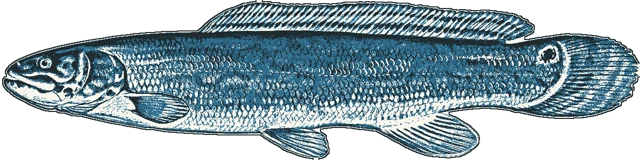
Bowfin
Amia calva (ruddy bowfin) and Amia ocellicauda (emerald bowfin) · Freshwater
TPWD calls it a rough fish rather than one for the table; the soft, pale flesh earned it the nickname 'cottonfish'.
Worth a try: Keep it alive until you clean it, cook it the same day, and use it smoked, fried as patties or stewed; MeatEater serves fried bowfin with a morel cream sauce.
- Tastes
- mild, soft, jelly-like unless very fresh
- Limits
- No limits. No creel or size limit on ADCNR's creel page. (2026-27 Alabama Hunting & Fishing Digest rules (eRegulations page, last updated Aug 28, 2026; fetched Nov 21, 2026)) Source
- Spawns
- Spawns April and May; ADCNR also collected a spawning male in late February.
- Where
- Quiet clear backwaters, vegetation edges and snags; Mobile Delta.
- live minnows
- cut bait
- jigs
- topwater lures
- Do not eat (anyone): any fish from the 20 all-fish waters named on this page.
- Do not eat (pregnant or nursing): any fish the list limits, which includes Four Mile/Six Mile Creek near Selma (ADPH, May 2026).
Meal limits and other waters (3)
- Limit (everyone), 1 meal a month (mercury): any fish from Four Mile/Six Mile Creek near Selma.
- Limit (under 14, nursing, pregnant or planning to be): up to 12 oz a week of all fish, from kinds lower in mercury.
- ADPH's 2026 guide (June 2026) names no limit for bowfin and says to eat fish with similar feeding habits with caution.
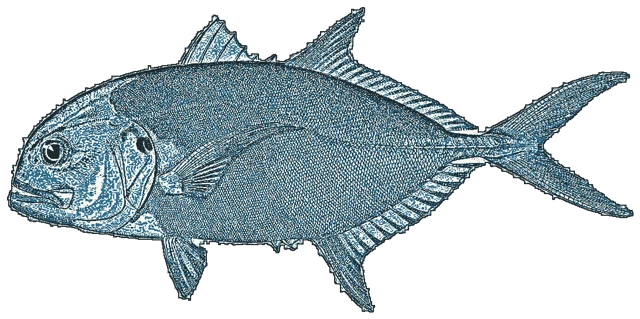
Crevalle jack
Caranx hippos · also called cavalla · Saltwater
Fun to catch, but most anglers release them or use them for bait because the meat is dark and strong; TPWD says it is not very desirable as food.
Worth a try: Florida Sportsman and Realtree both found jacks good eating when handled right: cut the gills and bleed the fish, ice it right away, trim out the dark bloodline, and cook it fresh (grilled, blackened, or baked). Smaller fish (2-5 lb) eat best.
- Tastes
- strong, beefy if not bled, firm, dark
- Limits
- No limits. No size or creel limit: ADCNR's saltwater limits (sheet revised July 2025) have no line for crevalle jack. (ADCNR Marine Resources rules as posted Nov 21, 2026) Source
- Best months
- May to November (ADCNR).
- live 7 to 10 in mullet or hand-size pogies on a float or flat line
- spoons, plugs, jigs and bucktails
- Ciguatera reports exist for this jack (Florida Museum).
- Do not eat (anyone): any fish from Chickasaw Creek, Cold Creek Swamp, the Mobile River at mile 27, Cowpen and Polecat creeks, the Perdido River at US 90 or the lower Blackwater River in Baldwin County (mercury).
Meal limits and other waters (2)
- Limit (under 14, nursing, pregnant or planning to be): up to 12 oz a week of all fish, from kinds lower in mercury, and no king mackerel, shark, swordfish or tilefish.
- ADPH's 2026 guide (June 2026) names no limit for crevalle jack and says to eat fish with similar feeding habits with caution.
Hardhead catfish
Ariopsis felis · also called seacat · Saltwater
A bait-stealing pest with painful spines that most anglers throw back; TPWD says the flesh isn't very tasty and the fish is hard to clean.
- Tastes
- mild to fishy, soft
- Limits
- No limits. No size or creel limit: ADCNR's saltwater limits (sheet revised July 2025) have no line for hardhead catfish. (ADCNR Marine Resources rules as posted Nov 21, 2026) Source
- shrimp
- squid
- cut bait
- crab
- Venomous, barbed dorsal and pectoral spines cause painful wounds; handle with pliers (TPWD).
- Do not eat (anyone): any fish from Chickasaw Creek, Cold Creek Swamp, the Mobile River at mile 27, Cowpen and Polecat creeks, the Perdido River at US 90 or the lower Blackwater River in Baldwin County (mercury).
Meal limits and other waters (2)
- Limit (under 14, nursing, pregnant or planning to be): up to 12 oz a week of all fish, from kinds lower in mercury, and no king mackerel, shark, swordfish or tilefish.
- ADPH's 2026 guide (June 2026) names no limit for hardhead catfish and says to eat fish with similar feeding habits with caution.
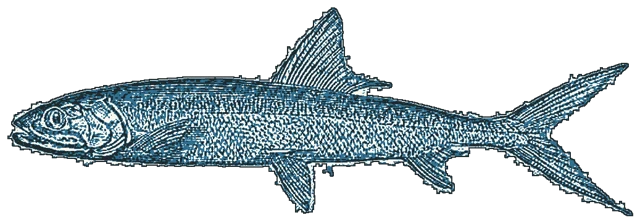
Ladyfish
Elops saurus · also called skipjack · Saltwater
Bony, dry flesh with little food value; anglers catch them for sport and cut them up for bait.
- Tastes
- soft, very bony
- Limits
- No limits. No size or creel limit: ADCNR's saltwater limits (sheet revised July 2025) have no line for ladyfish. (ADCNR Marine Resources rules as posted Nov 21, 2026) Source
- Best months
- Outdoor Alabama, Sept 16, 2021: a lot of ladyfish in the surf zone, leaving once the water falls below 80 degrees.
- Where
- Surf zone at Gulf State Park (Outdoor Alabama, Sept 16, 2021).
- jigs
- Do not eat (anyone): any fish from Chickasaw Creek, Cold Creek Swamp, the Mobile River at mile 27, Cowpen and Polecat creeks, the Perdido River at US 90 or the lower Blackwater River in Baldwin County (mercury).
Meal limits and other waters (2)
- Limit (under 14, nursing, pregnant or planning to be): up to 12 oz a week of all fish, from kinds lower in mercury, and no king mackerel, shark, swordfish or tilefish.
- ADPH's 2026 guide (June 2026) names no limit for ladyfish and says to eat fish with similar feeding habits with caution.
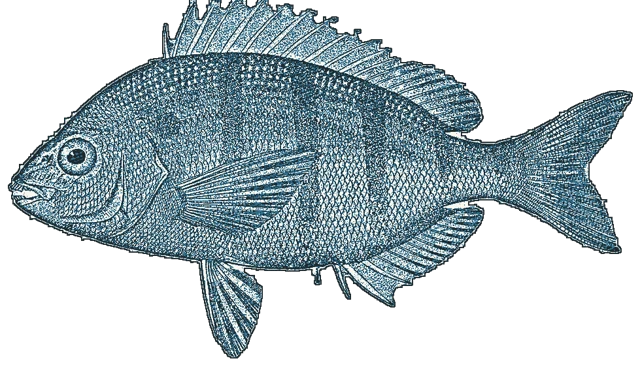
Pinfish
Lagodon rhomboides · Saltwater
Used as live bait far more than eaten; TPWD notes good flavor, but they are too small to bother with.
- Tastes
- good, small, bony
- Limits
- No limits. No size or creel limit: ADCNR's saltwater limits (sheet revised July 2025) have no line for pinfish. (ADCNR Marine Resources rules as posted Nov 21, 2026) Source
- shrimp
- squid
- bloodworms
- Do not eat (anyone): any fish from Chickasaw Creek, Cold Creek Swamp, the Mobile River at mile 27, Cowpen and Polecat creeks, the Perdido River at US 90 or the lower Blackwater River in Baldwin County (mercury).
Meal limits and other waters (2)
- Limit (under 14, nursing, pregnant or planning to be): up to 12 oz a week of all fish, from kinds lower in mercury, and no king mackerel, shark, swordfish or tilefish.
- ADPH's 2026 guide (June 2026) names no limit for pinfish and says to eat fish with similar feeding habits with caution.
Skipjack herring
Alosa chrysochloris · Freshwater
It is bony and generally considered a rough fish (FWS); anglers mostly catch it for sport on light tackle or for catfish bait.
- Limits
- Light regs. 50 per day. It is unlawful to sell, offer for sale or trade anything of value for skipjack herring from public waters. (2026-27 Alabama Hunting & Fishing Digest rules (eRegulations page, last updated Aug 28, 2026; fetched Nov 21, 2026)) Source
- Best months
- Gather in tailraces in late March and early April (ADCNR).
- Where
- Below dams on the Alabama River and most river systems.
- small spoons
- jigs
- Some states list it as a species of conservation concern
- Do not eat (anyone): any fish from the 20 all-fish waters named on this page.
- Do not eat (pregnant or nursing): any fish the list limits, which includes Four Mile/Six Mile Creek near Selma (ADPH, May 2026).
Meal limits and other waters (3)
- Limit (everyone), 1 meal a month (mercury): any fish from Four Mile/Six Mile Creek near Selma.
- Limit (under 14, nursing, pregnant or planning to be): up to 12 oz a week of all fish, from kinds lower in mercury.
- ADPH's 2026 guide (June 2026) names no limit for skipjack herring and says to eat fish with similar feeding habits with caution.
Southern stingray
Hypanus americanus · Saltwater
Caught as bycatch on bottom baits (NC DMF) and almost always cut loose; rays are near the top of most anglers' 'inedible' list (Hank Shaw).
- Limits
- Heavy regs. Skates and rays: 3 per person. Full retention when using bow, spear or gig; it is unlawful to remove the tail from any released skate or ray. Spotted eagle ray is prohibited. (Rule of June 17, 2025; Marine Resources limits sheet revised July 2025; ADCNR table as posted Nov 21, 2026) Source
- squid strips
- cut pieces of fish
- peeler crab
- Venomous barbed tail spine; cut the leader rather than handle the fish.
- Do not eat (anyone): any fish from Chickasaw Creek, Cold Creek Swamp, the Mobile River at mile 27, Cowpen and Polecat creeks, the Perdido River at US 90 or the lower Blackwater River in Baldwin County (mercury).
Meal limits and other waters (2)
- Limit (under 14, nursing, pregnant or planning to be): up to 12 oz a week of all fish, from kinds lower in mercury, and no king mackerel, shark, swordfish or tilefish.
- ADPH's 2026 guide (June 2026) names no limit for stingrays and says to eat fish with similar feeding habits with caution.
Where to fish in Alabama
Fish named here are what people catch at each spot, not a promise they’re safe to eat. Read the eating advice on the fish’s card before you keep one.
# Salt or brackish# Freshwater
- 1Lake Guntersville reservoir · fresh
ADCNR calls it Alabama's largest lake (69,100 acres), best known for big largemouth bass; blue catfish over 80 lb have come from it, and bream and sauger fishing are good too. ADPH: do not eat largemouth from its Town Creek or Crow Creek arms, or from Widows Creek above its first 1.5 miles (mercury).
Known for: Largemouth bass, Bluegill, Redear sunfish, Sauger, Blue catfish
Access: Free boat ramps and private marinas around the lake.
- 2Wheeler Lake reservoir · fresh
ADCNR says bass are the most popular fishery, largemouth first, with smallmouth common from Decatur west; the former world-record blue catfish (111 lb) came from here in 1996, and striped, hybrid and white bass make spring runs. ADPH: do not eat any fish from its Baker's Creek embayment (PFOS). ADPH: do not eat largemouth from its Round Island Creek arm or Flint Creek at US 31 (mercury), and no more than 1 meal a month of it from Fox Creek or the main lake at river miles 277, 296 to 303 and 320 (mercury or PFOS).
Known for: Largemouth bass, Smallmouth bass, Spotted bass, Blue catfish, Sauger
- 3Wilson Dam tailwater and Pickwick Lake tailrace · fresh
ADCNR calls Pickwick Alabama's best place for a largemouth, smallmouth and spotted bass 'grand slam', with sauger below Wilson Dam in winter and blue and channel catfish in summer. ADPH: do not eat largemouth from Pickwick's Cane, Cypress or Little Bear creek arms (mercury), and no more than 1 meal a month of it from the Spring Creek arm or river mile 230.
Known for: Smallmouth bass, Largemouth bass, Spotted bass, Sauger, Blue catfish
Access: Bank access at Sheffield and Muscle Shoals (south side) and at McFarland Park in Florence and Waterloo (north side).
- 4Weiss Lake reservoir · fresh
ADCNR says the lake is known as the 'Crappie Fishing Capital of the World' and that largemouth and striped bass are making a name too.
Known for: Black crappie, White crappie, Largemouth bass, Striped bass
Access: Four free public access areas and 37 private marinas (ADCNR).
- 5Lewis Smith Lake reservoir · fresh
ADCNR says Smith Lake can produce trophy striped bass, with fish over 40 lb present; live shad is the preferred bait and special striped bass rules apply. ADPH: do not eat striped bass from Ryan Creek or any fish from the mouth of Clear Creek.
Known for: Striped bass
- 6Sipsey Fork below Smith Lake Dam tailrace · fresh
ADCNR calls it Alabama's only year-round trout fishing: about 3,000 rainbows stocked a month, 5 per day, no culling.
Known for: Rainbow trout
Access: Pull-offs along Cullman County Road 95, a large lot at the Birmingham Water Works pump station, a platform below the dam; downstream of the Hwy 69 bridge by unmotorized boat only. Generation raises the water 12 to 15 ft with sirens.
- 7Lake Martin reservoir · fresh
ADCNR rates it one of the best winter bass lakes in Alabama, with abundant Alabama bass, striped bass stocked by the state, big crappie and shellcrackers. ADPH: do not eat largemouth from its Sugar Creek or Elkahatchee Creek arms (mercury).
Known for: Alabama bass, Largemouth bass, Striped bass, Black crappie, White crappie
Access: State-run ramps at Wind Creek State Park, Smith Landing on Sandy Creek, Madwind Creek, Kowaliga Creek and Pace's Point; many private marinas.
- 8Lay Lake and Logan Martin tailwater reservoir · fresh
ADCNR says Lay is best known for spotted and largemouth bass (its 'spotted bass' are Alabama bass in the Mobile basin) and the tailwater below Logan Martin Dam is excellent for hybrid striped bass and catfish. ADPH: do not eat Alabama (spotted) bass from Lay two miles below Logan Martin Dam. ADPH: no more than 1 meal a month of largemouth at the dam (PCBs) or near US 280 (mercury), or of striped bass, the closest listed fish to hybrids, anywhere in Lay (PCBs).
Known for: Alabama bass, Largemouth bass, Hybrid striped bass
Access: Seven public access areas with bank and boat access (ADCNR).
- 9Millers Ferry (Dannelly) Reservoir reservoir · fresh
ADCNR says it regularly produces bass of 3 lb or more, has blue catfish over 30 lb and strong late-winter crappie, and the tailwater gives striped bass in spring. ADPH: no more than 1 meal a month of any fish from Four Mile/Six Mile Creek near Selma, or 2 meals a month of largemouth from the Cahaba River arm (mercury).
Known for: Largemouth bass, Black crappie, White crappie, Blue catfish, Channel catfish
Access: Numerous public access areas; Corps of Engineers camping at East Bank, Six Mile and Chilatchee Creek; Roland Cooper State Park.
- 10Lake Eufaula (Walter F. George) reservoir · fresh
ADCNR says crappie over 13 in were common in its October 2014 sampling and the catfish population is excellent. ADPH: do not eat largemouth from its Barbour, Cheneyhatchee, Cowikee or Thomas Mill creek arms (mercury), and no more than 1 meal a month of it at the dam, US 82 or White Oak Creek, or of channel catfish from the Cowikee arm (2 a month from the Barbour arm).
Known for: Largemouth bass, Black crappie, Channel catfish, Blue catfish, Flathead catfish
Access: Alabama ramps at Lake Point State Park, Cheneyhatchee Creek, White Oak Creek, Hardridge and Highland parks; free ramps at Old Creek Town, Barbour Creek and Thomas Mill Creek; piers at Old Creek Town and Highland Park. An Alabama or Georgia license is valid.
- 11Mobile-Tensaw Delta estuary · brackish
ADCNR says largemouth fishing is good year-round, bream are caught year-round, and fall runs of redfish, speckled trout and flounder fill limits at the river mouths. ADPH: do not eat largemouth from its listed Mobile, Tensaw and Middle river sites, or any fish from Chickasaw Creek, Cold Creek Swamp or the Mobile River at mile 27.
Known for: Bluegill, Redear sunfish, Red drum, Spotted seatrout, Southern flounder
Access: More than 20 access sites; bank piers at Cliff's Landing, Meaher State Park (fee), Choccalotta and the USS Alabama park; the Highway 90-98 Causeway.
- 12Mobile Bay and Eastern Shore sound · salt
ADCNR's tips table names the bay's oyster reefs for black drum, the Eastern Shore for redfish and the bay for flounder and croaker; white trout are caught throughout the bays.
Known for: Red drum, Black drum, Southern flounder, Sand seatrout, Atlantic croaker
Access: Piers, docks and shore around the bay, or a boat (ADCNR's croaker notes).
- 13Gulf State Park pier pier · salt
Alabama State Parks says sheepshead, red drum, Spanish mackerel, flounder, pompano, king mackerel and whiting are caught from the pier through the year. ADPH: do not eat king mackerel over 39 in (mercury); children under 14 and women who are nursing, pregnant or planning to be should eat none.
Known for: Sheepshead, Red drum, Spanish mackerel, Southern flounder, Florida pompano
Access: Open 24 hours; $10 adult fishing pass, plus an Alabama saltwater license. Wheelchair-accessible rail and rod rentals; check the park for weather closures.
- 14Alabama public artificial reefs offshore · salt
ADCNR says its reefs, spread over about 1,060 square miles, have increased red snapper, gray triggerfish, sheepshead and gray snapper.
Known for: Red snapper, Gray triggerfish, Sheepshead, Gray snapper
Access: By boat; ADCNR posts waypoint files for the public reefs.
Alabama fishing license and rules
- Resident: $17.45 annual (2026-27)
- Nonresident: $68.20 annual (ADCNR page: Louisiana residents $70.60, Mississippi residents $75.42); special fees may apply to residents of Florida, Georgia, Louisiana, Mississippi and Tennessee
- Nonresident short-term: Freshwater 7-day trip $38.05; freshwater family 3-day trip $38.05 (license holder plus up to 4 immediate family); saltwater 7-day trip $36.65; state Public Fishing Lakes daily $9.20.
- Saltwater: Separate saltwater license: resident $30.90 annual or $12.65 for 7 days; nonresident $66.80 annual or $36.65 for 7 days (2026-27 digest); Louisiana and Florida residents pay different rates. A $10 Gulf Reef Fish Endorsement is required for anyone 16 or older who possesses Gulf reef fish (snappers, groupers, triggerfish, amberjacks and others), with no exemptions. Residents 65 and older, lifetime holders and licensed-pier users must get the free Saltwater Angler Registration.
- Who needs one: 16 and older. Residents 65 and older are exempt from the freshwater and saltwater licenses; residents may fish the bank of public fresh water with hook and line in their home county without a license.
- Free fishing days: Saturday, June 13, 2026 (public waters, fresh and salt; no fishing license, saltwater license or reef fish endorsement; state public fishing lakes still need a permit). ADCNR picks a Saturday in June each year.
More license details
Licenses run Sept 1, 2026 to Aug 31, 2027. Sales are on My Outdoor Alabama (myoutdooralabama.com). Resident means 90 days of continuous Alabama residency, set by driver's license. Cast netting, gigging, bow and crab traps in salt water need the saltwater license. Pier license: ADCNR page lists resident $7.65 (2025-26 table).
Buy a license License types and fees
Fees: License year Sept 1, 2026 to Aug 31, 2027 (eRegulations page updated Aug 28, 2026).
- Red snapper: the private-angler season closed at 12:01 a.m. Nov 16, 2026 after opening May 22; 2 per person, 16 in. Everyone except federally permitted for-hire boats must report red snapper, gray triggerfish and greater amberjack on Snapper Check before landing them, and boats with recreationally caught red snapper may not transit state waters while it is closed.
- Gulf reef fish (snappers, groupers, triggerfish, amberjacks and more) need a $10 Reef Fish Endorsement at 16 and older, with no exemptions. State waters open and close with federal waters for the reef fish marked # in ADCNR's limits table. Greater amberjack closed Oct 14, 2026 until Sept 1, 2027; gag closed Oct 1, 2026 (and is closed Jan 1 to Aug 31 every year); gray triggerfish closes Jan 1 to the end of February and June 1 to July 31. Reef fish with no limit of their own share a 20-fish aggregate.
- Flounder: 5 per person, 14 in, closed all of November. Red drum: 3 a day, 16 to 26 in, none over 26 in since June 2025. Spotted seatrout: 6 a day, 15 to 22 in, one oversized fish allowed.
- Sharks and tarpon: 1 shark per person per day (54 in fork length; hammerheads 78 in; no minimum for sharpnose and bonnethead); a tarpon must be at least 60 in and needs a $67 tag before it is kept. No chumming or bloodbaiting for sharks within 300 ft of shore or on a public pier.
- Hooks: with natural bait, non-stainless circle hooks for Gulf reef fish, and non-offset, non-stainless circle hooks for sharks. Reef fish boats in federal waters need a venting tool or descending device rigged and ready.
- Freshwater: black bass 10 a day (no more than 5 smallmouth), crappie 30 at 9 in, bream 50, catfish 1 over 34 in; no fillets or heads removed on public waters except for immediate cooking; only one day's limit may leave the state.
- Black bass rules vary by lake: largemouth and smallmouth 15 in on Guntersville and Pickwick, largemouth 14 in on Eufaula and West Point, 13 to 15 in released at Lewis Smith, largemouth 13 to 16 in released at Harris, and a 14 to 22 in release slot at Duck River Reservoir. Shoal bass may not be kept from Little Uchee, Uchee, Osanippa, Halawakee and Wacoochee creeks.
- Paddlefish and all sturgeon are closed season and must go back at once; walleye are off limits on named waters including the Mulberry and Sipsey forks; alligator gar, 1 a day; no live baitfish may leave the water where caught.
- Rod and method limits: 3 rods on Weiss and Neely Henry, 2 on the Sipsey Fork; no snagging on the Tennessee and Chattahoochee rivers or their impoundments, or within 800 ft of a Coosa River dam; trotlines limited to 100 hooks with a name tag; bowfishing for non-game fish needs a sport license.
Limits here are summaries for convenience, checked on the date shown. The official Alabama regulations govern; check them before you keep a fish.
Before you eat it
Do not eat (anyone), any fish (mercury unless noted): the Baker's Creek embayment on Wheeler (PFOS); Choccolocco Creek from south of Oxford to Logan Martin, with its embayment (PCBs, plus … (see the full list)
Do not eat (anyone), any fish (mercury unless noted): the Baker's Creek embayment on Wheeler (PFOS); Choccolocco Creek from south of Oxford to Logan Martin, with its embayment (PCBs, plus mercury at County Road 399); the mouth of Clear Creek on Lewis Smith; Bear Creek Reservoir at the dam; Binion Creek at Hwy 43; all of Chickasaw Creek; Cold Creek Swamp; the Mobile River at mile 27; Cowpen and Polecat creeks above Fish River; the Perdido River at US 90; the Blackwater River in Baldwin County (its mouth to the pipeline crossing southeast of Robertsdale) and in Escambia County (County Road 4 to the Florida line); Big Escambia Creek near the Florida line; Little Escambia Creek at Wolf Log Road; Murder Creek from Burnt Corn Creek to the Conecuh; the Sepulga River at Brooklyn; Persimmon Creek at AL 106; the Pea River south of Elba; the Yellow River at County Road 4. Those are the 20 all-fish waters.
- Do not eat (anyone), largemouth bass, Tennessee River basin (mercury): Bear Creek at Franklin County Road 53 and at Allsboro Road; Big Nance Creek at Lawrence County Road 25; the Cane (Colbert County), Crow (Jackson), Cypress (Lauderdale), Little Bear (Colbert), Round Island (Limestone) and Town (Marshall) creek arms; Flint Creek at US 31; Cedar Creek, Little Bear Creek and Upper Bear Creek reservoirs at the dam; Widows Creek from 1.5 miles up to Million Dollar Bridge and above County Road 96.
Do not eat (anyone), largemouth bass, Escatawpa, Tombigbee and Mobile basins (mercury): the Bashi Creek arm; Bay Minette, Bilbo, Black (Mobile County), Halls Mills and Rabbit creeks … (see the full list)
Do not eat (anyone), largemouth bass, Escatawpa, Tombigbee and Mobile basins (mercury): the Bashi Creek arm; Bay Minette, Bilbo, Black (Mobile County), Halls Mills and Rabbit creeks; Turkey Branch; Bayou Sara; the Baldwin County slough listed at the Tensaw River on page 21 of the state guide; Big Creek Reservoir (Mobile County); Coffeeville Reservoir (river miles 200-202 and 166.6-168.6, and the dam); Demopolis Reservoir at the dam; the Bon Secour, Escatawpa, Fish (two sites), Fowl (all of it), Magnolia, Middle and Tensaw rivers; the Sipsey River arm; the Mobile River at David Lake; the Tombigbee at miles 50 and 60.
- Do not eat (anyone), largemouth bass, Black Warrior and Cahaba basins (mercury): Inland, Catoma, Oliver and Warrior reservoirs at the dam; Tuscaloosa Reservoir at the dam and on North River; Lewis Smith at Ryan and Rock creeks; the Sipsey Fork 1 mile above the Mulberry Fork.
- Do not eat (anyone), largemouth bass, Alabama, Coosa and Tallapoosa basins (mercury): Claiborne Reservoir at the dam and Lower Peachtree; the Elkahatchee and Sugar creek arms of Lake Martin; Thurlow and Yates reservoirs at the dam.
- Do not eat (anyone), largemouth bass, southeast and Perdido basins (mercury): the Barbour, Cheneyhatchee, Cowikee and Thomas Mill arms of Lake Eufaula; the Uchee Creek arm; the Chattahoochee near the Florida line; Burnt Corn Creek at US 31; the Patsaliga Creek arm; Sandy Creek and Wolf Creek (Baldwin County); the Choctawhatchee near State Hwy 92 and below Geneva; the Pea just above the Choctawhatchee; the Conecuh at the Florida line; the Styx River at US 90; Frank Jackson, Gantt and Point A reservoirs; Lake Jackson at Florala; Lake Shelby in Gulf State Park.
- Do not eat (anyone), spotted bass, which is also the list's name for Alabama bass (mercury): Bear Creek at Franklin County Road 53 and the Natchez Trace Parkway; Burnt Corn Creek at US 31; the Cahaba at AL 183; the Choctawhatchee near State Hwy 92 and below Geneva; the Escatawpa at US 98; Lay two miles below Logan Martin Dam; Lewis Smith at Ryan Creek; the Pea just above the Choctawhatchee; the Tallapoosa 3 miles above US 231.
- Do not eat (anyone), striped bass: the Coosa from Riverside to Logan Martin Dam, and Logan Martin at Ragland, Riverside and the dam (PCBs); Lewis Smith at Ryan Creek (mercury).
- Do not eat (anyone): king mackerel over 39 in, the whole coast (mercury). Under 39 in there is no restriction for people outside the at-risk groups.
- Do not eat (under 14, nursing, pregnant or planning to be): any king mackerel, shark, swordfish or tilefish. Women considering pregnancy, pregnant or nursing should also avoid marlin, orange roughy and bigeye tuna (ADPH, May 2026).
- Do not eat (pregnant or nursing): fish that usually run high in mercury, or any fish the list puts under an advisory (ADPH's Get Hooked on Health, May 2026).
- Limit (under 14, nursing, pregnant or planning to be): up to 12 oz (2 average meals) a week, from kinds lower in mercury, with smaller portions for young children, and white (albacore) tuna 6 oz a week. Pregnant and breastfeeding women: 1 serving (4 oz) a week of bluefish, carp, grouper, halibut, mahi mahi, monkfish, snapper, Spanish mackerel or canned albacore (ADPH, May 2026).
- Coosa limits (everyone): striped bass, 1 meal a month from Logan Martin Dam through Lay (PCBs); blue catfish at Riverside and Ragland, and channel catfish and spotted bass at Riverside, 1 meal a month (Logan Martin, PCBs); largemouth, 1 meal a month at the Lay dam (PCBs).
- Limit (everyone): Four Mile/Six Mile Creek near Selma, 1 meal a month of any fish (mercury). Perdido Bay south of Chambers Point, 2 meals a month of red drum or speckled trout (mercury). Bass from any water, 3 to 4 oz two to three times a week at most (ADPH, May 2026).
- Cleaning: for PCBs, remove the head, guts, skin and fat, broil, bake, poach or boil instead of frying, and do not use the cooking liquid. Cooking does not lower mercury.
- Shared lakes: the neighbor's list is stricter on some. Georgia (EPD, 2023), 1 meal a month: largemouth over 16 in from Lake Harding; largemouth over 16 in, channel catfish over 16 in and hybrid bass from 12 in from Goat Rock Lake; channel catfish over 16 in from Lake Oliver on the Chattahoochee. Tennessee (August 2026), its part of Pickwick: catfish, none for children or pregnant or nursing women and 1 meal a month for others (PCBs).
- One meal is 8 oz of raw fish. After a meal of a fish that is 1 meal a month for mercury, ADPH says to eat no other fish under a mercury advisory that month. A fish or water that isn't listed has no ADPH advice, which is not an all-clear: ADPH says to eat similar species with caution. Confirm with the state's current list (2026 guide: https://www.alabamapublichealth.gov/tox/assets/2026_fishadvisory.pdf, 1-800-338-8374).
Local lingo
- bream (bluegill, redear and other sunfish)
- shellcracker (redear sunfish)
- jack (sauger and chain pickerel)
- spoonbill (paddlefish)
- ling (cobia)
- whiting (Gulf kingfish) and ground mullet (southern kingfish)
- speckled trout (spotted seatrout) and white trout (sand seatrout)
- blackfish (tripletail) and beeliner (vermilion snapper)
Questions anglers ask about Alabama
What is the most common fish in Alabama?
NOAA's MRIP puts Atlantic croaker first among fish caught off Alabama, at about 3.8 million a year in 2023-2025, ahead of pinfish, sand seatrout, hardhead catfish and Spanish mackerel; most croaker, pinfish and hardheads are released. MRIP covers salt water only. In fresh water, ADCNR says about two-thirds of Lake Guntersville anglers have historically targeted largemouth bass, the official state freshwater fish.
Do I need a saltwater fishing license in Alabama?
Yes. Separate saltwater license: resident $30.90 annual or $12.65 for 7 days; nonresident $66.80 annual or $36.65 for 7 days (2026-27 digest); Louisiana and Florida residents pay different rates. A $10 Gulf Reef Fish Endorsement is required for anyone 16 or older who possesses Gulf reef fish (snappers, groupers, triggerfish, amberjacks and others), with no exemptions. Residents 65 and older, lifetime holders and licensed-pier users must get the free Saltwater Angler Registration.
What is the best fish to eat in Alabama?
23 of the 52 fish on our Alabama board rate Best eating. Among the fish caught most: red snapper, spotted seatrout, kingfish (whiting), gray snapper, black crappie and white crappie.
Does Alabama have free fishing days?
Saturday, June 13, 2026 (public waters, fresh and salt; no fishing license, saltwater license or reef fish endorsement; state public fishing lakes still need a permit). ADCNR picks a Saturday in June each year.
Which Alabama fish are better to eat than their reputation?
We give the Worth a try badge to alligator gar, longnose gar, spotted gar, freshwater drum, common carp, bigmouth buffalo, smallmouth buffalo, bowfin, black drum, bluefish and crevalle jack: fish most anglers toss or rate low that eat well when they're cleaned and cooked right. Each card says how.
Neighboring states
Sources
Limits, prices and advisories come from these pages, read on or before Nov 21, 2026. Where a line gives its own date, that’s the date it rests on. Eating advice changes: check the state’s current list. Ratings are national and come from the fish’s own page.
86 sources
- myoutdooralabama.com license buy
- outdooralabama.com ladyfish: where
- alabamapublichealth.gov Alabama bass: advisory; Atlantic croaker: advisory; Florida pompano: advisory; Spanish mackerel: advisory; alligator gar: advisory; bigmouth buffalo: advisory;
- alabamapublichealth.gov Alabama bass: advisory; Spanish mackerel: advisory; alligator gar: advisory; bigmouth buffalo: advisory; black crappie: advisory; blue catfish: advisory; bluefi
- alabamapublichealth.gov consumption advisories; consumption advisory
- alapark.com fishing spots
- eregulations.com Alabama bass: regs; alligator gar: regs; bigmouth buffalo: regs; black crappie: regs; blue catfish: regs; bluegill: regs; bowfin: regs; bullhead (black, brown,
- eregulations.com license fees
- eregulations.com bluegill: names; longnose gar: bowfishing; redear sunfish: names; sauger: names
- fisheries.noaa.gov greater amberjack: 2026 season
- fisheries.noaa.gov gray triggerfish: federal seasons; greater amberjack: federal seasons
- govinfo.gov gray triggerfish: federal seasons; greater amberjack: federal seasons
- govinfo.gov cobia: federal bag
- govinfo.gov red drum: federal waters
- govinfo.gov greater amberjack: 2026 closure
- outdooralabama.com free fishing days
- outdooralabama.com gray triggerfish: season; greater amberjack: season
- outdooralabama.com flathead catfish: names
- outdooralabama.com red snapper: closure
- outdooralabama.com ladyfish: months; ladyfish: where
- outdooralabama.com red snapper: season, limits, Snapper Check
- outdooralabama.com red drum: regs (no oversized fish); sheepshead: regs; southern stingray: regs
- outdooralabama.com southern flounder: closed November; spotted seatrout: one over 22 in
- outdooralabama.com largemouth bass: why, months
- outdooralabama.com smallmouth bass: months, where, baits
- outdooralabama.com spotted bass: months, where
- outdooralabama.com bluegill: months
- outdooralabama.com bigmouth buffalo: where
- outdooralabama.com smallmouth buffalo: months, where
- outdooralabama.com bullhead (black, brown, yellow): months, where
- outdooralabama.com common carp: months, where, conflict
- outdooralabama.com blue catfish: where
- outdooralabama.com channel catfish: baits, months
- outdooralabama.com flathead catfish: why, months, where
- outdooralabama.com black crappie: baits
- outdooralabama.com white crappie: baits, months
- outdooralabama.com freshwater drum: months, where
- outdooralabama.com freshwater regs
- outdooralabama.com Atlantic croaker: regs (no line); Florida pompano: regs; Spanish mackerel: regs; black drum: regs (no line); blue runner: regs (no line); bluefish: regs (no lin
- outdooralabama.com common carp: regs conflict
- outdooralabama.com Alabama bass: names, where; largemouth bass: why (state fish)
- outdooralabama.com rainbow trout: where
- outdooralabama.com alligator gar: months, where
- outdooralabama.com longnose gar: months, where
- outdooralabama.com spotted gar: months, where
- outdooralabama.com license info
- outdooralabama.com red snapper: Snapper Check
- outdooralabama.com blue catfish: baits; flathead catfish: baits
- outdooralabama.com blue catfish: baits
- outdooralabama.com bowfin: months, where
- outdooralabama.com striped mullet: months, where
- outdooralabama.com skipjack herring: baits, months, where
- outdooralabama.com sauger: months
- outdooralabama.com striped mullet: cast net rules
- outdooralabama.com channel catfish: where; fishing spots
- outdooralabama.com fishing spots; sauger: months, where
- outdooralabama.com Alabama bass: baits, months, where; bluegill: baits, months; fishing spots; largemouth bass: baits, months; redear sunfish: baits, months, where; striped bass:
- outdooralabama.com fishing spots
- outdooralabama.com striped bass: where
- outdooralabama.com fishing spots
- outdooralabama.com striped bass: where
- outdooralabama.com black crappie: where; fishing spots; spotted bass: baits
- outdooralabama.com fishing spots; striped bass: baits
- outdooralabama.com fishing spots
- outdooralabama.com fishing spots
- outdooralabama.com hybrid striped bass: where
- outdooralabama.com hybrid striped bass: where
- outdooralabama.com black crappie: baits, months; hybrid striped bass: months
- outdooralabama.com blue catfish: months; white crappie: months, where
- outdooralabama.com black crappie: where
- outdooralabama.com largemouth bass: baits; smallmouth bass: baits; spotted bass: where
- outdooralabama.com channel catfish: where; sauger: where; smallmouth bass: baits, months
- outdooralabama.com bluegill: baits, where; fishing spots; largemouth bass: baits, where; red drum: baits; redear sunfish: months
- outdooralabama.com fishing spots; rainbow trout: baits, months, where
- outdooralabama.com blue catfish: why, where; freshwater drum: where; smallmouth bass: baits
- outdooralabama.com fishing spots; red snapper: where; sheepshead: where
- outdooralabama.com blue runner: names; gafftopsail catfish: names; hardhead catfish: names; ladyfish: names; sand seatrout: names; spotted seatrout: names; state records saltwater
- outdooralabama.com cobia: 3-mile line
- outdooralabama.com Atlantic croaker: baits, months, where; Florida pompano: baits, months, where; Spanish mackerel: baits, months, where; black drum: baits, months, where; blue ru
- outdooralabama.com blue runner: not on the reef fish list; gray snapper: endorsement list; gray triggerfish: endorsement; vermilion snapper: endorsement list
- outdooralabama.com Atlantic croaker: regs (no line); black drum: regs (no line); blue runner: regs (no line); bluefish: regs (no line); cobia: regs; crevalle jack: regs (no line);
- outdooralabama.com common carp: regs conflict; state records
- outdooralabama.com hybrid striped bass: baits
- outdooralabama.com striped bass: baits, months, where
- outdooralabama.com where to fish
- st.nmfs.noaa.gov blue runner: why, where; catch survey; gafftopsail catfish: why; hardhead catfish: why; ladyfish: why
Illustrations: stencils we made from public-domain art by John J. Baird (Black crappie); Duane Raver, U.S. Fish and Wildlife Service (Blue catfish, Channel catfish, Flathead catfish, Rainbow trout, Red drum, Redear sunfish, Spotted seatrout, Striped bass, White crappie, Bluefish, Bullhead (black, brown, yellow), Smallmouth bass, Bowfin); NOAA (Bluegill); James Alexander Henshall (Cobia, Red snapper); Hugh McCormick Smith (Florida pompano, Atlantic croaker, Black drum, Spanish mackerel, Striped mullet, Pinfish); William Welsh (Kingfish (whiting)); Sherman Foote Denton (Sheepshead); Charles Hugh Stevenson (Southern flounder); David Starr Jordan (Vermilion snapper); U.S. Fish and Wildlife Service (Common carp, Largemouth bass); H. L. Todd (Gafftopsail catfish); New York Fish and Game Commission (King mackerel); C. W. Nash (Longnose gar); an unknown artist (Crevalle jack); Albert Günther (Ladyfish), via Wikimedia Commons.
Spotted an error or a rule that changed? Tell us and we will check it against the official source.