Delaware · fresh and salt
Fish in Delaware: what’s worth eating, and what’s garbage
Delaware fishing is a Delaware Bay and Atlantic coast fishery: tautog, black sea bass, summer flounder, spot, croaker and striped bass from the surf, the Indian River Inlet, reefs and the bay shore, with weakfish as the state fish. Inland, small ponds and Wilmington-area rivers offer bass, crappie, stocked trout and the invasive snakehead and catfish.
52 fish rated · limits checked Nov 21, 2026 against DNREC DFW and federal sources, then re-checked: 768 of 782 details confirmed or corrected on the official pages
Resident $8.50 general fishing license (2026; residents 16 to 64). Nonresident $20.00 general fishing license (2026).
Buy a licenseCovered by the same license: the general fishing license covers recreational fishing, crabbing and clamming in all Delaware tidal and non-tidal waters. Full details
Saltwater limitsFreshwater limits, seasons and size rules from Delaware DNREC Division of Fish and Wildlife.
Freshwater limitsWeakfish
State law lets DNREC name up to two license-free days a year, during National Fishing and Boating Week. Full details
The Delaware table-fare board
Fish Delaware anglers catch, sorted by how they eat. The bars show how heavily each one is regulated here. Tap a fish for the details.
No limits Light regs Heavy regs No harvest
Best eating23
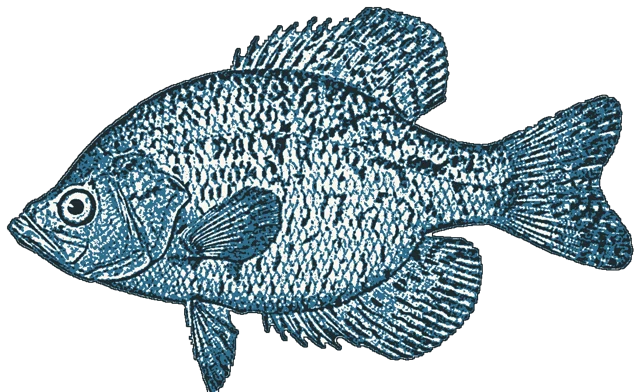 Black crappie“paper mouths”
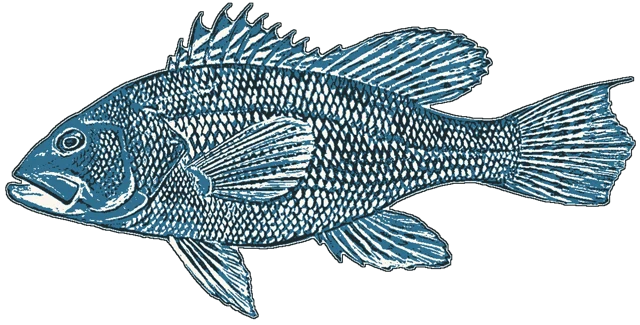 Black sea bass
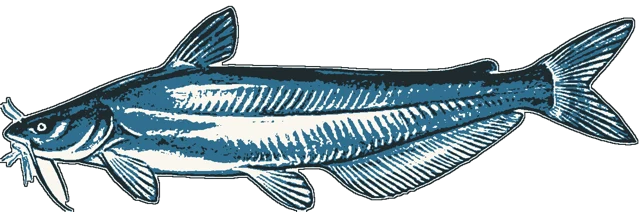 Blue catfish
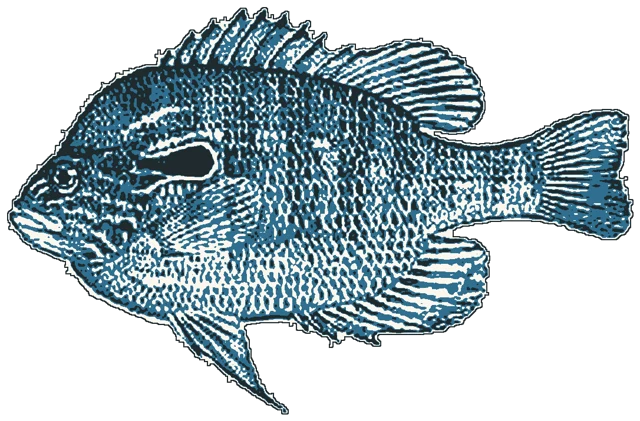 Bluegill
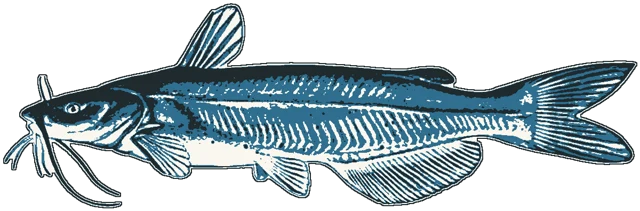 Channel catfish
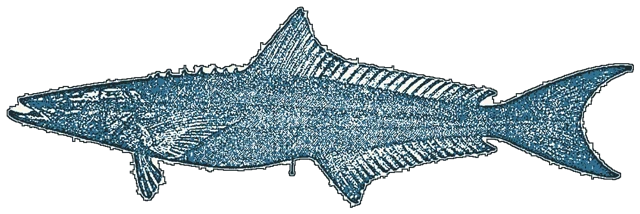 Cobia
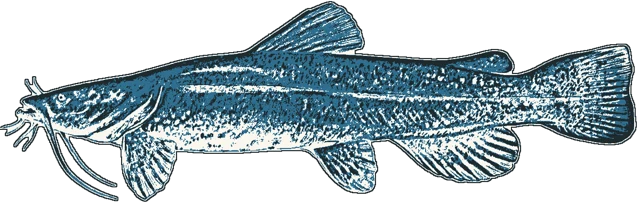 Flathead catfishHybrid striped bass“wiper”
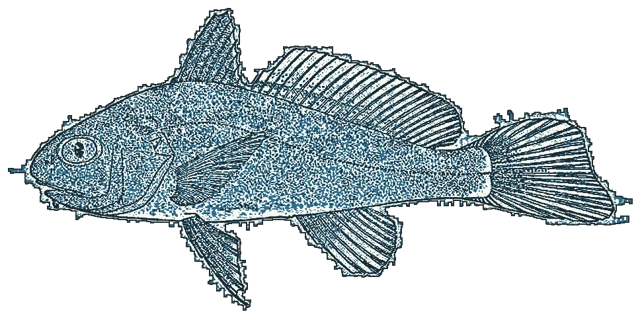 Kingfish (whiting)Pumpkinseed
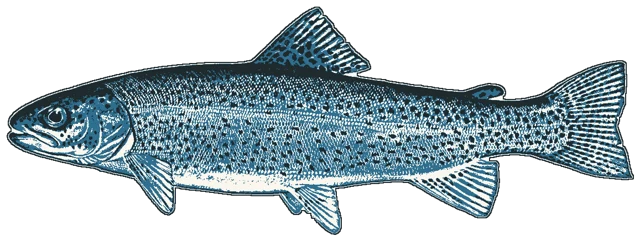 Rainbow trout
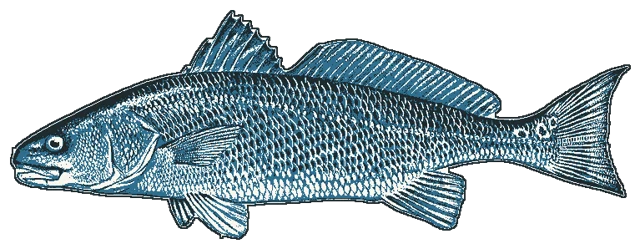 Red drum“channel bass”
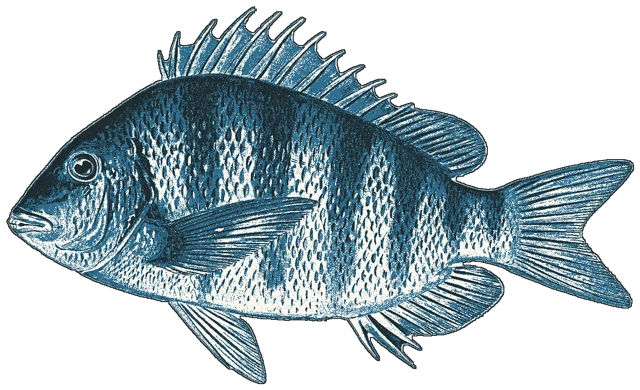 Sheepshead“convict”
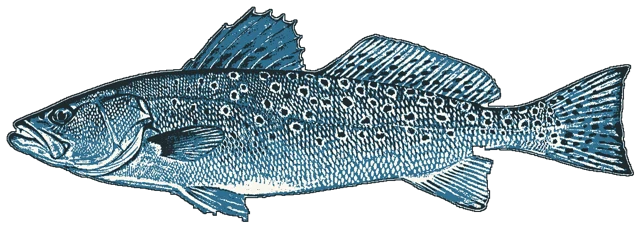 Spotted seatrout“speckled trout”
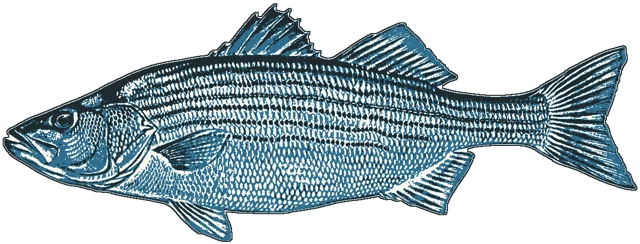 Striped bass“cows (large females)”
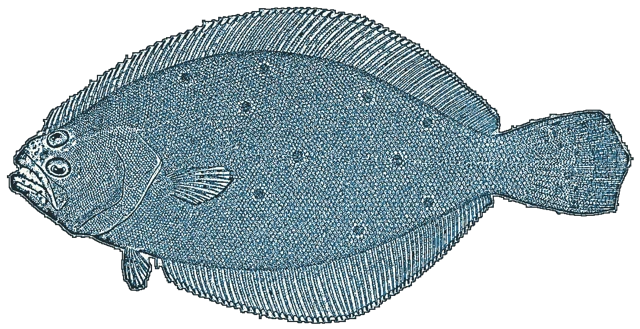 Summer flounderTautog
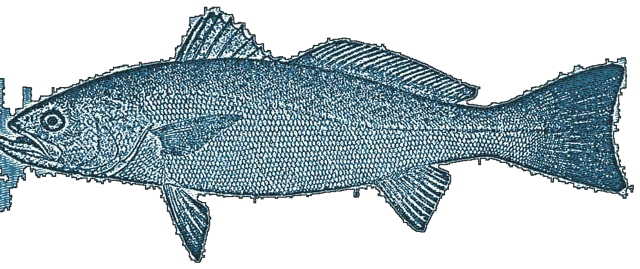 WeakfishWhite catfish
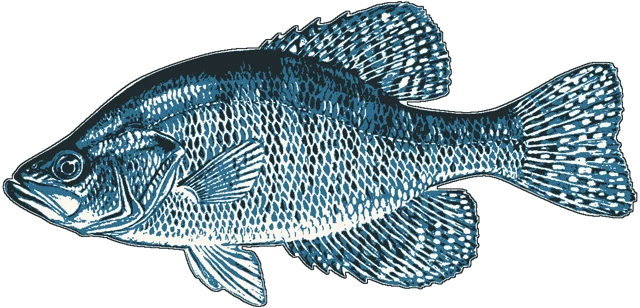 White crappie“paper mouths”
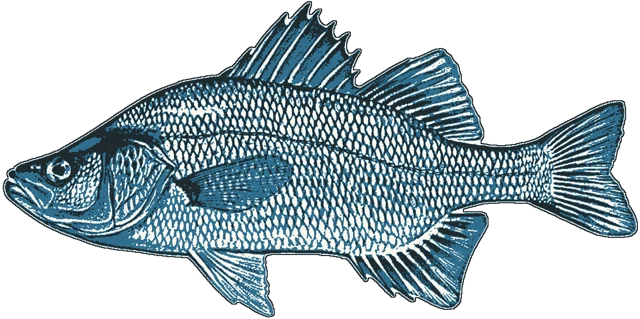 White perchWinter flounder
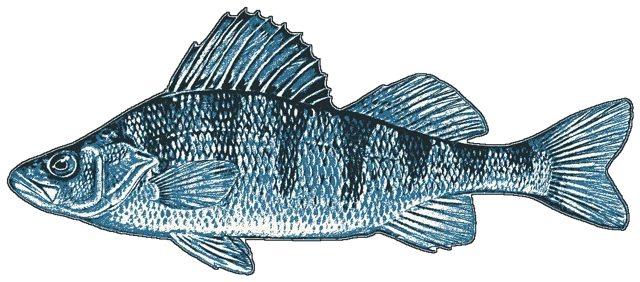 Yellow perch
Just OK18
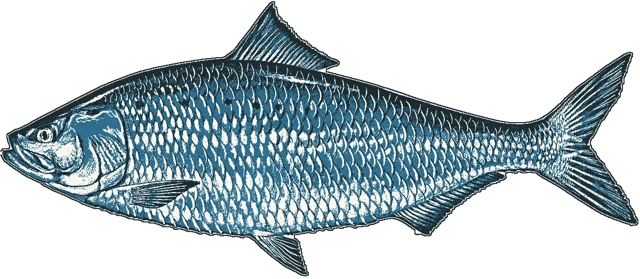 American shad“poor man's tarpon”
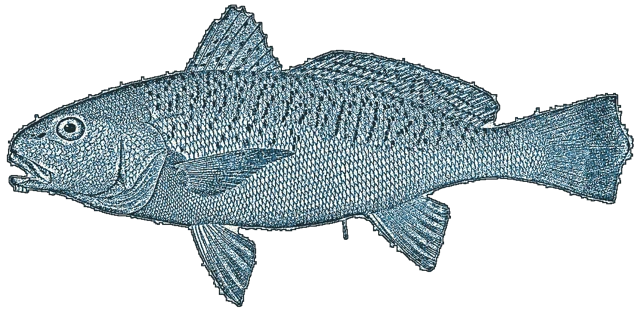 Atlantic croaker“horses (2 lb and up)”
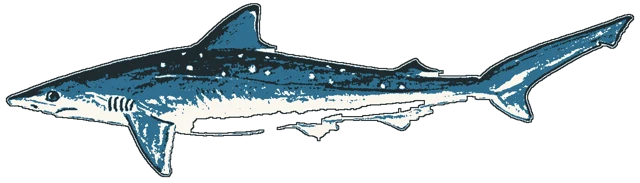 Atlantic sharpnose shark
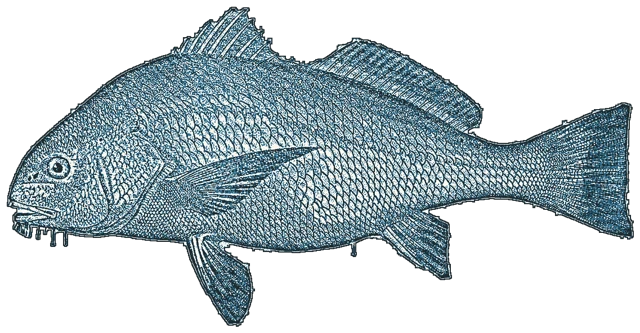 Black drum
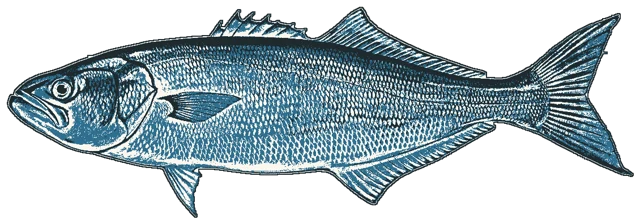 Bluefish
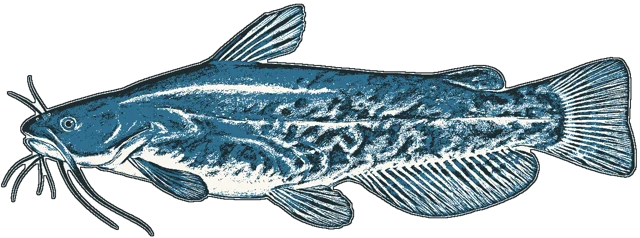 Bullhead (black, brown, yellow)
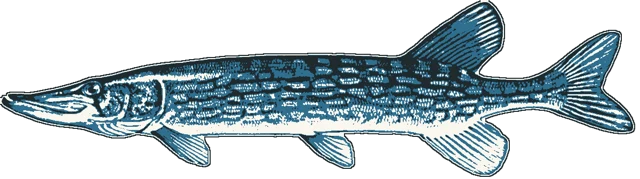 Chain pickerel
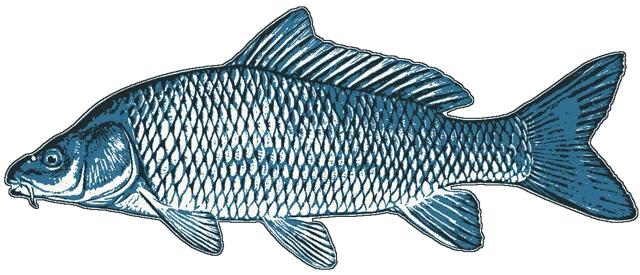 Common carp
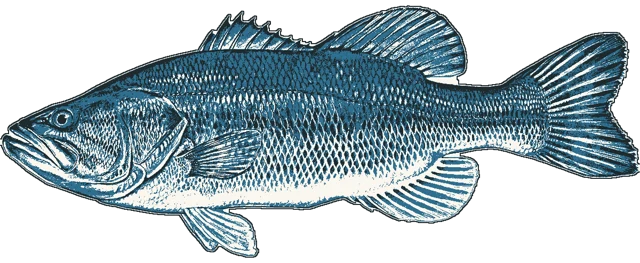 Largemouth bass
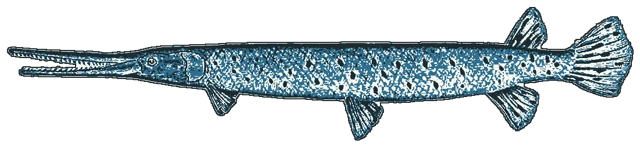 Longnose gar
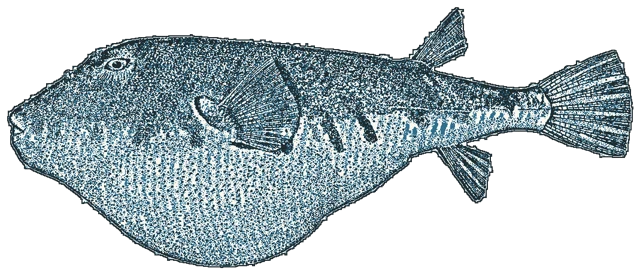 Northern pufferNorthern snakehead“Frankenfish”Red hake“ling”Scup“porgy”
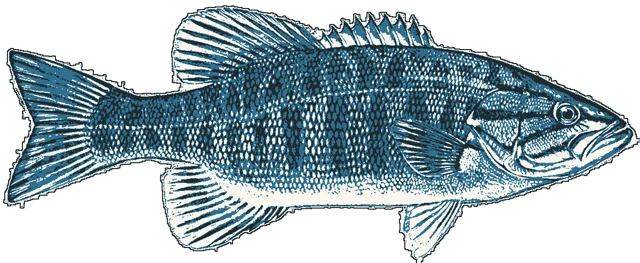 Smallmouth bassSmooth dogfish
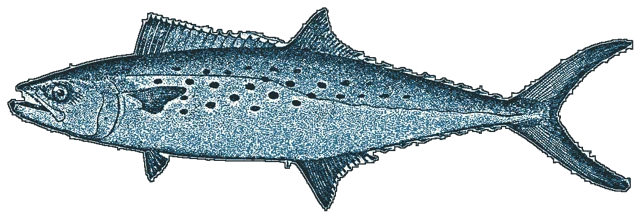 Spanish mackerel
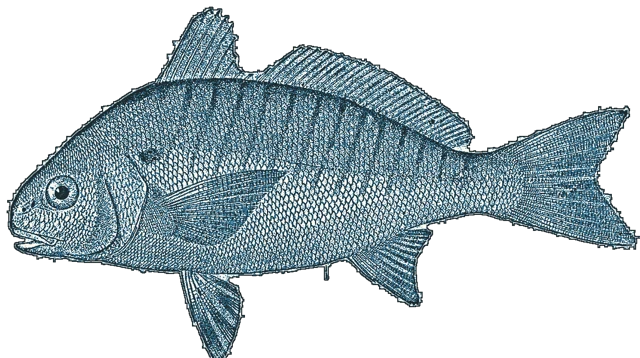 Spot
Garbage fish9
Catch & release
What’s actually caught in Delaware
NOAA's MRIP estimates fish caught by recreational anglers in Delaware's tidal and ocean waters. The numbers are the average number of fish caught per year (kept plus released) in 2023, 2024 and 2025; MRIP does not survey non-tidal ponds and streams, and each yearly estimate carries a wide margin of error. MRIP also counts about 363,000 dogfish sharks a year without a species; they are left out of this ranking, and northern and southern kingfish are counted together. NOAA recalibrated its survey in 2026, so its current query tool may show lower totals, and a different order, than the 2023-2025 estimate files used here.
- Tautog Best eating3.09 million fish caught per year, average of 2023-2025 (2023 5.7M, 2024 1.8M, 2025 1.8M); 95% released.
- Black sea bass Best eating2.82 million fish caught per year, average of 2023-2025 (2023 3.2M, 2024 2.7M, 2025 2.5M); 85% released.
- Spot Just OK2.58 million fish caught per year, average of 2023-2025 (2023 2.9M, 2024 3.2M, 2025 1.6M); 58% released.
- Atlantic croaker Just OK2.38 million fish caught per year, average of 2023-2025 (2023 1.8M, 2024 3.8M, 2025 1.6M); 92% released.
- Summer flounder Best eating1.92 million fish caught per year, average of 2023-2025 (2023 1.6M, 2024 1.9M, 2025 2.3M); 86% released.
- Bluefish Just OK947,000 fish caught per year, average of 2023-2025 (2023 1.4M, 2024 746K, 2025 687K); 89% released.
- Oyster toadfish Garbage fish944,000 fish caught per year, average of 2023-2025 (2023 985K, 2024 694K, 2025 1.2M); 100% released.
- White perch Best eating714,000 fish caught per year, average of 2023-2025 (2023 751K, 2024 682K, 2025 708K); 70% released. Tidal waters only.
- Channel catfish Best eating507,000 fish caught per year, average of 2023-2025 (2023 387K, 2024 419K, 2025 716K); 98% released. Tidal waters only.
- Kingfish (whiting) Best eating362,000 northern and southern kingfish caught per year, average of 2023-2025 (northern 282,000, southern 80,000); 89% released.
Source: NOAA Fisheries Marine Recreational Information Program (MRIP) . Saltwater only: it does not survey freshwater fishing.
Fish by fish
Why each one sits where it does, the current Delaware limits, and the bait that works.
Black crappie
Pomoxis nigromaculatus · also called paper mouths · Freshwater
One of the classic fish-fry fish: MeatEater counts crappie among the best-eating fish in freshwater.
- Tastes
- mild, sweet, delicate, flaky, white
- Limits
- Light regs. Panfish limit: 50 a day combined (no more than 25 of one species), no size limit, open all year (non-tidal). (2026-27 guide non-tidal table, eRegulations last updated Feb 6, 2026) Source
- Best months
- Late winter to early spring, when they gather in large schools (Fish Facts).
- Where
- Statewide (Fish Facts); Lums Pond, Garrisons Lake, Massey's Mill Pond and the Nanticoke River (DNREC report, Nov 19, 2026).
- artificial flies
- small spinners
- jigs
- small minnows under a bobber
- Do not eat (women of childbearing age, anyone who is or may become pregnant or is breastfeeding, children): any fish from the Delaware River between the Pennsylvania line and the C&D Canal (everyone else: 3 eight-ounce meals a year).
Meal limits and other waters (8)
- Limit (everyone): 1 meal a year of any fish from the C&D Canal, the tidal Christina River (mouth to I-95), tidal White Clay Creek, Little Mill Creek or Shellpot Creek below Governor Printz Blvd.
- Limit (everyone): 2 meals a year from the tidal Brandywine, the tidal Appoquinimink, Red Lion Creek below Route 1 or Shellpot Creek above Governor Printz Blvd.
- Limit (everyone): 3 meals a year from Red Clay Creek.
- Limit (everyone): 4 meals a year from Army Creek and Pond, tidal Drawyers Creek, the tidal St. Jones River or Silver Lake in Dover.
- Limit (everyone): 6 meals a year from the non-tidal Brandywine.
- Limit (everyone): 12 meals a year from the tidal Christina above I-95 (with Nonesuch Creek), the non-tidal Christina, non-tidal White Clay Creek, Red Lion Creek above Route 1, Slaughter Creek, Moores Lake or Silver Lake in Middletown.
- Limit (everyone): 24 meals a year from Fork Branch (McKee Road to College Road) or Wyoming Mill Pond.
- Limit (everyone): 1 meal a week (52 a year) from waters not listed; a meal is 8 ounces, 3 for a child.
Black sea bass
Centropristis striata · Saltwater
Mild, delicate, firm white fillets; Maine Sea Grant calls it popular for its firm texture and mild, slightly sweet flavor.
- Tastes
- mild, fresh, delicate, tender but firm
- Limits
- Heavy regs. Open May 1 to Dec 31, 12.5 in minimum, 15 per day, in state and federal waters (DNREC order effective April 22, 2026, for 2026 and 2027). Closed Jan 1 to April 30. (DNREC Secretary's Order 2026-F-0005, effective April 22, 2026 (2026 and 2027 seasons); eRegulations tidal table last updated Sept 23, 2026) Source
- Where
- Artificial reefs, wrecks, jetties, piers and bridge pilings in the Atlantic Ocean and upper Delaware Bay (Fish Facts).
- squid strips
- clams
- peeler crab pieces
- jigs tipped with squid
- Do not eat (women of childbearing age, anyone who is or may become pregnant or is breastfeeding, children): any fish from the Delaware River between the Pennsylvania line and the C&D Canal (everyone else: 3 eight-ounce meals a year).
Meal limits and other waters (3)
- Limit (everyone): 1 meal a year of any fish from the C&D Canal.
- Limit (everyone): 1 meal a week (52 a year) of this fish from other Delaware waters, the statewide limit for fish the list does not name; a meal is 8 ounces, 3 for a child.
- The other all-fish waters on this page apply too.
Blue catfish
Ictalurus furcatus · Freshwater
TPWD calls it an excellent food fish; Maryland DNR says blues are very good to eat.
- Tastes
- mild, firm
- Limits
- No limits. Invasive. Open all year, no size or daily limit. DNREC says do not return it to the water: kill it and call (302) 739-9914. It is unlawful to transport, purchase, possess or sell one live without the Director's written permission. (DNREC Fish Facts; state code 3304 1.0, last amended Feb 2023) Source
- Where
- Reported in the Delaware, Nanticoke and Christina rivers (Fish Facts).
- cut fish such as Atlantic menhaden (bunker) on the bottom
- Large, old blue catfish accumulate contaminants; some water bodies have size-based consumption advisories.
- Do not eat (women of childbearing age, anyone who is or may become pregnant or is breastfeeding, children): any fish from the Delaware River between the Pennsylvania line and the C&D Canal (everyone else: 3 eight-ounce meals a year).
- Lower Delaware River and Delaware Bay (C&D Canal to the mouth of the bay): DNREC names channel and white catfish, not blue catfish, at 3 meals a year, and none for those same groups.
Meal limits and other waters (8)
- Limit (everyone): 1 meal a year of any fish from the C&D Canal, the tidal Christina River (mouth to I-95), tidal White Clay Creek, Little Mill Creek or Shellpot Creek below Governor Printz Blvd.
- Limit (everyone): 2 meals a year from the tidal Brandywine, the tidal Appoquinimink, Red Lion Creek below Route 1 or Shellpot Creek above Governor Printz Blvd.
- Limit (everyone): 3 meals a year from Red Clay Creek.
- Limit (everyone): 4 meals a year from Army Creek and Pond, tidal Drawyers Creek, the tidal St. Jones River or Silver Lake in Dover.
- Limit (everyone): 6 meals a year from the non-tidal Brandywine.
- Limit (everyone): 12 meals a year from the tidal Christina above I-95 (with Nonesuch Creek), the non-tidal Christina, non-tidal White Clay Creek, Red Lion Creek above Route 1, Slaughter Creek, Moores Lake or Silver Lake in Middletown.
- Limit (everyone): 24 meals a year from Fork Branch (McKee Road to College Road) or Wyoming Mill Pond.
- Limit (everyone): 1 meal a week (52 a year) from waters not listed; a meal is 8 ounces, 3 for a child.
Bluegill
Lepomis macrochirus · Freshwater
MeatEater calls the flesh light, delicate and sweet; the original fish-fry panfish.
- Tastes
- mild, sweet, firm, flaky
- Limits
- Light regs. Panfish limit: 50 a day combined (no more than 25 of one species), no size limit, open all year (non-tidal). (2026-27 guide non-tidal table, eRegulations last updated Feb 6, 2026) Source
- Where
- Statewide ponds and slow stretches of streams and rivers (Fish Facts).
- crickets
- meal worms
- small worms
- small spinners
- small jigs
- Do not eat (women of childbearing age, anyone who is or may become pregnant or is breastfeeding, children): any fish from the Delaware River between the Pennsylvania line and the C&D Canal (everyone else: 3 eight-ounce meals a year).
Meal limits and other waters (8)
- Limit (everyone): 1 meal a year of any fish from the C&D Canal, the tidal Christina River (mouth to I-95), tidal White Clay Creek, Little Mill Creek or Shellpot Creek below Governor Printz Blvd.
- Limit (everyone): 2 meals a year from the tidal Brandywine, the tidal Appoquinimink, Red Lion Creek below Route 1 or Shellpot Creek above Governor Printz Blvd.
- Limit (everyone): 3 meals a year from Red Clay Creek.
- Limit (everyone): 4 meals a year from Army Creek and Pond, tidal Drawyers Creek, the tidal St. Jones River or Silver Lake in Dover.
- Limit (everyone): 6 meals a year from the non-tidal Brandywine.
- Limit (everyone): 12 meals a year from the tidal Christina above I-95 (with Nonesuch Creek), the non-tidal Christina, non-tidal White Clay Creek, Red Lion Creek above Route 1, Slaughter Creek, Moores Lake or Silver Lake in Middletown.
- Limit (everyone): 24 meals a year from Fork Branch (McKee Road to College Road) or Wyoming Mill Pond.
- Limit (everyone): 1 meal a week (52 a year) from waters not listed; a meal is 8 ounces, 3 for a child.
Channel catfish
Ictalurus punctatus · Fresh and salt
Very good to eat (Maryland DNR) and delicious when cooked (TPWD), and the basis of US catfish farming.
- Tastes
- mild, sweet, firm, moist
- Limits
- No limits. No size limit and no daily limit, open all year (tidal table: catfish of any species; Fish Facts: statewide). (2026-27 guide tidal table, eRegulations last updated Sept 23, 2026) Source
- Where
- Statewide, in deeper ponds and rivers (Fish Facts).
- worms
- chicken livers
- cut fish
- prepared catfish baits
- Do not eat (women of childbearing age, anyone who is or may become pregnant or is breastfeeding, children): channel catfish (PCBs) from the lower Delaware River and Delaware Bay (C&D Canal to the mouth of the bay), or any fish from the Delaware River between the Pennsylvania line and the C&D Canal (everyone else: 3 eight-ounce meals a year of each).
Meal limits and other waters (8)
- Limit (everyone): 1 meal a year of any fish from the C&D Canal, the tidal Christina River (mouth to I-95), tidal White Clay Creek, Little Mill Creek or Shellpot Creek below Governor Printz Blvd.
- Limit (everyone): 2 meals a year from the tidal Brandywine, the tidal Appoquinimink, Red Lion Creek below Route 1 or Shellpot Creek above Governor Printz Blvd.
- Limit (everyone): 3 meals a year from Red Clay Creek.
- Limit (everyone): 4 meals a year from Army Creek and Pond, tidal Drawyers Creek, the tidal St. Jones River or Silver Lake in Dover.
- Limit (everyone): 6 meals a year from the non-tidal Brandywine.
- Limit (everyone): 12 meals a year from the tidal Christina above I-95 (with Nonesuch Creek), the non-tidal Christina, non-tidal White Clay Creek, Red Lion Creek above Route 1, Slaughter Creek, Moores Lake or Silver Lake in Middletown.
- Limit (everyone): 24 meals a year from Fork Branch (McKee Road to College Road) or Wyoming Mill Pond.
- Limit (everyone): 1 meal a week (52 a year) from waters not listed; a meal is 8 ounces, 3 for a child.
Cobia
Rachycentron canadum · Saltwater
Firm, white, sweet meat; TPWD calls it an exceptionally fine food fish.
- Tastes
- sweet, rich, firm, lean, moist
- Limits
- Heavy regs. Open all year, 43 in minimum (total length), 1 per person per day or trip, whichever is longer, and no more than 2 aboard a vessel. (DNREC Secretary's Order 2025-F-0019, effective June 18, 2025) Source
- Where
- Nearshore Atlantic Ocean around reefs, wrecks and buoys (Fish Facts).
- bucktails
- jigs
- swimming plugs
- live crabs
- live small fish
- Do not eat (women of childbearing age, anyone who is or may become pregnant or is breastfeeding, children): any fish from the Delaware River between the Pennsylvania line and the C&D Canal (everyone else: 3 eight-ounce meals a year).
Meal limits and other waters (3)
- Limit (everyone): 1 meal a year of any fish from the C&D Canal.
- Limit (everyone): 1 meal a week (52 a year) of this fish from other Delaware waters, the statewide limit for fish the list does not name; a meal is 8 ounces, 3 for a child.
- The other all-fish waters on this page apply too.
Flathead catfish
Pylodictis olivaris · Freshwater
Widely considered the best-tasting catfish because it eats live fish instead of scavenging; Maryland DNR notes its mild, white flesh.
- Tastes
- mild, clean, firm, white
- Limits
- No limits. Invasive. Open all year, no size or daily limit. DNREC says do not return it to the water: kill it and call (302) 739-9914. Live possession or transport without written permission is unlawful. (DNREC Fish Facts; state code 3304 1.0, last amended Feb 2023) Source
- Where
- Reported in Lums Pond, the Brandywine River and the C&D Canal (Fish Facts).
- live fish such as golden shiners on a slider rig
- Do not eat (women of childbearing age, anyone who is or may become pregnant or is breastfeeding, children): any fish from the Delaware River between the Pennsylvania line and the C&D Canal (everyone else: 3 eight-ounce meals a year).
Meal limits and other waters (8)
- Limit (everyone): 1 meal a year of any fish from the C&D Canal, the tidal Christina River (mouth to I-95), tidal White Clay Creek, Little Mill Creek or Shellpot Creek below Governor Printz Blvd.
- Limit (everyone): 2 meals a year from the tidal Brandywine, the tidal Appoquinimink, Red Lion Creek below Route 1 or Shellpot Creek above Governor Printz Blvd.
- Limit (everyone): 3 meals a year from Red Clay Creek.
- Limit (everyone): 4 meals a year from Army Creek and Pond, tidal Drawyers Creek, the tidal St. Jones River or Silver Lake in Dover.
- Limit (everyone): 6 meals a year from the non-tidal Brandywine.
- Limit (everyone): 12 meals a year from the tidal Christina above I-95 (with Nonesuch Creek), the non-tidal Christina, non-tidal White Clay Creek, Red Lion Creek above Route 1, Slaughter Creek, Moores Lake or Silver Lake in Middletown.
- Limit (everyone): 24 meals a year from Fork Branch (McKee Road to College Road) or Wyoming Mill Pond.
- Limit (everyone): 1 meal a week (52 a year) from waters not listed; a meal is 8 ounces, 3 for a child.
Hybrid striped bass
Morone saxatilis x M. chrysops · also called wiper · Freshwater
Indiana DNR says hybrids make great table fare; mild white fillets like a striper's.
- Tastes
- mild, firm, white
- Limits
- Heavy regs. Non-tidal waters: open all year, 15 in minimum, 2 per day. DNREC Fish Facts lists Lums Pond as the range. (2026-27 guide non-tidal table, eRegulations last updated Feb 6, 2026) Source
- Where
- Lums Pond (DNREC Fish Facts).
- topwaters
- crankbaits
- slab spoons
- jigs
- golden shiners
- gizzard shad
- Do not eat (women of childbearing age, anyone who is or may become pregnant or is breastfeeding, children): any fish from the Delaware River between the Pennsylvania line and the C&D Canal (everyone else: 3 eight-ounce meals a year).
Meal limits and other waters (8)
- Limit (everyone): 1 meal a year of any fish from the C&D Canal, the tidal Christina River (mouth to I-95), tidal White Clay Creek, Little Mill Creek or Shellpot Creek below Governor Printz Blvd.
- Limit (everyone): 2 meals a year from the tidal Brandywine, the tidal Appoquinimink, Red Lion Creek below Route 1 or Shellpot Creek above Governor Printz Blvd.
- Limit (everyone): 3 meals a year from Red Clay Creek.
- Limit (everyone): 4 meals a year from Army Creek and Pond, tidal Drawyers Creek, the tidal St. Jones River or Silver Lake in Dover.
- Limit (everyone): 6 meals a year from the non-tidal Brandywine.
- Limit (everyone): 12 meals a year from the tidal Christina above I-95 (with Nonesuch Creek), the non-tidal Christina, non-tidal White Clay Creek, Red Lion Creek above Route 1, Slaughter Creek, Moores Lake or Silver Lake in Middletown.
- Limit (everyone): 24 meals a year from Fork Branch (McKee Road to College Road) or Wyoming Mill Pond.
- Limit (everyone): 1 meal a week (52 a year) from waters not listed; a meal is 8 ounces, 3 for a child.
Kingfish (whiting)
Menticirrhus spp. (M. americanus, M. littoralis, M. saxatilis) · Saltwater
Firm, white, mild fillets with good flavor; small, but no smaller than the bluegill and crappie we also rate best. Fried whole or filleted, it's the Carolinas' favorite pier fish ("sea mullet" in NC).
- Tastes
- mild, sweet, firm, white
- Limits
- No limits. Northern and southern kingfish: no size limit, no daily limit, open all year (Fish Facts). (DNREC Fish Facts; not among the species in DNREC's list of tidal finfish regulations (November 2026)) Source
- Where
- Over sandy bottom, often in the surf zone (Fish Facts).
- squid pieces
- clams
- bloodworms on small bottom-rig hooks past the breakers
- Do not eat (women of childbearing age, anyone who is or may become pregnant or is breastfeeding, children): any fish from the Delaware River between the Pennsylvania line and the C&D Canal (everyone else: 3 eight-ounce meals a year).
Meal limits and other waters (6)
- Limit (everyone): 1 meal a year of any fish from the C&D Canal.
- Limit (everyone): 2 meals a year of any fish from the tidal Appoquinimink or Red Lion Creek below Route 1.
- Limit (everyone): 4 meals a year of any fish from the tidal St. Jones River or tidal Drawyers Creek.
- Limit (everyone): 12 meals a year of any fish from Slaughter Creek.
- Limit (everyone): 1 meal a week (52 a year) of this fish from other Delaware waters, the statewide limit for fish the list does not name; a meal is 8 ounces, 3 for a child.
- The other all-fish waters on this page apply too.
Pumpkinseed
Lepomis gibbosus · Freshwater
A standard northern panfish; MeatEater notes pond owners stock it partly for its quality as table fare.
- Tastes
- mild, sweet, flaky
- Limits
- Light regs. Panfish limit: 50 a day combined (no more than 25 of one species), no size limit, open all year (non-tidal). (2026-27 guide non-tidal table, eRegulations last updated Feb 6, 2026) Source
- Where
- Statewide, in many ponds and slow stretches of streams and rivers with many weeds (Fish Facts).
- artificial flies
- small spinners
- jigs
- crickets
- meal worms
- small worms
- Do not eat (women of childbearing age, anyone who is or may become pregnant or is breastfeeding, children): any fish from the Delaware River between the Pennsylvania line and the C&D Canal (everyone else: 3 eight-ounce meals a year).
Meal limits and other waters (8)
- Limit (everyone): 1 meal a year of any fish from the C&D Canal, the tidal Christina River (mouth to I-95), tidal White Clay Creek, Little Mill Creek or Shellpot Creek below Governor Printz Blvd.
- Limit (everyone): 2 meals a year from the tidal Brandywine, the tidal Appoquinimink, Red Lion Creek below Route 1 or Shellpot Creek above Governor Printz Blvd.
- Limit (everyone): 3 meals a year from Red Clay Creek.
- Limit (everyone): 4 meals a year from Army Creek and Pond, tidal Drawyers Creek, the tidal St. Jones River or Silver Lake in Dover.
- Limit (everyone): 6 meals a year from the non-tidal Brandywine.
- Limit (everyone): 12 meals a year from the tidal Christina above I-95 (with Nonesuch Creek), the non-tidal Christina, non-tidal White Clay Creek, Red Lion Creek above Route 1, Slaughter Creek, Moores Lake or Silver Lake in Middletown.
- Limit (everyone): 24 meals a year from Fork Branch (McKee Road to College Road) or Wyoming Mill Pond.
- Limit (everyone): 1 meal a week (52 a year) from waters not listed; a meal is 8 ounces, 3 for a child.
Rainbow trout
Oncorhynchus mykiss · Freshwater
TPWD calls rainbow trout an excellent fish to eat; the most-stocked put-and-take fish in America.
- Tastes
- mild, clean, delicate, flaky
- Limits
- Heavy regs. Put-and-take stocked trout: only rainbow trout in 2026; brown and brook trout are stocked some years. Limit 6 trout a day, 4 in fly-fishing-only waters; no size limit. Trout stamp required in designated streams from the first Saturday in April through June 30 and from the first Saturday in October through Nov 30, and at Tidbury and Newton Ponds from the first Saturday in March through April 1. Ponds open the first weekend of March and New Castle County streams the first weekend of April: Saturday for anglers under 16, Sunday for everyone. No fishing of any kind in designated trout streams and ponds for 14 days before the opener, and no trout fishing there from half an hour after sunset to half an hour before sunrise. White Clay Creek gets a fall stocking in October. (2026 season; eRegulations trout page last updated Sept 23, 2026) Source
- Best months
- March to April 1 at Tidbury and Newton Ponds; April to June and October to November on the designated streams (the trout stamp periods). White Clay Creek is restocked in October.
- Where
- Designated New Castle County streams (Christina Creek, White Clay Creek, Pike Creek, Mill Creek, Red Clay Creek, Wilson Run, Beaver Run), Tidbury Pond (Kent) and Newton Pond (Sussex).
- artificial flies
- small spinners
- worms
- corn
- synthetic baits
- marshmallows
- Do not eat (women of childbearing age, anyone who is or may become pregnant or is breastfeeding, children): any fish from the Delaware River between the Pennsylvania line and the C&D Canal (everyone else: 3 eight-ounce meals a year).
Meal limits and other waters (6)
- Limit (everyone): 1 eight-ounce meal a year of any fish from tidal White Clay Creek.
- Limit (everyone): 3 meals a year from Red Clay Creek, where the all-fish limit is stricter than the one for stocked trout.
- Limit (everyone): 6 meals a year of stocked trout from Christina Creek, Rittenhouse Park to the Maryland line (PCBs, dieldrin), or of any fish from the non-tidal Brandywine.
- Limit (everyone): 12 meals a year of stocked trout from the other designated trout streams and ponds (PCBs), or of any fish from the non-tidal Christina or non-tidal White Clay Creek.
- Limit (everyone): 1 meal a week (52 a year) from waters not listed; a meal is 8 ounces, 3 for a child.
- The other all-fish waters on this page apply too.
Red drum
Sciaenops ocellatus · also called channel bass, bull reds (largest fish) · Saltwater
Slot-size reds are firm, mild, white-fleshed fish that anglers keep specifically to eat; blackened redfish made the species famous.
- Tastes
- mild, slightly sweet, firm, moist, large flakes; coarse in big fish
- Limits
- Heavy regs. State waters: open all year, 20 to 27 in retained, 5 per day. Federal waters (3 to 200 miles) are closed. (2026-27 guide tidal table, eRegulations last updated Sept 23, 2026) Source
- Where
- Atlantic Ocean and Inland Bays (Fish Facts).
- shrimp
- small crabs
- finger mullet
- cut fish
- plugs, spoons and jigs
- Slot-size fish eat best; large 'bull reds' are coarse and are usually released.
- Do not eat (women of childbearing age, anyone who is or may become pregnant or is breastfeeding, children): any fish from the Delaware River between the Pennsylvania line and the C&D Canal (everyone else: 3 eight-ounce meals a year).
Meal limits and other waters (6)
- Limit (everyone): 1 meal a year of any fish from the C&D Canal.
- Limit (everyone): 2 meals a year of any fish from the tidal Appoquinimink or Red Lion Creek below Route 1.
- Limit (everyone): 4 meals a year of any fish from the tidal St. Jones River or tidal Drawyers Creek.
- Limit (everyone): 12 meals a year of any fish from Slaughter Creek.
- Limit (everyone): 1 meal a week (52 a year) of this fish from other Delaware waters, the statewide limit for fish the list does not name; a meal is 8 ounces, 3 for a child.
- The other all-fish waters on this page apply too.
Sheepshead
Archosargus probatocephalus · also called convict · Saltwater
Fine, white, mild flesh that agencies call excellent; the only knock is that the heavy scales and spines make it a chore to clean.
- Tastes
- mild, sweet (shellfish diet), firm, white, fine flake
- Limits
- No limits. No size limit, no daily limit, open all year (Fish Facts). (DNREC Fish Facts; not among the species in DNREC's list of tidal finfish regulations (November 2026)) Source
- Best months
- June: sheepshead caught inshore (Indian River Marina report, June 28, 2021).
- Where
- Artificial reefs, rough bottom, wrecks, piers, pilings, rocks and jetties in the Atlantic, lower Delaware Bay and Inland Bays (Fish Facts).
- fiddler crabs
- green crabs
- barnacles
- clams
- peeler crab pieces
- shrimp
- Sharp gill covers and dorsal spines; heavy scales make filleting slow (TPWD).
- Do not eat (women of childbearing age, anyone who is or may become pregnant or is breastfeeding, children): any fish from the Delaware River between the Pennsylvania line and the C&D Canal (everyone else: 3 eight-ounce meals a year).
Meal limits and other waters (6)
- Limit (everyone): 1 meal a year of any fish from the C&D Canal.
- Limit (everyone): 2 meals a year of any fish from the tidal Appoquinimink or Red Lion Creek below Route 1.
- Limit (everyone): 4 meals a year of any fish from the tidal St. Jones River or tidal Drawyers Creek.
- Limit (everyone): 12 meals a year of any fish from Slaughter Creek.
- Limit (everyone): 1 meal a week (52 a year) of this fish from other Delaware waters, the statewide limit for fish the list does not name; a meal is 8 ounces, 3 for a child.
- The other all-fish waters on this page apply too.
Spotted seatrout
Cynoscion nebulosus · also called speckled trout · Saltwater
Excellent flavor and delicate texture; one of the most-kept inshore fish from the Carolinas to Texas.
- Tastes
- mild, sweet, delicate, soft to medium, fine flake
- Limits
- Light regs. Open all year, 12 in minimum, no daily limit. (2026-27 guide tidal table, eRegulations last updated Sept 23, 2026) Source
- Where
- Atlantic Ocean, lower Delaware Bay and Inland Bays: tidal rivers, shallow bays, grass beds, oyster bars and creek mouths, usually in less than 10 feet of water (Fish Facts).
- jigs
- swim baits
- spoons
- artificial fish and shrimp lures
- peeler crab pieces
- shrimp
- Ice immediately; the meat loses quality quickly in warm weather (TPWD).
- Some fish carry harmless 'spaghetti worm' tapeworm larvae along the backbone (TPWD, Florida Museum).
- Do not eat (women of childbearing age, anyone who is or may become pregnant or is breastfeeding, children): any fish from the Delaware River between the Pennsylvania line and the C&D Canal (everyone else: 3 eight-ounce meals a year).
Meal limits and other waters (6)
- Limit (everyone): 1 meal a year of any fish from the C&D Canal.
- Limit (everyone): 2 meals a year of any fish from the tidal Appoquinimink or Red Lion Creek below Route 1.
- Limit (everyone): 4 meals a year of any fish from the tidal St. Jones River or tidal Drawyers Creek.
- Limit (everyone): 12 meals a year of any fish from Slaughter Creek.
- Limit (everyone): 1 meal a week (52 a year) of this fish from other Delaware waters, the statewide limit for fish the list does not name; a meal is 8 ounces, 3 for a child.
- The other all-fish waters on this page apply too.
Striped bass
Morone saxatilis · also called cows (large females) · Saltwater
Firm, large-flaked, slightly sweet white meat; one of the most kept and eaten gamefish in the country, fresh or salt.
- Tastes
- mild, slightly sweet, firm, large flakes
- Limits
- Heavy regs. State waters (to 3 miles): 1 per day, 28 to 31 in, except 20 to 24 in only from July 1 to Aug 31 in the Delaware Bay, Delaware River and their tributaries. Catch and release only on the spawning grounds April 1 to May 31 (Nanticoke River and tributaries; the Delaware River and tributaries north of the south jetty line at the C&D Canal mouth; the C&D Canal and tributaries). Federal waters (3 to 200 miles) are closed. Non-offset circle hooks are required with any natural bait, live or dead, whole or cut (not with an artificial lure that has bait on it); no gaffs. (2026-27 guide tidal table, eRegulations last updated Sept 23, 2026) Source
- Best months
- April 9, 2021 report (On The Water): small stripers on beaches and Indian River Inlet, bigger bass in the upper bay.
- Where
- Atlantic Ocean, Delaware Bay and tributaries, Nanticoke River and tributaries, Inland Bays (Fish Facts); Indian River Inlet, the tidal creek and river bridges around Leipsic, and Port Mahon (DNREC report, Nov 19, 2026).
- paddletail lures
- cut mullet or bunker
- artificial fish-imitating lures
- natural baits such as clams, squid, mackerel, menhaden, sea worms or eels
- Consumption advisories for striped bass vary from state to state (NOAA).
- Do not eat (women of childbearing age, anyone who is or may become pregnant or is breastfeeding, children): striped bass (PCBs) from the lower Delaware River and Delaware Bay (C&D Canal to the mouth of the bay), the Atlantic coast or the Inland Bays, or any fish from the Delaware River between the Pennsylvania line and the C&D Canal (everyone else: 3 eight-ounce meals a year of each).
Meal limits and other waters (8)
- Limit (everyone): 1 meal a year of any fish from the C&D Canal, the tidal Christina River (mouth to I-95), tidal White Clay Creek, Little Mill Creek or Shellpot Creek below Governor Printz Blvd.
- Limit (everyone): 2 meals a year from the tidal Brandywine, the tidal Appoquinimink, Red Lion Creek below Route 1 or Shellpot Creek above Governor Printz Blvd.
- Limit (everyone): 3 meals a year from Red Clay Creek.
- Limit (everyone): 4 meals a year from Army Creek and Pond, tidal Drawyers Creek, the tidal St. Jones River or Silver Lake in Dover.
- Limit (everyone): 6 meals a year from the non-tidal Brandywine.
- Limit (everyone): 12 meals a year from the tidal Christina above I-95 (with Nonesuch Creek), the non-tidal Christina, non-tidal White Clay Creek, Red Lion Creek above Route 1, Slaughter Creek, Moores Lake or Silver Lake in Middletown.
- Limit (everyone): 24 meals a year from Fork Branch (McKee Road to College Road) or Wyoming Mill Pond.
- Limit (everyone): 1 meal a week (52 a year) from waters not listed; a meal is 8 ounces, 3 for a child.
Summer flounder
Paralichthys dentatus · Saltwater
Delicate, fine-flaked white fillets; one of the most sought-after table fish from New England to North Carolina.
- Tastes
- delicate, mild, flaky and fine
- Limits
- Heavy regs. Open all year, 4 per day. Minimum 16 in from Jan 1 to May 31 and 17.5 in from June 1 to Dec 31. Fillets under the size limit may not be held unless head, backbone and tail stay attached to the piece. (2026-27 guide tidal table, eRegulations last updated Sept 23, 2026) Source
- Best months
- Found in coastal and estuarine waters from spring to fall (Fish Facts).
- Where
- Atlantic Ocean, Delaware Bay and Inland Bays (Fish Facts).
- minnows
- squid strips
- bucktails
- spoons
- Do not eat (women of childbearing age, anyone who is or may become pregnant or is breastfeeding, children): any fish from the Delaware River between the Pennsylvania line and the C&D Canal (everyone else: 3 eight-ounce meals a year).
Meal limits and other waters (6)
- Limit (everyone): 1 meal a year of any fish from the C&D Canal.
- Limit (everyone): 2 meals a year of any fish from the tidal Appoquinimink or Red Lion Creek below Route 1.
- Limit (everyone): 4 meals a year of any fish from the tidal St. Jones River or tidal Drawyers Creek.
- Limit (everyone): 12 meals a year of any fish from Slaughter Creek.
- Limit (everyone): 1 meal a week (52 a year) of this fish from other Delaware waters, the statewide limit for fish the list does not name; a meal is 8 ounces, 3 for a child.
- The other all-fish waters on this page apply too.
Tautog
Tautoga onitis · Saltwater
Northeast anglers prize its tasty meat (ASMFC).
- Tastes
- mild, sweet (shellfish diet), firm, white
- Limits
- Heavy regs. Open Jan 1 to May 15 and July 1 to Dec 31 (closed May 16 to June 30), 16 in minimum, 4 per day. (2026-27 guide tidal table, eRegulations last updated Sept 23, 2026) Source
- Best months
- Productive by day in mid-November at Indian River Inlet, with catches at the Upper Bay reefs and lighthouse bases (DNREC report, Nov 19, 2026).
- Where
- Nearshore reefs, wrecks, jetties, piers and pilings (Fish Facts); Indian River Inlet, the Upper Bay reefs and the Massey's Landing pier (DNREC report, Nov 19, 2026).
- green crabs
- sand fleas
- peeler crab pieces
- Do not eat (women of childbearing age, anyone who is or may become pregnant or is breastfeeding, children): any fish from the Delaware River between the Pennsylvania line and the C&D Canal (everyone else: 3 eight-ounce meals a year).
Meal limits and other waters (3)
- Limit (everyone): 1 meal a year of any fish from the C&D Canal.
- Limit (everyone): 1 meal a week (52 a year) of this fish from other Delaware waters, the statewide limit for fish the list does not name; a meal is 8 ounces, 3 for a child.
- The other all-fish waters on this page apply too.
Weakfish
Cynoscion regalis · Saltwater
A close cousin of the speckled trout with the same sweet, delicate fillets; ASMFC describes it as known for its delicious taste.
- Tastes
- mild, sweet
- Limits
- Heavy regs. Open all year, 13 in minimum, 1 per day. Weakfish is Delaware's state fish. To protect it, recreational gill nets must be out of the Delaware Bay and ocean on closure dates in May and June that the fishing guide prints each year. (2026-27 guide tidal table, eRegulations last updated Sept 23, 2026) Source
- Where
- Atlantic Ocean, Delaware Bay and Inland Bays; most often within ten miles of shore (Fish Facts).
- bucktails tipped with a rubber worm
- squid strips
- peeler crab pieces
- Soft flesh; ice immediately and eat fresh.
- Do not eat (women of childbearing age, anyone who is or may become pregnant or is breastfeeding, children): any fish from the Delaware River between the Pennsylvania line and the C&D Canal (everyone else: 3 eight-ounce meals a year).
Meal limits and other waters (6)
- Limit (everyone): 1 meal a year of any fish from the C&D Canal.
- Limit (everyone): 2 meals a year of any fish from the tidal Appoquinimink or Red Lion Creek below Route 1.
- Limit (everyone): 4 meals a year of any fish from the tidal St. Jones River or tidal Drawyers Creek.
- Limit (everyone): 12 meals a year of any fish from Slaughter Creek.
- Limit (everyone): 1 meal a week (52 a year) of this fish from other Delaware waters, the statewide limit for fish the list does not name; a meal is 8 ounces, 3 for a child.
- The other all-fish waters on this page apply too.
White catfish
Ameiurus catus · Fresh and salt
Maryland DNR says white catfish are very good to eat; a mid-size cat with the same mild fillets as channel cats.
- Tastes
- mild, firm, moist
- Limits
- No limits. No size limit and no daily limit, open all year (tidal table: catfish of any species; state code default in non-tidal waters). (2026-27 guide tidal table, eRegulations last updated Sept 23, 2026) Source
- Where
- Statewide; mainly tidal water and rarely in freshwater ponds, in sluggish pools, open channels and backwaters of rivers (Fish Facts).
- worms
- shrimp
- chicken liver
- processed catfish bait
- cut fish
- Do not eat (women of childbearing age, anyone who is or may become pregnant or is breastfeeding, children): white catfish (PCBs) from the lower Delaware River and Delaware Bay (C&D Canal to the mouth of the bay), or any fish from the Delaware River between the Pennsylvania line and the C&D Canal (everyone else: 3 eight-ounce meals a year of each).
Meal limits and other waters (8)
- Limit (everyone): 1 meal a year of any fish from the C&D Canal, the tidal Christina River (mouth to I-95), tidal White Clay Creek, Little Mill Creek or Shellpot Creek below Governor Printz Blvd.
- Limit (everyone): 2 meals a year from the tidal Brandywine, the tidal Appoquinimink, Red Lion Creek below Route 1 or Shellpot Creek above Governor Printz Blvd.
- Limit (everyone): 3 meals a year from Red Clay Creek.
- Limit (everyone): 4 meals a year from Army Creek and Pond, tidal Drawyers Creek, the tidal St. Jones River or Silver Lake in Dover.
- Limit (everyone): 6 meals a year from the non-tidal Brandywine.
- Limit (everyone): 12 meals a year from the tidal Christina above I-95 (with Nonesuch Creek), the non-tidal Christina, non-tidal White Clay Creek, Red Lion Creek above Route 1, Slaughter Creek, Moores Lake or Silver Lake in Middletown.
- Limit (everyone): 24 meals a year from Fork Branch (McKee Road to College Road) or Wyoming Mill Pond.
- Limit (everyone): 1 meal a week (52 a year) from waters not listed; a meal is 8 ounces, 3 for a child.
White crappie
Pomoxis annularis · also called paper mouths · Freshwater
Same top-tier panfish fillets as black crappie; one of the most popular panfish in the country.
- Tastes
- mild, sweet, delicate, flaky, white
- Limits
- Light regs. Panfish limit: 50 a day combined (no more than 25 of one species), no size limit, open all year (non-tidal). (2026-27 guide non-tidal table, eRegulations last updated Feb 6, 2026) Source
- Best months
- Late winter to early spring, when they gather in large schools (Fish Facts).
- Where
- Becks, Lums and Noxontown ponds (Fish Facts).
- artificial flies
- small spinners
- jigs
- small minnows under a bobber
- Do not eat (women of childbearing age, anyone who is or may become pregnant or is breastfeeding, children): any fish from the Delaware River between the Pennsylvania line and the C&D Canal (everyone else: 3 eight-ounce meals a year).
Meal limits and other waters (8)
- Limit (everyone): 1 meal a year of any fish from the C&D Canal, the tidal Christina River (mouth to I-95), tidal White Clay Creek, Little Mill Creek or Shellpot Creek below Governor Printz Blvd.
- Limit (everyone): 2 meals a year from the tidal Brandywine, the tidal Appoquinimink, Red Lion Creek below Route 1 or Shellpot Creek above Governor Printz Blvd.
- Limit (everyone): 3 meals a year from Red Clay Creek.
- Limit (everyone): 4 meals a year from Army Creek and Pond, tidal Drawyers Creek, the tidal St. Jones River or Silver Lake in Dover.
- Limit (everyone): 6 meals a year from the non-tidal Brandywine.
- Limit (everyone): 12 meals a year from the tidal Christina above I-95 (with Nonesuch Creek), the non-tidal Christina, non-tidal White Clay Creek, Red Lion Creek above Route 1, Slaughter Creek, Moores Lake or Silver Lake in Middletown.
- Limit (everyone): 24 meals a year from Fork Branch (McKee Road to College Road) or Wyoming Mill Pond.
- Limit (everyone): 1 meal a week (52 a year) from waters not listed; a meal is 8 ounces, 3 for a child.
White perch
Morone americana · Fresh and salt
Maryland DNR calls it a delectable game fish, and it is a staple panfish in the Chesapeake and a prized ice-fishing catch in New England.
- Tastes
- mild, sweet, firm, flaky
- Limits
- Light regs. Tidal waters: open all year, 8 in minimum, no daily limit. Non-tidal waters: panfish limit of 50 a day combined (no more than 25 white perch), no size limit. (2026-27 guide tidal table, eRegulations last updated Sept 23, 2026) Source
- Where
- Statewide (Fish Facts); Delaware Bay shore from Augustine Beach to Woodland Beach and tidal creeks and rivers (DNREC report, Nov 19, 2026).
- minnows
- grass shrimp
- bloodworms
- small spinners
- small jigs
- Do not eat (women of childbearing age, anyone who is or may become pregnant or is breastfeeding, children): any fish from the Delaware River between the Pennsylvania line and the C&D Canal (everyone else: 3 eight-ounce meals a year).
Meal limits and other waters (9)
- Limit (everyone): 6 meals a year of white perch from the lower Delaware River and Delaware Bay, C&D Canal to the mouth of the bay (PCBs).
- Limit (everyone): 1 meal a year of any fish from the C&D Canal, the tidal Christina River (mouth to I-95), tidal White Clay Creek, Little Mill Creek or Shellpot Creek below Governor Printz Blvd.
- Limit (everyone): 2 meals a year from the tidal Brandywine, the tidal Appoquinimink, Red Lion Creek below Route 1 or Shellpot Creek above Governor Printz Blvd.
- Limit (everyone): 3 meals a year from Red Clay Creek.
- Limit (everyone): 4 meals a year from Army Creek and Pond, tidal Drawyers Creek, the tidal St. Jones River or Silver Lake in Dover.
- Limit (everyone): 6 meals a year from the non-tidal Brandywine.
- Limit (everyone): 12 meals a year from the tidal Christina above I-95 (with Nonesuch Creek), the non-tidal Christina, non-tidal White Clay Creek, Red Lion Creek above Route 1, Slaughter Creek, Moores Lake or Silver Lake in Middletown.
- Limit (everyone): 24 meals a year from Fork Branch (McKee Road to College Road) or Wyoming Mill Pond.
- Limit (everyone): 1 meal a week (52 a year) from waters not listed; a meal is 8 ounces, 3 for a child.
Winter flounder
Pseudopleuronectes americanus · Saltwater
Mild, lean, boneless, flaky fillets (NOAA).
- Tastes
- mild, sweet, lean, boneless, flaky
- Limits
- Heavy regs. Open Feb 11 to April 10 only, 12 in minimum, 2 per day. (2026-27 guide tidal table, eRegulations last updated Sept 23, 2026) Source
- Best months
- Inshore in cold water for spawning, offshore as water warms (Fish Facts); season Feb 11 to April 10.
- Where
- Estuaries and bays when the water is cold; Atlantic Ocean, Delaware Bay and Inland Bays (Fish Facts).
- bloodworms
- grass shrimp
- mussel or clam pieces
- Do not eat (women of childbearing age, anyone who is or may become pregnant or is breastfeeding, children): any fish from the Delaware River between the Pennsylvania line and the C&D Canal (everyone else: 3 eight-ounce meals a year).
Meal limits and other waters (6)
- Limit (everyone): 1 meal a year of any fish from the C&D Canal.
- Limit (everyone): 2 meals a year of any fish from the tidal Appoquinimink or Red Lion Creek below Route 1.
- Limit (everyone): 4 meals a year of any fish from the tidal St. Jones River or tidal Drawyers Creek.
- Limit (everyone): 12 meals a year of any fish from Slaughter Creek.
- Limit (everyone): 1 meal a week (52 a year) of this fish from other Delaware waters, the statewide limit for fish the list does not name; a meal is 8 ounces, 3 for a child.
- The other all-fish waters on this page apply too.
Yellow perch
Perca flavescens · Freshwater
A great food fish (MN DNR) and the centerpiece of Great Lakes perch fries; Iowa DNR calls a fried stringer of perch unsurpassed in flavor.
- Tastes
- mild, sweet, firm, flaky, white
- Limits
- Light regs. Panfish limit: 50 a day combined (no more than 25 of one species), no size limit, open all year (non-tidal). (2026-27 guide non-tidal table, eRegulations last updated Feb 6, 2026) Source
- Where
- Statewide; most abundant in the open water of rivers and some ponds (Fish Facts).
- small spinners
- small jigs
- meal worms
- worms
- small minnows
- Do not eat (women of childbearing age, anyone who is or may become pregnant or is breastfeeding, children): any fish from the Delaware River between the Pennsylvania line and the C&D Canal (everyone else: 3 eight-ounce meals a year).
Meal limits and other waters (8)
- Limit (everyone): 1 meal a year of any fish from the C&D Canal, the tidal Christina River (mouth to I-95), tidal White Clay Creek, Little Mill Creek or Shellpot Creek below Governor Printz Blvd.
- Limit (everyone): 2 meals a year from the tidal Brandywine, the tidal Appoquinimink, Red Lion Creek below Route 1 or Shellpot Creek above Governor Printz Blvd.
- Limit (everyone): 3 meals a year from Red Clay Creek.
- Limit (everyone): 4 meals a year from Army Creek and Pond, tidal Drawyers Creek, the tidal St. Jones River or Silver Lake in Dover.
- Limit (everyone): 6 meals a year from the non-tidal Brandywine.
- Limit (everyone): 12 meals a year from the tidal Christina above I-95 (with Nonesuch Creek), the non-tidal Christina, non-tidal White Clay Creek, Red Lion Creek above Route 1, Slaughter Creek, Moores Lake or Silver Lake in Middletown.
- Limit (everyone): 24 meals a year from Fork Branch (McKee Road to College Road) or Wyoming Mill Pond.
- Limit (everyone): 1 meal a week (52 a year) from waters not listed; a meal is 8 ounces, 3 for a child.
American shad
Alosa sapidissima · also called poor man's tarpon · Fresh and salt
Some of the best-flavored fish in North America and prized roe, but so bony that most modern anglers do not bother.
Worth a try: Debone, score and deep-fry (Hank Shaw's boneless tempura shad), bake for hours to soften bones, or smoke; the roe sautéed with bacon is a spring classic.
- Tastes
- rich, oily, sweet, soft, extremely bony
- Limits
- Heavy regs. Tidal guide: 2 American shad per day (10 hickory shad); closed to harvest on the Nanticoke River and its tributaries, open elsewhere. Non-tidal waters: hook and line only, no more than 2 lures, each with one single-pointed hook. River herring (alewife and blueback) are closed to harvest. (2026-27 guide tidal table, eRegulations last updated Sept 23, 2026) Source
- Best months
- Spring, when it runs up fresh rivers to spawn (Fish Facts).
- Where
- Delaware River and tributaries, Delaware Bay, Atlantic coast and Inland Bays; closed on the Nanticoke (Fish Facts).
- sinking artificial flies
- small jigs
- shad darts
- Do not eat (women of childbearing age, anyone who is or may become pregnant or is breastfeeding, children): any fish from the Delaware River between the Pennsylvania line and the C&D Canal (everyone else: 3 eight-ounce meals a year).
Meal limits and other waters (8)
- Limit (everyone): 1 meal a year of any fish from the C&D Canal, the tidal Christina River (mouth to I-95), tidal White Clay Creek, Little Mill Creek or Shellpot Creek below Governor Printz Blvd.
- Limit (everyone): 2 meals a year from the tidal Brandywine, the tidal Appoquinimink, Red Lion Creek below Route 1 or Shellpot Creek above Governor Printz Blvd.
- Limit (everyone): 3 meals a year from Red Clay Creek.
- Limit (everyone): 4 meals a year from Army Creek and Pond, tidal Drawyers Creek, the tidal St. Jones River or Silver Lake in Dover.
- Limit (everyone): 6 meals a year from the non-tidal Brandywine.
- Limit (everyone): 12 meals a year from the tidal Christina above I-95 (with Nonesuch Creek), the non-tidal Christina, non-tidal White Clay Creek, Red Lion Creek above Route 1, Slaughter Creek, Moores Lake or Silver Lake in Middletown.
- Limit (everyone): 24 meals a year from Fork Branch (McKee Road to College Road) or Wyoming Mill Pond.
- Limit (everyone): 1 meal a week (52 a year) from waters not listed; a meal is 8 ounces, 3 for a child.
Atlantic croaker
Micropogonias undulatus · also called horses (2 lb and up) · Saltwater
Good mild meat (LSU Sea Grant rates it very good), but most catches are under half a pound, so yield is low and they are usually fried whole or as small fillets.
- Tastes
- mild, slightly sweet, medium-firm, small flakes
- Limits
- Light regs. Open all year, 8 in minimum, 50 per day. (2026-27 guide tidal table, eRegulations last updated Sept 23, 2026) Source
- Best months
- June: croakers caught inshore with keeper flounder and spot (Indian River Marina report, June 28, 2021).
- Where
- Estuarine and nearshore waters; larger fish in the nearshore Atlantic Ocean (Fish Facts).
- bloodworms
- squid strips
- peeler crab pieces
- Do not eat raw; croaker can pass trematode parasites (TPWD).
- Do not eat (women of childbearing age, anyone who is or may become pregnant or is breastfeeding, children): any fish from the Delaware River between the Pennsylvania line and the C&D Canal (everyone else: 3 eight-ounce meals a year).
Meal limits and other waters (6)
- Limit (everyone): 1 meal a year of any fish from the C&D Canal.
- Limit (everyone): 2 meals a year of any fish from the tidal Appoquinimink or Red Lion Creek below Route 1.
- Limit (everyone): 4 meals a year of any fish from the tidal St. Jones River or tidal Drawyers Creek.
- Limit (everyone): 12 meals a year of any fish from Slaughter Creek.
- Limit (everyone): 1 meal a week (52 a year) of this fish from other Delaware waters, the statewide limit for fish the list does not name; a meal is 8 ounces, 3 for a child.
- The other all-fish waters on this page apply too.
Atlantic sharpnose shark
Rhizoprionodon terraenovae · Saltwater
NOAA reports it is quite tasty; a common small surf and pier shark that some anglers keep and many use for bait.
- Tastes
- mild, firm
- Limits
- Heavy regs. Open all year, no size limit. Boat anglers: only 1 shark of any species per vessel, plus 1 additional bonnethead and 1 additional Atlantic sharpnose per angler. Shore anglers: only 1 shark of any species per angler, plus 1 additional bonnethead and 1 additional sharpnose. A federal HMS angling permit is needed for private vessels fishing in federal waters. No filleting before landing; non-offset corrodible circle hooks when targeting sharks (not with flies or artificial lures). (2026-27 guide tidal table, eRegulations last updated Sept 23, 2026) Source
- Where
- Atlantic Ocean and lower Delaware Bay (Fish Facts).
- cut bloody fish
- chum
- FDA/EPA list shark as a 'Choice to Avoid' (highest mercury).
- Do not eat (women of childbearing age, anyone who is or may become pregnant or is breastfeeding, children): any fish from the Delaware River between the Pennsylvania line and the C&D Canal (everyone else: 3 eight-ounce meals a year).
Meal limits and other waters (3)
- Limit (everyone): 1 meal a year of any fish from the C&D Canal.
- Limit (everyone): 1 meal a week (52 a year) of this fish from other Delaware waters, the statewide limit for fish the list does not name; a meal is 8 ounces, 3 for a child.
- The other all-fish waters on this page apply too.
Black drum
Pogonias cromis · Saltwater
Small black drum are good eating, but big fish are coarse and often carry harmless but off-putting spaghetti worms, so the species' reputation is mixed.
Worth a try: Keep fish under about 5 lb (TPWD's cutoff) and skip the bulls. Small black drum fillets are white, mild and firm, and work anywhere redfish does: blackened, fried, or grilled on the half shell. LSU Sea Grant rates food value good, especially smaller fish.
- Tastes
- mild, sweet, firm; coarse in large fish
- Limits
- Heavy regs. Open all year, 16 in minimum, 3 per day. (2026-27 guide tidal table, eRegulations last updated Sept 23, 2026) Source
- Where
- Estuarine and nearshore coastal waters of the Atlantic Ocean and Delaware Bay (Fish Facts).
- fresh clams on bottom rigs, fished at night
- Large fish are coarse and often carry larval tapeworms ('spaghetti worms'); harmless to people but unappetizing (LSU Sea Grant).
- Do not eat (women of childbearing age, anyone who is or may become pregnant or is breastfeeding, children): any fish from the Delaware River between the Pennsylvania line and the C&D Canal (everyone else: 3 eight-ounce meals a year).
Meal limits and other waters (6)
- Limit (everyone): 1 meal a year of any fish from the C&D Canal.
- Limit (everyone): 2 meals a year of any fish from the tidal Appoquinimink or Red Lion Creek below Route 1.
- Limit (everyone): 4 meals a year of any fish from the tidal St. Jones River or tidal Drawyers Creek.
- Limit (everyone): 12 meals a year of any fish from Slaughter Creek.
- Limit (everyone): 1 meal a week (52 a year) of this fish from other Delaware waters, the statewide limit for fish the list does not name; a meal is 8 ounces, 3 for a child.
- The other all-fish waters on this page apply too.
Bluefish
Pomatomus saltatrix · Saltwater
Rich, oily and strong-tasting, with soft meat that does not freeze well; Hank Shaw calls it about as polarizing a food as there is.
Worth a try: Bleed and ice it, cook it the same day, and trim the dark strip (NOAA). Fresh blues are excellent grilled or smoked, and smoked bluefish pâté is a New England classic (Hank Shaw). Acid such as citrus or tomato cuts the oil.
- Tastes
- rich, full, coarse, moist
- Limits
- Heavy regs. Open all year, no size limit. 5 per day from shore or a private vessel; 7 per day on a charter boat or headboat. (DNREC Secretary's Order 2026-F-0010, effective May 20, 2026 (2026 and 2027); guide tidal table last updated Sept 23, 2026) Source
- Where
- Atlantic Ocean, Delaware Bay and Inland Bays (Fish Facts).
- cut mullet
- squid strips
- casting and trolling lures
- Large bluefish can carry higher mercury and PCBs; some states recommend limited consumption (NOAA).
- Raw fillets freeze poorly; cook or smoke before freezing (Hank Shaw).
- Do not eat (women of childbearing age, anyone who is or may become pregnant or is breastfeeding, children): bluefish over 20 in (PCBs, mercury) from the lower Delaware River and Delaware Bay (C&D Canal to the mouth of the bay), the Atlantic coast or the Inland Bays, or any fish from the Delaware River between the Pennsylvania line and the C&D Canal (everyone else: 3 eight-ounce meals a year of each).
Meal limits and other waters (7)
- Limit (everyone): 12 meals a year of bluefish 20 in or less from the lower Delaware River, Delaware Bay, the Atlantic coast or the Inland Bays (PCBs).
- Limit (everyone): 1 meal a year of any fish from the C&D Canal.
- Limit (everyone): 2 meals a year of any fish from the tidal Appoquinimink or Red Lion Creek below Route 1.
- Limit (everyone): 4 meals a year of any fish from the tidal St. Jones River or tidal Drawyers Creek.
- Limit (everyone): 12 meals a year of any fish from Slaughter Creek.
- Limit (everyone): 1 meal a week (52 a year) from waters not listed; a meal is 8 ounces, 3 for a child.
- The other all-fish waters on this page apply too.
Bullhead (black, brown, yellow)
Ameiurus melas, A. nebulosus, A. natalis · Freshwater
Sweet, delicious catfish meat, but most are small and many come from warm, muddy water, so many anglers dismiss them.
- Tastes
- mild, sweet, firm, moist
- Limits
- No limits. Brown and yellow bullheads: no size limit, no daily limit, open all year, statewide. (DNREC Fish Facts; state code 3304 1.0, last amended Feb 2023) Source
- Where
- Statewide; brown bullhead is the most common catfish in Delaware (Fish Facts).
- worms
- prepared catfish baits
- Do not eat (women of childbearing age, anyone who is or may become pregnant or is breastfeeding, children): any fish from the Delaware River between the Pennsylvania line and the C&D Canal (everyone else: 3 eight-ounce meals a year).
Meal limits and other waters (8)
- Limit (everyone): 1 meal a year of any fish from the C&D Canal, the tidal Christina River (mouth to I-95), tidal White Clay Creek, Little Mill Creek or Shellpot Creek below Governor Printz Blvd.
- Limit (everyone): 2 meals a year from the tidal Brandywine, the tidal Appoquinimink, Red Lion Creek below Route 1 or Shellpot Creek above Governor Printz Blvd.
- Limit (everyone): 3 meals a year from Red Clay Creek.
- Limit (everyone): 4 meals a year from Army Creek and Pond, tidal Drawyers Creek, the tidal St. Jones River or Silver Lake in Dover.
- Limit (everyone): 6 meals a year from the non-tidal Brandywine.
- Limit (everyone): 12 meals a year from the tidal Christina above I-95 (with Nonesuch Creek), the non-tidal Christina, non-tidal White Clay Creek, Red Lion Creek above Route 1, Slaughter Creek, Moores Lake or Silver Lake in Middletown.
- Limit (everyone): 24 meals a year from Fork Branch (McKee Road to College Road) or Wyoming Mill Pond.
- Limit (everyone): 1 meal a week (52 a year) from waters not listed; a meal is 8 ounces, 3 for a child.
Chain pickerel
Esox niger · Freshwater
White, flaky and good-tasting meat, but quite bony with pike-style Y-bones.
- Tastes
- mild, white, flaky, bony
- Limits
- No limits. No size limit, no daily limit and open all year statewide (DNREC Fish Facts). (DNREC Fish Facts; state code 3304 1.0, last amended Feb 2023) Source
- Where
- Statewide, in shallow weedy water (DNREC Fish Facts).
- spinnerbaits
- in-line spinners
- plastic worms
- jigs
- topwater lures
- golden shiners
- Do not eat (women of childbearing age, anyone who is or may become pregnant or is breastfeeding, children): any fish from the Delaware River between the Pennsylvania line and the C&D Canal (everyone else: 3 eight-ounce meals a year).
Meal limits and other waters (8)
- Limit (everyone): 1 meal a year of any fish from the C&D Canal, the tidal Christina River (mouth to I-95), tidal White Clay Creek, Little Mill Creek or Shellpot Creek below Governor Printz Blvd.
- Limit (everyone): 2 meals a year from the tidal Brandywine, the tidal Appoquinimink, Red Lion Creek below Route 1 or Shellpot Creek above Governor Printz Blvd.
- Limit (everyone): 3 meals a year from Red Clay Creek.
- Limit (everyone): 4 meals a year from Army Creek and Pond, tidal Drawyers Creek, the tidal St. Jones River or Silver Lake in Dover.
- Limit (everyone): 6 meals a year from the non-tidal Brandywine.
- Limit (everyone): 12 meals a year from the tidal Christina above I-95 (with Nonesuch Creek), the non-tidal Christina, non-tidal White Clay Creek, Red Lion Creek above Route 1, Slaughter Creek, Moores Lake or Silver Lake in Middletown.
- Limit (everyone): 24 meals a year from Fork Branch (McKee Road to College Road) or Wyoming Mill Pond.
- Limit (everyone): 1 meal a week (52 a year) from waters not listed; a meal is 8 ounces, 3 for a child.
Common carp
Cyprinus carpio · Freshwater
Most US anglers call it a muddy, bony trash fish, but it is a prized food fish in Europe and Asia and eats well from clean, cold water.
Worth a try: Catch from clean water, remove the dark 'mud vein', and either score small fish and fry hard so the Y-bones soften, or hard-smoke large fish over fruitwood (Hank Shaw).
- Tastes
- mild from clean water, strong from muddy water, firm, fatty, Y-bones
- Limits
- No limits. No size limit, no daily limit, open all year. Carp may be taken with bow and arrow or spear in non-tidal waters (no bow and arrow in State Park ponds or Becks Pond) and may not be netted without a permit. (DNREC Fish Facts; state code 3304 1.0, last amended Feb 2023) Source
- Where
- Statewide, in murky shallow ponds, ditches and rivers (Fish Facts).
- canned corn
- bread dough balls
- small flies in clear water
- Do not eat (women of childbearing age, anyone who is or may become pregnant or is breastfeeding, children): any fish from the Delaware River between the Pennsylvania line and the C&D Canal (everyone else: 3 eight-ounce meals a year).
Meal limits and other waters (8)
- Limit (everyone): 1 meal a year of any fish from the C&D Canal, the tidal Christina River (mouth to I-95), tidal White Clay Creek, Little Mill Creek or Shellpot Creek below Governor Printz Blvd.
- Limit (everyone): 2 meals a year from the tidal Brandywine, the tidal Appoquinimink, Red Lion Creek below Route 1 or Shellpot Creek above Governor Printz Blvd.
- Limit (everyone): 3 meals a year from Red Clay Creek.
- Limit (everyone): 4 meals a year from Army Creek and Pond, tidal Drawyers Creek, the tidal St. Jones River or Silver Lake in Dover.
- Limit (everyone): 6 meals a year from the non-tidal Brandywine.
- Limit (everyone): 12 meals a year from the tidal Christina above I-95 (with Nonesuch Creek), the non-tidal Christina, non-tidal White Clay Creek, Red Lion Creek above Route 1, Slaughter Creek, Moores Lake or Silver Lake in Middletown.
- Limit (everyone): 24 meals a year from Fork Branch (McKee Road to College Road) or Wyoming Mill Pond.
- Limit (everyone): 1 meal a week (52 a year) from waters not listed; a meal is 8 ounces, 3 for a child.
Largemouth bass
Micropterus nigricans (syn. M. salmoides) · Freshwater
Perfectly edible white fillets, but America's top catch-and-release fish and many anglers swear the meat tastes fishy or muddy, so reputation is split.
- Tastes
- mild to slightly 'fishy', firm, thick fillets
- Limits
- Light regs. Open all year, 12 in minimum, 6 per day; the guide prints this for non-tidal waters and the state code titles it a statewide limit. Becks Pond: 15 in minimum and 2 per day. (2026-27 guide non-tidal table, eRegulations last updated Feb 6, 2026) Source
- Where
- Statewide ponds, streams and rivers (Fish Facts), including Lums Pond and Garrisons Lake (DNREC report, Nov 19, 2026).
- spinnerbaits
- plastic worms
- jigs
- topwater lures
- golden shiners
- large minnows
- Water-body mercury advisories commonly list largemouth bass; check your state's advisory before eating large fish.
- Do not eat (women of childbearing age, anyone who is or may become pregnant or is breastfeeding, children): any fish from the Delaware River between the Pennsylvania line and the C&D Canal (everyone else: 3 eight-ounce meals a year).
Meal limits and other waters (8)
- Limit (everyone): 1 meal a year of any fish from the C&D Canal, the tidal Christina River (mouth to I-95), tidal White Clay Creek, Little Mill Creek or Shellpot Creek below Governor Printz Blvd.
- Limit (everyone): 2 meals a year from the tidal Brandywine, the tidal Appoquinimink, Red Lion Creek below Route 1 or Shellpot Creek above Governor Printz Blvd.
- Limit (everyone): 3 meals a year from Red Clay Creek.
- Limit (everyone): 4 meals a year from Army Creek and Pond, tidal Drawyers Creek, the tidal St. Jones River or Silver Lake in Dover.
- Limit (everyone): 6 meals a year from the non-tidal Brandywine.
- Limit (everyone): 12 meals a year from the tidal Christina above I-95 (with Nonesuch Creek), the non-tidal Christina, non-tidal White Clay Creek, Red Lion Creek above Route 1, Slaughter Creek, Moores Lake or Silver Lake in Middletown.
- Limit (everyone): 24 meals a year from Fork Branch (McKee Road to College Road) or Wyoming Mill Pond.
- Limit (everyone): 1 meal a week (52 a year) from waters not listed; a meal is 8 ounces, 3 for a child.
Longnose gar
Lepisosteus osseus · Fresh and salt
Most anglers treat it as a nuisance and few eat it, but the firm white backstraps are good once you get through the armor.
Worth a try: Cut down the back with shears or a hatchet to get past the armored scales, take the two white backstraps, and fry them or grind them into Louisiana gar balls.
- Tastes
- mild, firm, meaty, almost like alligator
- Limits
- No limits. No size limit, no daily limit, open all year. (DNREC Fish Facts; state code 3304 1.0, last amended Feb 2023) Source
- Where
- Mostly the Nanticoke River and Broad Creek (Fish Facts).
- slowly retrieved fish-imitating lures
- large minnows under bobbers
- rope (entanglement) baits
- Gar eggs (roe) are toxic to people and other warm-blooded animals; never eat them (Maryland DNR).
- Do not eat (women of childbearing age, anyone who is or may become pregnant or is breastfeeding, children): any fish from the Delaware River between the Pennsylvania line and the C&D Canal (everyone else: 3 eight-ounce meals a year).
Meal limits and other waters (8)
- Limit (everyone): 1 meal a year of any fish from the C&D Canal, the tidal Christina River (mouth to I-95), tidal White Clay Creek, Little Mill Creek or Shellpot Creek below Governor Printz Blvd.
- Limit (everyone): 2 meals a year from the tidal Brandywine, the tidal Appoquinimink, Red Lion Creek below Route 1 or Shellpot Creek above Governor Printz Blvd.
- Limit (everyone): 3 meals a year from Red Clay Creek.
- Limit (everyone): 4 meals a year from Army Creek and Pond, tidal Drawyers Creek, the tidal St. Jones River or Silver Lake in Dover.
- Limit (everyone): 6 meals a year from the non-tidal Brandywine.
- Limit (everyone): 12 meals a year from the tidal Christina above I-95 (with Nonesuch Creek), the non-tidal Christina, non-tidal White Clay Creek, Red Lion Creek above Route 1, Slaughter Creek, Moores Lake or Silver Lake in Middletown.
- Limit (everyone): 24 meals a year from Fork Branch (McKee Road to College Road) or Wyoming Mill Pond.
- Limit (everyone): 1 meal a week (52 a year) from waters not listed; a meal is 8 ounces, 3 for a child.
Northern puffer
Sphoeroides maculatus · Saltwater
A small fish most anglers toss because 'puffers are poisonous', though it has long been sold as sea squab in Northeast markets.
Worth a try: The northern puffer is not poisonous like its tropical cousins (NC DMF). Skin it, discard all skin and viscera, and cook the tail section on the bone like a chicken drumstick; On The Water calls them amazingly sweet. Be certain of the ID first.
- Tastes
- sweet, mild, firm, boneless tail (backbone only)
- Limits
- No limits. No size limit, no daily limit, open all year (Fish Facts). (DNREC Fish Facts; not among the species in DNREC's list of tidal finfish regulations (November 2026)) Source
- Where
- Bays, estuaries and protected coastal waters of the Atlantic Ocean, Delaware Bay and Inland Bays (Fish Facts).
- squid pieces
- clams
- bloodworms
- peeler crab pieces on bottom rigs
- Remove all skin and viscera before eating; some scientists believe low-level toxins occur there (NC DMF).
- Never eat southern puffer or smooth puffer. Florida bans taking puffers in Volusia, Brevard, Indian River, St. Lucie and Martin counties because of saxitoxin.
- DNREC warns that most puffers are toxic, with a potentially deadly neurotoxin concentrated in the liver, skin and gonads: take extreme care when cleaning any puffer and throw out any fillet that could be contaminated.
- Do not eat (women of childbearing age, anyone who is or may become pregnant or is breastfeeding, children): any fish from the Delaware River between the Pennsylvania line and the C&D Canal (everyone else: 3 eight-ounce meals a year).
Meal limits and other waters (6)
- Limit (everyone): 1 meal a year of any fish from the C&D Canal.
- Limit (everyone): 2 meals a year of any fish from the tidal Appoquinimink or Red Lion Creek below Route 1.
- Limit (everyone): 4 meals a year of any fish from the tidal St. Jones River or tidal Drawyers Creek.
- Limit (everyone): 12 meals a year of any fish from Slaughter Creek.
- Limit (everyone): 1 meal a week (52 a year) of this fish from other Delaware waters, the statewide limit for fish the list does not name; a meal is 8 ounces, 3 for a child.
- The other all-fish waters on this page apply too.
Northern snakehead
Channa argus · also called Frankenfish · Freshwater
Its reputation is a scary invasive monster, yet Maryland DNR calls it nutritious and delicious, and Outdoor Life's writer says it might be his favorite freshwater fish on the table.
Worth a try: Firm, mild white fillets that take any preparation: blackened, fried nuggets, tacos or etouffee (Maryland DNR cookbook).
- Tastes
- mild, clean, firm, white, few bones
- Limits
- No limits. Invasive. Open all year, no size or daily limit. DNREC says do not return it to the water: kill it and call (302) 739-9914. Possessing or transporting a live snakehead without the Director's written permission is unlawful. Hook and line, bow and arrow and spear are legal in non-tidal waters, but no bow and arrow in State Park ponds or Becks Pond. Report catches on DNREC's Invasive Fish Tracker. (DNREC Fish Facts; state code 3304 1.0, last amended Feb 2023) Source
- Where
- Reported in the Delaware, Christina, Brandywine and Leipsic rivers, the C&D Canal, and tributaries to their north; in the Nanticoke, Marshyhope and Choptank rivers, Broad Creek and Deep Creek and tributaries to the south; and in Becks, Noxontown, Mudmill, Records and Portsville ponds, Garrisons Lake and Massey Mill Pond (Fish Facts).
- bass lures such as spinnerbaits, plastic worms, jigs and topwaters
- golden shiners
- minnows
- Parasitic worms can occur in the flesh; cut them out, and they are harmless when the fish is fully cooked (Maryland DNR).
- Do not eat (women of childbearing age, anyone who is or may become pregnant or is breastfeeding, children): any fish from the Delaware River between the Pennsylvania line and the C&D Canal (everyone else: 3 eight-ounce meals a year).
Meal limits and other waters (8)
- Limit (everyone): 1 meal a year of any fish from the C&D Canal, the tidal Christina River (mouth to I-95), tidal White Clay Creek, Little Mill Creek or Shellpot Creek below Governor Printz Blvd.
- Limit (everyone): 2 meals a year from the tidal Brandywine, the tidal Appoquinimink, Red Lion Creek below Route 1 or Shellpot Creek above Governor Printz Blvd.
- Limit (everyone): 3 meals a year from Red Clay Creek.
- Limit (everyone): 4 meals a year from Army Creek and Pond, tidal Drawyers Creek, the tidal St. Jones River or Silver Lake in Dover.
- Limit (everyone): 6 meals a year from the non-tidal Brandywine.
- Limit (everyone): 12 meals a year from the tidal Christina above I-95 (with Nonesuch Creek), the non-tidal Christina, non-tidal White Clay Creek, Red Lion Creek above Route 1, Slaughter Creek, Moores Lake or Silver Lake in Middletown.
- Limit (everyone): 24 meals a year from Fork Branch (McKee Road to College Road) or Wyoming Mill Pond.
- Limit (everyone): 1 meal a week (52 a year) from waters not listed; a meal is 8 ounces, 3 for a child.
Red hake
Urophycis chuss · also called ling · Saltwater
Mild and slightly sweet, but softer and less flaky than cod, haddock or pollock (NOAA).
- Tastes
- mild, slightly sweet, soft
- Limits
- No limits. No size limit, no daily limit, open all year (Fish Facts). (DNREC Fish Facts; not among the species in DNREC's list of tidal finfish regulations (November 2026)) Source
- Where
- Atlantic Ocean and Delaware Bay, on soft bottom and inshore artificial reefs (Fish Facts).
- clams
- squid strips
- cut fish on bottom rigs
- Do not eat (women of childbearing age, anyone who is or may become pregnant or is breastfeeding, children): any fish from the Delaware River between the Pennsylvania line and the C&D Canal (everyone else: 3 eight-ounce meals a year).
Meal limits and other waters (3)
- Limit (everyone): 1 meal a year of any fish from the C&D Canal.
- Limit (everyone): 1 meal a week (52 a year) of this fish from other Delaware waters, the statewide limit for fish the list does not name; a meal is 8 ounces, 3 for a child.
- The other all-fish waters on this page apply too.
Scup
Stenotomus chrysops · also called porgy · Saltwater
Mild, tasty meat (ASMFC), but lots of bones make it hard to fillet, so most are scaled and cooked whole (NOAA).
- Tastes
- mild, lean, flaky, bony
- Limits
- Light regs. State waters (to 3 miles): open all year, 9 in minimum, 30 per day. Federal waters (3 to 200 miles): 10 in minimum. (2026-27 guide tidal table, eRegulations last updated Sept 23, 2026) Source
- Best months
- Inshore in spring and summer, moving to deeper water in fall and winter (Fish Facts).
- Where
- Atlantic Ocean, around artificial reefs and rough bottom (Fish Facts).
- bloodworms
- squid strips
- clam pieces
- Do not eat (women of childbearing age, anyone who is or may become pregnant or is breastfeeding, children): any fish from the Delaware River between the Pennsylvania line and the C&D Canal (everyone else: 3 eight-ounce meals a year).
Meal limits and other waters (3)
- Limit (everyone): 1 meal a year of any fish from the C&D Canal.
- Limit (everyone): 1 meal a week (52 a year) of this fish from other Delaware waters, the statewide limit for fish the list does not name; a meal is 8 ounces, 3 for a child.
- The other all-fish waters on this page apply too.
Smallmouth bass
Micropterus dolomieu · Freshwater
Firm, white and good, often rated above largemouth, but most smallmouth are released by custom and the flesh has a slight 'fishy' edge some anglers dislike.
- Tastes
- mild, slightly fishy edge, firm, thick white fillets
- Limits
- Heavy regs. Non-tidal waters: open all year, 6 per day with no more than 1 over 17 in. Fish between 12 and 17 in must be released (slot protected). (2026-27 guide non-tidal table, eRegulations last updated Feb 6, 2026) Source
- Where
- Brandywine Creek, lower White Clay Creek, lower Red Clay Creek and the Christina River (DNREC Fish Facts).
- spinnerbaits
- jigs
- tube lures
- topwater lures
- minnows
- crayfish
- Do not eat (women of childbearing age, anyone who is or may become pregnant or is breastfeeding, children): any fish from the Delaware River between the Pennsylvania line and the C&D Canal (everyone else: 3 eight-ounce meals a year).
Meal limits and other waters (8)
- Limit (everyone): 1 meal a year of any fish from the C&D Canal, the tidal Christina River (mouth to I-95), tidal White Clay Creek, Little Mill Creek or Shellpot Creek below Governor Printz Blvd.
- Limit (everyone): 2 meals a year from the tidal Brandywine, the tidal Appoquinimink, Red Lion Creek below Route 1 or Shellpot Creek above Governor Printz Blvd.
- Limit (everyone): 3 meals a year from Red Clay Creek.
- Limit (everyone): 4 meals a year from Army Creek and Pond, tidal Drawyers Creek, the tidal St. Jones River or Silver Lake in Dover.
- Limit (everyone): 6 meals a year from the non-tidal Brandywine.
- Limit (everyone): 12 meals a year from the tidal Christina above I-95 (with Nonesuch Creek), the non-tidal Christina, non-tidal White Clay Creek, Red Lion Creek above Route 1, Slaughter Creek, Moores Lake or Silver Lake in Middletown.
- Limit (everyone): 24 meals a year from Fork Branch (McKee Road to College Road) or Wyoming Mill Pond.
- Limit (everyone): 1 meal a week (52 a year) from waters not listed; a meal is 8 ounces, 3 for a child.
Smooth dogfish
Mustelus canis · Saltwater
Edible small shark marketed fresh or dried-salted in parts of its range (Florida Museum), but most US anglers release it.
- Tastes
- mild, firm
- Limits
- No limits. Tidal guide: smoothhound and spiny dogfish are open all year with no size limit and no daily limit. The state's shark circle-hook rule does not cover smoothhound. (2026-27 guide tidal table, eRegulations last updated Sept 23, 2026) Source
- Where
- Atlantic Ocean, Delaware Bay and Inland Bays, mostly in less than 60 feet (Fish Facts).
- squid strips
- cut fish
- peeler crab pieces
- Like all sharks, bleed and ice quickly to avoid ammonia flavor.
- FDA/EPA list shark as a 'Choice to Avoid' (highest mercury).
- Do not eat (women of childbearing age, anyone who is or may become pregnant or is breastfeeding, children): any fish from the Delaware River between the Pennsylvania line and the C&D Canal (everyone else: 3 eight-ounce meals a year).
Meal limits and other waters (6)
- Limit (everyone): 1 meal a year of any fish from the C&D Canal.
- Limit (everyone): 2 meals a year of any fish from the tidal Appoquinimink or Red Lion Creek below Route 1.
- Limit (everyone): 4 meals a year of any fish from the tidal St. Jones River or tidal Drawyers Creek.
- Limit (everyone): 12 meals a year of any fish from Slaughter Creek.
- Limit (everyone): 1 meal a week (52 a year) of this fish from other Delaware waters, the statewide limit for fish the list does not name; a meal is 8 ounces, 3 for a child.
- The other all-fish waters on this page apply too.
Spanish mackerel
Scomberomorus maculatus · Saltwater
Very good fresh and bled, but oily with a pronounced flavor that fades fast on ice; better broiled or smoked than fried (LSU Sea Grant).
- Tastes
- rich, pronounced, flaky, moist
- Limits
- Light regs. Open all year, 14 in minimum, 15 per day. (2026-27 guide tidal table, eRegulations last updated Sept 23, 2026) Source
- Where
- Sand bottom in 10 to 40 feet of water, Atlantic Ocean and Delaware Bay (Fish Facts).
- shiny spoons
- jigs
- trolled live or dead baitfish
- feathered jigs
- cedar plugs
- Do not eat (women of childbearing age, anyone who is or may become pregnant or is breastfeeding, children): any fish from the Delaware River between the Pennsylvania line and the C&D Canal (everyone else: 3 eight-ounce meals a year).
Meal limits and other waters (3)
- Limit (everyone): 1 meal a year of any fish from the C&D Canal.
- Limit (everyone): 1 meal a week (52 a year) of this fish from other Delaware waters, the statewide limit for fish the list does not name; a meal is 8 ounces, 3 for a child.
- The other all-fish waters on this page apply too.
Spot
Leiostomus xanthurus · Saltwater
A pier and bridge staple kept by the cooler-full and fried whole; small size and a slightly rich flesh keep it in Just OK.
- Tastes
- medium, small flakes
- Limits
- Light regs. Open all year, no size limit, 50 per day (limit set in 2025). (2026-27 guide tidal table, eRegulations last updated Sept 23, 2026) Source
- Best months
- June: spot caught inshore with keeper flounder and croaker (Indian River Marina report, June 28, 2021).
- Where
- Atlantic Ocean, Delaware Bay and Inland Bays (Fish Facts).
- bloodworms on small hooks, bottom rigs
- Do not eat (women of childbearing age, anyone who is or may become pregnant or is breastfeeding, children): any fish from the Delaware River between the Pennsylvania line and the C&D Canal (everyone else: 3 eight-ounce meals a year).
Meal limits and other waters (6)
- Limit (everyone): 1 meal a year of any fish from the C&D Canal.
- Limit (everyone): 2 meals a year of any fish from the tidal Appoquinimink or Red Lion Creek below Route 1.
- Limit (everyone): 4 meals a year of any fish from the tidal St. Jones River or tidal Drawyers Creek.
- Limit (everyone): 12 meals a year of any fish from Slaughter Creek.
- Limit (everyone): 1 meal a week (52 a year) of this fish from other Delaware waters, the statewide limit for fish the list does not name; a meal is 8 ounces, 3 for a child.
- The other all-fish waters on this page apply too.
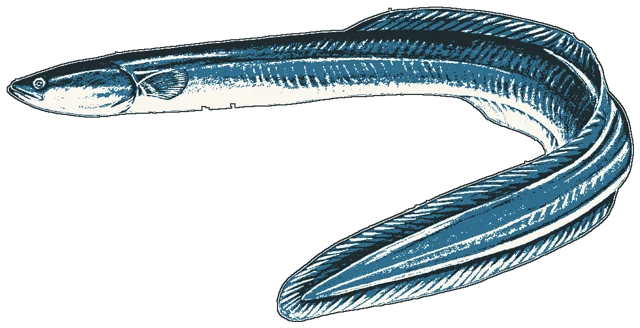
American eel
Anguilla rostrata · Fresh and salt
Few people in the US eat them (Maryland DNR) and most anglers cut them loose or use them as striper and crab bait, even though eel is a delicacy in Europe and Japan.
Worth a try: Eel is a popular food in Europe and Japan (Maryland DNR); skin it and smoke it hard.
- Tastes
- rich, sweet, dense, oily
- Limits
- Light regs. Tidal waters: open all year, 9 in minimum, 25 per day. (2026-27 guide tidal table, eRegulations last updated Sept 23, 2026) Source
- Where
- Atlantic Ocean, Delaware Bay and the Inland Bays (Fish Facts).
- grass shrimp
- worms
- small pieces of cut bait on small hooks
- Eels in some rivers carry high PCB levels; check local advisories.
- Do not eat (women of childbearing age, anyone who is or may become pregnant or is breastfeeding, children): American eel (PCBs) from the lower Delaware River and Delaware Bay (C&D Canal to the mouth of the bay), or any fish from the Delaware River between the Pennsylvania line and the C&D Canal (everyone else: 3 eight-ounce meals a year of each).
Meal limits and other waters (8)
- Limit (everyone): 1 meal a year of any fish from the C&D Canal, the tidal Christina River (mouth to I-95), tidal White Clay Creek, Little Mill Creek or Shellpot Creek below Governor Printz Blvd.
- Limit (everyone): 2 meals a year from the tidal Brandywine, the tidal Appoquinimink, Red Lion Creek below Route 1 or Shellpot Creek above Governor Printz Blvd.
- Limit (everyone): 3 meals a year from Red Clay Creek.
- Limit (everyone): 4 meals a year from Army Creek and Pond, tidal Drawyers Creek, the tidal St. Jones River or Silver Lake in Dover.
- Limit (everyone): 6 meals a year from the non-tidal Brandywine.
- Limit (everyone): 12 meals a year from the tidal Christina above I-95 (with Nonesuch Creek), the non-tidal Christina, non-tidal White Clay Creek, Red Lion Creek above Route 1, Slaughter Creek, Moores Lake or Silver Lake in Middletown.
- Limit (everyone): 24 meals a year from Fork Branch (McKee Road to College Road) or Wyoming Mill Pond.
- Limit (everyone): 1 meal a week (52 a year) from waters not listed; a meal is 8 ounces, 3 for a child.
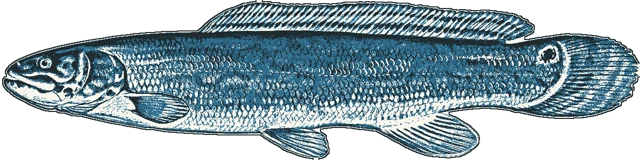
Bowfin
Amia calva (ruddy bowfin) and Amia ocellicauda (emerald bowfin) · Freshwater
TPWD calls it a rough fish rather than one for the table; the soft, pale flesh earned it the nickname 'cottonfish'.
Worth a try: Keep it alive until you clean it, cook it the same day, and use it smoked, fried as patties or stewed; MeatEater serves fried bowfin with a morel cream sauce.
- Tastes
- mild, soft, jelly-like unless very fresh
- Limits
- No limits. No size limit, no daily limit, open all year. DNREC asks anglers to return this uncommon native to the water safely. Snakeheads are often mistaken for it. (DNREC Fish Facts; state code 3304 1.0, last amended Feb 2023) Source
- Where
- New Castle County (Fish Facts).
- spinnerbaits
- plastic worms
- jigs
- topwater lures
- golden shiners
- minnows
- Do not eat (women of childbearing age, anyone who is or may become pregnant or is breastfeeding, children): any fish from the Delaware River between the Pennsylvania line and the C&D Canal (everyone else: 3 eight-ounce meals a year).
Meal limits and other waters (8)
- Limit (everyone): 1 meal a year of any fish from the C&D Canal, the tidal Christina River (mouth to I-95), tidal White Clay Creek, Little Mill Creek or Shellpot Creek below Governor Printz Blvd.
- Limit (everyone): 2 meals a year from the tidal Brandywine, the tidal Appoquinimink, Red Lion Creek below Route 1 or Shellpot Creek above Governor Printz Blvd.
- Limit (everyone): 3 meals a year from Red Clay Creek.
- Limit (everyone): 4 meals a year from Army Creek and Pond, tidal Drawyers Creek, the tidal St. Jones River or Silver Lake in Dover.
- Limit (everyone): 6 meals a year from the non-tidal Brandywine.
- Limit (everyone): 12 meals a year from the tidal Christina above I-95 (with Nonesuch Creek), the non-tidal Christina, non-tidal White Clay Creek, Red Lion Creek above Route 1, Slaughter Creek, Moores Lake or Silver Lake in Middletown.
- Limit (everyone): 24 meals a year from Fork Branch (McKee Road to College Road) or Wyoming Mill Pond.
- Limit (everyone): 1 meal a week (52 a year) from waters not listed; a meal is 8 ounces, 3 for a child.
Cownose ray
Rhinoptera bonasus · Saltwater
No US market exists for it (Florida Museum) and anglers treat it as a nuisance that tears up bottom rigs.
- Limits
- No limits. No size limit, no daily limit, open all year (Fish Facts). The spine can wound and is venomous. (DNREC Fish Facts; not among the species in DNREC's list of tidal finfish regulations (November 2026)) Source
- Where
- Atlantic Ocean, Delaware Bay and Inland Bays, often in groups (Fish Facts).
- peeler crab pieces
- clams
- Shigella has been linked to contaminated cownose ray meat (Florida Museum).
- Slow to mature with very few young; Maryland and Virginia have restricted killing contests.
- Do not eat (women of childbearing age, anyone who is or may become pregnant or is breastfeeding, children): any fish from the Delaware River between the Pennsylvania line and the C&D Canal (everyone else: 3 eight-ounce meals a year).
Meal limits and other waters (6)
- Limit (everyone): 1 meal a year of any fish from the C&D Canal.
- Limit (everyone): 2 meals a year of any fish from the tidal Appoquinimink or Red Lion Creek below Route 1.
- Limit (everyone): 4 meals a year of any fish from the tidal St. Jones River or tidal Drawyers Creek.
- Limit (everyone): 12 meals a year of any fish from Slaughter Creek.
- Limit (everyone): 1 meal a week (52 a year) of this fish from other Delaware waters, the statewide limit for fish the list does not name; a meal is 8 ounces, 3 for a child.
- The other all-fish waters on this page apply too.
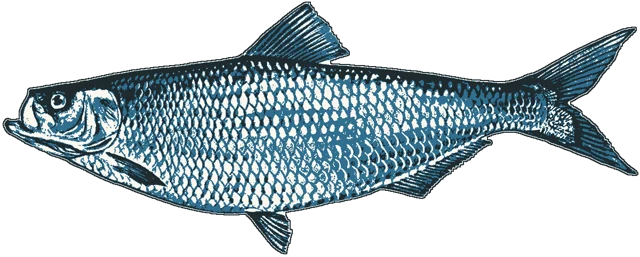
Hickory shad
Alosa mediocris · Fresh and salt
A spring sport fish that most anglers release: South Carolina DNR says hickory shad are not used as food for humans, and Virginia notes the few that are kept mostly become catfish bait.
- Limits
- Light regs. 10 per day, no size limit, open all year, except closed to harvest on the Nanticoke River and its tributaries. Non-tidal waters: hook and line only, no more than 2 lures, each with one single-pointed hook. (2026-27 guide tidal table, eRegulations last updated Sept 23, 2026) Source
- Best months
- Spring, when it runs up fresh rivers to spawn (Fish Facts).
- Where
- Atlantic Ocean, Delaware Bay, Inland Bays, and the Delaware River and tributaries (Fish Facts); closed to harvest on the Nanticoke.
- sinking artificial flies
- small spinners
- small jigs
- shad darts
- Do not eat (women of childbearing age, anyone who is or may become pregnant or is breastfeeding, children): any fish from the Delaware River between the Pennsylvania line and the C&D Canal (everyone else: 3 eight-ounce meals a year).
Meal limits and other waters (8)
- Limit (everyone): 1 meal a year of any fish from the C&D Canal, the tidal Christina River (mouth to I-95), tidal White Clay Creek, Little Mill Creek or Shellpot Creek below Governor Printz Blvd.
- Limit (everyone): 2 meals a year from the tidal Brandywine, the tidal Appoquinimink, Red Lion Creek below Route 1 or Shellpot Creek above Governor Printz Blvd.
- Limit (everyone): 3 meals a year from Red Clay Creek.
- Limit (everyone): 4 meals a year from Army Creek and Pond, tidal Drawyers Creek, the tidal St. Jones River or Silver Lake in Dover.
- Limit (everyone): 6 meals a year from the non-tidal Brandywine.
- Limit (everyone): 12 meals a year from the tidal Christina above I-95 (with Nonesuch Creek), the non-tidal Christina, non-tidal White Clay Creek, Red Lion Creek above Route 1, Slaughter Creek, Moores Lake or Silver Lake in Middletown.
- Limit (everyone): 24 meals a year from Fork Branch (McKee Road to College Road) or Wyoming Mill Pond.
- Limit (everyone): 1 meal a week (52 a year) from waters not listed; a meal is 8 ounces, 3 for a child.
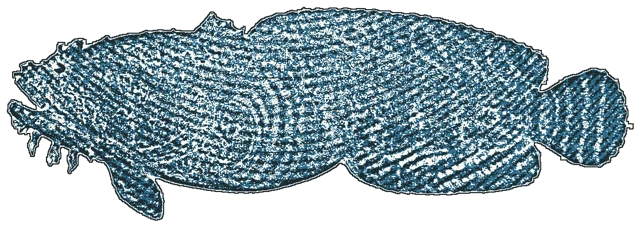
Oyster toadfish
Opsanus tau · also called oyster cracker · Saltwater
An ugly, snapping bycatch fish that almost nobody keeps; toadfishes are generally considered undesirable as food (Florida Museum).
- Tastes
- mild
- Limits
- No limits. No size limit, no daily limit, open all year (Fish Facts). It bites hard when landed. (DNREC Fish Facts; not among the species in DNREC's list of tidal finfish regulations (November 2026)) Source
- Where
- Oyster reefs and muddy bottoms (Fish Facts).
- squid pieces
- clams
- bloodworms
- peeler crab pieces on bottom rigs
- Do not eat (women of childbearing age, anyone who is or may become pregnant or is breastfeeding, children): any fish from the Delaware River between the Pennsylvania line and the C&D Canal (everyone else: 3 eight-ounce meals a year).
Meal limits and other waters (6)
- Limit (everyone): 1 meal a year of any fish from the C&D Canal.
- Limit (everyone): 2 meals a year of any fish from the tidal Appoquinimink or Red Lion Creek below Route 1.
- Limit (everyone): 4 meals a year of any fish from the tidal St. Jones River or tidal Drawyers Creek.
- Limit (everyone): 12 meals a year of any fish from Slaughter Creek.
- Limit (everyone): 1 meal a week (52 a year) of this fish from other Delaware waters, the statewide limit for fish the list does not name; a meal is 8 ounces, 3 for a child.
- The other all-fish waters on this page apply too.
Pigfish
Orthopristis chrysoptera · Saltwater
Edible, but mostly caught and sold as live bait for speckled trout (TPWD).
- Tastes
- mild, small fillets
- Limits
- No limits. No size limit, no daily limit, open all year (Fish Facts). (DNREC Fish Facts; not among the species in DNREC's list of tidal finfish regulations (November 2026)) Source
- Where
- Shallow coastal water over sand or mud, Atlantic Ocean and Inland Bays (Fish Facts).
- cut bait
- shrimp on small hooks
- small jigs
- small plugs
- Do not eat (women of childbearing age, anyone who is or may become pregnant or is breastfeeding, children): any fish from the Delaware River between the Pennsylvania line and the C&D Canal (everyone else: 3 eight-ounce meals a year).
Meal limits and other waters (3)
- Limit (everyone): 1 meal a year of any fish from the C&D Canal.
- Limit (everyone): 1 meal a week (52 a year) of this fish from other Delaware waters, the statewide limit for fish the list does not name; a meal is 8 ounces, 3 for a child.
- The other all-fish waters on this page apply too.
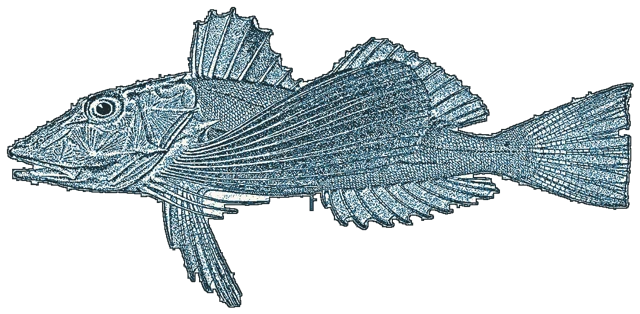
Sea robin
Prionotus spp. (mainly P. carolinus and P. evolans) · Saltwater
Anglers treat sea robins as bait-stealing nuisances and throw them back; few keep one to eat.
Worth a try: On The Water found the fillets delicious, better than fluke or sea bass, if a little darker and firmer. Fillet the tail section (watch the spines) and fry or bake it like fluke.
- Tastes
- mild, sweet, firm, slightly darker than sea bass
- Limits
- No limits. Northern and striped searobin: no size limit, no daily limit, open all year (Fish Facts). (DNREC Fish Facts; not among the species in DNREC's list of tidal finfish regulations (November 2026)) Source
- Where
- Sandy bottoms from estuaries out to the edge of the shelf (Fish Facts).
- squid pieces
- clams
- bloodworms
- peeler crab pieces
- Spiny head and fins make it unpleasant to handle.
- Do not eat (women of childbearing age, anyone who is or may become pregnant or is breastfeeding, children): any fish from the Delaware River between the Pennsylvania line and the C&D Canal (everyone else: 3 eight-ounce meals a year).
Meal limits and other waters (6)
- Limit (everyone): 1 meal a year of any fish from the C&D Canal.
- Limit (everyone): 2 meals a year of any fish from the tidal Appoquinimink or Red Lion Creek below Route 1.
- Limit (everyone): 4 meals a year of any fish from the tidal St. Jones River or tidal Drawyers Creek.
- Limit (everyone): 12 meals a year of any fish from Slaughter Creek.
- Limit (everyone): 1 meal a week (52 a year) of this fish from other Delaware waters, the statewide limit for fish the list does not name; a meal is 8 ounces, 3 for a child.
- The other all-fish waters on this page apply too.
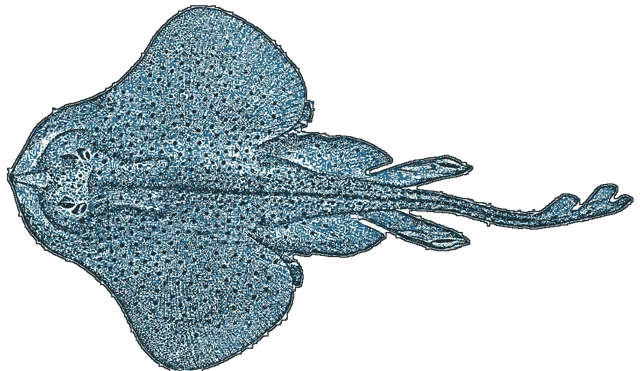
Skate
Rajidae (mainly Raja eglanteria, Leucoraja erinacea, L. ocellata) · Saltwater
Almost every US angler throws skates back or uses them for trap bait; Hank Shaw notes no one he knew growing up in New York and New Jersey kept one.
Worth a try: Kill the fish and cut off the wings right away, refrigerate a day or two so the meat firms up, and brine to remove any ammonia (Hank Shaw). NOAA describes winter skate as mild with a flavor similar to scallops. Classic prep: dredged and sautéed in brown butter with capers.
- Tastes
- mild, scallop-like, firm, stringy, corduroy grain
- Limits
- No limits. Clearnose and little skate: no size limit, no daily limit, open all year in state waters. Barndoor skate is closed in federal waters (3 to 200 miles). (DNREC Fish Facts; not among the species in DNREC's list of tidal finfish regulations (November 2026)) Source
- Where
- Soft bottoms near shore in the Atlantic Ocean, Delaware Bay and Inland Bays (Fish Facts).
- squid strips
- cut fish
- peeler crab pieces on bottom rigs
- Poorly handled skates and rays can smell of ammonia; bleed, ice and brine (Hank Shaw).
- Barndoor and thorny skates are protected; possession is prohibited (NOAA).
- Do not eat (women of childbearing age, anyone who is or may become pregnant or is breastfeeding, children): any fish from the Delaware River between the Pennsylvania line and the C&D Canal (everyone else: 3 eight-ounce meals a year).
Meal limits and other waters (6)
- Limit (everyone): 1 meal a year of any fish from the C&D Canal.
- Limit (everyone): 2 meals a year of any fish from the tidal Appoquinimink or Red Lion Creek below Route 1.
- Limit (everyone): 4 meals a year of any fish from the tidal St. Jones River or tidal Drawyers Creek.
- Limit (everyone): 12 meals a year of any fish from Slaughter Creek.
- Limit (everyone): 1 meal a week (52 a year) of this fish from other Delaware waters, the statewide limit for fish the list does not name; a meal is 8 ounces, 3 for a child.
- The other all-fish waters on this page apply too.
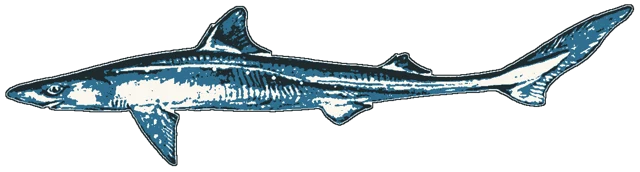
Spiny dogfish
Squalus acanthias · Saltwater
To most US anglers dogfish are a nuisance that swarms baits; NOAA says there is little consumer demand for it in the United States.
Worth a try: NOAA describes the meat as mild, sweet, flaky but firm. It is the fish in British fish and chips, and North Carolina Sea Grant's chef panels served it as 'cape shark' blackened, fried and in chowder. Bleed and gut it quickly like any shark.
- Tastes
- mild, sweet, flaky but firm, oilier than other sharks
- Limits
- No limits. Tidal guide: smoothhound and spiny dogfish are open all year with no size limit and no daily limit. (2026-27 guide tidal table, eRegulations last updated Sept 23, 2026) Source
- Best months
- October to April, when it is common in Delaware waters (Fish Facts).
- Where
- Inshore and offshore Atlantic Ocean (Fish Facts).
- squid strips
- cut fish
- Do not eat (women of childbearing age, anyone who is or may become pregnant or is breastfeeding, children): any fish from the Delaware River between the Pennsylvania line and the C&D Canal (everyone else: 3 eight-ounce meals a year).
Meal limits and other waters (3)
- Limit (everyone): 1 meal a year of any fish from the C&D Canal.
- Limit (everyone): 1 meal a week (52 a year) of this fish from other Delaware waters, the statewide limit for fish the list does not name; a meal is 8 ounces, 3 for a child.
- The other all-fish waters on this page apply too.
Atlantic sturgeon
Acipenser oxyrinchus oxyrinchus · Fresh and salt
Endangered and illegal to fish for, catch or keep (NOAA); release any accidental catch with care.
- Limits
- No harvest. Endangered. No harvest permitted and no fishing for it; release accidental catches immediately. Report dead sturgeon to DNREC at (302) 735-8663. (2026-27 guide tidal table, eRegulations last updated Sept 23, 2026) Source
- Where
- Atlantic Ocean, Delaware Bay, Delaware River and Nanticoke River (Fish Facts).
Sandbar shark
Carcharhinus plumbeus · Saltwater
Recreational landing is prohibited in federal waters; only a small permitted research fishery may land them (NOAA). Prohibited in Florida state waters too.
- Limits
- No harvest. Prohibited species: sandbar and sand tiger sharks may not be kept and must be released at once without taking them out of the water (cut the line near the hook or use a de-hooking device). (2026-27 guide tidal table, eRegulations last updated Sept 23, 2026) Source
- Where
- Atlantic Ocean, Delaware Bay and Inland Bays (Fish Facts).
Where to fish in Delaware
Fish named here are what people catch at each spot, not a promise they’re safe to eat. Read the eating advice on the fish’s card before you keep one.
# Salt or brackish# Freshwater
- 1Indian River Inlet inlet · salt
Tautog by day on sand fleas and green crabs, and a few slot striped bass after dark from a boat (DNREC report, Nov 19, 2026). Do not eat (women of childbearing age, anyone who is or may become pregnant or is breastfeeding, children): striped bass from here (everyone else: 3 meals a year; PCBs).
Known for: Tautog, Striped bass
Access: Fishing along the inlet, part of the State Parks system; a seasonal or daily fee may apply.
- 2Cape Henlopen State Park (Lewes) pier · salt
A fishing pier on the Delaware Bay plus drive-on surf beaches (Gordons Pond, Herring Point, Navy Crossing, Point Crossing). Do not eat (women of childbearing age, anyone who is or may become pregnant or is breastfeeding, children): striped bass, or bluefish over 20 in, from the bay or the ocean here (everyone else: 3 meals a year of each).
Access: Cape Henlopen Fishing Pier (no ramp; fee may apply); DNREC said on June 12, 2024 that the last 145 ft of the 1,300 ft pier would stay closed until repairs are made. The four surf beaches need a surf fishing vehicle permit and a reservation on weekends and holidays from Memorial Day weekend to Labor Day.
- 3Delaware Seashore State Park surf · salt
Drive-on surf fishing beaches: 3R's needs a weekend and holiday reservation in summer; Key Box, Conquest and Faithful Steward do not. Do not eat (women of childbearing age, anyone who is or may become pregnant or is breastfeeding, children): striped bass, or bluefish over 20 in, from here (everyone else: 3 meals a year of each).
Access: Surf fishing vehicle permit required for the drive-on beaches; four-wheel drive, 7 in ground clearance.
- 4Fenwick Island State Park surf · salt
Drive-on surf fishing at York, Middle and South beaches, which need no reservation but do need a surf fishing permit. Do not eat (women of childbearing age, anyone who is or may become pregnant or is breastfeeding, children): striped bass, or bluefish over 20 in, from here (everyone else: 3 meals a year of each).
Access: Surf fishing vehicle permit; off-peak permits are not valid on weekends or holidays.
- 5Port Mahon (Delaware Bay) pier · brackish
A bay-shore ramp with a fishing pier before the ramp; a few small striped bass and dog sharks (DNREC report, Nov 19, 2026). Do not eat (women of childbearing age, anyone who is or may become pregnant or is breastfeeding, children): striped bass from here (everyone else: 3 meals a year; PCBs).
Known for: Striped bass
Access: Public boat ramp (2 lanes) and fishing pier, DNREC access area.
- 6Woodland Beach (Delaware Bay) pier · brackish
A bayside fishing pier; white perch on bloodworms from Augustine Beach down to Woodland Beach (DNREC report, Nov 19, 2026). Eating advice (everyone): no more than 6 meals a year of white perch from the bay here (PCBs).
Known for: White perch
Access: Bayside pier (no ramp); a creekside ramp with 2 lanes on Duck Creek.
- 7Nanticoke River at Seaford river · brackish
DNREC says longnose gar are mostly found in the Nanticoke River and Broad Creek; crappie on minnows (DNREC report, Nov 19, 2026). American and hickory shad harvest is closed on the Nanticoke.
Known for: Longnose gar, Black crappie
Access: Seaford boat ramp (4 lanes) and parking lot, DNREC access area. DNREC closed the Seaford fishing pier as unsafe (announced Aug 13, 2026) and sends shore anglers to the smaller public pier at River View Park next to the ramp.
- 8Wilmington, 7th Street (Babiarz Park) pier · brackish
A pier and one-lane ramp on the Christina, Brandywine and Delaware rivers, where DNREC lists northern snakehead as reported. The advisory table limits all finfish to 1 meal a year from the tidal Christina (mouth to I-95), 2 from the tidal Brandywine and 3 from this stretch of the Delaware River. Do not eat (women of childbearing age, anyone who is or may become pregnant or is breastfeeding, children): any fish from the Delaware River here.
Known for: Northern snakehead
Access: Public ramp (1 lane) and fishing pier, DNREC access area.
- 9C&D Canal (Canal Wildlife Area) river · brackish
DNREC lists northern snakehead and flathead catfish as reported in the C&D Canal, and catfish came off the banks in its Nov 19, 2026 report. The advisory table limits all finfish in the entire canal to 1 meal a year.
Known for: Northern snakehead, Flathead catfish
Access: Fishing pier at the Canal Wildlife Area (no ramp).
- 10Lums Pond State Park lake · fresh
DNREC lists Lums Pond as the hybrid striped bass water and a flathead catfish location; bass and crappie on minnows, crankbaits, swimbaits and jigs (DNREC report, Nov 19, 2026).
Known for: Hybrid striped bass, Largemouth bass, Black crappie, Flathead catfish
Access: Boat ramp, fishing pier and shoreline access; a seasonal or daily fee may apply.
- 11Trap Pond State Park lake · fresh
One of the Division of Parks and Recreation freshwater fishing ponds on DNREC's access list.
Access: Boat ramp and shoreline access; a seasonal or daily fee may apply.
- 12Brandywine Creek State Park (Wilson Run) river · fresh
Wilson Run, from Route 92 through Brandywine Creek State Park, is a designated stocked trout stream and hosts an annual April fishing derby for anglers with special needs. Eating advice (everyone): no more than 12 meals a year of stocked trout from Wilson Run, and 6 of any fish from the non-tidal Brandywine it joins (PCBs).
Known for: Rainbow trout
Access: Most access to the trout streams is through private property or state park land; a trout stamp is required in the stamp periods.
- 13White Clay Creek State Park river · fresh
White Clay Creek is a designated stocked trout stream with a fly-fishing-only section from 25 yards above Thompson Bridge at Chambers Rock Road to the Pennsylvania line (4 trout possession limit there). Eating advice (everyone): no more than 12 meals a year of any fish, stocked trout included, from this part of the creek (PCBs, dieldrin).
Known for: Rainbow trout
Access: Most access to the trout streams is through private property or state park land; a trout stamp is required in the stamp periods.
Delaware fishing license and rules
- Resident: $8.50 general fishing license (2026; residents 16 to 64)
- Nonresident: $20.00 general fishing license (2026)
- Nonresident short-term: $12.50 for 7 consecutive days (2026)
- Saltwater: Covered by the same license: the general fishing license covers recreational fishing, crabbing and clamming in all Delaware tidal and non-tidal waters. Every angler 16 or older, including license-exempt anglers, also needs a free Delaware FIN number each year; an individual license issues it automatically. A FIN is not needed to only crab or clam. Delaware does not accept other states' FIN numbers; New Jersey waters of the Delaware Bay need a New Jersey FIN.
- Who needs one: License and FIN at 16 and older; under 16 needs neither. Delaware residents 65 and older are exempt from the license (proof of age and residency) but still need a free FIN.
- Free fishing days: State law lets DNREC name up to two license-free days a year, during National Fishing and Boating Week. In 2026 they were June 6 and 7: anyone could fish, crab or clam in Delaware waters without a license, but anglers 16 and older still needed a free FIN number.
More license details
Licenses and FIN numbers run through Dec 31 of the year issued. Trout stamp (2026): resident $4.20 (16 to 64), resident young angler (12 to 15) $2.10, nonresident $6.20 (12 and older); no stamp under 12 or for residents 65 and older, who still need a FIN to fish for trout; digital or paper facsimile stamps only. DNREC lists a separate agent fee of $2.50 per license and $1 per trout stamp. Optional boat fishing license covers everyone aboard: $40 (20 ft or less) or $50 (over 20 ft); resident boat license holders get a regular license, nonresident holders need a nonresident license off the boat. Charter boat ($150 resident, $300 nonresident) and head boat ($300 resident, $600 nonresident) licenses cover paying passengers, who then need no separate FIN. The operator of a vehicle with a valid Delaware surf fishing vehicle permit on a designated State Park beach needs no license (other occupants who fish do); the permit needs a four-wheel-drive vehicle with 7 in of ground clearance and, on five beaches, a weekend and holiday reservation from Memorial Day weekend to Labor Day. Delaware has no license reciprocity with other states. Buy at Digital DNREC, a licensing agent or DNREC headquarters in Dover.
Buy a license License types and fees
Fees: 2026 (calendar year).
- Two things at 16 and older: the general fishing license (it covers fresh and tidal water, crabbing and clamming) and a free Delaware FIN number (Delaware residents 65 and older need only the FIN). Licenses are sold per calendar year and run through Dec 31. Delaware does not accept other states' licenses or FIN numbers.
- Striped bass in state waters: 1 per day, 28 to 31 in, except 20 to 24 in only July 1 to Aug 31 in the Delaware Bay, Delaware River and their tributaries. Catch and release only April 1 to May 31 on the spawning grounds (Nanticoke River, the Delaware River north of the C&D Canal mouth line, the C&D Canal). Federal waters are closed. Use non-offset circle hooks with any natural bait, live or dead; no gaffs.
- Black sea bass: May 1 to Dec 31, 12.5 in, 15 per day, in state and federal waters (2026 and 2027 order). Closed Jan 1 to April 30.
- Tautog: open Jan 1 to May 15 and July 1 to Dec 31, 16 in, 4 per day. Summer flounder: 16 in through May 31, 17.5 in from June 1, 4 per day.
- Sharks: sandbar, sand tiger, dusky and the other listed prohibited species must be released without leaving the water. Shore anglers may keep 1 legal shark per day (plus 1 bonnethead and 1 Atlantic sharpnose); boats 1 per vessel per trip (plus 1 of each per angler). Blacktip, bull, lemon, nurse, silky, spinner and tiger sharks need 54 in fork length and are closed May 15 to July 15. No filleting before landing; non-offset corrodible circle hooks are required except for smoothhound, flies and artificial lures.
- Northern snakehead, blue catfish and flathead catfish are invasive: kill them rather than release, and call (302) 739-9914. Live possession or transport of snakehead, blue catfish, flathead catfish, grass carp and walking catfish without written permission is unlawful.
- Trout need a trout stamp in designated streams from the first Saturday in April through June 30 and from the first Saturday in October through Nov 30, and at Tidbury and Newton Ponds from the first Saturday in March through April 1. No trout fishing from half an hour after sunset to half an hour before sunrise.
- On Division-managed state wildlife areas, licensed pond fishing is closed Sept 1 to Jan 31 and during spring turkey season unless the area's map says otherwise, and fishing or crabbing from any dike or water control structure or inside any impoundment is prohibited at all times.
- No fishing within 10 ft of a fish ladder or removing fish from one between March 15 and May 30; no netting within 300 ft of a dam or spillway on tidal rivers; river herring (alewife, blueback) and Atlantic sturgeon are closed to harvest; tilefish need a permit and a trip report within 24 hours.
Limits here are summaries for convenience, checked on the date shown. The official Delaware regulations govern; check them before you keep a fish.
Before you eat it
- Do not eat (women of childbearing age, anyone who is or may become pregnant or is breastfeeding, children): any fish from the Delaware River between the Pennsylvania line and the C&D Canal (PCBs, dioxins, dieldrin). Everyone else: 3 eight-ounce meals a year.
- Do not eat (women of childbearing age, anyone who is or may become pregnant or is breastfeeding, children): striped bass, channel catfish, white catfish, American eel, or bluefish over 20 in, from the lower Delaware River and Delaware Bay, C&D Canal to the mouth of the bay (PCBs, and mercury in the bluefish). Everyone else: 3 meals a year.
- Do not eat (women of childbearing age, anyone who is or may become pregnant or is breastfeeding, children): striped bass, or bluefish over 20 in, from the Atlantic coast and the Inland Bays, mouth of Delaware Bay to the Maryland line (PCBs, and mercury in the bluefish). Everyone else: 3 meals a year.
- Limit (everyone), any fish, 1 meal a year: the entire C&D Canal in Delaware, the tidal Christina River (mouth to I-95 at Peterson Wildlife Refuge), tidal White Clay Creek (mouth to Route 4), Little Mill Creek (mouth to Kirkwood Highway) and Shellpot Creek from Governor Printz Blvd to the Delaware River.
- Limit (everyone), any fish, 2 meals a year: the tidal Brandywine (mouth to Baynard Blvd), the tidal Appoquinimink River, Red Lion Creek from Route 1 to the Delaware River, and Shellpot Creek above Governor Printz Blvd.
- Limit (everyone), any fish, 3 meals a year: Red Clay Creek, from its mouth to the Pennsylvania line. 4 meals a year: Army Creek from its mouth to Route 13 with Army Pond, tidal Drawyers Creek, the tidal St. Jones River and all of Silver Lake in Dover.
- Limit (everyone), any fish, 6 meals a year: the non-tidal Brandywine (Baynard Blvd to the Pennsylvania line). 12 meals a year: the tidal Christina from I-95 to Smalleys Dam with Nonesuch Creek, the non-tidal Christina (Smalleys Dam to the Maryland line), non-tidal White Clay Creek (Route 4 to the Pennsylvania line), Red Lion Creek above Route 1, Slaughter Creek, Moores Lake and Silver Lake in Middletown. 24 meals a year: Fork Branch from McKee Road to College Road (mercury) and Wyoming Mill Pond.
- Limit (everyone), lower Delaware River and Delaware Bay: 6 meals a year of white perch and 12 of bluefish 20 in or less (PCBs). Atlantic coast and Inland Bays: 12 meals a year of bluefish 20 in or less (PCBs).
- Limit (everyone), stocked trout: 6 meals a year from Christina Creek, Rittenhouse Park to the Maryland line, and 12 from the other designated trout streams and ponds, except Red Clay Creek, where the all-fish limit of 3 is stricter.
- Limit (everyone), statewide: no more than 1 meal a week (52 a year) of any fish from fresh, estuarine or marine water the list does not name. A meal is 8 ounces for an adult and 3 ounces for a child.
- Skin the fish and trim the back, lateral line and belly fat, bake or broil it on a rack and throw out the drippings. That lowers PCBs, dioxins and pesticides; it does not lower mercury or PFAS. Larger fish tend to hold more.
- Blue-green algae blooms: DNREC says there may be health risks from eating fish caught in affected water. If you eat them, do so in moderation, remove the fat, skin and organs without cutting into the organs, and rinse the fillets with clean water before cooking or freezing.
- DNREC says people who are or may become pregnant, people who are or plan to be breastfeeding, and children under 15 may want to avoid any fish suspected of contamination. Limits are from the DNREC and Division of Public Health list (Oct 2025). Questions: DNREC (302) 739-9939, Division of Public Health (302) 744-4546.
Local lingo
- tog (tautog)
- rockfish and slot rockfish (striped bass)
- keeper (a fish that meets the size limit)
- dog shark (dogfish)
- porgy (scup)
- lockjaw (fish that won't bite)
- bunker (Atlantic menhaden, used as cut bait)
- sand fleas (tautog bait)
Questions anglers ask about Delaware
What is the most common fish in Delaware?
By count, the most-caught fish in Delaware's tidal and ocean waters is tautog, at about 3.1 million a year, according to NOAA MRIP (2023-2025 average). Black sea bass (about 2.8 million), spot (about 2.6 million), Atlantic croaker (about 2.4 million) and summer flounder (about 1.9 million) follow, and most tautog, sea bass, croaker and flounder are released. MRIP does not cover non-tidal fresh water.
Do I need a saltwater fishing license in Delaware?
Covered by the same license: the general fishing license covers recreational fishing, crabbing and clamming in all Delaware tidal and non-tidal waters. Every angler 16 or older, including license-exempt anglers, also needs a free Delaware FIN number each year; an individual license issues it automatically. A FIN is not needed to only crab or clam. Delaware does not accept other states' FIN numbers; New Jersey waters of the Delaware Bay need a New Jersey FIN.
What is the best fish to eat in Delaware?
23 of the 52 fish on our Delaware board rate Best eating. Among the fish caught most: tautog, black sea bass, summer flounder, white perch, channel catfish and kingfish (whiting).
What is the state fish of Delaware?
Weakfish: Official fish of the State, 29 Del. C. § 311.
Does Delaware have free fishing days?
State law lets DNREC name up to two license-free days a year, during National Fishing and Boating Week. In 2026 they were June 6 and 7: anyone could fish, crab or clam in Delaware waters without a license, but anglers 16 and older still needed a free FIN number.
Which Delaware fish are better to eat than their reputation?
We give the Worth a try badge to common carp, bowfin, longnose gar, northern snakehead, American eel, American shad, bluefish, black drum, sea robin, spiny dogfish, skate and northern puffer: fish most anglers toss or rate low that eat well when they're cleaned and cooked right. Each card says how.
Neighboring states
Sources
Limits, prices and advisories come from these pages, read on or before Nov 21, 2026. Where a line gives its own date, that’s the date it rests on. Eating advice changes: check the state’s current list. Ratings are national and come from the fish’s own page.
106 sources
- asmfc.org cobia: regs (state table)
- delcode.delaware.gov state fish
- dnrec.delaware.gov black crappie: months|where; black sea bass: months|where|names; channel catfish: months|where; largemouth bass: baits|months|where; scup: names; striped bass:
- dnrec.delaware.gov where to fish
- dnrec.delaware.gov American eel: advisory; American shad: advisory; Atlantic croaker: advisory; Atlantic sharpnose shark: advisory; Spanish mackerel: advisory; black crappie: advi
- dnrec.delaware.gov rainbow trout: regs|stocking (2026 rainbow only; fall stocking on White Clay)
- dnrec.delaware.gov northern snakehead: regs (no season, creel or size limits; methods)
- dnrec.delaware.gov cownose ray: regs (list of tidal finfish regulations, no entry); kingfish (whiting): regs (list of tidal finfish regulations, no entry); northern puffer: regs (
- dnrec.delaware.gov state records
- dnrec.delaware.gov license info
- dnrec.delaware.gov black sea bass: regs (order effective April 22, 2026)
- documents.dnrec.delaware.gov cobia: regs (amended text: 1 per person, 2 per vessel, 43 in)
- documents.dnrec.delaware.gov striped bass: regs (code 3502 to 3504 text)
- documents.dnrec.delaware.gov striped bass: gaff ban text
- documents.dnrec.delaware.gov smooth dogfish: regs (hook rule exempts smoothhound); spiny dogfish: regs (spiny dogfish is outside the shark hook and fillet rules)
- documents.dnrec.delaware.gov American shad: regs (code 3591: 2 American, 10 hickory; Nanticoke closed); hickory shad: regs (code 3591: 10 hickory shad; Nanticoke closed)
- documents.dnrec.delaware.gov cobia: regs
- documents.dnrec.delaware.gov American eel: advisory; American shad: advisory; Atlantic croaker: advisory; Atlantic sharpnose shark: advisory; Spanish mackerel: advisory; black crappie: advi
- epermitting.dnrec.delaware.gov license buy
- fishspecies.dnrec.delaware.gov American shad: regs (2 per day)
- fishspecies.dnrec.delaware.gov black crappie: baits|names
- fishspecies.dnrec.delaware.gov blue catfish: regs
- fishspecies.dnrec.delaware.gov bluegill: baits|where|names
- fishspecies.dnrec.delaware.gov bowfin: regs
- fishspecies.dnrec.delaware.gov bullhead (black, brown, yellow): regs
- fishspecies.dnrec.delaware.gov chain pickerel: regs
- fishspecies.dnrec.delaware.gov channel catfish: baits|where
- fishspecies.dnrec.delaware.gov common carp: regs
- fishspecies.dnrec.delaware.gov flathead catfish: regs
- fishspecies.dnrec.delaware.gov hickory shad: baits|months|where
- fishspecies.dnrec.delaware.gov largemouth bass: baits|where|names
- fishspecies.dnrec.delaware.gov longnose gar: regs
- fishspecies.dnrec.delaware.gov northern snakehead: regs
- fishspecies.dnrec.delaware.gov pumpkinseed: baits|where
- fishspecies.dnrec.delaware.gov rainbow trout: baits
- fishspecies.dnrec.delaware.gov smallmouth bass: baits|where|names
- fishspecies.dnrec.delaware.gov hybrid striped bass: baits|where|names
- fishspecies.dnrec.delaware.gov white catfish: baits|where
- fishspecies.dnrec.delaware.gov white crappie: baits|months|where|names
- fishspecies.dnrec.delaware.gov bullhead (black, brown, yellow): regs (yellow bullhead)
- fishspecies.dnrec.delaware.gov yellow perch: baits|where|names
- fishspecies.dnrec.delaware.gov bluefish: baits|where
- fishspecies.dnrec.delaware.gov skate: regs
- fishspecies.dnrec.delaware.gov cobia: baits|where
- fishspecies.dnrec.delaware.gov cownose ray: regs
- fishspecies.dnrec.delaware.gov skate: regs (little skate)
- fishspecies.dnrec.delaware.gov kingfish (whiting): regs
- fishspecies.dnrec.delaware.gov northern puffer: regs|baits|where|toxin warning
- fishspecies.dnrec.delaware.gov sea robin: regs
- fishspecies.dnrec.delaware.gov oyster toadfish: regs
- fishspecies.dnrec.delaware.gov pigfish: regs|baits|where
- fishspecies.dnrec.delaware.gov red drum: baits|where|names|regs (federal closure)
- fishspecies.dnrec.delaware.gov red hake: regs|baits|names|where
- fishspecies.dnrec.delaware.gov sandbar shark: where
- fishspecies.dnrec.delaware.gov scup: baits|months|where
- fishspecies.dnrec.delaware.gov sheepshead: regs
- fishspecies.dnrec.delaware.gov smooth dogfish: baits|where
- fishspecies.dnrec.delaware.gov kingfish (whiting): baits (southern kingfish)
- fishspecies.dnrec.delaware.gov Spanish mackerel: baits|where
- fishspecies.dnrec.delaware.gov spiny dogfish: baits|months|where
- fishspecies.dnrec.delaware.gov spot: baits|where
- fishspecies.dnrec.delaware.gov spotted seatrout: baits|names|where
- fishspecies.dnrec.delaware.gov sea robin: regs (striped searobin)
- fishspecies.dnrec.delaware.gov summer flounder: baits|months|where
- fishspecies.dnrec.delaware.gov tautog: baits|where
- fishspecies.dnrec.delaware.gov weakfish: baits|where
- fishspecies.dnrec.delaware.gov winter flounder: baits|months|where
- fishspecies.dnrec.delaware.gov striped bass: baits|where|names|regs (federal closure)
- fishspecies.dnrec.delaware.gov white perch: baits
- fishspecies.dnrec.delaware.gov American eel: baits|where
- fishspecies.dnrec.delaware.gov American shad: baits|names|where|months (its 10-fish limit is out of date)
- fishspecies.dnrec.delaware.gov Atlantic croaker: baits|where|names
- fishspecies.dnrec.delaware.gov Atlantic sharpnose shark: baits|where
- fishspecies.dnrec.delaware.gov Atlantic sturgeon: where
- fishspecies.dnrec.delaware.gov skate: barndoor federal closure
- fishspecies.dnrec.delaware.gov black drum: baits|where
- fishspecies.dnrec.delaware.gov black sea bass: baits|where
- indianrivermarina.blogs.delaware.gov Atlantic croaker: months; sheepshead: months; spot: months
- news.delaware.gov striped bass: gaff ban
- news.delaware.gov spot: limit
- news.delaware.gov black sea bass: regs
- news.delaware.gov black sea bass: regs (federal waters)
- news.delaware.gov fishing spots
- news.delaware.gov bluefish: regs (order and years)
- news.delaware.gov rainbow trout: fall stocking Oct 21, 2026
- onthewater.com striped bass: months
- eregulations.com free fishing days
- eregulations.com American eel: advisory; American shad: advisory; Atlantic croaker: advisory; Atlantic sharpnose shark: advisory; Atlantic sturgeon: advisory; Spanish mackerel:
- eregulations.com blue catfish: regs (live possession); fishing spots; flathead catfish: regs (live possession); northern snakehead: regs (live possession); rainbow trout: regs|m
- eregulations.com bowfin: id (confused with snakehead)
- eregulations.com license fees
- eregulations.com fishing spots; striped bass: baits (natural baits named in the circle-hook rule)
- eregulations.com common carp: regs (bow and spear); hickory shad: regs (shad gear); northern snakehead: regs (bow and spear)
- eregulations.com black crappie: regs; bluegill: regs; freshwater regs; hybrid striped bass: regs; largemouth bass: regs; pumpkinseed: regs; rainbow trout: regs; smallmouth bass:
- eregulations.com fishing spots; weakfish: gill net dates
- eregulations.com Atlantic sturgeon: report line; sandbar shark: release rule; striped bass: spawning season rule; summer flounder: part-possession rule
- eregulations.com American eel: regs; American shad: regs; Atlantic croaker: regs; Atlantic sharpnose shark: regs; Atlantic sturgeon: regs; Spanish mackerel: regs; black drum: re
- fisheries.noaa.gov striped bass: federal closure
- fisheries.noaa.gov black sea bass: regs (federal waters follow the states in 2026)
- fisheries.noaa.gov bluefish: regs (federal waters, same limits)
- fisheries.noaa.gov scup: regs (federal waters)
- law.cornell.edu northern snakehead: regs (methods)
- law.cornell.edu blue catfish: regs (state code default for non-tidal waters); bowfin: regs (state code default for non-tidal waters); bullhead (black, brown, yellow): regs (sta
- law.cornell.edu weakfish: gill net closure rule
- law.cornell.edu spotted seatrout: regs (state code)
- st.nmfs.noaa.gov American eel: evidence; American shad: evidence; Atlantic croaker: evidence; Spanish mackerel: evidence; black drum: evidence; black sea bass: evidence; blue ca
Illustrations: stencils we made from public-domain art by John J. Baird (Black crappie); Duane Raver, U.S. Fish and Wildlife Service (Black sea bass, Blue catfish, Channel catfish, Flathead catfish, Rainbow trout, Red drum, Spotted seatrout, Striped bass, White crappie, White perch, Yellow perch, American shad, Atlantic sharpnose shark, Bluefish, Bullhead (black, brown, yellow), Chain pickerel, Smallmouth bass, American eel, Bowfin, Hickory shad, Spiny dogfish); NOAA (Bluegill); James Alexander Henshall (Cobia, Weakfish); William Welsh (Kingfish (whiting)); Sherman Foote Denton (Sheepshead); Hugh McCormick Smith (Summer flounder, Atlantic croaker, Black drum, Northern puffer, Spanish mackerel, Spot, Oyster toadfish, Sea robin); U.S. Fish and Wildlife Service (Common carp, Largemouth bass); C. W. Nash (Longnose gar); New York Fish and Game Commission (Skate), via Wikimedia Commons.
Spotted an error or a rule that changed? Tell us and we will check it against the official source.