Texas · fresh and salt
Fish in Texas: what’s worth eating, and what’s garbage
Texas fishing is known for reservoir largemouth bass at Lake Fork, Sam Rayburn and Toledo Bend, giant catfish and striped bass at Lake Texoma, and alligator gar in the Trinity River and Falcon. On the coast the draw is redfish (red drum, the state saltwater fish), speckled trout, flounder and black drum in the bays, jetties and surf from Sabine Lake to the Lower Laguna Madre.
37 fish rated · limits checked Nov 21, 2026 against TPWD and federal sources, then re-checked: 346 of 360 details confirmed or corrected on the official pages
Resident $30 Freshwater Package (license + freshwater endorsement); $40 All-Water Package. Nonresident $58 Non-resident Freshwater Package; $68 All-Water Package.
Buy a licenseSaltwater endorsement on top of a fishing license, normally bought as a package: $35 resident, $63 nonresident Saltwater Package, each including a red drum tag and a spotted seatrout tag. Full details
Saltwater limitsFreshwater limits, seasons and size rules from Texas Parks and Wildlife Department.
Freshwater limitsGuadalupe bass; Red drum
Saturday, June 5, 2027 (first Saturday in June): no license or endorsements needed; bag and length limits still apply. Full details
The Texas table-fare board
Fish Texas anglers catch, sorted by how they eat. The bars show how heavily each one is regulated here. Tap a fish for the details.
No limits Light regs Heavy regs No harvest
Best eating18
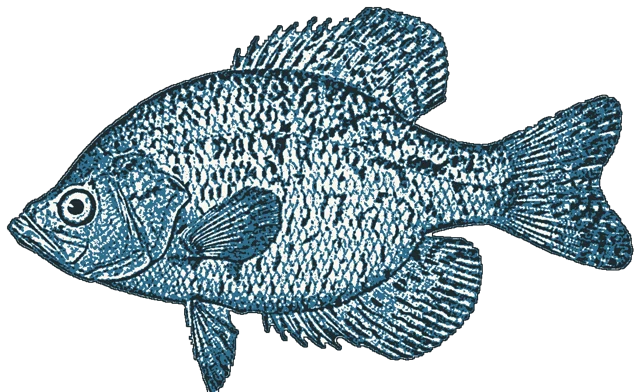 Black crappie“white perch”
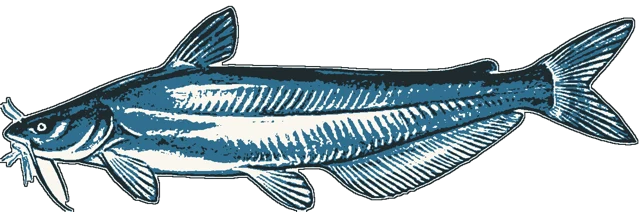 Blue catfish“hump-back blue”
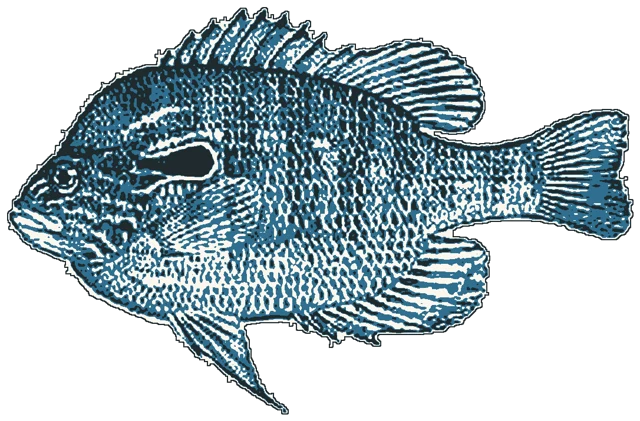 Bluegill“bream”
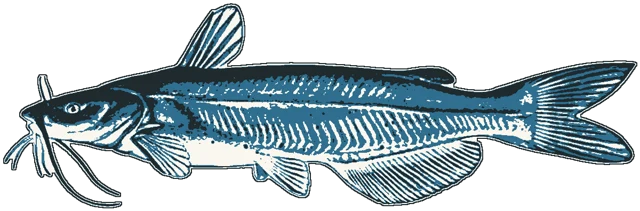 Channel catfish“willow cat”
 Cobia“ling”
 Flathead catfish“yellow cat”Hybrid striped bass“palmetto bass”
 Kingfish (whiting)“southern kingfish”
 Rainbow trout“rainbows”
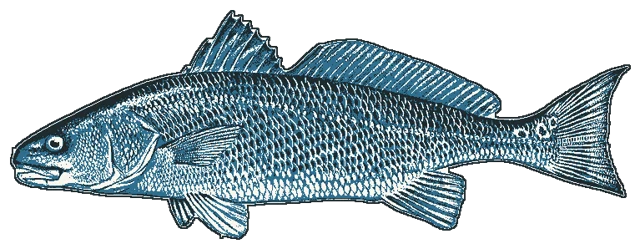 Red drum“redfish”
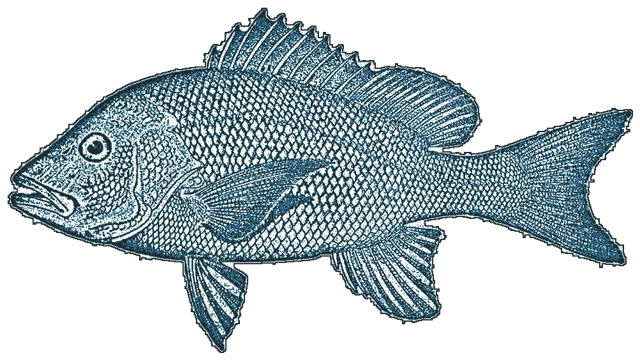 Red snapper“pargo”
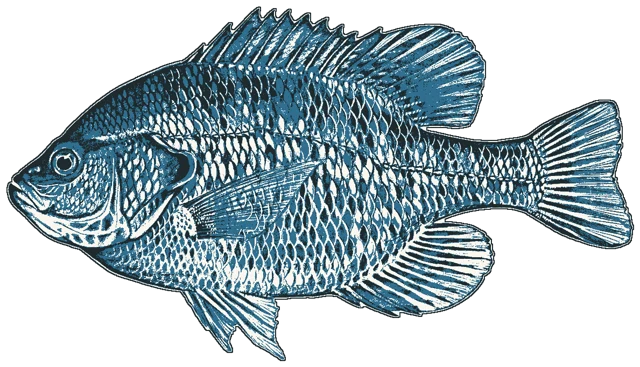 Redear sunfish“shellcracker”
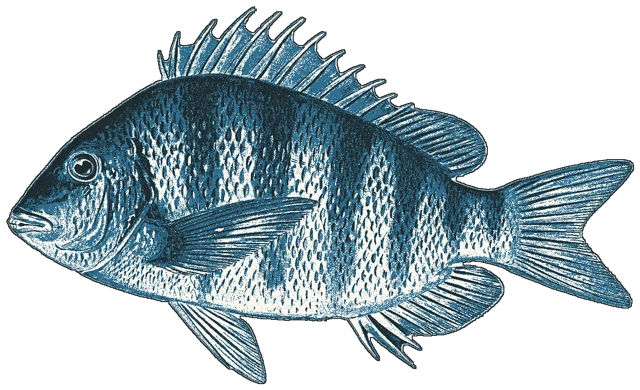 Sheepshead“convict fish”
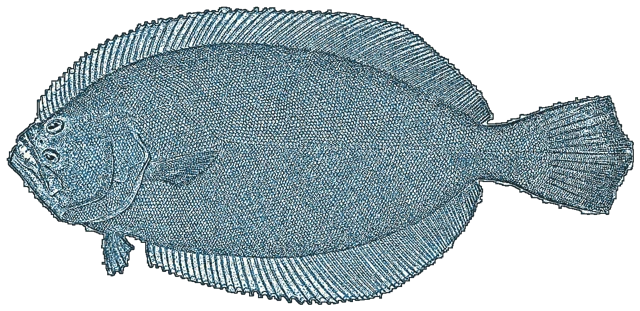 Southern flounder
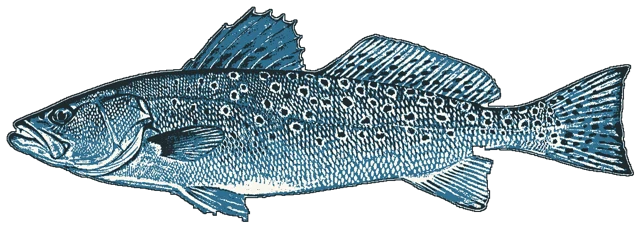 Spotted seatrout“speckled trout”
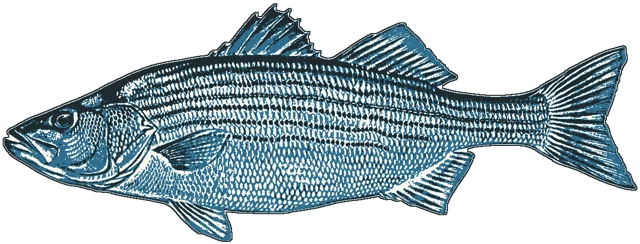 Striped bass“striper”
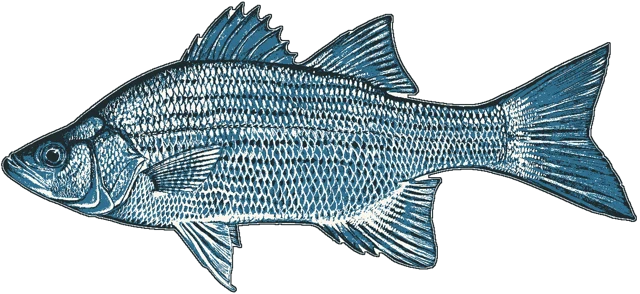 White bass“sand bass”
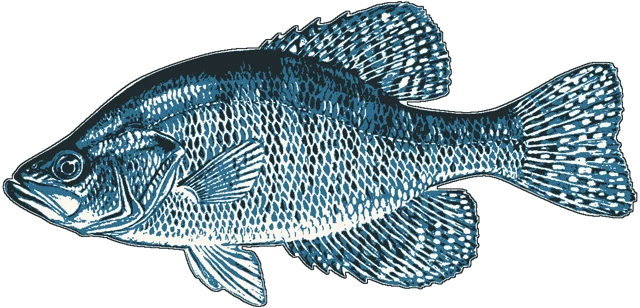 White crappie“white perch”
Just OK17
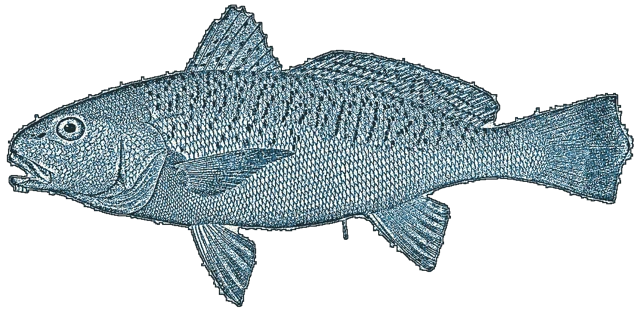 Atlantic croaker“hard heads”
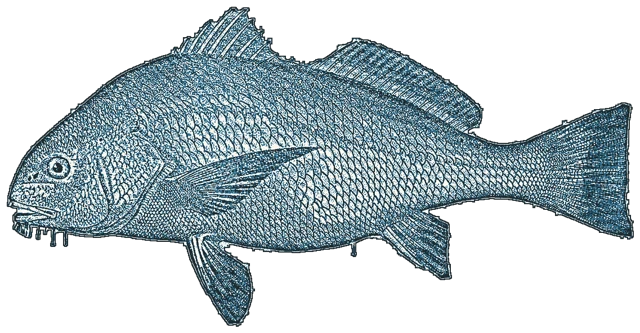 Black drum“Texas drum”
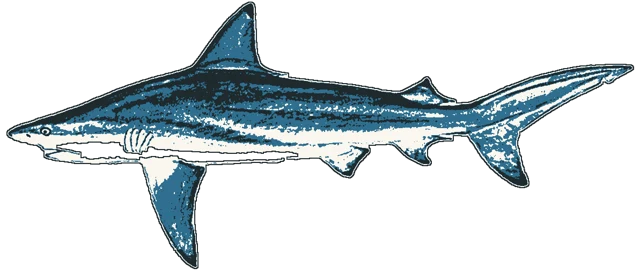 Blacktip shark
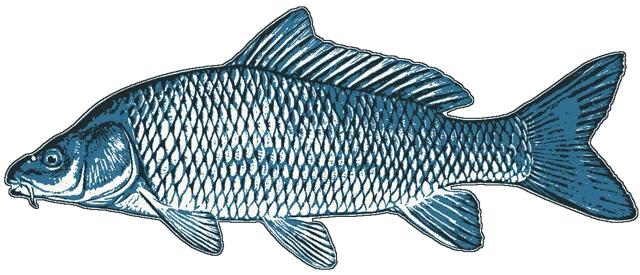 Common carp“German carp”Freshwater drum“drum fish”
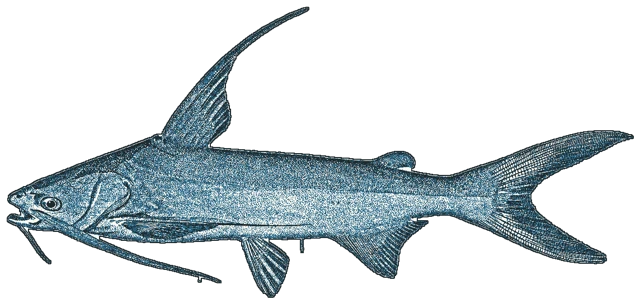 Gafftopsail catfish“seacat”Guadalupe bass“black bass”
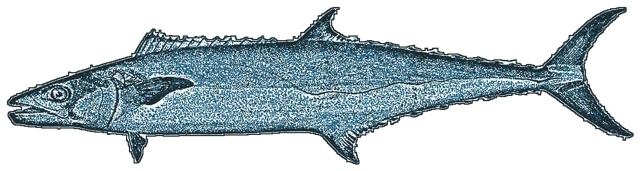 King mackerel
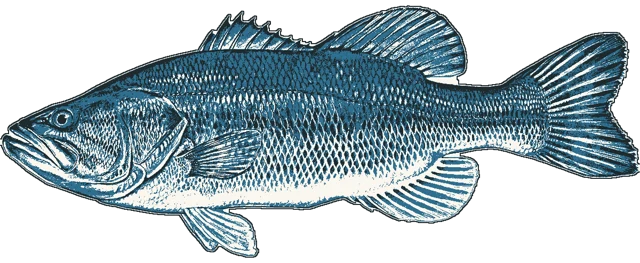 Largemouth bass“black bass”
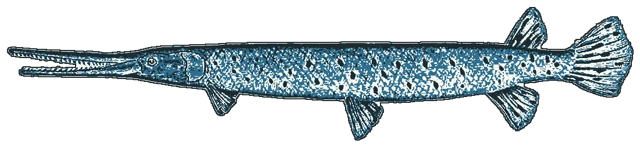 Longnose gar“needlenose gar”Rio Grande cichlid“Rio Grande perch”
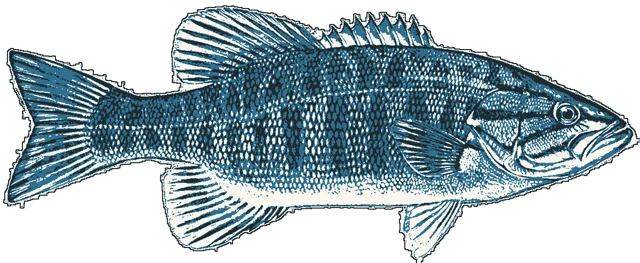 Smallmouth bass“brown bass”Smallmouth buffalo
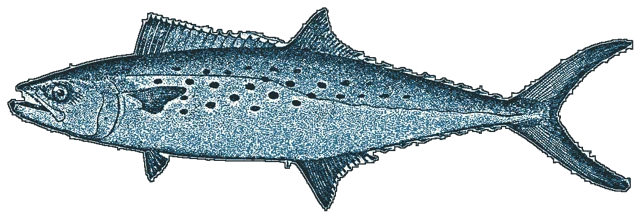 Spanish mackerelSpotted bass“Kentucky spotted bass”
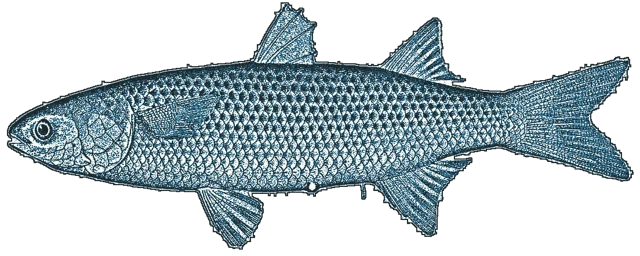 Striped mullet
Garbage fish2
Fish by fish
Why each one sits where it does, the current Texas limits, and the bait that works.
Black crappie
Pomoxis nigromaculatus · also called white perch, calico bass · Freshwater
One of the classic fish-fry fish: MeatEater counts crappie among the best-eating fish in freshwater.
- Tastes
- mild, sweet, delicate, flaky, white
- Limits
- Light regs. Same limit as white crappie: 25 per day in any combination, 10 in minimum; Lake Fork December-February no minimum and all crappie must be kept; Texoma 37 a day. (TPWD Outdoor Annual, valid Sep. 1, 2026 through Aug. 31, 2027 (checked Nov 21, 2026)) Source
- Spawns
- Nests in spring when water reaches about 60F.
- Where
- Abundant primarily in clear, acidic waters of east Texas; deep water with sparse vegetation, backwater lakes, reservoirs and sloughs with brush or structure.
- small minnows
- small streamer flies
- small marabou jigs
- plastic jigs
- worms
- Do not eat (anyone): any fish from the all-fish waters on this page (Clear Creek, Houston Ship Channel and lower San Jacinto River, Trinity River from Fort Worth to US 287, Leon Creek, Donna Irrigation System).
- Do not eat (women of childbearing age, children under 12): crappie from Lake Alan Henry.
- Do not eat (women who are or may become pregnant, or nursing): crappie from Village Creek (Hardin County).
Meal limits and other waters (4)
- Limit (everyone else), two 8-oz meals a month: Lake Alan Henry and Village Creek.
- Limit (children under 12), two 4-oz meals a month: Village Creek.
- Limit (everyone), two 8-oz meals a month: any fish from Lake Kimball or Lake Pruitt (children under 12, two 4-oz meals).
- Limit, Louisiana's list (women of childbearing age, children under 7): three meals a month from Toledo Bend, combined with white bass.
Blue catfish
Ictalurus furcatus · also called hump-back blue · Freshwater
TPWD calls it an excellent food fish; Maryland DNR says blues are very good to eat.
- Tastes
- mild, firm
- Limits
- Light regs. Statewide: 25 per day combined with channel catfish, only 10 at 20 in or longer. Lake Texoma and the Red River: 15 combined, only 1 blue catfish 30 in or longer per day. Sam Rayburn, Toledo Bend, Caddo, Livingston: 50 a day, no more than 5 at 30 in or longer. Choke Canyon, Proctor, Calaveras, Braunig and Fayette County: 14 in minimum, 15 a day combined with channel catfish. Conroe, Lewisville, Lavon, Ray Hubbard, Tawakoni, Richland-Chambers, Palestine and Belton: 25 with no more than 5 at 20 in or longer, and only 1 of those 30 in or longer. Trinity River from the Lake Livingston dam to the FM 3278 bridge: 12 in minimum, 10 a day, only 2 at 24 in or longer. Other listed waters differ. (TPWD Outdoor Annual, valid Sep. 1, 2026 through Aug. 31, 2027 (checked Nov 21, 2026)) Source
- Best months
- Lake Texoma: move downstream or into the main pool in winter and upstream in spring; Lake Livingston: most any time of year.
- Where
- Large rivers and impoundments (absent from the northwest and Panhandle); Lake Texoma (state record 121.5 lb, 2004), Choke Canyon (most abundant catfish), Lake Livingston.
- shrimp
- blood bait
- cut bait
- dough bait
- shad gizzards
- live gizzard shad
- Large, old blue catfish accumulate contaminants; some water bodies have size-based consumption advisories.
- Do not eat (anyone): any fish from the all-fish waters on this page (Clear Creek, Houston Ship Channel and lower San Jacinto River, Trinity River from Fort Worth to US 287, Leon Creek, Donna Irrigation System).
- Do not eat (women of childbearing age, children under 12): Lake Livingston and the Trinity River (US 287 to US 90), Lake Alan Henry, any catfish from Galveston Bay and connected waters, or blue catfish over 30 in from Sam Rayburn, B.A. Steinhagen or the Neches River (State Highway 7 to US 96).
Meal limits and other waters (4)
- Limit (everyone else), one 8-oz meal a month: Lake Livingston with that stretch of the Trinity, and Galveston Bay.
- Limit (everyone else), two 8-oz meals a month: Lake Alan Henry, Lake Worth with the Trinity River up to Eagle Mountain Lake, and fish over 30 in from Sam Rayburn, B.A. Steinhagen and that stretch of the Neches.
- Limit (women of childbearing age, children under 12), one 4-oz meal a month: Lake Worth with the Trinity River up to Eagle Mountain Lake.
- Limit (everyone), two 8-oz meals a month: any fish from Lake Kimball or Lake Pruitt (children under 12, two 4-oz meals).
Bluegill
Lepomis macrochirus · also called bream, brim, perch, sunfish, sunperch · Freshwater
MeatEater calls the flesh light, delicate and sweet; the original fish-fry panfish.
- Tastes
- mild, sweet, firm, flaky
- Limits
- No limits. Statewide: no daily bag or minimum length on bluegill, redear, warmouth, green or longear sunfish. Sunfish are named as a group on the TPWD page. (TPWD Outdoor Annual, valid Sep. 1, 2026 through Aug. 31, 2027 (checked Nov 21, 2026)) Source
- Spawns
- May peak in May or June and continues until water cools in the fall; Lake Fork: early summer in shallow water.
- Where
- Found throughout Texas; vegetation and sunken trees of shallow backwater rivers, lakes and ponds.
- worms
- crickets
- mealworms
- small jigs
- spinners
- miniature insect crankbaits
- Do not eat (anyone): any fish from the all-fish waters on this page (Clear Creek, Houston Ship Channel and lower San Jacinto River, Trinity River from Fort Worth to US 287, Leon Creek, Donna Irrigation System).
- Do not eat (women of childbearing age, children under 12): sunfish from Ellison Creek Reservoir (Lone Star Lake, Morris County; dioxins and PCBs).
- TDSHS general advice for any Texas fish: eat smaller, younger ones from different waters, remove the skin, dark meat and fat, and do not eat the organs.
- Limit (everyone else), one 8-oz meal a month: sunfish from Ellison Creek.
- Limit (everyone), two 8-oz meals a month: any fish from Lake Kimball or Lake Pruitt (children under 12, two 4-oz meals).
Channel catfish
Ictalurus punctatus · also called willow cat, forked-tail cat, fiddler, spotted cat, lady cat · Freshwater
Very good to eat (Maryland DNR) and delicious when cooked (TPWD), and the basis of US catfish farming.
- Tastes
- mild, sweet, firm, moist
- Limits
- Light regs. Statewide: channel and blue catfish 25 per day in any combination, only 10 of them 20 in or longer, no minimum. Sam Rayburn, Toledo Bend, Caddo, Livingston and the Sabine River below the dam to I.H. 10: 50 a day, no more than 5 at 30 in or longer. Lake Texoma and the Red River: 15 a day combined with blue catfish, only 1 blue catfish 30 in or longer. Choke Canyon, Proctor, Calaveras, Braunig and Fayette County: 14 in minimum, 15 a day. Conroe, Lewisville, Lavon, Ray Hubbard, Tawakoni, Richland-Chambers, Palestine and Belton: 25 with no more than 5 at 20 in or longer, and only 1 of those 30 in or longer. Trinity River from the Lake Livingston dam to the FM 3278 bridge: 12 in minimum, 10 a day, only 2 at 24 in or longer. Other listed waters differ. (TPWD Outdoor Annual, valid Sep. 1, 2026 through Aug. 31, 2027 (checked Nov 21, 2026)) Source
- Spawns
- Spawns in late spring or early summer at 75F; Lake Texoma: near creek mouths after rain in spring and fall; Lake Livingston: most any time of year.
- Where
- Range throughout Texas, most abundant in large streams with low or moderate current; Lake Fork, Lake Texoma, Amistad, Falcon and Choke Canyon.
- worms
- cutbait
- shrimp
- liver
- blood bait
- stink bait
- Do not eat (anyone): any fish from the all-fish waters on this page (Clear Creek, Houston Ship Channel and lower San Jacinto River, Trinity River from Fort Worth to US 287, Leon Creek, Donna Irrigation System).
- Do not eat (women of childbearing age, children under 12): Mountain Creek Lake (Dallas County), Ellison Creek Reservoir (Lone Star Lake, Morris County), or any catfish from Galveston Bay and connected waters (Chocolate, East, Trinity and West bays too).
- TDSHS general advice for any Texas fish: eat smaller, younger ones from different waters, remove the skin, dark meat and fat, and do not eat the organs.
- Limit (everyone else), one 8-oz meal a month: those same waters.
- Limit (everyone), two 8-oz meals a month: any fish from Lake Kimball or Lake Pruitt (children under 12, two 4-oz meals).
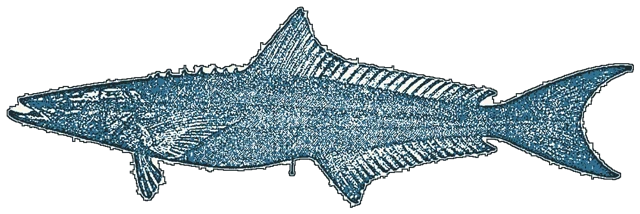
Cobia
Rachycentron canadum · also called ling, lemon fish, sergeant fish, crab eater · Saltwater
Firm, white, sweet meat; TPWD calls it an exceptionally fine food fish.
- Tastes
- sweet, rich, firm, lean, moist
- Limits
- Heavy regs. Caught in state waters or landed in Texas: 1 per day, 40 in minimum. Federal waters: 1 per person per day, no more than 2 per vessel per trip. (TPWD Outdoor Annual, valid Sep. 1, 2026 through Aug. 31, 2027 (checked Nov 21, 2026)) Source
- Best months
- Most common off Texas June through September; they migrate to tropical waters in winter.
- Where
- Under floating or stationary objects in the open Gulf: logs, buoys, oil rigs and boats; small fish occasionally enter the bays.
- shrimp
- squid
- large spoons
- plugs
- jigs
- small whole live blue crab
- Do not eat (anyone): any fish from the all-fish waters on this page (Houston Ship Channel and connected waters north of the Fred Hartman Bridge, Clear Creek upstream of Clear Lake, and the closed part of upper Lavaca Bay).
- Do not eat (anyone): TDSHS and FDA ask people not to eat fish from the Flower Garden coral reef off Texas (ciguatera toxin; cobia is not one of the species listed by name).
- TDSHS lists cobia among fish more likely to build up mercury and says to eat smaller, younger ones from different waters.
- TDSHS has not tested every Texas water.
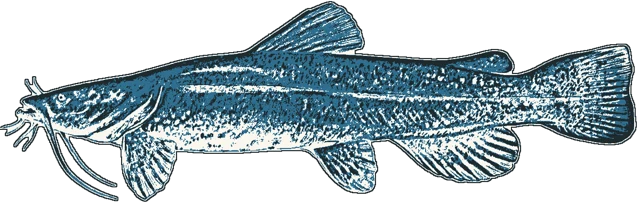
Flathead catfish
Pylodictis olivaris · also called yellow cat, Opelousa cat, pied cat, Mississippi cat, mud cat, shovelhead cat · Freshwater
Widely considered the best-tasting catfish because it eats live fish instead of scavenging; Maryland DNR notes its mild, white flesh.
- Tastes
- mild, clean, firm, white
- Limits
- Heavy regs. Statewide: 5 per day, 18 in minimum. Toledo Bend, Caddo and the Sabine River below the dam to I.H. 10: 10 a day, 18 in minimum. Lake Texoma and the Red River: no minimum, 5 a day. (TPWD Outdoor Annual, valid Sep. 1, 2026 through Aug. 31, 2027 (checked Nov 21, 2026)) Source
- Spawns
- Late May through August at 75-80F.
- Where
- Deep, turbid, slow pools of streams, rivers, canals, lakes and reservoirs; rod and reel anglers may do best just below reservoir dams; Lake Texoma (trotlines), Choke Canyon.
- live sunfish
- live bait
- Do not eat (anyone): any fish from the all-fish waters on this page (Clear Creek, Houston Ship Channel and lower San Jacinto River, Trinity River from Fort Worth to US 287, Leon Creek, Donna Irrigation System).
- Do not eat (women of childbearing age, children under 12): Lake Livingston and the Trinity River (US 287 to US 90), Lake Worth and the Trinity River upstream to Eagle Mountain Lake, Sam Rayburn, B.A. Steinhagen and the Neches River (State Highway 7 to US 96), Ellison Creek Reservoir (Lone Star Lake), Lake Alan Henry, or any catfish from Galveston Bay and connected waters.
Meal limits and other waters (6)
- Limit (everyone else), one 8-oz meal a month: those same waters, except two from Lake Alan Henry.
- Limit (everyone else), two 8-oz meals a month: Mountain Creek Lake.
- Limit (women of childbearing age, children under 12), one 4-oz meal a month: Mountain Creek Lake.
- Limit (everyone), two 8-oz meals a month: any fish from Lake Kimball or Lake Pruitt (children under 12, two 4-oz meals).
- Limit, Louisiana's list (women of childbearing age, children under 7): two meals a month from Toledo Bend, combined with other listed fish.
- TDSHS lists flathead among fish more likely to build up mercury and says to eat smaller, younger ones from different waters.
Hybrid striped bass
Morone saxatilis x M. chrysops · also called palmetto bass, sunshine bass · Freshwater
Indiana DNR says hybrids make great table fare; mild white fillets like a striper's.
- Tastes
- mild, firm, white
- Limits
- Heavy regs. Statewide: 5 per day in any combination with striped bass, 18 in minimum. Lake Texoma: no minimum, 10 a day combined with striped bass, only 2 at 20 in or longer. (TPWD Outdoor Annual, valid Sep. 1, 2026 through Aug. 31, 2027 (checked Nov 21, 2026)) Source
- Best months
- Midsummer on North Texas lakes (Game & Fish, page dated Oct. 4, 2010).
- Where
- Lake Livingston lists striped/hybrid bass among its sportfish; Lake Texoma rules cover hybrids with striped bass.
- plugs
- spoons
- jigs
- Do not eat (anyone): hybrid striped bass from Ellison Creek Reservoir (Lone Star Lake, Morris County; dioxins and PCBs).
- Do not eat (anyone): any fish from the all-fish waters on this page (Clear Creek, Houston Ship Channel and lower San Jacinto River, Trinity River from Fort Worth to US 287, Leon Creek, Donna Irrigation System).
- TDSHS general advice for any Texas fish: eat smaller, younger ones from different waters, remove the skin, dark meat and fat, and do not eat the organs.
- TDSHS has not tested every Texas water.
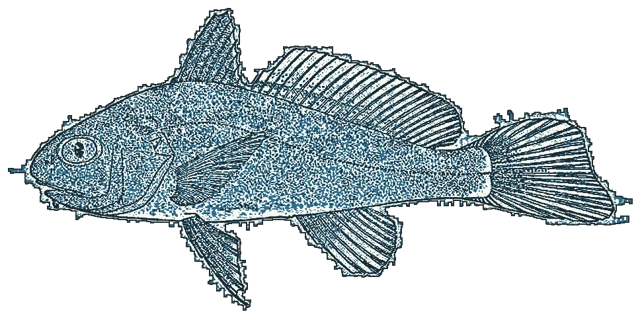
Kingfish (whiting)
Menticirrhus spp. (M. americanus, M. littoralis, M. saxatilis) · also called southern kingfish · Saltwater
Firm, white, mild fillets with good flavor; small, but no smaller than the bluegill and crappie we also rate best. Fried whole or filleted, it's the Carolinas' favorite pier fish ("sea mullet" in NC).
- Tastes
- mild, sweet, firm, white
- Limits
- No limits. No bag, possession or length limit. (TPWD Outdoor Annual, valid Sep. 1, 2026 through Aug. 31, 2027 (checked Nov 21, 2026)) Source
- Best months
- Surf at Sea Rim State Park: winter and spring (TPWD tip sheet).
- Where
- Listed as a surf species at Sea Rim State Park.
- dead shrimp
- small chunks of cut bait
- Do not eat (anyone): any fish from the all-fish waters on this page (Houston Ship Channel and connected waters north of the Fred Hartman Bridge, Clear Creek upstream of Clear Lake, and the closed part of upper Lavaca Bay).
- TDSHS general advice for any Texas fish: eat smaller, younger ones from different waters, remove the skin, dark meat and fat, and do not eat the organs.
- TDSHS has not tested every Texas water.
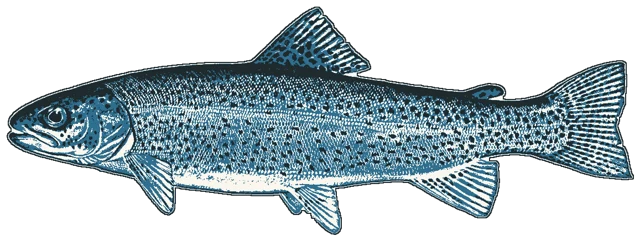
Rainbow trout
Oncorhynchus mykiss · also called rainbows · Freshwater
TPWD calls rainbow trout an excellent fish to eat; the most-stocked put-and-take fish in America.
- Tastes
- mild, clean, delicate, flaky
- Limits
- Heavy regs. Statewide: rainbow and brown trout 5 per day in any combination, no minimum. Guadalupe River Trout Zone 1 (800 yards below Canyon Dam to the east Hwy 306 bridge): 12-18 in slot (fish 12 in and under or 18 in and over may be kept), 5 a day with only 1 at 18 in or longer, artificial lures only. Trout Zone 2 (east Hwy 306 bridge to 2nd crossing on River Road): 18 in minimum, 1 a day, artificial lures only. (TPWD Outdoor Annual, valid Sep. 1, 2026 through Aug. 31, 2027 (checked Nov 21, 2026)) Source
- Best months
- Stocked Nov. 24, 2026 to March 5, 2027 (319,915 fish planned); Guadalupe River below Canyon Lake often stays cool enough to hold trout year-round.
- Where
- Guadalupe River downstream of Canyon Lake; also stocked in the Brazos River below Possum Kingdom Lake, parts of the Frio and South Llano rivers, the Clear Fork of the Trinity River (do not eat from there), and Neighborhood Fishin' lakes and park ponds.
- flies
- small spinners
- cheese
- kernel corn
- small bread balls
- Do not eat (anyone): any fish from the all-fish waters on this page.
- Do not eat (anyone): trout stocked in the Clear Fork of the Trinity River in Fort Worth (River Park and Trinity Park), because TDSHS says to eat no fish of any kind from the Clear Fork below the Benbrook Reservoir dam (PCBs and dioxins).
- TDSHS general advice for any Texas fish: eat smaller, younger ones from different waters, remove the skin, dark meat and fat, and do not eat the organs.
- TDSHS has not tested every Texas water.
Red drum
Sciaenops ocellatus · also called redfish, rat red, bull red · Saltwater
Slot-size reds are firm, mild, white-fleshed fish that anglers keep specifically to eat; blackened redfish made the species famous.
- Tastes
- mild, slightly sweet, firm, moist, large flakes; coarse in big fish
- Limits
- Heavy regs. State waters (out to 9 nautical miles): 3 per day, 20-28 in. One red drum over 28 in may be kept each license year with a Red Drum Tag and one more with a Bonus Red Drum Tag, in addition to the daily bag. Digital tags are reported in the Texas Hunt & Fish app. Braunig and Calaveras lakes: 3 a day, 20 in minimum, no maximum. Federal waters (beyond 9 nautical miles): red drum may not be kept or possessed; release them at once. (TPWD Outdoor Annual, valid Sep. 1, 2026 through Aug. 31, 2027 (checked Nov 21, 2026)) Source
- Best months
- Bull redfish run on the Gulf beaches in fall (especially in stormy weather); in winter, concentrations in rivers and tidal creeks; spawns mid-August through mid-October in Gulf waters.
- Where
- Shallow bay edges with seagrass, oyster reefs, jetties, old pier pilings and guts; Gulf surf and piers during the fall run; young fish stay in bays and the surf near passes.
- live shrimp
- small finger mullet
- Atlantic croaker
- small live blue crab
- fresh cut mullet
- larger live mullet
- Slot-size fish eat best; large 'bull reds' are coarse and are usually released.
- Do not eat (anyone): any fish from the all-fish waters on this page (Houston Ship Channel and connected waters north of the Fred Hartman Bridge, Clear Creek upstream of Clear Lake, and the closed part of upper Lavaca Bay).
- TDSHS general advice for any Texas fish: eat smaller, younger ones from different waters, remove the skin, dark meat and fat, and do not eat the organs.
- TDSHS has not tested every Texas water.
Red snapper
Lutjanus campechanus · also called pargo, Pensacola snapper · Saltwater
Sweet, firm, succulent white fillets; Florida Sportsman's pick for best-eating bottom fish, and TPWD calls the throats a delicacy.
- Tastes
- sweet, mild, distinctive, semi-firm, lean, moist
- Limits
- Heavy regs. State waters: open year-round, 4 per person per day, 15 in minimum, circle hooks required with natural bait (private recreational anglers). Federal waters (private recreational): the 2026 season ran May 22 to 11:59 p.m. Nov. 20, 2026; 2 per person per day, 16 in minimum, and those fish count toward the 4-fish state bag. Venting tool or rigged descending device: must be aboard when fishing for reef fish in federal waters, and must be used in state waters on reef fish showing barotrauma. (Federal season May 22 to Nov. 20, 2026 (Federal Register, Dec. 23, 2025; TPWD release, Nov. 12, 2026); state-water rule valid Sep. 1, 2026 to Aug. 31, 2027) Source
- Spawns
- June through September; federal-waters private season dates are set by season (see regs).
- Where
- Reefs, rigs and snapper banks offshore along the entire Texas coast.
- fresh squid
- cigar minnows
- live pinfish or pigfish (for larger snapper)
- Do not eat (anyone): TDSHS and FDA ask people not to eat fish from the Flower Garden coral reef off Texas (ciguatera toxin, which cooking does not remove).
- The species that advice lists do not include red snapper, but TDSHS names red snapper among the reef fish that can carry the toxin.
- TDSHS general advice for any Texas fish: eat smaller, younger ones from different waters, remove the skin, dark meat and fat, and do not eat the organs.
- TDSHS has not tested every Texas water.
Redear sunfish
Lepomis microlophus · also called shellcracker, Georgia bream, cherry gill, sunny, sun perch · Freshwater
Larger than bluegill, with the same sweet fillets; Indiana DNR calls sunfish, redear included, delicious fish.
- Tastes
- mild, sweet, firm, flaky
- Limits
- No limits. Statewide: no daily bag or minimum length on redear and other sunfish. (TPWD Outdoor Annual, valid Sep. 1, 2026 through Aug. 31, 2027 (checked Nov 21, 2026)) Source
- Best months
- Often taken in early summer when concentrated on spawning beds; Toledo Bend: bigger fish late spring or summer.
- Where
- Native to the eastern two-thirds of Texas from the Red River to the Rio Grande; bottom in warm water with little current and vegetation; Toledo Bend and Sam Rayburn have high numbers.
- earthworms
- grubs
- crickets
- small spinners
- small jigs
- Do not eat (anyone): any fish from the all-fish waters on this page (Clear Creek, Houston Ship Channel and lower San Jacinto River, Trinity River from Fort Worth to US 287, Leon Creek, Donna Irrigation System).
- Do not eat (women of childbearing age, children under 12): sunfish from Ellison Creek Reservoir (Lone Star Lake, Morris County; TDSHS lists sunfish species, naming bluegill, green and redbreast).
- TDSHS general advice for any Texas fish: eat smaller, younger ones from different waters, remove the skin, dark meat and fat, and do not eat the organs.
- Limit (everyone else), one 8-oz meal a month: sunfish from Ellison Creek.
- Limit (everyone), two 8-oz meals a month: any fish from Lake Kimball or Lake Pruitt (children under 12, two 4-oz meals).
Sheepshead
Archosargus probatocephalus · also called convict fish, sheephead, bay snapper, sargo · Saltwater
Fine, white, mild flesh that agencies call excellent; the only knock is that the heavy scales and spines make it a chore to clean.
- Tastes
- mild, sweet (shellfish diet), firm, white, fine flake
- Limits
- Heavy regs. 5 per day, 15 in minimum. (TPWD Outdoor Annual, valid Sep. 1, 2026 through Aug. 31, 2027 (checked Nov 21, 2026)) Source
- Spawns
- In February and March in the Gulf near jetties, rock piles and reefs; year-round at Sea Rim State Park (TPWD tip sheet).
- Where
- Near hard substrate: jetties, rock piles, reefs, oyster reefs, barnacle-encrusted pier pilings and bulkheads.
- small fiddler crabs
- hermit crabs
- live or dead shrimp
- Sharp gill covers and dorsal spines; heavy scales make filleting slow (TPWD).
- Do not eat (anyone): any fish from the all-fish waters on this page (Houston Ship Channel and connected waters north of the Fred Hartman Bridge, Clear Creek upstream of Clear Lake, and the closed part of upper Lavaca Bay).
- TDSHS general advice for any Texas fish: eat smaller, younger ones from different waters, remove the skin, dark meat and fat, and do not eat the organs.
- TDSHS has not tested every Texas water.
Southern flounder
Paralichthys lethostigma · Saltwater
Lean, white, mild fillets; TPWD says its reputation as table fare is unsurpassed in Texas.
- Tastes
- mild, sweet, lean, fine, delicate flakes
- Limits
- Heavy regs. All flounder species: 5 per day, 15 in minimum. Fishery closed Nov 1 to Dec 14 (bag limit 0). (TPWD Outdoor Annual, valid Sep. 1, 2026 through Aug. 31, 2027 (checked Nov 21, 2026)) Source
- Best months
- Fall: adults move toward the Gulf passes; spring: they re-enter the bays along channel edges; spring and summer: gigging in the back bays.
- Where
- Around jetties and oyster reefs; channels and passes leading to the Gulf in fall; Intracoastal Waterway edges in spring; cord-grass shorelines, mouths of bayous and sloughs.
- live shrimp
- killifish (mud minnows)
- leaded plastic worms (worm jigs)
- shallow-running spoons
- live finger mullet
- gigging at night in the shallows
- Do not eat (anyone): any fish from the all-fish waters on this page (Houston Ship Channel and connected waters north of the Fred Hartman Bridge, Clear Creek upstream of Clear Lake, and the closed part of upper Lavaca Bay).
- TDSHS general advice for any Texas fish: eat smaller, younger ones from different waters, remove the skin, dark meat and fat, and do not eat the organs.
- TDSHS has not tested every Texas water.
Spotted seatrout
Cynoscion nebulosus · also called speckled trout, spec, spotted weakfish · Saltwater
Excellent flavor and delicate texture; one of the most-kept inshore fish from the Carolinas to Texas.
- Tastes
- mild, sweet, delicate, soft to medium, fine flake
- Limits
- Heavy regs. State waters: 3 per day, 15-20 in. One spotted seatrout over 28 in may be kept each license year with a Spotted Seatrout Tag and one more with a Bonus Spotted Seatrout Tag, in addition to the daily bag. Possession limit is double the daily bag. (TPWD Outdoor Annual, valid Sep. 1, 2026 through Aug. 31, 2027 (checked Nov 21, 2026)) Source
- Best months
- Warm weather: shallow areas early morning and late evening, deeper in the heat of the day; cold weather: deep rivers, harbors and channels after a norther; spoons in warmer months, fishlike lures in cooler months; gull-marked schools in summer and fall. At Sea Rim State Park: surf spring, summer and fall.
- Where
- Dropoffs around grass flats, channels and oyster reefs; surf and marsh at Sea Rim State Park.
- live shrimp (popping cork or free-lined)
- live mullet or pinfish
- dead shrimp
- jigs
- spoons
- fishlike lures
- Ice immediately; the meat loses quality quickly in warm weather (TPWD).
- Some fish carry harmless 'spaghetti worm' tapeworm larvae along the backbone (TPWD, Florida Museum).
- Do not eat (anyone): any fish from the all-fish waters on this page (Houston Ship Channel and connected waters north of the Fred Hartman Bridge, Clear Creek upstream of Clear Lake, and the closed part of upper Lavaca Bay).
- Do not eat (women of childbearing age, children under 12): upper Galveston Bay and connected waters, north of a line from Red Bluff Point to Five-Mile Cut Marker to Houston Point.
- TDSHS general advice for any Texas fish: eat smaller, younger ones from different waters, remove the skin, dark meat and fat, and do not eat the organs.
- Limit (everyone else), one 8-oz meal a month: that same part of upper Galveston Bay.
Striped bass
Morone saxatilis · also called striper, rockfish, lineside · Freshwater
Firm, large-flaked, slightly sweet white meat; one of the most kept and eaten gamefish in the country, fresh or salt.
- Tastes
- mild, slightly sweet, firm, large flakes
- Limits
- Heavy regs. Statewide: striped and hybrid striped bass 5 per day in any combination, 18 in minimum. Lake Texoma: no minimum, 10 a day (possession 20), only 2 at 20 in or longer, culling prohibited. Toledo Bend and the Sabine River below the dam to I.H. 10: striped bass no minimum, 5 a day, only 2 at 30 in or longer. Trinity River from the Lake Livingston dam to the FM 3278 bridge: striped bass 18 in minimum, 2 a day. (TPWD Outdoor Annual, valid Sep. 1, 2026 through Aug. 31, 2027 (checked Nov 21, 2026)) Source
- Best months
- Lake Texoma: stripers move up both river arms in February; they surface often in summer, fall and winter. Toledo Bend: schooling stripers summer and fall.
- Where
- Lake Texoma (self-sustaining population); stocked populations in Toledo Bend, Amistad and Lake Livingston (US 190 bridge area).
- heavy jigs
- slabs
- plastic shad
- live gizzard shad
- live shad
- silver spoons
- Consumption advisories for striped bass vary from state to state (NOAA).
- Do not eat (anyone): any fish from the all-fish waters on this page (Clear Creek, Houston Ship Channel and lower San Jacinto River, Trinity River from Fort Worth to US 287, Leon Creek, Donna Irrigation System).
- Do not eat (women who are or may become pregnant, or nursing): Canyon Lake.
Meal limits and other waters (6)
- Limit (everyone else), two 8-oz meals a month: Canyon Lake, and Lake Worth with the Trinity River up to Eagle Mountain Lake.
- Limit (everyone else), three 8-oz meals a month: Lake Livingston and the Trinity River (US 287 to US 90).
- Limit (children under 12), two 4-oz meals a month: Canyon Lake.
- Limit (women of childbearing age, children under 12), one 4-oz meal a month: Lake Worth with the Trinity River up to Eagle Mountain Lake, and Lake Livingston with that stretch of the Trinity.
- Limit, Oklahoma's 2026 guide for Lake Texoma (women of childbearing age, pregnant or nursing, children to 15): two meals a month of fish 30 in and longer.
- TDSHS lists striped bass among fish more likely to build up mercury and says to eat smaller, younger ones from different waters.
White bass
Morone chrysops · also called sand bass, barfish, streaker, silver bass · Freshwater
Texas Parks & Wildlife calls white bass superb table fare, and the spring runs fill a lot of coolers; light, flaky meat like walleye.
- Tastes
- mild, light, flaky
- Limits
- Light regs. Statewide: 25 per day, 10 in minimum. No minimum on Lake Texoma, Toledo Bend, Caddo and the Sabine River from Toledo Bend dam to I.H. 10 (still 25 a day). (TPWD Outdoor Annual, valid Sep. 1, 2026 through Aug. 31, 2027 (checked Nov 21, 2026)) Source
- Best months
- Spring spawning runs: Lake Texoma tributaries in spring; Amistad late January through March; Choke Canyon Frio River channel December through February; Lake Livingston creeks in early spring.
- Where
- Lake Texoma (Red and Washita rivers and tributaries), Lake Livingston creeks, Lake Fork, Choke Canyon (Frio River channel), Amistad and Toledo Bend (spawning run above the lake).
- small plugs
- spoons
- spinners
- jigs
- minnows
- small crawfish
- Do not eat (anyone): any fish from the all-fish waters on this page (Clear Creek, Houston Ship Channel and lower San Jacinto River, Trinity River from Fort Worth to US 287, Leon Creek, Donna Irrigation System).
- Do not eat (women of childbearing age, children under 12): Mountain Creek Lake (Dallas County) or Ellison Creek Reservoir (Lone Star Lake, Morris County).
Meal limits and other waters (7)
- Limit (everyone else), one 8-oz meal a month: Mountain Creek Lake.
- Limit (everyone else), two 8-oz meals a month: Ellison Creek, and Lake Worth with the Trinity River up to Eagle Mountain Lake.
- Limit (everyone else), three 8-oz meals a month: Lake Livingston and the Trinity River (US 287 to US 90).
- Limit (women of childbearing age, children under 12), one 4-oz meal a month: Lake Worth with the Trinity River up to Eagle Mountain Lake, and Lake Livingston with that stretch of the Trinity.
- Limit (everyone), two 8-oz meals a month: any fish from Lake Kimball or Lake Pruitt (children under 12, two 4-oz meals).
- Limit, Louisiana's list (women of childbearing age, children under 7): two meals a month from Caddo Lake or three from Toledo Bend, combined with other listed fish.
- TDSHS lists white bass among fish more likely to build up mercury and says to eat smaller, younger ones from different waters.
White crappie
Pomoxis annularis · also called white perch, sac-a-lait · Freshwater
Same top-tier panfish fillets as black crappie; one of the most popular panfish in the country.
- Tastes
- mild, sweet, delicate, flaky, white
- Limits
- Light regs. Statewide: 25 per day in any combination of white and black crappie, 10 in minimum. Lake Fork: December 1 through the last day of February no minimum and all crappie caught must be retained; March through November 10 in minimum; 25 a day year-round. Lake Texoma: 37 a day, 10 in minimum, possession 50. Toledo Bend and Caddo: no minimum, 25 a day. (TPWD Outdoor Annual, valid Sep. 1, 2026 through Aug. 31, 2027 (checked Nov 21, 2026)) Source
- Best months
- Lake Texoma: best in fall and winter, with the spring spawn also good; Lake Fork: deep water near the dam in winter, under bridges in late spring and early fall; nests in spring at 65-70F.
- Where
- Schools in the middle of lakes; around submerged trees, boat docks and other structure; Lake Fork bridges (Highway 154, Highway 515, CR 2946, CR 514), Lake Texoma, Sam Rayburn, Toledo Bend.
- minnows
- jigs
- Do not eat (anyone): any fish from the all-fish waters on this page (Clear Creek, Houston Ship Channel and lower San Jacinto River, Trinity River from Fort Worth to US 287, Leon Creek, Donna Irrigation System).
- Do not eat (women of childbearing age, children under 12): crappie from Lake Alan Henry.
- Do not eat (women who are or may become pregnant, or nursing): crappie from Village Creek (Hardin County).
Meal limits and other waters (4)
- Limit (everyone else), two 8-oz meals a month: Lake Alan Henry and Village Creek.
- Limit (children under 12), two 4-oz meals a month: Village Creek.
- Limit (everyone), two 8-oz meals a month: any fish from Lake Kimball or Lake Pruitt (children under 12, two 4-oz meals).
- Limit, Louisiana's list (women of childbearing age, children under 7): two meals a month from Toledo Bend, combined with largemouth and spotted bass, flathead and drum.
Alligator gar
Atractosteus spatula · Freshwater
The gar people actually keep for meat in Texas and Louisiana, but it is armored, hard to clean and still widely seen as trash.
Worth a try: Cut down the back with shears or a hatchet to get past the armored scales, take the two white backstraps, and fry them or grind them into Louisiana gar balls.
- Tastes
- mild, firm, lean, stringy in large fish
- Limits
- Heavy regs. Statewide: 1 per day, any size, and every alligator gar kept (except from Falcon) must be reported within 24 hours using the Texas Hunt & Fish app or website. Gar taken with lawful archery equipment may not be released. Trinity River and all its tributaries from the I-30 bridge in Dallas to the I-10 bridge in Chambers County, including Lake Livingston and the East Fork up to the Lake Ray Hubbard dam: only gar under 48 in may be kept, 1 a day, and night archery or crossbow needs a harvest authorization. Falcon: 5 a day, possession 10, no reporting. Red River including Lake Texoma, and all its tributaries (Cooke, Grayson, Fannin, Lamar, Red River, Bowie counties): taking or possessing alligator gar is prohibited in May. Spawning-season closures can be set on short notice. (TPWD Outdoor Annual, valid Sep. 1, 2026 through Aug. 31, 2027 (checked Nov 21, 2026)) Source
- Spawns
- Generally April and May, in shallow flooded vegetation when springtime water exceeds 68F.
- Where
- Large rivers and reservoirs, and coastal bays; Choke Canyon (frequent trophy fish over 6 ft).
- fresh cut bait
- whole carp head
- Rat-L-Trap lipless crankbait
- Whopper Plopper topwater
- Gar eggs (roe) are toxic to people and other warm-blooded animals; never eat them (Maryland DNR).
- Texas allows one a day; check your state's limit before keeping one.
- Do not eat (anyone): any gar from Lake Livingston and the Trinity River (US 287 to US 90).
- Do not eat (anyone): any fish from the all-fish waters on this page (Clear Creek, Houston Ship Channel and lower San Jacinto River, Trinity River from Fort Worth to US 287, Leon Creek, Donna Irrigation System, closed part of upper Lavaca Bay).
- Do not eat (women of childbearing age, children under 12): any gar from Sam Rayburn, B.A. Steinhagen or the Neches River (State Highway 7 to US 96).
- Do not eat (women who are or may become pregnant, or nursing): gar from Village Creek (Hardin County).
Meal limits and other waters (5)
- Limit (everyone else), one 8-oz meal a month: gar from Sam Rayburn, B.A. Steinhagen and that stretch of the Neches.
- Limit (everyone else), two 8-oz meals a month: gar from Village Creek.
- Limit (children under 12), two 4-oz meals a month: gar from Village Creek.
- Limit (everyone), two 8-oz meals a month: any fish from Lake Kimball or Lake Pruitt (children under 12, two 4-oz meals).
- TDSHS lists gar among fish more likely to build up mercury and says to eat smaller, younger ones from different waters.
Atlantic croaker
Micropogonias undulatus · also called hard heads, king billies, grumblers, golden croaker · Saltwater
Good mild meat (LSU Sea Grant rates it very good), but most catches are under half a pound, so yield is low and they are usually fried whole or as small fillets.
- Tastes
- mild, slightly sweet, medium-firm, small flakes
- Limits
- No limits. No bag, possession or length limit. (TPWD Outdoor Annual, valid Sep. 1, 2026 through Aug. 31, 2027 (checked Nov 21, 2026)) Source
- Best months
- Best fishing summer into fall; year-round at Sea Rim State Park (TPWD tip sheet).
- Where
- Bottoms of bays, the surf and shell spoil islands; estuaries and bays in spring and summer, offshore in fall.
- dead shrimp
- peeled shrimp
- live shrimp
- cut bait
- Do not eat raw; croaker can pass trematode parasites (TPWD).
- Do not eat (anyone): any fish from the all-fish waters on this page (Houston Ship Channel and connected waters north of the Fred Hartman Bridge, Clear Creek upstream of Clear Lake, and the closed part of upper Lavaca Bay).
- TDSHS general advice for any Texas fish: eat smaller, younger ones from different waters, remove the skin, dark meat and fat, and do not eat the organs.
- TDSHS has not tested every Texas water.
Black drum
Pogonias cromis · also called Texas drum, sea drum, saltwater drum, gray drum, drumfish, striped drum, tambor · Saltwater
Small black drum are good eating, but big fish are coarse and often carry harmless but off-putting spaghetti worms, so the species' reputation is mixed.
Worth a try: Keep fish under about 5 lb (TPWD's cutoff) and skip the bulls. Small black drum fillets are white, mild and firm, and work anywhere redfish does: blackened, fried, or grilled on the half shell. LSU Sea Grant rates food value good, especially smaller fish.
- Tastes
- mild, sweet, firm; coarse in large fish
- Limits
- Heavy regs. 5 per day, 14-30 in. No more than one black drum over 52 in per person per day; it counts toward the daily bag. (TPWD Outdoor Annual, valid Sep. 1, 2026 through Aug. 31, 2027 (checked Nov 21, 2026)) Source
- Best months
- Bull drum runs in February and March; summer: schools of 1-4 lb fish in shallow water; colder months: deeper channels and the Gulf surf.
- Where
- Bays, channels, passes, jetties and the Gulf surf; greatest abundance from Corpus Christi to Brownsville.
- peeled shrimp tails
- cut fish
- squid
- dead shrimp
- pieces of crab
- blue crab
- Large fish are coarse and often carry larval tapeworms ('spaghetti worms'); harmless to people but unappetizing (LSU Sea Grant).
- Do not eat (anyone): any fish from the all-fish waters on this page (Houston Ship Channel and connected waters north of the Fred Hartman Bridge, Clear Creek upstream of Clear Lake, and the closed part of upper Lavaca Bay).
- TDSHS general advice for any Texas fish: eat smaller, younger ones from different waters, remove the skin, dark meat and fat, and do not eat the organs.
- TDSHS has not tested every Texas water.
Blacktip shark
Carcharhinus limbatus · Saltwater
Sweet, meaty and moist (NOAA), but like all sharks it must be bled and iced fast or it can taste of ammonia.
- Tastes
- sweet, meaty, thick, large flakes, moist
- Limits
- Heavy regs. One shark per day for all allowable species combined (Atlantic sharpnose, blacktip, bonnethead: 24 in minimum; hammerheads 99 in; other allowable species 64 in). Non-offset, non-stainless steel circle hooks required in state waters. A long list of species (including sandbar, dusky, shortfin mako, white) is catch and release only. (TPWD Outdoor Annual, valid Sep. 1, 2026 through Aug. 31, 2027 (checked Nov 21, 2026)) Source
- Best months
- Surf at Sea Rim State Park: summer (TPWD tip sheet).
- Where
- Listed as a surf species at Sea Rim State Park.
- fresh shrimp
- fresh mullet
- menhaden
- bonito
- FDA/EPA list shark as a 'Choice to Avoid' (highest mercury).
- Bleed and gut immediately to keep urea out of the meat.
- Do not eat (anyone): any fish from the all-fish waters on this page (Houston Ship Channel and connected waters north of the Fred Hartman Bridge, Clear Creek upstream of Clear Lake, and the closed part of upper Lavaca Bay).
- Do not eat (women of childbearing age, children under 12): any shark from Texas coastal waters (mercury).
- Limit (everyone else), two 8-oz meals a month: any shark from Texas coastal waters.
- TDSHS lists sharks among fish more likely to build up mercury and says to eat smaller, younger ones.
Common carp
Cyprinus carpio · also called German carp, European carp · Freshwater
Most US anglers call it a muddy, bony trash fish, but it is a prized food fish in Europe and Asia and eats well from clean, cold water.
Worth a try: Catch from clean water, remove the dark 'mud vein', and either score small fish and fry hard so the Y-bones soften, or hard-smoke large fish over fruitwood (Hank Shaw).
- Tastes
- mild from clean water, strong from muddy water, firm, fatty, Y-bones
- Limits
- No limits. No statewide bag or length limit; none on the lakes checked (Fork, Texoma, Sam Rayburn, Toledo Bend, Falcon, Choke Canyon, Ivie). Lady Bird Lake: only 1 carp 33 in or longer a day, no limit on smaller carp. (TPWD Outdoor Annual, valid Sep. 1, 2026 through Aug. 31, 2027 (checked Nov 21, 2026)) Source
- Spawns
- Can extend from March to September.
- Where
- Ponds, lakes, streams and rivers statewide.
- canned corn
- stink bait
- cottonseed cake
- hot dogs
- dough balls
- Do not eat (anyone): common carp from Mountain Creek Lake (Dallas County), Ellison Creek Reservoir (Lone Star Lake, Morris County), or Lake Como or Echo Lake (Tarrant County).
- Do not eat (anyone): any fish from the all-fish waters on this page (Clear Creek, Houston Ship Channel and lower San Jacinto River, Trinity River from Fort Worth to US 287, Leon Creek, Donna Irrigation System).
- Do not eat (women who are or may become pregnant, or nursing): Fosdic Lake (Tarrant County).
Meal limits and other waters (4)
- Limit (everyone else), two 8-oz meals a month: Fosdic Lake, and Lake Worth with the Trinity River up to Eagle Mountain Lake.
- Limit (women of childbearing age, children under 12), one 4-oz meal a month: Lake Worth with the Trinity River up to Eagle Mountain Lake.
- Limit (children under 12), two 4-oz meals a month: Fosdic Lake.
- Limit (everyone), two 8-oz meals a month: any fish from Lake Kimball or Lake Pruitt (children under 12, two 4-oz meals).
Freshwater drum
Aplodinotus grunniens · also called drum fish, gaspergou, gou, gaspers, sheepshead · Freshwater
Many anglers call it a rough fish, but it is prized as food in some areas (TPWD); bled and iced, the boneless fillets eat like a redfish's.
Worth a try: Bleed it, ice it immediately and trim the red lateral meat; then fry thin fillets, grill on the half-shell like redfish, or smoke oily summer fish.
- Tastes
- mild, like other drum, firm but tender, large flake; goes soft if not iced
- Limits
- No limits. No statewide bag or length limit. (TPWD Outdoor Annual, valid Sep. 1, 2026 through Aug. 31, 2027 (checked Nov 21, 2026)) Source
- Spawns
- April or May in Texas.
- Where
- Major rivers and reservoir impoundments over sand and gravel; found statewide except the Panhandle.
- crawfish
- dead shrimp
- nightcrawlers
- minnows
- jigs
- spoons
- Do not eat (anyone): freshwater drum from Mountain Creek Lake (Dallas County).
- Do not eat (anyone): any fish from the all-fish waters on this page (Clear Creek, Houston Ship Channel and lower San Jacinto River, Trinity River from Fort Worth to US 287, Leon Creek, Donna Irrigation System).
- Do not eat (women of childbearing age, children under 12): Lake Livingston and the Trinity River (US 287 to US 90).
- Do not eat (women who are or may become pregnant, or nursing): Clear Lake or Hills Lake (Panola County).
Meal limits and other waters (7)
- Limit (everyone else), two 8-oz meals a month: Lake Livingston with that stretch of the Trinity, Clear Lake and Hills Lake.
- Limit (everyone), two 8-oz meals a month in all, counting largemouth bass: Toledo Bend, Caddo Lake and Big Cypress Creek together.
- Limit (everyone else), three 8-oz meals a month: Lake Worth with the Trinity River up to Eagle Mountain Lake.
- Limit (women of childbearing age, children under 12), one 4-oz meal a month: Lake Worth with the Trinity River up to Eagle Mountain Lake.
- Limit (children under 12), two 4-oz meals a month: Clear Lake and Hills Lake (Panola County), and Toledo Bend, Caddo and Big Cypress together.
- Limit (everyone), two 8-oz meals a month: any fish from Lake Kimball or Lake Pruitt (children under 12, two 4-oz meals).
- TDSHS lists freshwater drum among fish more likely to build up mercury and says to eat smaller, younger ones from different waters.
Gafftopsail catfish
Bagre marinus · also called seacat · Saltwater
Reputation is split: LSU Sea Grant rates it fair with a slightly fishy taste, and TPWD says it is hard to prepare and not usually eaten.
- Tastes
- mild to slightly fishy, firm, white
- Limits
- Light regs. No bag limit, 14 in minimum. (TPWD Outdoor Annual, valid Sep. 1, 2026 through Aug. 31, 2027 (checked Nov 21, 2026)) Source
- Best months
- Year-round at Sea Rim State Park (TPWD tip sheet).
- Where
- Bay or Gulf waters; surf and marsh at Sea Rim State Park.
- live shrimp
- small crabs
- small live pinfish
- artificial worms
- spoons
- squid
- Spines carry a toxic slime; handle carefully (TPWD).
- Do not eat (anyone): any fish from the all-fish waters on this page (Houston Ship Channel and connected waters north of the Fred Hartman Bridge, Clear Creek upstream of Clear Lake, and the closed part of upper Lavaca Bay).
- Do not eat (women of childbearing age, children under 12): any catfish from Galveston Bay and connected waters, with Chocolate, East, Trinity and West bays.
Meal limits and other waters (3)
- Limit (everyone else), one 8-oz meal a month: any catfish from Galveston Bay and those waters.
- Limit (adults), three 8-oz meals a month: Sabine Lake and connected Texas waters.
- Limit (children under 12, women who are pregnant, nursing or may become pregnant), one 4-oz meal a month: Sabine Lake and connected Texas waters.
Guadalupe bass
Micropterus treculii · also called black bass, Guadalupe spotted bass · Freshwater
A small stream bass, Texas's state fish, that is overwhelmingly fished catch-and-release; edible like other black bass.
- Tastes
- mild, firm, white
- Limits
- Heavy regs. Statewide: counts in the 5-a-day combined black bass limit (largemouth, smallmouth, Alabama, Guadalupe, spotted); no minimum length. Same limit applies on the Guadalupe River. (TPWD Outdoor Annual, valid Sep. 1, 2026 through Aug. 31, 2027 (checked Nov 21, 2026)) Source
- Spawns
- Begins as early as March and continues through May and June, with a possible secondary spawn in late summer or early fall.
- Where
- Found only in Texas: northern and eastern Edwards Plateau, including the headwaters of the San Antonio River, the Guadalupe River above Gonzales, the Colorado River north of Austin and parts of the Brazos drainage; introduced in the Nueces River system.
- jigs
- plastic worms
- spinnerbaits
- 1/16-ounce Rooster Tail
Before you eat it: Do not eat (anyone): any fish from the all-fish waters on this page, among them Leon Creek in San Antonio (Old US 90 bridge to the Loop 410 bridge). TDSHS lists all black bass among fish more likely to build up mercury and says to eat smaller, younger ones from different waters. TDSHS has not tested every Texas water.
King mackerel
Scomberomorus cavalla · Saltwater
Rich, strong, oily meat that most people smoke or eat very fresh; LSU Sea Grant says the strong taste discourages most consumption.
- Tastes
- rich, pronounced, flaky, moist, oily
- Limits
- Heavy regs. 3 per day, 27 in minimum (state waters). (TPWD Outdoor Annual, valid Sep. 1, 2026 through Aug. 31, 2027 (checked Nov 21, 2026)) Source
- Best months
- Surf at Sea Rim State Park: spring and summer (TPWD tip sheet).
- Where
- Listed as a surf species at Sea Rim State Park; Gulf rigs and structure follow baitfish schools.
- Magnum Rat-L-Trap
- fresh ribbonfish
- fresh large menhaden
- FDA/EPA list king mackerel as a 'Choice to Avoid' (highest mercury) for pregnant women and children; every Gulf state has issued advisories (LSU Sea Grant).
- Some ciguatera reports, mainly in South Florida (Florida Museum; UF/Florida DOH study).
- Do not eat (anyone): king mackerel caught within 50 miles of the Flower Garden Banks National Marine Sanctuary (ciguatera toxin, which cooking does not remove).
- Do not eat (women of childbearing age, children under 12): any king mackerel from Texas coastal waters (mercury).
- Limit (everyone else), two 8-oz meals a month: Texas coastal waters, fish over 35 in.
- Limit (everyone else), one 8-oz meal a week: Texas coastal waters, fish under 35 in.
Largemouth bass
Micropterus nigricans (syn. M. salmoides) · also called black bass, green trout, bigmouth bass, lineside bass · Freshwater
Perfectly edible white fillets, but America's top catch-and-release fish and many anglers swear the meat tastes fishy or muddy, so reputation is split.
- Tastes
- mild to slightly 'fishy', firm, thick fillets
- Limits
- Heavy regs. Statewide: 5 per day in any combination of largemouth, smallmouth, Alabama, Guadalupe and spotted bass; largemouth and smallmouth 14 in minimum. By water body: Lake Fork 16-24 in slot (fish 16 in and under or 24 in and over may be kept, only 1 at 24 in or over per day); Caddo 14-18 in slot, 8 bass a day (no more than 4 largemouth 18 in or longer); Toledo Bend 14 in minimum, 8 a day; Sabine River below Toledo Bend dam 12 in minimum, 8 a day; Conroe 16 in minimum; O. H. Ivie no minimum but only 2 largemouth under 18 in; Southeast Texas (Chambers, Galveston, Hardin, Jefferson, Liberty south of US 90, Newton except Toledo Bend, and Orange counties, including waters that form their boundaries): 12 in minimum. Sam Rayburn, Texoma, Falcon, Choke Canyon and the Guadalupe River follow the statewide 14 in and 5. Many more lakes are listed by water body on the TPWD exceptions page. (TPWD Outdoor Annual, valid Sep. 1, 2026 through Aug. 31, 2027 (checked Nov 21, 2026)) Source
- Best months
- Lake Fork: spring (mid-February to April) when fish are along the shoreline spawning; most successful spring, fall and winter on Fork, Toledo Bend, Choke Canyon, Falcon and Amistad. Sam Rayburn and Toledo Bend: year-round.
- Where
- Lake Fork (TPWD says more than 65% of the Texas Top 50 largest bass came from it), Sam Rayburn, Toledo Bend, Falcon, Choke Canyon and Amistad reservoirs.
- crankbaits
- spinnerbaits
- jigs
- soft plastics
- spoons
- flies
- Water-body mercury advisories commonly list largemouth bass; check your state's advisory before eating large fish.
- Do not eat (anyone): any fish from the all-fish waters on this page (Clear Creek, Houston Ship Channel and lower San Jacinto River, Trinity River from Fort Worth to US 287, Leon Creek, Donna Irrigation System).
- Do not eat (women of childbearing age, children under 12): any from Echo Lake (Tarrant County) or Lake Alan Henry, or over 16 in from Sam Rayburn, B.A. Steinhagen or the Neches River (State Highway 7 to US 96).
- Do not eat (women who are or may become pregnant, or nursing): any from Village Creek (Hardin County), Lake Madisonville, Lake Isabell, or Clear Lake and Hills Lake (Panola County).
Meal limits and other waters (7)
- Limit (everyone else), one 8-oz meal a month: Echo Lake.
- Limit (everyone else), two 8-oz meals a month: the other waters above, Ellison Creek Reservoir (Lone Star Lake), Lakes Daingerfield and Ratcliff, and any fish from Lakes Kimball and Pruitt.
- Limit (everyone), two 8-oz meals a month in all, counting freshwater drum: Toledo Bend, Caddo Lake and Big Cypress Creek together.
- Limit (everyone else), three 8-oz meals a month: Mountain Creek Lake.
- Limit (women of childbearing age, children under 12), one 4-oz meal a month: Ellison Creek and Mountain Creek.
- Limit (children under 12), two 4-oz meals a month: Village Creek, Lakes Madisonville, Isabell, Daingerfield, Ratcliff, Kimball and Pruitt, Clear Lake and Hills Lake (Panola County), and Toledo Bend, Caddo and Big Cypress together.
- TDSHS lists black bass among fish more likely to build up mercury and says to eat smaller, younger ones from different waters.
Longnose gar
Lepisosteus osseus · also called needlenose gar, billfish, billy gar · Freshwater
Most anglers treat it as a nuisance and few eat it, but the firm white backstraps are good once you get through the armor.
Worth a try: Cut down the back with shears or a hatchet to get past the armored scales, take the two white backstraps, and fry them or grind them into Louisiana gar balls.
- Tastes
- mild, firm, meaty, almost like alligator
- Limits
- No limits. No bag limit on gar other than alligator gar (1 a day). (TPWD Outdoor Annual, valid Sep. 1, 2026 through Aug. 31, 2027 (checked Nov 21, 2026)) Source
- Spawns
- Activity as early as April in shallow riffles.
- Where
- Appears in most Texas rivers; backwaters, low-inflow pools and moderately clear streams.
- nylon thread (entangles the teeth)
- bowfishing
- Gar eggs (roe) are toxic to people and other warm-blooded animals; never eat them (Maryland DNR).
- Do not eat (anyone): any gar from Lake Livingston and the Trinity River (US 287 to US 90).
- Do not eat (anyone): longnose gar from the Arroyo Colorado, Llano Grande Lake and the Main Floodway upstream of the Port of Harlingen.
- Do not eat (anyone): any fish from the all-fish waters on this page (Clear Creek, Houston Ship Channel and lower San Jacinto River, Trinity River from Fort Worth to US 287, Leon Creek, Donna Irrigation System).
- Do not eat (women of childbearing age, children under 12): any gar from Sam Rayburn, B.A. Steinhagen or the Neches River (State Highway 7 to US 96).
- Do not eat (women who are or may become pregnant, or nursing): longnose gar from Canyon Lake or gar from Village Creek (Hardin County).
Meal limits and other waters (5)
- Limit (everyone else), one 8-oz meal a month: gar from Sam Rayburn, B.A. Steinhagen and that stretch of the Neches.
- Limit (everyone else), two 8-oz meals a month: Canyon Lake and Village Creek.
- Limit (children under 12), two 4-oz meals a month: Canyon Lake and Village Creek.
- Limit (everyone), two 8-oz meals a month: any fish from Lake Kimball or Lake Pruitt (children under 12, two 4-oz meals).
- TDSHS lists gar among fish more likely to build up mercury and says to eat smaller, younger ones from different waters.
Rio Grande cichlid
Herichthys cyanoguttatus · also called Rio Grande perch, Texas cichlid · Freshwater
TPWD considers it good table fare, but it is a panfish-sized fish that few anglers target outside Texas.
- Tastes
- mild, white, flaky
- Limits
- No limits. No statewide bag or length limit. In Brewster, Crane, Crockett, Culberson, Ector, El Paso, Jeff Davis, Hudspeth, Kinney, Loving, Pecos, Presidio, Reeves, Terrell, Upton, Val Verde, Ward and Winkler counties it is one of the few fish that may be used or possessed for bait. (TPWD Outdoor Annual, valid Sep. 1, 2026 through Aug. 31, 2027 (checked Nov 21, 2026)) Source
- Spawns
- Early spring.
- Where
- Originally the lower Rio Grande; established in Central Texas Edwards Plateau drainages including the San Marcos, Guadalupe, San Antonio and Colorado rivers.
- small live insects
- crayfish
- worms
- minnows
- small panfish lures
- Do not eat (anyone): any fish from the all-fish waters on this page, among them Leon Creek in San Antonio (Old US 90 bridge to the Loop 410 bridge) and the Donna Irrigation System (Hidalgo County), where keeping fish is banned.
- TDSHS general advice for any Texas fish: eat smaller, younger ones from different waters, remove the skin, dark meat and fat, and do not eat the organs.
- TDSHS has not tested every Texas water.
Smallmouth bass
Micropterus dolomieu · also called brown bass, brownie, bronze bass · Freshwater
Firm, white and good, often rated above largemouth, but most smallmouth are released by custom and the flesh has a slight 'fishy' edge some anglers dislike.
- Tastes
- mild, slightly fishy edge, firm, thick white fillets
- Limits
- Heavy regs. Statewide: 5 per day in any combination of largemouth, smallmouth, Alabama, Guadalupe and spotted bass; 14 in minimum for smallmouth. Same 14 in minimum on Texoma, Falcon, Choke Canyon, Sam Rayburn and the Guadalupe River; Toledo Bend allows 8 black bass a day (possession 10) with a 14 in minimum; Lake Fork: smallmouth 14 in minimum (if present). (TPWD Outdoor Annual, valid Sep. 1, 2026 through Aug. 31, 2027 (checked Nov 21, 2026)) Source
- Best months
- Lake Texoma: caught pretty much year round; spring spawning in the shallows begins when water nears 60F (TPWD pages).
- Where
- Lake Texoma (mostly the bluffs around Eisenhower State Park, Denison Dam and the Washita River arm); Amistad (better in the Devils River arm); stocked in Edwards Plateau streams.
- crankbaits
- surface lures
- spinners
- Carolina-rigged worms
- Do not eat (anyone): any fish from the all-fish waters on this page (Clear Creek, Houston Ship Channel and lower San Jacinto River, Trinity River from Fort Worth to US 287, Leon Creek, Donna Irrigation System).
- TDSHS lists all black bass among fish more likely to build up mercury and says to eat smaller, younger ones from different waters.
- TDSHS has not tested every Texas water.
Smallmouth buffalo
Ictiobus bubalus · Freshwater
Smallmouth buffalo is highly prized in many areas (TPWD), but some anglers still call it a rough fish because of its bones.
Worth a try: Many people do not realize smallmouth buffalo is quite a food fish (TPWD); fry the ribs or smoke it.
- Tastes
- mild, firm, bony
- Limits
- No limits. No statewide bag or length limit on buffalo. (TPWD Outdoor Annual, valid Sep. 1, 2026 through Aug. 31, 2027 (checked Nov 21, 2026)) Source
- Spawns
- Seems to occur in spring at 60-65F.
- Where
- Most large streams, rivers and reservoirs except the Panhandle.
- doughballs made with cottonseed meal
- Do not eat (anyone): smallmouth buffalo from Mountain Creek Lake, Lake Worth and the Trinity River upstream to Eagle Mountain Lake, or Sam Rayburn, B.A. Steinhagen and the Neches River (State Highway 7 to US 96).
- Do not eat (anyone): any fish from the all-fish waters on this page (Clear Creek, Houston Ship Channel and lower San Jacinto River, Trinity River from Fort Worth to US 287, Leon Creek, Donna Irrigation System).
- Do not eat (women of childbearing age, children under 12): Lake Livingston and the Trinity River (US 287 to US 90), or the Arroyo Colorado, Llano Grande Lake and the Main Floodway upstream of the Port of Harlingen.
Meal limits and other waters (3)
- Limit (everyone else), one 8-oz meal a month: Lake Livingston with that stretch of the Trinity.
- Limit (everyone else), two 8-oz meals a month: Arroyo Colorado, Llano Grande Lake and the Main Floodway.
- Limit (everyone), two 8-oz meals a month: any fish from Lake Kimball or Lake Pruitt (children under 12, two 4-oz meals).
Spanish mackerel
Scomberomorus maculatus · Saltwater
Very good fresh and bled, but oily with a pronounced flavor that fades fast on ice; better broiled or smoked than fried (LSU Sea Grant).
- Tastes
- rich, pronounced, flaky, moist
- Limits
- Light regs. 15 per day, 14 in minimum. (TPWD Outdoor Annual, valid Sep. 1, 2026 through Aug. 31, 2027 (checked Nov 21, 2026)) Source
- Best months
- Surf at Sea Rim State Park: spring and summer (TPWD tip sheet).
- Where
- Listed as a surf species at Sea Rim State Park.
- silver spoon
- Do not eat (anyone): any fish from the all-fish waters on this page (Houston Ship Channel and connected waters north of the Fred Hartman Bridge, Clear Creek upstream of Clear Lake, and the closed part of upper Lavaca Bay).
- TDSHS general advice for any Texas fish: eat smaller, younger ones from different waters, remove the skin, dark meat and fat, and do not eat the organs.
- TDSHS has not tested every Texas water.
Spotted bass
Micropterus punctulatus · also called Kentucky spotted bass, spotted black bass · Freshwater
Eats like other black bass and is kept more often than largemouth because it is abundant and small; agencies in some states encourage harvest.
- Tastes
- mild, firm, white
- Limits
- Heavy regs. Statewide: 5 per day in any combination of largemouth, smallmouth, Alabama, Guadalupe and spotted bass; no minimum length for spotted bass. (TPWD Outdoor Annual, valid Sep. 1, 2026 through Aug. 31, 2027 (checked Nov 21, 2026)) Source
- Best months
- Lake Texoma: caught pretty much year round, closer to shore and around structure (TPWD lake page, black bass).
- Where
- Native to East Texas from the Guadalupe River to the Red River; very popular in the Sabine, Neches and Cypress rivers; found lakewide in Lake Texoma.
- crankbaits
- surface lures
- spinners
- Carolina-rigged worms
- Do not eat (anyone): any fish from the all-fish waters on this page (Clear Creek, Houston Ship Channel and lower San Jacinto River, Trinity River from Fort Worth to US 287, Leon Creek, Donna Irrigation System).
- Do not eat (women of childbearing age, children under 12): any from Lake Alan Henry, or over 16 in from Sam Rayburn, B.A. Steinhagen or the Neches River (State Highway 7 to US 96).
Meal limits and other waters (4)
- Limit (everyone else), two 8-oz meals a month: those same waters.
- Limit (everyone), two 8-oz meals a month: any fish from Lake Kimball or Lake Pruitt (children under 12, two 4-oz meals).
- Limit, Louisiana's list (women of childbearing age, children under 7): two meals a month from Toledo Bend or Caddo Lake, combined with other listed fish.
- TDSHS lists all black bass among fish more likely to build up mercury and says to eat smaller, younger ones from different waters.
Striped mullet
Mugil cephalus · Saltwater
Oily, rich meat that is a regional delicacy in Florida, especially smoked, but considered oily-tasting and used as bait in Texas and Louisiana.
- Tastes
- rich, oily, soft, oily
- Limits
- Light regs. No bag limit, no minimum. October through January no mullet over 12 in may be taken or possessed on a boat; no limits other months. (TPWD Outdoor Annual, valid Sep. 1, 2026 through Aug. 31, 2027 (checked Nov 21, 2026)) Source
- Spawns
- Mating season is late October to December, offshore.
- Where
- Close to shore around the mouths of streams and rivers and in brackish bays, inlets and lagoons with sand or mud bottoms.
- tiny hooks with bits of white plastic worm
- sabiki-style flies under a float
- bread-crumb chum
- Do not eat (anyone): any fish from the all-fish waters on this page (Houston Ship Channel and connected waters north of the Fred Hartman Bridge, Clear Creek upstream of Clear Lake, and the closed part of upper Lavaca Bay; in fresh water, the Donna Irrigation System, where keeping fish is banned).
- TDSHS general advice for any Texas fish: eat smaller, younger ones from different waters, remove the skin, dark meat and fat, and do not eat the organs.
- TDSHS has not tested every Texas water.
Hardhead catfish
Ariopsis felis · also called sea catfish, tourist trout · Saltwater
A bait-stealing pest with painful spines that most anglers throw back; TPWD says the flesh isn't very tasty and the fish is hard to clean.
- Tastes
- mild to fishy, soft
- Limits
- No limits. No bag, possession or length limit. (TPWD Outdoor Annual, valid Sep. 1, 2026 through Aug. 31, 2027 (checked Nov 21, 2026)) Source
- Where
- Most bay and Gulf waters; they often steal bait near well-fished piers and bridges.
- any type of natural bait
- Venomous, barbed dorsal and pectoral spines cause painful wounds; handle with pliers (TPWD).
- Do not eat (anyone): any fish from the all-fish waters on this page (Houston Ship Channel and connected waters north of the Fred Hartman Bridge, Clear Creek upstream of Clear Lake, and the closed part of upper Lavaca Bay).
- Do not eat (women of childbearing age, children under 12): any catfish from Galveston Bay and connected waters, with Chocolate, East, Trinity and West bays.
- TDSHS general advice for any Texas fish: eat smaller, younger ones from different waters, remove the skin, dark meat and fat, and do not eat the organs.
- Limit (everyone else), one 8-oz meal a month: any catfish from Galveston Bay and those waters.
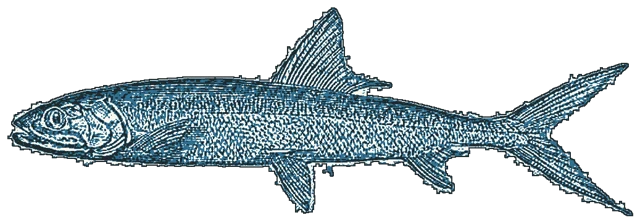
Ladyfish
Elops saurus · Saltwater
Bony, dry flesh with little food value; anglers catch them for sport and cut them up for bait.
- Tastes
- soft, very bony
- Limits
- No limits. No bag, possession or length limit. (TPWD Outdoor Annual, valid Sep. 1, 2026 through Aug. 31, 2027 (checked Nov 21, 2026)) Source
- jigs
- Do not eat (anyone): any fish from the all-fish waters on this page (Houston Ship Channel and connected waters north of the Fred Hartman Bridge, Clear Creek upstream of Clear Lake, and the closed part of upper Lavaca Bay).
- TDSHS general advice for any Texas fish: eat smaller, younger ones from different waters, remove the skin, dark meat and fat, and do not eat the organs.
- TDSHS has not tested every Texas water.
Where to fish in Texas
Fish named here are what people catch at each spot, not a promise they’re safe to eat. Read the eating advice on the fish’s card before you keep one.
# Salt or brackish# Freshwater
- 1Lake Fork reservoir · fresh
TPWD slot limit for largemouth (16-24 in; 1 at 24 in or over a day) and a winter crappie rule with no minimum.
Known for: Largemouth bass, White crappie, Channel catfish
- 2Lake Texoma reservoir · fresh
Own striped bass limit (10 a day, only 2 at 20 in or longer), 15 catfish combined, and a May alligator gar closure. Oklahoma's 2026 guide for the lake: women of childbearing age, pregnant or nursing women and children to 15 should eat no more than two meals a month of striped bass 30 in or longer.
Known for: Striped bass, Blue catfish, White bass, White crappie, Smallmouth bass
- 3Sam Rayburn Reservoir reservoir · fresh
50 channel and blue catfish a day (no more than 5 at 30 in or longer); TDSHS advisory in effect. Women of childbearing age and children under 12 should not eat largemouth over 16 in or blue catfish over 30 in from here; everyone else, no more than two 8-oz meals a month.
Known for: Largemouth bass, White crappie, Blue catfish
- 4Toledo Bend Reservoir reservoir · fresh
8 black bass a day, 50 catfish a day, striped bass with no minimum (only 2 at 30 in or longer). TDSHS: no more than two 8-oz meals a month of largemouth bass (counting freshwater drum; children, 4-oz meals). Louisiana's list for the lake tells women of childbearing age and children under 7 to keep flathead, white crappie, largemouth, spotted bass and drum to two meals a month combined.
Known for: Largemouth bass, Striped bass, White crappie, Blue catfish, Flathead catfish
- 5Amistad Reservoir reservoir · fresh
Border reservoir on the Rio Grande; TPWD's exceptions list has no Amistad entry, so statewide limits apply.
Known for: Largemouth bass, Channel catfish, Blue catfish
- 6Falcon International Reservoir reservoir · fresh
Own alligator gar rule: 5 a day, possession 10, no harvest reporting.
Known for: Largemouth bass, Alligator gar, Channel catfish
- 7Choke Canyon Reservoir reservoir · fresh
Catfish rule differs from statewide: 14 in minimum and 15 a day.
Known for: Largemouth bass, Channel catfish, Blue catfish, White crappie, Alligator gar
- 8O. H. Ivie Reservoir reservoir · fresh
Largemouth rule is no minimum, but only 2 under 18 in may be kept each day.
Known for: Largemouth bass, Channel catfish, Flathead catfish
- 9Guadalupe River below Canyon Dam tailrace · fresh
Two trout zones with slot and artificial-lure rules below the dam; Guadalupe bass is the state fish.
Known for: Rainbow trout, Guadalupe bass, Largemouth bass
Access: Check TPWD trout zone rules before keeping fish.
- 10Galveston Bay estuary · brackish
Texas's largest estuary on the Gulf Coast (USGS); TDSHS advisories on catfish and (upper bay) spotted seatrout. Women of childbearing age and children under 12 should not eat any catfish from the bay or spotted seatrout from the upper bay; everyone else, no more than one 8-oz meal a month of these. Do not eat any fish from the Houston Ship Channel and connected waters north of the Fred Hartman Bridge.
Known for: Spotted seatrout, Red drum, Black drum, Southern flounder, Sheepshead
- 11Corpus Christi Bay and Aransas Pass estuary · brackish
Central coast bay system; state saltwater limits apply (red drum 3 a day, 20-28 in).
Known for: Red drum, Spotted seatrout, Black drum, Southern flounder, Sheepshead
- 12Lower Laguna Madre estuary · brackish
Shallow lagoon along the lower coast; state saltwater limits apply.
Known for: Spotted seatrout, Red drum, Black drum, Sheepshead
- 13Sabine Lake estuary · brackish
TDSHS advisory on gafftopsail catfish (adults no more than three 8-oz meals a month). Children under 12 and women who are pregnant, nursing or may become pregnant: no more than one 4-oz meal a month.
Known for: Red drum, Spotted seatrout, Gafftopsail catfish, Black drum, Southern flounder
- 14Port Aransas jetties and surf surf · salt
Jetties and Gulf surf: TPWD shark rule (1 a day, circle hooks) and red drum slot apply. Women of childbearing age and children under 12 should not eat king mackerel or any shark from Texas coastal waters; everyone else, no more than two 8-oz meals a month (king mackerel under 35 in, one a week).
Known for: Red drum, Black drum, Sheepshead, King mackerel, Spanish mackerel
Texas fishing license and rules
- Resident: $30 Resident Freshwater Package (license + freshwater endorsement); $40 All-Water Package
- Nonresident: $58 Non-resident Freshwater Package; $68 All-Water Package
- Nonresident short-term: $16 One-Day All-Water License (no endorsements needed; extra consecutive days can be added at purchase)
- Saltwater: Saltwater endorsement on top of a fishing license, normally bought as a package: $35 resident, $63 nonresident Saltwater Package, each including a red drum tag and a spotted seatrout tag. The $40 resident and $68 nonresident All-Water Packages cover both fresh and salt water.
- Who needs one: 17 and older; under 17 exempt. Also exempt: Texas residents born before January 1, 1931; Oklahoma residents 65 or older; and Louisiana residents 65 or older with a valid Louisiana recreational fishing license.
- Free fishing days: Saturday, June 5, 2027 (first Saturday in June): no license or endorsements needed; bag and length limits still apply. Fishing is also license-free in more than 70 state parks all year (park entry fees apply). The 2026 day was Saturday, June 6.
More license details
License year runs Sept. 1 to Aug. 31; packages are valid from date of sale to Aug. 31, and residents can buy a $47 Year-from-Purchase All-Water Package. Resident one-day all-water $11 (nonresident $16); a red drum tag and spotted seatrout tag are available at no extra charge with a one-day license. Resident seniors 65 and older: $12 freshwater, $17 saltwater, $22 all-water. The spotted seatrout tag lets you keep one seatrout over 28 in per license year, and the red drum tag one red drum over 28 in. The $12 Lake Texoma License covers both the Texas and Oklahoma waters of Lake Texoma and is valid until Dec. 31 after issue. Fishing is license-free in more than 70 state parks (park entry fees apply).
Buy a license License types and fees
Fees: 2026-27 license year (Sept. 1, 2026 to Aug. 31, 2027), TPWD Outdoor Annual, Nov 21, 2026.
- License year runs Sept. 1 to Aug. 31. Saltwater fishing needs a saltwater endorsement (sold in packages that include a red drum tag and a spotted seatrout tag); anglers under 17 need no license.
- Red drum: 3 a day, 20-28 in. One oversized red drum (over 28 in) per license year with a Red Drum Tag, plus one more with a Bonus Red Drum Tag.
- Spotted seatrout: 3 a day, 15-20 in; one fish over 28 in per license year with a Spotted Seatrout Tag, plus one more with a Bonus tag.
- Flounder: 5 a day, 15 in minimum, closed Nov 1 to Dec 14.
- Alligator gar: 1 a day and every fish kept must be reported within 24 hours in the Texas Hunt & Fish app or online, except at Falcon (5 a day, no reporting). Gar taken with archery gear may not be released.
- Saltwater limits apply to saltwater species caught in brackish or fresh water; freshwater limits apply to freshwater fish caught in salt water.
- Law requires draining water from boats and onboard containers when leaving or approaching public fresh waters (zebra mussels).
- Sharks: 1 a day for all allowable species combined, non-offset non-stainless steel circle hooks required in state waters; many species (sandbar, dusky, shortfin mako, white and others) are catch and release only.
- Red snapper: state waters open year-round, 4 a day, 15 in, circle hooks required with natural bait; the federal-water private recreational season is separate (2 a day, 16 in, counted toward the state 4) and ran May 22 to Nov. 20, 2026.
- License ID check since Aug. 3, 2026: buyers 17 and over must show valid ID. An unexpired, not temporary or limited-term, driver license is enough for Texans and most other states. Residents of CA, CO, CT, DE, HI, IL, MA, MD, MN, NV, NJ, NM, NY, OR, RI, UT, VT, VA, WA, DC and the US territories need a REAL ID, or a regular license plus a passport, birth certificate or military ID shown in person. Foreign residents must buy in person with a passport (plus a visa or green card where required). Online sales add a $5 fee.
- Community Fishing Lakes (public impoundments 75 acres or smaller entirely inside city limits or a municipal, city, county or state park): 5 fish a day, all species combined, only 1 of them a black bass (14 in minimum); pole and line only, no more than two poles.
Limits here are summaries for convenience, checked on the date shown. The official Texas regulations govern; check them before you keep a fish.
Before you eat it
- Do not eat any fish (anyone), Texas Department of State Health Services (TDSHS): Clear Creek upstream and west of Clear Lake; the Houston Ship Channel and connected waters north of the Fred Hartman Bridge (State Highway 146), including the San Jacinto River below the Lake Houston dam (blue crabs too); the Clear Fork of the Trinity River below the Benbrook Reservoir dam, the West Fork below the Lake Worth dam and the main Trinity down to the US 287 bridge; and Leon Creek in San Antonio from the Old US 90 bridge to the Loop 410 bridge.
- Do not eat or keep any fish or crab (anyone) from the Donna Irrigation System in Hidalgo County or the closed part of upper Lavaca Bay in Calhoun County (inshore of the marked line that starts at the northeast end of the Lavaca Bay Causeway): possession is banned there (catch and release is lawful).
Do not eat (anyone), by fish: any gar from Lake Livingston and the Trinity River from US 287 to US 90; longnose gar from the Arroyo Colorado, Llano Grande Lake and the Main Floodway … (see the full list)
Do not eat (anyone), by fish: any gar from Lake Livingston and the Trinity River from US 287 to US 90; longnose gar from the Arroyo Colorado, Llano Grande Lake and the Main Floodway upstream of the Port of Harlingen; smallmouth buffalo from Mountain Creek Lake, Lake Worth and the Trinity up to Eagle Mountain Lake, and the Neches River from State Highway 7 to US 96 with Sam Rayburn and B.A. Steinhagen reservoirs; common carp from Mountain Creek Lake, Ellison Creek Reservoir (Lone Star Lake), Lake Como and Echo Lake; freshwater drum from Mountain Creek Lake; hybrid striped bass from Ellison Creek Reservoir.
- Do not eat (anyone), Gulf: blue marlin of any length (mercury). Near the Flower Garden Banks (ciguatera toxin, which cooking does not remove): king mackerel, amberjack, barracuda and yellow, horse-eye or black jack caught within 50 miles; marbled, gag, scamp or yellowfin grouper, blackfin or dog snapper, and hogfish caught within 10 miles. TDSHS and FDA ask people not to eat fish from that reef.
- Do not eat (women of childbearing age, children under 12), all Texas coastal waters (mercury): king mackerel, any shark, crevalle jack, wahoo, blackfin tuna, little tunny or swordfish. Adult men and women past childbearing age: two 8-oz meals a month of these, except king mackerel under 35 in, one 8-oz meal a week.
- Do not eat (women of childbearing age, children under 12), bays: any catfish from Galveston Bay and connected waters, including Chocolate, East, Trinity and West bays, and spotted seatrout or blue crab from upper Galveston Bay. Everyone else: one 8-oz meal a month of these.
Do not eat (women of childbearing age, children under 12), fresh water: blue or flathead catfish, drum, or smallmouth buffalo from Lake Livingston and the Trinity (US 287 to US 90) … (see the full list)
Do not eat (women of childbearing age, children under 12), fresh water: blue or flathead catfish, drum, or smallmouth buffalo from Lake Livingston and the Trinity (US 287 to US 90); flathead, gar, blue catfish over 30 in, or largemouth or spotted bass over 16 in from Sam Rayburn, B.A. Steinhagen and the Neches (State Highway 7 to US 96); blue or flathead catfish, crappie, or largemouth or spotted bass from Lake Alan Henry; channel or flathead catfish, white bass, sunfish or spotted gar from Ellison Creek Reservoir; channel catfish or white bass from Mountain Creek Lake; flathead from Lake Worth; largemouth from Echo Lake; smallmouth buffalo from the Arroyo Colorado waters.
- Do not eat (women who are or may become pregnant, or nursing): striped bass or longnose gar from Canyon Lake; crappie, gar or largemouth from Village Creek (Hardin County); largemouth from Lakes Madisonville and Isabell; largemouth or drum from Clear Lake (bowfin too) and Hills Lake (Panola County); common carp from Fosdic Lake.
- A meal is 8 oz, or 4 oz for women of childbearing age (under 50) and children under 12. Once you have eaten a listed water's meals for the month, TDSHS says to eat no more fish from any water with an advisory. For any Texas fish: eat smaller, younger ones from different waters, remove the skin, dark meat and fat, and do not eat the organs or any fish that looks sick, dying or dead.
- Sabine Lake: gafftopsail catfish, adults no more than three 8-oz meals a month; children under 12 and women who are pregnant, nursing or may become pregnant, one 4-oz meal a month.
- Lake Livingston and the Trinity River (US 287 to US 90): blue catfish, flathead catfish and smallmouth buffalo no more than one 8-oz serving a month for adult men and women past childbearing age.
- Toledo Bend, Caddo Lake and Big Cypress Creek: largemouth bass and freshwater drum together, adults no more than two 8-oz meals a month in all, not two from each lake (children, 4-oz meals). Any fish from Lake Kimball (Hardin and Tyler counties) or Lake Pruitt (Cass County), and walleye from Lake Meredith: also two 8-oz meals a month.
- Shared lakes, the other state's list: Louisiana (2026) tells women of childbearing age and children under 7 to eat no bowfin from Toledo Bend or Caddo Lake and no more than two or three meals a month, combined, of the bass, crappie, flathead and drum it lists there. Oklahoma (2026) tells women of childbearing age and children to 15 to eat no more than two meals a month of Lake Texoma striped bass 30 in or longer. Follow the stricter list.
- TDSHS issues Texas fish consumption bans and advisories; TPWD lists them on one page. TDSHS has not tested every Texas water. Questions: 512-834-6757.
Local lingo
- redfish (red drum)
- specks or speckled trout (spotted seatrout)
- bull red (oversized red drum)
- sand bass (white bass)
- gaspergou or gou (freshwater drum)
- gator gar (alligator gar)
- gafftop (gafftopsail catfish)
- slab (large crappie)
Questions anglers ask about Texas
Do I need a saltwater fishing license in Texas?
Saltwater endorsement on top of a fishing license, normally bought as a package: $35 resident, $63 nonresident Saltwater Package, each including a red drum tag and a spotted seatrout tag. The $40 resident and $68 nonresident All-Water Packages cover both fresh and salt water.
What is the best fish to eat in Texas?
18 of the 37 fish on our Texas board rate Best eating. They include: white bass, striped bass, hybrid striped bass, white crappie, black crappie and bluegill.
What is the state fish of Texas?
Guadalupe bass: State fish, House Concurrent Resolution 61, 71st Legislature (1989). Red drum: State saltwater fish, House Concurrent Resolution 133, 82nd Legislature (2011).
Does Texas have free fishing days?
Saturday, June 5, 2027 (first Saturday in June): no license or endorsements needed; bag and length limits still apply. Fishing is also license-free in more than 70 state parks all year (park entry fees apply). The 2026 day was Saturday, June 6.
Which Texas fish are better to eat than their reputation?
We give the Worth a try badge to alligator gar, longnose gar, freshwater drum, common carp, smallmouth buffalo and black drum: fish most anglers toss or rate low that eat well when they're cleaned and cooked right. Each card says how.
Neighboring states
Sources
Limits, prices and advisories come from these pages, read on or before Nov 21, 2026. Where a line gives its own date, that’s the date it rests on. Eating advice changes: check the state’s current list. Ratings are national and come from the fish’s own page.
104 sources
- fishgame.com king mackerel: baits
- fishgame.com kingfish (whiting): baits
- fishgame.com Spanish mackerel: baits; kingfish (whiting): baits
- oklahoma.gov striped bass: advisory
- tpwd.texas.gov Guadalupe bass: baits
- tpwd.texas.gov license buy
- tpwd.texas.gov red drum: Braunig
- tpwd.texas.gov largemouth bass: Caddo slot
- tpwd.texas.gov red drum: Calaveras
- tpwd.texas.gov blue catfish: Choke Canyon; channel catfish: Choke Canyon; fishing spots
- tpwd.texas.gov blue catfish: Conroe; channel catfish: Conroe; largemouth bass: Conroe
- tpwd.texas.gov fishing spots
- tpwd.texas.gov blue catfish: Lewisville and the lakes with the same rule; channel catfish: Lewisville and the lakes with the same rule
- tpwd.texas.gov black crappie: Fork; common carp: Fork carp rule; fishing spots; largemouth bass: Lake Fork slot; white crappie: Fork
- tpwd.texas.gov blue catfish: Livingston
- tpwd.texas.gov blue catfish: Proctor and the lakes with the same rule; channel catfish: Proctor and the lakes with the same rule
- tpwd.texas.gov channel catfish: Rayburn; fishing spots
- tpwd.texas.gov fishing spots; largemouth bass: O. H. Ivie
- tpwd.texas.gov alligator gar: Texoma May closure; blue catfish: Texoma; channel catfish: Texoma; fishing spots; flathead catfish: Texoma; hybrid striped bass: Texoma; striped
- tpwd.texas.gov fishing spots; flathead catfish: Toledo Bend; largemouth bass: Toledo Bend; striped bass: Toledo Bend; white bass: Toledo Bend
- tpwd.texas.gov common carp: Lady Bird Lake
- tpwd.texas.gov Guadalupe bass: Guadalupe River; fishing spots; rainbow trout: Guadalupe River trout zones
- tpwd.texas.gov alligator gar: Red River May closure; blue catfish: Red River; channel catfish: Red River; flathead catfish: Red River
- tpwd.texas.gov largemouth bass: Sabine River
- tpwd.texas.gov blue catfish: Trinity River below Livingston; channel catfish: Trinity River below Livingston; striped bass: Trinity River below Livingston
- tpwd.texas.gov largemouth bass: Southeast Texas
- tpwd.texas.gov catch survey
- tpwd.texas.gov rainbow trout: advisory
- tpwd.texas.gov state records
- tpwd.texas.gov blue catfish: baits; channel catfish: baits; largemouth bass: where; smallmouth bass: where; striped bass: where; white bass: months; white bass: where
- tpwd.texas.gov alligator gar: where; blue catfish: where; channel catfish: where; flathead catfish: where; largemouth bass: baits; largemouth bass: where; white bass: months;
- tpwd.texas.gov channel catfish: where; largemouth bass: months; largemouth bass: where
- tpwd.texas.gov bluegill: baits; bluegill: months; channel catfish: where; flathead catfish: baits; largemouth bass: baits; largemouth bass: months; largemouth bass: where; red
- tpwd.texas.gov blue catfish: months; blue catfish: where; channel catfish: months; hybrid striped bass: where; striped bass: baits; striped bass: where; white bass: months; wh
- tpwd.texas.gov largemouth bass: months; largemouth bass: where; redear sunfish: where; white crappie: where
- tpwd.texas.gov blue catfish: baits; blue catfish: months; blue catfish: where; channel catfish: baits; channel catfish: months; channel catfish: where; flathead catfish: baits
- tpwd.texas.gov flathead catfish: baits; largemouth bass: months; largemouth bass: where; redear sunfish: baits; redear sunfish: months; redear sunfish: where; striped bass: ba
- tpwd.texas.gov where to fish
- tpwd.texas.gov alligator gar: months; alligator gar: names; alligator gar: where
- tpwd.texas.gov bluegill: months; bluegill: names; bluegill: where
- tpwd.texas.gov black drum: baits; black drum: months; black drum: names; black drum: where
- tpwd.texas.gov blue catfish: names; blue catfish: where
- tpwd.texas.gov flathead catfish: months; flathead catfish: names; flathead catfish: where
- tpwd.texas.gov channel catfish: baits; channel catfish: months; channel catfish: names; channel catfish: where
- tpwd.texas.gov Rio Grande cichlid: months; Rio Grande cichlid: names; Rio Grande cichlid: where
- tpwd.texas.gov cobia: baits; cobia: months; cobia: names; cobia: where
- tpwd.texas.gov black crappie: months; black crappie: names; black crappie: where
- tpwd.texas.gov Atlantic croaker: baits; Atlantic croaker: months; Atlantic croaker: names; Atlantic croaker: where
- tpwd.texas.gov common carp: months; common carp: names; common carp: where
- tpwd.texas.gov southern flounder: baits; southern flounder: months; southern flounder: names; southern flounder: where
- tpwd.texas.gov freshwater drum: months; freshwater drum: names; freshwater drum: where
- tpwd.texas.gov gafftopsail catfish: baits; gafftopsail catfish: names; gafftopsail catfish: where
- tpwd.texas.gov Guadalupe bass: months; Guadalupe bass: names; Guadalupe bass: where
- tpwd.texas.gov hardhead catfish: baits; hardhead catfish: names; hardhead catfish: where
- tpwd.texas.gov largemouth bass: names
- tpwd.texas.gov longnose gar: baits; longnose gar: months; longnose gar: names; longnose gar: where
- tpwd.texas.gov striped mullet: months; striped mullet: names; striped mullet: where
- tpwd.texas.gov rainbow trout: where
- tpwd.texas.gov red drum: baits; red drum: months; red drum: names; red drum: where
- tpwd.texas.gov red snapper: baits; red snapper: months; red snapper: names; red snapper: where
- tpwd.texas.gov sheepshead: baits; sheepshead: months; sheepshead: names; sheepshead: where
- tpwd.texas.gov smallmouth buffalo: baits; smallmouth buffalo: months; smallmouth buffalo: where
- tpwd.texas.gov smallmouth bass: months; smallmouth bass: names; smallmouth bass: where
- tpwd.texas.gov spotted bass: names; spotted bass: where
- tpwd.texas.gov striped bass: baits; striped bass: names; striped bass: where
- tpwd.texas.gov spotted seatrout: baits; spotted seatrout: months; spotted seatrout: names; spotted seatrout: where
- tpwd.texas.gov redear sunfish: baits; redear sunfish: months; redear sunfish: names; redear sunfish: where
- tpwd.texas.gov white crappie: baits; white crappie: months; white crappie: names; white crappie: where
- tpwd.texas.gov white bass: names
- tpwd.texas.gov red snapper: federal bag and descending device rule
- tpwd.texas.gov red snapper: 2026 federal closing date
- tpwd.texas.gov rainbow trout: baits; rainbow trout: months; rainbow trout: where; rainbow trout: why_common
- tpwd.texas.gov black drum: baits; cobia: baits; common carp: baits; freshwater drum: baits; gafftopsail catfish: baits; hybrid striped bass: baits; king mackerel: where
- tpwd.texas.gov Atlantic croaker: baits; Atlantic croaker: names; Atlantic croaker: where; black crappie: baits; black crappie: where; black drum: baits; bluegill: baits; blueg
- tpwd.texas.gov Atlantic croaker: months; Atlantic croaker: where; Spanish mackerel: months; Spanish mackerel: where; blacktip shark: months; blacktip shark: where; gafftopsail
- tpwd.texas.gov Guadalupe bass: regs; Rio Grande cichlid: regs; alligator gar: regs; black crappie: regs; blue catfish: regs; bluegill: regs; channel catfish: regs; common carp
- tpwd.texas.gov Rio Grande cichlid: bait fish exception; fishing spots
- tpwd.texas.gov alligator gar: gar rules and exceptions; longnose gar: regs
- tpwd.texas.gov Atlantic croaker: advisory; Guadalupe bass: advisory; Rio Grande cichlid: advisory; Spanish mackerel: advisory; alligator gar: advisory; black crappie: advisory
- tpwd.texas.gov saltwater regs; top species
- tpwd.texas.gov gafftopsail catfish: regs; hardhead catfish: saltwater catfish table
- tpwd.texas.gov cobia: regs
- tpwd.texas.gov Atlantic croaker: regs; black drum: regs; fishing spots; hardhead catfish: regs; kingfish (whiting): regs; ladyfish: regs; red drum: regs
- tpwd.texas.gov southern flounder: regs
- tpwd.texas.gov Spanish mackerel: regs; king mackerel: regs
- tpwd.texas.gov striped mullet: regs
- tpwd.texas.gov fishing spots; spotted seatrout: regs
- tpwd.texas.gov blacktip shark: regs; fishing spots
- tpwd.texas.gov sheepshead: regs
- tpwd.texas.gov red snapper: regs
- tpwd.texas.gov license fees; license info
- tpwd.texas.gov free fishing days
- deq.louisiana.gov black crappie: advisory; flathead catfish: advisory; spotted bass: advisory; white bass: advisory; white crappie: advisory
- dshs.texas.gov Atlantic croaker: advisory; Guadalupe bass: advisory; Rio Grande cichlid: advisory; Spanish mackerel: advisory; alligator gar: advisory; black crappie: advisory
- dshs.texas.gov Atlantic croaker: advisory; Rio Grande cichlid: advisory; Spanish mackerel: advisory; black drum: advisory; bluegill: advisory; channel catfish: advisory; hardh
- dshs.texas.gov cobia: advisory; king mackerel: advisory; red snapper: advisory
- dshs.texas.gov Guadalupe bass: advisory; alligator gar: advisory; blacktip shark: advisory; cobia: advisory; flathead catfish: advisory; freshwater drum: advisory; largemouth
- gameandfishmag.com Guadalupe bass: baits; Rio Grande cichlid: baits
- gameandfishmag.com hybrid striped bass: months
- govinfo.gov cobia: federal waters rule
- govinfo.gov red drum: federal waters rule
- govinfo.gov red snapper: 2026 federal opening date
- in-fisherman.com alligator gar: baits
- tsl.texas.gov Guadalupe bass: state fish; red drum: state saltwater fish; state fish
Illustrations: stencils we made from public-domain art by John J. Baird (Black crappie); Duane Raver, U.S. Fish and Wildlife Service (Blue catfish, Channel catfish, Flathead catfish, Rainbow trout, Red drum, Redear sunfish, Spotted seatrout, Striped bass, White bass, White crappie, Blacktip shark, Smallmouth bass); NOAA (Bluegill); James Alexander Henshall (Cobia, Red snapper); William Welsh (Kingfish (whiting)); Sherman Foote Denton (Sheepshead); Charles Hugh Stevenson (Southern flounder); Hugh McCormick Smith (Atlantic croaker, Black drum, Spanish mackerel, Striped mullet); U.S. Fish and Wildlife Service (Common carp, Largemouth bass); H. L. Todd (Gafftopsail catfish); New York Fish and Game Commission (King mackerel); C. W. Nash (Longnose gar); Albert Günther (Ladyfish), via Wikimedia Commons.
Spotted an error or a rule that changed? Tell us and we will check it against the official source.