Minnesota · freshwater
Fish in Minnesota: what’s worth eating, and what’s garbage
Minnesota fishing centers on walleye, the state fish, with northern pike, bluegill, crappie and perch as the everyday catch across its lakes. Border waters such as Lake of the Woods, Rainy Lake and the Rainy River add sturgeon and big-water walleye, Lake Superior and the southeast streams carry the trout and salmon, and the Red and Mississippi rivers hold catfish.
36 fish rated · limits checked Nov 21, 2026 against MNDNR, then re-checked: 317 of 333 details confirmed or corrected on the official pages
Resident $25 (Adult individual angling, residents age 18 through 89); youth age 16-17 annual is $5; 72-hour $14, 3-year $71 (a 24-hour license is also sold). Full details
Buy a licenseLimits, seasons and size rules from Minnesota Department of Natural Resources.
Freshwater limitsWalleye
Take a Kid Ice Fishing Weekend Jan. 16-18, 2027 and Take a Kid Fishing Weekend June 4-6, 2027 (June 5-7 in 2026): residents 16 and older may fish without a license if with a child under 16. Full details
The Minnesota table-fare board
Fish Minnesota anglers catch, sorted by how they eat. The bars show how heavily each one is regulated here. Tap a fish for the details.
No limits Light regs Heavy regs No harvest
Best eating17
Just OK12
Garbage fish4
Catch & release
Fish by fish
Why each one sits where it does, the current Minnesota limits, and the bait that works.
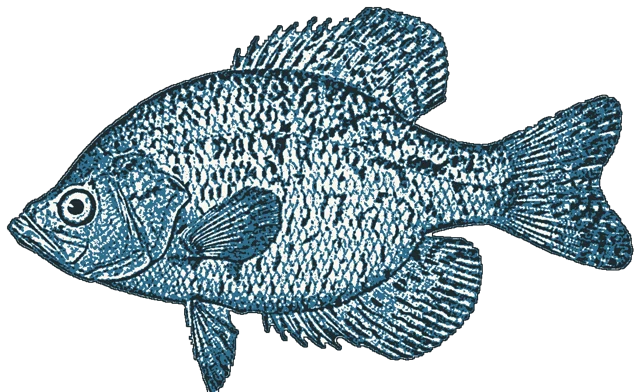
Black crappie
Pomoxis nigromaculatus · Freshwater
One of the classic fish-fry fish: MeatEater counts crappie among the best-eating fish in freshwater.
- Tastes
- mild, sweet, delicate, flaky, white
- Limits
- Light regs. Statewide 10 crappie (white and black combined), open all year. Many listed lakes cut the daily limit to 5 (for example Leech Lake) or set an 11 in minimum (Lida Lakes); Iowa border 25 sunfish and crappie combined; Wisconsin-Minnesota border waters 15 to 25 depending on the water. (2026 license year (Mar. 1, 2026 to Feb. 28, 2027); booklet updated 6.4.26) Source
- Best months
- May and June, when fish move into shallow dark-bottomed bays before spawning (DNR).
- Where
- Near brush piles, sunken trees and cattails in spring; later along points, humps and deep weedlines at dawn and dusk.
- minnow under a bobber
- small jig with a soft plastic body (1/32 to 1/8 oz)
- beetle-spin and small hard plastic lures
- Do not eat (anyone): any fish from the all-fish waters marked for everyone on this page, such as Long Meadow Lake.
- Do not eat (under 15; pregnant or may become pregnant; nursing or plan to): any fish from the all-fish waters marked for these groups on this page, such as Lake Phalen.
- Lake-by-lake advice, some of it do not eat, is on DNR LakeFinder (mndnr.gov/lakefinder) and not repeated here, so look up your lake before you eat this fish from it.
Meal limits and other waters (7)
- Limit (everyone): 4 servings a week statewide, 2 a week in Cook, Lake and St. Louis counties.
- Limit (everyone): 1 serving a month at most from the rest of the all-fish waters on this page.
- Limit (everyone): 1 a month from the St. Louis River estuary.
- Limit (everyone): 1 a week from the Mississippi River (Lake Itasca to Lake Irving, and Little Falls Dam to Blanchard Dam), Red Lake River below Thief River Falls Dam, Upper Iowa River (Mower County), Fish Lake (Eagan, Dakota County) and Gleason Lake (Wayzata, Hennepin County).
- Limit (everyone): 2 a week from the Rainy River (Koochiching County), Snake River (Pine County), Mississippi River Pools 5, 5A and 6 and Red Rock Lake (Eden Prairie, Hennepin County).
- Limit (same groups): 1 a week statewide.
- Limit (same groups): 1 a month from the St. Louis River from Cloquet down, the Mississippi River from Lake Itasca to Lake Irving, the Upper Iowa River, Fish Lake (Eagan) and Gleason Lake.
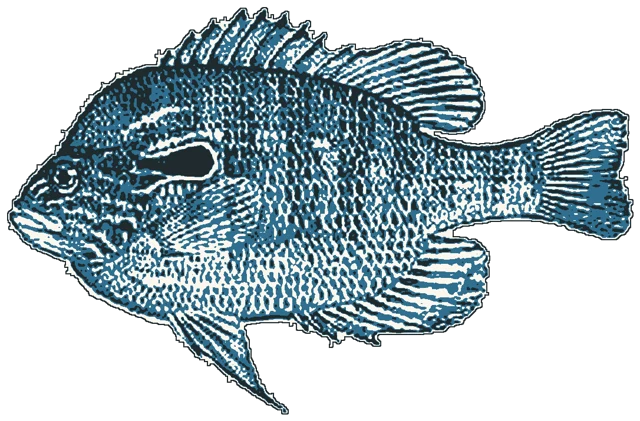
Bluegill
Lepomis macrochirus · also called gills · Freshwater
MeatEater calls the flesh light, delicate and sweet; the original fish-fry panfish.
- Tastes
- mild, sweet, firm, flaky
- Limits
- Light regs. Statewide 20 sunfish combined (bluegill, pumpkinseed, green, orangespotted, northern, warmouth and hybrids), open all year. Many listed lakes cut the daily limit to 5 or 10 while keeping the statewide possession limit (pages 45-64); 2026 additions include Green Prairie Fish Lake and Long Lake near Spaulding (5), Rabideau Lake (5), Platte and Sullivan lakes (10 combined). Canada border: 20 (Basswood Lake 5); Wisconsin-Minnesota border waters 15 to 25. (2026 license year (Mar. 1, 2026 to Feb. 28, 2027); booklet updated 6.4.26) Source
- Best months
- Spring and early summer when males guard nests in shallows; mid-day can be good in autumn (DNR).
- Where
- Shallow gravel or sand shorelines in spring and early summer; 10 feet and deeper along weedlines, brush and humps in summer.
- small worm
- grasshopper
- sunfish leech
- grub
- tiny jig
- Do not eat (anyone): any fish from the all-fish waters marked for everyone on this page, such as Long Meadow Lake.
- Do not eat (under 15; pregnant or may become pregnant; nursing or plan to): any fish from the all-fish waters marked for these groups on this page, such as Lake Phalen.
- Lake-by-lake advice, some of it do not eat, is on DNR LakeFinder (mndnr.gov/lakefinder) and not repeated here, so look up your lake before you eat this fish from it.
- Lemay Lake (Eagan, Dakota County): do not eat any fish from it until you check its LakeFinder page; the April 2025 table says 1 serving of sunfish a month (same groups).
Meal limits and other waters (5)
- Limit (everyone): 4 servings a week statewide, 2 a week in Cook, Lake and St. Louis counties.
- Limit (everyone): 1 serving a month at most from the rest of the all-fish waters on this page.
- Limit (everyone), sunfish: 1 a week from Centerville and Peltier lakes (Anoka County) and Snelling Lake (Hennepin and Ramsey counties); 2 a week from Gleason Lake (Wayzata, Hennepin County) and Mississippi River Pools 5, 5A and 6.
- Limit (same groups): 1 a week statewide.
- Limit (same groups), sunfish: 1 a month from Centerville and Peltier lakes (Anoka County) and Snelling Lake (Hennepin and Ramsey counties).
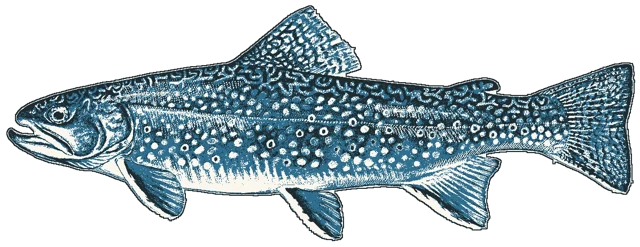
Brook trout
Salvelinus fontinalis · also called brookies · Freshwater
Often called the tastiest trout: MeatEater describes the meat as light and delicate with an almost sweet flavor.
- Tastes
- sweet, delicate, light, delicate
- Limits
- Heavy regs. Streams statewide: 5 trout combined (brook, brown, rainbow, splake), only 1 over 16 in, Apr. 11 to Sept. 30, 2026. Southeast Minnesota streams are catch-and-release Jan. 1 to Apr. 10 and Sept. 15 to Oct. 15 (closed Oct. 16 to Dec. 31), except listed streams inside state parks and city limits, which stay catch-and-release Sept. 15, 2026 to Apr. 9, 2027. Lakes: 5 combined, no more than 3 over 16 in, May 9 to Oct. 31, 2026 and in winter Jan. 16 to Mar. 31, 2027 (Jan. 1 to Mar. 31 on lakes entirely within the BWCAW). Lake Superior below posted boundaries: brook trout and splake 1, minimum 20 in, Apr. 11 to Sept. 30. (2026 license year (Mar. 1, 2026 to Feb. 28, 2027); booklet updated 6.4.26) Source
- Where
- Mostly northern and North Shore streams; the DNR trout-region tool lists exact waters.
- nightcrawler (half, hooked once)
- spinners and jigs (copper color for brook trout)
- Do not eat (anyone): any fish from the all-fish waters marked for everyone on this page, such as Raleigh Creek.
- Do not eat (under 15; pregnant or may become pregnant; nursing or plan to): any fish from the all-fish waters marked for these groups on this page, such as the Vermillion River and Miller Creek (Duluth).
- Lake-by-lake advice, some of it do not eat, is on DNR LakeFinder (mndnr.gov/lakefinder) and not repeated here, so look up your lake before you eat this fish from it.
Meal limits and other waters (4)
- Limit (everyone): 4 servings a week of inland trout statewide.
- Limit (everyone): 1 serving a month at most from the rest of the all-fish waters on this page.
- Limit (everyone): 1 a week from Tischer Creek (St. Louis County).
- Limit (same groups): 1 a week of inland trout statewide; 1 a month from Tischer Creek.
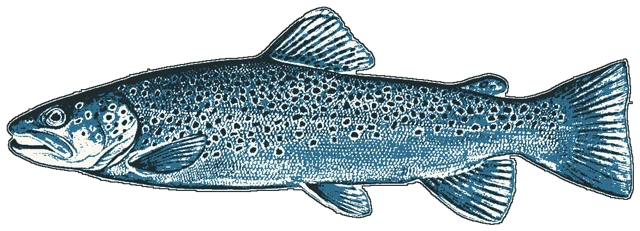
Brown trout
Salmo trutta · Freshwater
Good trout eating like rainbows; most kept browns are stocked fish.
- Tastes
- mild to rich, flaky
- Limits
- Heavy regs. Lake Superior below posted boundaries: 5 stream trout combined (brook, splake, brown, rainbow), brown trout minimum 10 in, only 1 over 16 in, open all year. Streams statewide: 5 trout combined, only 1 over 16 in, Apr. 11 to Sept. 30, 2026; southeast streams run Apr. 11 to Sept. 14 for harvest, catch-and-release Sept. 15 to Oct. 15 and from Jan. 1, and close Oct. 16 to Dec. 31, except listed streams inside state parks and city limits, which stay catch-and-release Sept. 15, 2026 to Apr. 9, 2027. (2026 license year (Mar. 1, 2026 to Feb. 28, 2027); booklet updated 6.4.26) Source
- Where
- Southern streams are mainly browns (Southeast Minnesota bluff country, Whitewater, Root and Trout Run Creek).
- nightcrawler
- chunk of chub or sucker meat (large browns)
- gold spinners
- Do not eat (anyone): any fish from the all-fish waters marked for everyone on this page, such as Raleigh Creek.
- Do not eat (under 15; pregnant or may become pregnant; nursing or plan to): any fish from the all-fish waters marked for these groups on this page, such as the Vermillion River.
- Lake-by-lake advice, some of it do not eat, is on DNR LakeFinder (mndnr.gov/lakefinder) and not repeated here, so look up your lake before you eat this fish from it.
Meal limits and other waters (4)
- Limit (everyone): 4 servings a week of inland trout statewide; 2 a week from Lake Superior.
- Limit (everyone): 1 serving a month at most from the rest of the all-fish waters on this page.
- Limit (everyone): 2 a week from the Whitewater River (Winona County) and Blackhoof River (Carlton County).
- Limit (same groups): 1 a week of inland trout statewide or from Lake Superior.
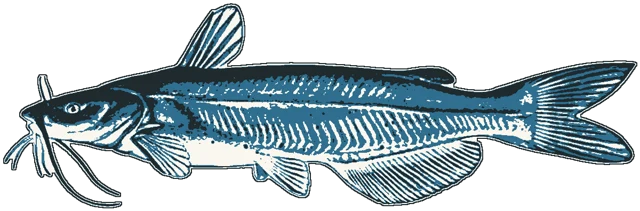
Channel catfish
Ictalurus punctatus · also called cats · Freshwater
Very good to eat (Maryland DNR) and delicious when cooked (TPWD), and the basis of US catfish farming.
- Tastes
- mild, sweet, firm, moist
- Limits
- Heavy regs. Statewide 5, only 1 over 24 in, open all year. Wisconsin-Minnesota border: Mississippi River and Lake Pepin 10 combined catfish (only 1 over 30 in); St. Croix below Taylors Falls Dam 5 (only 1 over 24 in); St. Louis River Estuary and upper St. Croix 10 combined. Iowa-Minnesota border 8 combined catfish; South Dakota border 5 combined catfish (no more than 2 flathead). (2026 license year (Mar. 1, 2026 to Feb. 28, 2027); booklet updated 6.4.26) Source
- Where
- Red River of the North (DNR: a national channel catfish destination, 20 pound fish common), Minnesota, Mississippi and St. Croix rivers.
- nightcrawler
- chicken liver
- cut chunks of minnow
- commercial stink baits
- Do not eat (anyone): any fish from the all-fish waters marked for everyone on this page, such as Hogback Pond.
- Do not eat (under 15; pregnant or may become pregnant; nursing or plan to): any fish from the all-fish waters marked for these groups on this page, such as Lake Pepin and Mississippi River Pools 2 to 4.
- Lake-by-lake advice, some of it do not eat, is on DNR LakeFinder (mndnr.gov/lakefinder) and not repeated here, so look up your lake before you eat this fish from it.
Meal limits and other waters (5)
- Limit (everyone): 1 serving a week statewide.
- Limit (everyone): 1 serving a month at most from the rest of the all-fish waters on this page.
- Limit (everyone): 1 a month from the St. Croix River from Stillwater to the Mississippi, the Mississippi River from St. Cloud Dam to Coon Rapids Dam and Pools 7 and 8, the Kettle River (Pine County), the Roseau River (Kittson County) and the St. Louis River from Cloquet to Fond du Lac Dam.
- Limit (same groups): 1 a month statewide.
- Cut away the belly fat, where PCBs accumulate (2026 booklet p. 97).
Chinook salmon
Oncorhynchus tshawytscha · also called king salmon · Freshwater
NOAA calls Chinook the most highly prized salmon in the culinary world: rich, buttery and oily.
- Tastes
- rich, buttery, oily, flaky, meaty
- Limits
- Heavy regs. Lake Superior (Minnesota waters, below posted tributary boundaries): 5 salmon combined (Chinook, coho, pink, Atlantic), minimum 10 in, open all year. (2026 license year (Mar. 1, 2026 to Feb. 28, 2027); booklet updated 6.4.26) Source
- Best months
- Year-round on Lake Superior; salmon numbers higher near Duluth in and after the cold months (DNR)
- Where
- Lake Superior and its North Shore rivers; DNR says most catches are around 3 to 4 pounds, over 10 pounds possible.
- spoons
- stickbaits
- dodger/fly combinations
Before you eat it: Health department guideline for Lake Superior Chinook: 2 servings a week, or 1 a week for children under 15 and people who are or may become pregnant or who breastfeed (or plan to).
Coho salmon
Oncorhynchus kisutch · also called silver salmon · Freshwater
High oil content, firm and flaky when cooked; NOAA notes smaller coho have a delicate flavor.
- Tastes
- mild to delicate, soft raw, firm and flaky cooked
- Limits
- Heavy regs. Lake Superior (Minnesota waters, below posted tributary boundaries): 5 salmon combined (Chinook, coho, pink, Atlantic), minimum 10 in, open all year. (2026 license year (Mar. 1, 2026 to Feb. 28, 2027); booklet updated 6.4.26) Source
- Best months
- Year-round on Lake Superior; salmon numbers higher near Duluth in and after the cold months (DNR)
- Where
- Lake Superior and its North Shore rivers; DNR says coho average 1.5 to 3 pounds.
- spoons
- stickbaits
- dodger/fly combinations
Before you eat it: Health department guideline for Lake Superior coho: 4 servings a week, or 2 a week for children under 15 and people who are or may become pregnant or who breastfeed (or plan to).
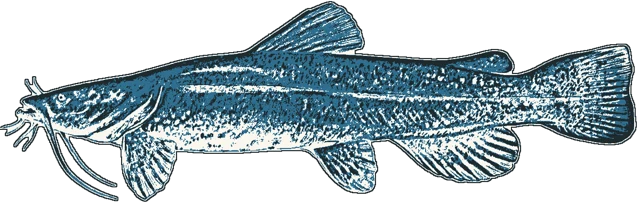
Flathead catfish
Pylodictis olivaris · Freshwater
Widely considered the best-tasting catfish because it eats live fish instead of scavenging; Maryland DNR notes its mild, white flesh.
- Tastes
- mild, clean, firm, white
- Limits
- Heavy regs. Statewide 2, only 1 over 24 in, season Apr. 1 to Nov. 30. Wisconsin-Minnesota border: Mississippi River and Lake Pepin 10 combined catfish; St. Croix below Taylors Falls Dam 2 (only 1 over 24 in). South Dakota border: no more than 2 flathead within the 5 catfish. (2026 license year (Mar. 1, 2026 to Feb. 28, 2027); booklet updated 6.4.26) Source
- Best months
- July and August are perhaps best for trophy fish; dusk, dawn and overcast days (DNR).
- Where
- Southern Minnesota: Mississippi River below Coon Rapids Dam, St. Croix below Taylors Falls (near Stillwater), Minnesota River; Mississippi Pool 2; submerged timber and rootwads.
- large live baitfish
- gobs of nightcrawlers
- Do not eat (anyone): any fish from the all-fish waters marked for everyone on this page, such as Long Meadow Lake.
- Do not eat (under 15; pregnant or may become pregnant; nursing or plan to): any fish from the all-fish waters marked for these groups on this page, such as Mississippi River Pool 2 and Lake Pepin.
- Lake-by-lake advice, some of it do not eat, is on DNR LakeFinder (mndnr.gov/lakefinder) and not repeated here, so look up your lake before you eat this fish from it.
Meal limits and other waters (5)
- Limit (everyone): 1 serving a week statewide.
- Limit (everyone): 1 serving a month at most from the rest of the all-fish waters on this page.
- Limit (everyone): 1 a month from Mississippi River Pools 5, 5A, 6, 7 and 8; 1 a month of flatheads 35 in or longer from the Minnesota River below Granite Falls.
- Limit (same groups): 1 a month statewide.
- Cut away the belly fat, where PCBs accumulate (2026 booklet p. 97).
Lake whitefish
Coregonus clupeaformis · Freshwater
The Great Lakes' signature commercial food fish; smoked whitefish is a deli staple and fresh fillets are sweet and mild.
- Tastes
- mild, sweet, flaky, delicate
- Limits
- Light regs. Statewide 15, longer than 7 in, open all year; sport netting rules are set each fall (license code 115). Dark house spearing for whitefish Nov. 15, 2026 to Feb. 28, 2027, limit 15. (2026 license year (Mar. 1, 2026 to Feb. 28, 2027); booklet updated 6.4.26) Source
- Where
- Lake of the Woods and other lakes; state record (13 lb 9 oz, 2019) from Lake of the Woods (DNR).
- Do not eat (anyone): any fish from the all-fish waters marked for everyone on this page, such as Long Meadow Lake.
- Do not eat (under 15; pregnant or may become pregnant; nursing or plan to): any fish from the all-fish waters marked for these groups on this page, such as Fish Lake Flowage (St. Louis County).
- Lake-by-lake advice, some of it do not eat, is on DNR LakeFinder (mndnr.gov/lakefinder) and not repeated here, so look up your lake before you eat this fish from it.
Meal limits and other waters (3)
- Limit (everyone): 4 servings a week from inland waters; 2 a week from Lake Superior.
- Limit (everyone): 1 serving a month at most from the rest of the all-fish waters on this page.
- Limit (same groups): 1 a week from inland waters; 2 a week from Lake Superior.
Pumpkinseed
Lepomis gibbosus · Freshwater
A standard northern panfish; MeatEater notes pond owners stock it partly for its quality as table fare.
- Tastes
- mild, sweet, flaky
- Limits
- Light regs. Statewide 20 sunfish combined (bluegill, pumpkinseed, green, orangespotted, northern, warmouth and hybrids), open all year; same special-lake exceptions as bluegill. (2026 license year (Mar. 1, 2026 to Feb. 28, 2027); booklet updated 6.4.26) Source
- Best months
- Spring and early summer when males guard nests in shallows (DNR sunfish page, written for bluegill).
- small worm
- grasshopper
- sunfish leech
- grub
- tiny jig
- Do not eat (anyone): any fish from the all-fish waters marked for everyone on this page, such as Long Meadow Lake.
- Do not eat (under 15; pregnant or may become pregnant; nursing or plan to): any fish from the all-fish waters marked for these groups on this page, such as Lake Phalen.
- Lake-by-lake advice, some of it do not eat, is on DNR LakeFinder (mndnr.gov/lakefinder) and not repeated here, so look up your lake before you eat this fish from it.
- Lemay Lake (Eagan, Dakota County): do not eat any fish from it until you check its LakeFinder page; the April 2025 table says 1 serving of sunfish a month (same groups).
Meal limits and other waters (5)
- Limit (everyone): 4 servings a week statewide, 2 a week in Cook, Lake and St. Louis counties.
- Limit (everyone): 1 serving a month at most from the rest of the all-fish waters on this page.
- Limit (everyone), sunfish: 1 a week from Centerville and Peltier lakes (Anoka County) and Snelling Lake (Hennepin and Ramsey counties); 2 a week from Gleason Lake (Wayzata, Hennepin County) and Mississippi River Pools 5, 5A and 6.
- Limit (same groups): 1 a week statewide.
- Limit (same groups), sunfish: 1 a month from Centerville and Peltier lakes (Anoka County) and Snelling Lake (Hennepin and Ramsey counties).
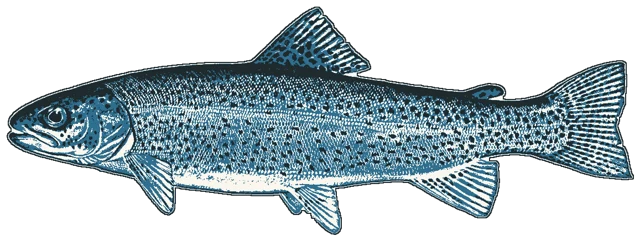
Rainbow trout
Oncorhynchus mykiss · Freshwater
TPWD calls rainbow trout an excellent fish to eat; the most-stocked put-and-take fish in America.
- Tastes
- mild, clean, delicate, flaky
- Limits
- Heavy regs. Streams statewide: 5 trout combined, only 1 over 16 in, Apr. 11 to Sept. 30, 2026; southeast streams and state parks have catch-and-release periods. Lake Superior tributaries above posted boundaries: catch-and-release only for rainbow trout. (2026 license year (Mar. 1, 2026 to Feb. 28, 2027); booklet updated 6.4.26) Source
- Where
- DNR: southern streams have mainly browns with some rainbows; Lake Superior tributaries hold steelhead (see steelhead).
- nightcrawler
- silver spinners and jigs
- Do not eat (anyone): any fish from the all-fish waters marked for everyone on this page, such as Raleigh Creek.
- Do not eat (under 15; pregnant or may become pregnant; nursing or plan to): any fish from the all-fish waters marked for these groups on this page, such as the Vermillion River.
- Lake-by-lake advice, some of it do not eat, is on DNR LakeFinder (mndnr.gov/lakefinder) and not repeated here, so look up your lake before you eat this fish from it.
Meal limits and other waters (3)
- Limit (everyone): 4 servings a week of inland trout statewide or from Lake Superior; 2 a week from the Lester River (St. Louis County).
- Limit (everyone): 1 serving a month at most from the rest of the all-fish waters on this page.
- Limit (same groups): 1 a week of inland trout statewide; 2 a week from Lake Superior.
Sauger
Sander canadensis · also called sand pike · Freshwater
The walleye's smaller river cousin, with the same fillets; MeatEater says they taste just as good.
- Tastes
- mild, clean, firm, flaky white
- Limits
- Heavy regs. Inland statewide: 6 walleye and sauger combined, only 1 walleye over 20 in, May 9, 2026 to Feb. 28, 2027. Sauger transported without head and tail intact count as walleye unless packaged by a licensed fish packer (inland and Canada border waters). Rainy Lake: 8 walleye and sauger combined, no more than 4 walleye. St. Louis River Estuary 2 combined (15 in minimum for walleye); Mississippi River Pools 3-8 including Lake Pepin 4 combined. (2026 license year (Mar. 1, 2026 to Feb. 28, 2027); booklet updated 6.4.26) Source
- Best months
- Early spring below Mississippi River dams; summer on Lake Pepin; through the ice on Lake of the Woods (DNR magazine)
- live minnows
- jigs tipped with minnows
- live bait rigs
- bright jigging spoons
- Do not eat (anyone): any fish from the all-fish waters marked for everyone on this page, such as Long Meadow Lake.
- Do not eat (under 15; pregnant or may become pregnant; nursing or plan to): any fish from the all-fish waters marked for these groups on this page, such as Lake Pepin and Mississippi River Pools 2 to 4.
- Lake-by-lake advice, some of it do not eat, is on DNR LakeFinder (mndnr.gov/lakefinder) and not repeated here, so look up your lake before you eat this fish from it.
Meal limits and other waters (4)
- Limit (everyone): 1 serving a week statewide (line for fish not listed).
- Limit (everyone): 1 serving a month at most from the rest of the all-fish waters on this page.
- Limit (everyone): 1 a month from the Red Lake River below Thief River Falls Dam.
- Limit (same groups): 1 a month statewide.
Steelhead
Oncorhynchus mykiss (anadromous) · Freshwater
Steelhead are sea-run rainbow trout, and bright fish eat like a mild salmon; hatchery fish are kept as food across the Pacific Northwest and Great Lakes.
- Tastes
- mild, rich, firm, pink-orange
- Limits
- Heavy regs. Lake Superior and tributaries below posted boundaries: clipped (adipose fin) rainbow trout 3, minimum 16 in, within a combined 5 stream trout; unclipped steelhead must be immediately released, open all year. Tributaries above posted boundaries: rainbow trout catch-and-release only, Apr. 11 to Sept. 30. Below-boundary tributaries: single hook or fly only, no treble hooks (St. Louis and Pigeon rivers exempt). (2026 license year (Mar. 1, 2026 to Feb. 28, 2027); booklet updated 6.4.26) Source
- Best months
- Year-round on Lake Superior (DNR)
- Where
- North Shore tributaries of Lake Superior; DNR describes a large rainbow that lives in Lake Superior and spawns in large North Shore rivers.
- spoons
- stickbaits
- dodger/fly combinations
- Do not eat (under 15; pregnant or may become pregnant; nursing or plan to): any fish from the all-fish waters marked for these groups on this page, such as Miller Creek (Duluth).
Meal limits and other waters (3)
- Limit (everyone): 4 servings a week of Lake Superior rainbow trout; 2 a week from the Lester River (St. Louis County).
- Limit (everyone): 1 serving a month at most from the rest of the all-fish waters on this page.
- Limit (same groups): 2 a week of Lake Superior rainbow trout; 1 a week from the Lester River, the inland trout line.
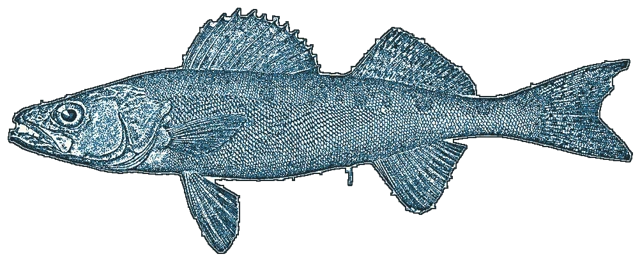
Walleye
Sander vitreus · Freshwater
Widely rated the best-eating freshwater fish: Maryland DNR calls it one of the best tasting, TPWD an excellent food fish.
- Tastes
- mild, clean, firm, tender, flaky white
- Limits
- Heavy regs. Inland statewide: 6 walleye and sauger combined, only 1 walleye over 20 in, May 9, 2026 to Feb. 28, 2027. Many listed waters differ: Leech Lake possession 4 with only 1 over 20 in; Winnibigoshish and connected waters release walleye 18 to 23 in, only 1 over 23 in; Rainy Lake and Rainy River above the International Falls dam possession 8 walleye and sauger, no more than 4 walleye, release 18 to 26 in, only 1 over 26 in; Sand Lake (Itasca) release 20 to 24 in. Mille Lacs: 3, each over 17 in, only 1 over 20 in, no culling, through Nov. 30, 2026 (DNR release of Mar. 5, 2026; LakeFinder lists the same rule to Feb. 28, 2027). Upper Red Lake: 4, only 1 over 17 in, Nov. 15, 2026 to Feb. 28, 2027 (DNR release of Nov. 9, 2026). Lake of the Woods and the Rainy River (Canada border waters): 6 walleye and sauger, no more than 4 walleye, only 1 walleye over 28 in, release 19.5 to 28 in; Lake Superior: 2, minimum 15 in. (2026 license year (Mar. 1, 2026 to Feb. 28, 2027); booklet updated 6.4.26; Mille Lacs from DNR LakeFinder (checked Nov 21, 2026), Upper Red from the DNR release of Nov. 9, 2026) Source
- Best months
- May and June is when success tends to be highest; fall trolling along shallow weedlines, gravel bars and points (DNR how-to).
- Where
- Statewide. DNR says Garrison and Baudette each claim to be the Walleye Capitol of the World; spring fish sit on big sand flats, then move to humps, saddles and points.
- jig tipped with shiner minnow or fathead chub
- minnow, nightcrawler or leech on a slip-sinker (Lindy) rig
- hard plastic crankbaits (trolled)
- Do not eat (anyone): walleye from George Lake (Martin County).
- Do not eat (anyone): any fish from the all-fish waters marked for everyone on this page, such as Long Meadow Lake.
- Do not eat (under 15; pregnant or may become pregnant; nursing or plan to): walleye 20 in or longer statewide, 18 in or longer in Cook, Lake and St. Louis counties.
- Do not eat (same groups): any size from the Red River of the North, Roseau River and Sturgeon River (St. Louis County).
- Do not eat (same groups): any fish from the all-fish waters marked for these groups on this page, such as Lake Pepin.
- Lake-by-lake advice, some of it do not eat, is on DNR LakeFinder (mndnr.gov/lakefinder) and not repeated here, so look up your lake before you eat this fish from it.
Meal limits and other waters (5)
- Limit (everyone): 1 serving a week statewide and from Lake Superior.
- Limit (everyone): 1 serving a month at most from the rest of the all-fish waters on this page.
- Limit (everyone): 1 a month, any size, from the Big Fork River, Red River of the North, Roseau River, Sturgeon River, Wild Rice River (Norman County) and Mississippi River Pools 5, 5A and 6.
- Limit (everyone): 1 a month of walleye 19 in or longer from the Mississippi River, Grand Rapids Dam to Brainerd Dam, and 22 in or longer from the St. Louis River estuary.
- Limit (same groups): 1 a month of shorter walleye, and 1 a month of Lake Superior walleye.
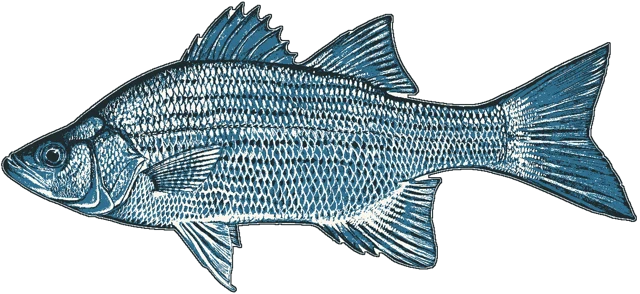
White bass
Morone chrysops · Freshwater
Texas Parks & Wildlife calls white bass superb table fare, and the spring runs fill a lot of coolers; light, flaky meat like walleye.
- Tastes
- mild, light, flaky
- Limits
- Light regs. Statewide 30 white and yellow bass combined, open all year. Wisconsin-Minnesota border: 10 combined on the Mississippi, Lake Pepin and lower St. Croix; 25 combined on the St. Louis River Estuary and upper St. Croix. Iowa-Minnesota border: no limit. North Dakota and South Dakota border waters: no limit on white bass. Special regulations on Clear Lake, Fairmont Chain and Imogene Lake raise the yellow bass daily limit to 100 (not white bass). (2026 license year (Mar. 1, 2026 to Feb. 28, 2027); booklet updated 6.4.26) Source
- Where
- Traverse, Big Stone and Hendricks lakes, and the Minnesota River; Lake Mazaska (DNR Southern outlook, 2026).
- live minnows
- slab spoon
- inline spinner
- small crankbait
- small topwater
- Do not eat (anyone): any fish from the all-fish waters marked for everyone on this page, such as Long Meadow Lake.
- Do not eat (under 15; pregnant or may become pregnant; nursing or plan to): any fish from the all-fish waters marked for these groups on this page, such as Lake Pepin and Mississippi River Pools 2 to 4.
- Lake-by-lake advice, some of it do not eat, is on DNR LakeFinder (mndnr.gov/lakefinder) and not repeated here, so look up your lake before you eat this fish from it.
Meal limits and other waters (4)
- Limit (everyone): 1 serving a week statewide (the bass line and the line for fish not listed are the same).
- Limit (everyone): 1 a month from Mississippi River Pools 5, 5A, 6 and 9 and the St. Croix River above Stillwater.
- Limit (everyone): 1 serving a month at most from the rest of the all-fish waters on this page.
- Limit (same groups): 1 a month statewide.
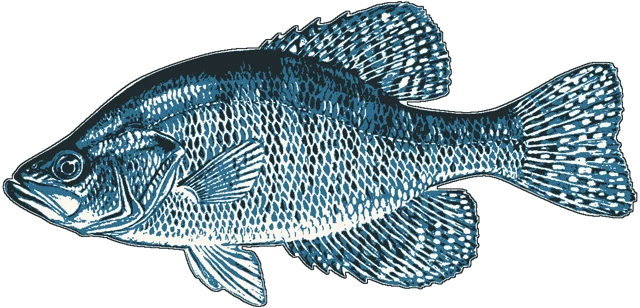
White crappie
Pomoxis annularis · Freshwater
Same top-tier panfish fillets as black crappie; one of the most popular panfish in the country.
- Tastes
- mild, sweet, delicate, flaky, white
- Limits
- Light regs. Statewide 10 crappie (white and black combined), open all year; same special-lake exceptions as black crappie. (2026 license year (Mar. 1, 2026 to Feb. 28, 2027); booklet updated 6.4.26) Source
- Best months
- May and June, when fish move into shallow dark-bottomed bays before spawning (DNR crappie page; written for crappie in general).
- minnow under a bobber
- small jig with a soft plastic body (1/32 to 1/8 oz)
- beetle-spin and small hard plastic lures
- Do not eat (anyone): any fish from the all-fish waters marked for everyone on this page, such as Long Meadow Lake.
- Do not eat (under 15; pregnant or may become pregnant; nursing or plan to): any fish from the all-fish waters marked for these groups on this page, such as Lake Pepin.
- Lake-by-lake advice, some of it do not eat, is on DNR LakeFinder (mndnr.gov/lakefinder) and not repeated here, so look up your lake before you eat this fish from it.
Meal limits and other waters (7)
- Limit (everyone): 4 servings a week statewide, 2 a week in Cook, Lake and St. Louis counties.
- Limit (everyone): 1 serving a month at most from the rest of the all-fish waters on this page.
- Limit (everyone): 1 a month from the St. Louis River estuary.
- Limit (everyone): 1 a week from the Mississippi River (Lake Itasca to Lake Irving, and Little Falls Dam to Blanchard Dam), Red Lake River below Thief River Falls Dam, Upper Iowa River (Mower County), Fish Lake (Eagan, Dakota County) and Gleason Lake (Wayzata, Hennepin County).
- Limit (everyone): 2 a week from the Rainy River (Koochiching County), Snake River (Pine County), Mississippi River Pools 5, 5A and 6 and Red Rock Lake (Eden Prairie, Hennepin County).
- Limit (same groups): 1 a week statewide.
- Limit (same groups): 1 a month from the St. Louis River from Cloquet down, the Mississippi River from Lake Itasca to Lake Irving, the Upper Iowa River, Fish Lake (Eagan) and Gleason Lake.
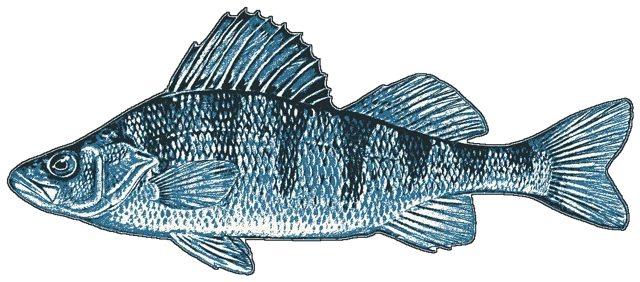
Yellow perch
Perca flavescens · Freshwater
A great food fish (MN DNR) and the centerpiece of Great Lakes perch fries; Iowa DNR calls a fried stringer of perch unsurpassed in flavor.
- Tastes
- mild, sweet, firm, flaky, white
- Limits
- Light regs. Statewide 20 daily, 40 in possession, open all year. Mille Lacs: 5, through Nov. 30, 2026 (DNR release of Feb. 5, 2026). Iowa-Minnesota border 25; North Dakota-Minnesota border 50; South Dakota-Minnesota border 15 daily and 30 in possession; Wisconsin-Minnesota border waters 15 or 25 by water. (2026 license year (Mar. 1, 2026 to Feb. 28, 2027); booklet updated 6.4.26; Mille Lacs from the DNR release of Feb. 5, 2026) Source
- worms
- Do not eat (anyone): yellow perch from Otter Lake (Hutchinson), the South Fork Crow River, Beaver (Bear) Creek and McCuen Creek (McLeod and Carver counties).
- Do not eat (anyone): any fish from the all-fish waters marked for everyone on this page, such as Long Meadow Lake.
- Do not eat (under 15; pregnant or may become pregnant; nursing or plan to): any fish from the all-fish waters marked for these groups on this page, such as Lake Phalen.
- Lake-by-lake advice, some of it do not eat, is on DNR LakeFinder (mndnr.gov/lakefinder) and not repeated here, so look up your lake before you eat this fish from it.
Meal limits and other waters (5)
- Limit (everyone): 4 servings a week statewide; 1 a week in Cook, Lake and St. Louis counties; 2 a week from Lake Superior.
- Limit (everyone): 1 serving a month at most from the rest of the all-fish waters on this page.
- Limit (everyone): 1 a week from the Prairie River (Itasca County); 2 a week from the Leech Lake River (Cass County), the Mississippi River from Knutson Dam to Cohasset Dam and Mississippi River Pools 5, 5A and 6.
- Limit (same groups): 1 a week statewide; 1 a month in Cook, Lake and St. Louis counties and from Lake Superior.
- Limit (same groups): 1 a month from the Leech Lake and Prairie rivers.
Bigmouth buffalo
Ictiobus cyprinellus · Freshwater
A food fish many people consider worth keeping despite its many bones (TPWD), but and rarely caught on hook and line, so most anglers write it off as a rough fish.
Worth a try: TPWD says many people consider it quite a food fish despite its many bones; smoke it, or fry the rib sections.
- Tastes
- mild, rich, firm, bony
- Limits
- No limits. No statewide limit, open all year. Native rough fish: may be speared, bowfished or dip netted; cannot be bought or sold. Black buffalo are protected: they cannot be taken or possessed without an endangered species permit. (2026 license year (Mar. 1, 2026 to Feb. 28, 2027); booklet updated 6.4.26) Source
- Where
- DNR: lakes and rivers in most of Minnesota except the Lake Superior watershed.
- dough baits (cottonseed meal)
- bowfishing
- Do not eat (anyone): any fish from the all-fish waters marked for everyone on this page, such as Long Meadow Lake.
- Do not eat (under 15; pregnant or may become pregnant; nursing or plan to): any fish from the all-fish waters marked for these groups on this page, such as Lake Pepin and Mississippi River Pools 2 to 4.
- Lake-by-lake advice, some of it do not eat, is on DNR LakeFinder (mndnr.gov/lakefinder) and not repeated here, so look up your lake before you eat this fish from it.
Meal limits and other waters (3)
- Limit (everyone): 1 serving a week statewide (line for fish not listed); 1 a month from Mississippi River Pools 7 and 8 and the St. Croix River from Stillwater to the Mississippi.
- Limit (everyone): 1 serving a month at most from the rest of the all-fish waters on this page.
- Limit (same groups): 1 a month statewide.
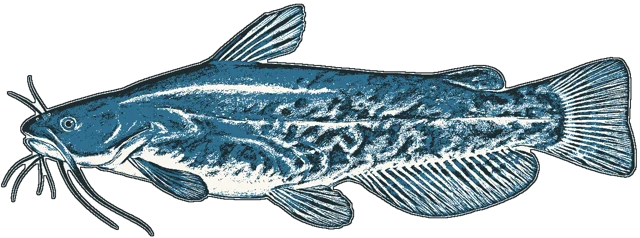
Bullhead (black, brown, yellow)
Ameiurus melas, A. nebulosus, A. natalis · Freshwater
Sweet, delicious catfish meat, but most are small and many come from warm, muddy water, so many anglers dismiss them.
- Tastes
- mild, sweet, firm, moist
- Limits
- Light regs. Statewide 100, open all year. Live bullheads cannot be transported north of Highway 210; bullheads 7 to 10 in kept for live bait count toward the limit of 100. Iowa and Wisconsin border waters: no limit. (2026 license year (Mar. 1, 2026 to Feb. 28, 2027); booklet updated 6.4.26) Source
- Where
- Black bullhead: Cedar and Long lakes (Grove City), Otter Reservoir and Big Wolf Lake (Hutchinson). Yellow bullhead: Francis, Stella and Minnie-Belle lakes. Big Stone and Lac qui Parle lakes have large bullheads (DNR Southern outlook, 2026).
- nightcrawlers
- chicken livers
- dough balls
- cut bait
- stinkbait
- Do not eat (anyone): any fish from the all-fish waters marked for everyone on this page, such as Hogback Pond.
- Do not eat (under 15; pregnant or may become pregnant; nursing or plan to): any fish from the all-fish waters marked for these groups on this page, such as Otter Lake (Hutchinson).
- Lake-by-lake advice, some of it do not eat, is on DNR LakeFinder (mndnr.gov/lakefinder) and not repeated here, so look up your lake before you eat this fish from it.
Meal limits and other waters (4)
- Limit (everyone): 4 servings a week statewide.
- Limit (everyone): 1 serving a month at most from the rest of the all-fish waters on this page.
- Limit (everyone): 1 a week from the Cedar River above Mill Pond Dam (Austin).
- Limit (same groups): 1 a week statewide; 1 a month from the Cedar River above Mill Pond Dam (Austin).
Burbot
Lota lota · also called eelpout · Freshwater
Many anglers still throw back the slimy, eel-like 'eelpout' as trash, yet Alaskans keep them for their delicate white meat.
Worth a try: A freshwater cod: skin it, take the white loins and the liver, and boil-and-butter it like 'poor man's lobster', fry it or put it in chowder (Hank Shaw).
- Tastes
- mild, sweet, firm, white, lobster-like
- Limits
- Heavy regs. Statewide 4, open all year. Mille Lacs: all burbot must be released (DNR LakeFinder). Iowa, North Dakota, South Dakota and Wisconsin border waters: no limit. (2026 license year (Mar. 1, 2026 to Feb. 28, 2027); booklet updated 6.4.26) Source
- Best months
- Winter, especially in low light (DNR species profile)
- Where
- Most northern Minnesota lakes and rivers, including Lake Superior; deep muddy bottoms such as the mud flats of Mille Lacs (DNR species profile).
- minnows
- Burbot are among the large predators that can carry elevated mercury in parts of northern and western Alaska (ADF&G).
- Do not eat (anyone): any fish from the all-fish waters marked for everyone on this page, such as Long Meadow Lake.
- Do not eat (under 15; pregnant or may become pregnant; nursing or plan to): any fish from the all-fish waters marked for these groups on this page, such as Lake Pepin.
- Lake-by-lake advice, some of it do not eat, is on DNR LakeFinder (mndnr.gov/lakefinder) and not repeated here, so look up your lake before you eat this fish from it.
- Limit (everyone): 1 serving a week statewide (line for fish not listed).
- Limit (everyone): 1 serving a month at most from the rest of the all-fish waters on this page.
- Limit (same groups): 1 a month statewide.
Cisco
Coregonus artedi · also called tullibee, lake herring, herring · Freshwater
Mild but soft and bony; mostly eaten smoked, where smoked ciscoes and chubs are a Great Lakes and deli tradition.
- Tastes
- mild, oily, soft, bony
- Limits
- Light regs. Statewide 15, longer than 7 in, open all year; sport netting rules are set each fall (license code 115). Mille Lacs per the DNR page: possession 5. Fish 7 in or shorter count as minnows for bait rules. (2026 license year (Mar. 1, 2026 to Feb. 28, 2027); booklet updated 6.4.26) Source
- Where
- Lake of the Woods and other lakes (DNR whitefish page); also used as forage by lake trout.
- Do not eat (anyone): any fish from the all-fish waters marked for everyone on this page, such as Long Meadow Lake.
- Do not eat (under 15; pregnant or may become pregnant; nursing or plan to): any fish from the all-fish waters marked for these groups on this page, such as Bde Maka Ska.
- Lake-by-lake advice, some of it do not eat, is on DNR LakeFinder (mndnr.gov/lakefinder) and not repeated here, so look up your lake before you eat this fish from it.
Meal limits and other waters (3)
- Limit (everyone): 4 servings a week of cisco (lake herring, tullibee) from inland waters or Lake Superior.
- Limit (everyone): 1 serving a month at most from the rest of the all-fish waters on this page.
- Limit (same groups): 1 a week from inland waters; 2 a week from Lake Superior.
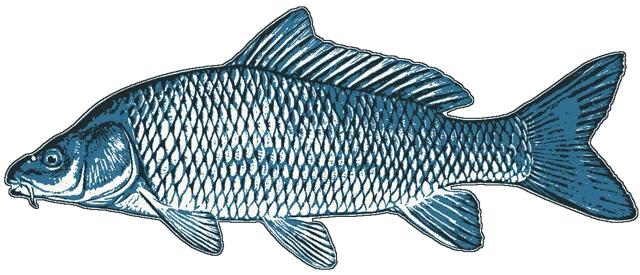
Common carp
Cyprinus carpio · Freshwater
Most US anglers call it a muddy, bony trash fish, but it is a prized food fish in Europe and Asia and eats well from clean, cold water.
Worth a try: Catch from clean water, remove the dark 'mud vein', and either score small fish and fry hard so the Y-bones soften, or hard-smoke large fish over fruitwood (Hank Shaw).
- Tastes
- mild from clean water, strong from muddy water, firm, fatty, Y-bones
- Limits
- No limits. No statewide limit, open all year. May be taken by bowfishing, spearing and dip net (not in designated trout waters); only common carp can be bought or sold. Invasive bighead, silver, black and grass carp are different: they cannot be possessed or transported except to take them to a DNR office or with a special DNR permit, and catches must be reported to DNR immediately. (2026 license year (Mar. 1, 2026 to Feb. 28, 2027); booklet updated 6.4.26) Source
- dough balls
- canned corn
- worms
- boilies
- bread
- Do not eat (anyone): carp from Otter Lake (Hutchinson), the South Fork Crow River, Beaver (Bear) Creek and McCuen Creek (McLeod and Carver counties).
- Do not eat (anyone): any fish from the all-fish waters marked for everyone on this page, such as Long Meadow Lake.
- Do not eat (under 15; pregnant or may become pregnant; nursing or plan to): any fish from the all-fish waters marked for these groups on this page, such as Lake Pepin and Mississippi River Pools 2 to 4.
- Lake-by-lake advice, some of it do not eat, is on DNR LakeFinder (mndnr.gov/lakefinder) and not repeated here, so look up your lake before you eat this fish from it.
Meal limits and other waters (5)
- Limit (everyone): 1 serving a week statewide (line for fish not listed).
- Limit (everyone): 1 serving a month at most from the rest of the all-fish waters on this page.
- Limit (everyone): 1 a month from the Cannon River from Byllesby Reservoir to the Mississippi and the St. Louis River estuary.
- Limit (same groups): 1 a month statewide.
- Cut away the belly fat, where PCBs accumulate (2026 booklet p. 97).
Freshwater drum
Aplodinotus grunniens · also called sheepshead · Freshwater
Many anglers call it a rough fish, but it is prized as food in some areas (TPWD); bled and iced, the boneless fillets eat like a redfish's.
Worth a try: Bleed it, ice it immediately and trim the red lateral meat; then fry thin fillets, grill on the half-shell like redfish, or smoke oily summer fish.
- Tastes
- mild, like other drum, firm but tender, large flake; goes soft if not iced
- Limits
- No limits. No statewide limit, open all year. Native rough fish: may be speared, bowfished or dip netted; cannot be bought or sold; a fish you do not intend to use must be released alive. Border waters: Iowa, North Dakota, South Dakota and Wisconsin waters list no limit. (2026 license year (Mar. 1, 2026 to Feb. 28, 2027); booklet updated 6.4.26) Source
- Where
- Lac qui Parle and Big Stone lakes and the Minnesota River (DNR Southern outlook, 2026).
- Do not eat (anyone): any fish from the all-fish waters marked for everyone on this page, such as Hogback Pond.
- Do not eat (under 15; pregnant or may become pregnant; nursing or plan to): any fish from the all-fish waters marked for these groups on this page, such as Lake Pepin and Mississippi River Pools 2 to 4.
- Lake-by-lake advice, some of it do not eat, is on DNR LakeFinder (mndnr.gov/lakefinder) and not repeated here, so look up your lake before you eat this fish from it.
Meal limits and other waters (3)
- Limit (everyone): 1 serving a week statewide (line for fish not listed); 1 a month from the St. Louis River estuary, Fond du Lac Dam to Lake Superior.
- Limit (everyone): 1 serving a month at most from the rest of the all-fish waters on this page.
- Limit (same groups): 1 a month statewide.
Lake trout
Salvelinus namaycush · Freshwater
Edible and widely kept, but it is the trout most often knocked as too greasy; big fish are very fatty and best smoked.
- Tastes
- rich, oily, soft to firm, fatty
- Limits
- Heavy regs. Inland: 2, summer season May 9 to Sept. 30, 2026. Winter: Jan. 17 to Mar. 31, 2026 and Jan. 16 to Mar. 31, 2027 on lakes outside or partly outside the BWCAW; Jan. 1 to Mar. 31 on lakes entirely within it. Lake Superior (Minnesota waters): 3, Dec. 1, 2025 to Oct. 4, 2026, and Dec. 1, 2026 to Oct. 3, 2027. Canada border waters: 2, May 9 to Sept. 30, 2026; winter Jan. 16 to Mar. 15, 2027 on lakes outside or partly outside the BWCAW, Jan. 1 to Mar. 31 on lakes entirely within it. (2026 license year (Mar. 1, 2026 to Feb. 28, 2027); booklet updated 6.4.26) Source
- Best months
- Open-water season May 9 to Sept. 30; ice season mid-January to Mar. 31 (DNR).
- Where
- Deep, clear, cold lakes in far north-central and northeastern Minnesota, and Lake Superior; look for cisco and smelt.
- live or dead sucker or shiner minnow on a tip-up
- jigging
- Great Lakes and some western lakes carry contaminant advisories for large lake trout; check your state advisory.
- Do not eat (anyone): any fish from the all-fish waters marked for everyone on this page, such as Long Meadow Lake.
- Do not eat (under 15; pregnant or may become pregnant; nursing or plan to): any fish from the all-fish waters marked for these groups on this page, such as Fish Lake Flowage (St. Louis County).
- Lake-by-lake advice, some of it do not eat, is on DNR LakeFinder (mndnr.gov/lakefinder) and not repeated here, so look up your lake before you eat this fish from it.
Meal limits and other waters (4)
- Limit (everyone): 1 serving a month from Lake Superior, siscowet included; 1 a week from inland lakes.
- Limit (everyone): 1 serving a month at most from the rest of the all-fish waters on this page.
- Limit (same groups): 1 a month from Lake Superior or inland lakes.
- Choose inland trout over Lake Superior trout, and cut away the belly fat, where PCBs accumulate (2026 booklet p. 97).
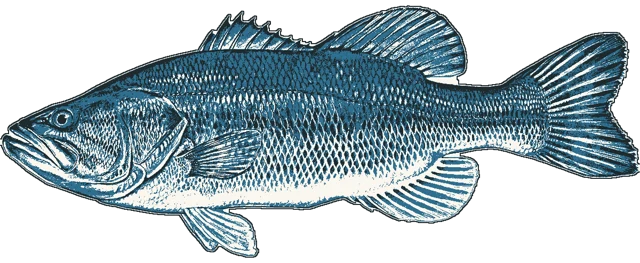
Largemouth bass
Micropterus nigricans (syn. M. salmoides) · Freshwater
Perfectly edible white fillets, but America's top catch-and-release fish and many anglers swear the meat tastes fishy or muddy, so reputation is split.
- Tastes
- mild to slightly 'fishy', firm, thick fillets
- Limits
- Heavy regs. Catch-and-release only Mar. 1 to May 22, 2026 in the Southern and North-central zones (Northeast Zone: Mar. 1 to May 8). Harvest then runs May 23, 2026 to Feb. 28, 2027 (Northeast Zone from May 9): 6 largemouth and smallmouth combined. Some listed lakes differ, for example Hovde and Moccasin lakes (Cass) are catch-and-release only for largemouth; Mille Lacs: 3 largemouth and smallmouth combined, only fish under 17 in, largemouth harvest May 23, 2026 to Feb. 28, 2027 (DNR LakeFinder). Wisconsin-Minnesota border waters: 5, 14 in minimum. (2026 license year (Mar. 1, 2026 to Feb. 28, 2027); booklet updated 6.4.26; Mille Lacs from DNR LakeFinder (checked Nov 21, 2026)) Source
- Best months
- Spring and fall in the shallows; deeper water in summer heat (DNR).
- Where
- Shallow vegetated areas, weedlines, lily pads, bulrush stands, fallen trees; DNR hot spots include Lake Minnetonka and Leech Lake bays.
- plastic worms and plastic crayfish
- soft plastic jigs and tube jigs
- swim baits, surface frogs, spinners, small spoons
- Water-body mercury advisories commonly list largemouth bass; check your state's advisory before eating large fish.
- Do not eat (anyone): bass from Mooney Lake (Hennepin County).
- Do not eat (anyone): any fish from the all-fish waters marked for everyone on this page, such as Long Meadow Lake.
- Do not eat (under 15; pregnant or may become pregnant; nursing or plan to): any fish from the all-fish waters marked for these groups on this page, such as Bde Maka Ska.
- Lake-by-lake advice, some of it do not eat, is on DNR LakeFinder (mndnr.gov/lakefinder) and not repeated here, so look up your lake before you eat this fish from it.
- Limit (everyone): 1 serving a week statewide.
- Limit (everyone): 1 serving a month at most from the rest of the all-fish waters on this page.
- Limit (same groups): 1 a month statewide.
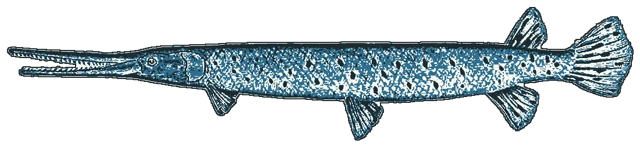
Longnose gar
Lepisosteus osseus · Freshwater
Most anglers treat it as a nuisance and few eat it, but the firm white backstraps are good once you get through the armor.
Worth a try: Cut down the back with shears or a hatchet to get past the armored scales, take the two white backstraps, and fry them or grind them into Louisiana gar balls.
- Tastes
- mild, firm, meaty, almost like alligator
- Limits
- Light regs. Statewide 10 longnose and shortnose gar combined, open all year (10 by spear, net or bow too). Border waters: 10 on Iowa, North Dakota, South Dakota and Wisconsin waters. (2026 license year (Mar. 1, 2026 to Feb. 28, 2027); booklet updated 6.4.26) Source
- Where
- DNR: shallow lakes and rivers in southern and central Minnesota.
- live minnows suspended near the surface
- rope (frayed nylon) lures
- bowfishing
- Gar eggs (roe) are toxic to people and other warm-blooded animals; never eat them (Maryland DNR).
- Do not eat (anyone): any fish from the all-fish waters marked for everyone on this page, such as Long Meadow Lake.
- Do not eat (under 15; pregnant or may become pregnant; nursing or plan to): any fish from the all-fish waters marked for these groups on this page, such as Lake Pepin and Mississippi River Pools 2 to 4.
- Lake-by-lake advice, some of it do not eat, is on DNR LakeFinder (mndnr.gov/lakefinder) and not repeated here, so look up your lake before you eat this fish from it.
- Limit (everyone): 1 serving a week statewide (line for fish not listed).
- Limit (everyone): 1 serving a month at most from the rest of the all-fish waters on this page.
- Limit (same groups): 1 a month statewide.
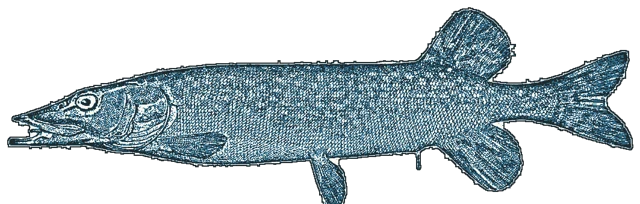
Northern pike
Esox lucius · Freshwater
The meat is white, flaky and great in flavor, but the Y-bones put many anglers off; reputation is split between 'too bony' and 'better than walleye once you learn to clean them'.
Worth a try: Remove the Y-bones with the five-fillet method, or grind, pickle or make fish balls from the meat; Hank Shaw's pike balls grind small pike so the bones vanish.
- Tastes
- mild, clean, firm, flaky white; Y-bones in the upper fillet
- Limits
- Heavy regs. Three zones, May 9, 2026 to Feb. 28, 2027 (statewide possession never more than 10). Northeast (north and east of U.S. 53, Duluth to International Falls): 2, only 1 over 40 in, release 30 to 40 in. North-central: 10, no more than 2 over 26 in, release 22 to 26 in. Southern: 2, minimum 24 in. Special waters override zones, for example Upper Red Lake: possession 3, release 30 to 40 in, only 1 over 40 in; Lake of the Woods and the Rainy River (border): 3, release 30 to 40 in, only 1 over 40 in; Mille Lacs: 5, release all over 30 in, May 9, 2026 to Mar. 31, 2027 (DNR LakeFinder). Lake Superior: 2. (2026 license year (Mar. 1, 2026 to Feb. 28, 2027); booklet updated 6.4.26; Mille Lacs from DNR LakeFinder (checked Nov 21, 2026)) Source
- Best months
- First month of the fishing season (DNR Northwest outlook, 2026)
- Where
- In weedbeds, rocky points and bulrush edges in 2 to 15 feet of water; in the northeast lower numbers but larger average size; north-central very common (DNR).
- perch- and sucker-like baits (4 to 15 in)
- jerkbait lures that mimic injured fish
- Large pike in parts of northern and western Alaska can carry enough mercury that eating large quantities can be harmful (ADF&G).
- Do not eat (anyone): any fish from the all-fish waters marked for everyone on this page, such as Long Meadow Lake.
- Do not eat (under 15; pregnant or may become pregnant; nursing or plan to): northern pike 28 in or longer statewide, 26 in or longer in Cook, Lake and St. Louis counties.
- Do not eat (same groups): any fish from the all-fish waters marked for these groups on this page, such as Lake Pepin.
- Lake-by-lake advice, some of it do not eat, is on DNR LakeFinder (mndnr.gov/lakefinder) and not repeated here, so look up your lake before you eat this fish from it.
Meal limits and other waters (4)
- Limit (everyone): 1 serving a week statewide.
- Limit (everyone): 1 serving a month at most from the rest of the all-fish waters on this page.
- Limit (everyone): 1 a month, any size, from the Red River of the North and Lake Carlos (Douglas County).
- Limit (same groups): 1 a month of shorter pike.
Rock bass
Ambloplites rupestris · Freshwater
Light, flaky fillets that some anglers rate highly, while others find them oily and fishy compared with bluegill or crappie.
- Tastes
- mild to slightly fishy, light, flaky
- Limits
- Light regs. Statewide 30, open all year. North Dakota and South Dakota border waters 20; Wisconsin-Minnesota border waters 25. (2026 license year (Mar. 1, 2026 to Feb. 28, 2027); booklet updated 6.4.26) Source
- live minnows
- crayfish
- nightcrawlers
- hellgrammites
- inline spinners
- small jigs
- Do not eat (anyone): any fish from the all-fish waters marked for everyone on this page, such as Long Meadow Lake.
- Do not eat (under 15; pregnant or may become pregnant; nursing or plan to): any fish from the all-fish waters marked for these groups on this page, such as Lake Pepin.
- Lake-by-lake advice, some of it do not eat, is on DNR LakeFinder (mndnr.gov/lakefinder) and not repeated here, so look up your lake before you eat this fish from it.
Meal limits and other waters (3)
- Limit (everyone): 1 serving a week statewide (the bass line and the line for fish not listed are the same); 1 a month from the Mississippi River, Sartell Dam to St. Cloud Dam.
- Limit (everyone): 1 serving a month at most from the rest of the all-fish waters on this page.
- Limit (same groups): 1 a month statewide.
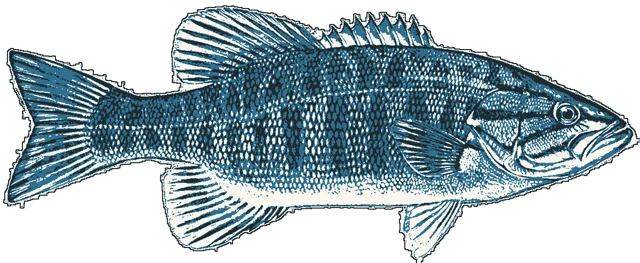
Smallmouth bass
Micropterus dolomieu · Freshwater
Firm, white and good, often rated above largemouth, but most smallmouth are released by custom and the flesh has a slight 'fishy' edge some anglers dislike.
- Tastes
- mild, slightly fishy edge, firm, thick white fillets
- Limits
- Heavy regs. Catch-and-release only Mar. 1 to May 22, 2026 (Southern and North-central zones). Harvest May 23 to Sept. 13, 2026: 6 largemouth and smallmouth combined. Catch-and-release only again from Sept. 14, 2026 to Feb. 28, 2027. Northeast Zone: catch-and-release Mar. 1 to May 8, then harvest from May 9, 2026 to Feb. 28, 2027. Wisconsin-Minnesota border waters: 5, 14 in minimum. (2026 license year (Mar. 1, 2026 to Feb. 28, 2027); booklet updated 6.4.26) Source
- Best months
- Spring and fall in the shallows; deeper water in summer heat (DNR).
- Where
- Rocky shoals, reefs and drop-offs in lakes; riffles, eddies and pools in rivers. DNR hot spots include Mille Lacs, Rainy Lake, the Mississippi River and Lake Vermilion; DNR also names the St. Croix as a smallmouth river.
- jigs tipped with a minnow or plastic twister tail
- nightcrawler or worm on a jig
- hard plastic lures, spinners, plastic crayfish and surface lures
- Do not eat (anyone): bass from Mooney Lake (Hennepin County).
- Do not eat (anyone): any fish from the all-fish waters marked for everyone on this page, such as Long Meadow Lake.
- Do not eat (under 15; pregnant or may become pregnant; nursing or plan to): any fish from the all-fish waters marked for these groups on this page, such as Lake Pepin.
- Lake-by-lake advice, some of it do not eat, is on DNR LakeFinder (mndnr.gov/lakefinder) and not repeated here, so look up your lake before you eat this fish from it.
Meal limits and other waters (3)
- Limit (everyone): 1 serving a week statewide; 1 a month from the Mississippi River, Grand Rapids Dam to Brainerd Dam, and the Vermilion River (St. Louis County).
- Limit (everyone): 1 serving a month at most from the rest of the all-fish waters on this page.
- Limit (same groups): 1 a month statewide.
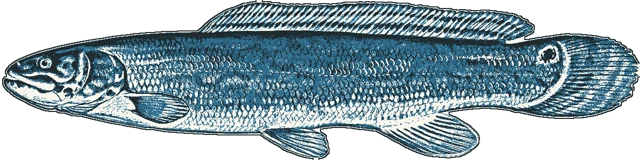
Bowfin
Amia calva (ruddy bowfin) and Amia ocellicauda (emerald bowfin) · also called dogfish · Freshwater
TPWD calls it a rough fish rather than one for the table; the soft, pale flesh earned it the nickname 'cottonfish'.
Worth a try: Keep it alive until you clean it, cook it the same day, and use it smoked, fried as patties or stewed; MeatEater serves fried bowfin with a morel cream sauce.
- Tastes
- mild, soft, jelly-like unless very fresh
- Limits
- No limits. No statewide limit, open all year. Native rough fish: may be speared, bowfished or dip netted; cannot be bought or sold. (2026 license year (Mar. 1, 2026 to Feb. 28, 2027); booklet updated 6.4.26) Source
- Where
- DNR: clear lakes and slow streams through much of Minnesota.
- live minnows
- cut bait
- jigs
- topwater lures
- Do not eat (anyone): any fish from the all-fish waters marked for everyone on this page, such as Hogback Pond.
- Do not eat (under 15; pregnant or may become pregnant; nursing or plan to): any fish from the all-fish waters marked for these groups on this page, such as Lake Pepin.
- Lake-by-lake advice, some of it do not eat, is on DNR LakeFinder (mndnr.gov/lakefinder) and not repeated here, so look up your lake before you eat this fish from it.
- Limit (everyone): 1 serving a week statewide (line for fish not listed).
- Limit (everyone): 1 serving a month at most from the rest of the all-fish waters on this page.
- Limit (same groups): 1 a month statewide.
Goldeye
Hiodon alosoides · Freshwater
MeatEater describes its flesh as soft and bony, and US anglers mostly treat it as a trash fish or cut bait.
Worth a try: Brine and hot-smoke it: smoking firms the soft, bony flesh, which is how Winnipeg goldeye became a delicacy (MeatEater).
- Tastes
- rich, mild when smoked, soft, bony
- Limits
- No limits. No statewide limit, open all year. Native rough fish; goldeye 7 in or shorter count as minnows for bait rules. (2026 license year (Mar. 1, 2026 to Feb. 28, 2027); booklet updated 6.4.26) Source
- flies
- fly-and-spinner combos
- grasshoppers
- crickets
- small minnows
- Do not eat (anyone): any fish from the all-fish waters marked for everyone on this page, such as Long Meadow Lake.
- Do not eat (under 15; pregnant or may become pregnant; nursing or plan to): any fish from the all-fish waters marked for these groups on this page, such as Lake Pepin and Mississippi River Pools 2 to 4.
- Lake-by-lake advice, some of it do not eat, is on DNR LakeFinder (mndnr.gov/lakefinder) and not repeated here, so look up your lake before you eat this fish from it.
- Limit (everyone): 1 serving a week statewide (line for fish not listed).
- Limit (everyone): 1 serving a month at most from the rest of the all-fish waters on this page.
- Limit (same groups): 1 a month statewide.
Redhorse suckers
Moxostoma spp. · Freshwater
Seldom caught on hook and line and written off as bony bottom-feeders; MeatEater notes the bones.
Worth a try: Scored and deep-fried, the Y-bones disappear and the firm, sweet flesh is delicious; MeatEater recommends shorthead, golden or silver redhorse for deep-fried sucker balls.
- Tastes
- mild, sweet, firm, white, Y-bones
- Limits
- No limits. No statewide limit on angling, open all year. Spearing: Apr. 25, 2026 to Feb. 14, 2027, limit 50; harpooning and dip net May 1, 2026 to Feb. 14, 2027. Bowfishing limit 50. Redhorse 12 in or shorter count as minnows for bait rules. (2026 license year (Mar. 1, 2026 to Feb. 28, 2027); booklet updated 6.4.26) Source
- Where
- Minnesota, Le Sueur and Blue Earth rivers and other smaller rivers (DNR Southern outlook, 2026).
- worms
- Several redhorse species are rare or state-protected; harvest only common species.
- Do not eat (anyone): any fish from the all-fish waters marked for everyone on this page, such as Long Meadow Lake.
- Do not eat (under 15; pregnant or may become pregnant; nursing or plan to): any fish from the all-fish waters marked for these groups on this page, such as Lake Pepin and Mississippi River Pools 2 to 4.
- Lake-by-lake advice, some of it do not eat, is on DNR LakeFinder (mndnr.gov/lakefinder) and not repeated here, so look up your lake before you eat this fish from it.
Meal limits and other waters (3)
- Limit (everyone): 1 serving a week statewide (line for fish not listed); 1 a month of suckers from the Vermilion River (St. Louis County).
- Limit (everyone): 1 serving a month at most from the rest of the all-fish waters on this page.
- Limit (same groups): 1 a month statewide.
White sucker
Catostomus commersonii · Freshwater
Suckers have perhaps the worst reputation of the rough fish (MeatEater) and are mostly raised and sold as bait (MN DNR); the many small bones keep most anglers from eating them.
Worth a try: Spring fish from cold water are light and sweet like walleye (MeatEater); score them deeply and fry hard, pickle them to dissolve the bones, or grind into fish cakes.
- Tastes
- light, sweet, firm, white, many small bones
- Limits
- No limits. No statewide limit on angling, open all year. Spearing: sunrise to sunset, May 1, 2026 to Feb. 28, 2027; harpooning and dip netting: May 1, 2026 to Feb. 14, 2027; limit 50 (also 50 by bowfishing). Suckers 12 in or shorter count as minnows for bait rules. (2026 license year (Mar. 1, 2026 to Feb. 28, 2027); booklet updated 6.4.26) Source
- Where
- DNR: streams and lakes throughout the state, particularly the northeast.
- nightcrawlers drifted on the bottom
- worms
- spearing/netting where legal
- Do not eat (anyone): any fish from the all-fish waters marked for everyone on this page, such as Long Meadow Lake.
- Do not eat (under 15; pregnant or may become pregnant; nursing or plan to): any fish from the all-fish waters marked for these groups on this page, such as Lake Phalen.
- Lake-by-lake advice, some of it do not eat, is on DNR LakeFinder (mndnr.gov/lakefinder) and not repeated here, so look up your lake before you eat this fish from it.
Meal limits and other waters (3)
- Limit (everyone): 1 serving a week statewide (line for fish not listed); 1 a month of suckers from the Vermilion River (St. Louis County).
- Limit (everyone): 1 serving a month at most from the rest of the all-fish waters on this page.
- Limit (same groups): 1 a month statewide.
Lake sturgeon
Acipenser fulvescens · Freshwater
Protected across most of its range after overharvest for flesh and caviar; Wisconsin DNR lists many of its lake sturgeon waters as catch and release only and requires a keeper to be at least 60 inches.
- Limits
- Heavy regs. Inland waters: catch-and-release only, June 16 to Apr. 14, no tag needed. Harvest needs a $5 sturgeon endorsement and a completed site validation (DNR app or paper); one fish per calendar year, registered within 48 hours, transported with head and tail intact, no party fishing. Canada border waters (Lake of the Woods, Rainy River): harvest Apr. 24 to May 7 and July 1 to Sept. 30, fish 45 to 50 in or over 75 in; catch-and-release May 8 to 15 and Oct. 1 to Apr. 23; closed May 16 to June 30. Lower St. Croix and Lake St. Croix: 1 per year, 60 in minimum, Sept. 5 to 30, 2026. Other Wisconsin-Minnesota waters, North Dakota and South Dakota borders: catch-and-release only. (2026 license year (Mar. 1, 2026 to Feb. 28, 2027); booklet updated 6.4.26; endorsement and registration rules from DNR online regulations (checked Nov 21, 2026)) Source
- Best months
- Harvest late April to early May and early July to late September; no fishing for sturgeon mid-May to end of June on the Rainy and Lake of the Woods (DNR).
- Where
- Lake of the Woods and the Rainy River (DNR: nearly 100,000 fish 40 in or longer in the Rainy), plus Lake Superior, St. Croix, St. Louis, Kettle and Red River of the North.
- nightcrawlers with a minnow or two, on the bottom, 5/0 circle hook
- Do not eat (anyone): any fish from the all-fish waters marked for everyone on this page, such as Long Meadow Lake.
- Do not eat (under 15; pregnant or may become pregnant; nursing or plan to): any fish from the all-fish waters marked for these groups on this page, such as Lake Pepin and Mississippi River Pools 2 to 4.
- Lake-by-lake advice, some of it do not eat, is on DNR LakeFinder (mndnr.gov/lakefinder) and not repeated here, so look up your lake before you eat this fish from it.
- Limit (everyone): 1 serving a week statewide (line for fish not listed).
- Limit (everyone): 1 serving a month at most from the rest of the all-fish waters on this page.
- Limit (same groups): 1 a month statewide.
Muskellunge
Esox masquinongy · also called muskie, fish of 10,000 casts · Freshwater
A trophy fish that is almost never kept: high minimum lengths and a strong release ethic mean most muskie anglers let their catch go.
- Limits
- Heavy regs. Inland statewide: 1 fish, minimum 54 in, June 6 to Nov. 30, 2026. Canada border waters: June 20 to Nov. 30, minimum 50 in. Wisconsin-Minnesota border waters: May 23 to Nov. 30, minimum 50 in. Iowa-Minnesota: May 21 to Nov. 30, minimum 40 in. North Dakota-Minnesota: continuous, minimum 50 in. Opener dates: June 5, 2027 and June 3, 2028 (inland). (2026 license year (Mar. 1, 2026 to Feb. 28, 2027); booklet updated 6.4.26) Source
- Best months
- Heats up mid to late summer; many of the largest are caught in October and November (DNR).
- Where
- DNR: found in 102 lakes (48 by stocking); weed edges, rocky shoals, points, around islands and sunken reefs.
- large artificial lures 5 to 10 in or longer: bucktails, spinners, plastic crankbaits, tube jigs
- Do not eat (anyone): any fish from the all-fish waters marked for everyone on this page, such as Long Meadow Lake.
- Do not eat (under 15; pregnant or may become pregnant; nursing or plan to): muskellunge of any size, statewide.
- Do not eat (same groups): any fish from the all-fish waters marked for these groups on this page, such as Bde Maka Ska and Lake Harriet.
- Lake-by-lake advice, some of it do not eat, is on DNR LakeFinder (mndnr.gov/lakefinder) and not repeated here, so look up your lake before you eat this fish from it.
- Limit (everyone): 1 serving a month statewide.
- Limit (everyone): 1 serving a month at most from the rest of the all-fish waters on this page.
Tiger muskie
Esox masquinongy x E. lucius · Freshwater
Managed like muskie, as a trophy fish with high size limits; Maryland DNR says most anglers release them.
- Limits
- Heavy regs. Inland statewide: 1 fish, minimum 40 in, June 6 to Nov. 30, 2026. (2026 license year (Mar. 1, 2026 to Feb. 28, 2027); booklet updated 6.4.26) Source
- large crankbaits imitating suckers
- bucktail spinners
- large jerkbaits
- Do not eat (anyone): any fish from the all-fish waters marked for everyone on this page, such as Long Meadow Lake.
- Do not eat (under 15; pregnant or may become pregnant; nursing or plan to): tiger muskie of any size, read from the muskellunge line.
- Do not eat (same groups): any fish from the all-fish waters marked for these groups on this page, such as Clear Lake (Forest Lake) and Crystal Lake (Robbinsdale).
- Lake-by-lake advice, some of it do not eat, is on DNR LakeFinder (mndnr.gov/lakefinder) and not repeated here, so look up your lake before you eat this fish from it.
Meal limits and other waters (3)
- Limit (everyone): 1 serving a month, the muskellunge line.
- Limit (everyone): 1 serving a month at most from the rest of the all-fish waters on this page.
- The state's tables do not name tiger muskie, a cross of northern pike and muskellunge, so the stricter parent's line is given; the line for fish not listed is 1 serving a week for everyone and 1 a month for the same groups.
Where to fish in Minnesota
Fish named here are what people catch at each spot, not a promise they’re safe to eat. Read the eating advice on the fish’s card before you keep one.
- 1Mille Lacs Lake lake · fresh
DNR: smallmouth bass are the second most common fish anglers pursue here, and the trophy fish draw anglers from across the country; walleye, northern pike and yellow perch have their own rules on this lake.
Known for: Walleye, Smallmouth bass, Northern pike, Yellow perch
Access: DNR public accesses, listed in the lake report.
- 2Lake of the Woods at Zippel Bay State Park lake · fresh
DNR: Minnesota's largest lake, with some of the best year-round fishing; walleye and sauger are the most targeted fish, and pike have a 30 to 40 in protected slot.
Known for: Walleye, Sauger, Northern pike, Lake sturgeon
Access: Zippel Bay State Park: drive-in boat access at the marina, carry-in access at the small beach, docks and an accessible fishing pier.
- 3Rainy River river · fresh
DNR: excellent walleye fishing as fish from Lake of the Woods come up the river to spawn, and the water in this area where anglers are most likely to meet lake sturgeon, including fish over 100 pounds.
Known for: Lake sturgeon, Walleye
Access: Several public boat ramps along the river, a public pier on Baudette Bay, and shore fishing near most ramps and in Franz Jevne State Park.
- 4Upper Red Lake lake · fresh
Intensive management lake with a 30 to 40 in pike release slot and walleye limits posted at accesses.
Known for: Walleye, Northern pike
Access: Portions inside the Red Lake Indian Reservation are closed to non-band members without tribal authorization.
- 5Leech Lake lake · fresh
DNR: well known among anglers as a multi-species lake, with excellent fishing for walleye, and for largemouth in the mixed-vegetation beds of most major bays.
Known for: Walleye, Largemouth bass
Access: Public accesses run by the DNR, Forest Service, Corps of Engineers and city, listed in the lake report.
- 6Lake Winnibigoshish lake · fresh
DNR: often thought of as a premier walleye and yellow perch destination; the sunfish limit is 5 a day throughout the reservoir.
Known for: Walleye, Yellow perch
Access: Forest Service accesses including Plug Hat Point, Tamarack Point and Richards Townsite.
- 7Rainy Lake lake · fresh
DNR: excellent walleye fishing under an 18 to 26 in protected slot, and a good smallmouth fishery in both numbers and size.
Known for: Walleye, Smallmouth bass
Access: Public accesses run by the DNR and National Park Service, listed in the lake report.
- 8Lake Superior at Duluth and the North Shore lake · fresh
DNR: Lake Superior, its tributary streams and their headwaters offer trout and salmon fishing unique to the North Shore. Health department: no more than 1 serving a month of Lake Superior lake trout for everyone, and for children under 15 and people who are or may become pregnant or who breastfeed (or plan to) also no more than 1 a week of brown trout or Chinook.
Known for: Lake trout, Coho salmon, Chinook salmon, Steelhead, Brown trout
Access: McQuade Small Craft Harbor (accessible piers, launch), Twin Points Protected Access (launch, crib dock) and the Two Harbors breakwall.
- 9Lake Pepin lake · fresh
DNR's outlook for Lake Pepin and Pool 4 leads with walleye and sauger, and calls lake sturgeon angling a unique and growing opportunity (catch-and-release). Health department: children under 15 and people who are or may become pregnant or who breastfeed (or plan to) should not eat any fish from Lake Pepin, and everyone else should eat no more than 1 serving a month.
Known for: Walleye, Sauger, Lake sturgeon
- 10St. Croix River at Stillwater river · fresh
DNR: from Taylors Falls to the Mississippi the river offers solid fishing for lake sturgeon, flathead and channel catfish and smallmouth bass. Health department: no more than 1 serving a month of channel catfish for everyone, from Stillwater down to the Mississippi.
Known for: Flathead catfish, Channel catfish, Smallmouth bass, Lake sturgeon
- 11Lake Minnetonka lake · fresh
DNR: many connected bays and a largemouth population with a reputation for quality fishing; numerous bass tournaments are held here every year.
Known for: Largemouth bass
Access: Multiple public and private boat launches around the lake.
- 12Red River of the North at Moorhead river · fresh
DNR: one of the premier channel catfish destinations, with 20-pounders common. Health department: children under 15 and people who are or may become pregnant or who breastfeed (or plan to) should not eat walleye of any size from the Red River, and everyone else should eat no more than 1 serving a month of walleye or northern pike.
Known for: Channel catfish
- 13Whitewater State Park and southeast trout streams river · fresh
DNR: brown trout are the most abundant and most sought-after trout in southeast streams, brook trout do best in the smaller, cleaner ones, and stocked rainbows use the fast, big water of the Whitewater streams. Health department: no more than 2 servings a week of brown trout from the Whitewater River for everyone, and 1 a week for children under 15 and people who are or may become pregnant or who breastfeed (or plan to).
Known for: Brown trout, Brook trout, Rainbow trout
Access: DNR's online trout-stream tool gives access information for each stream.
Minnesota fishing license and rules
- Resident: $25 (Adult individual angling, residents age 18 through 89); resident youth age 16-17 annual is $5; 72-hour $14, 3-year $71 (a 24-hour license is also sold)
- Nonresident: $51 (Nonresident individual angling, age 18 and over; includes a $5 surcharge); nonresident youth 16-17 annual $5
- Nonresident short-term: $14 (24-hour), $36 (72-hour), $43 (7-day); the 24- and 72-hour licenses need no trout/salmon stamp; with a 7-day license the stamp is required where it applies (ages 18-64)
- Who needs one: Residents age 16 through 89 need a license; residents under 16 and residents 90 and older do not. Nonresidents under 16 fish under a parent or guardian's license (kept fish count toward the parent's limit) or buy a nonresident youth license.
- Free fishing days: Take a Kid Ice Fishing Weekend Jan. 16-18, 2027 and Take a Kid Fishing Weekend June 4-6, 2027 (June 5-7 in 2026): residents 16 and older may fish without a license if with a child under 16. Take a Mom Fishing Weekend May 8-9, 2027 (May 9-10 in 2026): resident moms may fish without a license. Residents only.
More license details
Trout/salmon stamp ($10) is required for anglers age 18-64 on designated trout streams and lakes, Lake Superior and to harvest trout; not needed with a 24- or 72-hour license. Sturgeon endorsement ($5) is required to harvest a lake sturgeon. Licenses carry a $1 issuing fee for originals. The license year runs March 1 to the last day of February. DNR's new electronic licensing system launched June 9, 2026: buy in the Minnesota DNR Licensing app, online at licenses.dnr.state.mn.us or from a license agent. Minnesota residents may fish without a license for any species except trout when shore fishing or wading on state-owned land inside a state park, or on waters entirely inside a state park. Border waters: Minnesota residents need a Minnesota license; residents of the bordering state need their own state's license; other nonresidents may buy either.
Buy a license License types and fees
Fees: 2026 license year (Mar. 1, 2026 to Feb. 28, 2027); 2026 Minnesota Fishing Regulations updated 6.4.26.
- Season openers: walleye and northern pike May 9, 2026 (May 15, 2027); muskie June 6, 2026 (June 5, 2027); stream trout Apr. 11, 2026 (Apr. 10, 2027). Walleye and pike stay open to Feb. 28, 2027.
- Largemouth and smallmouth bass are catch-and-release only Mar. 1 to May 22, 2026 in the Southern and North-central zones (to May 8 in the Northeast Zone). In those two zones smallmouth is catch-and-release again Sept. 14, 2026 to Feb. 28, 2027; the Northeast Zone keeps harvest open to Feb. 28, 2027. New for 2026: a catch-and-release bass season now extends to all portions of the calendar year (booklet pages 29-30).
- Northern pike has three zones with different limits and slots: Northeast 2 (release 30 to 40 in, only 1 over 40 in), North-central 10 (no more than 2 over 26 in, release 22 to 26 in), Southern 2 (24 in minimum). Statewide possession never exceeds 10.
- Fish from lakes with size limits that differ from statewide rules must stay whole (head, tail, fins and skin) until you are preparing them to eat. Culling is allowed on most waters, but not on Mille Lacs (except bass) or North Dakota border waters.
- One line in open water; two lines through the ice (one on designated trout waters). Two lines are allowed in open water on the Minnesota River below the Granite Falls Dam and the Mississippi below St. Anthony Falls. New in 2026: up to 3 hooks within 18 in on one tackle configuration, with only 1 bait per line.
- On border waters you follow the rules of the state in which you are fishing; the Canada, Wisconsin, Iowa, North Dakota and South Dakota border sections list their own limits (booklet pages 66-77). Wisconsin-Minnesota waters may be fished shore to shore with either state's license, anglers on the North Dakota shoreline need a North Dakota license, and gaffs may not be possessed or used on the Rainy River.
- You cannot buy or sell game fish, native rough fish, whitefish or cisco unless you buy from a commercial, private hatchery or aquatic farm licensee; common carp, and smelt from Lake Superior, may be bought or sold. A fish you do not intend to use, including native rough fish and common carp, must go back in the water alive right away; invasive carp must be reported to DNR instead.
- Lake sturgeon: inland waters are catch-and-release, June 16 to Apr. 14. Harvest is open in set seasons on Canada border waters and the lower St. Croix and needs a $5 endorsement: 1 fish per calendar year, site validation before the fish is moved, registered within 48 hours.
- Never release bait, including worms. Unwanted bait goes in the trash; clean, drain and dispose to stop invasive species.
Limits here are summaries for convenience, checked on the date shown. The official Minnesota regulations govern; check them before you keep a fish.
Before you eat it
- All-fish waters, do not eat any fish (anyone): Lake Elmo (health department advice since 2018, per the Minnesota Pollution Control Agency's July 2025 PFOS document) and Raleigh Creek with its tributaries (Washington County); and Long Meadow Lake, Hogback Pond and the other unnamed ponds of the Minnesota Valley National Wildlife Refuge (Bloomington, Hennepin County).
- PFAS lakes east of St. Paul: the Pollution Control Agency's July 2025 document reports high PFOS in the water and fish of a group of Washington County waters that includes Eagle Point Lake, Horseshoe Lake, Sunfish Lake, Goose Lake, Rose Lake, Margaret Lake, Downs Lake, Tartan Pond, Beutel's Pond and Brown's Pond. Do not eat fish from them until you look up the water on LakeFinder or call the health department at 651-201-4911.
- Do not eat (anyone), certain fish: bass from Mooney Lake (Hennepin County); walleye from George Lake (Martin County); yellow perch and carp from Otter Lake (Hutchinson), the South Fork Crow River, Beaver Creek (called Bear Creek in the April 2025 table) and McCuen Creek (McLeod and Carver counties).
- Lakes: Minnesota puts lake-by-lake advice, some of it "do not eat", on DNR LakeFinder (mndnr.gov/lakefinder), which this page doesn't repeat, so look up your lake before you eat fish from it. The only lakes named here are those in the health department's own tables and news releases.
- All-fish waters, do not eat any fish (under 15; pregnant or may become pregnant; nursing or plan to), rivers: Mississippi River Pools 2, 3 and 4 from Ford Dam to Kellogg Dam, with Lake Pepin; the Vermillion River, its South Fork and its tributaries (Dakota, Scott and Goodhue counties), and other tributaries connected to Pool 3; and Lake Rebecca near Hastings (health department release, July 31, 2023). Everyone else, 1 serving a month at most from the rivers and Lake Pepin; look up Lake Rebecca on LakeFinder.
- All-fish waters, do not eat any fish (under 15; pregnant or may become pregnant; nursing or plan to), Twin Cities: Bde Maka Ska, Lake Harriet, Crystal and Twin lakes (Robbinsdale) and Minnehaha Creek from Lake Harriet to the Mississippi (Hennepin County); Gervais, Johanna, Josephine, Keller, Little Johanna, McCarron and Phalen lakes and the creeks from Gervais Lake to Lake Phalen (Ramsey County); Battle Creek and Battle Creek Lake, Tanners Lake and the creek to it from Beaver Lake (Maplewood), and Clear and Mud lakes in Forest Lake (Washington County). Everyone else, 1 serving a month at most.
- All-fish waters, do not eat any fish (under 15; pregnant or may become pregnant; nursing or plan to), rest of the state: Agnes, Henry and Winona lakes (Alexandria); Otter Lake (Hutchinson), the South Fork Crow River, Beaver (Bear) Creek and McCuen Creek (McLeod and Carver counties); Fish Lake Flowage, Wild Rice Lake, Beaver River and Miller Creek (St. Louis County). Everyone else, 1 serving a month at most of fish not already marked do not eat.
- All-fish waters, limit (everyone): 1 serving a month of any fish from Cedar Lake, Lake Hiawatha, Lake Nokomis and Lake of the Isles (Minneapolis), and of any other fish from George Lake (Martin County) and Mooney Lake (Hennepin County). The statewide do not eat rules for muskellunge, large pike and large walleye still apply there.
- Do not eat (under 15; pregnant or may become pregnant; nursing or plan to), certain fish: walleye of any size from the Red River of the North, Roseau River and Sturgeon River (St. Louis County).
- Statewide, for children under 15 and people who are or may become pregnant or who breastfeed (or plan to): 1 serving a week from bullhead, crappie, inland trout, cisco, lake whitefish, sunfish and yellow perch; or 1 a month from bass, catfish, lake trout, pike under 28 in, walleye under 20 in and fish not listed. Do not eat muskellunge, pike 28 in or longer or walleye 20 in or longer.
- Check your own water first, because its advice can be stricter: lakes are on DNR LakeFinder (mndnr.gov/lakefinder), rivers and Lake Superior are at health.state.mn.us/fish. Guidelines are for fillets; other parts may carry more contaminants.
- Statewide, everyone else: 4 servings a week from bullhead, crappie, inland trout, cisco, lake whitefish, sunfish and yellow perch; or 1 a week from bass, catfish, lake trout, northern pike, walleye and fish not listed; muskellunge 1 a month. Each number is a total for its group, not per species.
- Cook, Lake and St. Louis counties have their own table. The groups with stricter advice: yellow perch 1 a month, and no pike 26 in or longer or walleye 18 in or longer. Everyone else: crappie and sunfish 2 a week, yellow perch 1 a week.
- Lake Superior, stricter-advice groups: 2 servings a week of cisco, coho, pink salmon, rainbow trout or lake whitefish; 1 a week of brown trout, Chinook or smelt; 1 a month of lake trout, walleye or yellow perch. Everyone else: 4 a week of cisco, coho, pink salmon or rainbow trout; 2 a week of brown trout, Chinook, lake whitefish or yellow perch; 1 a week of walleye or smelt; lake trout 1 a month.
- Booklet tips: choose panfish over larger fish and inland trout over Lake Superior trout, eat smaller walleye, pike and lake trout (less mercury), and cut the belly fat from carp, catfish and lake trout (PCBs).
Local lingo
- Opener – the walleye and northern pike season start (May 9, 2026); DNR also schedules a muskie opener and a stream trout opener.
- Eelpout – burbot (DNR: burbot, commonly known as eelpout).
- Tullibee – cisco, also called lake herring (DNR: same fish).
- Dogfish – bowfin (DNR page title).
- Sheepshead – freshwater drum (DNR page title).
- Sand pike – sauger (DNR).
- Dark house – a darkened ice shelter used to spear northern pike, catfish and whitefish; spearing season Nov. 15, 2026 to Feb. 28, 2027.
- Fish of 10,000 casts – the muskellunge (DNR).
Questions anglers ask about Minnesota
What is the most common fish in Minnesota?
Minnesota DNR says the bluegill is the state's most abundant game fish and its most commonly caught fish, and calls the walleye the most sought-after fish in the state (DNR bluegill and walleye pages). DNR also describes yellow perch as one of the most commonly caught fish in Minnesota. We found no statewide survey that ranks fish by number caught per year.
What is the best fish to eat in Minnesota?
17 of the 36 fish on our Minnesota board rate Best eating. They include: walleye, sauger, black crappie, white crappie, bluegill and pumpkinseed.
What is the state fish of Minnesota?
Walleye: Minnesota DNR calls the walleye the state fish.
Does Minnesota have free fishing days?
Take a Kid Ice Fishing Weekend Jan. 16-18, 2027 and Take a Kid Fishing Weekend June 4-6, 2027 (June 5-7 in 2026): residents 16 and older may fish without a license if with a child under 16. Take a Mom Fishing Weekend May 8-9, 2027 (May 9-10 in 2026): resident moms may fish without a license. Residents only.
Which Minnesota fish are better to eat than their reputation?
We give the Worth a try badge to northern pike, burbot, freshwater drum, common carp, bigmouth buffalo, bowfin, longnose gar, white sucker, redhorse suckers and goldeye: fish most anglers toss or rate low that eat well when they're cleaned and cooked right. Each card says how.
Neighboring states
Sources
Limits, prices and advisories come from these pages, read on or before Nov 21, 2026. Where a line gives its own date, that’s the date it rests on. Eating advice changes: check the state’s current list. Ratings are national and come from the fish’s own page.
64 sources
- files.dnr.state.mn.us fishing spots
- files.dnr.state.mn.us fishing spots; northern pike: months
- files.dnr.state.mn.us bullhead (black, brown, yellow): where; freshwater drum: where; redhorse suckers: where; white bass: where
- files.dnr.state.mn.us Chinook salmon: regs; Coho salmon: regs; bigmouth buffalo: regs; black crappie: regs; bluegill: regs; bowfin: regs; brook trout: regs; brown trout: regs; bullhe
- licenses.dnr.state.mn.us license buy
- dnr.state.mn.us cisco: where; lake whitefish: where
- dnr.state.mn.us bigmouth buffalo: where
- dnr.state.mn.us bowfin: names; bowfin: where
- dnr.state.mn.us burbot: names
- dnr.state.mn.us cisco: names
- dnr.state.mn.us freshwater drum: names
- dnr.state.mn.us longnose gar: names; longnose gar: where
- dnr.state.mn.us muskellunge: names; tiger muskie: names; tiger muskie: where
- dnr.state.mn.us northern pike: regs
- dnr.state.mn.us Chinook salmon: names; Chinook salmon: where; Coho salmon: names; Coho salmon: where
- dnr.state.mn.us brook trout: names; brook trout: where; brown trout: where; rainbow trout: where; steelhead: where
- dnr.state.mn.us sauger: where
- dnr.state.mn.us sauger: names
- dnr.state.mn.us lake whitefish: names
- dnr.state.mn.us white sucker: where
- dnr.state.mn.us yellow perch: baits; yellow perch: names; yellow perch: where
- dnr.state.mn.us largemouth bass: months; largemouth bass: where; smallmouth bass: months; smallmouth bass: where
- dnr.state.mn.us lake whitefish: where
- dnr.state.mn.us walleye: regs
- dnr.state.mn.us lake sturgeon: regs
- dnr.state.mn.us free fishing days
- dnr.state.mn.us state records
- dnr.state.mn.us brown trout: where; steelhead: where
- dnr.state.mn.us fishing spots
- dnr.state.mn.us channel catfish: baits; channel catfish: months; channel catfish: where; fishing spots
- dnr.state.mn.us black crappie: baits; black crappie: months; black crappie: where; white crappie: baits; white crappie: months; white crappie: where
- dnr.state.mn.us flathead catfish: baits; flathead catfish: months; flathead catfish: where
- dnr.state.mn.us lake sturgeon: baits; lake sturgeon: months; lake sturgeon: where
- dnr.state.mn.us largemouth bass: baits
- dnr.state.mn.us muskellunge: baits; muskellunge: months; muskellunge: where
- dnr.state.mn.us northern pike: baits; northern pike: where
- dnr.state.mn.us smallmouth bass: baits; smallmouth bass: where
- dnr.state.mn.us bluegill: baits; bluegill: months; bluegill: names; bluegill: where; pumpkinseed: baits; pumpkinseed: months; pumpkinseed: where
- dnr.state.mn.us brook trout: baits; brown trout: baits; rainbow trout: baits
- dnr.state.mn.us fishing spots
- dnr.state.mn.us state fish; walleye: baits; walleye: months; walleye: where
- dnr.state.mn.us lake trout: baits; lake trout: months; lake trout: where
- dnr.state.mn.us Chinook salmon: baits; Chinook salmon: months; Coho salmon: baits; Coho salmon: months; steelhead: baits; steelhead: months
- dnr.state.mn.us where to fish
- dnr.state.mn.us burbot: regs; cisco: regs; largemouth bass: regs; northern pike: regs; walleye: regs; yellow perch: regs
- dnr.state.mn.us fishing spots
- dnr.state.mn.us fishing spots
- dnr.state.mn.us fishing spots
- dnr.state.mn.us fishing spots
- dnr.state.mn.us fishing spots
- dnr.state.mn.us fishing spots
- dnr.state.mn.us license info
- dnr.state.mn.us sauger: baits; sauger: months
- dnr.state.mn.us burbot: baits; burbot: months; burbot: where
- dnr.state.mn.us yellow perch: regs
- dnr.state.mn.us walleye: regs
- dnr.state.mn.us walleye: regs
- dnr.state.mn.us freshwater regs
- health.state.mn.us bigmouth buffalo: advisory; black crappie: advisory; bluegill: advisory; bowfin: advisory; brook trout: advisory; brown trout: advisory; bullhead (black, brown,
- health.state.mn.us bigmouth buffalo: advisory; black crappie: advisory; bluegill: advisory; bowfin: advisory; brook trout: advisory; brown trout: advisory; bullhead (black, brown,
- health.state.mn.us Chinook salmon: advisory; Coho salmon: advisory; brown trout: advisory; cisco: advisory; lake trout: advisory; lake whitefish: advisory; rainbow trout: advisory
- health.state.mn.us Chinook salmon: advisory; Coho salmon: advisory; brown trout: advisory; cisco: advisory; lake trout: advisory; lake whitefish: advisory; rainbow trout: advisory
- health.state.mn.us bigmouth buffalo: advisory; black crappie: advisory; bluegill: advisory; bowfin: advisory; brook trout: advisory; brown trout: advisory; bullhead (black, brown,
- health.state.mn.us consumption advisory
Illustrations: stencils we made from public-domain art by John J. Baird (Black crappie); NOAA (Bluegill); Duane Raver, U.S. Fish and Wildlife Service (Brook trout, Channel catfish, Flathead catfish, Rainbow trout, White bass, White crappie, Yellow perch, Bullhead (black, brown, yellow), Smallmouth bass, Bowfin); U.S. Fish and Wildlife Service (Brown trout, Common carp, Largemouth bass); Hugh McCormick Smith (Walleye); C. W. Nash (Longnose gar); David Starr Jordan (Northern pike), via Wikimedia Commons.
Spotted an error or a rule that changed? Tell us and we will check it against the official source.