Best eating · Saltwater
The best saltwater fish to eat
Every saltwater fish we rate Best eating, listed by how widely it’s caught: the fish near the top are among the top species in the most states.
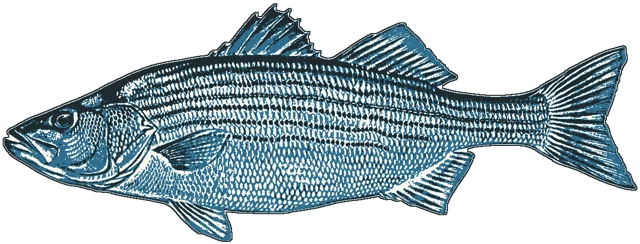
Firm, large-flaked, slightly sweet white meat; one of the most kept and eaten gamefish in the country, fresh or salt.
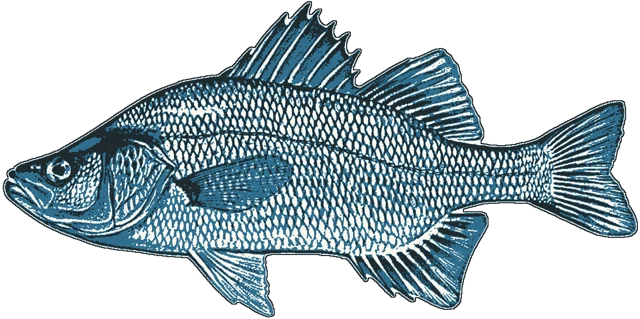
White perch
Maryland DNR calls it a delectable game fish, and it is a staple panfish in the Chesapeake and a prized ice-fishing catch in New England.
Chinook salmon
NOAA calls Chinook the most highly prized salmon in the culinary world: rich, buttery and oily.
Cutthroat trout
Eats like other trout; kept where legal, especially stocked fish and coastal sea-run cutts.
Steelhead
Steelhead are sea-run rainbow trout, and bright fish eat like a mild salmon; hatchery fish are kept as food across the Pacific Northwest and Great Lakes.
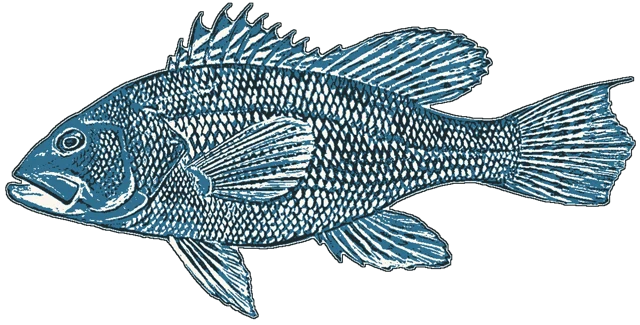
Black sea bass
Mild, delicate, firm white fillets; Maine Sea Grant calls it popular for its firm texture and mild, slightly sweet flavor.
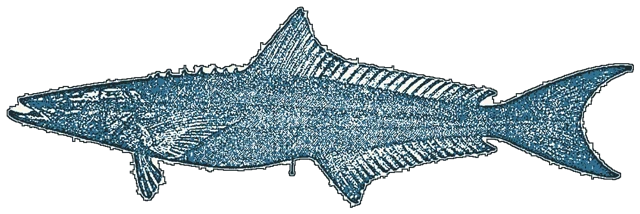
Cobia
Firm, white, sweet meat; TPWD calls it an exceptionally fine food fish.
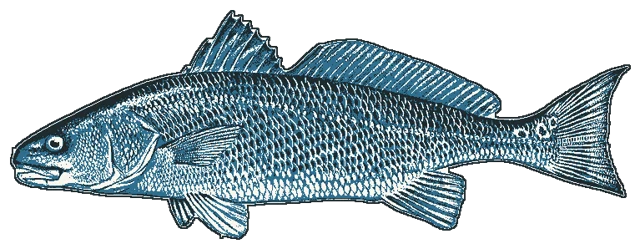
Slot-size reds are firm, mild, white-fleshed fish that anglers keep specifically to eat; blackened redfish made the species famous.
Coho salmon
High oil content, firm and flaky when cooked; NOAA notes smaller coho have a delicate flavor.
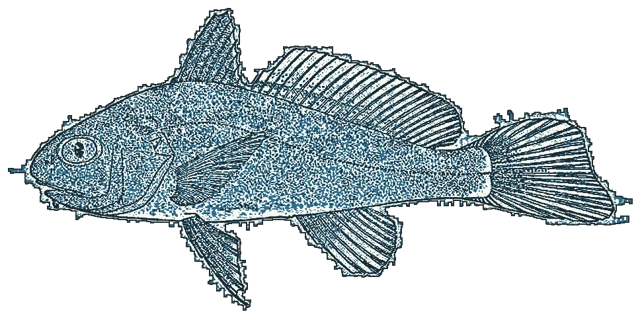
Kingfish (whiting)
Firm, white, mild fillets with good flavor; small, but no smaller than the bluegill and crappie we also rate best. Fried whole or filleted, it's the Carolinas' favorite pier fish ("sea mullet" in NC).
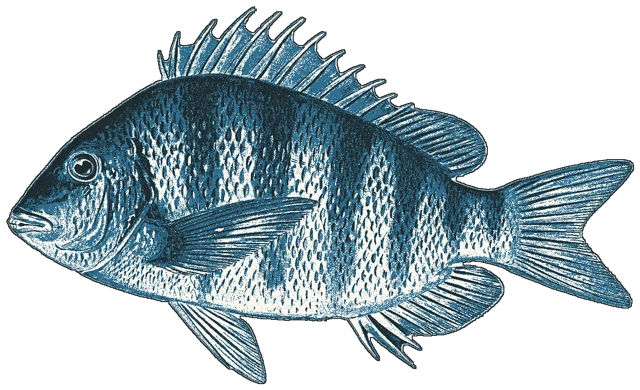
Sheepshead
Fine, white, mild flesh that agencies call excellent; the only knock is that the heavy scales and spines make it a chore to clean.
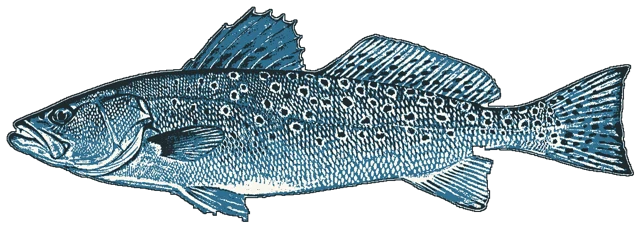
Spotted seatrout
Excellent flavor and delicate texture; one of the most-kept inshore fish from the Carolinas to Texas.
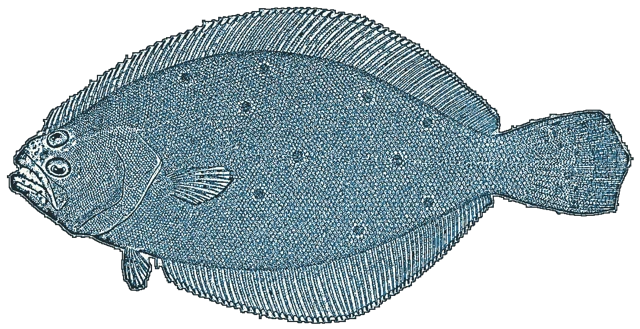
Summer flounder
Delicate, fine-flaked white fillets; one of the most sought-after table fish from New England to North Carolina.
Tautog
Northeast anglers prize its tasty meat (ASMFC).
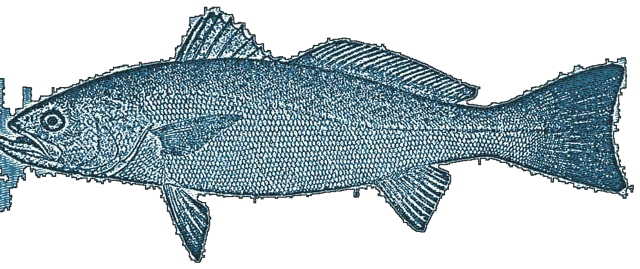
Weakfish
A close cousin of the speckled trout with the same sweet, delicate fillets; ASMFC describes it as known for its delicious taste.
Rainbow smelt
Maine Sea Grant says smelt are marketed for their sweet, delicate flavor; fried whole, they are a classic northern winter and spring meal.
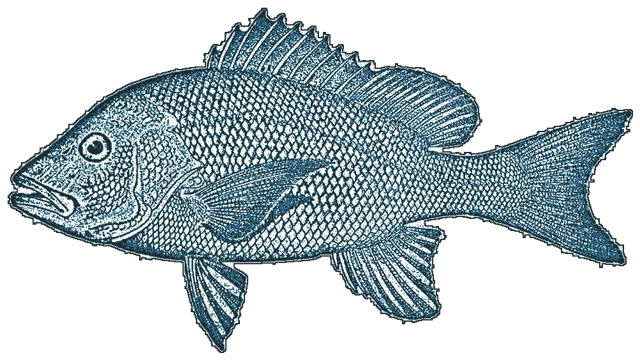
Red snapper
Sweet, firm, succulent white fillets; Florida Sportsman's pick for best-eating bottom fish, and TPWD calls the throats a delicacy.
Winter flounder
Mild, lean, boneless, flaky fillets (NOAA).
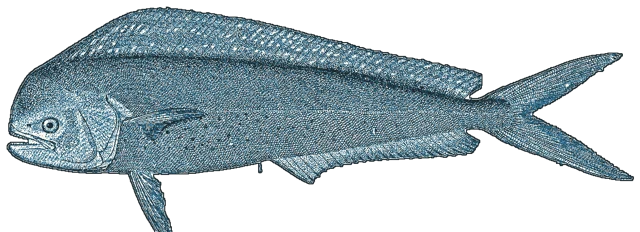
Mahi-mahi
Sweet, mild, moist fish that is easy to catch and kept by almost everyone who catches it (NOAA; LSU Sea Grant: very good).
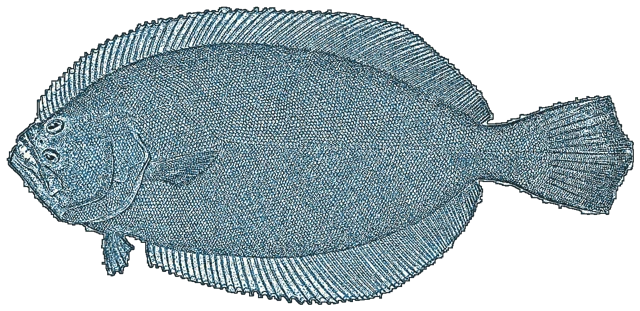
Lean, white, mild fillets; TPWD says its reputation as table fare is unsurpassed in Texas.
Atlantic cod
The original white fish: mild, clean, big flakes (NOAA). A headboat staple in New England.
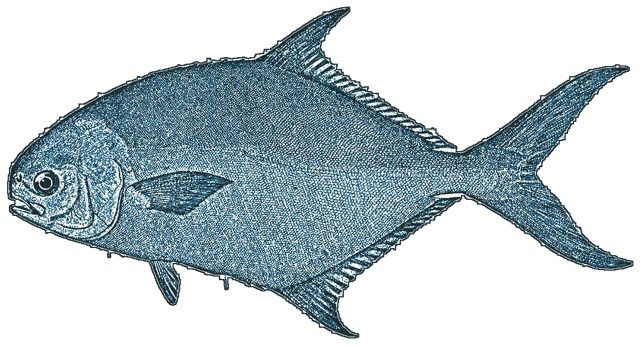
Florida pompano
Rich, sweet, buttery fillets; TPWD says many consider it the most delicious of all Gulf fish.
Gray snapper
LSU Sea Grant rates its food value excellent; a mainstay of Florida's recreational snapper catch.
Lingcod
Mild, lean, large-flaked white meat; Hank Shaw rates it tastier than rockfish, and NOAA describes it as mild and tender.
Rockfish
White, firm, lean meat that works in any white-fish recipe; rockfish are the backbone of West Coast bottom-fishing limits.
Tripletail
Florida Sportsman calls it the top inshore eating fish: delicate, rich, flaky white meat.
Yellowfin tuna
Clean, meaty, red flesh prized raw and seared; Florida Sportsman's pick for best offshore eating fish.
Albacore tuna
ODFW calls the meat excellent barbecued, canned or smoked; the Hawaii Seafood Council calls it the lightest, mildest tuna.
Cabezon
Hank Shaw calls the 'mighty cabezon' the best of the sculpins; the meat is white and lean like lingcod and rockfish.
Cusk
Maine Sea Grant says its firm white flesh has a mild, slightly sweet flavor and holds up well in chowders, stews and baked dishes.
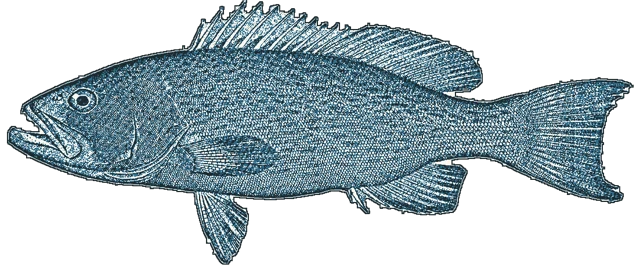
Mild, firm, moist fillets (NOAA); LSU Sea Grant rates food value excellent.
Gray triggerfish
Sweet, firm meat that NOAA says tastes more like crab than fish; the tough skin is the only hurdle.
Haddock
Sweet, firm, finely flaked; Maine Sea Grant calls it prized for its mild, slightly sweet flavor.
Kelp greenling
Lingcod's smaller cousin with the same white, mild meat; good quality and especially good pan-fried (pierfishing.com, Hank Shaw).
Pacific halibut
Very mild, sweet white meat that cooks up flaky and firm, in thick boneless fillets. One of the most prized table fish on the coast.
Pollock
NOAA describes sweet, delicate, firm meat; a regular part of the New England groundfish catch.
Sablefish
Oil-rich, buttery, melt-in-your-mouth meat with large white flakes; NOAA calls it exceptionally flavorful.
Sockeye salmon
The reddest, richest flesh of the wild salmon; NOAA says its flavor rivals Chinook.
Acadian redfish
NOAA Fisheries calls the meat mild and slightly sweet, medium firm, moist and flaky, and says it can stand in for haddock. Maine Sea Grant calls it loved for its mild flavor, with firm white flesh.
Atlantic bluefin tuna
The most prized tuna for sushi and sashimi; NOAA notes its fat content drives quality.
Atlantic halibut
Very mild, sweet, dense white meat (NOAA); Maine Sea Grant calls it prized for its mild flavor.
Monkfish
NOAA Fisheries calls the tail meat mild, firm, dense and nearly boneless, like lobster meat, and Maine Sea Grant describes a rich, lobster-like flavor and meaty texture. Only the tail is eaten.
Pacific cod
Mild, lean, flaky white meat (NOAA), a little softer and moister than Atlantic cod.
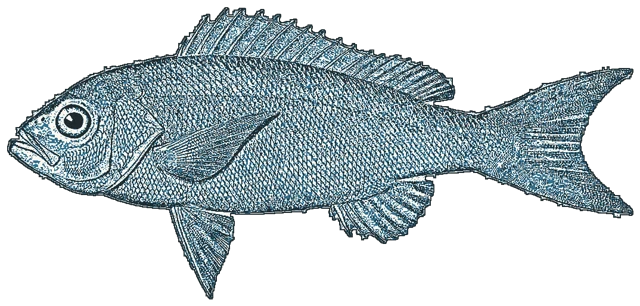
Vermilion snapper
Mild, sweet, medium-firm fillets (NOAA); eaten like any snapper, if a step below red snapper in popularity (TPWD).
Wolf-eel
CDFW calls it a good-eating fish and Ken Jones rates the mild, white, dense meat delicious; a wolffish rather than a true eel, without an eel's oily meat.
Bigeye scad (akule)
DLNR calls akule an excellent food fish; it is a local favorite fried, and Hawaiians prized it for drying.
California halibut
White, mild, large-flaked fillets; Ken Jones calls it one of the best-tasting fish in California waters, good fried or any other way.
California scorpionfish
Excellent eating: mild, dense, low-fat white meat, often steamed whole or used for sushi (pierfishing.com).
California yellowtail
Mild, firm, off-white meat with moderate fat that grills and barbecues well; Ken Jones rates it a good eating fish.
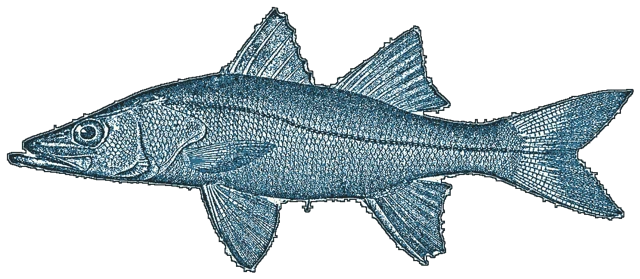
Mild, white, flaky fillets; Texas Parks and Wildlife calls it a fine food fish.
Dolly Varden
ADF&G calls Dolly Varden relatively easy to catch and delicious; ocean-bright sea-run fish have pink, flavorful flesh.
Ehu (squirrelfish snapper)
One of the Deep 7; many veteran Hawaii bottomfishers told NOAA that all of the Deep 7 are delicious and versatile.
Goatfish (weke, kūmū, moano)
Among Hawaii's most popular food fish; kūmū is extremely prized and its flesh considered a delicacy (DLNR), and moano is praised in song for its taste.
Green jobfish (uku)
Delicately flavored, moist and firm (Hawaii Seafood Council); a prized Hawaii snapper.
Gulf flounder
Eats like the other Paralichthys flounders: lean, mild white fillets that anglers keep whenever they are legal.
Kelp bass
Mild white fillets suited to almost any cooking; a Dana Point charter outfit calls it excellent table fare, and Ken Jones says a keeper makes a good meal.
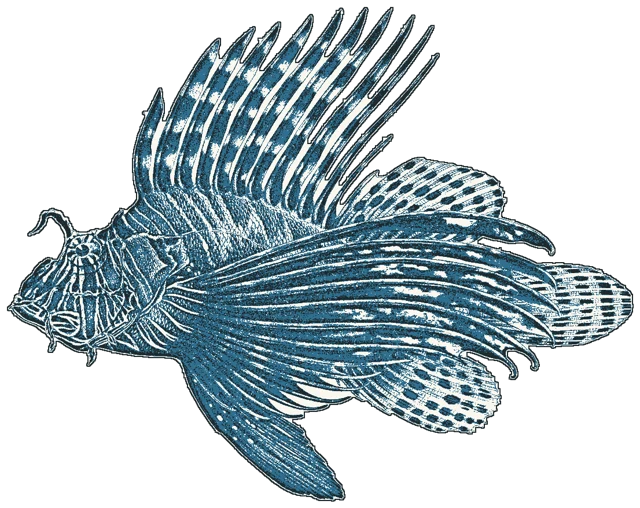
Lionfish Worth a try
Excellent mild, white, flaky meat that sources rate alongside snapper and hogfish; it's an invasive fish, so every one you keep helps the reef.
Longtail red snapper (onaga)
Light pink flesh like opakapaka but softer and moister; Hawaii bottomfishers ranked it highest, especially raw.
Mackerel scad (ʻōpelu)
DLNR considers ʻōpelu an excellent food fish; Hawaiians rated it ʻono raw, dried or broiled.
Pacific bluefin tuna
The darkest, fattiest tuna and prized for sashimi; NOAA also calls it a delicious seared steak.
Pacific sanddab
Excellent: mild, soft and low-fat, a classic pan-fried delicacy (pierfishing.com).
Pacific threadfin (moi)
In old Hawaiʻi moi was reserved for chiefs, and DAR still calls it one of the most sought-after reef fish.
Pink snapper (ʻōpakapaka)
Clear, light pink flesh with a delicate flavor that has earned it the reputation of Hawaii's premium snapper.
Red grouper
Very firm, moist, mild fillets; NOAA notes many consider it tastier than black grouper.
Sheefish
A large Arctic whitefish that the Alaska Department of Fish and Game praises for its fine eating qualities; eaten frozen raw with seal oil, dried, baked and fried in Alaska.
Wahoo
Mild, firm, white meat; LSU Sea Grant rates it excellent but warns it dries out if fried or overcooked.
White seabass
Excellent, mild, firm, low-fat white meat (pierfishing.com); a prized Southern California table fish.
Yelloweye rockfish
Eats like the best rockfish, and ADF&G calls it one of the most prized rockfish in Alaska. The catch is that California bans keeping it.
Almaco jack
Clean, sweet, buttery meat; LSU Sea Grant rates its food value very good.
Bigeye tuna (ahi)
Mild, meaty and fattier than yellowfin; a top sashimi fish and among the most desirable tunas for grilling.
Black grouper
Very good quality meat that brings a high price (Florida Museum); eats like gag.
Blackfin tuna
Excellent food quality (Florida Museum; LSU Sea Grant); small loins but superb raw or seared.
Blueline tilefish
Mild, sweet, firm but tender (NOAA); similar to golden tilefish.
Golden tilefish
Mild, sweet meat that NOAA compares to lobster or crab.
Hawaiian grouper (hāpuʻupuʻu)
Clear white flesh almost as delicate as Hawaii's deepwater snappers (Hawaii Seafood Council); a Hawaii bottomfisher's 'all-time favorite' in NOAA's interviews.
Hogfish
Highly valued as a food fish (Florida Museum); sweet, white fillets that rank with the best on Florida reefs.
Lane snapper
A high-quality food fish (Florida Museum), eaten like any other snapper (TPWD); usually a small fish.
Mutton snapper
An exceptionally good food fish (Florida Museum), often sold as 'red snapper'.
Petrale sole
Sweet, delicate, nutty flavor with a fine texture (NOAA).
Red porgy
A larger porgy (around 2 lb off North Carolina) with great flavor (Coastal Angler magazine) that offshore bottom fishermen keep when the season allows.
Scamp
A grouper with the same firm, mild white fillets as gag and red grouper.
Snowy grouper
A deep-water grouper with the same prized white fillets; one North Carolina chef says it has more fat, and fat equals flavor (NC Sea Grant).
Swordfish
Moist, flavorful, slightly sweet steaks (NOAA); one of the most valued fish in the market.
Yellowtail snapper
Mild, sweet and medium-firm (NOAA); a staple of Florida Keys fish fries.
Just OK, but worth a try
Saltwater fish with a bad name that eat well cleaned and cooked right.
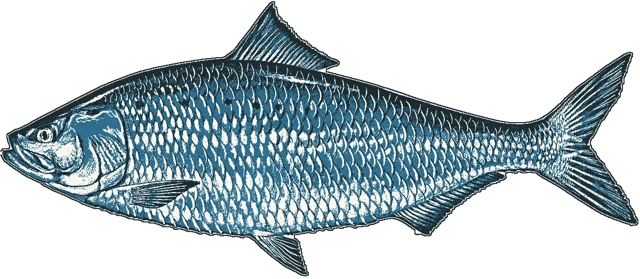
American shad Just OK Worth a try
Some of the best-flavored fish in North America and prized roe, but so bony that most modern anglers do not bother.
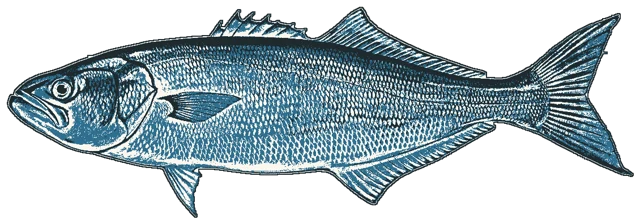
Bluefish Just OK Worth a try
Rich, oily and strong-tasting, with soft meat that does not freeze well; Hank Shaw calls it about as polarizing a food as there is.
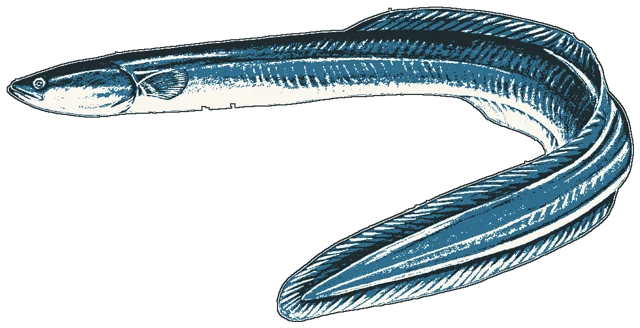
American eel Garbage fish Worth a try
Few people in the US eat them (Maryland DNR) and most anglers cut them loose or use them as striper and crab bait, even though eel is a delicacy in Europe and Japan.
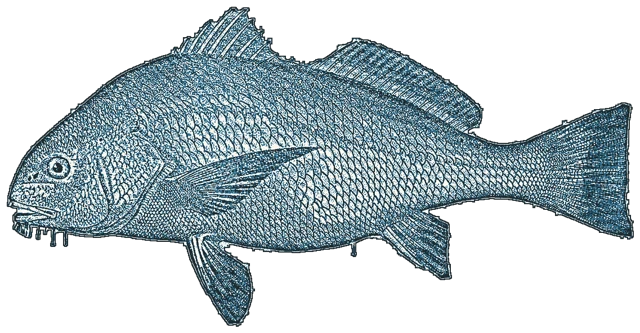
Black drum Just OK Worth a try
Small black drum are good eating, but big fish are coarse and often carry harmless but off-putting spaghetti worms, so the species' reputation is mixed.
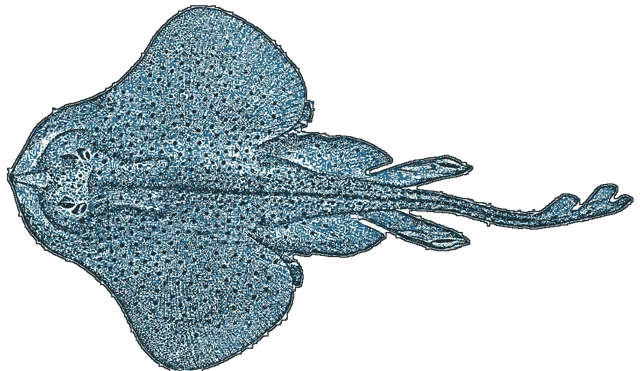
Skate Garbage fish Worth a try
Almost every US angler throws skates back or uses them for trap bait; Hank Shaw notes no one he knew growing up in New York and New Jersey kept one.
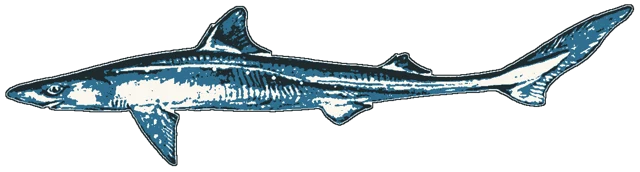
Spiny dogfish Garbage fish Worth a try
To most US anglers dogfish are a nuisance that swarms baits; NOAA says there is little consumer demand for it in the United States.
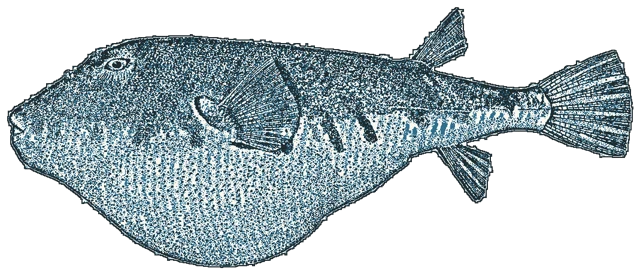
Northern puffer Just OK Worth a try
A small fish most anglers toss because 'puffers are poisonous', though it has long been sold as sea squab in Northeast markets.
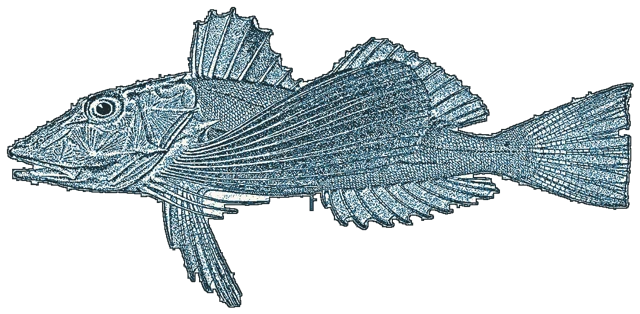
Sea robin Garbage fish Worth a try
Anglers treat sea robins as bait-stealing nuisances and throw them back; few keep one to eat.
False albacore Garbage fish Worth a try
Dark, bloody, strong-tasting meat; most anglers release albies or cut them up for shark and kingfish bait.
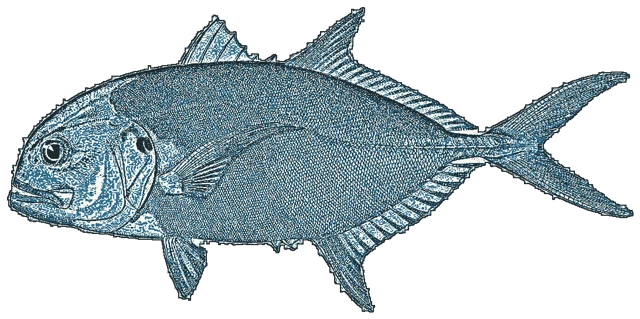
Crevalle jack Garbage fish Worth a try
Fun to catch, but most anglers release them or use them for bait because the meat is dark and strong; TPWD says it is not very desirable as food.
Questions about saltwater fish
What is the best-tasting saltwater fish?
Inshore, flounder, slot-size red drum, spotted seatrout and sheepshead; offshore, grouper, red snapper, mahi-mahi and wahoo. All rate Best eating, and which one wins is a matter of taste.
Which saltwater fish should you not eat?
Great barracuda is the classic ciguatera fish, the southern and smooth puffers can be toxic, and shark and big king mackerel are high in mercury. Check your state's consumption advisory too.