South Carolina · fresh and salt
Fish in South Carolina: what’s worth eating, and what’s garbage
South Carolina is known for Lowcountry inshore fishing for red drum (spottail), spotted seatrout and flounder, and for pier and surf fish like whiting, spot and croaker along the Grand Strand. Inland, the Santee Cooper lakes (Marion and Moultrie) hold the state's naturally reproducing landlocked striped bass and giant blue catfish, and the upstate reservoirs add spotted bass, hybrids and trophy trout in Lake Jocassee.
40 fish rated · limits checked Nov 21, 2026 against SCDNR and federal sources, then re-checked: 213 of 219 details confirmed or corrected on the official pages
Resident $10 annual; $30 for 3 years; $5 for 14 days. Nonresident $35 annual; $105 for 3 years.
Buy a licenseSeparate saltwater license ($15 resident annual, $75 nonresident annual); not needed on a licensed public fishing pier or a licensed charter/headboat under hire.
Saltwater limitsFreshwater limits, seasons and size rules from South Carolina Department of Natural Resources.
Freshwater limitsStriped bass (rockfish)
Memorial Day (May 31, 2027) and July 4, 2027: residents only, freshwater only (S.C. Code 50-9-730).
The South Carolina table-fare board
Fish South Carolina anglers catch, sorted by how they eat. The bars show how heavily each one is regulated here. Tap a fish for the details.
No limits Light regs Heavy regs No harvest
Best eating23
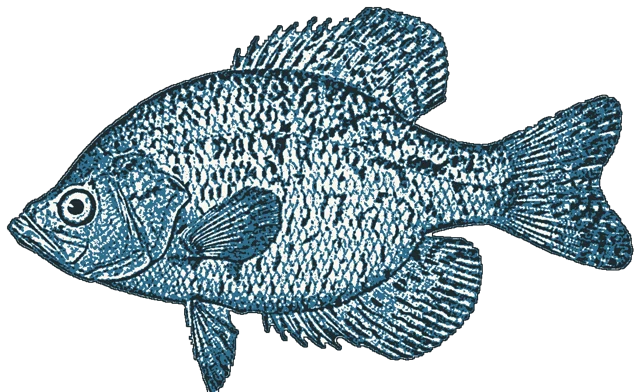 Black crappie
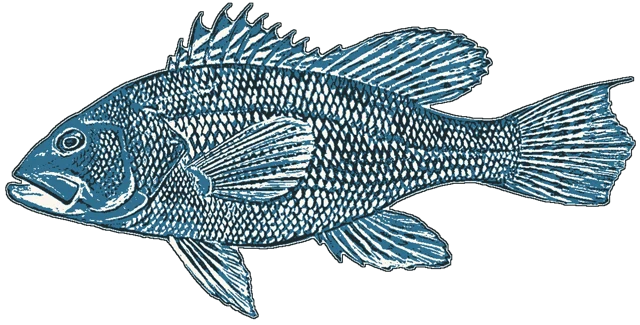 Black sea bass“blackfish”
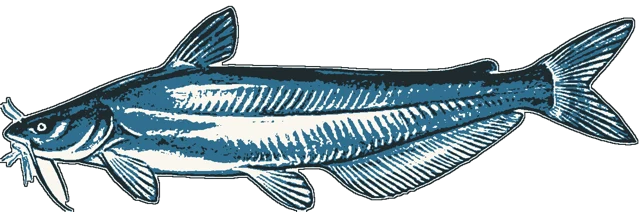 Blue catfish
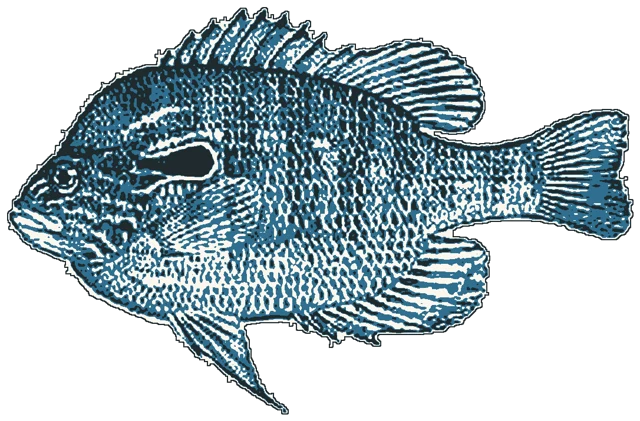 Bluegill“bream”
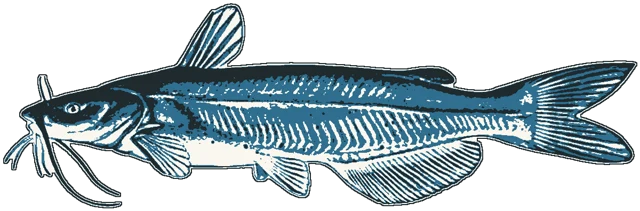 Channel catfish
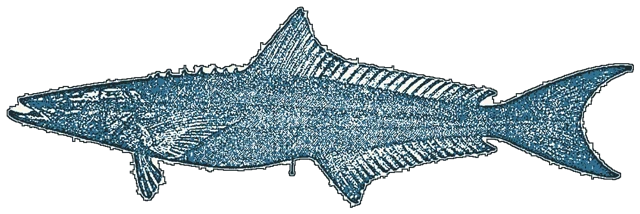 Cobia
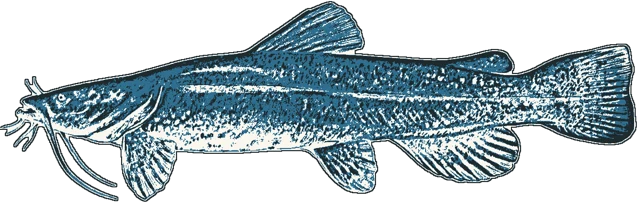 Flathead catfish
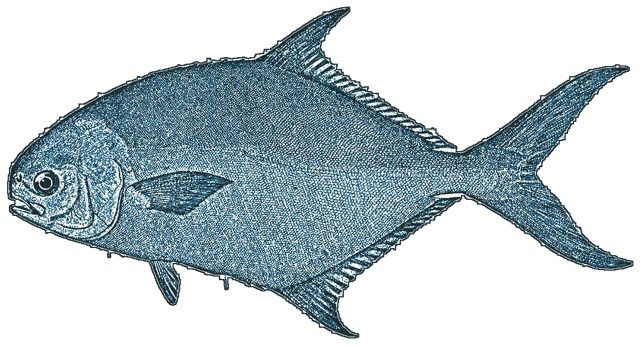 Florida pompanoHybrid striped bass“Palmetto bass”
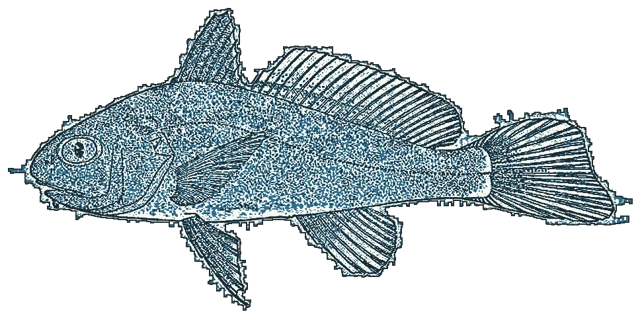 Kingfish (whiting)
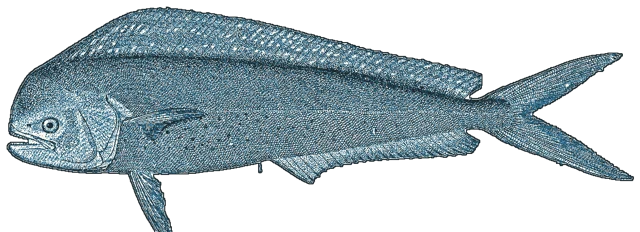 Mahi-mahi“dolphin”
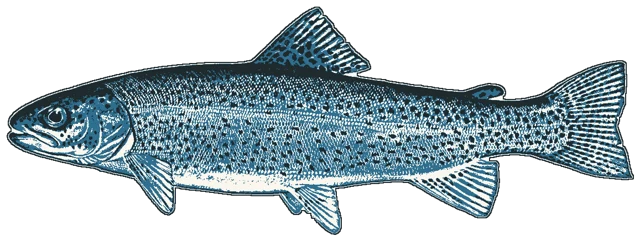 Rainbow trout
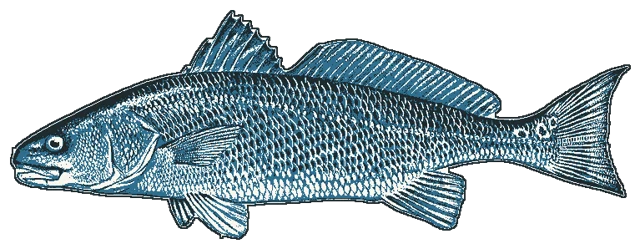 Red drum“spottail”
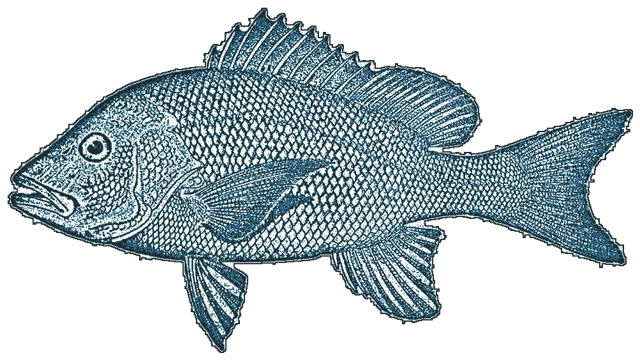 Red snapper“AM red”
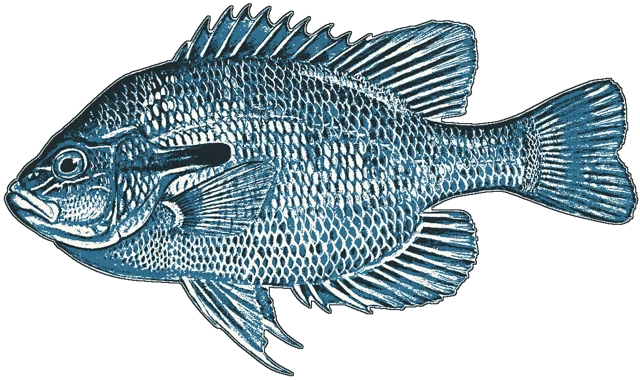 Redbreast sunfish“redbelly”
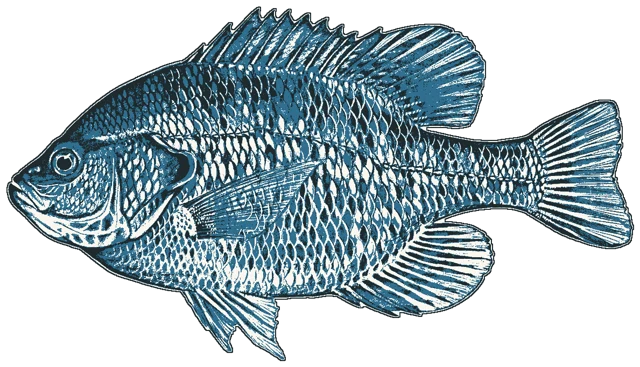 Redear sunfish“shellcracker”
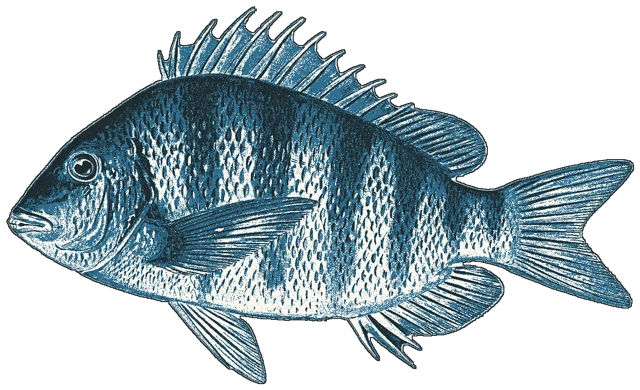 Sheepshead
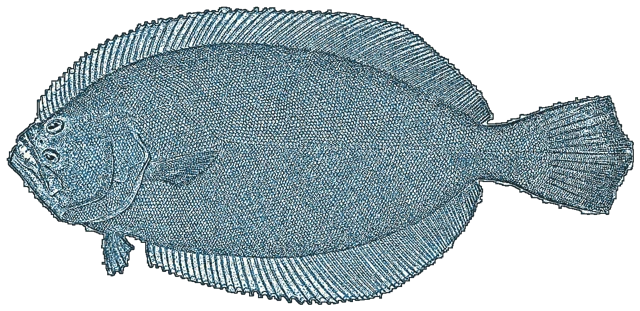 Southern flounder
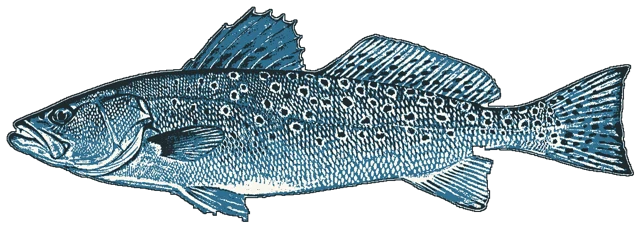 Spotted seatrout“speckled trout”
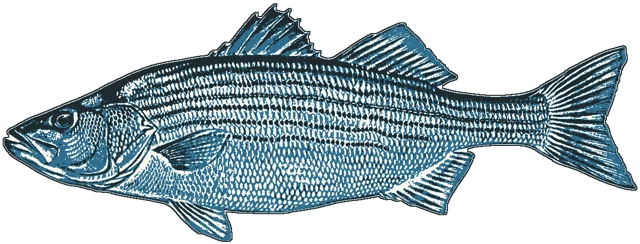 Striped bass“rockfish”
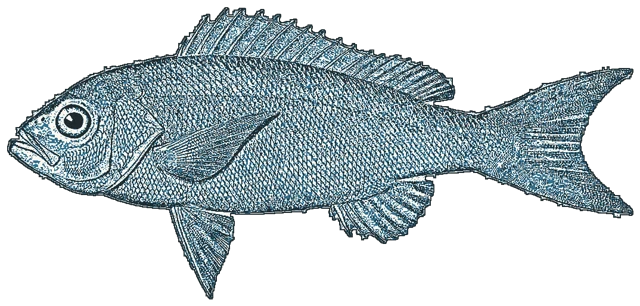 Vermilion snapper“B-liner”
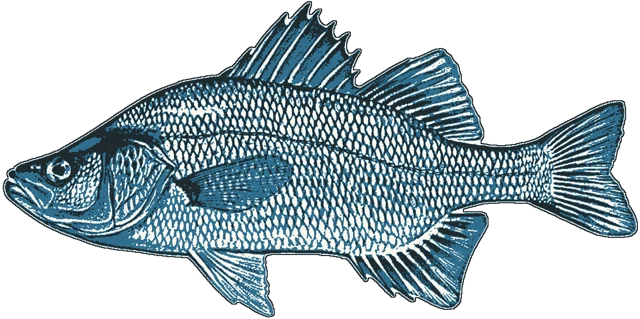 White perch
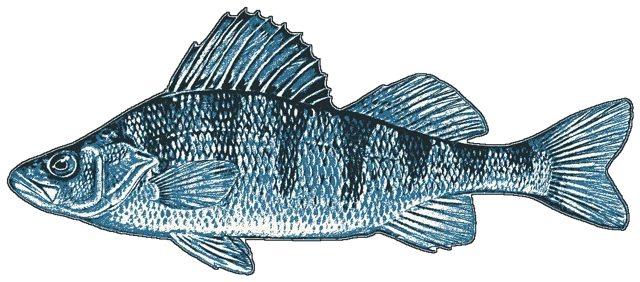 Yellow perch
Just OK13
Garbage fish3
Catch & release
What’s actually caught in South Carolina
NOAA's Marine Recreational Information Program (MRIP) estimates how many fish saltwater anglers catch in each coastal state. Numbers below are 2023-2025 averages a year, kept plus released. NOAA recalibrated its survey in 2026, so its current query tool may show lower totals, and a different order, than the 2023-2025 estimate files used here.
- Atlantic croaker Just OK#1 saltwater catch in SC, avg 7.69 million fish/yr (7% kept)
- Kingfish (whiting) Best eating#2 catch (all kingfish, avg 6.59 million/yr) and the most-harvested group (2.09 million kept/yr)
- Pinfish Garbage fish#3 catch, avg 3.69 million/yr, 94% released
- Bluefish Just OK#4 catch, avg 2.17 million/yr
- Red drum Best eatingSCDNR calls it the state's most popular saltwater gamefish; MRIP 2023-2025 #5 catch, avg 1.96 million/yr
- Florida pompano Best eating#6 catch, avg 1.94 million/yr (PSE 30-56%, mostly small surf fish)
- Southern flounder Best eatingSCDNR: one of the top three most targeted fish on the SC coast; MRIP flounder group avg 1.66 million/yr
- Spanish mackerel Just OK#8 catch, avg 1.45 million/yr, 40% kept
- Spot Just OK#9 catch, avg 1.38 million/yr
- Spotted seatrout Best eating#10 catch, avg 1.27 million/yr
- Black sea bass Best eating#11 catch, avg 1.18 million/yr (98% released)
- Black drum Just OK#14 catch, avg 750,000/yr
- Sheepshead Best eating#16 catch, avg 635,000/yr
Source: NOAA Fisheries recreational catch estimates (MRIP) . Saltwater only: it does not survey freshwater fishing.
Fish by fish
Why each one sits where it does, the current South Carolina limits, and the bait that works.
Black crappie
Pomoxis nigromaculatus · Freshwater
One of the classic fish-fry fish: MeatEater counts crappie among the best-eating fish in freshwater.
- Tastes
- mild, sweet, delicate, flaky, white
- Limits
- Light regs. Statewide 20 per person per day (crappie), 8-inch minimum, open all year. Counts toward the 40 game fish per day total. SCDNR-managed lakes and state/county park lakes may have special limits. (2026-27 SCDNR regulations (page updated Aug 5, 2026)) Source
- Spawns
- Spawn late Feb-early May at about 60F; fall (Oct-Nov) on mid-depth brush piles.
- Where
- Santee Cooper lakes, Lakes Murray, Wateree, Greenwood, Wylie, Russell and Thurmond.
- live minnows (vertical or tight-lining)
- small crappie jigs
- Do not eat (anyone): any fish from Lake Hartwell's Twelve Mile Creek or Seneca River arms.
- Do not eat (under 14, pregnant, nursing or planning a pregnancy): this fish from any water with an advisory for any species, all named on this page.
Meal limits and other waters (5)
- Limit (everyone): one meal a month from Cedar Creek and Fishing Creek reservoirs (PCBs), Langley Pond, Sesquicentennial State Park lake and Clarks Creek (Williamsburg County).
- Limit (everyone): one meal a week from Lake Wateree (PCBs), Lake Tugaloo, the Savannah River (SC 119 to US 17), and the Ashley, Black, Catawba (PCBs), Coosawhatchie, Edisto, Little Pee Dee, Little Salkehatchie, New, North Santee, Pocotaligo and Waccamaw rivers.
- Limit (under 14, pregnant, nursing or planning a pregnancy): one meal of freshwater fish a week from other waters.
- PFAS (SCDES): to cut exposure, eat less of this fish and only the fillet, not the organs.
- No restriction listed (people outside those groups): Lakes Marion, Moultrie, Thurmond and Wylie.
Black sea bass
Centropristis striata · also called blackfish · Saltwater
Mild, delicate, firm white fillets; Maine Sea Grant calls it popular for its firm texture and mild, slightly sweet flavor.
- Tastes
- mild, fresh, delicate, tender but firm
- Limits
- Light regs. 13-inch total-length minimum, 7 per person per day, no closed season in state waters (federal waters can close when catch limits are met). Snapper-grouper gear rules: dehooking tool and ready-to-use descending device aboard; non-stainless, non-offset circle hooks with natural bait; no sale of bag-limit fish. (2026-27 SCDNR regulations (page updated Aug 5, 2026)) Source
- Best months
- Year-round offshore; MRIP catch runs Mar-Oct (92%) as fish move inshore in spring.
- Where
- Ledges, live bottom and reefs in 40-120 ft (best 50-70 ft); nearshore artificial reefs; small fish around jetties and piers.
- cut squid on a two-hook bottom rig
- cut and live bait
Blue catfish
Ictalurus furcatus · Freshwater
TPWD calls it an excellent food fish; Maryland DNR says blues are very good to eat.
- Tastes
- mild, firm
- Limits
- Light regs. 150 per person per day on most state waters (raised from 25 by Act No. 120, effective May 15, 2026). Still 25 per day on Lake Marion, Lake Moultrie, the upper Santee River and the Pee Dee River from the NC line to the US 301 bridge. No more than 2 blue catfish over 32 inches per day on those waters plus the Congaree and Wateree rivers. (May 15, 2026 (Act No. 120)) Source
- Best months
- Fall and winter: SCDNR reports Nov as a peak month for big blues on Murray, Monticello and Thurmond; fish group up deep as water cools.
- Where
- Lakes Marion, Moultrie, Wateree, Murray, Monticello and Thurmond; most river systems.
- cut gizzard shad
- cut white perch
- cut herring
- Large, old blue catfish accumulate contaminants; some water bodies have size-based consumption advisories.
- Do not eat (anyone): blue catfish from the Little Pee Dee River.
- Do not eat (anyone): any fish from Lake Hartwell's Twelve Mile Creek or Seneca River arms.
- Do not eat (under 14, pregnant, nursing or planning a pregnancy): this fish from any water with an advisory for any species, all named on this page.
Meal limits and other waters (4)
- Limit (everyone): one meal a month from Lake Wateree, Cedar Creek and Fishing Creek reservoirs, the Catawba and Wateree rivers, and the Great Pee Dee (NC line to I-95), all PCBs, and from the Edisto River and Clarks Creek (Williamsburg County).
- Limit (everyone): one meal a week from the Ashley, Black, Coosawhatchie, Little Salkehatchie, North Santee, Pocotaligo, South Santee and Waccamaw rivers, the Rediversion Canal and Langley Pond.
- Limit (under 14, pregnant, nursing or planning a pregnancy): one meal of freshwater fish a week from other waters.
- No restriction listed (people outside those groups): Lakes Marion and Moultrie and the Santee and Cooper rivers.
Bluegill
Lepomis macrochirus · also called bream · Freshwater
MeatEater calls the flesh light, delicate and sweet; the original fish-fry panfish.
- Tastes
- mild, sweet, firm, flaky
- Limits
- Light regs. Bream aggregate of 30 per person per day (bluegill, redear, warmouth, pumpkinseed, green and spotted sunfish, flier), no size limit, open all year. Redbreast has its own 15-fish limit. Bream (not redbreast) may be used as bait and count toward the creel; trout are the only other game fish allowed as bait, and only on Lakes Hartwell, Russell, Thurmond, Tugaloo, Yonah, Stevens Creek Reservoir and the Savannah River. (2026-27 SCDNR regulations (page updated Aug 5, 2026)) Source
- Best months
- Late spring through summer bedding; big bream hold tight to brush in fall (SCDNR Nov 2026 Santee Cooper report).
- Where
- Statewide: farm ponds, reservoirs, swamps and slow rivers; Santee Cooper lakes.
- red worms
- nightcrawlers
- crickets
- grass shrimp
- small jigs
- popping bugs
- Do not eat (anyone): any fish from Lake Hartwell's Twelve Mile Creek or Seneca River arms.
- Do not eat (under 14, pregnant, nursing or planning a pregnancy): this fish from any water with an advisory for any species, all named on this page.
Meal limits and other waters (5)
- Limit (everyone): one meal a month from the Lumber River and Clarks Creek (Williamsburg County).
- Limit (everyone): one meal a week from the Ashley, Black, Coosawhatchie, Edisto, Little Pee Dee, Little Salkehatchie, Pocotaligo and Waccamaw rivers, the Saluda (Lake Greenwood dam to Columbia), the Savannah (SC 119 to US 17), Four Hole Swamp, the Horry County Intracoastal Waterway, Lake H.B. Robinson and Langley Pond.
- Limit (under 14, pregnant, nursing or planning a pregnancy): one meal of freshwater fish a week from other waters.
- PFAS (SCDES): to cut exposure, eat less of this fish and only the fillet, not the organs.
- No restriction listed (people outside those groups): Lakes Marion, Moultrie and Thurmond.
Channel catfish
Ictalurus punctatus · Freshwater
Very good to eat (Maryland DNR) and delicious when cooked (TPWD), and the basis of US catfish farming.
- Tastes
- mild, sweet, firm, moist
- Limits
- No limits. No statewide creel or size limit (a nongame fish). SCDNR-managed lakes and state/county park lakes may set their own limits. Trotlines, jugs and set hooks need SCDNR nongame permits and tags; rod and reel limited to 4 per angler unless everyone 16+ in the boat is licensed. (2026-27 SCDNR regulations (page updated Aug 11, 2026)) Source
- Best months
- Year-round; drifting cut bait works into the fall (SCDNR Nov 2026 report).
- Where
- Statewide: rivers, reservoirs and ponds; Santee Cooper lakes, Lakes Greenwood, Wateree and Wylie.
- shrimp or cut bait drifted on flats
- Do not eat (anyone): channel catfish from the Edisto River (to Willtown Bluff), Lumber River, Lynches River (US 15 to the Great Pee Dee) or Langley Pond.
- Do not eat (anyone): any fish from Lake Hartwell's Twelve Mile Creek or Seneca River arms.
- Do not eat (under 14, pregnant, nursing or planning a pregnancy): this fish from any water with an advisory for any species, all named on this page.
Meal limits and other waters (4)
- Limit (everyone): one meal a month from the rest of Lake Hartwell, Lake Wateree, Cedar Creek and Fishing Creek reservoirs, and the Catawba and Wateree rivers (all PCBs), and from Clarks Creek (Williamsburg County).
- Limit (everyone): one meal a week from Black Creek (Florence County), the Savannah River below SC 119, and the Combahee, Coosawhatchie, Little Pee Dee, Little Salkehatchie, Pocotaligo and Waccamaw rivers.
- Limit (under 14, pregnant, nursing or planning a pregnancy): one meal of freshwater fish a week from other waters.
- No restriction listed (people outside those groups): Lakes Marion and Moultrie.
Cobia
Rachycentron canadum · Saltwater
Firm, white, sweet meat; TPWD calls it an exceptionally fine food fish.
- Tastes
- sweet, rich, firm, lean, moist
- Limits
- Heavy regs. 36-inch fork-length minimum. State waters south of 32 deg 31.0' N (Jeremy Inlet, Edisto Island) – the southern zone incl. St. Helena and Port Royal sounds: closed May 1-31; 1 per person and 3 per boat per day. North of that line and in federal waters: 1 per person and 6 per boat per day. In state waters rod and reel or gig only. Gamefish: no sale, no nets; circle hooks required with natural bait on 4/0+ hooks (since July 1, 2026). (2026-27 SCDNR regulations (page updated Aug 11, 2026)) Source
- Best months
- Mid-April-June inshore peak (MRIP: 60% of catch in May-Jun). Southern-zone harvest is closed in May, so April and June are the open months there.
- Where
- Port Royal, St. Helena and Calibogue sounds (Beaufort County); north of St. Helena Sound mainly offshore around reefs, wrecks and buoys.
- live crabs
- live eels
- squid
- live baitfish
Before you eat it: Do not eat (under 14, pregnant, nursing or planning a pregnancy): any cobia. Limit (everyone else): one meal a month.
Flathead catfish
Pylodictis olivaris · Freshwater
Widely considered the best-tasting catfish because it eats live fish instead of scavenging; Maryland DNR notes its mild, white flesh.
- Tastes
- mild, clean, firm, white
- Limits
- No limits. No statewide creel or size limit (a nongame fish). Bream (not redbreast) are legal as live bait and count toward the bream creel; on the Black, Pee Dee, Lumber, Lynches and Waccamaw rivers, live bream on set hooks/trotlines need a 15/16-inch or larger hook gap. (2026-27 SCDNR regulations (page updated Aug 11, 2026)) Source
- Best months
- Warm months, often at night; spawns mid-May to mid-July.
- Where
- Pee Dee (do not eat from the Little Pee Dee or Lumber), Santee (do not eat from the South Santee), Edisto (do not eat from the river or its South Fork) and Savannah drainages; reservoirs such as Lake Thurmond.
- live bream
- live white perch
- gizzard shad
- Do not eat (anyone): flathead catfish from the Edisto River (to Willtown Bluff), Little Pee Dee River, Lumber River, South Fork Edisto River or South Santee River.
- Do not eat (anyone): any fish from Lake Hartwell's Twelve Mile Creek or Seneca River arms.
- Do not eat (under 14, pregnant, nursing or planning a pregnancy): this fish from any water with an advisory for any species, all named on this page.
Meal limits and other waters (3)
- Limit (everyone): one meal a month from Clarks Creek (Williamsburg County).
- Limit (everyone): one meal a week from the Coosawhatchie, Little Salkehatchie, North Santee, Pocotaligo and Wateree rivers and Langley Pond.
- Limit (under 14, pregnant, nursing or planning a pregnancy): one meal of freshwater fish a week from other waters.
Florida pompano
Trachinotus carolinus · Saltwater
Rich, sweet, buttery fillets; TPWD says many consider it the most delicious of all Gulf fish.
- Tastes
- rich, sweet, buttery, firm, moist, fine
- Limits
- No limits. No size limit, bag limit or season in SC (SCDNR lists 'no associated regulations'). (2026-27 SCDNR regulations (page updated Aug 11, 2026)) Source
- Best months
- June-October (SCDNR); MRIP puts 57% of catch in Sept-Oct.
- Where
- Surf zone along open beaches, sandbars and inlets.
- mole crabs (sand fleas) on small hooks in the wash
Hybrid striped bass
Morone saxatilis x M. chrysops · also called Palmetto bass · Freshwater
Indiana DNR says hybrids make great table fare; mild white fillets like a striper's.
- Tastes
- mild, firm, white
- Limits
- Light regs. Counted together with striped bass. Hartwell and Thurmond: 10 per day, only 3 over 26 inches. Russell and Hartwell tailwater: 2 per day, only 1 over 34 inches. Lower Savannah River: 2 per day, 27-inch minimum. Santee system and listed coastal rivers follow striper seasons and sizes (closed June 16-Sept 30). Other inland waters: 10 per day, no size limit. In saltwater, no limit except the lower Savannah (2 per day, 27 inches). (2026-27 SCDNR regulations (page updated Aug 5, 2026)) Source
- Best months
- Fall into early winter as fish move up the rivers and into the backs of creeks (SCDNR Nov 2026 report for Thurmond and Russell).
- Where
- Savannah River drainage: Lakes Hartwell (do not eat from there), Thurmond and Russell and Stevens Creek Reservoir.
- live shad
- bucktail jigs
- jigging spoons
- Do not eat (anyone): hybrid or striped bass from anywhere in Lake Hartwell (SC waters, PCBs).
- Do not eat (under 14, pregnant, nursing or planning a pregnancy): this fish from any water with an advisory for any species, all named on this page.
- Limit (everyone): one meal a week from Langley Pond.
- Limit (under 14, pregnant, nursing or planning a pregnancy): one meal of freshwater fish a week from other waters.
Kingfish (whiting)
Menticirrhus spp. (M. americanus, M. littoralis, M. saxatilis) · Saltwater
Firm, white, mild fillets with good flavor; small, but no smaller than the bluegill and crappie we also rate best. Fried whole or filleted, it's the Carolinas' favorite pier fish ("sea mullet" in NC).
- Tastes
- mild, sweet, firm, white
- Limits
- Light regs. 50 per person per day combined with croaker and spot (hook and line); no size limit. (2026-27 SCDNR regulations (page updated Aug 11, 2026)) Source
- Best months
- Spring and fall migrations; MRIP Sept-Dec holds about 56% of the catch. Scarce in winter.
- Where
- Surf sloughs and groins, piers and inlets: Grand Strand piers, Folly Beach.
- cut shrimp on a two-hook bottom rig
- worms
- clams
- mole crabs (sand fleas)
Mahi-mahi
Coryphaena hippurus · also called dolphin, dolphinfish · Saltwater
Sweet, mild, moist fish that is easy to catch and kept by almost everyone who catches it (NOAA; LSU Sea Grant: very good).
- Tastes
- sweet, mild, lean, fairly firm, large moist flakes
- Limits
- Light regs. 20-inch fork-length minimum, 10 per person per day, no more than 54 per boat (headboats have no boat limit). No sale of recreational catch; for-hire boats need a federal Dolphin Wahoo permit. (2026-27 SCDNR regulations (page updated Aug 11, 2026)) Source
- Best months
- Spring into early summer: MRIP puts 87% of catch in May-Jun and 12% in Mar-Apr.
- Where
- Gulf Stream 35-75 miles off the coast; in spring and summer fish push to 20-25 miles out. Best in 180-600 ft along weedlines and sargassum.
- trolled ballyhoo or mullet with a skirt or small lure
- large surface lures
- Mahi appear on Florida's list of ciguatera-associated fish (UF/Florida DOH study); risk is low.
Before you eat it: SCDES marine advisory: no restrictions on mahi mahi.
Rainbow trout
Oncorhynchus mykiss · Freshwater
TPWD calls rainbow trout an excellent fish to eat; the most-stocked put-and-take fish in America.
- Tastes
- mild, clean, delicate, flaky
- Limits
- Heavy regs. Statewide 5 trout per day (rainbow, brown, brook combined), any length. Lake Jocassee: 3 per day; Oct 1-May 31 15-inch minimum with only 1 over 20 inches; corn, cheese and fish eggs (or imitations) banned. Seasonal catch-and-release sections (Chattooga from SC 28 to Reed Creek, Chauga, Eastatoe, Devils Fork, Corbin and Howard creeks, part of Cheohee Creek): Nov 1-May 14 catch and release with single-hook artificial lures only, then 5 per day May 15-Oct 31. Whitewater River and upper Middle Saluda: single-hook artificials only. Lower Saluda River (below Lake Murray): 5 per day, only 1 over 16 inches; catch and release only from the eastbound I-20 bridge to Stacey's Ledge. (2026-27 SCDNR regulations (page updated Aug 5, 2026)) Source
- Best months
- Streams stocked March-June and October-November; spring is best in the Hartwell and Murray tailraces; Jocassee trout run deep and slow down in November.
- Where
- Mountain streams of Oconee, Pickens and Greenville counties (Chattooga, Whitewater, Eastatoe, Saluda); Lake Jocassee (Devils Fork State Park); lower Saluda River below Lake Murray; Lake Hartwell tailrace.
- spoons and live bait trolled deep (Lake Jocassee)
- single-hook artificial lures and flies (required on special sections Nov-May)
- Do not eat (anyone): any fish from Lake Hartwell's Twelve Mile Creek or Seneca River arms.
- Do not eat (under 14, pregnant, nursing or planning a pregnancy): trout from Lake Jocassee, the Saluda River (Lake Greenwood dam to Columbia), Lake Hartwell or any other water with an advisory, all named on this page.
- Limit (under 14, pregnant, nursing or planning a pregnancy): one meal of freshwater fish a week from other waters.
- No restriction listed (people outside those groups): rainbow or brown trout from Lake Jocassee.
Red drum
Sciaenops ocellatus · also called spottail, spottail bass, redfish, channel bass, puppy drum · Saltwater
Slot-size reds are firm, mild, white-fleshed fish that anglers keep specifically to eat; blackened redfish made the species famous.
- Tastes
- mild, slightly sweet, firm, moist, large flakes; coarse in big fish
- Limits
- Heavy regs. 18-25 inch total-length slot; 1 per person per day and no more than 2 per boat per day (state waters). Possession prohibited in federal waters (beyond 3 miles). Rod and reel or gig only; no gigging Dec 1-Feb 28. Gamefish: no sale, no nets. Non-offset, non-stainless circle hooks required with natural bait on hooks 4/0 or larger. Before July 1, 2026 the rule was a 15-23 inch slot, 2 per person, 6 per boat (in force since July 1, 2018; before that 3 per person and no boat limit). (July 1, 2026 (Act No. 231)) Source
- Best months
- Year-round. MRIP: Sept-Oct is the biggest share of catch (30%), then Jul-Aug (24%) and Nov-Dec (22%). Schools tighten in late fall and winter; big bull reds at jetties and sound mouths late summer into fall.
- Where
- Every estuary: marsh creeks, oyster flats and grass lines at low tide, plus jetties, inlets and surf. Charleston Harbor and jetties, Georgetown/Winyah Bay, Murrells Inlet, Beaufort, Hilton Head; Cherry Grove and Folly Beach piers.
- mud minnows
- live shrimp (under a popping cork)
- finger mullet
- cut mullet
- live menhaden for big bull reds
- gold spoons, jigs and soft plastics
- Slot-size fish eat best; large 'bull reds' are coarse and are usually released.
Before you eat it: Do not eat (under 14, pregnant, nursing or planning a pregnancy): red drum from the North Santee River (to the US 17/701 bridge) or the Savannah River below US 17, because SCDES tells these groups to eat no fish from a river with an advisory. SCDES marine advisory: no restrictions on red drum for anyone else.
Red snapper
Lutjanus campechanus · also called AM red, genuine · Saltwater
Sweet, firm, succulent white fillets; Florida Sportsman's pick for best-eating bottom fish, and TPWD calls the throats a delicacy.
- Tastes
- sweet, mild, distinctive, semi-firm, lean, moist
- Limits
- Heavy regs. State waters (0-3 miles): 2 per person per day, 20-inch total-length minimum, open year-round (law since 2022), though red snapper are uncommon that close in. Federal waters: closed except two short 2026 windows: the federal South Atlantic season Oct 9-11, 2026 (1 fish per person per day, no minimum size) and SC's exempted-fishing-permit season Oct 9-22, 2026 for anglers holding the free SCDNR red snapper experimental permit (trips declared and catch reported in the VESL app; permit fish are not in addition to the federal season). NOAA and SCDNR may add days in December 2026. Earlier 2026 permits were rescinded after a federal court injunction. Descending device, dehooking tool and circle hooks required. (State waters: 2026-27 SCDNR regulations (page updated Aug 5, 2026). Federal waters: NOAA Fisheries 2026 red snapper bulletin (updated Oct 5, 2026) and SCDNR red snapper page (checked Nov 21, 2026).) Source
- Best months
- MRIP catch runs Mar-Dec, peaking Jul-Aug (35%).
- Where
- Hard bottom and reefs in federal waters, 90-180 ft and deeper.
- cigar minnows
- sardines
- cut squid
Redbreast sunfish
Lepomis auritus · also called redbelly · Freshwater
A favorite river panfish across the Southeast; MeatEater counts panfish among the best-eating fish in freshwater.
- Tastes
- mild, sweet, flaky
- Limits
- Light regs. 15 per person per day statewide, no size limit, open all year (separate from the 30 bream aggregate). Redbreast may not be used as bait. (2026-27 SCDNR regulations (page updated Aug 5, 2026)) Source
- Best months
- Late spring and summer; spawns late May through July at 65-75F.
- Where
- Blackwater rivers: Edisto, Lumber, Little Pee Dee, Black, Lynches, Salkehatchie and Combahee; also statewide in streams and reservoir headwaters.
- crickets
- worms
- Do not eat (anyone): any fish from Lake Hartwell's Twelve Mile Creek or Seneca River arms.
- Do not eat (under 14, pregnant, nursing or planning a pregnancy): this fish from any water with an advisory for any species, all named on this page.
Meal limits and other waters (4)
- Limit (everyone): one meal a month from Clarks Creek (Williamsburg County).
- Limit (everyone): one meal a week from the Ashepoo, Ashley, Black, Coosawhatchie, Edisto, Little Pee Dee, Little Salkehatchie, North Fork Edisto, Pocotaligo, Salkehatchie and South Fork Edisto rivers, the Savannah (SC 119 to US 17), Four Hole Swamp and Langley Pond.
- Limit (under 14, pregnant, nursing or planning a pregnancy): one meal of freshwater fish a week from other waters.
- No restriction listed (people outside those groups): Lakes Marion and Moultrie and the Santee River.
Redear sunfish
Lepomis microlophus · also called shellcracker, bream · Freshwater
Larger than bluegill, with the same sweet fillets; Indiana DNR calls sunfish, redear included, delicious fish.
- Tastes
- mild, sweet, firm, flaky
- Limits
- Light regs. Part of the 30 per day bream aggregate, no size limit, open all year. (2026-27 SCDNR regulations (page updated Aug 5, 2026)) Source
- Best months
- Late spring to early summer spawn at 70F and above.
- Where
- Statewide in ponds, lakes, swamps and slow rivers; Santee Cooper lakes and Diversion Canal.
- red wigglers
- garden worms
- grubs
- nymphs
- small jigs on bottom
- Do not eat (anyone): redear from Lake Conestee (mercury and chlordane).
- Do not eat (anyone): any fish from Lake Hartwell's Twelve Mile Creek or Seneca River arms.
- Do not eat (under 14, pregnant, nursing or planning a pregnancy): this fish from any water with an advisory for any species, all named on this page.
Meal limits and other waters (5)
- Limit (everyone): one meal a month from Clarks Creek (Williamsburg County).
- Limit (everyone): one meal a week from the Ashepoo, Black, Combahee, Coosawhatchie, Edisto, Great Pee Dee, Little Pee Dee, Little Salkehatchie, Lumber, Lynches, North Fork Edisto, Pocotaligo, South Fork Edisto and Waccamaw rivers, the Savannah (SC 119 to US 17), Black Creek (Florence County), Horseshoe and Russ creeks, Four Hole Swamp, the Horry County Intracoastal Waterway and Langley Pond.
- Limit (under 14, pregnant, nursing or planning a pregnancy): one meal of freshwater fish a week from other waters.
- PFAS (SCDES): to cut exposure, eat less of this fish and only the fillet, not the organs.
- No restriction listed (people outside those groups): Lakes Marion, Moultrie and Thurmond.
Sheepshead
Archosargus probatocephalus · Saltwater
Fine, white, mild flesh that agencies call excellent; the only knock is that the heavy scales and spines make it a chore to clean.
- Tastes
- mild, sweet (shellfish diet), firm, white, fine flake
- Limits
- Light regs. 14-inch total-length minimum, 10 per person per day, no more than 30 per boat per day. (2026-27 SCDNR regulations (page updated Aug 11, 2026)) Source
- Best months
- Year-round; concentrate shallow in late spring and late fall/early winter (SCDNR). MRIP catch is spread evenly Mar-Dec.
- Where
- Jetties, bridge and pier pilings, docks and nearshore reefs; Charleston jetties, Folly Beach and Cherry Grove piers.
- fiddler crabs
- live shrimp
- mussels
- Sharp gill covers and dorsal spines; heavy scales make filleting slow (TPWD).
Southern flounder
Paralichthys lethostigma · Saltwater
Lean, white, mild fillets; TPWD says its reputation as table fare is unsurpassed in Texas.
- Tastes
- mild, sweet, lean, fine, delicate flakes
- Limits
- Heavy regs. 16-inch total-length minimum; 5 per person per day, no more than 10 per boat (southern, summer and Gulf flounder combined). Hook and line or gig; no gigging flounder in saltwater during daylight. In force since July 1, 2021 (previously 15 inches, 10 per person, 20 per boat). (July 1, 2021 (unchanged in the 2026-27 guide)) Source
- Best months
- May-Aug: MRIP puts 47% of southern flounder catch in May-Jun and 34% in Jul-Aug. Creek fish linger to mid-November; big fish head offshore in fall.
- Where
- Estuaries, inlets, jetties and oyster bars coastwide; Grand Strand anglers troll mud minnows around inlets; Dewees, Capers and Price inlets north of Charleston; Cherry Grove pier in fall.
- mud minnows
- finger mullet
- strips of cut bait
- pieces of blue crab
- bucktails and small spoons
- night gigging
Before you eat it: SCDES marine advisory: no restrictions on flounder.
Spotted seatrout
Cynoscion nebulosus · also called speckled trout, winter trout · Saltwater
Excellent flavor and delicate texture; one of the most-kept inshore fish from the Carolinas to Texas.
- Tastes
- mild, sweet, delicate, soft to medium, fine flake
- Limits
- Light regs. 14-inch total-length minimum, 10 per person per day, no boat limit. Rod and reel or gig only; no gigging Dec 1-Feb 28. Gamefish: no sale, no nets; circle hooks required with natural bait on 4/0+ hooks (since July 1, 2026). Not the same as weakfish ('summer trout', 'gray trout'): 1 per day, 12-inch minimum. (2026-27 SCDNR regulations (page updated Aug 11, 2026)) Source
- Best months
- Oct-Dec best: MRIP puts 41% of annual catch in Nov-Dec; SCDNR says the bite improves as water drops toward 60F. Spotty in summer.
- Where
- Estuaries coastwide: creek mouths, current rips, oyster bars and points; Georgetown, Charleston, Edisto, Beaufort and Hilton Head.
- live shrimp under a popping cork
- mud minnows
- finger mullet
- soft-plastic grubs and hard baits once shrimp leave
- Ice immediately; the meat loses quality quickly in warm weather (TPWD).
- Some fish carry harmless 'spaghetti worm' tapeworm larvae along the backbone (TPWD, Florida Museum).
Before you eat it: SCDES marine advisory: no restrictions on spotted seatrout.
Striped bass
Morone saxatilis · also called rockfish, striper · Fresh and salt
Firm, large-flaked, slightly sweet white meat; one of the most kept and eaten gamefish in the country, fresh or salt.
- Tastes
- mild, slightly sweet, firm, large flakes
- Limits
- Heavy regs. Rules change by water. Santee River system (Lakes Marion and Moultrie, upper Santee, lower Saluda; see SCDNR map): open Oct 1-June 15, 3 per day, keep only fish 23-25 inches except one may be over 26 inches; closed June 16-Sept 30 (lower Saluda catch-and-release allowed with hook-gap rules). Coastal rivers (Cooper system, Edisto, Pee Dee, Waccamaw, Combahee, Ashley, Black, Lynches and others listed): Oct 1-June 15, 3 per day, 26-inch minimum; closed June 16-Sept 30. Lake Murray and middle Saluda: 5 per day; 21-inch minimum Oct 1-May 31, any size June 1-Sept 30. Lakes Hartwell and Thurmond: 10 per day, only 3 over 26 inches. Lake Russell and Hartwell tailwater: 2 per day, only 1 over 34 inches. Lower Savannah River (ocean to Thurmond Dam): 2 per day, 27-inch minimum (stripers, hybrids and white bass combined). All other inland waters: 10 per day, no size limit. Saltwater: 3 per day, 26-inch minimum, closed June 16-Sept 30, rod and reel only. Gamefish: no sale, no nets; non-stainless circle hooks required with natural bait on 4/0+ hooks in saltwater since July 1, 2026. (2026-27 SCDNR regulations (freshwater page updated Aug 5, 2026; saltwater page Aug 11, 2026)) Source
- Best months
- Santee Cooper harvest season Oct 1-June 15; fall (Nov) schooling under birds on Murray, Wateree and Santee Cooper; spring spawning runs at 60-70F.
- Where
- Lakes Marion, Moultrie, Murray and Wateree; smaller populations in Hartwell (do not eat from there), Thurmond, Secession and Greenwood; coastal rivers, largest runs in the Savannah, Cooper and Santee.
- live blueback herring and threadfin shad on free-lines, down-lines and planer boards
- umbrella rigs
- topwater lures and swimbaits for schooling fish
- Consumption advisories for striped bass vary from state to state (NOAA).
- Do not eat (anyone): striped or hybrid bass from anywhere in Lake Hartwell (PCBs).
- Do not eat (under 14, pregnant, nursing or planning a pregnancy): this fish from any water with an advisory for any species, all named on this page.
Meal limits and other waters (3)
- Limit (everyone): one meal a month from Lake Wateree (PCBs), Penny Creek (Charleston County) and Clarks Creek (Williamsburg County).
- Limit (everyone): one meal a week from the Coosawhatchie, Little Pee Dee, Little Salkehatchie, North Fork Edisto and Pocotaligo rivers and Langley Pond.
- Limit (under 14, pregnant, nursing or planning a pregnancy): one meal of freshwater fish a week from other waters.
Vermilion snapper
Rhomboplites aurorubens · also called B-liner · Saltwater
Mild, sweet, medium-firm fillets (NOAA); eaten like any snapper, if a step below red snapper in popularity (TPWD).
- Tastes
- mild, sweet, medium-firm, medium flakes
- Limits
- Heavy regs. 12-inch total-length minimum, 5 per person per day. Snapper-grouper gear rules apply (descending device, dehooking tool, circle hooks with natural bait); federal waters may close when catch limits are met. (2026-27 SCDNR regulations (page updated Aug 5, 2026)) Source
- Best months
- Year-round offshore; MRIP puts 59% of catch in Jul-Aug.
- Where
- Offshore reefs and live bottom, mostly 90-180 ft and out to 300 ft.
- cut squid
- cigar minnows
White perch
Morone americana · Freshwater
Maryland DNR calls it a delectable game fish, and it is a staple panfish in the Chesapeake and a prized ice-fishing catch in New England.
- Tastes
- mild, sweet, firm, flaky
- Limits
- No limits. No creel or size limit (not a game fish in SC). (2026-27 SCDNR regulations (page updated Aug 7, 2026)) Source
- Spawns
- Runs April-June; bites minnows well on deep bottoms as water cools (SCDNR Nov 2026 report).
- Where
- Lakes Murray, Greenwood, Thurmond, Russell and Wateree, and the Pee Dee, Santee, Cooper, Broad, Saluda and Savannah rivers.
- live minnows
- live or cut bait on the bottom
- Do not eat (anyone): any fish from Lake Hartwell's Twelve Mile Creek or Seneca River arms.
- Do not eat (under 14, pregnant, nursing or planning a pregnancy): this fish from any water with an advisory for any species, all named on this page.
Meal limits and other waters (4)
- Limit (everyone): one meal a month from Clarks Creek (Williamsburg County).
- Limit (everyone): one meal a week from the Coosawhatchie, Little Pee Dee, Little Salkehatchie and Pocotaligo rivers and Langley Pond (SCDES's line for any other fish).
- Limit (under 14, pregnant, nursing or planning a pregnancy): one meal of freshwater fish a week from other waters.
- No restriction listed (people outside those groups): the Sampit River.
Yellow perch
Perca flavescens · Freshwater
A great food fish (MN DNR) and the centerpiece of Great Lakes perch fries; Iowa DNR calls a fried stringer of perch unsurpassed in flavor.
- Tastes
- mild, sweet, firm, flaky, white
- Limits
- Light regs. 30 per person per day, no size limit, open all year. (2026-27 SCDNR regulations (page updated Aug 5, 2026)) Source
- Best months
- Late fall and winter (SCDNR Nov 2026 Lake Russell report); spawns March-May.
- Where
- Statewide in creeks, rivers and reservoirs; Lake Russell and the Santee Cooper lakes.
- live minnows on the bottom in deep water
- Do not eat (anyone): any fish from Lake Hartwell's Twelve Mile Creek or Seneca River arms.
- Do not eat (under 14, pregnant, nursing or planning a pregnancy): this fish from any water with an advisory for any species, all named on this page.
Meal limits and other waters (4)
- Limit (everyone): one meal a month from Clarks Creek (Williamsburg County).
- Limit (everyone): one meal a week from the Coosawhatchie, Little Pee Dee, Little Salkehatchie and Pocotaligo rivers and Langley Pond (SCDES's line for any other fish).
- Limit (under 14, pregnant, nursing or planning a pregnancy): one meal of freshwater fish a week from other waters.
- No restriction listed (people outside those groups): Lakes Marion and Moultrie and the Savannah River (Stevens Creek to SC 119).
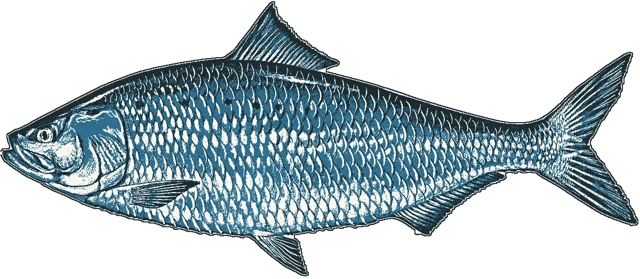
American shad
Alosa sapidissima · Fresh and salt
Some of the best-flavored fish in North America and prized roe, but so bony that most modern anglers do not bother.
Worth a try: Debone, score and deep-fry (Hank Shaw's boneless tempura shad), bake for hours to soften bones, or smoke; the roe sautéed with bacon is a spring classic.
- Tastes
- rich, oily, sweet, soft, extremely bony
- Limits
- Light regs. 10 per person per day; 20 per day in the Santee River and Rediversion Canal. Hook and line, cast net or skimbow net with the matching fresh or salt license (both if you fish both); shad gill nets need extra gear licenses and permits. No sale of recreational catch. (2026-27 SCDNR regulations (page updated Aug 5, 2026)) Source
- Best months
- Mid-January through April, when rivers reach about 55F.
- Where
- Santee River and Rediversion Canal (St. Stephen area), Cooper River and other undammed coastal rivers.
- shad darts
- Do not eat (under 14, pregnant, nursing or planning a pregnancy): this fish from any water with an advisory for any species, all named on this page.
Meal limits and other waters (3)
- Limit (everyone): one meal a month from Clarks Creek (Williamsburg County).
- Limit (everyone): one meal a week from the Coosawhatchie, Little Pee Dee, Little Salkehatchie and Pocotaligo rivers (SCDES's line for any other fish).
- Limit (under 14, pregnant, nursing or planning a pregnancy): one meal of freshwater fish a week from other waters.
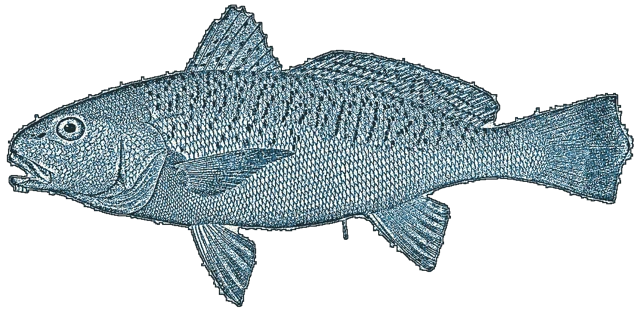
Atlantic croaker
Micropogonias undulatus · also called hardhead · Saltwater
Good mild meat (LSU Sea Grant rates it very good), but most catches are under half a pound, so yield is low and they are usually fried whole or as small fillets.
- Tastes
- mild, slightly sweet, medium-firm, small flakes
- Limits
- Light regs. 50 per person per day combined with spot and whiting (hook and line); no size limit. (2026-27 SCDNR regulations (page updated Aug 11, 2026)) Source
- Best months
- Year-round; peaks Nov-Dec (37% of MRIP catch) with the fall pier bite.
- Where
- Piers, bridges, sounds and surf; Cherry Grove and other Grand Strand piers.
- shrimp
- cut bait on bottom rigs
- Do not eat raw; croaker can pass trematode parasites (TPWD).
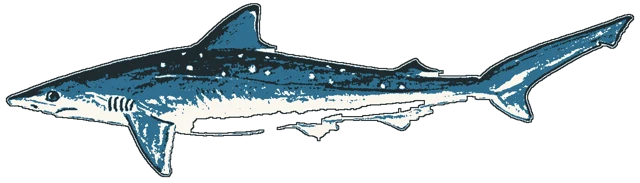
Atlantic sharpnose shark
Rhizoprionodon terraenovae · Saltwater
NOAA reports it is quite tasty; a common small surf and pier shark that some anglers keep and many use for bait.
- Tastes
- mild, firm
- Limits
- Heavy regs. 1 per person per day in state waters, no size limit listed. Rod and reel or handline only; non-offset, non-stainless circle hooks (except flies or artificial lures); land with fins, head and tail attached; no gigging sharks. Federal waters require an HMS permit with a shark endorsement. (2026-27 SCDNR regulations (page updated Aug 5, 2026)) Source
- Best months
- May-Jun (76% of identified sharpnose catch in MRIP).
- cut bloody fish
- FDA/EPA list shark as a 'Choice to Avoid' (highest mercury).
Before you eat it: Do not eat (anyone): any shark from South Carolina's estuarine or marine waters.
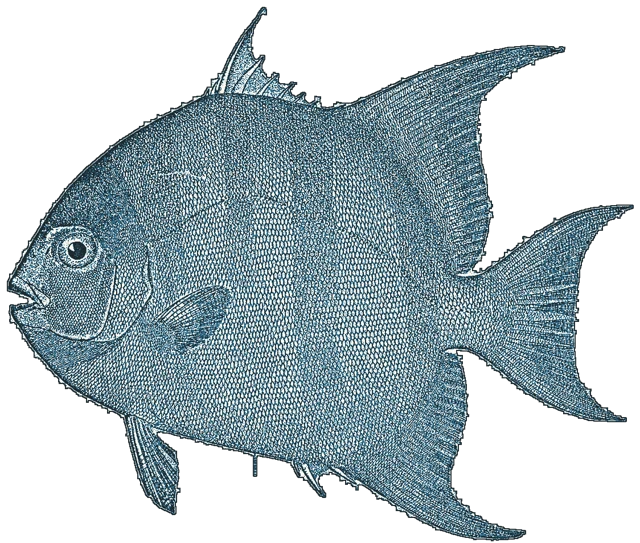
Atlantic spadefish
Chaetodipterus faber · Saltwater
Relatively good flesh (Florida Museum) and enjoyed by some anglers, but thin fillets on a round fish and a ciguatera association keep it in Just OK.
- Tastes
- mild, firm, white
- Limits
- Light regs. 14-inch total-length minimum and 30 per boat per day in state waters; counts toward the 20-fish snapper-grouper aggregate (no more than 10 of one species per person). (2026-27 SCDNR regulations (page updated Aug 5, 2026)) Source
- Best months
- May-November nearshore; MRIP puts 53% of catch in Jul-Aug and 34% in May-Jun.
- Where
- Nearshore artificial reefs, wrecks, buoys, jetties and harbors.
- cannonball jellyfish
- clam
- shrimp on small gold hooks
- Associated with ciguatera (Florida Museum).
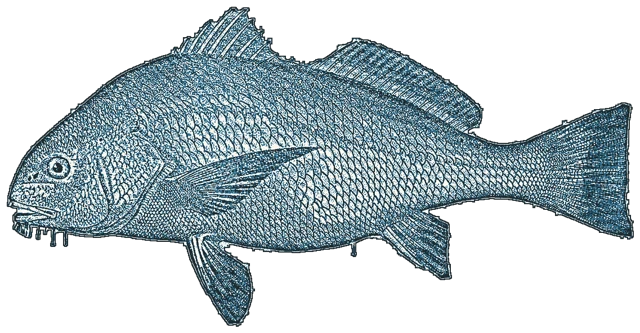
Black drum
Pogonias cromis · Saltwater
Small black drum are good eating, but big fish are coarse and often carry harmless but off-putting spaghetti worms, so the species' reputation is mixed.
Worth a try: Keep fish under about 5 lb (TPWD's cutoff) and skip the bulls. Small black drum fillets are white, mild and firm, and work anywhere redfish does: blackened, fried, or grilled on the half shell. LSU Sea Grant rates food value good, especially smaller fish.
- Tastes
- mild, sweet, firm; coarse in large fish
- Limits
- Heavy regs. 14-27 inch total-length slot, 5 per person per day, no boat limit. (2026-27 SCDNR regulations (page updated Aug 11, 2026)) Source
- Best months
- SCDNR: most abundant nearshore Feb-July; MRIP catch is highest Sept-Dec (63% of the year). Fish feed heavily before moving offshore in winter.
- Where
- Jetties, bridge and pier pilings, oyster and clam beds; Charleston Harbor, Cherry Grove and Folly Beach piers, Beaufort.
- quartered blue crab
- shrimp
- clams
- mussels
- Large fish are coarse and often carry larval tapeworms ('spaghetti worms'); harmless to people but unappetizing (LSU Sea Grant).
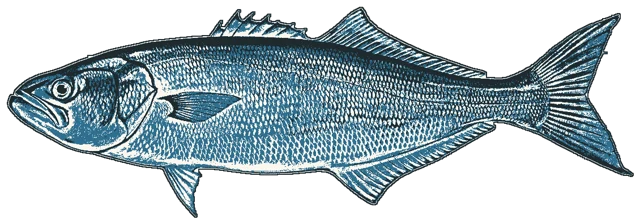
Bluefish
Pomatomus saltatrix · Saltwater
Rich, oily and strong-tasting, with soft meat that does not freeze well; Hank Shaw calls it about as polarizing a food as there is.
Worth a try: Bleed and ice it, cook it the same day, and trim the dark strip (NOAA). Fresh blues are excellent grilled or smoked, and smoked bluefish pâté is a New England classic (Hank Shaw). Acid such as citrus or tomato cuts the oil.
- Tastes
- rich, full, coarse, moist
- Limits
- Heavy regs. 5 per person per day (7 per person in the for-hire fishery); no size limit. (2026-27 SCDNR regulations (page updated Aug 11, 2026)) Source
- Best months
- Spring (May-Jun, 36% of MRIP catch) and fall (Sept-Oct, 30%).
- Where
- Surf, piers, inlets and nearshore schools.
- cut bait
- live bait
- trolled or cast lures
- Large bluefish can carry higher mercury and PCBs; some states recommend limited consumption (NOAA).
- Raw fillets freeze poorly; cook or smoke before freezing (Hank Shaw).
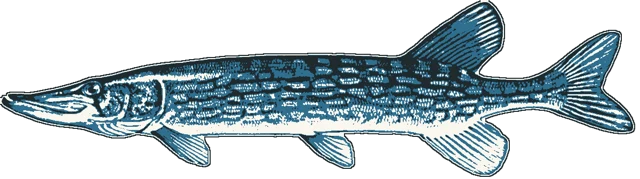
Chain pickerel
Esox niger · also called jackfish · Freshwater
White, flaky and good-tasting meat, but quite bony with pike-style Y-bones.
- Tastes
- mild, white, flaky, bony
- Limits
- Light regs. 30 per person per day, no size limit, open all year. Counts toward the 40 game fish per day total. (2026-27 SCDNR regulations (page updated Aug 5, 2026)) Source
- Where
- Vegetated, slow water in Coastal Plain rivers, swamps and lakes (do not eat from the ones named in the advice); Santee Cooper lakes.
- live minnows
- spinnerbaits
- weedless spoons
- surface plugs
- jerkbaits
- Do not eat (anyone): chain pickerel from the Combahee River (to US 17), Coosawhatchie River (Jasper County), Edisto River (to Willtown Bluff), Four Hole Swamp, Little Pee Dee River, Pocotaligo River or South Fork Edisto River.
- Do not eat (anyone): any fish from Lake Hartwell's Twelve Mile Creek or Seneca River arms.
- Do not eat (under 14, pregnant, nursing or planning a pregnancy): this fish from any water with an advisory for any species, all named on this page.
Meal limits and other waters (4)
- Limit (everyone): one meal a month from the Black, Little Salkehatchie, Lynches, North Fork Edisto, Salkehatchie and Waccamaw rivers, Clarks Creek (Williamsburg County), Langley Pond and Sesquicentennial State Park lake.
- Limit (everyone): one meal a week from the East and West forks of the Cooper River, the Lumber, New and North Santee rivers, the Savannah (Stevens Creek to SC 119) and Lake H.B. Robinson.
- Limit (under 14, pregnant, nursing or planning a pregnancy): one meal of freshwater fish a week from other waters.
- No restriction listed (people outside those groups): Lakes Marion, Moultrie and Thurmond.
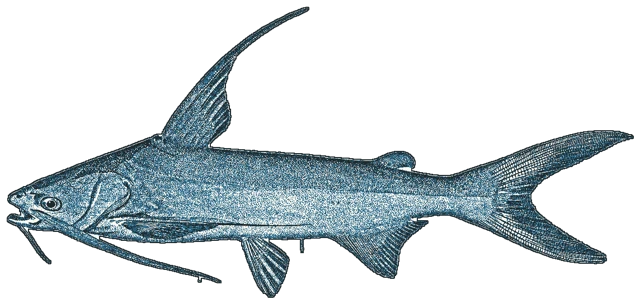
Gafftopsail catfish
Bagre marinus · Saltwater
Reputation is split: LSU Sea Grant rates it fair with a slightly fishy taste, and TPWD says it is hard to prepare and not usually eaten.
- Tastes
- mild to slightly fishy, firm, white
- Limits
- No harvest. Possession prohibited for saltwater catfishes (gafftopsail and hardhead catfish): release immediately. (2026-27 SCDNR regulations (page updated Aug 11, 2026)) Source
- Best months
- Jul-Oct (91% of MRIP catch).
- live shrimp
- small crabs
- small live pinfish
- artificial worms
- spoons
- Spines carry a toxic slime; handle carefully (TPWD).
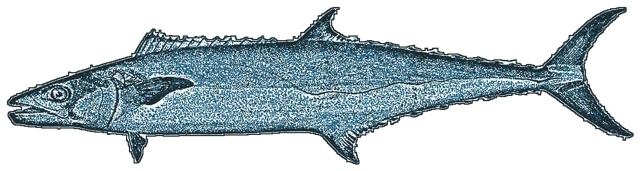
King mackerel
Scomberomorus cavalla · Saltwater
Rich, strong, oily meat that most people smoke or eat very fresh; LSU Sea Grant says the strong taste discourages most consumption.
- Tastes
- rich, pronounced, flaky, moist, oily
- Limits
- Heavy regs. 24-inch fork-length minimum, 3 per person per day. For-hire boats need a federal Coastal Migratory Pelagics permit to fish federal waters. (2026-27 SCDNR regulations (page updated Aug 11, 2026)) Source
- Best months
- May-Oct; MRIP puts 46% of catch in Sept-Oct and 32% in Jul-Aug. Fish migrate to Florida in fall.
- Where
- Nearshore artificial and natural reefs in 60-120 ft; big females just outside bays and sounds; king sections at Grand Strand piers (Apache, Cherry Grove, Myrtle Beach State Park).
- live menhaden or mullet slow-trolled or drifted
- rigged ballyhoo with skirts
- spoons and deep plugs
- live baits anchored off pier ends
- FDA/EPA list king mackerel as a 'Choice to Avoid' (highest mercury) for pregnant women and children; every Gulf state has issued advisories (LSU Sea Grant).
- Some ciguatera reports, mainly in South Florida (Florida Museum; UF/Florida DOH study).
Before you eat it: Do not eat (anyone): king mackerel over 39 inches. Do not eat (under 14, pregnant, nursing or planning a pregnancy): any king mackerel. Limit (everyone else): one meal a week of 33 to 39 inch fish. No restriction listed (people outside those groups): fish under 33 inches.
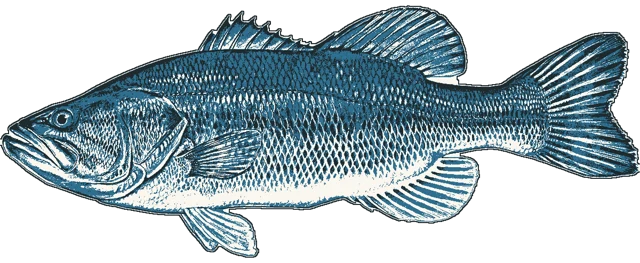
Largemouth bass
Micropterus nigricans (syn. M. salmoides) · also called black bass · Freshwater
Perfectly edible white fillets, but America's top catch-and-release fish and many anglers swear the meat tastes fishy or muddy, so reputation is split.
- Tastes
- mild to slightly 'fishy', firm, thick fillets
- Limits
- Heavy regs. Statewide: 5 black bass per person per day combined (largemouth, smallmouth, redeye and hybrids), no size limit. 14-inch minimum on Lakes Blalock, Greenwood, Jocassee, Marion, Monticello, Moultrie, Murray, Secession, Wateree and Wylie, the middle Saluda River and upper Santee River (still 5 per day). Georgia border waters (Lakes Hartwell, Russell incl. Hartwell tailwater, Thurmond, Tugaloo, Yonah, Stevens Creek Reservoir, Chattooga and Savannah rivers) and Lake Keowee: 12-inch minimum, 10 black bass combined. Lake Robinson (Greenville Co.): 12-inch minimum, 5. Slade's Lake: 12-inch minimum, 2. Counts toward the 40 game fish per day total; land with head and tail intact. (2026-27 SCDNR regulations (page updated Aug 5, 2026)) Source
- Spawns
- Spawn April-June at 65-75F (shallow, bedding fish); fall (Oct-Nov) as bass follow shad into the creeks.
- Where
- Statewide in warm water; Santee Cooper lakes (Marion, Moultrie), Lakes Murray, Wateree, Greenwood, Thurmond and Hartwell (do not eat from its Twelve Mile Creek or Seneca River arms), and the blackwater rivers (do not eat from the ones named in the advice).
- soft plastics (shaky-head worms)
- square-bill and lipless crankbaits
- spinnerbaits
- swimbaits
- jigging spoons in deep winter water
- Water-body mercury advisories commonly list largemouth bass; check your state's advisory before eating large fish.
- Do not eat (anyone): largemouth from the Black River, Combahee River (to US 17), Coosawhatchie River (Jasper County), Edisto River (to Willtown Bluff), Four Hole Swamp, Lake Conestee, Langley Pond (also PCBs), Little Pee Dee River, Little Salkehatchie River, Lumber River, New River (to Cook Landing), Pocotaligo River, Savannah River (SC 119 to US 17), Sesquicentennial State Park lake, South Fork Edisto River or Waccamaw River (to US 17).
- Do not eat (anyone): any fish from Lake Hartwell's Twelve Mile Creek or Seneca River arms.
- Do not eat (under 14, pregnant, nursing or planning a pregnancy): this fish from any water with an advisory for any species, all named on this page.
Meal limits and other waters (6)
- Limit (everyone): one meal a month from Lakes Hartwell, Wateree (PCBs), H.B. Robinson, Tugaloo and Yonah, Lake Wallace (Diversion Lake), Cedar Creek and Fishing Creek reservoirs, the Catawba, Lynches, North Fork Edisto, Salkehatchie and Santee rivers, the Great Pee Dee (I-95 to Winyah Bay), the Savannah (Stevens Creek to SC 119), Black Creek (Florence County), and Black Mingo, Clarks and Russ creeks.
- Limit (everyone): one meal a week from Lakes Marion, Thurmond, Keowee, Jocassee, Russell and Wylie, the Diversion Canal and 24 more listed waters.
- Limit (under 14, pregnant, nursing or planning a pregnancy): one meal of freshwater fish a week from other waters.
- PFAS (SCDES): to cut exposure, eat less of this fish and only the fillet, not the organs.
- No restriction listed (people outside those groups): Lakes Moultrie and Murray.
- Other listed waters differ (SCDES table, March 2020).
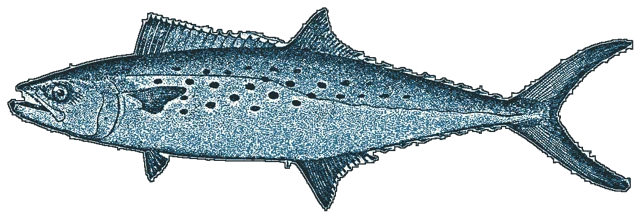
Spanish mackerel
Scomberomorus maculatus · Saltwater
Very good fresh and bled, but oily with a pronounced flavor that fades fast on ice; better broiled or smoked than fried (LSU Sea Grant).
- Tastes
- rich, pronounced, flaky, moist
- Limits
- Light regs. 12-inch fork-length minimum, 15 per person per day. (2026-27 SCDNR regulations (page updated Aug 11, 2026)) Source
- Best months
- Present April-November; peaks May-Jun (45% of MRIP catch) and Sept-Oct (33%).
- Where
- 1-5 miles outside inlets and sound mouths, around nearshore artificial reefs, and from ocean piers.
- small silver or gold spoons (Clark, Hopkins) trolled fast
- live bait drifted
- pier casting
Before you eat it: SCDES marine advisory: no restrictions on Spanish mackerel.
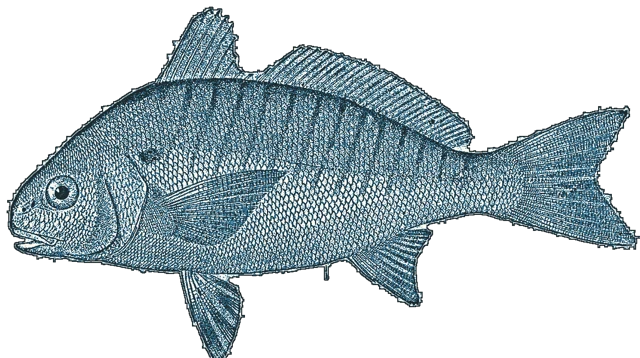
Spot
Leiostomus xanthurus · Saltwater
A pier and bridge staple kept by the cooler-full and fried whole; small size and a slightly rich flesh keep it in Just OK.
- Tastes
- medium, small flakes
- Limits
- Light regs. 50 per person per day combined with croaker and whiting (hook and line); no size limit. (2026-27 SCDNR regulations (page updated Aug 11, 2026)) Source
- Best months
- Fall run: Sept-Oct (40% of MRIP catch) and Nov-Dec (26%), when large adults arrive from the north.
- Where
- Coastal fishing piers and estuaries.
- shrimp
- clams
- cut bait on the bottom
Before you eat it: SCDES marine advisory: no restrictions on spot.
Spotted bass
Micropterus punctulatus · also called spots · Freshwater
Eats like other black bass and is kept more often than largemouth because it is abundant and small; agencies in some states encourage harvest.
- Tastes
- mild, firm, white
- Limits
- Light regs. Statewide 15 per person per day, any length, open all year (separate from the 5 black bass limit). On the Georgia border waters (Hartwell, Russell, Thurmond, Tugaloo, Yonah, Stevens Creek, Chattooga and Savannah rivers) and Lake Keowee, spotted bass count in the 10 combined black bass limit. (2026-27 SCDNR regulations (page updated Aug 5, 2026)) Source
- Where
- Lakes Keowee, Jocassee, Hartwell (do not eat from its Twelve Mile Creek or Seneca River arms) and Russell; tributaries of the Enoree, Saluda and Savannah; Catawba River reservoirs.
- drop shots
- shaky heads around brush and docks
- swimbaits and jerkbaits for schooling fish
- Do not eat (anyone): any fish from Lake Hartwell's Twelve Mile Creek or Seneca River arms.
- Do not eat (under 14, pregnant, nursing or planning a pregnancy): this fish from any water with an advisory for any species, all named on this page.
Meal limits and other waters (3)
- Limit (everyone): one meal a month from the rest of Lake Hartwell (PCBs, and high mercury).
- Limit (everyone): one meal a week from Lakes Keowee, Jocassee and Russell, or Langley Pond.
- Limit (under 14, pregnant, nursing or planning a pregnancy): one meal of freshwater fish a week from other waters.
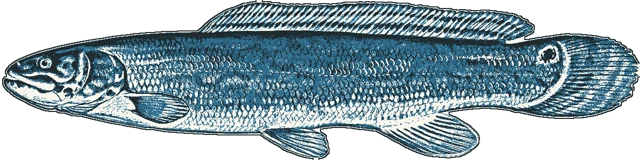
Bowfin
Amia calva (ruddy bowfin) and Amia ocellicauda (emerald bowfin) · also called mudfish · Freshwater
TPWD calls it a rough fish rather than one for the table; the soft, pale flesh earned it the nickname 'cottonfish'.
Worth a try: Keep it alive until you clean it, cook it the same day, and use it smoked, fried as patties or stewed; MeatEater serves fried bowfin with a morel cream sauce.
- Tastes
- mild, soft, jelly-like unless very fresh
- Limits
- No limits. No creel or size limit (nongame fish). (2026-27 SCDNR regulations (page updated Aug 11, 2026)) Source
- Spawns
- Spawns March to early June.
- Where
- Sluggish Coastal Plain rivers, swamps, creeks, ditches and borrow pits (do not eat from the waters named in the advice); Santee Cooper lakes.
- spinnerbaits
- Texas-rigged plastic worm
- Do not eat (anyone): bowfin from the Ashley River (SC 165 to Highway 526), Black Mingo Creek, Combahee River (to US 17), Coosawhatchie River (Jasper County), Edisto River (to Willtown Bluff), Four Hole Swamp, Lake H.B. Robinson, Lake Wallace (Diversion Lake), Little Pee Dee River, Little Salkehatchie River, Lumber River, Lynches River (US 15 to the Great Pee Dee), New River (to Cook Landing), North Fork Edisto River, Penny Creek (Charleston County), Pocotaligo River, Russ Creek (Marion County), Salkehatchie River, Savannah River (Stevens Creek to US 17), South Fork Edisto River, South Santee River or Waccamaw River (to US 17).
- Do not eat (anyone): any fish from Lake Hartwell's Twelve Mile Creek or Seneca River arms.
- Do not eat (under 14, pregnant, nursing or planning a pregnancy): this fish from any water with an advisory for any species, all named on this page.
Meal limits and other waters (4)
- Limit (everyone): one meal a month from the Ashepoo (Walterboro to US 17), Black, Saluda (Lake Greenwood dam to Columbia) and Sampit rivers, the Great Pee Dee (I-95 to Winyah Bay), the Cooper River (the T to Bushy Park), Black Creek (Florence County), Clarks and Cuckolds creeks, the Horry County Intracoastal Waterway and Louthers Lake.
- Limit (everyone): one meal a week from Lakes Marion and Moultrie, the Diversion Canal, the Santee River and 12 more listed waters.
- Limit (under 14, pregnant, nursing or planning a pregnancy): one meal of freshwater fish a week from other waters.
- Other listed waters differ (SCDES table, March 2020).
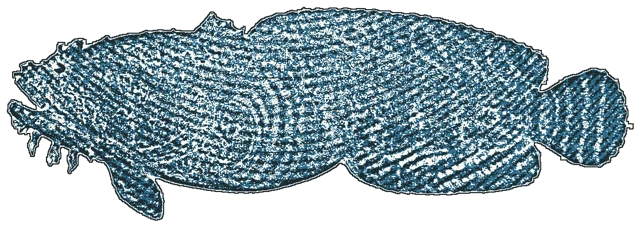
Oyster toadfish
Opsanus tau · Saltwater
An ugly, snapping bycatch fish that almost nobody keeps; toadfishes are generally considered undesirable as food (Florida Museum).
- Tastes
- mild
- Limits
- No limits. No SC size, bag or season rules listed. (2026-27 SCDNR regulations (page updated Aug 11, 2026)) Source
- Best months
- May-Oct (88% of MRIP catch).
- Where
- Oyster reefs, rocky bottom, jetties, wrecks and docks.
- any live or cut bait fished on the bottom
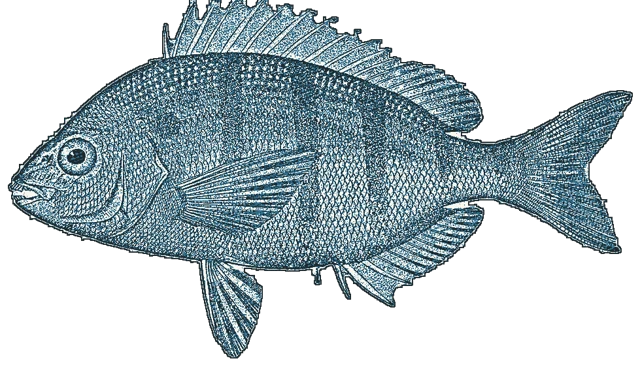
Pinfish
Lagodon rhomboides · also called sailor's choice · Saltwater
Used as live bait far more than eaten; TPWD notes good flavor, but they are too small to bother with.
- Tastes
- good, small, bony
- Limits
- No limits. No SC size or bag limit listed for pinfish. (2026-27 SCDNR regulations (page updated Aug 11, 2026)) Source
- Best months
- Jul-Oct (83% of MRIP catch).
- Where
- Docks, pilings, rocks and grass in estuaries coastwide.
- any small natural bait (they steal shrimp off hooks set for other fish)
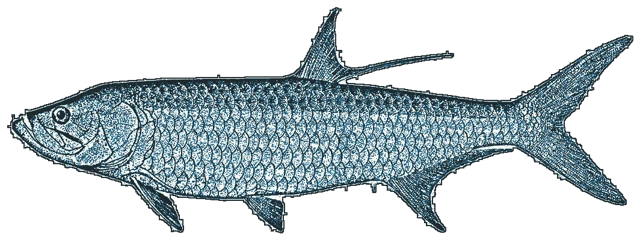
Tarpon
Megalops atlanticus · Saltwater
Bony and rarely eaten in the US; Florida's tarpon fishery is catch-and-release only except with a record tag.
- Limits
- Heavy regs. 1 per person per day with a 77-inch fork-length minimum (in practice catch and release); rod and reel only. Gamefish: no sale, no nets; circle hooks required with natural bait on 4/0+ hooks (since July 1, 2026). (2026-27 SCDNR regulations (page updated Aug 11, 2026)) Source
- Best months
- Arrive in April and peak July-August (SCDNR); MRIP puts 97% of catch in Jul-Aug.
- Where
- Estuaries and inshore waters; Port Royal Sound and Winyah Bay are named by angling media.
- live or cut menhaden
- menhaden chum
Where to fish in South Carolina
Fish named here are what people catch at each spot, not a promise they’re safe to eat. Read the eating advice on the fish’s card before you keep one.
# Salt or brackish# Freshwater
- 1Lake Marion (Santee Cooper) reservoir · fresh
The upper Santee Cooper lake: blue cats were first stocked here in 1964, the tied state-record largemouth came from it, and its stripers reproduce naturally. SCDES: no fish from this lake for children under 14 and women who are pregnant, nursing or planning a pregnancy, and one meal a week of its bowfin or largemouth for everyone else.
Known for: Striped bass, Blue catfish, Largemouth bass, Black crappie, Bluegill
Access: Santee State Park on the lake (camping, boating, fishing); other public landings on the SCDNR Fishing Access map. Cantey Bay, Black Bottom and Savannah Branch are closed to all boats and fishing Nov 1-Feb 28.
- 2Lake Moultrie (Santee Cooper) reservoir · fresh
State-record blue catfish (113.8 lb, 2017) and the world-record channel catfish (58 lb, 1964); stripers gather at the Moultrie dam in fall. SCDES: no fish from this lake for children under 14 and women who are pregnant, nursing or planning a pregnancy, because it has a bowfin advisory (one meal a week for everyone else).
Known for: Blue catfish, Channel catfish, Striped bass, Black crappie, Largemouth bass
Access: Public boat landings on the SCDNR Fishing Access map. The Hatchery WMA on the lake is closed to fishing Saturdays until noon and all day on the last Saturday of waterfowl season.
- 3Cooper River below Pinopolis Dam (Tailrace Canal) tailrace · fresh
Outflow of Lake Moultrie into the Cooper River; one of the largest SC striper rivers and a spring shad sport fishery. SCDES: no fish from this river for children under 14 and women who are pregnant, nursing or planning a pregnancy, and one meal a week of its largemouth for everyone else.
Known for: Striped bass, Blue catfish, American shad, Largemouth bass, Redear sunfish
Access: Public boat landings on the SCDNR Fishing Access map. No trotlines, traps or eel pots in the Tailrace Canal.
- 4Lake Murray reservoir · fresh
Major striper and bass lake 30 miles from Columbia, with its own striper rule (21-inch minimum Oct-May, 5 per day); trout below the dam in the lower Saluda. SCDES: no fish from the lower Saluda, which has an advisory, for children under 14 and women who are pregnant, nursing or planning a pregnancy.
Known for: Striped bass, Largemouth bass, Blue catfish, Black crappie, White perch
Access: Dreher Island State Park, a long-time launch site for national tournaments; other landings on the SCDNR Fishing Access map. No SCDES advisory for Lake Murray.
- 5Lake Wateree reservoir · fresh
Catawba River lake with schooling stripers in fall and many bass tournaments; note the PCB consumption advisory. SCDES: no fish from this lake for children under 14 and women who are pregnant, nursing or planning a pregnancy; for everyone else, one meal a month of its striped bass, largemouth or blue catfish and one meal a week of black crappie (PCBs).
Known for: Striped bass, Largemouth bass, Black crappie, Blue catfish
Access: Lake Wateree State Park: two-lane public boat ramp, tackle shop and in-water fuel dock.
- 6Lake Hartwell reservoir · fresh
56,000-acre border lake with spotted bass, hybrids and stripers, and SC's only reproducing walleye population. SCDES: do not eat its hybrid or striped bass (PCBs), or any fish from the Twelve Mile Creek or Seneca River arms. SCDES: no fish from this lake for children under 14 and women who are pregnant, nursing or planning a pregnancy, and one meal a month of its largemouth or spotted bass for everyone else.
Known for: Spotted bass, Largemouth bass, Black crappie, Walleye
Access: Lake Hartwell State Park: public boat ramp and a 140-foot fishing pier. Georgia and SC licenses are both valid. PCB advisory: eat no fish from the Twelve Mile Creek or Seneca River arms.
- 7Lake J. Strom Thurmond (Clarks Hill) reservoir · fresh
Big border reservoir known for stripers and hybrids, big blue and flathead catfish, and crappie on brush. SCDES: no fish from this lake for children under 14 and women who are pregnant, nursing or planning a pregnancy, and one meal a week of its largemouth for everyone else.
Known for: Striped bass, Hybrid striped bass, Blue catfish, Flathead catfish, Black crappie
Access: Hickory Knob State Resort Park boat ramp (one side closed for low water at last check) and Hamilton Branch State Park (boat ramp and 150+ lakefront campsites). Georgia and SC licenses are both valid.
- 8Lake Jocassee reservoir · fresh
Cold, clear 7,500-acre mountain lake where SCDNR says 2-6 lb trout are frequent and 10-pounders show up. SCDES: no fish from this lake, trout included, for children under 14 and women who are pregnant, nursing or planning a pregnancy, and one meal a week of its spotted bass for everyone else.
Known for: Rainbow trout, Brown trout, Spotted bass, Smallmouth bass
Access: Devils Fork State Park (boat access to the lake and its waterfalls). Trout rule: 3 per day, 15-inch minimum Oct-May with 1 over 20 inches.
- 9Charleston Harbor and jetties estuary · salt
Big bull reds at the harbor jetties in late summer and fall, sheepshead on the rocks, and trout and reds in the surrounding creeks.
Known for: Red drum, Spotted seatrout, Southern flounder, Sheepshead, Black drum
Access: Charleston-area public piers on SCDNR's list include Brittlebank Park Pier (Ashley River), Sunrise Park Pier (James Island) and Palmetto Islands County Park pier (Mt. Pleasant); public landings on the SCDNR Fishing Access map. No SCDES advisory for the harbor.
- 10Murrells Inlet inlet · salt
Grand Strand anglers troll mud minnows for flounder around the inlets in summer; reds and trout in the marsh.
Known for: Red drum, Southern flounder, Spotted seatrout, Black drum, Sheepshead
Access: Huntington Beach State Park: 3 miles of beach for surf fishing with the jetty at the north end.
- 11Winyah Bay (Georgetown) estuary · brackish
Where the Waccamaw, Pee Dee, Black and Sampit rivers meet; Georgetown captains report strong fall trout and redfish.
Known for: Red drum, Spotted seatrout, Southern flounder, Tarpon, Striped bass
Access: Public boat landings around Georgetown on the SCDNR Fishing Access map. Herring fishing is closed in the Winyah Bay river system except the Great Pee Dee. No SCDES advisory for the bay.
- 12Port Royal Sound (Beaufort) sound · salt
SCDNR documented cobia spawning inside the sound each spring; heart of the southern cobia zone (closed in May). SCDES: no cobia for children under 14 and women who are pregnant, nursing or planning a pregnancy, and one meal a month for everyone else.
Known for: Cobia, Red drum, Spotted seatrout, Tarpon, Sheepshead
Access: Broad River Fishing Pier (west of Beaufort on SC 170, Beaufort County) and Paradise Pier at Hunting Island State Park, both on SCDNR's pier list; landings on the SCDNR Fishing Access map. No SCDES advisory for the sound.
- 13Grand Strand ocean piers (Myrtle Beach State Park pier shown) pier · salt
Fall runs of whiting, spot and croaker, Spanish mackerel in spring and fall, and king mackerel off the pier ends in summer. SCDES: nobody should eat king mackerel over 39 inches, children under 14 and women who are pregnant, nursing or planning a pregnancy should eat none, and everyone else should stop at one meal a week of 33 to 39 inch fish.
Known for: Kingfish (whiting), Spot, Atlantic croaker, Bluefish, Spanish mackerel
Access: SCDNR lists Cherry Grove, 2nd Avenue, Springmaid, Apache (1,206 ft), Surfside, Kingfisher and Myrtle Beach State Park piers; pier fees apply and no saltwater license is needed on a licensed public pier. Horry County: no shore fishing within 50 ft of an ocean pier.
- 14Charleston 60 artificial reef (offshore) offshore · salt
One of SC's permitted reef sites; reefs concentrate sea bass, spadefish and king mackerel within reach of small boats. SCDES: nobody should eat king mackerel over 39 inches, children under 14 and women who are pregnant, nursing or planning a pregnancy should eat none, and everyone else should stop at one meal a week of 33 to 39 inch fish.
Known for: Black sea bass, King mackerel, Atlantic spadefish, Spanish mackerel
Access: Boat only; about 16 nautical miles southeast of Folly Beach, so federal rules apply. Special Management Zone: handheld hook and line and spearfishing only (no powerheads); snapper-grouper and coastal pelagics limited to the recreational bag.
South Carolina fishing license and rules
- Resident: $10 annual; $30 for 3 years; $5 for 14 days
- Nonresident: $35 annual; $105 for 3 years
- Nonresident short-term: Freshwater: 14-day $11. Saltwater: 7-day $35 or 1-day $10 (nonresident annual saltwater is $75).
- Saltwater: Separate saltwater license ($15 resident annual, $75 nonresident annual); not needed on a licensed public fishing pier or a licensed charter/headboat under hire.
- Who needs one: Licenses required at age 16 and older. Under 16 needs no license unless fishing commercially or using nongame devices (trotlines, set hooks, jugs, traps, gill nets, eel pots). Residents 64 and older with 180 days' residency can buy a $9 Senior Fishing License (freshwater, set hook and saltwater) that does not expire.
- Free fishing days: Memorial Day (May 31, 2027) and July 4, 2027: residents only, freshwater only (S.C. Code 50-9-730).
More license details
Resident saltwater also comes as 3-year $45 and 14-day $10. The resident Combination License ($25 annual, $75 for 3 years) bundles state hunting, big game and FRESHWATER fishing only; it does not cover saltwater. The Sportsman ($50 annual, $150 for 3 years) and Junior Sportsman ($16, ages 16-17) licenses are also freshwater-only for fishing. Lifetime saltwater ($300, ages 16-63) or a saltwater add-on to a lifetime combination license is available to residents. Saltwater license exemptions: licensed public pier, licensed charter vessel under hire, 3 or fewer drop nets / fold-up traps / hookless handlines ('chicken necking'), and shrimp baiting (which needs its own $25 resident / $500 nonresident shrimp baiting license). A $5 crab trap endorsement allows up to 5 crab traps. No freshwater license is needed in a privately owned pond or an SCDNR-permitted pay pond. Everyone 16+ fishing from a boat needs a license; a boat may run unlimited rods only if all aboard 16+ are licensed (otherwise 4 devices per angler). Georgia and SC licenses are both valid on the Savannah River, Chattooga River, and Lakes Hartwell, Russell, Thurmond, Tugaloo, Yonah, Stevens Creek and New Savannah Bluff (not their tributaries). Annual and 3-year licenses run from date of purchase. Resident = domiciled in SC 30 days; full-time students and stationed military qualify. Nonresident prices: https://www.dnr.sc.gov/licenses/pricingnonresident.html. Licenses are also sold through the Go Outdoors South Carolina app, license vendors and SCDNR offices.
Buy a license License types and fees
Fees: 2026-2027 (fees effective July 1, 2026 – June 30, 2027).
- Two separate licenses: freshwater and saltwater. The dividing line is generally US Highway 17, with listed exceptions (e.g., the Wando River and Shem Creek are saltwater their whole length; on the Cooper River the line is at Old Back River below Bushy Park). Fishing both sides of the line means buying both.
- No saltwater license is needed on a licensed public pier or a licensed charter/headboat under hire. Everyone 16 and older fishing from a private boat needs a license.
- Red drum changed July 1, 2026: 1 per person, 2 per boat, 18-25 inch slot; none may be kept from federal waters.
- Since July 1, 2026, non-offset, non-stainless circle hooks are required when using natural bait on hooks 4/0 or larger for saltwater gamefish (red drum, seatrout, cobia, tarpon, striped bass); circle hooks also apply to sharks and snapper-grouper.
- Snapper-grouper fishing requires a dehooking tool and a ready-to-use descending device aboard.
- Red drum, spotted seatrout, cobia, tarpon and striped bass are gamefish: no sale and no nets. Billfish can never be sold.
- Hardhead and gafftopsail catfish: possession prohibited; release immediately. Atlantic and shortnose sturgeon may not be possessed.
- No flounder gigging in saltwater during daylight; no gigging red drum or seatrout in Dec-Feb; no gigging sharks.
- Southern-zone cobia (state waters south of Jeremy Inlet, Edisto Island) is closed May 1-31 and limited to 3 per boat.
- Santee Cooper stripers: open Oct 1-June 15 only, 3 per day, keep 23-25 inches plus one over 26 inches.
- Horry County: no fishing from shore within 50 ft of an ocean fishing pier, and no boat fishing within 300 ft of a commercial ocean pier.
- Georgia and SC licenses are both valid on the Savannah and Chattooga rivers and on Lakes Hartwell, Russell and Thurmond, but not on their tributaries.
- Bait rules: bream (not redbreast) may be used as game-fish bait, and trout too on Lakes Hartwell, Russell, Thurmond, Tugaloo, Yonah, Stevens Creek Reservoir and the Savannah River; non-native baitfish banned except fathead minnows, golden shiners and goldfish; never dump a bait bucket.
- Saltwater fish must be landed with head and tail intact.
- State records are kept separately for freshwater (https://www.dnr.sc.gov/fish/freshrecs/records.html) and saltwater (https://www.dnr.sc.gov/fish/saltrecs/records.html); report a possible record at an SCDNR regional office.
Limits here are summaries for convenience, checked on the date shown. The official South Carolina regulations govern; check them before you keep a fish.
Before you eat it
- Do not eat (anyone): any fish of any species from the Twelve Mile Creek or Seneca River arms of Lake Hartwell, or hybrid or striped bass from anywhere in the lake (PCBs).
- Do not eat (anyone): bowfin (mudfish) from 22 listed waters or largemouth bass from 16, among them the Edisto River (to Willtown Bluff), the Waccamaw River (NC line to US 17) and the Savannah River (SC 119 to US 17); each fish's advice names every one.
- Do not eat (anyone): chain pickerel from the Combahee, Coosawhatchie, Edisto, Little Pee Dee, Pocotaligo or South Fork Edisto rivers or Four Hole Swamp; flathead catfish from the Edisto, Little Pee Dee, Lumber, South Fork Edisto or South Santee rivers; channel catfish from the Edisto, Lumber or Lynches rivers or Langley Pond; blue catfish from the Little Pee Dee River; redear sunfish or largemouth from Lake Conestee (mercury and chlordane).
- Do not eat (anyone): king mackerel over 39 inches or any shark, in all marine and estuarine waters.
- Do not eat (under 14, pregnant, nursing or planning a pregnancy): any king mackerel, shark, swordfish, tilefish or cobia, or any freshwater fish from a water with an advisory for any species; from other waters, these groups should eat one meal of freshwater fish a week.
- Do not eat (under 14, pregnant, nursing or planning a pregnancy), rivers with an advisory: Ashepoo, Ashley, Black, Catawba, Combahee, Congaree, Cooper, Coosawhatchie, Edisto, Great Pee Dee, Little Pee Dee, Little Salkehatchie, Lumber, Lynches, New (to Cook Landing), North Fork Edisto, North Santee, Pocotaligo, Salkehatchie, Saluda (Lake Greenwood dam to Columbia), Sampit, Santee, Savannah (below Stevens Creek), South Fork Edisto, South Santee, Waccamaw and Wateree.
- Do not eat (under 14, pregnant, nursing or planning a pregnancy), lakes and ponds with an advisory: Lakes Ashwood, Conestee, George Warren, H.B. Robinson, Hartwell, Jocassee, Keowee, J. Strom Thurmond (Clarks Hill), Marion, Moultrie, Prestwood, Russell, Tugaloo, Wallace, Wateree, Wylie and Yonah, Louthers Lake, Cedar Creek and Fishing Creek reservoirs, Dargan's Pond, Langley Pond and Sesquicentennial State Park lake.
- Do not eat (under 14, pregnant, nursing or planning a pregnancy), creeks, swamps and canals with an advisory: Black (Florence County), Black Mingo, Chessey, Clarks, Cuckolds, Durham, Horseshoe, Penny, Russ, Wadboo, Wadmacon and Wambaw creeks, Four Hole Swamp, the Horry County Intracoastal Waterway, and the Santee Cooper Diversion and Rediversion canals.
- Marine and estuarine waters (everyone else): one meal a month of cobia or swordfish; one meal a week of tilefish or 33 to 39 inch king mackerel; no restrictions on red drum, spot, spotted seatrout, weakfish, flounder, mahi mahi, Spanish mackerel or kings under 33 inches.
- Edisto River (to Willtown Bluff): one meal a month of blue catfish; one meal a week of black crappie, bluegill, redbreast or redear.
- Lake Hartwell outside those two arms: one meal a month of channel catfish, largemouth or spotted bass (PCBs, and high mercury in both basses).
- PCBs, one meal a month: blue and channel catfish, largemouth, striped and white bass from Lake Wateree; black crappie, blue and channel catfish, largemouth and white bass from Cedar Creek and Fishing Creek reservoirs; blue and channel catfish, largemouth and white bass from the Catawba River; blue and channel catfish from the Wateree River; blue catfish from the Great Pee Dee (NC line to I-95). Lake Wylie (PCBs): one meal a week of largemouth and white catfish.
- Any fish from Clarks Creek (Williamsburg County): one meal a month. Any fish without a stricter line from the Coosawhatchie (Jasper County), Little Pee Dee, Little Salkehatchie or Pocotaligo rivers or Langley Pond: one meal a week.
- Santee Cooper: Lake Marion, the Diversion Canal and the Rediversion Canal, one meal a week of bowfin and largemouth, and of blue catfish from the Rediversion Canal; Lake Moultrie, one meal a week of bowfin; blue and channel catfish, black crappie, bluegill, redear and redbreast have no restriction listed in either lake for people outside the at-risk groups.
- Counting meals (SCDES): a meal is 8 ounces of raw fish. One meal a month means that fish once and no other fish with an advisory that month; one meal a week works the same way.
- PFAS (SCDES, October 2023): to cut exposure, eat less largemouth bass, bluegill, redear sunfish and black crappie, and eat only the fillets, not the organs. This matters most for subsistence anglers, children under 14, and women who are nursing, pregnant or planning a pregnancy.
- PCB waters: SCDES says to remove the head, guts, skin and fat, to broil, bake, poach or boil instead of frying, and not to eat or use the cooking liquid. The meal limits still apply.
- Savannah River: some fish also contain the radioisotopes cesium-137 and strontium-90 (SCDES).
- No advisories: Lake Murray, Lake Greenwood, Lake Monticello, Charleston Harbor, Port Royal Sound and Winyah Bay are on SCDES's 'Waterbodies with No Advisories' list. The coastwide king mackerel, shark, cobia, swordfish and tilefish lines and the at-risk weekly limit still apply there.
- Tools: SCDES GIS advisory map (https://gis.des.sc.gov/fishadvisories/) and MyFish mercury calculator; the printable advisory table linked on the page is dated March 2020, and SCDES answers questions at 1-888-849-7241. If a water or fish is not listed, SCDES has not issued advice for it; it may not have been sampled.
Local lingo
- spottail / spottail bass = red drum (also redfish, channel bass; small ones 'puppy drum')
- winter trout / speckled trout = spotted seatrout; summer trout / gray trout = weakfish
- whiting = southern kingfish
- hardhead = Atlantic croaker
- blackfish = black sea bass
- B-liner = vermilion snapper
- bonito = little tunny (false albacore) in SCDNR usage
- mud minnow = mummichog, the go-to live bait for flounder and reds
- finger mullet = small mullet used as live bait
- rockfish = striped bass (the state fish)
- Palmetto bass = hybrid striped bass (bred by SCDNR)
- Bartram's bass = SC's redeye bass
- bream (said 'brim') = bluegill and other sunfish; shellcracker = redear sunfish; stumpknocker = spotted sunfish
- jackfish = chain pickerel
- mudfish = bowfin
- Santee Cooper = Lakes Marion and Moultrie; Clarks Hill = Lake Thurmond
- chicken necking = crabbing with a baited handline (no license needed with 3 or fewer lines)
Questions anglers ask about South Carolina
What is the most common fish in South Carolina?
In salt water, Atlantic croaker: NOAA's recreational survey puts it first in South Carolina at about 7.7 million fish a year (2023-2025 average), though only 7% are kept. Whiting (kingfish) is second and the fish anglers keep most. Inland, SCDNR says anglers spend more time and money chasing largemouth bass than any other species.
Do I need a saltwater fishing license in South Carolina?
Yes. Separate saltwater license ($15 resident annual, $75 nonresident annual); not needed on a licensed public fishing pier or a licensed charter/headboat under hire.
What is the best fish to eat in South Carolina?
23 of the 40 fish on our South Carolina board rate Best eating. They include: striped bass, hybrid striped bass, black crappie, bluegill, redear sunfish and redbreast sunfish.
What is the state fish of South Carolina?
Striped bass (rockfish): Official State fish, S.C. Code Section 1-1-640.
Does South Carolina have free fishing days?
Memorial Day (May 31, 2027) and July 4, 2027: residents only, freshwater only (S.C. Code 50-9-730).
Which South Carolina fish are better to eat than their reputation?
We give the Worth a try badge to bowfin, American shad, black drum and bluefish: fish most anglers toss or rate low that eat well when they're cleaned and cooked right. Each card says how.
Neighboring states
Sources
Limits, prices and advisories come from these pages, read on or before Nov 21, 2026. Where a line gives its own date, that’s the date it rests on. Eating advice changes: check the state’s current list. Ratings are national and come from the fish’s own page.
83 sources
- des.sc.gov American shad: advisory; black crappie: advisory; blue catfish: advisory; bluegill: advisory; bowfin: advisory, mudfish name; chain pickerel: advisory; channel
- des.sc.gov Atlantic sharpnose shark: advisory; cobia: advisory; king mackerel: advisory; mahi-mahi: advisory; red drum: advisory
- des.sc.gov flathead catfish: advisory; redbreast sunfish: advisory
- des.sc.gov American shad: advisory; black crappie: advisory; blue catfish: advisory; bluegill: advisory; bowfin: advisory; chain pickerel: advisory; channel catfish: advis
- des.sc.gov hybrid striped bass: advisory; spotted bass: advisory
- des.sc.gov rainbow trout: advisory
- dnr.sc.gov Florida pompano: mole crab bait, surf; black drum: blue crab bait, where; king mackerel: live menhaden; kingfish (whiting): cut shrimp rig, surf; red drum: bull
- dnr.sc.gov cobia: inshore spawning study; fishing spots
- dnr.sc.gov red snapper: SC EFP season concluded; possible December days
- experience.arcgis.com where to fish
- license.gooutdoorssouthcarolina.com license buy
- saltwaterfishing.sc.gov Atlantic croaker: hardhead name; black sea bass: blackfish name; pinfish: sailor's choice name; red drum: local names; red snapper: names; spotted seatrout: loc
- saltwaterfishing.sc.gov American shad: shad darts; Atlantic croaker: baits, habitat; Atlantic spadefish: baits, months; Florida pompano: months; Spanish mackerel: piers; black drum: ba
- saltwaterfishing.sc.gov fishing spots
- southcarolinaparks.com fishing spots
- southcarolinaparks.com fishing spots
- southcarolinaparks.com fishing spots
- southcarolinaparks.com fishing spots
- southcarolinaparks.com fishing spots
- southcarolinaparks.com fishing spots
- southcarolinaparks.com fishing spots
- carolinasportsman.com bowfin: baits
- dnr.sc.gov American shad: state record; blue catfish: state record; bluegill: state record, bream name; bowfin: world record, mudfish name; channel catfish: world record;
- dnr.sc.gov redbreast sunfish: Edisto stocking since 1995
- dnr.sc.gov American shad: run timing; black crappie: spawning; bowfin: spawning; chain pickerel: spawning; flathead catfish: spawning; hybrid striped bass: Palmetto bass n
- dnr.sc.gov rainbow trout: stocking, where, months; top species
- dnr.sc.gov American shad: range, roe
- dnr.sc.gov black crappie: why_common; top species
- dnr.sc.gov blue catfish: introduction, range
- dnr.sc.gov bluegill: range, stocking; top species
- dnr.sc.gov bowfin: range, habitat
- dnr.sc.gov chain pickerel: range, habitat
- dnr.sc.gov channel catfish: range
- dnr.sc.gov flathead catfish: range, introduction
- dnr.sc.gov largemouth bass: why_common, spawning; top species
- dnr.sc.gov rainbow trout: range
- dnr.sc.gov redbreast sunfish: why_common, spawning, habitat; top species
- dnr.sc.gov redear sunfish: name origin, habitat
- dnr.sc.gov spotted bass: range, non-native; top species
- dnr.sc.gov fishing spots; striped bass: range, natural reproduction; top species
- dnr.sc.gov white perch: range, eating quality
- dnr.sc.gov yellow perch: range, eating quality
- dnr.sc.gov license fees
- dnr.sc.gov license info
- dnr.sc.gov Spanish mackerel: spoons, where; black sea bass: squid, depths, blackfish name; king mackerel: baits, depths; mahi-mahi: baits, depths; red snapper: baits, dept
- dnr.sc.gov mahi-mahi: Gulf Stream distance
- dnr.sc.gov fishing spots
- dnr.sc.gov Atlantic spadefish: months, reefs
- dnr.sc.gov black drum: months
- dnr.sc.gov black sea bass: seasonal movement
- dnr.sc.gov cobia: Beaufort County, months; top species
- dnr.sc.gov king mackerel: migration, pier association
- dnr.sc.gov sheepshead: months
- dnr.sc.gov southern flounder: most abundant flounder
- dnr.sc.gov kingfish (whiting): whiting name, season
- dnr.sc.gov Spanish mackerel: season
- dnr.sc.gov spot: season
- dnr.sc.gov spotted seatrout: habitat, cold kills
- dnr.sc.gov tarpon: months, state record
- dnr.sc.gov catch rankings; red drum: 2018 change, popularity, spottail name
- dnr.sc.gov catch rankings; southern flounder: 2021 change, top-three target
- dnr.sc.gov red snapper: state-waters law 2022
- dnr.sc.gov black sea bass: state-waters season rules
- dnr.sc.gov red snapper: revised EFP comment period
- dnr.sc.gov red snapper: EFP suspended
- dnr.sc.gov black crappie: baits, where (Nov 2026 snapshot); blue catfish: baits, months (Nov 2026 snapshot); bluegill: crickets, fall pattern (Nov 2026 snapshot); channel
- dnr.sc.gov Atlantic croaker: fall pier bite (Nov 2026 snapshot); black drum: where (Nov 2026 snapshot); fishing spots; red drum: baits, where (Nov 2026 snapshot); sheepshe
- dnr.sc.gov blue catfish: Act 120, effective date; red drum: Act 231, circle hooks; regs digest pdf
- eregulations.com Atlantic croaker: regs; Florida pompano: regs; Spanish mackerel: regs; black drum: regs; bluefish: regs; cobia: regs; gafftopsail catfish: regs; king mackerel:
- eregulations.com black crappie: regs; bluegill: regs; chain pickerel: regs; channel catfish: only eel and blue catfish have nongame limits; freshwater regs; hybrid striped bass:
- eregulations.com bluegill: bream as bait; chain pickerel: jackfish name; free fishing days; white perch: not on game fish list
- eregulations.com blue catfish: regs; bowfin: regs; channel catfish: regs (no limit listed); flathead catfish: regs, bait rules
- eregulations.com Atlantic sharpnose shark: no gigging sharks; southern flounder: daylight gigging ban; spotted seatrout: gamefish, circle hooks; striped bass: circle hook and ga
- eregulations.com American shad: regs
- eregulations.com Atlantic sharpnose shark: regs
- eregulations.com Atlantic spadefish: regs; black sea bass: regs; red snapper: regs; vermilion snapper: regs
- eregulations.com rainbow trout: regs
- fisheries.noaa.gov red snapper: 2026 federal season and SC EFP season
- saltwatersportsman.com tarpon: menhaden bait (angling media)
- scstatehouse.gov state fish; striped bass: state fish, rockfish name
- st.nmfs.noaa.gov Atlantic croaker: MRIP catch and seasonality; Atlantic sharpnose shark: MRIP catch and seasonality; Atlantic spadefish: MRIP catch and seasonality; Florida pomp
- st.nmfs.noaa.gov spotted seatrout: seasonality
- takemefishing.org redbreast sunfish: baits (angling media)
Illustrations: stencils we made from public-domain art by John J. Baird (Black crappie); Duane Raver, U.S. Fish and Wildlife Service (Black sea bass, Blue catfish, Channel catfish, Flathead catfish, Rainbow trout, Red drum, Redbreast sunfish, Redear sunfish, Spotted seatrout, Striped bass, White perch, Yellow perch, American shad, Atlantic sharpnose shark, Bluefish, Chain pickerel, Bowfin); NOAA (Bluegill); James Alexander Henshall (Cobia, Red snapper); Hugh McCormick Smith (Florida pompano, Atlantic croaker, Atlantic spadefish, Black drum, Spanish mackerel, Spot, Oyster toadfish, Pinfish, Tarpon); William Welsh (Kingfish (whiting)); H. L. Todd (Mahi-mahi, Gafftopsail catfish); Sherman Foote Denton (Sheepshead); Charles Hugh Stevenson (Southern flounder); David Starr Jordan (Vermilion snapper); New York Fish and Game Commission (King mackerel); U.S. Fish and Wildlife Service (Largemouth bass), via Wikimedia Commons.
Spotted an error or a rule that changed? Tell us and we will check it against the official source.