Ohio · freshwater
Fish in Ohio: what’s worth eating, and what’s garbage
Ohio fishing centers on Lake Erie, where walleye, yellow perch, smallmouth bass and steelhead draw anglers, and on inland reservoirs stocked with saugeye, hybrid-striped bass, muskie and catfish. Rules differ by water: Lake Erie walleye and perch limits are set each spring, inland waters follow a statewide table with many lake-specific exceptions, and the Ohio River has its own Ohio-Kentucky and Ohio-West Virginia units.
35 fish rated · limits checked Nov 21, 2026 against ODNR, then re-checked: 403 of 437 details confirmed or corrected on the official pages
Resident $25.00 (1-Year License, ages 16-64); Resident Senior 1-Year $10.00; Resident 1-Day $14.00. Nonresident $76.96 (1-Year License).
Buy a licenseLimits, seasons and size rules from Ohio Department of Natural Resources, Division of Wildlife.
Freshwater limitsThe third Sunday in June and the Saturday before it each year (OAC 1501:31-13-10): Ohio residents may fish public waters without a license; all size and daily limits apply. Full details
The Ohio table-fare board
Fish Ohio anglers catch, sorted by how they eat. The bars show how heavily each one is regulated here. Tap a fish for the details.
No limits Light regs Heavy regs No harvest
Best eating17
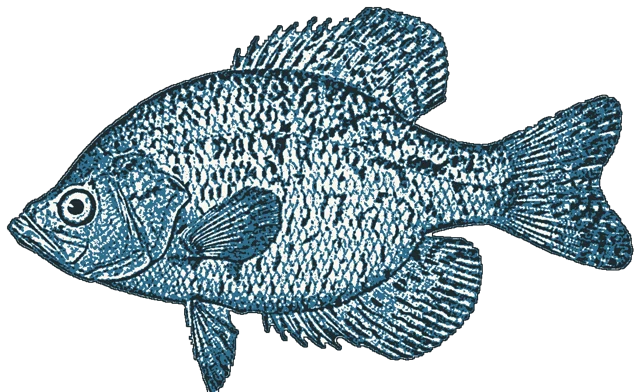 Black crappie“papermouth”
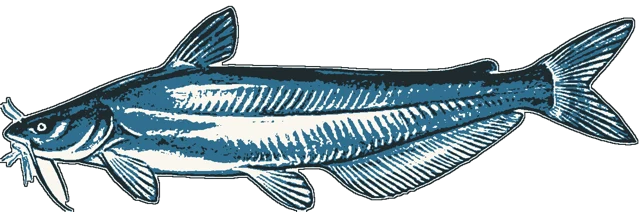 Blue catfish
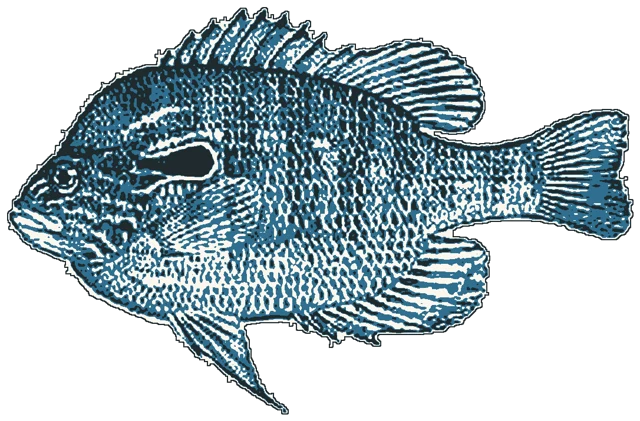 Bluegill“bream”
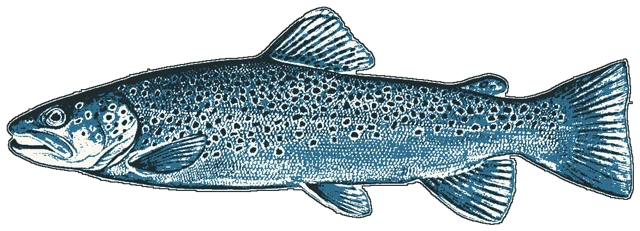 Brown trout“German trout”
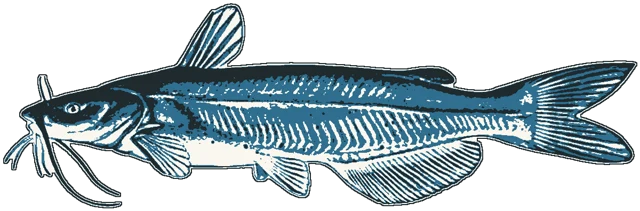 Channel catfish“spotted cat”
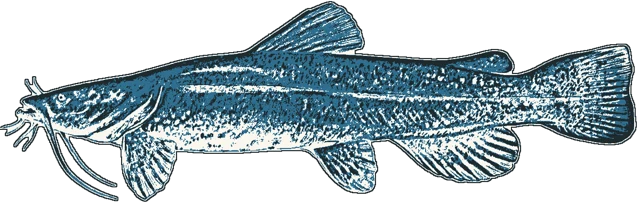 Flathead catfish“shovelhead”Hybrid striped bass“wiper”
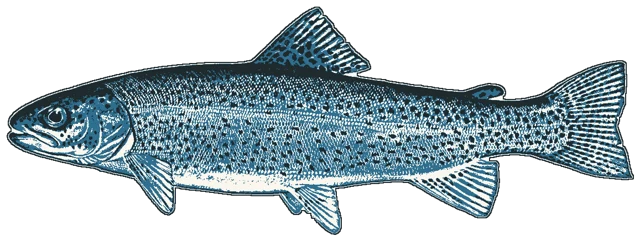 Rainbow trout
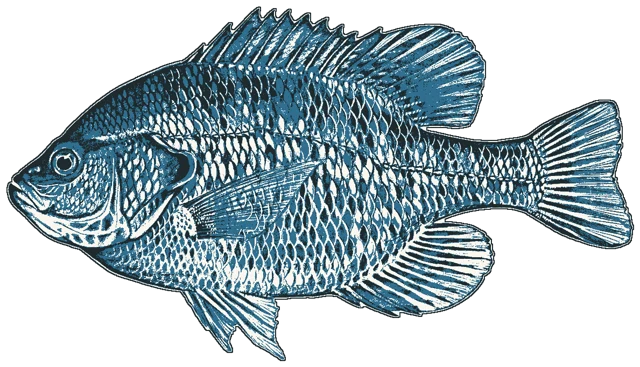 Redear sunfish“shellcracker”Sauger“jacks”SaugeyeSteelhead
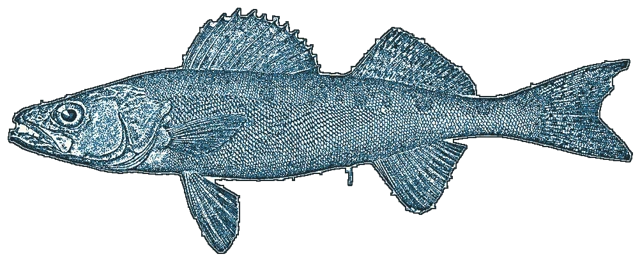 Walleye“pickerel”
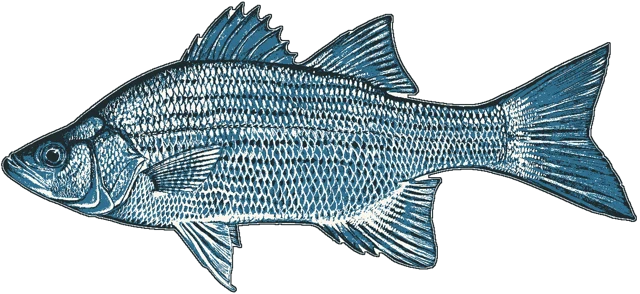 White bass“silver bass”
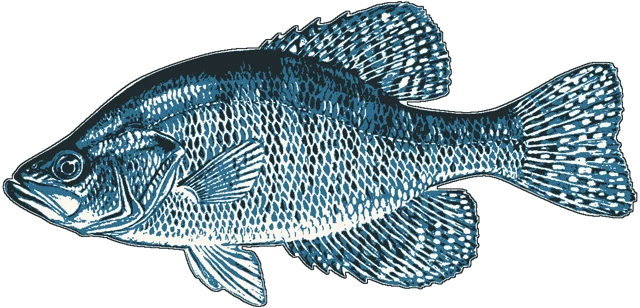 White crappie“papermouth”
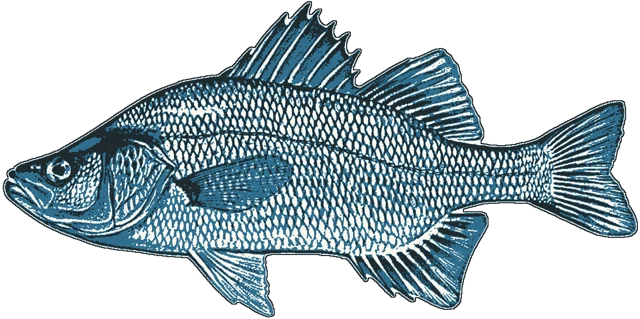 White perch“silver perch”
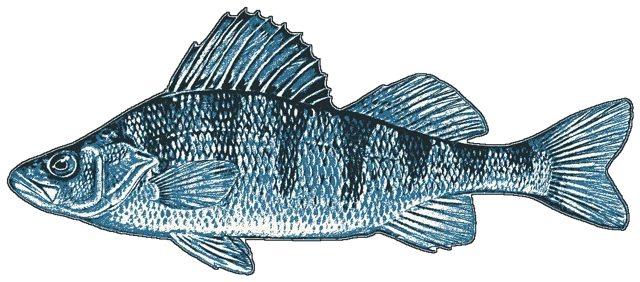 Yellow perch“lakes perch”
Just OK13
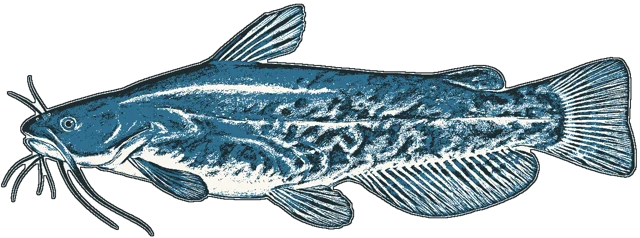 Bullhead (black, brown, yellow)“yellow bullhead”
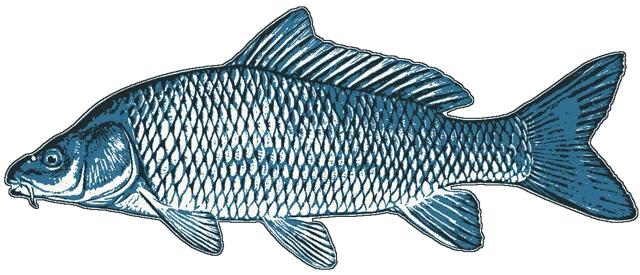 Common carp“mirror carp”Freshwater drum“sheephead”Grass carpGreen sunfish
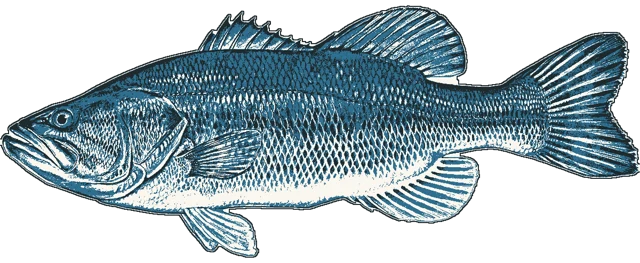 Largemouth bass“black bass”Longear sunfish
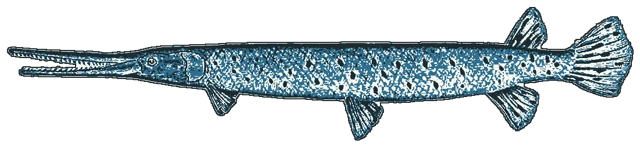 Longnose gar“needlenose gar”
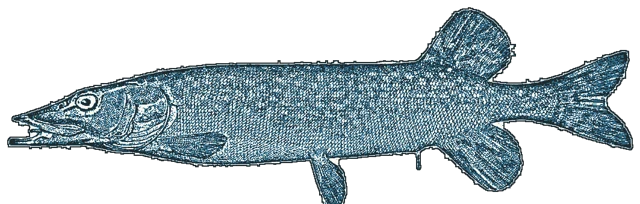 Northern pike“hammer handles”Rock bass“goggle-eye”
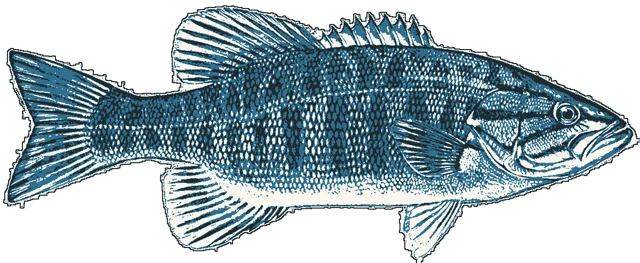 Smallmouth bass“brown bass”Spotted bass“Kentucky bass”
Garbage fish3
Catch & release
What’s actually caught in Ohio
Fish kept by anglers on Ohio's Lake Erie waters in 2021, estimated from ODNR's angler interviews. It is one year of kept fish, not a yearly average, and ODNR calls the figures provisional. Inland waters and the Ohio River are not covered.
- Walleye Best eating2021: about 2.5 million kept (2.6 million in 2019).
- Yellow perch Best eating2021: about 1.3 million kept in the West Zone. The report's text gives no count for the Central and East zones, where the number kept was among the lowest since the survey began in 1975.
- Steelhead Best eating2021: about 21,000 kept on the open lake, 0.15 kept per angler hour.
- Smallmouth bass Just OK2021: 0.03 kept per angler hour against 0.60 caught; 95% were released. The report's text gives no number kept.
Fish by fish
Why each one sits where it does, the current Ohio limits, and the bait that works.
Black crappie
Pomoxis nigromaculatus · also called papermouth, specks · Freshwater
One of the classic fish-fry fish: MeatEater counts crappie among the best-eating fish in freshwater.
- Tastes
- mild, sweet, delicate, flaky, white
- Limits
- Light regs. No statewide limit listed. Listed inland waters (Alum Creek, Buckeye, Caesar Creek, Deer Creek, Delaware, Hoover, Indian, Grand Lake St. Marys, Mosquito Creek, Salt Fork, Seneca and others in the regulations table): 30 per day, 9 in minimum; Killdeer Plains, Oxbow and St. Joseph River wildlife areas: 10 per day, no minimum; Pymatuning Lake: 20 per day, 9 in; Ohio River (both units): 30 per day, no minimum. Hoover Reservoir's 30-a-day, 9 in rule ends March 1, 2027. (2026-27 Ohio Fishing Regulations, effective March 1, 2026 to Feb. 28, 2027) Source
- Best months
- Spring spawn (May-June in Ohio) is the best time; late fall inshore again.
- Where
- Found throughout Ohio in clear water with vegetation; around brush, stumps and docks in spring, deeper creek channels and roadbeds in summer.
- live minnows
- small jigs
- spinners
- Do not eat any fish from the Little Scioto River near Marion.
Meal limits and other waters (3)
- One meal a month: all crappie from the Ohio River between the Pennsylvania line and Belleville Lock; the Tuscarawas River from Massillon to State Route 416 at New Philadelphia; the Cuyahoga River from Russell Park (State Route 87) to the Ohio Edison Dam pool; and Duck Creek below State Route 26 in Washington County.
- One meal a week from unlisted waters.
- Ohio advisory, May 2026.
Blue catfish
Ictalurus furcatus · Freshwater
TPWD calls it an excellent food fish; Maryland DNR says blues are very good to eat.
- Tastes
- mild, firm
- Limits
- Light regs. Statewide: no limit under 35 in; 1 per day of each species (blue and flathead) at 35 in or longer. Pymatuning Lake has no catfish limit. (2026-27 Ohio Fishing Regulations, effective March 1, 2026 to Feb. 28, 2027) Source
- Best months
- Summer, June to mid-September, especially at night (ODNR)
- Where
- Most common in the Ohio River from Portsmouth downstream to Cincinnati; stocked in Hoover Reservoir and Clendening, Seneca and Caesar Creek lakes.
- gizzard shad
- suckers
- chubs
- cut skipjack
- Large, old blue catfish accumulate contaminants; some water bodies have size-based consumption advisories.
- Do not eat any fish from the Little Scioto River near Marion.
Meal limits and other waters (3)
- One meal a week statewide.
- The Ohio River rows name channel catfish (one meal every two months; from Belleville Lock to the Indiana line, at 18 in and longer, with smaller fish one a month) and flathead catfish (one meal a month); blue catfish have no row of their own.
- Ohio advisory, May 2026.
Bluegill
Lepomis macrochirus · also called bream, sunfish · Freshwater
MeatEater calls the flesh light, delicate and sweet; the original fish-fry panfish.
- Tastes
- mild, sweet, firm, flaky
- Limits
- No limits. No statewide limit listed. Sunfish (all species) at Killdeer Plains, Oxbow and St. Joseph River wildlife areas: 10 per day; Appalachian Hills Wildlife Area and Jesse Owens State Park and Wildlife Area: 20 per day singly or in combination; no size limit. Lake La Su An Wildlife Area (2026 season, May 1 to Sept. 7): 15 per day, no more than seven of them 8 in or longer. (2026-27 Ohio Fishing Regulations, effective March 1, 2026 to Feb. 28, 2027) Source
- Best months
- Peak spawning mid-May to mid-June, when males guard shallow nests.
- Where
- Common throughout Ohio in clear ponds and lakes with rooted vegetation.
- red worms
- insects
- wax worms on a No. 8 or 10 hook
- Do not eat any fish from the Little Scioto River near Marion.
Meal limits and other waters (4)
- One meal a month: Adams Lake, Lake Hope, and the Mahoning River from Alliance to the Pennsylvania line.
- One meal a week: Lake La Su An, Lake Vesuvius, Wolf Run Lake, and Mosquito Creek in Trumbull County (PCBs and lead).
- Two meals a week from unlisted waters.
- Ohio advisory, May 2026.
Brown trout
Salmo trutta · also called German trout · Freshwater
Good trout eating like rainbows; most kept browns are stocked fish.
- Tastes
- mild to rich, flaky
- Limits
- Heavy regs. Inland (statewide): 5 per day trout, no minimum size. Clear Creek (the listed stretch in Fairfield and Hocking counties) and the Clear Fork of the Mohican River and its tributaries in Ashland County: 2 per day; Mad River and tributaries and the Clear Fork of the Mohican and its tributaries in Richland County: 2 per day, 12 in minimum. Lake Erie and tributaries: 2 to 5 per day by date, 12 in minimum. (2026-27 Ohio Fishing Regulations, effective March 1, 2026 to Feb. 28, 2027) Source
- Best months
- Fall through late spring, or early and late in the day in summer.
- Where
- Introduced into selected coldwater streams with boulders, logs and root wads; does not reproduce naturally in Ohio.
- nightcrawlers
- leeches
- crayfish
- minnows
- maggots
- fly patterns (nymphs, wooly buggers, ants, crickets)
Before you eat it: Do not eat any fish from the Little Scioto River near Marion. One meal a week statewide. Ohio advisory, May 2026.
Channel catfish
Ictalurus punctatus · also called spotted cat · Freshwater
Very good to eat (Maryland DNR) and delicious when cooked (TPWD), and the basis of US catfish farming.
- Tastes
- mild, sweet, firm, moist
- Limits
- Light regs. Statewide: no limit under 28 in; 1 per day at 28 in or longer. Pymatuning Lake has no catfish limit. Lake La Su An Wildlife Area (2026 season): 2 per day. The booklet lists no catfish exception for Lake Erie or the Ohio River. (2026-27 Ohio Fishing Regulations, effective March 1, 2026 to Feb. 28, 2027) Source
- Best months
- A good time is after a hard rain when the water is rising.
- Where
- Common in most large streams and lakes throughout Ohio; greatest numbers in deep water with clean gravel and boulders.
- nightcrawlers
- shrimp
- crayfish
- chicken livers
- minnows
- Do not eat channel catfish from the Great Miami from Dayton (Monument Avenue dam) to Moraine (Main Street), or any fish from the Little Scioto near Marion.
Meal limits and other waters (4)
- One meal every two months: the Ohio River (18 in and longer below Belleville Lock), the Mahoning, Little Beaver Creek, the Tuscarawas from Massillon to New Philadelphia, the lower Portage, and Perrysburg to Lake Erie (printed as Meadowbrook Lake).
- One meal a month: Lake Erie, smaller Ohio River fish, the Maumee below Defiance, the Muskingum, lower Scioto, Sandusky below Tiffin, lower Cuyahoga, Black, Mad, Stillwater and St. Joseph rivers, and 25 more waters.
- One meal a week from unlisted waters.
- Ohio advisory, May 2026.
Flathead catfish
Pylodictis olivaris · also called shovelhead, yellow catfish · Freshwater
Widely considered the best-tasting catfish because it eats live fish instead of scavenging; Maryland DNR notes its mild, white flesh.
- Tastes
- mild, clean, firm, white
- Limits
- Light regs. Statewide: no limit under 35 in; 1 per day of each species (blue and flathead) at 35 in or longer. Pymatuning Lake has no catfish limit. Trotlines may be used only in streams and in listed parts of Mosquito, Charles Mill, Clendening, Seneca, Tappan, Atwood, Piedmont, Wills Creek and Berlin lakes, Grand Lake St. Marys and Muddy Creek Bay. (2026-27 Ohio Fishing Regulations, effective March 1, 2026 to Feb. 28, 2027) Source
- Best months
- Summer, June to mid-September, especially at night (ODNR)
- Where
- Large river systems, a few inland lakes and some Muskingum Watershed Conservancy District reservoirs; deep pools with logs and drift piles.
- large live sucker or chub
- Do not eat any fish from the Little Scioto River near Marion.
Meal limits and other waters (4)
- One meal a month statewide at 23 in and longer.
- One meal a month at any size: the Ohio River from the Pennsylvania line to the Indiana line, the Maumee, the Great Miami below Indian Lake, the Scioto below Warrensburg (21 in and longer from Kenton to there), the Tuscarawas below New Philadelphia, the East Fork Little Miami and Tiffin rivers, Salt Creek, and Middle Fork Little Beaver Creek from Salem to State Route 14.
- Smaller fish from unlisted waters: one meal a week.
- Ohio advisory, May 2026.
Hybrid striped bass
Morone saxatilis x M. chrysops · also called wiper, sunshine bass · Freshwater
Indiana DNR says hybrids make great table fare; mild white fillets like a striper's.
- Tastes
- mild, firm, white
- Limits
- Light regs. Inland lakes and streams (statewide): 30 per day with striped bass and white bass combined, no more than 4 over 15 in; Pymatuning Lake has no limit. Lake Erie: no limit and no minimum. Ohio River (both units): 30 per day, no more than 4 over 15 in. (2026-27 Ohio Fishing Regulations, effective March 1, 2026 to Feb. 28, 2027) Source
- Best months
- Good in March-April and from June through November (ODNR)
- Where
- Stocked impoundments and the Ohio River; look for gulls feeding where schools push shad to the surface.
- live shad
- nightcrawlers
- soft crayfish
- jigs
- jigging spoons
- deep-diving crankbaits
- Do not eat any fish from the Little Scioto River near Marion.
Meal limits and other waters (4)
- One meal every two months: the Ohio River from the Pennsylvania line to the Indiana line (PCBs), and the Great Miami River from State Route 73 near Middletown to the Ohio River (PCBs and lead).
- One meal a month: the Muskingum River below Zanesville Dam, Mill Creek in Cincinnati, and East Fork (Harsha) Lake.
- One meal a week from unlisted waters.
- Ohio advisory, May 2026.
Rainbow trout
Oncorhynchus mykiss · Freshwater
TPWD calls rainbow trout an excellent fish to eat; the most-stocked put-and-take fish in America.
- Tastes
- mild, clean, delicate, flaky
- Limits
- Heavy regs. Inland (statewide): 5 per day trout, no minimum size. Clear Creek (the listed stretch in Fairfield and Hocking counties) and the Clear Fork of the Mohican River and its tributaries in Ashland County: 2 per day, no minimum; Mad River and tributaries and the Clear Fork of the Mohican and its tributaries in Richland County: 2 per day, 12 in minimum. Lake Erie and tributaries: see steelhead (2 to 5 per day by date, 12 in minimum). (2026-27 Ohio Fishing Regulations, effective March 1, 2026 to Feb. 28, 2027) Source
- Where
- Introduced throughout coldwater locations in the state; not native to Ohio.
- spawn bags
- salmon eggs
- minnows
- worms
- flies
Before you eat it: Do not eat any fish from the Little Scioto River near Marion. One meal a month: rainbow trout from the Grand River between Camp Yakewi (Sweitzer Road) and Lake Erie, and steelhead from Lake Erie and its tributaries (PCBs). One meal a week from unlisted waters. Ohio advisory, May 2026.
Redear sunfish
Lepomis microlophus · also called shellcracker, stumpknocker · Freshwater
Larger than bluegill, with the same sweet fillets; Indiana DNR calls sunfish, redear included, delicious fish.
- Tastes
- mild, sweet, firm, flaky
- Limits
- No limits. No statewide limit listed. Sunfish (all species) at Killdeer Plains, Oxbow and St. Joseph River wildlife areas: 10 per day; Appalachian Hills Wildlife Area and Jesse Owens State Park and Wildlife Area: 20 per day singly or in combination; no size limit. Lake La Su An Wildlife Area (2026 season, May 1 to Sept. 7): 15 per day, no more than seven of them 8 in or longer. (2026-27 Ohio Fishing Regulations, effective March 1, 2026 to Feb. 28, 2027) Source
- Best months
- Males are easy to catch in spring while guarding nests; spawning mid-May through June.
- Where
- Stocked in small lakes and ponds across the state in clear, warm, vegetated water; not as common as bluegill.
- red worms
- wax worms
- small spinners
- flies
Before you eat it: Do not eat any fish from the Little Scioto River near Marion. One meal a week: Rush Creek Lake and Turkeyfoot Lake (arsenic). Two meals a week from unlisted waters. Ohio advisory, May 2026.
Sauger
Sander canadensis · also called jacks · Freshwater
The walleye's smaller river cousin, with the same fillets; MeatEater says they taste just as good.
- Tastes
- mild, clean, firm, flaky white
- Limits
- Light regs. Same combined limit as walleye and saugeye: 6 per day combined, no minimum size on inland waters. Lake Erie: 6 per day, 15 in minimum. Ohio River Western Unit: 6, 14 in; Eastern Unit shore rule: 6, no minimum. (2026-27 Ohio Fishing Regulations, effective March 1, 2026 to Feb. 28, 2027) Source
- Best months
- Late fall and early spring are the most productive times (ODNR).
- Where
- The Ohio River, Lake Erie and their tributaries; tailwaters below dams on the Ohio River and major tributaries are the best areas.
- jigs
- minnows
- crankbaits
- Do not eat any fish from the Little Scioto River near Marion.
Meal limits and other waters (3)
- One meal a month: the Ohio River from the Pennsylvania line to Belleville Lock, the Little Miami River below Bellbrook, the Whitewater River, Little Beaver Creek and its Middle Fork below Salem, and listed stretches of Captina, Duck, Pine, Salt and Symmes creeks.
- One meal a week from unlisted waters.
- Ohio advisory, May 2026.
Saugeye
Sander vitreus x S. canadensis · Freshwater
Oklahoma's wildlife department says saugeye make first-class table fare.
- Tastes
- mild, clean, firm, flaky white
- Limits
- Light regs. Same combined limit as walleye and sauger. Inland lakes and streams (statewide): 6 per day combined, no minimum size. Lake Erie: 6 per day, 15 in minimum. Site-specific: 15 in minimum at Berlin, C.J. Brown, LaDue, Lake Milton, Mosquito Creek Lake and West Branch. Ohio River Western Unit: 6, 14 in; Eastern Unit shore rule: 6, no minimum. (2026-27 Ohio Fishing Regulations, effective March 1, 2026 to Feb. 28, 2027) Source
- Best months
- Winter is a good time to fish for saugeye (ODNR).
- Where
- Tailwaters below the lakes and impoundments where they are stocked; stocked into many Ohio reservoirs and found in streams below stocked lakes.
- crankbaits
- jigs with hair, feathers or plastic tails
- live minnows
- nightcrawlers
- Do not eat any fish from the Little Scioto River near Marion.
Meal limits and other waters (3)
- One meal a month: the Ohio River from the Pennsylvania line to Belleville Lock; Belmont, Dow, East Fork (Harsha), Leesville and Wolf Run lakes; the Muskingum River below Zanesville Dam, the Great Miami at Dayton, the St. Marys River, Wills Creek and Stillwater Creek below Piedmont Lake; fish 16 in and longer from lower Duck Creek; and fish 19 in and longer from the Scioto River from Kenton to Chillicothe.
- One meal a week from unlisted waters.
- Ohio advisory, May 2026.
Steelhead
Oncorhynchus mykiss (anadromous) · Freshwater
Steelhead are sea-run rainbow trout, and bright fish eat like a mild salmon; hatchery fish are kept as food across the Pacific Northwest and Great Lakes.
- Tastes
- mild, rich, firm, pink-orange
- Limits
- Heavy regs. Lake Erie and the entire length of its creeks, rivers and tributaries (trout and salmon): 12 in minimum all year; 2 per day from Sept 1 through May 15, 5 per day from May 16 through Aug 31. Cold Creek upstream of State Route 2 (Erie County): 5 per day, no minimum. Inland statewide trout: 5 per day, no minimum. Brook trout may not be taken from the Ashtabula, Chagrin, Conneaut and Grand rivers and their tributaries. (2026-27 Ohio Fishing Regulations, effective March 1, 2026 to Feb. 28, 2027; dates and size: OAC 1501:31-13-08 (effective July 6, 2026) and 1501:31-13-09 (effective March 1, 2025)) Source
- Best months
- Rivers October through May (peak migration in and out of NE Ohio rivers); offshore trolling in the central basin June to October.
- Where
- Central basin offshore from Lorain to Ashtabula; from piers and break walls east of Avon; Vermilion, Rocky, Chagrin, Grand and Ashtabula rivers and Conneaut Creek.
- spoons
- crankbaits
- jigs tipped with maggots or mealworms
- spawn sacs
- minnows
- nightcrawlers
Before you eat it: Do not eat any fish from the Little Scioto River near Marion. One meal a month from Lake Erie and its tributaries (PCBs). The Grand River has its own row: rainbow trout, one meal a month from Camp Yakewi (Sweitzer Road) to Lake Erie. Ohio advisory, May 2026.
Walleye
Sander vitreus · also called pickerel, yellow pike, walleyed pike · Freshwater
Widely rated the best-eating freshwater fish: Maryland DNR calls it one of the best tasting, TPWD an excellent food fish.
- Tastes
- mild, clean, firm, tender, flaky white
- Limits
- Light regs. Inland lakes and streams (statewide): 6 per day, walleye, sauger and saugeye combined, no minimum size. Lake Erie and listed tributary stretches: 6 per day, 15 in minimum, limit set for May 1, 2026 to April 30, 2027. Site-specific inland waters: 15 in minimum, 6 per day at Berlin, C.J. Brown, LaDue, Lake Milton (including the Mahoning River between Berlin Lake and Lake Milton), Mosquito Creek Lake and West Branch; Pymatuning Lake 6 per day, 15 in. Ohio River, Western Unit (Ohio-Kentucky unified rule): 6 per day, 14 in minimum; Eastern Unit, Ohio's shore-angler rule: 6 per day, no minimum. Listed stretches of the Maumee, Sandusky, Portage and Mahoning rivers have single-hook and sunrise-to-sunset rules March 1 to April 30 each year. (2026-27 Ohio Fishing Regulations, effective March 1, 2026 to Feb. 28, 2027; Lake Erie walleye and yellow perch limits effective May 1, 2026 to April 30, 2027 (ODNR bag-limit sheet)) Source
- Best months
- Lake Erie: Mar-Apr spawning run (Maumee and Sandusky rivers early Mar to Apr); Jun-Aug trolling; Sep-Nov nearshore from Cleveland to Sandusky; Dec-Feb in years with ice. Dawn, dusk and overcast days best.
- Where
- Lake Erie western basin reefs (West Sister to Kelleys islands, Catawba, Bass islands), Maumee and Sandusky rivers in spring, Ohio River, and stocked inland reservoirs.
- hair jigs
- blade baits
- crawler harnesses
- crankbaits
- spoons
- minnows
- Do not eat any fish from the Little Scioto River near Marion.
Meal limits and other waters (3)
- One meal a month: the Ohio River from the Pennsylvania line to Belleville Lock, the Grand River from Parkman to Lake Erie, the Mahoning River from Alliance to the Pennsylvania line, the Tuscarawas River from New Philadelphia to Orange, and the Hocking River between The Plains and Athens.
- One meal a week from Lake Erie and unlisted waters.
- Ohio advisory, May 2026.
White bass
Morone chrysops · also called silver bass · Freshwater
Texas Parks & Wildlife calls white bass superb table fare, and the spring runs fill a lot of coolers; light, flaky meat like walleye.
- Tastes
- mild, light, flaky
- Limits
- Light regs. Inland lakes and streams (statewide): 30 per day with striped and hybrid-striped bass combined, no more than 4 over 15 in; Pymatuning Lake has no limit. Lake Erie: no limit and no minimum. Ohio River (both units): 30 per day, no more than 4 over 15 in. (2026-27 Ohio Fishing Regulations, effective March 1, 2026 to Feb. 28, 2027) Source
- Spawns
- Run late April through May; peak in early May on Lake Erie rivers; some stay in the rivers all summer.
- Where
- Widespread in larger lakes, Lake Erie and the Ohio River; Maumee and Sandusky rivers after the walleye run.
- minnows
- small spinners
- plugs
- jigs
- twister tails
- small crankbaits
- Do not eat any fish from the Little Scioto River near Marion.
Meal limits and other waters (4)
- One meal every two months: the Ohio River from the Pennsylvania line to Belleville Lock (PCBs).
- One meal a month: Lake Erie (PCBs), the Ohio River from Belleville Lock to the Indiana line, the Muskingum River below Zanesville Dam, the Great Miami River below Indian Lake, the Whitewater River, and fish 12 in and longer from the Scioto River below Greenlawn Dam in Columbus.
- One meal a week from unlisted waters.
- Ohio advisory, May 2026.
White crappie
Pomoxis annularis · also called papermouth, specks · Freshwater
Same top-tier panfish fillets as black crappie; one of the most popular panfish in the country.
- Tastes
- mild, sweet, delicate, flaky, white
- Limits
- Light regs. No statewide limit listed. Listed inland waters (Alum Creek, Buckeye, Caesar Creek, Deer Creek, Delaware, Hoover, Indian, Grand Lake St. Marys, Mosquito Creek, Salt Fork, Seneca and others in the regulations table): 30 per day, 9 in minimum; Killdeer Plains, Oxbow and St. Joseph River wildlife areas: 10 per day, no minimum; Pymatuning Lake: 20 per day, 9 in; Ohio River (both units): 30 per day, no minimum. Hoover Reservoir's 30-a-day, 9 in rule ends March 1, 2027. (2026-27 Ohio Fishing Regulations, effective March 1, 2026 to Feb. 28, 2027) Source
- Best months
- April through June close to shore; summer and early fall in deeper water; back inshore later in fall.
- Where
- Throughout Ohio in larger ponds, lakes, rivers and the inshore waters of western Lake Erie, near fallen trees, stumps, docks and rocks.
- live minnows
- small jigs
- doll flies
- spinners
- Do not eat any fish from the Little Scioto River near Marion.
Meal limits and other waters (3)
- One meal a month: all crappie from the Ohio River between the Pennsylvania line and Belleville Lock; Forked Run Lake; the Little Auglaize River (lead); and the Stillwater River from Turner Shoup Mill Road in Dayton to the Great Miami.
- One meal a week from unlisted waters.
- Ohio advisory, May 2026.
White perch
Morone americana · also called silver perch, gray perch, blue-nose perch · Freshwater
Maryland DNR calls it a delectable game fish, and it is a staple panfish in the Chesapeake and a prized ice-fishing catch in New England.
- Tastes
- mild, sweet, firm, flaky
- Limits
- No limits. No statewide limit listed and no size limit. (2026-27 Ohio Fishing Regulations, effective March 1, 2026 to Feb. 28, 2027) Source
- Best months
- Best in spring near shore and in major tributaries; good fall catches at various depths.
- Where
- Throughout Lake Erie and the Ohio River; established in a number of inland lakes.
- minnows
- shiners
- red worms
- cut bait on spreaders fished near the bottom
Before you eat it: Do not eat any fish from the Little Scioto River near Marion. One meal a week statewide. Ohio advisory, May 2026.
Yellow perch
Perca flavescens · also called lakes perch, ringed perch · Freshwater
A great food fish (MN DNR) and the centerpiece of Great Lakes perch fries; Iowa DNR calls a fried stringer of perch unsurpassed in flavor.
- Tastes
- mild, sweet, firm, flaky, white
- Limits
- Light regs. Inland lakes and streams (statewide): 30 per day, no minimum size; Pymatuning Lake has no perch limit. Lake Erie, by zone: West Zone 30, Central Zone 10, East Zone 20 per day, no minimum size, limits set for May 1, 2026 to April 30, 2027; no one may keep more than 30 perch in a day regardless of zone. (2026-27 Ohio Fishing Regulations, effective March 1, 2026 to Feb. 28, 2027; Lake Erie walleye and yellow perch limits effective May 1, 2026 to April 30, 2027 (ODNR bag-limit sheet)) Source
- Best months
- Mar-May near shore (spawn); Sep-Nov among the best on Lake Erie; Dec-Feb ice and jigging; Jun-Aug deeper water.
- Where
- Lake Erie: western basin off Catawba, Marblehead, Bass and Kelleys islands, West Sister Island and the Toledo Shipping Channel; central basin offshore from Huron to Conneaut. Also inland impoundments and slow rivers.
- minnows (shiners)
- worms
- cut bait
- wax worms
- small twister-tail jigs
- Do not eat any fish from the Little Scioto River near Marion.
Meal limits and other waters (4)
- One meal a month: the Grand River from Parkman to Camp Yakewi (Sweitzer Road).
- One meal a week: the Grand River from there to Painesville, the Mahoning River from Alliance to the Pennsylvania line, and Swan Creek from Whitehouse to its mouth.
- Two meals a week elsewhere, Lake Erie included.
- Ohio advisory, May 2026.
Bigmouth buffalo
Ictiobus cyprinellus · also called buffalo sucker · Freshwater
A food fish many people consider worth keeping despite its many bones (TPWD), but and rarely caught on hook and line, so most anglers write it off as a rough fish.
Worth a try: TPWD says many people consider it quite a food fish despite its many bones; smoke it, or fry the rib sections.
- Tastes
- mild, rich, firm, bony
- Limits
- No limits. No statewide limit listed and no size limit. Buffalo are forage fish: Ohio's 2026-27 regulations define forage fish as freshwater drum (sheepshead), common carp, grass carp (in waters not stocked by the Division for vegetation control, as indicated by signs), bighead, silver and black carp, quillback, suckers, bowfin, longnose gar, buffalo, gizzard shad and goldfish, and allow them to be taken by any method except explosives, poisons, firearms, electricity, chemicals, nets other than cast nets, seines, traps, or snagging within 1,000 ft downstream of a posted dam or a Muskingum River dam. (2026-27 Ohio Fishing Regulations, effective March 1, 2026 to Feb. 28, 2027) Source
- Where
- Large rivers, including the Ohio, Scioto, Muskingum, Maumee and Sandusky, and the marshes of Sandusky Bay and Lake Erie's western basin (ODNR)
- dough baits (cottonseed meal)
- bowfishing
- Do not eat any fish from the Little Scioto River near Marion.
- The rows name smallmouth buffalo: one meal every two months at 24 in and longer from the Muskingum River below Zanesville Dam; one meal a month for smaller fish there and from the Ohio River above Belleville Lock, the Maumee, Huron, Whitewater, lower Cuyahoga and Sandusky (Leesville to Ballville) rivers, Captina Creek, and Middle Fork Little Beaver Creek from Salem to State Route 14.
- The Ohio River rows to the Indiana line also limit 'all suckers' to one a month.
- One meal a week from unlisted waters.
- Ohio advisory, May 2026.
Bullhead (black, brown, yellow)
Ameiurus melas, A. nebulosus, A. natalis · also called yellow bullhead, black bullhead, brown bullhead · Freshwater
Sweet, delicious catfish meat, but most are small and many come from warm, muddy water, so many anglers dismiss them.
- Tastes
- mild, sweet, firm, moist
- Limits
- No limits. No statewide limit listed and no size limit for black, brown or yellow bullheads. (2026-27 Ohio Fishing Regulations, effective March 1, 2026 to Feb. 28, 2027) Source
- Best months
- Summer, June to mid-September, especially at night (ODNR)
- Where
- Common throughout the state; brown bullheads most numerous in the northern third of Ohio, yellow bullheads largest populations in west-central Ohio.
- nightcrawlers
- chicken livers
- red worms
- Do not eat any fish from the Little Scioto River near Marion.
Meal limits and other waters (3)
- One meal a month: brown bullhead from Lake Erie (mercury) and the Cuyahoga River below the Ohio Edison Dam pool (PCBs); yellow bullhead from the Grand River, the Little Cuyahoga River (lead), the East Branch Black River, and the Tuscarawas River from Barberton to New Philadelphia.
- One meal a week from unlisted waters.
- Ohio advisory, May 2026.
Common carp
Cyprinus carpio · also called mirror carp, leather carp · Freshwater
Most US anglers call it a muddy, bony trash fish, but it is a prized food fish in Europe and Asia and eats well from clean, cold water.
Worth a try: Catch from clean water, remove the dark 'mud vein', and either score small fish and fry hard so the Y-bones soften, or hard-smoke large fish over fruitwood (Hank Shaw).
- Tastes
- mild from clean water, strong from muddy water, firm, fatty, Y-bones
- Limits
- No limits. No statewide limit listed and no size limit. Ohio's 2026-27 regulations define forage fish as freshwater drum (sheepshead), common carp, grass carp (in waters not stocked by the Division for vegetation control, as indicated by signs), bighead, silver and black carp, quillback, suckers, bowfin, longnose gar, buffalo, gizzard shad and goldfish, and allow them to be taken by any method except explosives, poisons, firearms, electricity, chemicals, nets other than cast nets, seines, traps, or snagging within 1,000 ft downstream of a posted dam or a Muskingum River dam. (2026-27 Ohio Fishing Regulations, effective March 1, 2026 to Feb. 28, 2027) Source
- Best months
- Excellent June to mid-September, good to excellent in May (ODNR)
- Where
- Warm lakes, rivers, streams and ponds throughout Ohio, mostly turbid water rich in organic matter. ODNR calls bowfishing, gigging, snagging and spearing popular ways to take carp; snagging is never allowed in the Ohio River or within 1,000 ft below posted dams and Muskingum River dams.
- dough balls
- worms
- crayfish tails fished on the bottom
- Do not eat carp from the Ohio River above Belleville Lock, the Tuscarawas from Massillon to New Philadelphia, or the Great Miami from Dayton (Monument Avenue dam) to Moraine (Main Street), or any fish from the Little Scioto near Marion.
Meal limits and other waters (4)
- One meal every two months: Lake Erie (27 in and longer), the lower Portage, the Black River mouth at Lorain.
- One meal a month: Lake Erie (19 to 27 in), the Ohio River below Belleville Lock (22 in and longer), the Maumee, Sandusky, Scioto below Columbus, Great Miami below Moraine, Muskingum, Mahoning, lower Cuyahoga, Vermilion and Tiffin rivers, Berlin and Milton lakes, and many more waters.
- One meal a week from unlisted waters.
- Ohio advisory, May 2026.
Freshwater drum
Aplodinotus grunniens · also called sheephead, grunter, silver bass, gray bass · Freshwater
Many anglers call it a rough fish, but it is prized as food in some areas (TPWD); bled and iced, the boneless fillets eat like a redfish's.
Worth a try: Bleed it, ice it immediately and trim the red lateral meat; then fry thin fillets, grill on the half-shell like redfish, or smoke oily summer fish.
- Tastes
- mild, like other drum, firm but tender, large flake; goes soft if not iced
- Limits
- No limits. No statewide limit listed and no size limit. Ohio's 2026-27 regulations define forage fish as freshwater drum (sheepshead), common carp, grass carp (in waters not stocked by the Division for vegetation control, as indicated by signs), bighead, silver and black carp, quillback, suckers, bowfin, longnose gar, buffalo, gizzard shad and goldfish, and allow them to be taken by any method except explosives, poisons, firearms, electricity, chemicals, nets other than cast nets, seines, traps, or snagging within 1,000 ft downstream of a posted dam or a Muskingum River dam. Snagging freshwater drum is illegal in Lake Erie. (2026-27 Ohio Fishing Regulations, effective March 1, 2026 to Feb. 28, 2027) Source
- Where
- Large shallow lakes and big rivers; most abundant in Lake Erie; in rivers in deeper pools.
- live and artificial baits (usually caught while fishing for other species)
- Do not eat any fish from the Little Scioto River near Marion.
Meal limits and other waters (3)
- One meal a month: Lake Erie (PCBs), the Ohio River (14 in and longer below Belleville Lock), the Maumee, Grand, Cuyahoga, Black, Hocking, Little Miami, Muskingum, Tuscarawas, Tiffin, Auglaize, St. Marys, Ashtabula, Licking, Little Auglaize (lead), Ottawa (Lima), Walhonding and Whitewater rivers, the Great Miami below Middletown, the Huron (16 in and longer), Big Darby Creek (20 in and longer) and smaller streams, in listed stretches.
- One meal a week from unlisted waters.
- Ohio advisory, May 2026.
Grass carp
Ctenopharyngodon idella · Freshwater
TPWD says grass carp are excellent table fare despite their bones, but as a 'carp' most anglers never consider eating one.
Worth a try: Illinois markets grass, silver and bighead carp as 'Copi', which Seafood Watch recommends; score or grind the fillets to deal with the bones.
- Tastes
- mild, clean, firm white, with intermuscular bones
- Limits
- No limits. No statewide limit listed and no size limit. Treated as forage fish except in waters stocked by ODNR for vegetation control, as indicated by signs. Ohio's 2026-27 regulations define forage fish as freshwater drum (sheepshead), common carp, grass carp (in waters not stocked by the Division for vegetation control, as indicated by signs), bighead, silver and black carp, quillback, suckers, bowfin, longnose gar, buffalo, gizzard shad and goldfish, and allow them to be taken by any method except explosives, poisons, firearms, electricity, chemicals, nets other than cast nets, seines, traps, or snagging within 1,000 ft downstream of a posted dam or a Muskingum River dam. ODNR's Lake Erie Grass Carp plan (2019 to 2023) says fertile (diploid) grass carp, the kind found in western Lake Erie and the Maumee and Sandusky rivers, are illegal to possess in Ohio. (2026-27 Ohio Fishing Regulations, effective March 1, 2026 to Feb. 28, 2027) Source
- Where
- Small lakes and ponds where sterile fish are stocked to control water plants (ODNR, 2019)
Before you eat it: Do not eat any fish from the Little Scioto River near Marion. One meal a week statewide; the water-by-water carp rows name common carp. The state advises avoiding bottom-feeders. Ohio advisory, May 2026.
Green sunfish
Lepomis cyanellus · Freshwater
Edible like any sunfish but usually stunted; many anglers treat it as a pest that steals bait meant for bigger fish.
- Tastes
- mild, flaky
- Limits
- No limits. No statewide limit listed. Sunfish (all species) at Killdeer Plains, Oxbow and St. Joseph River wildlife areas: 10 per day; Appalachian Hills Wildlife Area and Jesse Owens State Park and Wildlife Area: 20 per day singly or in combination; no size limit. Lake La Su An Wildlife Area (2026 season, May 1 to Sept. 7): 15 per day, no more than seven of them 8 in or longer. (2026-27 Ohio Fishing Regulations, effective March 1, 2026 to Feb. 28, 2027) Source
- Where
- Most lakes and streams in Ohio; tolerant of muddy water, near brush, vegetation and rock piles.
- red worms
- wax worms
- minnows
Before you eat it: Do not eat any fish from the Little Scioto River near Marion. Two meals a week statewide, as for other sunfish. Ohio advisory, May 2026.
Largemouth bass
Micropterus nigricans (syn. M. salmoides) · also called black bass, bigmouth bass · Freshwater
Perfectly edible white fillets, but America's top catch-and-release fish and many anglers swear the meat tastes fishy or muddy, so reputation is split.
- Tastes
- mild to slightly 'fishy', firm, thick fillets
- Limits
- Heavy regs. Inland lakes and streams (statewide): 5 per day, largemouth, smallmouth and spotted bass combined, 12 in minimum. Lake Erie: 1 per day, 18 in minimum, from May 1 until the fourth Saturday in June (June 26 in 2027); 5 per day, 14 in minimum, from that Saturday through April 30. Ohio River (both units): 6 per day, 12 in. Site-specific inland waters include: Knox 5, 18 in; Adams, Blue Rock, Caldwell, Seneca, Zepernick and others 5, 15 in; Burr Oak, Dow, Fox and others 5, none between 12 and 15 in; Acton, Findley, Salt Fork and others 4 split (2 under 15 in, 2 at 15 in or longer); Guilford, Kiser, Tycoon and others 3 split (2 under 14 in, 1 at 20 in or longer); Lake La Su An Wildlife Area 5, 18 in (2026 season); Pymatuning Lake 5, 12 in. From March 1, 2027 most of these listed lakes go to the statewide 5 per day, 12 in (approved Oct. 28, 2026). (2026-27 Ohio Fishing Regulations, effective March 1, 2026 to Feb. 28, 2027; Lake Erie bass dates and sizes: OAC 1501:31-13-08 (effective July 6, 2026) and 1501:31-13-09 (effective March 1, 2025)) Source
- Best months
- May, June and July are the best time; Lake Erie fishable year-round.
- Where
- Ponds, lakes and sluggish streams in every Ohio county; on Lake Erie in harbors, marinas and shoreline near Catawba, Marblehead and the islands.
- rubber worms
- twister tails
- flipping baits
- crankbaits
- spinners
- topwater and weedless lures
- Water-body mercury advisories commonly list largemouth bass; check your state's advisory before eating large fish.
- Do not eat any fish from the Little Scioto River near Marion.
Meal limits and other waters (3)
- One meal a month: the Ohio River from the Pennsylvania line to the Indiana line; Adams, Belmont, Cowan, Dow, East Fork (Harsha), Eastwood, Forked Run, Hope, La Su An, New Lyme, Punderson, Rupert, Vesuvius, Walborn, West Branch and Wolf Run lakes and 12 smaller ones; and listed stretches of the Ashtabula, Grand, Great Miami (Dayton), Auglaize, Blanchard, Mad, St. Marys, Stillwater and Vermilion rivers and Greenville, Mill (Ashtabula County) and Paint creeks.
- One meal a week from unlisted waters.
- Ohio advisory, May 2026.
Longear sunfish
Lepomis megalotis · Freshwater
Tasty like other sunfish but rarely big enough to fillet; TPWD calls it an important fish for young anglers, easy to catch on earthworms.
- Tastes
- mild, flaky
- Limits
- No limits. No statewide limit listed. Sunfish (all species) at Killdeer Plains, Oxbow and St. Joseph River wildlife areas: 10 per day; Appalachian Hills Wildlife Area and Jesse Owens State Park and Wildlife Area: 20 per day singly or in combination; no size limit. Lake La Su An Wildlife Area (2026 season, May 1 to Sept. 7): 15 per day, no more than seven of them 8 in or longer. (2026-27 Ohio Fishing Regulations, effective March 1, 2026 to Feb. 28, 2027) Source
- Where
- Clear streams and lakes throughout Ohio; common in the Scioto River drainage.
- red worms
- wax worms
Before you eat it: Do not eat any fish from the Little Scioto River near Marion. One meal a week: the Ottawa River from Cool Road in Allen County to the Auglaize River. Two meals a week from unlisted waters. Ohio advisory, May 2026.
Longnose gar
Lepisosteus osseus · also called needlenose gar · Freshwater
Most anglers treat it as a nuisance and few eat it, but the firm white backstraps are good once you get through the armor.
Worth a try: Cut down the back with shears or a hatchet to get past the armored scales, take the two white backstraps, and fry them or grind them into Louisiana gar balls.
- Tastes
- mild, firm, meaty, almost like alligator
- Limits
- No limits. No statewide limit listed and no size limit. Ohio's 2026-27 regulations define forage fish as freshwater drum (sheepshead), common carp, grass carp (in waters not stocked by the Division for vegetation control, as indicated by signs), bighead, silver and black carp, quillback, suckers, bowfin, longnose gar, buffalo, gizzard shad and goldfish, and allow them to be taken by any method except explosives, poisons, firearms, electricity, chemicals, nets other than cast nets, seines, traps, or snagging within 1,000 ft downstream of a posted dam or a Muskingum River dam. Alligator gar, spotted gar and shortnose gar are protected and may not be possessed. (2026-27 Ohio Fishing Regulations, effective March 1, 2026 to Feb. 28, 2027) Source
- Where
- Medium to large rivers with little or no flow in the Lake Erie and Ohio River drainages; harbors, bays and backwaters of Lake Erie.
- live minnows suspended near the surface
- rope (frayed nylon) lures
- bowfishing
- Gar eggs (roe) are toxic to people and other warm-blooded animals; never eat them (Maryland DNR).
Before you eat it: Do not eat any fish from the Little Scioto River near Marion. One meal a week statewide. The state advises avoiding older, larger fish. Ohio advisory, May 2026.
Northern pike
Esox lucius · also called hammer handles · Freshwater
The meat is white, flaky and great in flavor, but the Y-bones put many anglers off; reputation is split between 'too bony' and 'better than walleye once you learn to clean them'.
Worth a try: Remove the Y-bones with the five-fillet method, or grind, pickle or make fish balls from the meat; Hank Shaw's pike balls grind small pike so the bones vanish.
- Tastes
- mild, clean, firm, flaky white; Y-bones in the upper fillet
- Limits
- No limits. No statewide limit listed and no size limit; the regulations list no northern pike limit for Lake Erie, the Ohio River or site-specific waters. (2026-27 Ohio Fishing Regulations, effective March 1, 2026 to Feb. 28, 2027) Source
- Best months
- May and mid-September through November; the summer bite is slow (ODNR)
- Where
- Mostly the marshes and bays of Lake Erie's western basin; limited numbers in lakes and rivers across northern Ohio.
- large minnows
- chubs
- Large pike in parts of northern and western Alaska can carry enough mercury that eating large quantities can be harmful (ADF&G).
- Do not eat any fish from the Little Scioto River near Marion.
Meal limits and other waters (4)
- One meal a month statewide at 23 in and longer.
- One meal a month at any size: the Mahoning River from Alliance to the Pennsylvania line, Mosquito Creek in Trumbull County, the Scioto River from Kenton to Warrensburg, the St. Joseph and St. Marys rivers, Stillwater Creek below Piedmont Lake, and Swan Creek.
- Smaller fish from unlisted waters: one meal a week.
- Ohio advisory, May 2026.
Rock bass
Ambloplites rupestris · also called goggle-eye, red-eye · Freshwater
Light, flaky fillets that some anglers rate highly, while others find them oily and fishy compared with bluegill or crappie.
- Tastes
- mild to slightly fishy, light, flaky
- Limits
- No limits. No statewide limit listed and no size limit. The regulations list no site-specific rock bass limit. (2026-27 Ohio Fishing Regulations, effective March 1, 2026 to Feb. 28, 2027) Source
- Spawns
- Spawns May and June at 60-70 F.
- Where
- Widespread in Ohio in clear streams with coarse gravel and boulders; common in Lake Erie near reefs, boulders and docks.
- small spinners
- hellgrammites
- small crayfish
- leeches
- worms
- minnows
- Do not eat any fish from the Little Scioto River near Marion.
Meal limits and other waters (3)
- One meal a month: the Mahoning, Stillwater, Chagrin, Kokosing, upper Blanchard and St. Joseph rivers, the Grand from Parkman to Painesville, the Tuscarawas from Massillon to New Philadelphia, the Black Fork Mohican, East Fork Little Miami, Little Scioto (Scioto County) and Dry Fork Whitewater rivers, the East and West branches of the Black and Rocky rivers, and Eagle, Fish, Mill (Ashtabula County), Sandy and Swan creeks.
- One meal a week: the Ottawa River at Lima and unlisted waters (the state web page groups rock bass with sunfish at two a week; the booklet does not).
- Ohio advisory, May 2026.
Smallmouth bass
Micropterus dolomieu · also called brown bass, brownie, smallie · Freshwater
Firm, white and good, often rated above largemouth, but most smallmouth are released by custom and the flesh has a slight 'fishy' edge some anglers dislike.
- Tastes
- mild, slightly fishy edge, firm, thick white fillets
- Limits
- Heavy regs. Inland lakes and streams (statewide): 5 per day, largemouth, smallmouth and spotted bass combined, 12 in minimum. Lake Erie: 1 per day, 18 in minimum, from May 1 until the fourth Saturday in June (June 26 in 2027); 5 per day, 14 in minimum, from that Saturday through April 30. Ohio River (both units): 6 per day, 12 in. Site-specific inland waters include: Knox 5, 18 in; Adams, Blue Rock, Caldwell, Seneca, Zepernick and others 5, 15 in; Burr Oak, Dow, Fox and others 5, none between 12 and 15 in; Acton, Findley, Salt Fork and others 4 split (2 under 15 in, 2 at 15 in or longer); Guilford, Kiser, Tycoon and others 3 split (2 under 14 in, 1 at 20 in or longer); Lake La Su An Wildlife Area 5, 18 in (2026 season); Pymatuning Lake 5, 12 in. From March 1, 2027 most of these listed lakes go to the statewide 5 per day, 12 in (approved Oct. 28, 2026). (2026-27 Ohio Fishing Regulations, effective March 1, 2026 to Feb. 28, 2027; Lake Erie bass dates and sizes: OAC 1501:31-13-08 (effective July 6, 2026) and 1501:31-13-09 (effective March 1, 2025)) Source
- Best months
- May and June most productive in Ohio; late summer can be productive on Lake Erie; Lake Erie fishable year-round.
- Where
- Lake Erie reefs and rocky shorelines (Kelleys and Bass islands, harbors from Cleveland to Conneaut); gravel-bottom streams with current; upground reservoirs in northwest Ohio and quarries.
- hellgrammites
- soft craws
- minnows
- tube jigs
- drop-shot soft plastics
- crankbaits
- Do not eat any fish from the Little Scioto River near Marion.
Meal limits and other waters (3)
- One meal a month: Lake Erie (PCBs), the Ohio River from the Pennsylvania line to the Indiana line, and listed stretches and sizes in the Maumee, Sandusky, Great Miami, Little Miami, Stillwater, Hocking, Grand, Cuyahoga, Chagrin, Huron, Mahoning, Tuscarawas, Walhonding, Kokosing, upper Scioto, Auglaize, Tiffin, Ashtabula, Ottawa (Lima) and Whitewater rivers, Conneaut and Big Darby creeks, Jackson City Reservoir, and many smaller streams.
- One meal a week from unlisted waters.
- Ohio advisory, May 2026.
Spotted bass
Micropterus punctulatus · also called Kentucky bass, spots · Freshwater
Eats like other black bass and is kept more often than largemouth because it is abundant and small; agencies in some states encourage harvest.
- Tastes
- mild, firm, white
- Limits
- Heavy regs. Inland lakes and streams (statewide): 5 per day, largemouth, smallmouth and spotted bass combined, 12 in minimum. Lake Erie: 1 per day, 18 in minimum, from May 1 until the fourth Saturday in June (June 26 in 2027); 5 per day, 14 in minimum, from that Saturday through April 30. Ohio River (both units): 6 per day, 12 in. Site-specific inland waters include: Knox 5, 18 in; Adams, Blue Rock, Caldwell, Seneca, Zepernick and others 5, 15 in; Burr Oak, Dow, Fox and others 5, none between 12 and 15 in; Acton, Findley, Salt Fork and others 4 split (2 under 15 in, 2 at 15 in or longer); Guilford, Kiser, Tycoon and others 3 split (2 under 14 in, 1 at 20 in or longer); Lake La Su An Wildlife Area 5, 18 in (2026 season). From March 1, 2027 most of these listed lakes go to the statewide 5 per day, 12 in (approved Oct. 28, 2026). (2026-27 Ohio Fishing Regulations, effective March 1, 2026 to Feb. 28, 2027; Lake Erie bass dates and sizes: OAC 1501:31-13-08 (effective July 6, 2026) and 1501:31-13-09 (effective March 1, 2025)) Source
- Best months
- Best May, June and July, but they can be caught throughout the year (ODNR).
- Where
- Low-gradient streams in southern Ohio.
- spinnerbaits
- crankbaits
- artificial worms
- live worms
- minnows
- crayfish
- Do not eat any fish from the Little Scioto River near Marion.
Meal limits and other waters (3)
- One meal a month: the Ohio River from the Pennsylvania line to the Indiana line, the Muskingum River below Zanesville Dam, the East Fork Little Miami and Little Muskingum rivers, the Little Scioto River in Scioto County and its Rocky Fork, and listed stretches of Ohio Brush, Pine, Raccoon, Salt and Salt Lick creeks.
- One meal a week from unlisted waters.
- Ohio advisory, May 2026.
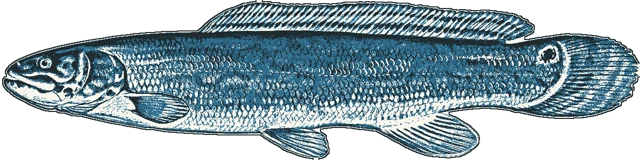
Bowfin
Amia calva (ruddy bowfin) and Amia ocellicauda (emerald bowfin) · also called dogfish, mudfish, grindel, choupique · Freshwater
TPWD calls it a rough fish rather than one for the table; the soft, pale flesh earned it the nickname 'cottonfish'.
Worth a try: Keep it alive until you clean it, cook it the same day, and use it smoked, fried as patties or stewed; MeatEater serves fried bowfin with a morel cream sauce.
- Tastes
- mild, soft, jelly-like unless very fresh
- Limits
- No limits. No statewide limit listed and no size limit. Ohio's 2026-27 regulations define forage fish as freshwater drum (sheepshead), common carp, grass carp (in waters not stocked by the Division for vegetation control, as indicated by signs), bighead, silver and black carp, quillback, suckers, bowfin, longnose gar, buffalo, gizzard shad and goldfish, and allow them to be taken by any method except explosives, poisons, firearms, electricity, chemicals, nets other than cast nets, seines, traps, or snagging within 1,000 ft downstream of a posted dam or a Muskingum River dam. (2026-27 Ohio Fishing Regulations, effective March 1, 2026 to Feb. 28, 2027) Source
- Where
- Large natural lakes, rivers, oxbows and embayments with clear water and rooted vegetation; most abundant in the bays and marshes of Lake Erie's western basin.
- spinners
- crankbaits
- crayfish
Before you eat it: Do not eat any fish from the Little Scioto River near Marion. One meal a week statewide. The state advises avoiding older, larger fish. Ohio advisory, May 2026.
Gizzard shad
Dorosoma cepedianum · Freshwater
Soft, tasteless, bony and strong-smelling; TPWD calls it worthless as a food fish and Maryland says it is almost always discarded.
- Tastes
- bland, strong odor, soft, many fine bones
- Limits
- No limits. No statewide limit listed and no size limit. Gizzard shad are forage fish and may be taken with a minnow seine, minnow dip net or hand landing net. Ohio's 2026-27 regulations define forage fish as freshwater drum (sheepshead), common carp, grass carp (in waters not stocked by the Division for vegetation control, as indicated by signs), bighead, silver and black carp, quillback, suckers, bowfin, longnose gar, buffalo, gizzard shad and goldfish, and allow them to be taken by any method except explosives, poisons, firearms, electricity, chemicals, nets other than cast nets, seines, traps, or snagging within 1,000 ft downstream of a posted dam or a Muskingum River dam. (2026-27 Ohio Fishing Regulations, effective March 1, 2026 to Feb. 28, 2027) Source
- Where
- Found in waters throughout the state (ODNR).
Before you eat it: Do not eat any fish from the Little Scioto River near Marion. One meal a week statewide. Ohio advisory, May 2026.
White sucker
Catostomus commersonii · Freshwater
Suckers have perhaps the worst reputation of the rough fish (MeatEater) and are mostly raised and sold as bait (MN DNR); the many small bones keep most anglers from eating them.
Worth a try: Spring fish from cold water are light and sweet like walleye (MeatEater); score them deeply and fry hard, pickle them to dissolve the bones, or grind into fish cakes.
- Tastes
- light, sweet, firm, white, many small bones
- Limits
- No limits. No statewide limit listed and no size limit. Suckers are forage fish: Ohio's 2026-27 regulations define forage fish as freshwater drum (sheepshead), common carp, grass carp (in waters not stocked by the Division for vegetation control, as indicated by signs), bighead, silver and black carp, quillback, suckers, bowfin, longnose gar, buffalo, gizzard shad and goldfish, and allow them to be taken by any method except explosives, poisons, firearms, electricity, chemicals, nets other than cast nets, seines, traps, or snagging within 1,000 ft downstream of a posted dam or a Muskingum River dam. (2026-27 Ohio Fishing Regulations, effective March 1, 2026 to Feb. 28, 2027) Source
- Best months
- Spring, on the April and May runs up small streams (Farm and Dairy)
- Where
- Every Ohio county, in nearly every lake, reservoir, river and stream; the largest population is in Lake Erie (ODNR)
- redworms
- Do not eat any fish from the Little Scioto River near Marion.
- The state advises avoiding bottom-feeders and suckers.
Meal limits and other waters (3)
- One meal a month: all suckers from the Ohio River between the Pennsylvania line and the Indiana line (PCBs), and white suckers 16 in and longer from the Cuyahoga River below the Ohio Edison Dam pool (mercury).
- One meal a week from unlisted waters.
- Ohio advisory, May 2026.
Lake sturgeon
Acipenser fulvescens · also called Great Lakes sturgeon, rock sturgeon · Freshwater
Protected across most of its range after overharvest for flesh and caviar; Wisconsin DNR lists many of its lake sturgeon waters as catch and release only and requires a keeper to be at least 60 inches.
- Limits
- No harvest. Protected in all Ohio waters: if caught it must be released immediately; possession is prohibited. Listed by ODNR as a state endangered species, present in Lake Erie. (2026-27 Ohio Fishing Regulations, effective March 1, 2026 to Feb. 28, 2027; endangered listing: ODNR Publication 5356 (updated June 2026)) Source
- Where
- Present in Lake Erie; probably gone from the Ohio River drainage since it was dammed in 1916 (ODNR).
Muskellunge
Esox masquinongy · also called muskie · Freshwater
A trophy fish that is almost never kept: high minimum lengths and a strong release ethic mean most muskie anglers let their catch go.
- Limits
- Heavy regs. Inland lakes and streams (statewide): 1 per day, no minimum size. Ohio River (both units) and Pymatuning Lake: 2 per day, 30 in minimum. (2026-27 Ohio Fishing Regulations, effective March 1, 2026 to Feb. 28, 2027) Source
- Best months
- Mid-May to mid-July is best; muskies are caught April through October (ODNR)
- Where
- Stocked each year in nine reservoirs (Alum Creek, C.J. Brown, Caesar Creek, Clearfork, Leesville, M.J. Kirwan, Milton, Piedmont and Salt Fork); occasionally in Lake Erie and Ohio River tributaries.
- large plugs
- spoons
- spinnerbaits
Before you eat it: Do not eat any fish from the Little Scioto River near Marion. One meal a week statewide. The state advises avoiding older, larger fish, which have had more time to build up contaminants. Ohio advisory, May 2026.
Where to fish in Ohio
Fish named here are what people catch at each spot, not a promise they’re safe to eat. Read the eating advice on the fish’s card before you keep one.
- 1Maumee River (Grand Rapids to Maumee Bay) river · fresh
Walleye arrive in early March and stay through April, most abundant around the beginning of April; white bass follow and spawn into June (ODNR Lake Erie guide). Ohio's advisory: white bass from Lake Erie, one meal a month (PCBs).
Known for: Walleye, White bass
Access: March 1 to April 30 each year, listed stretches: single-hook rule, and fishing only from sunrise to sunset.
- 2Western basin of Lake Erie (Bass Islands, Catawba, Marblehead) lake · fresh
ODNR's Lake Erie guide names the reefs and islands here for spring and summer walleye, perch from Catawba to Kelleys Island, and nearshore bass. Ohio's advisory: smallmouth bass from Lake Erie, one meal a month (PCBs).
Known for: Walleye, Yellow perch, Smallmouth bass, Largemouth bass
Access: Boat fishing around the islands and reefs; the guide also names Metzger Marsh pier and the Toledo water intake.
- 3Sandusky Bay and Sandusky River estuary · fresh
Walleye run up the Sandusky River from early March through April and white bass follow; the guide lists Sandusky Bay for winter perch. Ohio's advisory: white bass from Lake Erie, one meal a month (PCBs).
Known for: Walleye, White bass, Yellow perch
Access: March 1 to April 30 each year, listed stretches of the Sandusky River: single-hook rule, and fishing only from sunrise to sunset.
- 4Grand River and Lake Erie steelhead tributaries river · fresh
ODNR lists the Grand with the Vermilion, Rocky, Chagrin and Ashtabula rivers and Conneaut Creek for fall-to-spring steelhead. Ohio's advisory: steelhead from Lake Erie and its tributaries, one meal a month (PCBs).
Known for: Steelhead
Access: River and pier fishing; brook trout may not be taken from the Grand and its tributaries.
- 5Central basin harbors, Cleveland to Conneaut lake · fresh
The guide places smallmouth in 10 to 30 ft around harbors from Cleveland to Conneaut, perch off break walls and offshore, and steelhead from piers. Ohio's advisory: smallmouth bass and steelhead from Lake Erie, one meal a month (PCBs).
Known for: Smallmouth bass, Yellow perch, Steelhead
Access: Piers, break walls and harbors; offshore by boat.
- 6Mosquito Creek Lake reservoir · fresh
ODNR says walleye, bass and crappies predominate, with bluegill and channel catfish among the other game fish; the regulations give it a 15 in walleye minimum and 30 crappie at 9 in. Ohio's advisory for Mosquito Creek (all waters, Trumbull County): bluegill, one meal a week (PCBs and lead).
Known for: Walleye, Largemouth bass, Black crappie, Bluegill, Channel catfish
Access: The reservoir south of the refuge buoy line is open to fishing.
- 7Pymatuning Lake reservoir · fresh
Pennsylvania DCNR lists walleye, muskellunge, crappie, perch, bluegill and bass as common. Its own Ohio-Pennsylvania rules: walleye 6 at 15 in, crappie 20 at 9 in, muskie 2 at 30 in, largemouth and smallmouth bass 5 at 12 in.
Known for: Walleye, Black crappie, White crappie, Muskellunge, Largemouth bass
Access: Ohio or Pennsylvania license in a boat; a Pennsylvania license is needed from the Pennsylvania shore or any island; up to three lines.
- 8Leesville Lake reservoir · fresh
One of nine reservoirs ODNR stocks with muskie; anglers reported 3,337 muskie there from 2020 to 2024 in the Ohio Muskie Angler Log.
Known for: Muskellunge
Access: Boat ramps, marinas, fishing access and conservancy district public areas are marked on ODNR's Leesville Lake fishing map.
- 9Indian Lake reservoir · fresh
The Miami Conservancy District calls it one of Ohio's premier saugeye fisheries, first in the state for Fish Ohio saugeye entries in 2024, with large black and white crappie; 30 crappie at 9 in applies.
Known for: Saugeye, Black crappie, White crappie, Bluegill, Largemouth bass
Access: ODNR state park with boat ramps and marinas.
- 10Grand Lake St. Marys reservoir · fresh
12,896 acres in Auglaize and Mercer counties; 30 crappie at 9 in applies and part of the lake allows trotlines.
Access: Boat ramps, fishing access, piers and the state park campground are marked on ODNR's fishing map.
- 11Alum Creek Lake reservoir · fresh
One of nine reservoirs ODNR stocks with muskie; anglers reported 889 muskie there from 2020 to 2024 in the Ohio Muskie Angler Log; 30 crappie at 9 in applies.
Known for: Muskellunge
Access: Alum Creek State Park, Delaware County; boat ramps and fishing access are marked on ODNR's lake map.
- 12Hoover Reservoir reservoir · fresh
ODNR's guide lists it among the lakes stocked with blue catfish; 30 crappie at 9 in applies through Feb. 28, 2027.
Known for: Blue catfish
Access: Delaware and Franklin counties; boat ramps and fishing access are marked on ODNR's lake map.
- 13Caesar Creek Lake reservoir · fresh
Stocked with blue catfish; 30 crappie at 9 in applies; paddlefish may not be taken or possessed in or within 2,000 ft of the reservoir and dam.
Known for: Blue catfish
Access: State park in Warren, Clinton and Greene counties, with several boat launching areas.
- 14Ohio River near Portsmouth river · fresh
ODNR says blue catfish are most common from Portsmouth downstream to Cincinnati; tailwaters below Ohio River dams are the best sauger areas; hybrid-striped bass are stocked in the river. Ohio's advisory: hybrid striped bass from the Ohio River, one meal every two months (PCBs).
Known for: Blue catfish, Sauger, Hybrid striped bass
Access: Western Unit (Ohio-Kentucky) rules apply; snagging is illegal in the Ohio River all year; up to three lines.
Ohio fishing license and rules
- Resident: $25.00 (Resident 1-Year License, ages 16-64); Resident Senior 1-Year $10.00; Resident 1-Day $14.00
- Nonresident: $76.96 (Nonresident 1-Year License)
- Nonresident short-term: Nonresident 1-Day $27.04; Nonresident 3-Day $52.00
- Who needs one: 16 and older; anglers under 16 need no license. Ohio residents born on or before Dec. 31, 1937 can get a free license.
- Free fishing days: The third Sunday in June and the Saturday before it each year (OAC 1501:31-13-10): Ohio residents may fish public waters without a license; all size and daily limits apply. The 2026 days were June 20 and 21; by the same rule the 2027 days are June 19 and 20.
More license details
The same fishing license covers Lake Erie, where anglers 16 and older need a license; no separate Lake Erie stamp is listed in the booklet. A Resident 1-Year license upgraded from a 1-Day costs $12.00. A resident is a person who has lived in Ohio for the past six consecutive months; nonresident students enrolled full time at an Ohio college or university qualify for a resident license if they live in Ohio at the time of purchase. Licenses are sold by license agents, on the HuntFish OH app and at wildohio.gov; a digital copy is enough. A special trotline license is required in the Lake Erie Fishing District. Lake Erie walleye and yellow perch limits for May 1, 2026 to April 30, 2027 are set (see species rows). State records are certified by the Record Fish Committee of the Outdoor Writers of Ohio, not ODNR.
Buy a license License types and fees
Fees: 2026-27 regulations (effective March 1, 2026 to Feb. 28, 2027).
- Anglers 16 and older need a license; a resident is someone who has lived in Ohio the past six consecutive months. One license covers Lake Erie and inland waters.
- Lake Erie black bass (largemouth, smallmouth, spotted): 1 per day, 18 in minimum, from May 1 until the fourth Saturday in June; 5 per day, 14 in, the rest of the year. Inland statewide limit is 5 per day, 12 in.
- Lake Erie walleye and yellow perch limits are set each year. For May 1, 2026 to April 30, 2027: walleye 6 per day, 15 in; yellow perch West Zone 30, Central 10, East 20; no more than 30 perch or 6 walleye a day in total.
- Maumee, Sandusky, Portage and Mahoning rivers, March 1 to April 30 each year: in listed stretches, single hook only, no hook over 1/2 in, and fishing only from sunrise to sunset.
- Up to three fishing lines statewide, three hooks on each line. Ice anglers: up to three rods and six tip-ups.
- Fillets must stay whole until you reach your permanent residence or the fish are prepared to eat, and it is illegal to buy or sell fish taken in licensed waters.
- Snagging is illegal for everything except forage fish; never allowed in the Ohio River, and freshwater drum may not be snagged in Lake Erie.
- Protected fish that must be released include lake sturgeon, alligator gar, spotted gar, shortnose gar, goldeye and cisco; brook trout may not be kept from the Ashtabula, Chagrin, Conneaut and Grand rivers and their tributaries.
- The Ohio River is split into a Western Unit (Ohio-Kentucky) and an Eastern Unit (Ohio-West Virginia). Walleye, sauger and saugeye have a 14 in minimum in the Western Unit and no minimum for Ohio shore anglers in the Eastern Unit; West Virginia's rules apply to boat anglers on the main stem there, and Kentucky's apply beyond the 1792 low water mark.
- Approved Oct. 28, 2026, effective March 1, 2027: many lake-specific bass length and daily limits end, so most of those waters go to the statewide 5 a day at 12 in, and Hoover Reservoir loses its 30 crappie, 9 in rule. The limits on this page apply until then.
Limits here are summaries for convenience, checked on the date shown. The official Ohio regulations govern; check them before you keep a fish.
Before you eat it
- Do not eat any fish from the Little Scioto River near Marion (State Route 739 to Holland Road); common carp from the Ohio River between the Pennsylvania line and Belleville Lock, or from the Tuscarawas River between Massillon and State Route 416 at New Philadelphia; or channel catfish and common carp from the Great Miami River between the Monument Avenue low dam in Dayton and Main Street in Moraine (Ohio Sport Fish Consumption Advisory, updated May 2026).
- One meal every two months: Ohio River hybrid striped bass and channel catfish (catfish 18 in and longer below Belleville Lock) and, above that lock, white bass; hybrid striped bass from the Great Miami below State Route 73 near Middletown; channel catfish from the Mahoning River, Little Beaver Creek, the Tuscarawas from Massillon to New Philadelphia, the Portage below the Ohio Turnpike and Perrysburg to Lake Erie; carp from the lower Portage, the Black River mouth at Lorain and, at 27 in and longer, Lake Erie; smallmouth buffalo 24 in and longer from the Muskingum.
- One meal a month statewide: flathead catfish and northern pike 23 in and longer, and steelhead from Lake Erie and its tributaries. One meal a month from Lake Erie: smallmouth bass, white bass, channel catfish, freshwater drum, lake trout, brown bullhead, carp 19 to 27 in and whitefish 21 in and longer.
- Everything else: no more than one meal a week of any Ohio fish, for everyone, unless the list has a row for that water; yellow perch and sunfish two a week. The Ohio Department of Health sets this to protect children under 15 and women who are pregnant or may become pregnant. A meal is 4 to 6 ounces cooked for an adult, 2 to 3 for a child.
- Do not wade or swim in Dicks Creek from Middletown to the Great Miami River, the Little Scioto near Marion, or the Mahoning River from Warren (NW Bridge Road) to the Pennsylvania line. With a harmful algal bloom, rinse off scum, throw out the skin, head and organs, and eat only the fillet. Snapping turtles: none from the Ottawa River in Lucas County, one meal a week from the Ashtabula, Black and Maumee rivers and the Ottawa National Wildlife Refuge (lead).
- The list changes each year and covers many more lakes and streams, so look up the water before keeping fish: https://odh.ohio.gov/ohfishadvisory or (614) 466-1390. The state suggests yellow perch, crappie, sunfish and walleye, and advises avoiding bottom-feeders, suckers and older, larger fish.
Local lingo
- Pickerel: nickname for walleye in ODNR's Sport Fish of Ohio guide.
- Jacks: nickname for sauger (same guide).
- Sheephead: nickname for freshwater drum (same guide).
- Specks and papermouth: crappie nicknames (same guide).
- Shellcracker: redear sunfish, named for its snail diet (same guide).
- Wiper: hybrid-striped bass (same guide).
- Spoonbill: paddlefish (same guide).
Questions anglers ask about Ohio
What is the most common fish in Ohio?
In 2021 anglers kept about 2.5 million walleye from Ohio's Lake Erie waters, according to ODNR's creel survey, more than any other fish that report counts; yellow perch came next, with about 1.3 million kept in the West Zone. The survey covers Lake Erie only.
What is the best fish to eat in Ohio?
17 of the 35 fish on our Ohio board rate Best eating. They include: walleye, saugeye, sauger, yellow perch, hybrid striped bass and white bass.
Does Ohio have free fishing days?
The third Sunday in June and the Saturday before it each year (OAC 1501:31-13-10): Ohio residents may fish public waters without a license; all size and daily limits apply. The 2026 days were June 20 and 21; by the same rule the 2027 days are June 19 and 20.
Which Ohio fish are better to eat than their reputation?
We give the Worth a try badge to northern pike, freshwater drum, common carp, grass carp, longnose gar, bowfin, white sucker and bigmouth buffalo: fish most anglers toss or rate low that eat well when they're cleaned and cooked right. Each card says how.
Neighboring states
Sources
Limits, prices and advisories come from these pages, read on or before Nov 21, 2026. Where a line gives its own date, that’s the date it rests on. Eating advice changes: check the state’s current list. Ratings are national and come from the fish’s own page.
37 sources
- dam.assets.ohio.gov black crappie: names|baits|months|where; blue catfish: where; bluegill: names|baits|months|where; bowfin: names|where; brown trout: names|baits|months|where; bu
- dam.assets.ohio.gov grass carp: regs; grass carp: where
- dam.assets.ohio.gov catch survey; smallmouth bass: evidence; steelhead: evidence; walleye: evidence; yellow perch: evidence
- dam.assets.ohio.gov fishing spots; muskellunge: where
- dam.assets.ohio.gov fishing spots; largemouth bass: baits|where; smallmouth bass: baits|where; steelhead: baits|months|where; walleye: baits|months|where; white bass: baits|months|
- dam.assets.ohio.gov muskellunge: months
- dam.assets.ohio.gov bigmouth buffalo: regs; black crappie: regs; blue catfish: regs; bluegill: regs; bowfin: regs; brown trout: regs; bullhead (black, brown, yellow): regs; channel
- dam.assets.ohio.gov walleye: regs; yellow perch: regs
- dam.assets.ohio.gov fishing spots
- dam.assets.ohio.gov black crappie: regs; blue catfish: regs; bluegill: regs; brown trout: regs; channel catfish: regs; flathead catfish: regs; green sunfish: regs; hybrid striped b
- dam.assets.ohio.gov lake sturgeon: regs; paddlefish: regs
- dam.assets.ohio.gov fishing spots
- mcdwater.org fishing spots
- odh.ohio.gov bigmouth buffalo: advisory; black crappie: advisory; blue catfish: advisory; bluegill: advisory; bowfin: advisory; brown trout: advisory; bullhead (black, brown
- odh.ohio.gov bigmouth buffalo: advisory; black crappie: advisory; blue catfish: advisory; bluegill: advisory; bowfin: advisory; brown trout: advisory; bullhead (black, brown
- odh.ohio.gov consumption advisories; consumption advisory
- oh-licensing.s3licensing.com license buy
- ohiodnr.gov license info
- ohiodnr.gov bluegill: regs; channel catfish: regs; freshwater regs; green sunfish: regs; largemouth bass: regs; longear sunfish: regs; redear sunfish: regs; smallmouth bass
- ohiodnr.gov bigmouth buffalo: names; bigmouth buffalo: where
- ohiodnr.gov white sucker: where
- ohiodnr.gov blue catfish: months; bullhead (black, brown, yellow): months; common carp: months; flathead catfish: months; hybrid striped bass: months; muskellunge: months;
- ohiodnr.gov black crappie: regs; largemouth bass: regs; smallmouth bass: regs; spotted bass: regs; white crappie: regs
- ohiodnr.gov where to fish
- ohiodnr.gov spotted bass: baits
- outdoorwritersofohio.org state records
- farmanddairy.com white sucker: baits; white sucker: months
- farmanddairy.com bowfin: baits
- farmanddairy.com white sucker: baits; white sucker: months
- gameandfishmag.com blue catfish: baits
- law.cornell.edu paddlefish: regs; walleye: regs
- law.cornell.edu flathead catfish: regs
- law.cornell.edu brown trout: regs; largemouth bass: regs; rainbow trout: regs; smallmouth bass: regs; spotted bass: regs; steelhead: regs
- law.cornell.edu brown trout: regs; largemouth bass: regs; rainbow trout: regs; smallmouth bass: regs; spotted bass: regs; steelhead: regs
- law.cornell.edu walleye: regs; yellow perch: regs
- pa.gov fishing spots
- richlandsource.com blue catfish: baits; blue catfish: months; bullhead (black, brown, yellow): months; flathead catfish: months
Illustrations: stencils we made from public-domain art by John J. Baird (Black crappie); Duane Raver, U.S. Fish and Wildlife Service (Blue catfish, Channel catfish, Flathead catfish, Rainbow trout, Redear sunfish, White bass, White crappie, White perch, Yellow perch, Bullhead (black, brown, yellow), Smallmouth bass, Bowfin); NOAA (Bluegill); U.S. Fish and Wildlife Service (Brown trout, Common carp, Largemouth bass); Hugh McCormick Smith (Walleye); C. W. Nash (Longnose gar); David Starr Jordan (Northern pike), via Wikimedia Commons.
Spotted an error or a rule that changed? Tell us and we will check it against the official source.