Florida · fresh and salt
Fish in Florida: what’s worth eating, and what’s garbage
Florida fishing is known for inshore saltwater: snook, redfish and spotted seatrout on the flats and mangroves, tarpon at Boca Grande Pass and around the Keys bridges, bonefish in Biscayne Bay, and reef fish such as red snapper, gag and mangrove snapper offshore. Inland, the Florida largemouth bass is the state freshwater fish, with big bass on Lake Okeechobee, the Kissimmee chain and Rodman Reservoir, plus speckled perch, bluegill and shellcracker.
36 fish rated · limits checked Nov 22, 2026 against FWC and federal sources, then re-checked: 427 of 428 details confirmed or corrected on the official pages
Resident $17 annual; $79 five-year; freshwater + saltwater combo $32.50. Nonresident $47 annual.
Buy a licenseSeparate saltwater license ($17 resident annual, $79 resident five-year, $47 nonresident annual; nonresident 3-day $17 or 7-day $30). Full details
Saltwater limitsFreshwater limits, seasons and size rules from Florida Fish and Wildlife Conservation Commission.
Freshwater limitsFlorida largemouth bass; Atlantic sailfish
Freshwater: first weekend in April (Apr 3-4, 2027) and second weekend in June (Jun 12-13, 2027). Full details
The Florida table-fare board
Fish Florida anglers catch, sorted by how they eat. The bars show how heavily each one is regulated here. Tap a fish for the details.
No limits Light regs Heavy regs No harvest
Best eating18
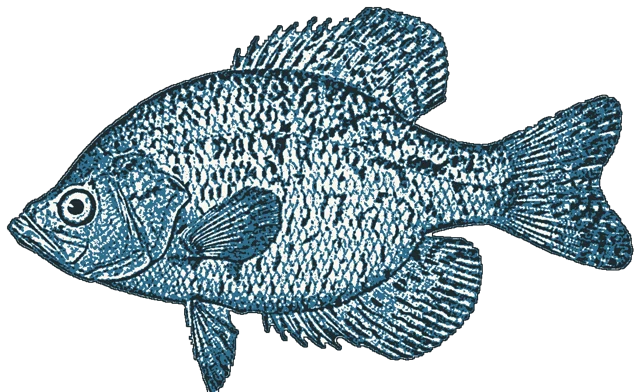 Black crappie“speckled perch”
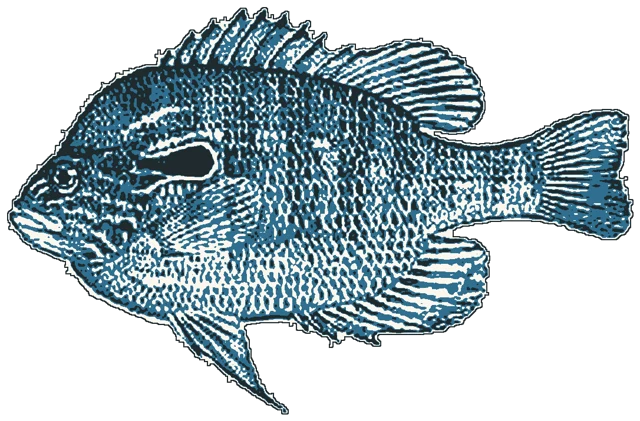 Bluegill“bream”
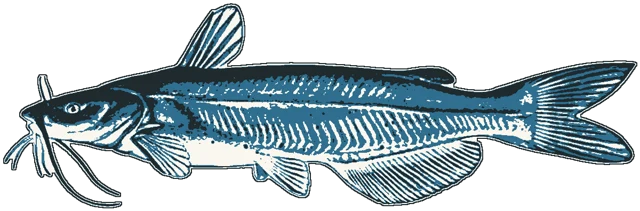 Channel catfish
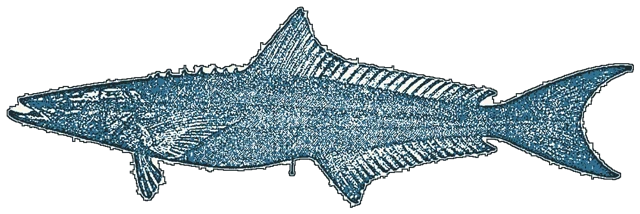 Cobia“ling”
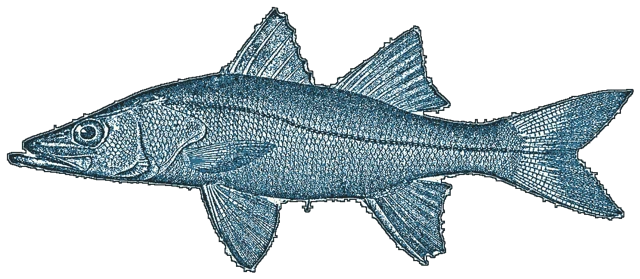 Common snook
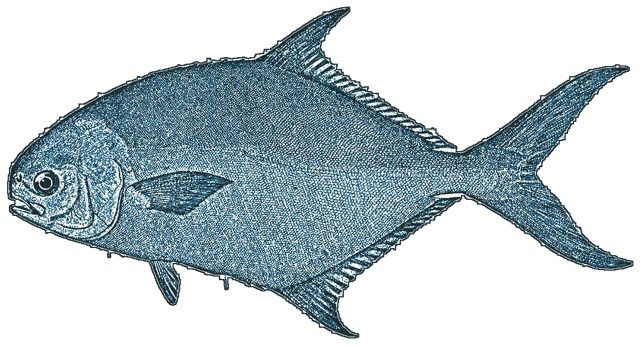 Florida pompano
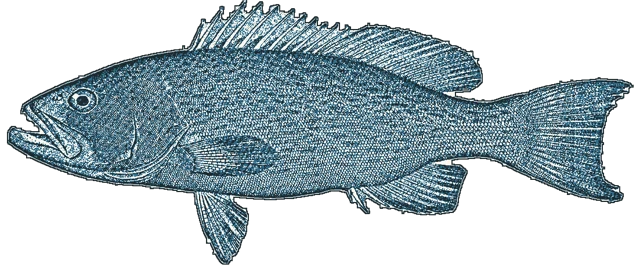 GagGray snapper“mangrove snapper”Gulf flounderHybrid striped bass“sunshine bass”
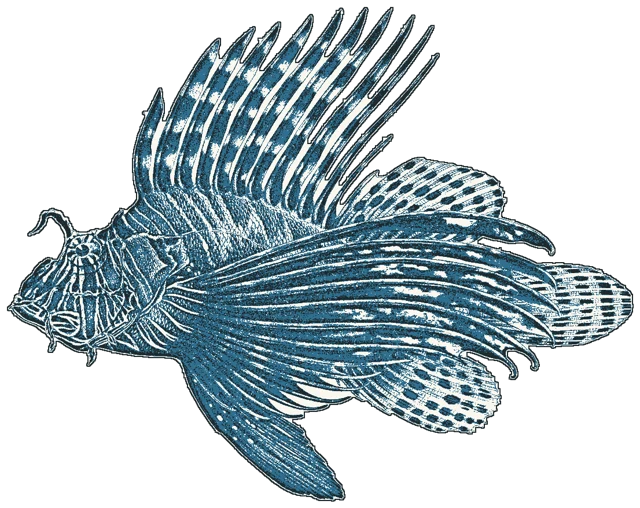 Lionfish“red lionfish”
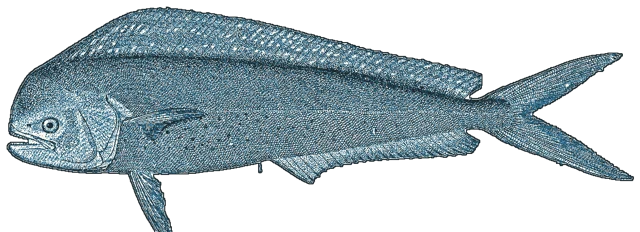 Mahi-mahi“dolphin”
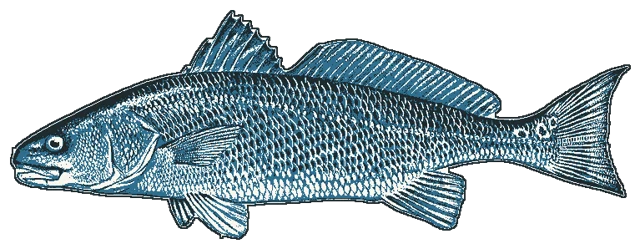 Red drum“redfish”
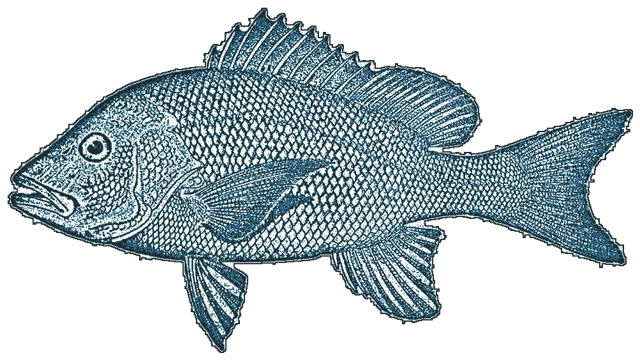 Red snapper
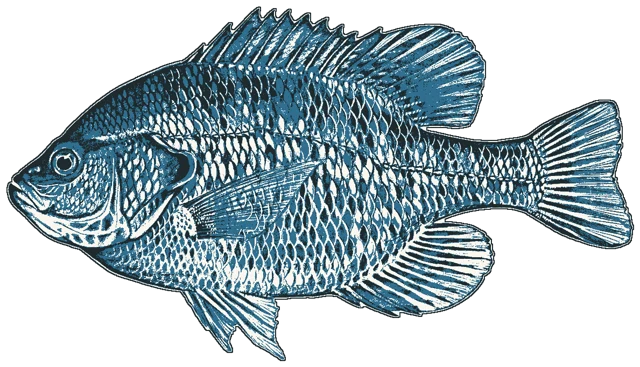 Redear sunfish“shellcracker”
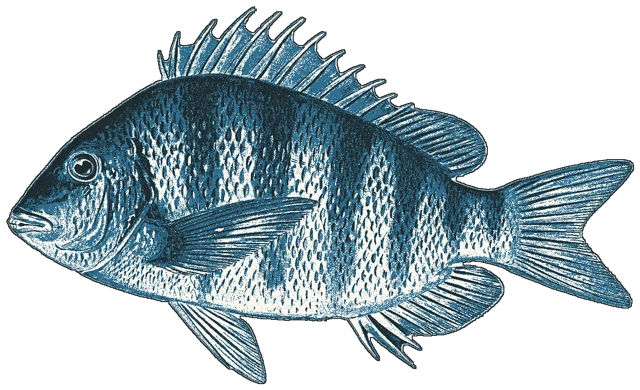 Sheepshead
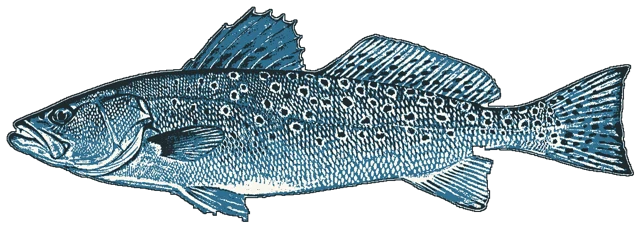 Spotted seatrout“speckled trout”
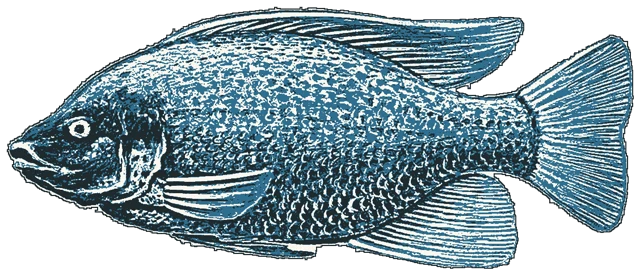 Tilapia (blue tilapia and relatives)
Just OK10
Garbage fish5
What’s actually caught in Florida
NOAA's MRIP estimates saltwater fish caught by recreational anglers. The numbers below are the average number of fish caught per year (kept plus released) in 2023, 2024 and 2025, with the Gulf and South Atlantic parts of Florida added together; bait-size herring, sardine, anchovy and scad groups, blue runner (about 11.7 million a year) and family-level groups such as grunts (about 6.8 million) are left out. NOAA recalibrated its survey in 2026, so its current query tool may show lower totals, and a different order, than the 2023-2025 estimate files used here.
- Pinfish Garbage fish32.0 million fish caught per year, average of 2023-2025 (2023 34.2M, 2024 38.0M, 2025 24.0M); 69% released.
- Spotted seatrout Best eating22.7 million fish caught per year, average of 2023-2025 (2023 19.3M, 2024 26.0M, 2025 22.8M); 89% released.
- Gray snapper Best eating22.2 million fish caught per year, average of 2023-2025 (2023 23.9M, 2024 25.5M, 2025 17.1M); 81% released.
- Hardhead catfish Garbage fish14.4 million fish caught per year, average of 2023-2025 (2023 14.4M, 2024 13.4M, 2025 15.4M); 98% released.
- Striped mullet Just OK12.4 million fish caught per year, average of 2023-2025 (2023 11.8M, 2024 10.6M, 2025 14.9M); 41% released. MRIP category: mullet genus; the separate mullet family category is not added.
- Ladyfish Garbage fish10.4 million fish caught per year, average of 2023-2025 (2023 9.1M, 2024 9.0M, 2025 13.0M); 90% released.
- Red drum Best eating9.6 million fish caught per year, average of 2023-2025 (2023 9.2M, 2024 11.8M, 2025 7.7M); 90% released.
- Crevalle jack Garbage fish8.8 million fish caught per year, average of 2023-2025 (2023 7.6M, 2024 8.8M, 2025 10.0M); 83% released.
- Spanish mackerel Just OK7.5 million fish caught per year, average of 2023-2025 (2023 6.9M, 2024 7.7M, 2025 7.9M); 41% released.
- Common snook Best eating6.4 million fish caught per year, average of 2023-2025 (2023 6.5M, 2024 6.6M, 2025 6.1M); 98% released. MRIP category: common snook.
Source: NOAA Fisheries Marine Recreational Information Program (MRIP) . Saltwater only: it does not survey freshwater fishing.
Fish by fish
Why each one sits where it does, the current Florida limits, and the bait that works.
Black crappie
Pomoxis nigromaculatus · also called speckled perch, specks · Freshwater
One of the classic fish-fry fish: MeatEater counts crappie among the best-eating fish in freshwater.
- Tastes
- mild, sweet, delicate, flaky, white
- Limits
- Light regs. Statewide: 25 crappie (speckled perch) per day, no minimum length. Lake Okeechobee, Lake Talquin and Lake Griffin: crappie under 10 in must be released. Tenoroc and Mosaic fish management areas, unless a lake is listed otherwise: 10 crappie, each 10 in or longer. Lake Seminole (Jim Woodruff Reservoir), St. Marys River and Lake Jackson (Walton County): 30 crappie. Perdido River: 30 crappie, each at least 9 in. (State digest 2026-27, page updated Jul 20, 2026; Rule 68A-23.005, effective Jul 1, 2024) Source
- Best months
- November through April, peak season (Florida Sportsman, Dec. 5, 2023).
- Where
- The 2026-27 state digest's crappie top spots: Lake Talquin, Lake Lochloosa, Lake Monroe, Lake Weohyakapka, the Winter Haven chain and Lake Istokpoga for size and numbers; Lakes Okeechobee, Trafford, Panasoffkee and Thonotosassa and Edward Medard Reservoir for numbers. Lake Seminole (Georgia DNR); Loxahatchee refuge (USFWS).
- small lures
- bug-pattern flies
- Do not eat (anyone): crappie from Hunters Lake (Hernando County).
- Do not eat (anyone), October 2025 state guide (since taken down): crappie from Ocean Pond (Baker County).
- Do not eat (anyone): any fish from the Perdido River near US 90 (Alabama's June 2026 list).
- Do not eat (women of childbearing age, young children): crappie from Lake Russell (Osceola) or Ocean Pond (Baker); everyone else, one meal a month in the June 2021 guide.
Meal limits and other waters (8)
- Limit (anyone): one meal a month from Alligator Lake (Osceola), Blue Cypress Lake (Indian River), the C-44 (St. Lucie) Canal, Gap Lake (Washington), Lake Daugharty (Volusia), Lakes Hampton and Sampson (Bradford), Lakes Mary Jane and Hart (Orange), the Ochlockonee River north of US 90, and the Alapaha, Suwannee and Withlacoochee North rivers.
- Limit (anyone), October 2025 state guide: one meal a month also from Lake Disston (Flagler), Lake Ellen (Wakulla), Lakes Gentry and Jackson (Osceola), Lake Placid (Highlands), Water Conservation Area 2A with the L-6, L-35B and L-38E canals, and the upper Santa Fe River.
- Limit (women of childbearing age, young children): one meal a month from 61 more listed waters, Lakes Kissimmee, Tohopekaliga, East Tohopekaliga, Istokpoga, Panasoffkee and Walk-in-Water among them.
- Limit (everyone else): one meal a week from 36 of those 61, East Tohopekaliga and Walk-in-Water among them.
- Limit (anyone), untested fresh water: two meals a month, counted with the other fish in that group (state digest 2026-27, p. 28).
- Limit, Lakes Okeechobee, George and Monroe: one meal a week (women of childbearing age, young children) and two a week (everyone else).
- Limit (anyone), Lake Seminole (Jim Woodruff) and Lake Talquin: two meals a week.
- Other listed waters differ (Department of Health guide, June 2021 v2).
Bluegill
Lepomis macrochirus · also called bream · Freshwater
MeatEater calls the flesh light, delicate and sweet; the original fish-fry panfish.
- Tastes
- mild, sweet, firm, flaky
- Limits
- Light regs. Statewide: 50 panfish per day, bluegill, redear, flier, longear sunfish, mud sunfish, shadow bass, spotted sunfish, warmouth and redbreast sunfish individually or in total; no minimum length. Lake Seminole (Jim Woodruff Reservoir), St. Marys and Perdido rivers and Lake Jackson (Walton County): 50 panfish (crappie not included). Fish management areas: 20 panfish on 36 listed areas, an 8 in minimum for bluegill and redear on several small lakes in south and southwest Florida, and 5 bluegill, 12 in or longer, at Shadow Bay Park (Orange County). (State digest 2026-27, page updated Jul 20, 2026; Rule 68A-23.005, effective Jul 1, 2024; Rule 68A-20.005, effective Dec 22, 2024) Source
- Best months
- Spring in the Panhandle, very fast fishing over shallow, sandy spawning beds (Florida Sportsman, Apr. 29, 2024).
- Where
- The 2026-27 state digest's panfish top spots include Lake Talquin, Tenoroc, Lake Thonotosassa, Lake Tarpon, Edward Medard Reservoir, the Winter Haven chain, Lake Istokpoga, Orange Lake, Lake Panasoffkee and the Everglades canals. Lake Okeechobee (Visit Florida); Loxahatchee, Merritt Island and Ding Darling refuges (USFWS).
- crickets
- worms
- topwater lures
- Do not eat (women of childbearing age, young children): bluegill from Pate Lake (Washington County); everyone else, one meal a month.
- Do not eat (anyone): any fish from the Perdido River near US 90 (Alabama's June 2026 list).
Meal limits and other waters (8)
- Limit (anyone): one meal a month from Brick Lake (Osceola), Fisheating Creek (Glades and Highlands), Emeralda Marsh WMA Area 7 (Lake County, pesticides) or Otter Creek (the Choctawhatchee tributary, Bay County, arsenic).
- Limit (anyone), October 2025 state guide (since taken down): one meal a month also from Lake Russell (Osceola), Otter Lake (Wakulla), Woodbine Spring Lake (Santa Rosa), and North Prong Otter and Rodgers creeks (Monroe).
- Limit (women of childbearing age, young children): one meal a month from 81 more listed waters, Water Conservation Area 3A, the Alligator Alley canals, Shark River Slough, the Suwannee River system and the Escambia River among them.
- Limit (everyone else): one meal a week from 32 of those 81, the first four named here among them.
- Limit (anyone), untested fresh water: two meals a month, counted with the other fish in that group (state digest 2026-27, p. 28).
- Limit, Lake Okeechobee and Rodman Reservoir: one meal a week (women of childbearing age, young children) and two a week (everyone else).
- Limit (anyone), Lakes Kissimmee, Tohopekaliga, George and Seminole (Jim Woodruff): two meals a week.
- Other listed waters differ (Department of Health guide, June 2021 v2).
Channel catfish
Ictalurus punctatus · Freshwater
Very good to eat (Maryland DNR) and delicious when cooked (TPWD), and the basis of US catfish farming.
- Tastes
- mild, sweet, firm, moist
- Limits
- No limits. No statewide bag or size limit: the state defines freshwater fish other than game fish and grass carp as nongame. Fish management areas: 6 a day unless the area lists its own limit (53 listed areas); 1 a day, 30 in or longer, at Shadow Bay Park (Orange County); and no bag limit on larger lakes such as Tohopekaliga, East Tohopekaliga, Kissimmee, Cypress, Hatchineha, Marian, Griffin, Istokpoga and Panasoffkee. Nongame fish may also be taken by trotline, set line or bush hook (25 hooks total) where those are legal. (State digest 2026-27, page updated Jul 20, 2026; Rule 68A-20.004, effective Mar 25, 2012; Rule 68A-20.005, effective Dec 22, 2024) Source
- Best months
- Summer (Game & Fish, July 24, 2019).
- Where
- The 2026-27 state digest's catfish top spots include the Escambia, Yellow, Choctawhatchee, Apalachicola, Ochlockonee and Suwannee rivers, Lake Talquin, Lake Weohyakapka, Tenoroc, Lake Thonotosassa, Edward Medard Reservoir and Lake Okeechobee. Lake Seminole (Georgia DNR, channel catfish); Loxahatchee refuge (USFWS).
- chicken liver
- beef liver
- chicken gizzards
- dead shrimp
- cut fish
- night crawlers
- Do not eat (anyone): any fish from the Perdido River near US 90 (Alabama's June 2026 list).
Meal limits and other waters (8)
- Limit (anyone): one meal a month of channel catfish from Brick Lake (Osceola County) or Lake Louisa (Lake County).
- Limit (women of childbearing age, young children): one meal a month from Alligator Lake and Lake Gentry (Osceola), Lake Disston (Flagler), Palm Lake (St. Lucie), Woodbine Spring Lake (Santa Rosa), and the Alapaha, Escambia, Ochlockonee, upper Santa Fe, Suwannee and Withlacoochee North rivers.
- Limit (everyone else): two meals a week from Alligator, Palm and Woodbine Spring lakes, and one a week from the rest.
- Limit (anyone): two meals a month from the Conecuh (Escambia) River at the Alabama line (Alabama's June 2026 list).
- Limit (anyone), untested fresh water: two meals a month, counted with the other fish in that group (state digest 2026-27, p. 28).
- Limit, Kissimmee River pools: one meal a week (women of childbearing age, young children) and two a week (everyone else).
- Limit (anyone), Lakes Okeechobee, George, Monroe and Talquin: two meals a week.
- Other listed waters differ (Department of Health guide, June 2021 v2).
Cobia
Rachycentron canadum · also called ling · Saltwater
Firm, white, sweet meat; TPWD calls it an exceptionally fine food fish.
- Tastes
- sweet, rich, firm, lean, moist
- Limits
- Heavy regs. Gulf and Atlantic state waters: 36 in fork length minimum; 1 per person or 2 per vessel per day, whichever is less. Federal waters off Florida carry the same limit of 1 per person and 2 per vessel, 36 in on the Atlantic side. (State digest, page updated Jul 16, 2026; Rules 68B-19.003 and .004, effective Jul 5, 2022) Source
- Best months
- May to October brings 73% of the catch (NOAA MRIP 2023-2025).
- Where
- 65% of Florida's catch is on the Gulf side (NOAA MRIP 2023-2025). Off Destin and Homosassa (Visit Florida).
- jigs
- live pinfish
- live mullet
- live cigar minnows
- live grunts
- live shrimp
Before you eat it: Do not eat (women of childbearing age, young children): cobia, all coastal waters (mercury). Do not eat (anyone), October 2025 state guide (since taken down): cobia, all coastal waters. Limit (everyone else): one 6-ounce meal a month (Department of Health guide, June 2021 v2).
Common snook
Centropomus undecimalis · Saltwater
Mild, white, flaky fillets; Texas Parks and Wildlife calls it a fine food fish.
- Tastes
- mild, clean, firm, white, flaky
- Limits
- Heavy regs. 1 fish per person per day in every region, with a snook permit ($10) on top of the saltwater license. Slot 28-33 in total length in Panhandle, Big Bend, Tampa Bay, Sarasota Bay, Charlotte Harbor and Southwest; 28-32 in Southeast, Indian River Lagoon and Northeast. Closed seasons: Panhandle, Big Bend, Tampa Bay and Sarasota Bay: Dec. 1 to end of February and May 1 to Aug. 31. Charlotte Harbor and Southwest (through the Keys): Dec. 1 to end of February and May 1 to Sept. 30. Southeast, Indian River Lagoon and Northeast: Dec. 15 to Jan. 31 and June 1 to Aug. 31. Hook and line only, no multiple hooks or snatching. Captain and crew may not keep a bag limit on a for-hire trip; no commercial harvest or sale. Biscayne National Park also counts it in a 10-fish aggregate. (Rules 68B-21.003, .004 and .005, effective Jan 1, 2024; state digest, page updated Jul 20, 2026) Source
- Best months
- May to October brings 62% of the catch (NOAA MRIP 2023-2025); check the closed seasons before keeping one.
- Where
- 67% of Florida's catch is on the Gulf side; 80% comes from inland waters (NOAA MRIP 2023-2025). Ding Darling refuge (USFWS); Sebastian Inlet, Gasparilla Island and the Sunshine Skyway (Visit Florida).
- scaled sardines (pilchards, whitebait)
- live shrimp
- pinfish
- mud minnows
- Rapala Skitter V topwater
- Flare Hawk bucktail jigs
- Do not eat (anyone), October 2025 state guide (since taken down): snook from North Prong Otter Creek (Monroe County).
- Do not eat (women of childbearing age, young children): snook from Shark River Slough in Everglades National Park, North Prong Otter Creek included; everyone else, one meal a month in the June 2021 guide.
Meal limits and other waters (4)
- Limit (anyone): one meal a month from Florida Bay, Biscayne Bay and the Florida Keys.
- Limit, other coastal waters and western Everglades National Park: one meal a month (women of childbearing age, young children) and one a week (everyone else).
- Limit (anyone), October 2025 state guide: one meal a month from all coastal waters and the Peace River.
- Source: Department of Health guide, June 2021 v2 (6-ounce cooked meals, mercury).
Florida pompano
Trachinotus carolinus · Saltwater
Rich, sweet, buttery fillets; TPWD says many consider it the most delicious of all Gulf fish.
- Tastes
- rich, sweet, buttery, firm, moist, fine
- Limits
- Light regs. Florida pompano, state and federal waters: 11 in fork length minimum, 6 per person per day, open year-round, hook and line, cast net and beach or haul seine only. Related fish with their own rules: permit outside the Special Permit Zone, slot 11-22 in fork length, 2 per person, one of them over 22 in and no more than 2 over 22 in per vessel; permit inside the Special Permit Zone (south of Cape Florida, Biscayne Bay south of the Rickenbacker Causeway, south of Cape Sable), 22 in minimum, 1 per person, 2 per vessel, closed April 1-July 31; African pompano, 24 in, 2 per person and no more than 2 per vessel. Biscayne National Park also counts all three in a 10-fish aggregate. (State digest, page updated Jul 20, 2026; Rules 68B-35.003 and .0035, effective Nov 15, 2012; Rule 68B-35.006, effective Apr 1, 2018) Source
- Best months
- Two peaks: March-April (33% of the catch) and September-October (26%) (NOAA MRIP 2023-2025).
- Where
- 90% of Florida's catch is from shore, split almost evenly between the Gulf and the Atlantic (NOAA MRIP 2023-2025). St. Vincent and Ding Darling refuges (USFWS).
- live sand fleas
- live shrimp
- fiddler crabs
- quarter- or half-ounce skirted jigs
- Limit, all coastal waters: one meal a week (women of childbearing age, young children) and two a week (everyone else).
Meal limits and other waters (3)
- Limit (anyone), October 2025 state guide (since taken down): one meal a week.
- Limit (women who may become pregnant, pregnant or nursing women, children 2 to 6): 4 ounces a week of pompano, counted with the other moderate-mercury fish on the state seafood card (May 2026).
- Source: Department of Health guide, June 2021 v2 (6-ounce cooked meals, mercury).
Gag
Mycteroperca microlepis · Saltwater
Mild, firm, moist fillets (NOAA); LSU Sea Grant rates food value excellent.
- Tastes
- mild but distinct, firm, moist, flaky
- Limits
- Heavy regs. Gulf state waters (except Monroe County): 24 in minimum total length, 2 per person inside the 4-grouper aggregate, captain and crew zero; the state code opens Sept. 1 to Nov. 10 each year. Gulf federal waters were open Sept. 1-30, 2026 only. Atlantic (including all Monroe County state waters): 24 in minimum, 1 gag or black grouper per person inside the 3 grouper-tilefish aggregate, 2 gag or black per vessel (from Oct. 28, 2026), captain and crew zero; open May 1 to Aug. 1 in the 2026 digest, and closed in federal waters from Aug. 2, 2026 until May 1, 2027. The free State Reef Fish Angler designation is required on private vessels. (Rule 68B-14.0036 (bag and vessel limits), effective Oct 28, 2026; Rule 68B-14.0039 (seasons), effective May 5, 2024; NOAA bulletins of May 20 and Apr 21, 2026; state digest, page updated Jul 20, 2026) Source
- Best months
- September to December brings 46% of the catch, nearly all of it released (NOAA MRIP 2023-2025).
- Where
- 98% of Florida's catch is on the Gulf side; 38% comes from inland waters (NOAA MRIP 2023-2025).
- live pinfish
- live pigfish
- Ciguatera cases have been reported (Florida Museum).
- Do not eat (anyone): the liver, intestines, roe or head (ciguatera, Department of Health).
- If ciguatera has been reported in the area, do not eat reef fish until the advisory is lifted.
Meal limits and other waters (3)
- Limit, all coastal waters: one meal a month (women of childbearing age, young children) and one a week (everyone else).
- Limit (anyone), October 2025 state guide (since taken down): one meal a month.
- Source: Department of Health guide, June 2021 v2 (6-ounce cooked meals, mercury).
Gray snapper
Lutjanus griseus · also called mangrove snapper · Saltwater
LSU Sea Grant rates its food value excellent; a mainstay of Florida's recreational snapper catch.
- Tastes
- mild, sweet, firm, white, flaky
- Limits
- Heavy regs. Gulf and Atlantic state waters: 10 in minimum total length, 5 per person per day inside the 10-snapper aggregate, open year-round. Atlantic federal waters: 12 in, 10 per person inside the 10-snapper aggregate. State waters run to 3 miles on the Atlantic and 9 miles on the Gulf. Biscayne National Park: 12 in minimum, and it counts in a 10-fish aggregate. Gray snapper is not one of the 13 species that need the free State Reef Fish Angler designation on a private boat; red, vermilion, mutton and yellowtail snapper are. (State digest, page updated Jul 20, 2026; Rule 68B-14.0035 (size), effective Apr 1, 2026; Rule 68B-14.0036 (bag), effective Oct 28, 2026; Rule 68B-7.003 (Biscayne), effective Jul 1, 2020) Source
- Best months
- May to October brings 67% of the catch, July-August the most (NOAA MRIP 2023-2025).
- Where
- 65% of Florida's catch is on the Gulf side; 62% comes from inland waters, nearly half of it from shore (NOAA MRIP 2023-2025). Ding Darling refuge (USFWS).
- live shrimp
- live minnows
- fiddler crabs
- cut shrimp
- cut squid
- live pilchards and sardines (offshore)
- Ciguatera has been documented but is rare (Florida Museum).
- Do not eat (anyone): the liver, intestines, roe or head (ciguatera, Department of Health).
- Do not eat (anyone): any fish from the Perdido River near US 90 (Alabama's June 2026 list).
- If ciguatera has been reported in the area, do not eat reef fish until the advisory is lifted.
Meal limits and other waters (5)
- Limit (women of childbearing age, young children): one meal a month from Florida Bay, Biscayne Bay, the Florida Keys, Shark River Slough and western Everglades National Park, and one a week from other coastal waters.
- Limit (everyone else): two meals a week.
- Limit (women who may become pregnant, pregnant or nursing women, children 2 to 6): 4 ounces a week of snapper, counted with the other moderate-mercury fish on the state seafood card (May 2026).
- Limit (anyone), October 2025 state guide (since taken down): one meal a month from Florida Bay, Biscayne Bay and the Florida Keys, two a month from Lostmans Five and North Prong Otter Creek (Monroe County), and one a week from other coastal waters.
- Source: Department of Health guide, June 2021 v2 (6-ounce cooked meals, mercury).
Gulf flounder
Paralichthys albigutta · Saltwater
Eats like the other Paralichthys flounders: lean, mild white fillets that anglers keep whenever they are legal.
- Tastes
- mild, sweet, lean, fine flakes
- Limits
- Heavy regs. Gulf and Atlantic, state waters and adjacent federal waters: 14 in minimum total length, 5 per person per day, closed every year from Oct. 15 through Nov. 30. The rule covers Gulf, southern, summer and fringed flounder. Spears and gigs are legal; snatching and multiple hooks with natural bait are prohibited. Biscayne National Park also counts flounder in a 10-fish aggregate. (State digest, page updated Jul 20, 2026; Rules 68B-48.003, .004 and .005, effective Mar 1, 2021) Source
- Best months
- Southern flounder: May to August brings 66% of the catch (NOAA MRIP 2023-2025).
- Where
- Gulf flounder is a Gulf-side fish in the survey and southern flounder an Atlantic-side one, 88% of it from inland waters (NOAA MRIP 2023-2025). Flounder are listed at the Lower Suwannee, St. Marks, St. Vincent, Ding Darling and Merritt Island refuges (USFWS).
- finger mullet
- mud minnows
- live shrimp
- soft-plastic jig
- Do not eat (anyone): any fish from the Perdido River near US 90 (Alabama's June 2026 list).
Meal limits and other waters (4)
- Limit, Gulf flounder, all coastal waters: one meal a month (women of childbearing age, young children) and one a week (everyone else).
- Limit, southern flounder, all coastal waters: one meal a week (women of childbearing age, young children) and two a week (everyone else).
- Limit (anyone), October 2025 state guide (since taken down): one meal a month of Gulf flounder and one a week of southern flounder.
- Source: Department of Health guide, June 2021 v2 (6-ounce cooked meals, mercury).
Hybrid striped bass
Morone saxatilis x M. chrysops · also called sunshine bass · Freshwater
Indiana DNR says hybrids make great table fare; mild white fillets like a striper's.
- Tastes
- mild, firm, white
- Limits
- Light regs. Statewide: 20 striped bass, white bass and sunshine bass per day, individually or in total. South and east of the Suwannee River, no more than 6 of them may be over 24 in (the digest prints that cap statewide, at 24 in or longer). Suwannee River, its tributaries and areas north and west of it: striped bass limit 3, each at least 18 in, inside the 20-fish combined limit. Lower Ochlockonee River (below Jackson Bluff Dam): striped bass limit 3, one over 24 in. Lake Seminole (Jim Woodruff Reservoir): 15, no more than two 22 in or longer. St. Marys River and its tributaries: 2 striped, sunshine or white bass, both at least 22 in. Perdido River and Lake Jackson (Walton County): 15, no more than five 22 in or longer. Fish management areas: 10 sunshine bass at Joe Budd Pond (closed except by permit or order); 6 at Hardee County Park and, unless a lake is listed otherwise, Tenoroc and Mosaic; 4, each 10 in or longer, at Walsingham Park Lake. (Rule 68A-23.005, effective Jul 1, 2024; Rule 68A-20.005, effective Dec 22, 2024; Rule 68A-23.0131, effective Jul 1, 2016; state digest 2026-27, page updated Jul 20, 2026) Source
- Best months
- November, a trip pick for the St. Johns River (Game & Fish 2016 Florida fishing calendar).
- Where
- The 2026-27 state digest's striper top spots: Lake George, the Apalachicola River, the Ochlockonee River and Lake Talquin, Edward Medard Reservoir, Tenoroc, Hanna Park, Bee Haven Bay and the Osborne-Ida chain. The Department of Health also lists sunshine bass from Lake Monroe, the lower St. Johns River and the Harris (Ocklawaha) chain.
- grass shrimp
- live shad
- shiners
- jigs
- crankbaits that imitate shiners
- Limit (women of childbearing age, young children): one meal a month of sunshine bass from the Ocklawaha (Harris) chain (Lakes Apopka, Beauclair, Carlton, Dora, Eustis, Griffin and Harris, and Emeralda Marsh areas 2, 3 and 4) or Eagle Lake (Hamilton County).
Meal limits and other waters (5)
- Limit (everyone else): one meal a week from Eagle Lake and two a week from the Harris chain.
- Limit (anyone), October 2025 state guide (since taken down): two meals a month from the Harris chain, Eagle Lake and Edward Medard Reservoir (Hillsborough).
- Limit, Lake George, Lake Monroe, the Lakes Woodruff system and the St. Johns River north of State Road 415: one meal a week (women of childbearing age, young children) and two a week (everyone else).
- Limit (women of childbearing age, young children), local waters not in the guide: up to 6 ounces of fish a week in all.
- Other listed waters differ (Department of Health guide, June 2021 v2).
Lionfish
Pterois volitans / P. miles · also called red lionfish, red firefish · Saltwater
Excellent mild, white, flaky meat that sources rate alongside snapper and hogfish; it's an invasive fish, so every one you keep helps the reef.
Worth a try: Only the spines carry venom (Alabama Gulf Seafood). Clip the spines or wear puncture-resistant gloves, then fillet normally. Alabama Gulf Seafood calls the fillets flaky but firm and white with a hint of buttery taste, and a North Carolina Sea Grant tasting panel rated a lionfish entrée excellent.
- Tastes
- mild, slightly buttery, firm, white, flaky
- Limits
- No limits. No recreational bag limit, and no size limit or closed season in the rule. Divers need no fishing license if they use only a hand-held net, pole spear, Hawaiian sling or a spear made and sold only for lionfish; hook and line needs a license. Spearfishing is barred within 100 yards of public bathing beaches, fishing piers and bridges where fishing is legal, within 100 feet of jetties, and in Monroe County from Long Key north. (Rule 68B-5.006, effective Nov 26, 2014; Rule 68B-20.003 (spearing), effective Aug 1, 2014) Source
- Where
- Reefs, wrecks and other habitat in warm marine waters (NOAA).
- pole spear (rarely caught on hook and line)
- Venomous spines can cause painful stings; handle with care (Alabama Gulf Seafood).
Before you eat it: Do not eat (anyone): the liver, intestines, roe or head of any reef fish (ciguatera, Department of Health). If ciguatera has been reported in the area, do not eat reef fish until the advisory is lifted. Cooking, freezing, smoking or marinating does not remove the toxin.
Mahi-mahi
Coryphaena hippurus · also called dolphin, dolphinfish · Saltwater
Sweet, mild, moist fish that is easy to catch and kept by almost everyone who catches it (NOAA; LSU Sea Grant: very good).
- Tastes
- sweet, mild, lean, fairly firm, large moist flakes
- Limits
- Heavy regs. Gulf state waters: no minimum size, 10 per person or 60 per vessel per day, whichever is less. Atlantic state waters: 20 in fork length minimum, 5 per person or 30 per vessel, whichever is less. For-hire vessels: the daily bag times the number of customers fishing, and captain and crew may not keep a bag limit. Open year-round. (State digest, page updated Jul 16, 2026; Rule 68B-41.004, effective May 1, 2022; Rule 68B-41.003 (size), effective Sep 13, 2016) Source
- Best months
- May to August brings 79% of the catch (NOAA MRIP 2023-2025).
- Where
- 65% of Florida's catch is on the Atlantic side, and 90% comes from ocean waters past state limits (NOAA MRIP 2023-2025). Off Islamorada (Visit Florida).
- cut bait
- jigs
- live baits
- flies
- Mahi appear on Florida's list of ciguatera-associated fish (UF/Florida DOH study); risk is low.
- Limit, all coastal waters: one meal a week (women of childbearing age, young children) and two a week (everyone else).
Meal limits and other waters (3)
- Limit (anyone), October 2025 state guide (since taken down): one meal a week.
- Limit (women who may become pregnant, pregnant or nursing women, children 2 to 6): 4 ounces a week of mahi-mahi, counted with the other moderate-mercury fish on the state seafood card (May 2026).
- Source: Department of Health guide, June 2021 v2 (6-ounce cooked meals, mercury).
Red drum
Sciaenops ocellatus · also called redfish · Saltwater
Slot-size reds are firm, mild, white-fleshed fish that anglers keep specifically to eat; blackened redfish made the species famous.
- Tastes
- mild, slightly sweet, firm, moist, large flakes; coarse in big fish
- Limits
- Heavy regs. Slot 18-27 in total length, 1 fish per person per day, open year-round, in every region except the Indian River Lagoon. Vessel limit by management region: Panhandle 4, Big Bend 4, Northeast 4; Tampa Bay 2, Sarasota Bay 2, Charlotte Harbor 2, Southwest 2, Southeast 2. Indian River Lagoon region (Lytle Avenue/South Causeway in Volusia County south to the Martin-Palm Beach county line): catch and release only. Panhandle runs from the Alabama line to 84 deg 20.800 W in Franklin County; Big Bend from there to Fred Howard Park (Pinellas County); Tampa Bay to State Road 64 in Manatee County; Sarasota Bay to near Venice; Charlotte Harbor to Vanderbilt Beach Road in Collier County; Southwest around the Keys to the Monroe-Miami-Dade line; Southeast from the Martin-Palm Beach line to the Miami-Dade-Monroe line; Northeast from the Georgia line to the Indian River Lagoon region. No more than 4 red drum per person in transit on land. Harvest in federal waters is prohibited. Captain and crew may not keep a bag limit on a for-hire trip; harvest by spear, gig or snatch hook, or by multiple hooks with natural bait, is illegal; commercial harvest is prohibited. Biscayne National Park also counts it in a 10-fish aggregate. (State digest, page updated Jul 20, 2026; Rule 68B-22.005, effective Sep 1, 2022; Rule 68B-22.003, effective Jan 1, 1989) Source
- Best months
- Year-round; September to December brings half of the catch (NOAA MRIP 2023-2025).
- Where
- 57% of Florida's catch is on the Gulf side and 43% on the Atlantic; 79% comes from inland waters (NOAA MRIP 2023-2025). Lower Suwannee, St. Marks, St. Vincent and Ding Darling refuges (USFWS); Sebastian Inlet and Gasparilla Island (Visit Florida).
- gold spoons
- live shrimp
- pinfish
- popping cork rigs with artificial shrimp
- soft body swimbaits
- paddletail jigs
- Slot-size fish eat best; large 'bull reds' are coarse and are usually released.
- Do not eat (women of childbearing age, young children): red drum from Shark River Slough in Everglades National Park; everyone else, one meal a month.
- Do not eat (anyone): any fish from the Perdido River near US 90 (Alabama's June 2026 list).
Meal limits and other waters (5)
- Limit (women of childbearing age, young children): one meal a month from all other coastal waters.
- Limit (everyone else): one meal a week from Florida Bay, Biscayne Bay, the Florida Keys and western Everglades National Park, and two a week from other coastal waters.
- Limit (anyone), October 2025 state guide (since taken down): one meal a month from all coastal waters.
- Limit (anyone): two meals a month from Perdido Bay south of Chambers Point (Alabama's June 2026 list).
- Source: Department of Health guide, June 2021 v2 (6-ounce cooked meals, mercury).
Red snapper
Lutjanus campechanus · Saltwater
Sweet, firm, succulent white fillets; Florida Sportsman's pick for best-eating bottom fish, and TPWD calls the throats a delicacy.
- Tastes
- sweet, mild, distinctive, semi-firm, lean, moist
- Limits
- Heavy regs. Gulf (private-vessel anglers, state and federal waters): 16 in minimum, 2 per person inside the 10-fish state snapper aggregate, captain and crew zero. 2026 season set at 140 days: daily May 22-Jul 31 and Sep 1-Oct 4, then days in October; the rest of the list runs Oct 30-Nov 1; Nov 7-8, 14-15, 21-22; Nov 26-29; Dec 5-6, 12-13, 19-20; Dec 25-27; Jan 1-4, 2027. Atlantic federal waters: 1 per person inside a 10-fish reef fish aggregate, no minimum size, open Oct 9-22, 2026 only, under a federal permit with a trip declaration; NOAA and the state may add December days. Atlantic state waters (to 3 miles): the state code has a 20 in minimum and 2 per person with no closed season, but FWC told NOAA it would match state waters to the federal permit season, so confirm with FWC before keeping one. The free State Reef Fish Angler designation is required on private vessels. (Gulf 2026 dates: state digest, page updated Jul 20, 2026. Atlantic: NOAA bulletin FB26-052, Sep 21, 2026. Rule 68B-14.0035 (size), effective Apr 1, 2026; Rule 68B-14.0036 (bag), effective Oct 28, 2026) Source
- Best months
- May to August brings 66% of the catch (NOAA MRIP 2023-2025); harvest depends on the season dates above.
- Where
- 65% of Florida's catch is on the Gulf side, and 77% comes from ocean waters past state limits (NOAA MRIP 2023-2025). Off Destin (Visit Florida).
- dead cigar minnows
- pilchards
- cut fish
- squid
- live small baitfish
- Do not eat (anyone): the liver, intestines, roe or head (ciguatera, Department of Health).
- If ciguatera has been reported in the area, do not eat reef fish until the advisory is lifted.
Meal limits and other waters (4)
- Limit, all coastal waters: one meal a week (women of childbearing age, young children) and two a week (everyone else).
- Limit (anyone), October 2025 state guide (since taken down): one meal a week.
- Limit (women who may become pregnant, pregnant or nursing women, children 2 to 6): 4 ounces a week of snapper, counted with the other moderate-mercury fish on the state seafood card (May 2026).
- Source: Department of Health guide, June 2021 v2 (6-ounce cooked meals, mercury).
Redear sunfish
Lepomis microlophus · also called shellcracker · Freshwater
Larger than bluegill, with the same sweet fillets; Indiana DNR calls sunfish, redear included, delicious fish.
- Tastes
- mild, sweet, firm, flaky
- Limits
- Light regs. Statewide: counts in the 50-fish panfish limit per day (bluegill, redear and the other panfish individually or in total); no minimum length. Fish management areas: 20 panfish on 36 listed areas; Merritt's Mill Pond (Jackson County), 10 redear, 10 in or longer; Marl Pit 2 (Charlotte County), 10 bluegill and redear combined, 10 in or longer; an 8 in minimum on several other small lakes. (State digest 2026-27, page updated Jul 20, 2026; Rule 68A-23.005, effective Jul 1, 2024; Rule 68A-20.005, effective Dec 22, 2024) Source
- Where
- The 2026-27 state digest's panfish top spots include Lake Talquin, Tenoroc, Lake Thonotosassa, Lake Tarpon, the Winter Haven chain and Lake Istokpoga. Lake Seminole (Georgia DNR); the Kissimmee Chain of Lakes (South Florida Water Management District); Loxahatchee and St. Vincent refuges (USFWS).
- red worms
- crickets
- small shrimp
- Do not eat (anyone): any fish from the Perdido River near US 90 (Alabama's June 2026 list).
Meal limits and other waters (7)
- Limit, one meal a month (women of childbearing age, young children) and one a week (everyone else): the Alligator Alley, Krome Avenue (L-30), L-38W, L-40 and L-67A canals, Tamiami Canal-East (Krome Avenue to Big Cypress), Water Conservation Area 3A, Holeyland WMA (Palm Beach), Black Creek South Fork (Clay), Cowpen Lake and Lake Margaret (Putnam), Lake Daugharty (Volusia), Lake Mary (Marion), Lakes Mary Jane and Hart (Orange), Lake Russell (Osceola), Woodbine Spring Lake (Santa Rosa), Holmes Creek, and the Choctawhatchee, Ochlockonee (two listings), upper Santa Fe, Shoal, St. Mary's, Steinhatchee, Withlacoochee South and Yellow rivers.
- Limit (anyone), October 2025 state guide (since taken down): one meal a month from Woodbine Spring Lake and the Yellow River, and two a month from 25 more listed waters.
- Limit (women of childbearing age, young children): one meal a month from 28 more listed waters, Shark River Slough, Water Conservation Area 3B, the lower Ocklawaha and the Apalachicola, Escambia, Perdido and Suwannee rivers among them.
- Limit (anyone), untested fresh water: one meal a week (state digest 2026-27, p. 28).
- Limit, Rodman Reservoir: one meal a week (women of childbearing age, young children) and two a week (everyone else).
- Limit (anyone), Lakes Okeechobee, Kissimmee, Tohopekaliga, George and Seminole (Jim Woodruff): two meals a week.
- Other listed waters differ (Department of Health guide, June 2021 v2).
Sheepshead
Archosargus probatocephalus · Saltwater
Fine, white, mild flesh that agencies call excellent; the only knock is that the heavy scales and spines make it a chore to clean.
- Tastes
- mild, sweet (shellfish diet), firm, white, fine flake
- Limits
- Light regs. Gulf and Atlantic state waters and adjacent federal waters: 12 in minimum total length, 8 per person per day, open year-round, with a vessel limit of 50 during March and April. Snatching and multiple hooks with natural bait are prohibited. Biscayne National Park also counts it in a 10-fish aggregate. (State digest, page updated Jul 20, 2026; Rules 68B-59.003 and .004, effective Jul 1, 2018) Source
- Best months
- November to April brings 76% of the catch (NOAA MRIP 2023-2025).
- Where
- 54% of Florida's catch is on the Gulf side and 46% on the Atlantic; 77% comes from inland waters (NOAA MRIP 2023-2025). St. Vincent and Ding Darling refuges (USFWS).
- fiddler crabs and other small crabs
- cut pieces of blue crab
- live or fresh-dead shrimp
- pieces of oysters and clams
- Sharp gill covers and dorsal spines; heavy scales make filleting slow (TPWD).
- Do not eat (anyone): any fish from the Perdido River near US 90 (Alabama's June 2026 list).
Meal limits and other waters (3)
- Limit, all coastal waters: one meal a month (women of childbearing age, young children) and two a week (everyone else).
- Limit (anyone), October 2025 state guide (since taken down): one meal a month.
- Source: Department of Health guide, June 2021 v2 (6-ounce cooked meals, mercury).
Spotted seatrout
Cynoscion nebulosus · also called speckled trout · Saltwater
Excellent flavor and delicate texture; one of the most-kept inshore fish from the Carolinas to Texas.
- Tastes
- mild, sweet, delicate, soft to medium, fine flake
- Limits
- Heavy regs. Regional rules in effect since April 1, 2026 apply in inland, state and adjacent federal waters. Slot 15-19 in total length in every region. Bag per person per day: Panhandle 3 (closed Feb. 1 to the end of February); Big Bend 5; Tampa Bay 3; Sarasota Bay 3; Charlotte Harbor 3; Southwest 3; Southeast 3; Indian River Lagoon 2 (closed Nov. 1 to Dec. 31; no fish over 19 in); Northeast 3 (no fish over 19 in). In Panhandle, Big Bend, Tampa Bay, Sarasota Bay, Charlotte Harbor, Southwest and Southeast, one fish over 19 in per person or per vessel, whichever is less, counted in the bag. Region lines run: Panhandle to 84 deg 20.800 W in Franklin County; Big Bend to Fred Howard Park causeway; Tampa Bay to State Road 64; Sarasota Bay to 27 deg 04.727 N near Venice; Charlotte Harbor to 26 deg 15.227 N in Collier County; Indian River Lagoon from Volusia County (29 deg 01.755 N) to the Martin-Palm Beach line, plus Lake Okeechobee and the Kissimmee lakes; Northeast from the Georgia line, including the St. Johns River. Captain and crew may not keep a bag limit. Biscayne National Park also counts it in a 10-fish aggregate. (Rules 68B-37.002, .004 and .005, effective Apr 1, 2026; Rule 68B-37.003 (size), effective May 27, 2026; state digest, page updated Jul 20, 2026) Source
- Best months
- Year-round; each two-month period brings 11% to 20% of the catch (NOAA MRIP 2023-2025).
- Where
- 88% of Florida's catch is on the Gulf side; 71% comes from inland waters (NOAA MRIP 2023-2025). Lower Suwannee, St. Marks, St. Vincent, Ding Darling and Merritt Island refuges (USFWS).
- live shrimp under a popping cork
- soft plastic shrimp (D.O.A. Shrimp)
- Rapala Skitter Walk
- Yo-Zuri 3DB Pencil
- Salty Ned rig
- Ice immediately; the meat loses quality quickly in warm weather (TPWD).
- Some fish carry harmless 'spaghetti worm' tapeworm larvae along the backbone (TPWD, Florida Museum).
- Do not eat (anyone): any fish from the Perdido River near US 90 (Alabama's June 2026 list).
Meal limits and other waters (5)
- Limit (anyone): one meal a month from Florida Bay, Biscayne Bay and the Florida Keys.
- Limit, other coastal waters: one meal a month (women of childbearing age, young children) and one a week (everyone else).
- Limit (anyone), October 2025 state guide (since taken down): one meal a month from all coastal waters.
- Limit (anyone): two meals a month from Perdido Bay south of Chambers Point (Alabama's June 2026 list).
- Source: Department of Health guide, June 2021 v2 (6-ounce cooked meals, mercury).
Tilapia (blue tilapia and relatives)
Oreochromis aureus and related cichlids · Freshwater
White, flaky meat with a mild flavor that TPWD describes as excellent table fare; the same fish sold in grocery stores.
- Tastes
- mild, white, flaky
- Limits
- No limits. No statewide bag or size limit; a nongame fish. A freshwater license is needed to take it, and the digest says most nonnative fish should be kept and never released. (State digest 2026-27, page updated Jul 20, 2026) Source
- Where
- Loxahatchee refuge in Palm Beach County (USFWS).
- cast net
- Limit (anyone): one meal a week of blue tilapia from the Alligator Alley (I-75) canals or Tamiami Canal-East (Krome Avenue to Big Cypress) (mercury).
Meal limits and other waters (5)
- Limit (women of childbearing age, young children): one meal a week of blue tilapia from Fisheating Creek (Glades and Highlands), Lake Apopka (pesticides) or the Winter Haven chain (Polk); everyone else, two a week.
- Limit (women of childbearing age, young children): one meal a week of spotted tilapia from Water Conservation Area 3A, the L-38W and L-67A canals or Tamiami Canal-East; everyone else, two a week.
- Limit (anyone), untested fresh water: two meals a week of blue tilapia (state digest 2026-27, p. 28).
- Limit (anyone), Rodman Reservoir: two meals a week of blue tilapia.
- Other listed waters differ (Department of Health guide, June 2021 v2).
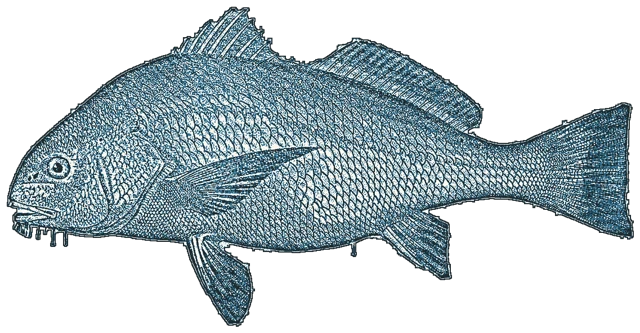
Black drum
Pogonias cromis · Saltwater
Small black drum are good eating, but big fish are coarse and often carry harmless but off-putting spaghetti worms, so the species' reputation is mixed.
Worth a try: Keep fish under about 5 lb (TPWD's cutoff) and skip the bulls. Small black drum fillets are white, mild and firm, and work anywhere redfish does: blackened, fried, or grilled on the half shell. LSU Sea Grant rates food value good, especially smaller fish.
- Tastes
- mild, sweet, firm; coarse in large fish
- Limits
- Heavy regs. Gulf and Atlantic state waters and adjacent federal waters: slot 14-24 in, with one fish over 24 in allowed inside the bag; 5 per person per day; open year-round. Snatching and multiple hooks with natural bait are prohibited. Biscayne National Park also counts it in a 10-fish aggregate. (State digest, page updated Jul 20, 2026; Rules 68B-36.003 and .004, effective Sep 1, 2013) Source
- Best months
- November to February brings 51% of the catch (NOAA MRIP 2023-2025).
- Where
- 69% of Florida's catch is on the Atlantic side; 75% comes from inland waters (NOAA MRIP 2023-2025). St. Vincent refuge (USFWS).
- shrimp
- cut blue crab
- whole small crabs
- cut fish
- squid
- slowly worked jigs
- Large fish are coarse and often carry larval tapeworms ('spaghetti worms'); harmless to people but unappetizing (LSU Sea Grant).
- Do not eat (anyone): any fish from the Perdido River near US 90 (Alabama's June 2026 list).
Meal limits and other waters (3)
- Limit, all coastal waters: one meal a week (women of childbearing age, young children) and two a week (everyone else).
- Limit (anyone), October 2025 state guide (since taken down): one meal a week.
- Source: Department of Health guide, June 2021 v2 (6-ounce cooked meals, mercury).
Butterfly peacock bass
Cichla ocellaris · Freshwater
Coastal Angler magazine calls the white, flaky meat great table fare, and Florida limits keepers to 2 a day, only one of them 17 inches or longer.
- Tastes
- mild, firm, white
- Limits
- Heavy regs. Statewide: 2 butterfly peacock bass per day, only one of which may be longer than 17 in. Speckled peacock bass may not be kept. (Rule 68A-23.005, effective Jul 1, 2024; state digest 2026-27, page updated Jul 20, 2026) Source
- Best months
- Summer in South Florida (Florida Sportsman, Sept. 13, 2024).
- Where
- South Florida canals (state digest); Loxahatchee refuge (USFWS).
- live shiners
- Rooster-Tail inline spinnerbaits
- Rapala X-Rap
- Yo-Zuri 3D Inshore Pencil topwater
- Clouser minnow flies
- Limit (women of childbearing age, young children): one meal a month of peacock bass from Water Conservation Areas 2A (with the L-35B and L-38E canals), 2B and 3A, the Alligator Alley, L-38W and L-67A canals, or Tamiami Canal-East (Krome Avenue to Big Cypress).
Meal limits and other waters (4)
- Limit (everyone else): one meal a week from Water Conservation Area 2A and its L-35B and L-38E canals, and two a week from the others.
- Limit (anyone), October 2025 state guide (since taken down): two meals a month from Water Conservation Area 2A, its L-6, L-35B and L-38E canals and Lake Chekika (Miami-Dade), and one a week from nine more listed waters, Water Conservation Area 3A among them.
- Limit (anyone), untested fresh water: two meals a month, counted with the other fish in that group (state digest 2026-27, p. 28).
- Other tested canals have their own limits (Department of Health guide, June 2021 v2).
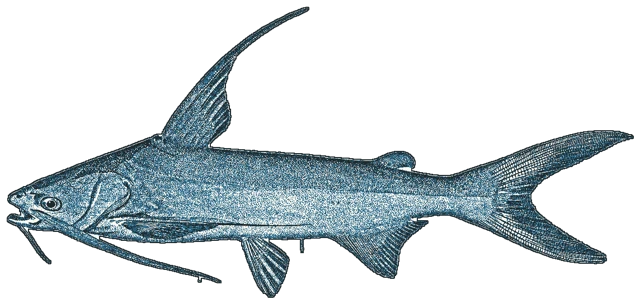
Gafftopsail catfish
Bagre marinus · Saltwater
Reputation is split: LSU Sea Grant rates it fair with a slightly fishy taste, and TPWD says it is hard to prepare and not usually eaten.
- Tastes
- mild to slightly fishy, firm, white
- Limits
- Light regs. No rule of its own: the state digest lists gafftopsail catfish among unregulated saltwater species, and state law's default applies, up to 100 pounds per person per day, or two fish if those two weigh more (s. 379.361, Florida Statutes). Amounts above that count as commercial quantities. (State digest, page updated Jul 20, 2026; s. 379.361(2)(i), 2026 Florida Statutes) Source
- Best months
- May to October brings 81% of the catch (NOAA MRIP 2023-2025).
- Where
- 53% of Florida's catch is on the Gulf side and 47% on the Atlantic; 73% comes from inland waters (NOAA MRIP 2023-2025).
- frozen shrimp on a jighead
- Spines carry a toxic slime; handle carefully (TPWD).
- Do not eat (anyone): any fish from the Perdido River near US 90 (Alabama's June 2026 list).
Meal limits and other waters (3)
- Limit, all coastal waters: one meal a month (women of childbearing age, young children) and one a week (everyone else).
- Limit (anyone), October 2025 state guide (since taken down): one meal a month.
- Source: Department of Health guide, June 2021 v2 (6-ounce cooked meals, mercury).
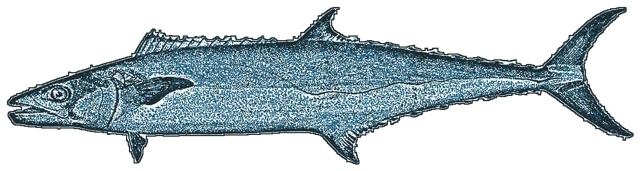
King mackerel
Scomberomorus cavalla · also called kingfish · Saltwater
Rich, strong, oily meat that most people smoke or eat very fresh; LSU Sea Grant says the strong taste discourages most consumption.
- Tastes
- rich, pronounced, flaky, moist, oily
- Limits
- Heavy regs. 24 in fork length minimum, open year-round. Gulf state waters and Monroe County: 3 per person per day. Atlantic state waters north of the Miami-Dade/Monroe county line: 2 per person per day, hook and line or spear only. (State digest, page updated Jul 16, 2026; Rules 68B-12.004 and 68B-30.003, effective Aug 25, 2021; Rules 68B-12.0035 and 68B-30.0025 (size), effective Oct 22, 1999) Source
- Best months
- May to August brings 67% of the catch (NOAA MRIP 2023-2025).
- Where
- 65% of Florida's catch is on the Atlantic side and 35% on the Gulf (NOAA MRIP 2023-2025).
- spoons trolled behind planers
- rigged cigar minnows
- feather-minnow combinations
- live pilchards
- nylon jigs
- FDA/EPA list king mackerel as a 'Choice to Avoid' (highest mercury) for pregnant women and children; every Gulf state has issued advisories (LSU Sea Grant).
- Some ciguatera reports, mainly in South Florida (Florida Museum; UF/Florida DOH study).
- Do not eat (anyone): king mackerel 31 in fork length or longer, all coastal waters (mercury).
- Do not eat (women of childbearing age, young children): king mackerel of any size.
- Do not eat (anyone), October 2025 state guide (since taken down): king mackerel of any size.
- Do not eat (anyone): the liver, intestines, roe or head (the Department of Health names kingfish among fish that can carry ciguatera).
- Limit (everyone else): one 6-ounce meal a month of fish under 31 in fork length.
- Source: Department of Health guide, June 2021 v2.
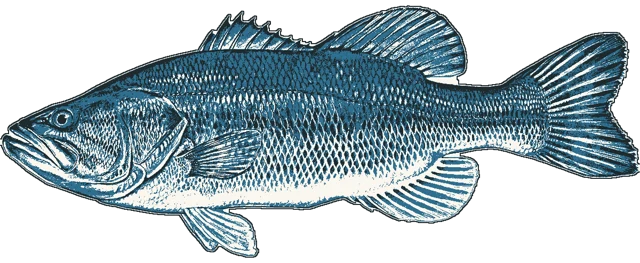
Largemouth bass
Micropterus nigricans (syn. M. salmoides) · also called Florida bass · Freshwater
Perfectly edible white fillets, but America's top catch-and-release fish and many anglers swear the meat tastes fishy or muddy, so reputation is split.
- Tastes
- mild to slightly 'fishy', firm, thick fillets
- Limits
- Heavy regs. Statewide: 5 black bass per person per day (Florida, largemouth, Suwannee, spotted, Choctaw and shoal bass, individually or in total), only one of which may be 16 in or longer; no minimum length for Florida or largemouth bass. Suwannee, shoal, spotted and Choctaw bass must be at least 12 in. Lake Seminole (Jim Woodruff Reservoir, the waters east of State Road 271): 10 black bass, each at least 12 in. St. Marys River and its tributaries: 10 black bass, each at least 12 in. Perdido River: 10 black bass. Lake Jackson (Walton County): 5 black bass, each at least 12 in, one over 22 in. Release only: Wildcat Lake, Farm 13 and the Stick Marsh, Fellsmere Water Management Area (Headwaters and Egan lakes), S.N. Knight Tract (Kenansville Lake), and by fish management area rule Lake Jackson (Osceola County), Hal-Scott Lake, Shadow Bay Park, Turkey Lake, Lake Underhill, Caloosa Park Lake and, unless a lake is listed otherwise, Tenoroc and Mosaic; shoal bass in the Chipola River and its tributaries and Suwannee bass in the Wakulla River above the St. Marks River. Other fish management areas: Lakes Orange and Lochloosa, bass 20 in or longer must be released; Lake Victor and Suwannee Lake, 15 bass, all under 16 in; Joe Budd Pond (closed except by permit or order), 1 bass, 16 in or longer. The digest lists no separate bass rule for Lake Okeechobee or Lakes Tohopekaliga, East Tohopekaliga, Cypress, Hatchineha and Kissimmee, so the statewide limit applies there. Black bass must stay whole until you finish fishing for the day. (State digest 2026-27, page updated Jul 20, 2026; Rule 68A-23.005, effective Jul 1, 2024; Rule 68A-20.005, effective Dec 22, 2024; Rule 68A-23.0131, effective Jul 1, 2016) Source
- Best months
- March and April, when anglers in the state TrophyCatch survey caught more than 40% of their biggest bass (state digest).
- Where
- The 2026-27 state digest's top spots for big bass include Lake Okeechobee, Lake Tohopekaliga, Orange Lake, Lake Panasoffkee, Lake Istokpoga, Lake Talquin, the Winter Haven chain and Fellsmere Water Management Area; its TrophyCatch survey names the Harris Chain, Rodman Reservoir, the Kissimmee Chain and parts of the St. Johns River. Lake Seminole (Georgia DNR).
- plastic worms
- other soft plastics
- topwater lures
- swimbaits
- live golden shiners
- spinnerbaits
- Water-body mercury advisories commonly list largemouth bass; check your state's advisory before eating large fish.
- Do not eat (anyone): largemouth over 16 in from any untested fresh water (state digest 2026-27, p. 28).
- Do not eat (anyone): largemouth from Brick Lake (Osceola County), Crescent Lake (Escambia), Fisheating Creek (Glades and Highlands), Higginbotham Lake and Lake Margaret (Putnam), Lake Annie (Highlands), Lake Disston (Flagler), Lake Octahatchee (Hamilton), Otter Creek (the Choctawhatchee tributary, Bay), Pate Lake (Washington) or Woodbine Spring Lake (Santa Rosa).
- Do not eat (anyone), October 2025 state guide (since taken down), also: the Blackwater River and its Alligator, Big Coldwater, Big Juniper and Sweetwater creeks (Okaloosa and Santa Rosa), Alligator Lake (Osceola), California Lake (Dixie), Compass Lake (Jackson), Gator Lake (Lee), Lake Bradford (Leon), Lake Hampton (Bradford), New River (Franklin and Liberty), North Prong Otter Creek (Monroe), the St. Mary's River and tributaries (Baker and Nassau) or the Waccasassa River and tributaries (Levy).
- Do not eat (anyone), Alabama's June 2026 list: any fish from the Perdido River near US 90, or largemouth from Lake Jackson at Florala, the Chattahoochee River near the state line or the Conecuh (Escambia) River at the line.
- Do not eat (anyone): bass caught north of the main road in Everglades National Park (National Park Service).
- Do not eat (children, pregnant women): any bass from Everglades National Park (National Park Service).
- Do not eat (women of childbearing age, young children): largemouth from 62 more listed waters, all named in this page's eating advice, Water Conservation Areas 3A and 3B, the Alligator Alley canals, Big Cypress Preserve, Shark River Slough, the lower Ocklawaha below Rodman dam and the Ochlockonee, Perdido and Withlacoochee South rivers among them.
Meal limits and other waters (8)
- Limit (everyone else): one meal a month from 126 listed waters, 58 of those 62 among them.
- Limit (women of childbearing age, young children): one 6-ounce meal a month of largemouth that has not been tested.
- Limit (anyone), untested fresh water: one meal a month of bass under 16 in (state digest).
- Limit, Lakes Okeechobee and Kissimmee and Rodman Reservoir: one meal a month (women of childbearing age, young children) and one a week (everyone else).
- Limit, Lakes Tohopekaliga, George and Seminole (Jim Woodruff): one meal a month (women of childbearing age, young children) and two a week (everyone else).
- Limit (anyone), October 2025 state guide: two meals a month from Okeechobee, Kissimmee, Rodman, Tohopekaliga and Seminole (Jim Woodruff).
- Limit, Everglades National Park south of the main road: one meal a week (National Park Service).
- Other listed waters differ (Department of Health guide, June 2021 v2).
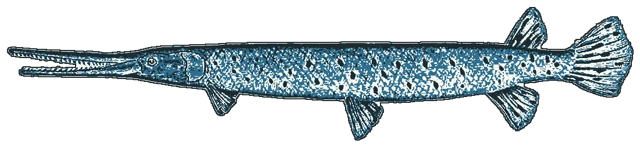
Longnose gar
Lepisosteus osseus · Freshwater
Most anglers treat it as a nuisance and few eat it, but the firm white backstraps are good once you get through the armor.
Worth a try: Cut down the back with shears or a hatchet to get past the armored scales, take the two white backstraps, and fry them or grind them into Louisiana gar balls.
- Tastes
- mild, firm, meaty, almost like alligator
- Limits
- No limits. No statewide bag or size limit for longnose gar; a nongame fish. Alligator gar, found in Florida only in the panhandle rivers, may not be possessed without a Scientific Collector's Permit and must be released. (State digest 2026-27, page updated Jul 20, 2026) Source
- Where
- Slow-moving freshwater habitats (state digest).
- rope lures with no hook
- in-line spinners (Panther Martin, Mepps, Rooster Tail)
- 4- to 5-inch live shiners
- Gar eggs (roe) are toxic to people and other warm-blooded animals; never eat them (Maryland DNR).
- Do not eat (anyone): gar from any untested fresh water (state digest 2026-27, p. 28, do-not-eat box: "Avoid eating bowfin and gar").
- Do not eat (anyone): any fish from the Perdido River near US 90 (Alabama's June 2026 list).
- Limit (women of childbearing age, young children), Department of Health: at most one 6-ounce meal a month of largemouth bass, bowfin and gar that have not been tested.
Mayan cichlid
Mayaheros urophthalmus · Freshwater
Florida Sportsman describes the meat as mild, white and flaky; a panfish-sized catch with no bag or size limit.
- Tastes
- mild, white, flaky
- Limits
- No limits. No statewide bag or size limit; a nonnative, nongame fish, and the digest says most nonnative fish should be kept and never released. (State digest 2026-27, page updated Jul 20, 2026) Source
- Where
- South Florida, including the Everglades and Florida Bay (Florida Museum); Loxahatchee refuge (USFWS); Lake Okeechobee (a Department of Health test water).
- worms
- crickets
- tiny Missouri minnows
- Limit (anyone): one meal a month from Shark River Slough in Everglades National Park or Tamiami Canal-West (Big Cypress to Naples).
Meal limits and other waters (5)
- Limit (anyone), October 2025 state guide (since taken down): one meal a month also from Big Cypress National Preserve and North Prong Otter Creek (Monroe County).
- Limit, one meal a month (women of childbearing age, young children) and one a week (everyone else): Nine Mile Pond in Everglades National Park, Holeyland WMA (Palm Beach), the Krome Avenue (L-30) and L-31W canals, and Water Conservation Area 2B. Limit, one meal a month (women of childbearing age, young children) and two a week (everyone else): Water Conservation Areas 3A and 3B, the C-111, Faka Union, L-7, L-38W, L-40 and L-67A canals, Tamiami Canal-East, the Kissimmee River pools and western Everglades National Park.
- Limit (anyone), untested fresh water: two meals a month, counted with the other fish in that group (state digest 2026-27, p. 28).
- Limit (anyone), Lake Okeechobee: two meals a week.
- Other listed waters differ (Department of Health guide, June 2021 v2).
Oscar
Astronotus ocellatus · Freshwater
Florida Sportsman rates it good: mild, white, flaky meat. It is a panfish-sized catch, and Florida lists mercury meal limits for oscar in several of the Everglades canals where it is most common.
- Tastes
- mild, white, flaky
- Limits
- No limits. No statewide bag or size limit; a nonnative, nongame fish, and the digest says most nonnative fish should be kept and never released. (State digest 2026-27, page updated Jul 20, 2026) Source
- Where
- South Florida canals (state digest); Loxahatchee refuge (USFWS).
- worms
- crickets
- tiny Missouri minnows
- Mercury: the Florida Department of Health guide (June 2021 v2) lists oscar in the Alligator Alley canals, L-38W Canal, L-67A Canal and Water Conservation Area 3A at one meal a week, and one a month for women of childbearing age and young children
- Limit (women of childbearing age, young children): one meal a month of oscar from the Alligator Alley (I-75), L-38W and L-67A canals or Water Conservation Area 3A (mercury).
Meal limits and other waters (3)
- Limit (everyone else): one meal a week from those waters (Department of Health guide, June 2021 v2).
- Limit (anyone), October 2025 state guide (since taken down): one meal a month from those waters and the Tamiami Canal, and one a week from Lake Chekika (Miami-Dade).
- Limit (women of childbearing age, young children), local waters not in the guide: up to 6 ounces of fish a week in all.
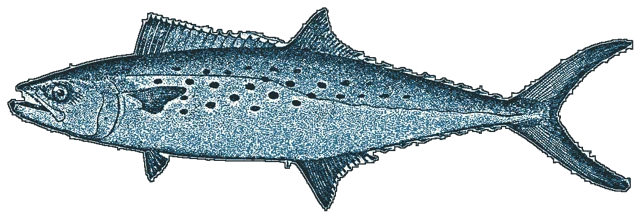
Spanish mackerel
Scomberomorus maculatus · Saltwater
Very good fresh and bled, but oily with a pronounced flavor that fades fast on ice; better broiled or smoked than fried (LSU Sea Grant).
- Tastes
- rich, pronounced, flaky, moist
- Limits
- Light regs. Gulf and Atlantic state waters: 12 in fork length minimum, 15 per person per day, open year-round. Hook and line, cast net, beach or haul seine and spear are legal. (State digest, page updated Jul 16, 2026; Rule 68B-23.004, effective Aug 25, 2021; Rules 68B-23.003, .005 and .006, effective Sep 5, 2019) Source
- Best months
- Year-round, with September-October the biggest two months (25% of the catch) (NOAA MRIP 2023-2025).
- Where
- 84% of Florida's catch is on the Gulf side (NOAA MRIP 2023-2025). Lower Suwannee, St. Marks, St. Vincent and Ding Darling refuges (USFWS); Sebastian Inlet (Visit Florida).
- small white nylon jigs
- silver spoons
- small silvery baitfish
- live shrimp
- drifted strips
- Do not eat (women who may become pregnant, pregnant or nursing women, children 2 to 6): Spanish mackerel from the Gulf (state seafood card, May 2026).
- Do not eat (anyone): the liver, intestines, roe or head (the Department of Health names mackerel among fish that can carry ciguatera).
Meal limits and other waters (3)
- Limit, all coastal waters: one meal a month (women of childbearing age, young children) and one a week (everyone else).
- Limit (anyone), October 2025 state guide (since taken down): one meal a month.
- Source: Department of Health guide, June 2021 v2 (6-ounce cooked meals, mercury).
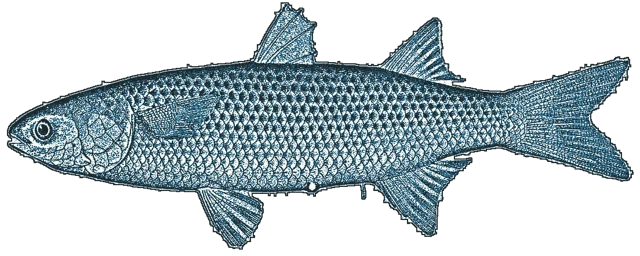
Striped mullet
Mugil cephalus · also called black mullet · Saltwater
Oily, rich meat that is a regional delicacy in Florida, especially smoked, but considered oily-tasting and used as bait in Texas and Louisiana.
- Tastes
- rich, oily, soft, oily
- Limits
- Light regs. Gulf and Atlantic state waters and adjacent federal waters: no minimum size, 50 striped and silver mullet combined per person per day; vessel limit 50 from Sept. 1 to Jan. 31 and 100 (with two or more anglers aboard) from Feb. 1 to Aug. 31; open year-round. Part of Pinellas County (the Riviera Bay, Papys, Smacks and Coffee Pot bayou waters): 5 striped mullet per person or vessel, Oct. 1 to Jan. 31. Part of Punta Gorda (Charlotte County): no harvest 6 p.m. to 6 a.m., Nov. 1 to the end of February. Hook and line, snatch hook, spear, gig, seine and cast net are legal; spearfishing mullet in fresh water is prohibited. (State digest, page updated Jul 20, 2026; Rules 68B-39.004, .0045, .0046 and .006, effective May 16, 2019) Source
- Best months
- September-October brings 65% of the catch (NOAA MRIP 2023-2025, mullet genus).
- Where
- 88% of Florida's mullet-genus catch is on the Atlantic side and 78% comes from inland waters; fish identified as striped mullet run 66% on the Gulf side (NOAA MRIP 2023-2025).
- very small sabiki flies under a tiny float, with bread-crumb chum
- plastic baits under small corks
- Do not eat (anyone): any fish from the Perdido River near US 90 (Alabama's June 2026 list).
Meal limits and other waters (3)
- Limit (anyone): one meal a week of striped mullet with the skin off from Escambia Bay (upper and lower) and the Escambia River (PCBs).
- Limit (anyone), all other coastal waters: two meals a week.
- Source: Department of Health guide, June 2021 v2 (6-ounce cooked meals, mercury).
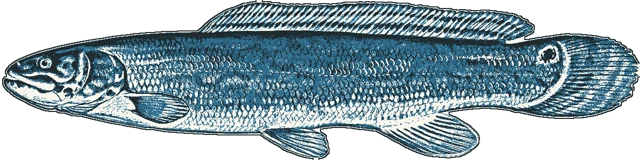
Bowfin
Amia calva (ruddy bowfin) and Amia ocellicauda (emerald bowfin) · Freshwater
TPWD calls it a rough fish rather than one for the table; the soft, pale flesh earned it the nickname 'cottonfish'.
Worth a try: Keep it alive until you clean it, cook it the same day, and use it smoked, fried as patties or stewed; MeatEater serves fried bowfin with a morel cream sauce.
- Tastes
- mild, soft, jelly-like unless very fresh
- Limits
- No limits. No statewide bag or size limit; a nongame fish. Taken by pole and line, and where legal by bush hook, setline, trotline, bow and arrow, gig or spear. (State digest 2026-27, page updated Jul 20, 2026) Source
- Where
- Slow-moving waters (state digest); Loxahatchee refuge (USFWS) (do not eat from there).
- live minnows
- cut bait
- jigs
- topwater lures
- Do not eat (anyone): bowfin from any untested fresh water (state digest 2026-27, p. 28, do-not-eat box: "Avoid eating bowfin and gar").
- Do not eat (anyone): any fish from the Perdido River near US 90 (Alabama's June 2026 list).
- Limit (women of childbearing age, young children), Department of Health: at most one 6-ounce meal a month of largemouth bass, bowfin and gar that have not been tested.
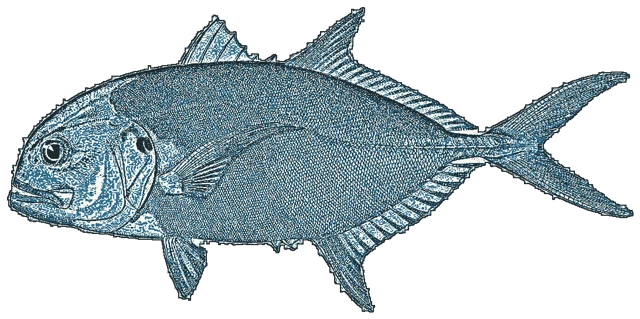
Crevalle jack
Caranx hippos · also called jack crevalle · Saltwater
Fun to catch, but most anglers release them or use them for bait because the meat is dark and strong; TPWD says it is not very desirable as food.
Worth a try: Florida Sportsman and Realtree both found jacks good eating when handled right: cut the gills and bleed the fish, ice it right away, trim out the dark bloodline, and cook it fresh (grilled, blackened, or baked). Smaller fish (2-5 lb) eat best.
- Tastes
- strong, beefy if not bled, firm, dark
- Limits
- Light regs. No rule of its own: the state digest lists jack crevalle among unregulated saltwater species, and state law's default applies, up to 100 pounds per person per day, or two fish if those two weigh more (s. 379.361, Florida Statutes). Amounts above that count as commercial quantities. In Biscayne National Park it also counts in a 10-fish aggregate with dozens of other fish (Rule 68B-7.004). (State digest, page updated Jul 20, 2026; s. 379.361(2)(i), 2026 Florida Statutes; Rule 68B-7.004, effective Jul 1, 2020) Source
- Best months
- September-October is the biggest two months (39% of the catch) (NOAA MRIP 2023-2025).
- Where
- 68% of Florida's catch is on the Atlantic side, and 69% is from shore (NOAA MRIP 2023-2025).
- live fish
- topwater plugs
- fast-whipped jigs
- Ciguatera reports exist for this jack (Florida Museum).
- Do not eat (women of childbearing age, young children): crevalle jack from Florida Bay, Biscayne Bay or the Florida Keys; everyone else, one meal a month in the June 2021 guide.
- Do not eat (anyone), October 2025 state guide (since taken down): crevalle jack from Florida Bay, Biscayne Bay or the Florida Keys.
- Do not eat (women who may become pregnant, pregnant or nursing women, children 2 to 6): crevalle jack from any water (state seafood card, May 2026).
- Do not eat (anyone): any fish from the Perdido River near US 90 (Alabama's June 2026 list).
- Do not eat (anyone): the liver, intestines, roe or head (the Department of Health names trevally, which are jacks, among fish that can carry ciguatera).
Meal limits and other waters (3)
- Limit, other coastal waters: one meal a month (women of childbearing age, young children) and one a week (everyone else).
- Limit (anyone), October 2025 state guide, other coastal waters: one meal a month.
- Source: Department of Health guide, June 2021 v2 (6-ounce cooked meals, mercury).
Hardhead catfish
Ariopsis felis · Saltwater
A bait-stealing pest with painful spines that most anglers throw back; TPWD says the flesh isn't very tasty and the fish is hard to clean.
- Tastes
- mild to fishy, soft
- Limits
- Light regs. No rule of its own: the state digest lists hardhead catfish among unregulated saltwater species, and state law's default applies, up to 100 pounds per person per day, or two fish if those two weigh more (s. 379.361, Florida Statutes). Amounts above that count as commercial quantities. (State digest, page updated Jul 20, 2026; s. 379.361(2)(i), 2026 Florida Statutes) Source
- Best months
- May to October brings 74% of the catch (NOAA MRIP 2023-2025).
- Where
- Split almost evenly between the Gulf and the Atlantic; 58% of Florida's catch comes from inland waters (NOAA MRIP 2023-2025).
- frozen shrimp on a jighead
- Venomous, barbed dorsal and pectoral spines cause painful wounds; handle with pliers (TPWD).
- Do not eat (anyone): any fish from the Perdido River near US 90 (Alabama's June 2026 list).
Meal limits and other waters (3)
- Limit, all coastal waters: one meal a week (women of childbearing age, young children) and two a week (everyone else).
- Limit (anyone), October 2025 state guide (since taken down): one meal a week.
- Source: Department of Health guide, June 2021 v2 (6-ounce cooked meals, mercury).
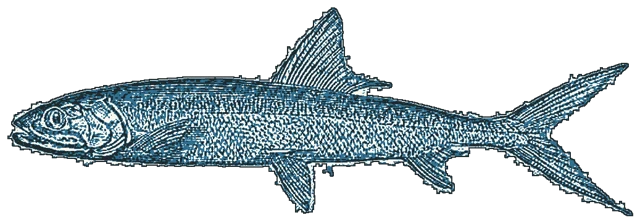
Ladyfish
Elops saurus · Saltwater
Bony, dry flesh with little food value; anglers catch them for sport and cut them up for bait.
- Tastes
- soft, very bony
- Limits
- Light regs. No rule of its own: the state digest lists ladyfish among unregulated saltwater species, and state law's default applies, up to 100 pounds per person per day, or two fish if those two weigh more (s. 379.361, Florida Statutes). Amounts above that count as commercial quantities. In Biscayne National Park it also counts in a 10-fish aggregate with dozens of other fish (Rule 68B-7.004). (State digest, page updated Jul 20, 2026; s. 379.361(2)(i), 2026 Florida Statutes; Rule 68B-7.004, effective Jul 1, 2020) Source
- Best months
- September-October is the biggest two months (31% of the catch) (NOAA MRIP 2023-2025).
- Where
- 78% of Florida's catch is on the Gulf side; 62% comes from inland waters (NOAA MRIP 2023-2025).
- casting spoons
- soft plastic tails on a 1/4-ounce jighead
- Do not eat (anyone): any fish from the Perdido River near US 90 (Alabama's June 2026 list).
Meal limits and other waters (3)
- Limit, all coastal waters: one meal a month (women of childbearing age, young children) and one a week (everyone else).
- Limit (anyone), October 2025 state guide (since taken down): one meal a month.
- Source: Department of Health guide, June 2021 v2 (6-ounce cooked meals, mercury).
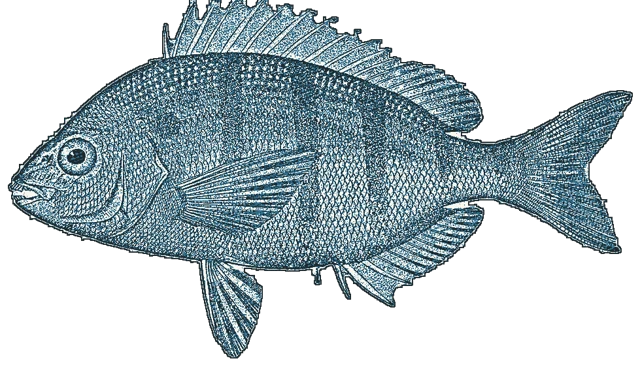
Pinfish
Lagodon rhomboides · Saltwater
Used as live bait far more than eaten; TPWD notes good flavor, but they are too small to bother with.
- Tastes
- good, small, bony
- Limits
- Light regs. No rule of its own: the state digest lists pinfish among unregulated saltwater species, and state law's default applies, up to 100 pounds per person per day, or two fish if those two weigh more (s. 379.361, Florida Statutes). Amounts above that count as commercial quantities. (State digest, page updated Jul 20, 2026; s. 379.361(2)(i), 2026 Florida Statutes) Source
- Best months
- May to October brings 68% of the catch (NOAA MRIP 2023-2025).
- Where
- 96% of Florida's catch is on the Gulf side; 70% is from shore and 68% comes from inland waters (NOAA MRIP 2023-2025).
- shrimp
- squid
- bloodworms
- Do not eat (anyone): any fish from the Perdido River near US 90 (Alabama's June 2026 list).
Meal limits and other waters (3)
- Limit, all coastal waters: one meal a week (women of childbearing age, young children) and two a week (everyone else).
- Limit (anyone), October 2025 state guide (since taken down): one meal a week.
- Source: Department of Health guide, June 2021 v2 (6-ounce cooked meals, mercury).
Bonefish
Albula vulpes · also called gray ghost · Saltwater
Florida made bonefish catch-and-release only in 2013, and it is bony enough that almost nobody keeps one elsewhere.
- Limits
- No harvest. Catch and release only, year-round. An angler may hold one bonefish at a time just long enough to photograph, measure or weigh it where it was caught. Hook and line only; multiple hooks with live or dead natural bait are prohibited. (Rules 68B-34.003 to .006, effective Sep 1, 2013; state digest, page updated Jul 20, 2026) Source
- Best months
- Late spring in Biscayne National Park (Visit Florida).
- Where
- Biscayne National Park (National Park Service, Visit Florida); Ding Darling refuge on Sanibel (USFWS).
- Minor ciguatera risk if eaten (Florida Museum).
Goliath grouper
Epinephelus itajara · also called jewfish · Saltwater
Harvest has been closed in federal waters since 1990 (NOAA); Florida bars harvest without a harvest permit. Nearly every fish is released.
- Limits
- No harvest. Harvest prohibited without a permit. FWC may issue up to 200 harvest permits a year (applications over 15 days set each year between Oct. 1 and Nov. 30; $10 application, $150 resident or $500 nonresident if awarded): 1 fish per person, 24-36 in slot, open March 1 to May 31, with a tag on the fish and a harvest report within 24 hours. Even with a permit, no harvest in state waters from Martin County through Miami-Dade County and the Atlantic side of the Keys, in the St. Lucie River, in Dry Tortugas National Park or in any federal waters (in Atlantic federal waters, release it at once without taking it out of the water). Hook and line only with non-stainless circle hooks for natural bait, a dehooking device and a descending device or venting tool on board. (Rules 68B-14.008 and 68B-14.0091, effective Jul 1, 2022; Rule 68B-14.0039 (season), effective May 5, 2024; Rule 68B-14.0035 (slot), effective Apr 1, 2026) Source
- Where
- 59% of Florida's catch is on the Gulf side and 41% on the Atlantic (NOAA MRIP 2023-2025, a small sample).
- Do not eat (anyone): the liver, intestines, roe or head of any reef fish (ciguatera, Department of Health).
- If ciguatera has been reported in the area, do not eat reef fish until the advisory is lifted.
Meal limits and other waters (2)
- Limit (women who may become pregnant, pregnant or nursing women, children 2 to 6): 4 ounces a week of grouper, counted with the other moderate-mercury fish on the state seafood card (May 2026).
- Limit, other groupers in the Department of Health guide (June 2021 v2): one meal a month of black, gag, red or snowy grouper or scamp for women of childbearing age and young children.
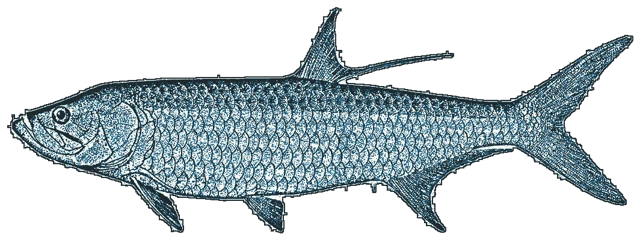
Tarpon
Megalops atlanticus · also called silver king · Saltwater
Bony and rarely eaten in the US; Florida's tarpon fishery is catch-and-release only except with a record tag.
- Limits
- No harvest. Catch and release only. One tarpon tag per person per year ($51.50) lets an angler keep a fish only to submit it for a Florida state record or an International Game Fish Association world record; no more than one tarpon per vessel, and one per person in transport. Tarpon over 40 in fork length must stay in the water. Hook and line only; spearing, snagging and multiple hooks with natural bait are prohibited. Boca Grande Pass: weights hanging below the hook are prohibited year-round, and in April, May and June no more than three lines per vessel and no breakaway gear. (Rules 68B-32.004 and 68B-32.009, effective Feb 4, 2019; Rule 68B-4.018 (Boca Grande Pass), effective Sep 13, 2016) Source
- Best months
- May to October brings 86% of the catch (NOAA MRIP 2023-2025); May and June around Boca Grande and Pine Island Sound (Visit Florida).
- Where
- 68% of Florida's catch is on the Gulf side (NOAA MRIP 2023-2025). Boca Grande Pass, the Florida Keys bridges at Islamorada, Homosassa, the Everglades coast and Biscayne National Park (Visit Florida).
- live bait
Where to fish in Florida
Fish named here are what people catch at each spot, not a promise they’re safe to eat. Read the eating advice on the fish’s card before you keep one.
# Salt or brackish# Freshwater
- 1Destin (Okaloosa County) offshore · salt
Visit Florida points to red snapper off Destin and calls it the cobia capital of the world after a 126-pound fish. Cobia: women of childbearing age and young children should not eat it; everyone else, one meal a month, and the October 2025 state guide told everyone not to eat it.
Known for: Red snapper, Cobia
Access: Public fishing pier (Visit Florida); red snapper from a private boat needs the free State Reef Fish Angler designation.
- 2Lake Seminole (Jim Woodruff Reservoir) reservoir · fresh
Georgia DNR's fishing forecast lists largemouth bass, redear sunfish, black crappie and channel and blue catfish for this lake on the Georgia line. Largemouth bass: women of childbearing age and young children, one meal a month; everyone else, two a week (two a month in the October 2025 state guide). Alabama's June 2026 list says not to eat largemouth from the Chattahoochee River near the Alabama-Florida line.
Known for: Largemouth bass, Redear sunfish, Black crappie, Channel catfish
Access: A Florida or Georgia license covers the lake east of State Road 271, which has its own limits (Rule 68A-23.0131).
- 3Lower Suwannee National Wildlife Refuge (Dixie and Levy counties) estuary · brackish
The Fish and Wildlife Service lists seatrout, flounder, red drum, Spanish mackerel and tarpon in salt water, and largemouth and Suwannee bass, crappie and catfish in fresh. Suwannee River largemouth: women of childbearing age and young children, one meal a month (the October 2025 state guide says so for anyone). Women who may become pregnant, pregnant or nursing women and children 2 to 6 should not eat Spanish mackerel from the Gulf.
Known for: Spotted seatrout, Red drum, Spanish mackerel, Tarpon, Largemouth bass
Access: Bank fishing and boat ramps on the Suwannee River, its tributaries and the Gulf tidal creeks (USFWS); the Big Bend region allows 5 seatrout a day.
- 4Skyway Fishing Pier State Park (Tampa Bay) pier · salt
Visit Florida names the Sunshine Skyway among the bridges for night fishing for snook and tarpon. Snook: women of childbearing age and young children, one meal a month; everyone else, one a week (one a month in the October 2025 state guide).
Known for: Common snook, Tarpon
Access: State park pier; FWC's online education course is required (anglers under 16 need a supervising adult who has it), and more than one hook per line is banned Nov. 15 to Mar. 15 (Rule 68B-5.007).
- 5Boca Grande Pass (Gasparilla Island) inlet · salt
Visit Florida calls the pass one of the best-known tarpon fisheries anywhere, worked by boat in late spring and early summer; snook, redfish and snapper are caught from the beach and jetties. Snook and red drum: women of childbearing age and young children, one meal a month (the October 2025 state guide says so for anyone).
Known for: Tarpon, Common snook, Red drum
Access: Beach and jetty fishing at Gasparilla Island State Park (Visit Florida); no weights hanging below the hook in the pass (Rule 68B-4.018).
- 6Everglades National Park (Flamingo) estuary · brackish
Visit Florida says anglers run to Flamingo for tarpon, snook, redfish and Spanish mackerel. Women of childbearing age and young children should not eat snook or red drum from Shark River Slough; everyone else, one meal a month. From Florida Bay: one meal a month of snook for anyone, and of red drum for women of childbearing age and young children. Women who may become pregnant, pregnant or nursing women and children 2 to 6 should not eat Spanish mackerel from the Gulf.
Known for: Tarpon, Common snook, Red drum, Spanish mackerel
Access: National park: 20 fish per person and no more than 10 of any one species (lower state limits apply), and no fishing at the Flamingo marina in daylight (National Park Service).
- 7Florida Keys bridges (Islamorada) inlet · salt
Visit Florida calls the Keys the most popular tarpon fishing destination and Islamorada its center, with live bait around the bridges and fly fishing on the flats.
Known for: Tarpon
Access: Some Keys bridges have catwalks and some do not allow fishing: follow the posted rules (Visit Florida).
- 8Biscayne Bay (Biscayne National Park) estuary · salt
Visit Florida says late spring gives a shot at a slam of bonefish, tarpon and permit in Biscayne National Park; the park calls its flats bonefish habitat.
Known for: Bonefish, Tarpon
Access: National park: a Florida license is required, and several species have stricter size and bag limits inside the park.
- 9Sebastian Inlet State Park inlet · salt
Visit Florida lists snook, redfish, bluefish and Spanish mackerel as common catches around the jetties. Nobody should eat puffer fish from the Indian River Lagoon. Snook and Spanish mackerel: women of childbearing age and young children, one meal a month (the October 2025 state guide says so for anyone).
Known for: Common snook, Red drum, Spanish mackerel
Access: Bridge catwalks, north and south jetties, and kayak or canoe in the lagoon (Visit Florida); the Indian River Lagoon region is catch and release only for red drum.
- 10Lake George and the St. Johns River lake · fresh
A striper top spot for high catch rates in the 2026-27 state digest; Visit Florida calls it a big-fish bass lake and the state's second largest. Largemouth bass: women of childbearing age and young children, one meal a month; everyone else, two a week from Lake George and the lower river (one a week in the October 2025 state guide) and one a week south of State Road 415 (two a month in that guide). Sunshine bass: one a week for women and young children.
Known for: Hybrid striped bass, Largemouth bass
Access: Volusia and Putnam counties; fishing license needed.
- 11Lake Okeechobee lake · fresh
In the 2026-27 state digest's top spots for trophy bass and for high crappie and catfish catch rates; Visit Florida adds bluegill. Largemouth bass: women of childbearing age and young children, one meal a month; everyone else, one a week (two a month in the October 2025 state guide). Crappie and bluegill: one a week for women and young children, two a week for everyone else.
Known for: Largemouth bass, Black crappie, Bluegill
Access: Palm Beach, Martin, Glades, Okeechobee and Hendry counties; crappie under 10 in must be released.
- 12Lake Tohopekaliga and East Lake Toho (Kissimmee Chain) lake · fresh
Lake Tohopekaliga is a state digest top spot for trophy bass and high bass catch rates; Visit Florida adds crappie and bluegill on East Lake Toho. Largemouth bass and crappie from either lake: women of childbearing age and young children, one meal a month; everyone else, one a week from East Lake Toho and two a week from Lake Tohopekaliga (the October 2025 state guide says two bass meals a month from either).
Known for: Largemouth bass, Black crappie, Bluegill
Access: Osceola County; fishing pier at Lakefront Park in St. Cloud and public ramps (Visit Florida).
- 13Rodman Reservoir reservoir · fresh
The state digest names Rodman Reservoir among Florida's premier bass waters in its TrophyCatch survey. Largemouth bass: women of childbearing age and young children, one meal a month; everyone else, one a week (two a month in the October 2025 state guide). Women and young children should not eat largemouth from the river below the dam.
Known for: Largemouth bass
Access: Putnam County; Florida freshwater license needed.
- 14Arthur R. Marshall Loxahatchee National Wildlife Refuge lake · fresh
The Fish and Wildlife Service lists bass, catfish, crappie, bowfin, gar and sunfish here, plus Mayan cichlid, blue tilapia, peacock bass and oscar. Bowfin live here too, but the state says to avoid eating bowfin and gar from untested fresh water. Largemouth bass from the L-7, L-39 and L-40 canals: women of childbearing age and young children, one meal a month; everyone else, one a week. The same limit covers bluegill and redear from the L-40; women and young children get one Mayan cichlid meal a month from the L-7 or L-40.
Known for: Largemouth bass, Black crappie, Bluegill, Redear sunfish, Channel catfish
Access: More than 60 miles of trails and canals for bank fishing and an accessible pier; refuge entrance fee (USFWS).
Florida fishing license and rules
- Resident: $17 annual; $79 five-year; resident freshwater + saltwater combo $32.50
- Nonresident: $47 annual
- Nonresident short-term: 3-day $17 or 7-day $30 (freshwater and saltwater licenses are sold separately at the same prices)
- Saltwater: Separate saltwater license ($17 resident annual, $79 resident five-year, $47 nonresident annual; nonresident 3-day $17 or 7-day $30). Residents fishing only from shore can get a no-cost Resident Saltwater Shoreline License. Snook permit $10 and tarpon tag $51.50 are extra.
- Who needs one: 16 and older; under 16 exempt; Florida residents 65+ exempt with proof of age and residency
- Free fishing days: Freshwater: first weekend in April (Apr 3-4, 2027) and second weekend in June (Jun 12-13, 2027). Saltwater: first Saturday and Sunday in June (Jun 5-6, 2027), first Saturday in September (Sep 4, 2027) and the Saturday after Thanksgiving (Nov 28, 2026; Nov 27, 2027). On those days residents and nonresidents may fish for noncommercial purposes without a license or permit, snook and spiny lobster permits included; seasons, bag and size limits still apply.
More license details
Residents fishing with live or natural bait on poles or lines without a line-retrieval mechanism (no reel), noncommercial, in their home county are exempt from the license (fish management areas excluded). Residents 65 and older with proof of age and residency are exempt from freshwater and saltwater licenses and snook and lobster permits. The license follows the fish, not the water: saltwater species need a saltwater license wherever they are caught, except that mullet may be taken from fresh water on a freshwater license. Other permits: snook $10 annual (in addition to the saltwater license); tarpon tag $51.50 (needed to keep a tarpon for a record); State Reef Fish Angler designation free (age 16 and older, private-vessel reef fish); free annual shore-based shark fishing permit (age 16 and older); free blue crab and stone crab trap registrations; goliath grouper harvest permit ($10 application, $150 resident or $500 nonresident if awarded, up to 200 a year). Listed prices include the $1.50 issuing fee set by statute; handling fees apply to internet and phone sales. Resident freshwater plus saltwater combination $32.50. Resident saltwater shoreline license is free (shore only, not valid from a vessel).
Buy a license License types and fees
Fees: 2026-27 state digest license pages (updated Jul 16 and Jul 20, 2026); s. 379.354, 2026 Florida Statutes.
- Freshwater and saltwater licenses are separate ($17 resident annual each, $32.50 for both), and the license follows the fish: saltwater species need a saltwater license wherever they are caught.
- Snook needs a $10 permit on top of the saltwater license, and seasons differ by region: Gulf-side regions close Dec. 1 to end of February and May 1 to Aug. 31 (Sept. 30 in Charlotte Harbor and the Southwest); Atlantic-side regions close Dec. 15 to Jan. 31 and June 1 to Aug. 31.
- Know your management region: red drum and spotted seatrout limits change by region (red drum vessel limit 4 or 2; seatrout bag 5 in Big Bend, 3 in most regions, 2 in the Indian River Lagoon), and red drum in the Indian River Lagoon region is catch and release only.
- Anglers 16 and older on a private boat need the free State Reef Fish Angler designation to go after any of 13 reef fish: red, vermilion, mutton and yellowtail snapper; gag, red and black grouper; hogfish; gray triggerfish; greater and lesser amberjack; banded rudderfish; and almaco jack.
- Florida state waters run to 9 miles on the Gulf and 3 miles on the Atlantic. Monroe County is split (Atlantic rules for grouper, Gulf-side limits for king mackerel), and inside Biscayne National Park gray snapper must be 12 in and dozens of inshore and reef fish count together toward 10 per person.
- Flounder (Gulf, southern, summer, fringed) is closed Oct. 15 through Nov. 30 on both coasts; 14 in minimum, 5 per person.
- Tarpon is catch and release only; a $51.50 tag exists only for a state or world record attempt, and tarpon over 40 in must stay in the water.
- Skyway Fishing Pier State Park requires an online education course good for 12 months (anglers under 16 may fish under the supervision of someone 16 or older who has it), and more than one hook per line, or any multiple hook, is banned there Nov. 15 to Mar. 15.
- Freshwater black bass: 5 per day with only one 16 in or longer; on Lake Seminole the limit is 10 bass, each at least 12 in; and black bass must stay whole until you finish fishing.
Limits here are summaries for convenience, checked on the date shown. The official Florida regulations govern; check them before you keep a fish.
Before you eat it
- Do not eat (anyone), all coastal waters: king mackerel 31 in fork length or longer, or any shark 43 in or longer (Department of Health guide, June 2021 v2).
- Do not eat (anyone): largemouth bass from Brick Lake (Osceola County), Crescent Lake (Escambia), Fisheating Creek (Glades and Highlands), Higginbotham Lake and Lake Margaret (Putnam), Lake Annie (Highlands), Lake Disston (Flagler), Lake Octahatchee (Hamilton), Otter Creek (the Choctawhatchee tributary, Bay), Pate Lake (Washington) or Woodbine Spring Lake (Santa Rosa) (June 2021 guide).
- Do not eat (anyone), other fish in the June 2021 guide: black crappie from Hunters Lake (Hernando County); chain pickerel from Brick Lake (Osceola); weakfish from the St. Johns River in Duval County between the Mathews Bridge and East 21st Street (PCBs and pesticides); checkered puffer or striped mojarra from Wagner Creek (Miami-Dade County, dioxin).
- Do not eat (anyone), any untested fresh water (state digest 2026-27, p. 28): black bass, Florida and largemouth bass included, over 16 in. The same do-not-eat box says to avoid eating bowfin and gar.
- Do not eat (anyone): puffer fish (blowfish) from the Indian River Lagoon or the marine waters of Volusia, Brevard, Indian River, St. Lucie and Martin counties, where taking them is illegal (Rule 68B-3.007). Saxitoxin poisoning can be fatal, cooking or cleaning does not remove it, and the Department of Health says to avoid eating puffer fish.
- Do not eat (anyone), October 2025 state guide, salt water: cobia, blackfin tuna, little tunny, or king mackerel or shark of any size from all coastal waters; crevalle jack or great barracuda from Florida Bay, Biscayne Bay or the Florida Keys; bank sea bass or scamp from the Indian River Lagoon and the marine waters of Volusia, Brevard, Indian River, St. Lucie and Martin counties (PCBs); snook from North Prong Otter Creek (Monroe County).
Do not eat (anyone), October 2025 state guide, largemouth (Florida) bass: Alligator Lake (Osceola), the Blackwater River with Alligator, Big Coldwater, Big Juniper and Sweetwater creeks … (see the full list)
Do not eat (anyone), October 2025 state guide, largemouth (Florida) bass: Alligator Lake (Osceola), the Blackwater River with Alligator, Big Coldwater, Big Juniper and Sweetwater creeks (Okaloosa and Santa Rosa), Brick Lake (Osceola), California Lake (Dixie), Compass Lake (Jackson), Crescent Lake (Escambia), Fisheating Creek (Glades and Highlands), Gator Lake (Lee), Lake Bradford (Leon), Lake Disston (Flagler), Lake Hampton (Bradford), New River (Franklin and Liberty), North Prong Otter Creek (Monroe), Pate Lake (Washington), the St. Mary's River and tributaries (Baker and Nassau), the Waccasassa River and tributaries, Otter Creek and the Wekiva River included (Levy), and Woodbine Spring Lake (Santa Rosa).
- Do not eat (anyone), October 2025 state guide, other fish: Choctaw bass from the Blackwater River and its Alligator, Big Coldwater, Big Juniper and Sweetwater creeks; black crappie from Ocean Pond (Baker County); chain pickerel from Lake Gentry (Osceola County).
- Two state guides: the Department of Health dated a new guide Oct. 31, 2025, posted an April 2026 update, then took both off its site and linked its June 2021 guide again by Nov. 22, 2026. The limits by water here are from the June 2021 guide. The October 2025 do-not-eat lines, and many of its stricter limits, are printed too; that guide gave everyone one limit, and on its coastal-waters list it matched the June 2021 limit for women and young children.
- Do not eat (women of childbearing age, young children), June 2021 guide, salt water: king mackerel or shark of any size, cobia, blackfin tuna or little tunny from all coastal waters; crevalle jack or great barracuda from Florida Bay, Biscayne Bay or the Florida Keys; snook or red drum from Shark River Slough in Everglades National Park; bank sea bass or scamp from the Oriskany Reef (Escambia County, PCBs).
- Do not eat (women who may become pregnant, pregnant or nursing women, children 2 to 6), Department of Health seafood card of May 2026: amberjack, crevalle jack, bluefish, king mackerel, Spanish mackerel from the Gulf, striped bass, shark, swordfish, marlin, golden snapper, Gulf tilefish, fresh or frozen tuna, Chilean sea bass, orange roughy, sea lamprey or Great Lakes walleye. The card allows 4 ounces a week in all of its moderate list, which has grouper, snapper, mahi-mahi, pompano, sea trout and South Atlantic Spanish mackerel.
Do not eat (women of childbearing age, young children), largemouth bass, 62 more waters in the June 2021 guide: Alligator Alley (I-75) canals (Broward), Alligator Lake (Osceola), Big … (see the full list)
Do not eat (women of childbearing age, young children), largemouth bass, 62 more waters in the June 2021 guide: Alligator Alley (I-75) canals (Broward), Alligator Lake (Osceola), Big Cypress Preserve (Collier), the Blackwater River and its Alligator, Big Coldwater, Big Juniper and Sweetwater creeks (Okaloosa and Santa Rosa), Buck Lake (Brevard), the C-111 (Aerojet) Canal (Miami-Dade), Compass Lake (Jackson), Cowpen Lake (Putnam), Cypress Creek (Calhoun), the Econfina River (Taylor), Equaloxic Creek (Liberty), Shark River Slough in Everglades National Park, Farles Lake (Marion), Gadsden Park in Tampa, Gap Lake (Washington), Grassy Lake (Highlands), Hungryland WEA (Palm Beach), the Krome Avenue (L-30) Canal (Miami-Dade), the L-38W and L-67A canals (Broward), Lake Arbuckle (Polk), Lake Bradford (Leon), Lake Butler (Union), Lake Catherine (Marion), Lake Charlotte (Highlands), Lake Daugharty (Volusia), Lake Eldorado (Lake County), Lake Ellen (Wakulla), Lake Frederica (Orange), Lake Gentry (Osceola), Lake Glona (Lake County), Lake Hampton (Bradford), Lake Jackson (Walton), Lake Louisa (Lake County), Lake Mary (Marion), Lakes Mary Jane and Hart (Orange), Lake Olivia (Highlands), Lake Placid (Highlands), Lake Sylvan (Seminole), Lake Wilson (Hillsborough), Magnolia Lake (Clay), New River (Franklin and Liberty), Ocean Pond (Baker), the Ochlockonee River and tributaries (Franklin, Gadsden, Leon, Liberty and Wakulla) and its stretch north of US 90 (Gadsden and Leon), the lower Ocklawaha River from Rodman dam to the St. Johns (Marion and Putnam), Otter Creek (Levy), the Perdido River and tributaries (Escambia), Smith Lake (Marion), the St. Mary's River and tributaries (Baker and Nassau), the Steinhatchee River (Dixie, Lafayette and Taylor), Sweet Water Creek (Calhoun and Liberty), Swift Creek Pond (Union), Tamiami Canal-East from Krome Avenue to Big Cypress (Miami-Dade), Telogia Creek (Liberty), the Turner River Canal (Collier), the Waccasassa River and tributaries (Levy), Water Conservation Areas 3A and 3B (Broward and Miami-Dade), the Wekiva River that joins the Waccasassa (Levy), Wildcat Lake (Lake County) and the Withlacoochee River South (Citrus, Hernando, Levy, Marion, Pasco, Polk and Sumter). The 11 waters listed above for everyone count for these groups too.
- Do not eat (women of childbearing age, young children), other fresh water fish in the June 2021 guide: black crappie from Lake Russell (Osceola County) or Ocean Pond (Baker); bluegill from Pate Lake (Washington); chain pickerel from Brick Lake or Lake Gentry (Osceola) or Crescent Lake (Escambia); flathead catfish from the Ochlockonee River north of US 90 (Gadsden and Leon); spotted sunfish from Fisheating Creek (Glades and Highlands); yellow bullhead from Lake Louisa (Lake County) or Shark River Slough.
- Do not eat (anyone), Alabama's list (June 2026), waters on or at the state line: any fish from the Perdido River near US 90, the Blackwater River in Alabama down to the line, or Big Escambia Creek half a mile above the line; largemouth bass from Lake Jackson at Florala, the Chattahoochee River near the line, the Conecuh (Escambia) River at the line, or the Choctawhatchee 1.5 miles above it.
- Do not eat (anyone): bass caught north of the main road in Everglades National Park; children and pregnant women should not eat any bass from the park, and others no more than one meal a week of bass caught south of the road (National Park Service). From Shark River Slough, the June 2021 guide limits everyone else to one meal a month of snook, red drum or largemouth bass.
- Do not eat (anyone): the liver, intestines, roe or head of any reef fish. Ciguatera toxin can be in barracuda, grouper, amberjack, snapper, kingfish, trevally (jacks), sea bass and mackerel, and cooking, freezing or smoking does not remove it. If ciguatera has been reported in your area, avoid reef fish until the advisory is lifted (Department of Health).
- Do not eat (anyone): distressed or dead fish from or near a red tide, or shellfish from red tide or blue-green algae waters. From water with blue-green algae, rinse the fillets, throw out the guts and cook the fish well (Department of Health). Seafood from areas with an active harmful algal bloom can be unsafe; for shellfish, the Department links to the harvesting status kept by the Department of Agriculture and Consumer Services.
- Florida Department of Health statewide guidance for fish that has not been tested: women of childbearing age and young children should not eat shark, swordfish, king mackerel or tilefish because of high mercury, should eat only one 6-ounce meal a month of largemouth bass, bowfin and gar, and up to 6 ounces a week of fish from local waters not in the guide.
- The Department of Health's guide and online search give limits lake by lake and river by river, and meals from different waters add up. Check your water before eating the catch, or call 850-245-4250.
Local lingo
- Redfish: red drum (state digest).
- Speckled perch or specks: black crappie in fresh water (state digest).
- Shellcracker: redear sunfish; stumpknocker: spotted sunfish (state digest).
- Sunshine bass: the hybrid of white and striped bass (state digest).
- Mangrove snapper: gray snapper (state digest).
- Whiting: Gulf kingfish, listed as unregulated in the state digest.
- Kingfish: king mackerel; ling: cobia (state code).
- Jewfish: an old name for goliath grouper (state digest).
- Gray ghost: bonefish; silver king: tarpon (Florida Museum).
Questions anglers ask about Florida
What is the most common fish in Florida?
By count, the most-caught fish in Florida salt water is the bait-size herring group, about 78 million a year, according to NOAA MRIP (2023-2025 average, Gulf and Atlantic coasts added together). Among fish anglers name and target, pinfish lead at about 32 million a year, then spotted seatrout (about 22.7 million), gray (mangrove) snapper (about 22.2 million) and hardhead catfish (about 14.4 million), and most of those are released. MRIP covers salt water only; in fresh water the Florida largemouth bass is the state freshwater fish.
Do I need a saltwater fishing license in Florida?
Yes. Separate saltwater license ($17 resident annual, $79 resident five-year, $47 nonresident annual; nonresident 3-day $17 or 7-day $30). Residents fishing only from shore can get a no-cost Resident Saltwater Shoreline License. Snook permit $10 and tarpon tag $51.50 are extra.
What is the best fish to eat in Florida?
18 of the 36 fish on our Florida board rate Best eating. Among the fish caught most: spotted seatrout, gray snapper, red drum, common snook, black crappie and bluegill.
What is the state fish of Florida?
Florida largemouth bass: Official state freshwater fish (1975), Fla. Stat. § 15.036. Atlantic sailfish: Official state saltwater fish (1975), Fla. Stat. § 15.037.
Does Florida have free fishing days?
Freshwater: first weekend in April (Apr 3-4, 2027) and second weekend in June (Jun 12-13, 2027). Saltwater: first Saturday and Sunday in June (Jun 5-6, 2027), first Saturday in September (Sep 4, 2027) and the Saturday after Thanksgiving (Nov 28, 2026; Nov 27, 2027). On those days residents and nonresidents may fish for noncommercial purposes without a license or permit, snook and spiny lobster permits included; seasons, bag and size limits still apply.
Which Florida fish are better to eat than their reputation?
We give the Worth a try badge to bowfin, longnose gar, black drum, crevalle jack and lionfish: fish most anglers toss or rate low that eat well when they're cleaned and cooked right. Each card says how.
Neighboring states
Sources
Limits, prices and advisories come from these pages, read on or before Nov 22, 2026. Where a line gives its own date, that’s the date it rests on. Eating advice changes: check the state’s current list. Ratings are national and come from the fish’s own page.
174 sources
- floridasportsman.com striped mullet: baits
- floridasportsman.com black drum: baits
- floridasportsman.com cobia: baits
- floridasportsman.com mahi-mahi: baits
- floridasportsman.com gray snapper: baits
- floridasportsman.com crevalle jack: baits
- floridasportsman.com king mackerel: baits
- floridasportsman.com Florida pompano: baits
- floridasportsman.com red snapper: baits
- floridasportsman.com sheepshead: baits
- floridasportsman.com Spanish mackerel: baits
- flrules.org channel catfish: no limit on managed lakes; largemouth bass: fish management area limits
- flrules.org black crappie: regs; bluegill: regs; butterfly peacock bass: rule effective date; hybrid striped bass: rule effective date; largemouth bass: regs; redear sunfis
- flrules.org bluegill: names, border-water limits; hybrid striped bass: border-water limits; largemouth bass: Lake Seminole, St. Marys, Perdido, Lake Jackson limits
- flrules.org king mackerel: names, area line
- flrules.org king mackerel: Gulf bag limit
- flrules.org gag: size limit; goliath grouper: slot; gray snapper: size limit; red snapper: size limits
- flrules.org gag: bag and vessel limits; gray snapper: bag limit; red snapper: bag limit
- flrules.org red snapper: Gulf season procedure
- flrules.org gag: Gulf season; goliath grouper: season
- flrules.org goliath grouper: gear
- flrules.org goliath grouper: open and closed areas
- flrules.org gag: State Reef Fish Angler; gray snapper: State Reef Fish Angler species list; red snapper: State Reef Fish Angler
- flrules.org goliath grouper: rule effective date
- flrules.org cobia: names
- flrules.org cobia: size limit
- flrules.org cobia: bag and vessel limits
- flrules.org lionfish: spearing limits
- flrules.org common snook: size limits
- flrules.org common snook: bag limit
- flrules.org common snook: closed seasons
- flrules.org common snook: gear
- flrules.org red drum: region lines
- flrules.org red drum: slot
- flrules.org red drum: regs
- flrules.org red drum: gear
- flrules.org Spanish mackerel: size limit
- flrules.org Spanish mackerel: bag limit
- flrules.org Spanish mackerel: season
- flrules.org Spanish mackerel: gear
- flrules.org king mackerel: Atlantic bag limit, gear
- flrules.org tarpon: gear
- flrules.org tarpon: transport limit
- flrules.org tarpon: rule effective date
- flrules.org bonefish: gear
- flrules.org Florida pompano: size limits
- flrules.org Florida pompano: bag limits
- flrules.org Florida pompano: gear
- flrules.org Florida pompano: permit closed season
- flrules.org black drum: slot
- flrules.org black drum: bag limit
- flrules.org black drum: gear
- flrules.org spotted seatrout: region lines
- flrules.org spotted seatrout: size limits
- flrules.org spotted seatrout: bag limits
- flrules.org spotted seatrout: seasons
- flrules.org striped mullet: bag and vessel limits
- flrules.org striped mullet: Pinellas limit
- flrules.org striped mullet: Punta Gorda night closure
- flrules.org striped mullet: gear
- flrules.org tarpon: Boca Grande Pass gear
- flrules.org mahi-mahi: names
- flrules.org mahi-mahi: size limit
- flrules.org mahi-mahi: bag and vessel limits
- flrules.org mahi-mahi: season
- flrules.org Gulf flounder: species covered
- flrules.org Gulf flounder: size limit
- flrules.org Gulf flounder: bag limit
- flrules.org Gulf flounder: closed season
- flrules.org Gulf flounder: gear
- flrules.org lionfish: rule effective date
- flrules.org sheepshead: size limit
- flrules.org sheepshead: bag and vessel limits
- flrules.org sheepshead: gear
- flrules.org crevalle jack: Biscayne National Park species list; ladyfish: Biscayne National Park species list
- flrules.org gray snapper: Biscayne National Park
- flrules.org Florida pompano: Biscayne National Park; Gulf flounder: Biscayne National Park; black drum: Biscayne National Park; common snook: Biscayne National Park; creval
- georgiawildlife.com black crappie: where (Lake Seminole); channel catfish: where; fishing spots; largemouth bass: where (Lake Seminole); redear sunfish: where (Lake Seminole)
- gooutdoorsflorida.com license buy
- safmc.net cobia: federal waters
- safmc.net gag: Atlantic federal limits and closure
- safmc.net goliath grouper: Atlantic federal waters
- safmc.net gray snapper: Atlantic federal waters
- safmc.net red snapper: Atlantic closed dates, aggregate
- alabamapublichealth.gov Gulf flounder: advisory; black crappie: advisory; black drum: advisory; bluegill: advisory; bowfin: advisory; channel catfish: advisory; crevalle jack: advisory
- capecoral.gov Florida pompano: advisory; Gulf flounder: advisory; Mayan cichlid: advisory; Spanish mackerel: advisory; black crappie: advisory; black drum: advisory; bluegill
- eregulations.com Mayan cichlid: advisory; black crappie: where, advisory; bluegill: where, advisory; butterfly peacock bass: advisory; channel catfish: where, advisory; fishing
- eregulations.com crevalle jack: named as unregulated (p. 12), names; gafftopsail catfish: named as unregulated (p. 12); hardhead catfish: named as unregulated (p. 12); ladyfish:
- eregulations.com regs digest web
- eregulations.com black crappie: why common, names; freshwater regs
- eregulations.com Mayan cichlid: advisory; black crappie: advisory; bluegill: advisory; bowfin: advisory; butterfly peacock bass: advisory; channel catfish: advisory; largemouth
- eregulations.com Mayan cichlid: regs; black crappie: regs, water-body limits, names; bluegill: regs, water-body limits; bowfin: regs; butterfly peacock bass: digest limit, names
- eregulations.com Mayan cichlid: nonnative, nongame; bluegill: why common; bowfin: why common, where; butterfly peacock bass: why common, where, names; channel catfish: why commo
- eregulations.com largemouth bass: why common
- eregulations.com free fishing days; license fees; license info
- eregulations.com Mayan cichlid: game vs nongame; bowfin: game vs nongame, methods; channel catfish: game vs nongame definition, methods; longnose gar: alligator gar rule; oscar:
- eregulations.com bluegill: fish management area limits; largemouth bass: fish management area limits
- eregulations.com black crappie: Lake Griffin limit; bluegill: fish management area limits; channel catfish: no bag limit, Shadow Bay Park limit, where; largemouth bass: fish man
- eregulations.com bluegill: fish management area limits; hybrid striped bass: fish management area limits; largemouth bass: fish management area limits; redear sunfish: Merritt's
- eregulations.com bluegill: fish management area limits; largemouth bass: fish management area limits; redear sunfish: 8 in limits
- eregulations.com black crappie: Tenoroc and Mosaic limits; bluegill: fish management area limits; channel catfish: no bag limit; hybrid striped bass: fish management area limits
- eregulations.com saltwater regs
- eregulations.com Florida pompano: regs, names; Gulf flounder: regs; black drum: regs; bonefish: regs; common snook: regs; crevalle jack: regs, default bag; gafftopsail catfish:
- eregulations.com gray snapper: State Reef Fish Angler species list
- eregulations.com gag: regs, Atlantic season; top species
- eregulations.com common snook: permit $10; tarpon: tag price
- eregulations.com common snook: regions, bag; red drum: regions; spotted seatrout: regs, regions
- eregulations.com Spanish mackerel: regs; cobia: regs, names; king mackerel: regs; mahi-mahi: regs, names; top species
- eregulations.com goliath grouper: prohibited list, names
- eregulations.com gray snapper: regs, names, state waters; red snapper: regs, Gulf 2026 season; top species
- fisheries.noaa.gov red snapper: Atlantic 2026 season
- fisheries.noaa.gov gag: Gulf federal 2026 season
- fisheries.noaa.gov gag: Atlantic federal 2026 season
- fisheries.noaa.gov red snapper: state waters to match the permit
- fisheries.noaa.gov red snapper: Atlantic permit terms
- fisheries.noaa.gov lionfish: why common, where
- fisheries.noaa.gov gag: Gulf federal status; goliath grouper: Gulf federal waters; red snapper: Gulf private anglers under state management
- floridahealth.gov Spanish mackerel: advisory; crevalle jack: advisory; gag: advisory; goliath grouper: advisory; gray snapper: advisory; king mackerel: advisory; lionfish: adviso
- floridahealth.gov bowfin: advisory; consumption advisories; consumption advisory; king mackerel: advisory; largemouth bass: advisory; longnose gar: advisory, names
- floridahealth.gov Florida pompano: advisory; Spanish mackerel: advisory; crevalle jack: advisory; goliath grouper: advisory; gray snapper: advisory; mahi-mahi: advisory; red snap
- floridahealth.gov Florida pompano: advisory; Gulf flounder: advisory; Mayan cichlid: where, advisory; Spanish mackerel: advisory; black crappie: advisory; black drum: advisory; b
- floridamuseum.ufl.edu bonefish: names
- floridamuseum.ufl.edu Mayan cichlid: why common, where
- floridamuseum.ufl.edu lionfish: names
- floridamuseum.ufl.edu tarpon: names
- floridasportsman.com spotted seatrout: baits
- floridasportsman.com ladyfish: baits
- floridasportsman.com common snook: baits
- floridasportsman.com butterfly peacock bass: baits
- floridasportsman.com common snook: baits
- floridasportsman.com Mayan cichlid: baits; butterfly peacock bass: months; oscar: baits
- floridasportsman.com channel catfish: baits
- floridasportsman.com gafftopsail catfish: baits; hardhead catfish: baits
- floridasportsman.com red drum: baits
- floridasportsman.com longnose gar: baits
- floridasportsman.com bluegill: months; redear sunfish: baits
- floridasportsman.com redear sunfish: baits
- floridasportsman.com gag: baits
- floridasportsman.com butterfly peacock bass: baits
- floridasportsman.com black crappie: months
- fws.gov Mayan cichlid: where; black crappie: where; bluegill: where; bowfin: where; butterfly peacock bass: where; channel catfish: where; fishing spots; oscar: where;
- fws.gov Florida pompano: where; Gulf flounder: where; Spanish mackerel: where; bluegill: where; bonefish: where; common snook: where; gray snapper: where; red drum: whe
- fws.gov Gulf flounder: where; Spanish mackerel: where; fishing spots; red drum: where; spotted seatrout: where
- fws.gov Gulf flounder: where; bluegill: where; spotted seatrout: where
- fws.gov Gulf flounder: where; Spanish mackerel: where; red drum: where; spotted seatrout: where
- fws.gov Florida pompano: where; Gulf flounder: where; Spanish mackerel: where; black drum: where; red drum: where; redear sunfish: where; sheepshead: where; spotted sea
- gameandfishmag.com hybrid striped bass: baits; hybrid striped bass: months
- gameandfishmag.com channel catfish: months
- law.cornell.edu channel catfish: 6-fish limit on fish management areas
- law.cornell.edu butterfly peacock bass: regs; hybrid striped bass: regs
- law.cornell.edu goliath grouper: regs, permits
- law.cornell.edu tarpon: regs, 40 in rule
- law.cornell.edu tarpon: regs, tag rule
- law.cornell.edu bonefish: regs
- law.cornell.edu lionfish: regs, license exemption
- leg.state.fl.us largemouth bass: state fish; state fish
- leg.state.fl.us state fish; top species
- leg.state.fl.us lionfish: Monroe County spearing
- leg.state.fl.us tarpon: tag fee
- leg.state.fl.us crevalle jack: default bag; gafftopsail catfish: default bag; hardhead catfish: default bag; ladyfish: default bag; pinfish: default bag
- nps.gov bonefish: why common, where
- nps.gov largemouth bass: advisory
- sfwmd.gov redear sunfish: where
- st.nmfs.noaa.gov Florida pompano: why common, where; Gulf flounder: why common, where; Spanish mackerel: why common, where; black drum: why common, where; bonefish: why common;
- st.nmfs.noaa.gov Florida pompano: months; Gulf flounder: months; Spanish mackerel: months; black drum: months; cobia: months; common snook: months; crevalle jack: months; gaffto
- visitflorida.com fishing spots
- visitflorida.com cobia: why common, where; fishing spots; mahi-mahi: where; red snapper: where; spotted seatrout: names; where to fish
- visitflorida.com black crappie: baits; bluegill: baits
- visitflorida.com common snook: where; fishing spots
- visitflorida.com common snook: where; fishing spots; red drum: where; tarpon: why common, where
- visitflorida.com Spanish mackerel: where; common snook: where; fishing spots; red drum: where
- visitflorida.com largemouth bass: why common, baits
- visitflorida.com bluegill: where
- visitflorida.com bonefish: where, months; cobia: where (Homosassa); fishing spots; tarpon: where, months, baits
Illustrations: stencils we made from public-domain art by John J. Baird (Black crappie); NOAA (Bluegill); Duane Raver, U.S. Fish and Wildlife Service (Channel catfish, Red drum, Redear sunfish, Spotted seatrout, Tilapia (blue tilapia and relatives), Bowfin); James Alexander Henshall (Cobia, Red snapper); David Starr Jordan (Common snook); Hugh McCormick Smith (Florida pompano, Gag, Black drum, Spanish mackerel, Striped mullet, Pinfish, Tarpon); David Starr Jordan / Alvin Seale (Lionfish); H. L. Todd (Mahi-mahi, Gafftopsail catfish); Sherman Foote Denton (Sheepshead); New York Fish and Game Commission (King mackerel); U.S. Fish and Wildlife Service (Largemouth bass); C. W. Nash (Longnose gar); an unknown artist (Crevalle jack); Albert Günther (Ladyfish), via Wikimedia Commons.
Spotted an error or a rule that changed? Tell us and we will check it against the official source.