Hawaii · fresh and salt
Fish in Hawaii: what’s worth eating, and what’s garbage
Hawaii's saltwater fishing centers on shore and boat fishing for ulua, goatfish, akule and other reef fish known by Hawaiian names, with size rules that differ on Maui, plus offshore trolling for ahi, aku, mahimahi and ono and deep bottomfishing for the Deep 7. Public freshwater fishing centers on a few state Public Fishing Areas, because most other reservoirs and stream banks are private, plus a short summer trout season at Koke'e on Kauai; Lake Wilson at Wahiawa has been closed to lake access since May 3, 2026, and Nu'uanu Reservoir is closed to fishing.
34 fish rated · limits checked Nov 21, 2026 against DLNR DAR and federal sources, then re-checked: 295 of 314 details confirmed or corrected on the official pages
Resident $5 Freshwater Game Fishing License (residents and military 16 and over); minors 9-15 $3; seniors 65 and over free. Online processing fees may apply. Full details
Buy a licenseResidents fish the ocean with no state license or registration. Full details
Saltwater limitsFreshwater limits, seasons and size rules from Hawaii Department of Land and Natural Resources, Division of Aquatic Resources.
Freshwater limitsHumuhumunukunukuapua'a (reef/rectangular triggerfish, Rhinecanthus rectangulus)
None: Hawaii's license law and rules set no free fishing days. Full details
The Hawaii table-fare board
Fish Hawaii anglers catch, sorted by how they eat. The bars show how heavily each one is regulated here. Tap a fish for the details.
No limits Light regs Heavy regs No harvest
Best eating14
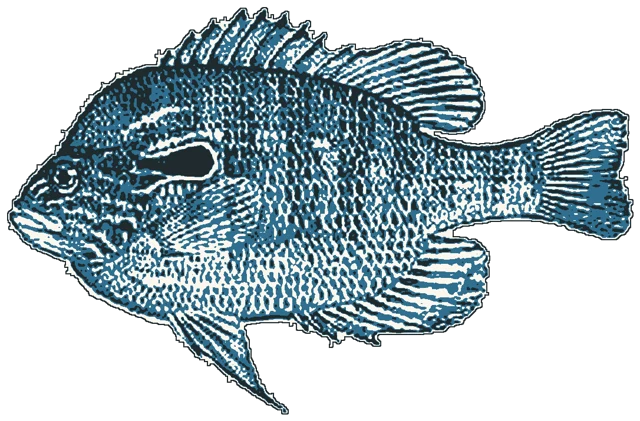 Bluegill
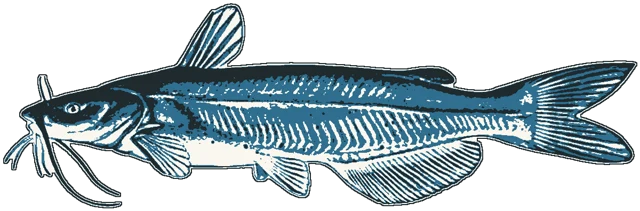 Channel catfishEhu (squirrelfish snapper)Goatfish (weke, kūmū, moano)“oama”Green jobfish (uku)Longtail red snapper (onaga)Mackerel scad (ʻōpelu)“opelu”
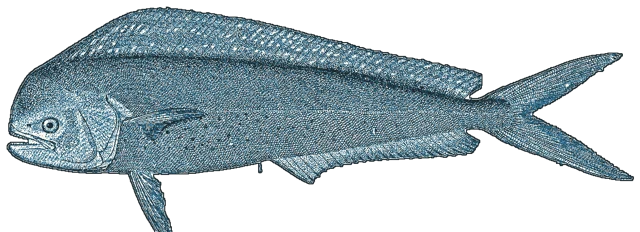 Mahi-mahi“mahimahi”Pacific threadfin (moi)Pink snapper (ʻōpakapaka)“opakapaka”
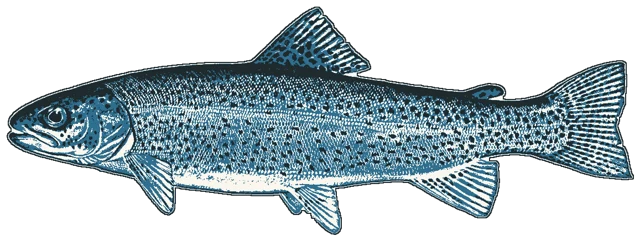 Rainbow troutWahoo“ono”Yellowfin tuna“ahi”
Just OK16
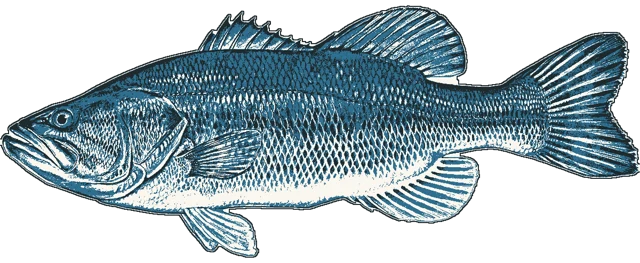 Largemouth bassManini (convict tang)Menpachi (soldierfish)Milkfish (awa)Parrotfish (uhu)Sea chub (nenue)Skipjack tuna“aku”
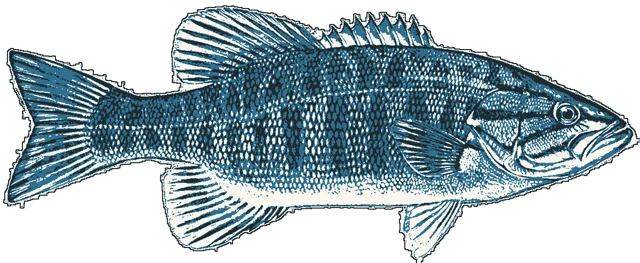 Smallmouth bass
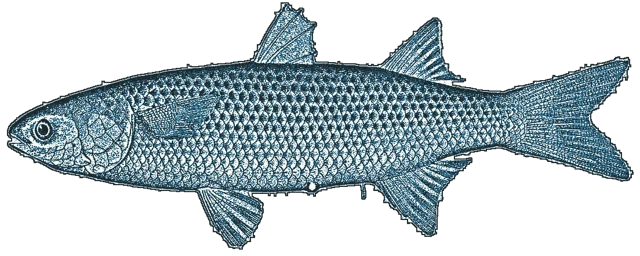 Striped mullet“amaama”Āholehole (Hawaiian flagtail)“aholehole”ʻĀweoweo (Hawaiian bigeye)“aweoweo”
Garbage fish2
Catch & release
What’s actually caught in Hawaii
These are NOAA Fisheries estimates from the Hawaii Marine Recreational Fishing Survey, averaged over 2023, 2024 and 2025, for non-commercial anglers fishing salt water from shore and private boats. Released fish are counted. The ten rows are the most-caught fish rated on this page; goldspot herring (about 144,300 a year, a very rough figure) would rank tenth but is not rated here. Catches swing widely from year to year, and NOAA's percent standard error tops 50 in at least one year for aholehole and menpachi, so those two counts are rough.
- Bigeye scad (akule) Best eatingAbout 3,709,800 fish a year, average of 2023-2025 (2023: 1.22 million, 2024: 3.09 million, 2025: 6.82 million); akule, none counted as released; PSE 18-32% by year
- Goatfish (weke, kūmū, moano) Best eatingAbout 771,600 fish a year, average of 2023-2025 (2023: 923,100, 2024: 848,700, 2025: 543,100), all goatfish together: yellowstripe ('oama and weke 'a) about 681,900, manybar (moano) about 35,300, yellowfin (weke ula) about 21,900; 4% released; yellowstripe PSE 37-47% by year
- Mackerel scad (ʻōpelu) Best eatingAbout 455,700 fish a year, average of 2023-2025 (2023: 112,500, 2024: 690,500, 2025: 564,000); opelu, 2% released; PSE 23-28% by year
- Bluefin trevally (omilu) Just OKAbout 259,300 fish a year, average of 2023-2025 (2023: 191,100, 2024: 306,100, 2025: 280,800); omilu, 64% released; PSE 16-29% by year
- Skipjack tuna Just OKAbout 257,900 fish a year, average of 2023-2025 (2023: 371,400, 2024: 193,200, 2025: 209,200); aku, under 1% released; PSE 20-25% by year
- Āholehole (Hawaiian flagtail) Just OKAbout 212,600 fish a year, average of 2023-2025 (2023: 230,200, 2024: 303,700, 2025: 103,900); Hawaiian flagtail, 3% released; PSE 43-60% by year, so a rough count
- Bluestripe snapper (taʻape) Just OKAbout 207,700 fish a year, average of 2023-2025 (2023: 111,600, 2024: 313,200, 2025: 198,300); taape, 30% released; PSE 28-40% by year
- Manini (convict tang) Just OKAbout 187,000 fish a year, average of 2023-2025 (2023: 204,500, 2024: 225,100, 2025: 131,500); manini, 6% released; PSE 36-38% by year
- Yellowfin tuna Best eatingAbout 158,500 fish a year, average of 2023-2025 (2023: 228,400, 2024: 166,600, 2025: 80,400); ahi, under 1% released; PSE 21-39% by year
- Menpachi (soldierfish) Just OKAbout 130,800 fish a year, average of 2023-2025 (2023: 57,200, 2024: 150,700, 2025: 184,600), four soldierfish species together, none counted as released; bigscale soldierfish PSE 60-68% by year, so a rough count
Source: Hawaii Marine Recreational Fishing Survey (HMRFS, run by Hawaii DAR with NOAA Fisheries), from NOAA Fisheries' catch estimate files dated Aug. 31, 2026 . Saltwater only: it does not survey freshwater fishing.
Fish by fish
Why each one sits where it does, the current Hawaii limits, and the bait that works.
Bigeye scad (akule)
Selar crumenophthalmus · also called halalu · Saltwater
DLNR calls akule an excellent food fish; it is a local favorite fried, and Hawaiians prized it for drying.
- Limits
- No limits. No bag limit listed for hook-and-line. Without a commercial license it is unlawful to take akule with a net under 2-3/4 inch stretched mesh or with a bag net. Unlawful to take akule under 8-1/2 inches with a net July through October, or to possess or sell more than 200 pounds of akule under 8-1/2 inches a day from July through October. On Kauai, no more than 75 akule per person per day at Hanamaulu Bay and Ahukini pier, Nawiliwili Harbor and Port Allen. (DAR regulated-species page as fetched Nov 21, 2026 (page cites HAR 13-95 and related rules; DAR booklet dated May 2025)) Source
- Spawns
- Spawn about March-October and form large schools in shallow water; halalu common about July-December (DAR manual)
- Where
- Mid- or surface waters along the coast, or shallow banks near shore (DAR manual).
- night handline with small baited hooks
- light pole and line for halalū
Before you eat it: Do not eat (anyone): any fish from Pearl Harbor, the Ala Wai Canal and its boat harbor, urban streams of Honolulu, or the Marine Corps Base Fuel Pier and Marina Area in Kaneohe Bay (DOH). DOH's Local Guide to Eating Fish Safely (2019), which covers mercury, lists akule under seafood you can eat anytime.
Bluegill
Lepomis macrochirus · Freshwater
MeatEater calls the flesh light, delicate and sweet; the original fish-fry panfish.
- Tastes
- mild, sweet, firm, flaky
- Limits
- No limits. No restrictions statewide, but a Freshwater Game Fishing License is required. Wailua Reservoir PFA: bag limit 2, minimum 7 inches, inside a 3-fish daily total. (DAR regulated-species page as fetched Nov 21, 2026 (page cites HAR 13-95 and related rules; DAR booklet dated May 2025)) Source
- Where
- Lakes, ponds, reservoirs and sluggish streams, primarily reservoirs; prefers deep weed beds (DAR manual).
- red worms
- nightcrawlers
- crickets
- grass shrimp
- small jigs
- popping bugs
Before you eat it: Do not eat (anyone): any fish from urban streams of Honolulu (DOH, through its 2012 report) or the Ala Wai Canal (DOH, 2024).
Channel catfish
Ictalurus punctatus · Freshwater
Very good to eat (Maryland DNR) and delicious when cooked (TPWD), and the basis of US catfish farming.
- Tastes
- mild, sweet, firm, moist
- Limits
- Heavy regs. Bag limit 3, with seasonal restrictions for Nu'uanu Reservoir. Nu'uanu Reservoir is closed to fishing (DAR, Nov 21, 2026). Freshwater Game Fishing License required; sale unlawful. (DAR regulated-species page as fetched Nov 21, 2026 (page cites HAR 13-95 and related rules; DAR booklet dated May 2025)) Source
- chicken liver
- nightcrawlers
- shrimp
- stinkbait
- cut shad
- cut mullet
- Do not eat (anyone): any fish from urban streams of Honolulu (DOH, through its 2012 report) or the Ala Wai Canal (DOH, 2024).
- A serving is 6 ounces for an adult and 3 ounces for a child, and pregnant women should not eat fish raw (same guide).
Meal limits and other waters (2)
- Limit (pregnant or could become pregnant, breastfeeding, young children): channel catfish up to once a week, counted together with the rest of DOH's Group A: aku, yellowfin tuna, canned albacore, grouper, halibut, mahimahi, striped marlin, red devil and tucunare (mercury, 2019 guide).
- After a meal of ono, opah, or bigeye or tombo ahi, the same people should wait two weeks before eating channel catfish.
Ehu (squirrelfish snapper)
Etelis carbunculus · Saltwater
One of the Deep 7; many veteran Hawaii bottomfishers told NOAA that all of the Deep 7 are delicious and versatile.
- Limits
- Heavy regs. Deep 7 bag limit: 5 total of all Deep 7 species per day for non-commercial fishers; vessel registration and 'BF' ID number required; closed season when announced. No sale minimum size printed for ehu. In federal waters, vessel owners and non-commercial anglers fishing from a boat also need NOAA's Main Hawaiian Islands Non-Commercial Bottomfish Permit ($70, good for one year) or a state commercial marine license; charter customers do not. NOAA's 2026-27 annual limit is 493,000 pounds; NOAA listed the fishery as open on Nov. 18, 2026 and closes federal waters if it projects the limit will be reached. (DAR regulated-species page as fetched Nov 21, 2026 (page cites HAR 13-95 and related rules; DAR booklet dated May 2025); NOAA federal limit effective 05/21/2026) Source
- Best months
- Most caught during winter (DAR manual)
- Where
- Deep water, usually 100 to 150 fathoms (DAR manual).
- Do not eat (anyone): the head, guts, liver or roe of any reef fish, because of ciguatera (DOH).
- DOH (2025) advises eating no reef fish at all, or at least skipping the head, guts, liver and roe.
- DOH's ciguatera fact sheet (revised Aug. 31, 2018) names snapper among the larger fish the toxin can build up in, and FDA names snapper among fish tied to ciguatera; ehu is a snapper.
- Cooking, drying, salting or freezing does not kill the toxin, and DOH says every island is at very high risk.
Goatfish (weke, kūmū, moano)
Mullidae (Parupeneus porphyreus, P. multifasciatus, Mulloidichthys spp.) · also called oama, kumu, munu · Saltwater
Among Hawaii's most popular food fish; kūmū is extremely prized and its flesh considered a delicacy (DLNR), and moano is praised in song for its taste.
- Limits
- Light regs. Statewide except Maui: kumu minimum 10 inches; moano minimum 7 inches; weke minimum 7 inches for sale, bag limit 50 'oama (weke under 7 inches). Maui rules (HAR 13-95.1): kumu minimum 12 inches, bag limit 1; moano minimum 8 inches; moano kea minimum 12 inches, bag limit 2; munu minimum 8 inches, bag limit 2; weke a, weke ula and 'oama minimum 8 inches, 50 'oama (hook-and-line only for 'oama); weke nono minimum 12 inches; all other goatfishes minimum 8 inches. (DAR regulated-species page as fetched Nov 21, 2026 (page cites HAR 13-95 and related rules; DAR booklet dated May 2025)) Source
- Best months
- 'Oama common in shallow sandy areas in late summer; adult weke common year round; young kumu common on inshore reefs in spring and summer (DAR manual)
- Where
- Weke: sandy bottoms near coral patches, to about 100 feet. Kumu: reef areas, especially under coral heads (DAR manual).
- shrimp
- fish bits
- aku belly
- dunking rigs on sand
- Do not eat the head of weke pueo and some other weke; it can cause hallucinations and nightmares (DLNR, Waikīkī Aquarium)
- DLNR lists this fish among those linked to seasonal (usually summer) hallucinogenic fish poisoning
- Do not eat (anyone): any fish from Pearl Harbor, the Ala Wai Canal and its boat harbor, urban streams of Honolulu, or the Marine Corps Base Fuel Pier and Marina Area in Kaneohe Bay (DOH).
- Do not eat (anyone): the head, guts, liver or roe of any reef fish, because of ciguatera (DOH).
- Do not eat (anyone): the head of weke pueo (nightmare weke), which DAR says may cause hallucinations and other symptoms of poisoning.
- DOH (2025) advises eating no reef fish at all, or at least skipping the head, guts, liver and roe.
- FDA's illness list (content current as of Oct. 19, 2026) has a March 2025 Hawaii report of 2 cases from roi and weke, with ciguatoxin confirmed in both fish; the weke was weke ula (Mulloidichthys vanicolensis).
- Cooking, drying, salting or freezing does not kill the toxin, and DOH says every island is at very high risk.
- Hallucinogenic fish poisoning: DAR's Fishing in Hawaii manual says it may occur from eating mullet, various goatfishes, nenue and manini, usually in the summer months, and is much less common than ciguatera.
- Wash fish from Waiakea Pond in Hilo before eating to rinse off sediment (DOH, August 2019).
Green jobfish (uku)
Aprion virescens · Saltwater
Delicately flavored, moist and firm (Hawaii Seafood Council); a prized Hawaii snapper.
- Tastes
- delicate, firm, moist
- Limits
- No limits. Minimum size 1 pound for spearing and for sale; no bag limit listed. Open all year in state waters. In federal waters, vessel owners and non-commercial anglers fishing from a boat also need NOAA's Main Hawaiian Islands Non-Commercial Bottomfish Permit ($70, good for one year) or a state commercial marine license; charter customers do not. NOAA can close federal waters to uku for the rest of the year if its annual limit (295,419 pounds for 2026) is projected to be reached; it listed the fishery as open at 11.5% as of Oct. 27, 2026. (DAR regulated-species page as fetched Nov 21, 2026 (page cites HAR 13-95 and related rules; DAR booklet dated May 2025)) Source
- Best months
- Most caught during late spring and early summer when spawning (DAR manual)
- Where
- Rocky bottom outside the reef and deep rocky areas near shore, usually less than 60 fathoms (DAR manual).
- deep handline with cut bait
- trolled lures
- spear
- Do not eat (anyone): any fish from Pearl Harbor, the Ala Wai Canal and its boat harbor, urban streams of Honolulu, or the Marine Corps Base Fuel Pier and Marina Area in Kaneohe Bay (DOH).
- Do not eat (anyone): the head, guts, liver or roe of any reef fish, because of ciguatera (DOH).
- DOH (2025) advises eating no reef fish at all, or at least skipping the head, guts, liver and roe.
- DOH's ciguatera fact sheet (revised Aug. 31, 2018) names snapper among the larger fish the toxin can build up in; uku is a snapper.
- FDA's seafood hazards guide (Chapter 3, June 2021) lists uku's genus, Aprion, among snappers with a ciguatera hazard.
- Cooking, drying, salting or freezing does not kill the toxin, and DOH says every island is at very high risk.
Longtail red snapper (onaga)
Etelis coruscans · Saltwater
Light pink flesh like opakapaka but softer and moister; Hawaii bottomfishers ranked it highest, especially raw.
- Tastes
- delicate, soft, moist
- Limits
- Heavy regs. Deep 7 bag limit: 5 total of all Deep 7 species per day for non-commercial fishers; vessel registration and 'BF' ID number required; sale minimum 1 pound; closed season when announced. In federal waters, vessel owners and non-commercial anglers fishing from a boat also need NOAA's Main Hawaiian Islands Non-Commercial Bottomfish Permit ($70, good for one year) or a state commercial marine license; charter customers do not. NOAA's 2026-27 annual limit is 493,000 pounds; NOAA listed the fishery as open on Nov. 18, 2026 and closes federal waters if it projects the limit will be reached. (DAR regulated-species page as fetched Nov 21, 2026 (page cites HAR 13-95 and related rules; DAR booklet dated May 2025); NOAA federal limit effective 05/21/2026) Source
- Best months
- Most caught during winter (DAR manual)
- Where
- Offshore drop-offs, usually in 100 to 150 fathoms (DAR manual).
- Hawaii DOH and FDA name snappers among the fish ciguatera toxin can build up in; onaga is a snapper
- Do not eat (anyone): the head, guts, liver or roe of any reef fish, because of ciguatera (DOH).
- DOH (2025) advises eating no reef fish at all, or at least skipping the head, guts, liver and roe.
- DOH's ciguatera fact sheet (revised Aug. 31, 2018) names snapper among the larger fish the toxin can build up in, and FDA names snapper among fish tied to ciguatera; onaga is a snapper.
- Cooking, drying, salting or freezing does not kill the toxin, and DOH says every island is at very high risk.
Mackerel scad (ʻōpelu)
Decapterus macarellus · also called opelu · Saltwater
DLNR considers ʻōpelu an excellent food fish; Hawaiians rated it ʻono raw, dried or broiled.
- Limits
- No limits. No minimum mesh size for opelu nets. Unlawful to use animal bait except with hook-and-line in the waters of South Kona between the Kiilae-Keokea and Kapua-Kaulanamauna boundaries. In the 'Opelu Traditional Management Zone of the Miloli'i Community-Based Subsistence Fishing Area, hook-and-line only from February through August. No bag or size limit listed. (DAR regulated-species page as fetched Nov 21, 2026 (page cites HAR 13-95 and related rules; DAR booklet dated May 2025)) Source
- Where
- South Kona waters between the Kiilae-Keokea and Kapua-Kaulanamauna boundaries have a DAR bait rule.
- night handline
- lift nets (traditional, by day)
- Do not eat (anyone): any fish from Pearl Harbor, the Ala Wai Canal and its boat harbor, urban streams of Honolulu, or the Marine Corps Base Fuel Pier and Marina Area in Kaneohe Bay (DOH).
- Do not eat (anyone): the head, guts, liver or roe of any reef fish, because of ciguatera (DOH).
- DOH (2025) advises eating no reef fish at all, or at least skipping the head, guts, liver and roe.
- DOH's Food and Drug Branch (2025) names opelu among fish that can also harbor ciguatoxins.
- Cooking, drying, salting or freezing does not kill the toxin, and DOH says every island is at very high risk.
- Scombroid (spoiled fish): DOH (2025) names opelu; keep the fish below 38 F from the time you catch it.
- DOH's Local Guide to Eating Fish Safely (2019), which covers mercury, lists opelu under seafood you can eat anytime.
Mahi-mahi
Coryphaena hippurus · also called mahimahi · Saltwater
Sweet, mild, moist fish that is easy to catch and kept by almost everyone who catches it (NOAA; LSU Sea Grant: very good).
- Tastes
- sweet, mild, lean, fairly firm, large moist flakes
- Limits
- No limits. no statewide limit listed (species not named in the DAR Marine Fishes and Other Vertebrates regulated-species table). No non-commercial bag or size limit is listed for federal waters around Hawaii in NOAA's western Pacific pelagic rules (50 CFR part 665, subpart F). (DAR regulated-species page as fetched Nov 21, 2026 (page cites HAR 13-95 and related rules; DAR booklet dated May 2025)) Source
- Best months
- Small fish (up to 5 lb) common in summer; large fish (30-40 lb) more plentiful in late winter and early spring (DAR manual)
- Where
- Open ocean, often near the surface near schools of flyingfish or around floating objects (DAR manual).
- trolling heads with squid skirts
- Mahi appear on Florida's list of ciguatera-associated fish (UF/Florida DOH study); risk is low.
- A serving is 6 ounces for an adult and 3 ounces for a child, and pregnant women should not eat fish raw (same guide).
Meal limits and other waters (3)
- Limit (pregnant or could become pregnant, breastfeeding, young children): mahimahi up to once a week, counted together with the rest of DOH's Group A: aku, yellowfin tuna, canned albacore, channel catfish, grouper, halibut, striped marlin, red devil and tucunare (mercury, 2019 guide).
- After a meal of ono, opah, or bigeye or tombo ahi, the same people should wait two weeks before eating mahimahi.
- Scombroid (spoiled fish): DOH lists mahimahi among the fish most associated with it; ice the catch right away and keep the fish below 38 F from the time you catch it.
Pacific threadfin (moi)
Polydactylus sexfilis · Saltwater
In old Hawaiʻi moi was reserved for chiefs, and DAR still calls it one of the most sought-after reef fish.
- Tastes
- very moist
- Limits
- Heavy regs. Closed season June through August; minimum size 11 inches; bag limit 15. In Hilo Bay, Wailoa River and Wailuku River, no more than 15 moi (within a combined 20 of mullet, moi and ulua). In the Kipahulu Community-Based Subsistence Fishing Area on Maui, moi is closed May through September and must be 11 to 18 inches. (DAR regulated-species page as fetched Nov 21, 2026 (page cites HAR 13-95 and related rules; DAR booklet dated May 2025)) Source
- Best months
- Open Sept-May (closed June-Aug by rule); moi spawn about May-Aug (DAR manual)
- Where
- Sandy holes along rocky shorelines, or sandy beaches in surge areas (DAR manual).
- Do not eat (anyone): any fish from Pearl Harbor, the Ala Wai Canal and its boat harbor, urban streams of Honolulu, or the Marine Corps Base Fuel Pier and Marina Area in Kaneohe Bay (DOH).
- Wash fish from Waiakea Pond in Hilo before eating to rinse off sediment (DOH, August 2019).
- DOH's Local Guide to Eating Fish Safely (2019), which covers mercury, lists moi under seafood you can eat anytime.
Pink snapper (ʻōpakapaka)
Pristipomoides filamentosus · also called opakapaka · Saltwater
Clear, light pink flesh with a delicate flavor that has earned it the reputation of Hawaii's premium snapper.
- Tastes
- delicate, firm
- Limits
- Heavy regs. Deep 7 bag limit: 5 total of all Deep 7 species per day for non-commercial fishers. The vessel must be registered (free) and show a bottomfish ID number with 'BF'. Closed season applies when DAR announces one. Sale minimum 1 pound. In federal waters, vessel owners and non-commercial anglers fishing from a boat also need NOAA's Main Hawaiian Islands Non-Commercial Bottomfish Permit ($70, good for one year) or a state commercial marine license; charter customers do not. NOAA's 2026-27 annual limit is 493,000 pounds; NOAA listed the fishery as open on Nov. 18, 2026 and closes federal waters if it projects the limit will be reached. DAR prints no per-island variation for the Deep 7. (DAR regulated-species page as fetched Nov 21, 2026 (page cites HAR 13-95 and related rules; DAR booklet dated May 2025); NOAA federal limit effective 05/21/2026) Source
- Best months
- Most caught during winter months (DAR manual)
- Where
- Deep-water bottomfish fishery by handline from boats (DAR manual and bottomfish page).
- deep handline or electric-reel bottom rigs with cut bait
- Do not eat (anyone): the head, guts, liver or roe of any reef fish, because of ciguatera (DOH).
- DOH (2025) advises eating no reef fish at all, or at least skipping the head, guts, liver and roe.
- DOH's ciguatera fact sheet (revised Aug. 31, 2018) names snapper among the larger fish the toxin can build up in; opakapaka is a snapper.
- FDA's seafood hazards guide (Chapter 3, June 2021) lists opakapaka's genus, Pristipomoides, among snappers with a ciguatera hazard.
- Cooking, drying, salting or freezing does not kill the toxin, and DOH says every island is at very high risk.
Rainbow trout
Oncorhynchus mykiss · Freshwater
TPWD calls rainbow trout an excellent fish to eat; the most-stocked put-and-take fish in America.
- Tastes
- mild, clean, delicate, flaky
- Limits
- Heavy regs. Open season announced each year. 2026 season ran June 20 to September 30, 6 a.m. to 6 p.m., bag limit 7 per angler, catch-and-release prohibited, one line with one single barbed hook, no corn, no treble hooks, no boats or floats in Puu Lua Reservoir, check in and out. The 2027 season had not been announced by Nov 21, 2026. DAR's regulated-species row says bag limit 10 or as announced. (DAR regulated-species page as fetched Nov 21, 2026 (page cites HAR 13-95 and related rules; DAR booklet dated May 2025); 2026 season notice dated 5/20/26 (https://dlnr.hawaii.gov/blog/2026/05/20/nr26-65/)) Source
- Best months
- 2026 season: June 20 to September 30 (announced each year)
- Where
- Puu Lua Reservoir, Koke'e State Park, Kauai (more than 95% of the catch per DAR, 2026).
- nightcrawlers
- salmon eggs
- corn
- inline spinners
- small spoons
Wahoo
Acanthocybium solandri · also called ono · Saltwater
Mild, firm, white meat; LSU Sea Grant rates it excellent but warns it dries out if fried or overcooked.
- Tastes
- mild, firm, large circular flake
- Limits
- No limits. no statewide limit listed (species not named in the DAR Marine Fishes and Other Vertebrates regulated-species table). No non-commercial bag or size limit is listed for federal waters around Hawaii in NOAA's western Pacific pelagic rules (50 CFR part 665, subpart F). (DAR regulated-species page as fetched Nov 21, 2026 (page cites HAR 13-95 and related rules; DAR booklet dated May 2025)) Source
- Best months
- Major run reaches the Big Island in May and lasts into early September (Sport Fishing)
- Where
- Surface waters of the open sea, usually over deep-sea ledges, often near floating logs and other objects (DAR manual).
- weighted jet lures
- lead-head feathers
- trolling heads with squid skirts
- A serving is 6 ounces for an adult and 3 ounces for a child, and pregnant women should not eat fish raw (same guide).
Meal limits and other waters (3)
- Limit (pregnant or could become pregnant, breastfeeding, young children): ono up to once every two weeks, counted together with the rest of DOH's Group B: opah and bigeye or tombo ahi (mercury, 2019 guide).
- After a meal of ono, the same people should wait two weeks before eating any more Group B fish or any Group A fish: aku, yellowfin tuna, canned tuna, channel catfish, grouper, halibut, mahimahi, striped marlin, red devil or tucunare.
- Scombroid (spoiled fish): DOH says to clean and cook mackerel-family fish promptly, and ono is in that family.
Yellowfin tuna
Thunnus albacares · also called ahi · Saltwater
Clean, meaty, red flesh prized raw and seared; Florida Sportsman's pick for best offshore eating fish.
- Tastes
- mild, meaty, firm, moist, large flakes
- Limits
- No limits. 3-pound minimum for ahi that are sold or speared (HAR 13-95-17); no size limit is listed for ahi caught on hook and line and kept, and no bag limit. No non-commercial bag or size limit is listed for federal waters around Hawaii in NOAA's western Pacific pelagic rules (50 CFR part 665, subpart F). (DAR regulated-species page as fetched Nov 21, 2026 (page cites HAR 13-95 and related rules; DAR booklet dated May 2025)) Source
- Best months
- Most abundant in late spring and throughout summer (Sport Fishing)
- Where
- Open water over deepwater banks and submarine ledges, to depths of 1000 fathoms (DAR manual).
- live aku (skipjack)
- live ‘ōpelu (mackerel scad)
- metal jet lures
- trolling heads with squid skirts
- A serving is 6 ounces for an adult and 3 ounces for a child, and pregnant women should not eat fish raw (same guide).
Meal limits and other waters (4)
- Limit (pregnant or could become pregnant, breastfeeding, young children): yellowfin tuna up to once a week, counted together with the rest of DOH's Group A: aku, canned albacore, channel catfish, grouper, halibut, mahimahi, striped marlin, red devil and tucunare (mercury, 2019 guide).
- After a meal of ono, opah, or bigeye or tombo ahi, the same people should wait two weeks before eating yellowfin.
- Bigeye and tombo ahi have a tighter limit, once every two weeks, so use that one for any ahi you can't tell apart.
- Scombroid (spoiled fish): DOH lists ahi among the fish most associated with it; ice the catch right away and keep the fish below 38 F from the time you catch it.
Blacktail snapper (toʻau)
Lutjanus fulvus · also called toau · Saltwater
An introduced inshore snapper that local anglers steam or pan-fry; eating reports are positive but thin, so it defaults to Just OK.
- Limits
- No limits. no statewide limit listed (species not named in the DAR Marine Fishes and Other Vertebrates regulated-species table) (DAR regulated-species page as fetched Nov 21, 2026 (page cites HAR 13-95 and related rules; DAR booklet dated May 2025)) Source
- Where
- Inshore, in brackish water and around stream mouths, out to about 40 or 50 feet deep (DAR manual).
- Do not eat (anyone): any fish from Pearl Harbor, the Ala Wai Canal and its boat harbor, urban streams of Honolulu, or the Marine Corps Base Fuel Pier and Marina Area in Kaneohe Bay (DOH).
- Do not eat (anyone): the head, guts, liver or roe of any reef fish, because of ciguatera (DOH).
- DOH (2025) advises eating no reef fish at all, or at least skipping the head, guts, liver and roe.
- DOH's ciguatera fact sheet (revised Aug. 31, 2018) names snapper among the larger fish the toxin can build up in, and FDA names snapper among fish tied to ciguatera; treat to'au as a reef snapper with possible risk.
- Cooking, drying, salting or freezing does not kill the toxin, and DOH says every island is at very high risk.
- Wash fish from Waiakea Pond in Hilo before eating to rinse off sediment (DOH, August 2019).
Bluefin trevally (omilu)
Caranx melampygus · Saltwater
A good eating jack that local anglers enjoy almost any way, but it belongs to the ulua group, which Hawaii DOH names among the fish most often implicated in ciguatera, and that rules out Best.
- Tastes
- a little fishy in large fish
- Limits
- Light regs. Minimum size 10 inches; bag limit 20 total of all ulua and papio (omilu is one of the species in that group), non-commercial only; 16-inch minimum for sale. Open all year statewide. In Hilo Bay, Wailoa River and Wailuku River, 20 fish total of all mullet, moi and ulua (including papio and omilu). In the Kipahulu Community-Based Subsistence Fishing Area on Maui, 1 omilu per person per day. (DAR regulated-species page as fetched Nov 21, 2026 (page cites HAR 13-95 and related rules; DAR booklet dated May 2025)) Source
- Where
- Juveniles in shallow bays and estuaries, medium fish over reefs, adults close to shore along reef channels (DAR manual).
- whipping plugs and lures
- surfcasting with live or cut bait
- trolled small lures
- FDA lists bluefin trevally among fish with a ciguatera hazard, and Hawaii DOH names ulua, its group, among the local fish most often implicated (2025)
- Hawaii DOH: never eat the head, guts, liver or roe of any reef fish; cooking, freezing, drying or salting does not destroy ciguatoxin
- Do not eat (anyone): any fish from Pearl Harbor, the Ala Wai Canal and its boat harbor, urban streams of Honolulu, or the Marine Corps Base Fuel Pier and Marina Area in Kaneohe Bay (DOH).
- Do not eat (anyone): the head, guts, liver or roe of any reef fish, because of ciguatera (DOH).
- DOH (2025) advises eating no reef fish at all, or at least skipping the head, guts, liver and roe.
- DOH's Food and Drug Branch (2025) says ulua, the group omilu belongs to, are among the local fish most often implicated in ciguatera poisoning.
- FDA's seafood hazards guide (Chapter 3, June 2021) lists bluefin trevally among fish with a ciguatera hazard.
- Cooking, drying, salting or freezing does not kill the toxin, and DOH says every island is at very high risk.
- Scombroid (spoiled fish): DOH (2025) names ulua; keep the fish below 38 F from the time you catch it.
Bluestripe snapper (taʻape)
Lutjanus kasmira · also called taape · Saltwater
An introduced snapper that Hawaii fishermen pass over for native snappers; at about 10 in it takes more work to skin and debone per pound of meat.
Worth a try: UH Sea Grant describes a mild, fresh flavor, and DLNR's taʻape tournaments featured a chef promoting 'this delicious fish'. Steam, boil or deep-fry it whole; every one kept eases pressure on native reef fish ('eat 'em to beat 'em').
- Tastes
- mild, fresh
- Limits
- No limits. no statewide limit listed (species not named in the DAR Marine Fishes and Other Vertebrates regulated-species table) (DAR regulated-species page as fetched Nov 21, 2026 (page cites HAR 13-95 and related rules; DAR booklet dated May 2025)) Source
- Where
- Hard bottom areas, generally in waters 40 to over 300 feet deep (DAR manual).
- shrimp or squid on dunking rigs
- night handlines
- Hawaii DOH names taʻape among fish that can also harbor ciguatoxins (2025)
- Do not eat (anyone): any fish from Pearl Harbor, the Ala Wai Canal and its boat harbor, urban streams of Honolulu, or the Marine Corps Base Fuel Pier and Marina Area in Kaneohe Bay (DOH).
- Do not eat (anyone): the head, guts, liver or roe of any reef fish, because of ciguatera (DOH).
- DOH (2025) advises eating no reef fish at all, or at least skipping the head, guts, liver and roe.
- DOH's Food and Drug Branch (2025) names ta'ape among fish that can also harbor ciguatoxins.
- Cooking, drying, salting or freezing does not kill the toxin, and DOH says every island is at very high risk.
Butterfly peacock bass
Cichla ocellaris · also called tucunare · Freshwater
Coastal Angler magazine calls the white, flaky meat great table fare, and Florida limits keepers to 2 a day, only one of them 17 inches or longer.
- Tastes
- mild, firm, white
- Limits
- Heavy regs. Minimum size 12 inches; bag limit 3. Catch-and-release only in the Wahiawa Public Fishing Area (Lake Wilson), where lake access has been closed since May 3, 2026 per DAR's 5/01/26 notice and June 2026 update. Wailua Reservoir PFA: 12-15 inch slot, bag limit 2, inside a 3-fish daily total. Freshwater Game Fishing License required; sale unlawful. (DAR regulated-species page as fetched Nov 21, 2026 (page cites HAR 13-95 and related rules; DAR booklet dated May 2025)) Source
- Where
- Generally the larger reservoirs; found on Kauai, Oahu, Maui and Hawaii Island (DAR manual). Spawns about March-September; DAR urges anglers not to disturb spawning fish near shore.
- live shiners
- topwater lures
- twitchbaits
- Do not eat (anyone): any fish from urban streams of Honolulu (DOH, through its 2012 report) or the Ala Wai Canal (DOH, 2024).
- A serving is 6 ounces for an adult and 3 ounces for a child, and pregnant women should not eat fish raw (same guide).
Meal limits and other waters (2)
- Limit (pregnant or could become pregnant, breastfeeding, young children): tucunare up to once a week, counted together with the rest of DOH's Group A: aku, yellowfin tuna, canned albacore, channel catfish, grouper, halibut, mahimahi, striped marlin and red devil (mercury, 2019 guide).
- After a meal of ono, opah, or bigeye or tombo ahi, the same people should wait two weeks before eating tucunare.
Giant trevally (ulua)
Caranx ignobilis · also called ulua aukea, papio · Saltwater
DLNR calls white ulua an excellent food fish, but Hawaii DOH names ulua and kahala among the local fish most often implicated in ciguatera, which rules out Best.
- Tastes
- dry and tough in large fish
- Limits
- Light regs. Minimum size 10 inches; bag limit 20 total of all ulua and papio, non-commercial only; 16-inch minimum for sale. Open all year statewide. In Hilo Bay, Wailoa River and Wailuku River, 20 fish total of all mullet, moi and ulua (including papio and omilu), no more than 15 of them moi and no more than 10 of them mullet. (DAR regulated-species page as fetched Nov 21, 2026 (page cites HAR 13-95 and related rules; DAR booklet dated May 2025)) Source
- Best months
- Young common in summer, adults common year round (DAR manual)
- Where
- Papio near shore; adults over nearshore reefs, often in caves by day; cast from rocky shores and ledges. Hilo Bay, Wailoa River and Wailuku River have a combined ulua, moi and mullet limit (DAR).
- eel or octopus (tako) on slide-bait rigs
- whole akule or opelu
- whipping lures and poppers for papio
- aku belly
- Hawaii DOH names ulua and kahala among the local fish most often implicated in ciguatera (2025); FDA lists Hawaii cases tied to giant trevally in 2023 (8) and 2024 (1)
- Hawaii DOH: never eat the head, guts, liver or roe of any reef fish; cooking, freezing, drying or salting does not destroy ciguatoxin
- Do not eat (anyone): any fish from Pearl Harbor, the Ala Wai Canal and its boat harbor, urban streams of Honolulu, or the Marine Corps Base Fuel Pier and Marina Area in Kaneohe Bay (DOH).
- Do not eat (anyone): the head, guts, liver or roe of any reef fish, because of ciguatera (DOH).
- DOH (2025) advises eating no reef fish at all, or at least skipping the head, guts, liver and roe.
- DOH's Food and Drug Branch (2025) says ulua, kahala, kole and po'ou are the local fish most often implicated in ciguatera poisoning.
- FDA's illness list (content current as of Oct. 19, 2026) also has Hawaii reports tied to giant trevally, 8 cases reported in October 2023 and 1 in July 2024; leftovers from both tested positive for toxin activity.
- Cooking, drying, salting or freezing does not kill the toxin, and DOH says every island is at very high risk.
- Scombroid (spoiled fish): DOH (2025) names ulua; keep the fish below 38 F from the time you catch it.
- Wash fish from Waiakea Pond in Hilo before eating to rinse off sediment (DOH, August 2019).
Largemouth bass
Micropterus nigricans (syn. M. salmoides) · Freshwater
Perfectly edible white fillets, but America's top catch-and-release fish and many anglers swear the meat tastes fishy or muddy, so reputation is split.
- Tastes
- mild to slightly 'fishy', firm, thick fillets
- Limits
- Light regs. Minimum size 9 inches; bag limit 10 total of largemouth and smallmouth. Catch-and-release only in the Wahiawa Public Fishing Area (Lake Wilson), where lake access has been closed since May 3, 2026 per DAR's 5/01/26 notice and June 2026 update. Wailua Reservoir Public Fishing Area (Kauai): minimum 9 inches, maximum 14 inches, bag limit 2, inside a 3-fish daily total for all species. Freshwater Game Fishing License required; sale unlawful. (DAR regulated-species page as fetched Nov 21, 2026 (page cites HAR 13-95 and related rules; DAR booklet dated May 2025)) Source
- Where
- Reservoirs; prefers submerged logs, weeds or other cover near banks (DAR manual). Wailua Reservoir Public Fishing Area on Kauai is the open public water.
- live shiners
- nightcrawlers
- live minnows
- Texas-rigged plastic worm
- jig
- spinnerbait
- Water-body mercury advisories commonly list largemouth bass; check your state's advisory before eating large fish.
Before you eat it: Do not eat (anyone): any fish from urban streams of Honolulu (DOH, through its 2012 report) or the Ala Wai Canal (DOH, 2024).
Manini (convict tang)
Acanthurus triostegus sandvicensis · Saltwater
A traditional food fish eaten raw or cooked, but small (up to about 3/4 lb), and DLNR lists manini among fish linked to hallucinogenic poisoning.
- Limits
- Light regs. Minimum size 6 inches; no bag limit listed. Open all year, except that no surgeonfish (manini included) may be taken in the Kahekili Herbivore Fisheries Management Area on Maui. (DAR regulated-species page as fetched Nov 21, 2026 (page cites HAR 13-95 and related rules; DAR booklet dated May 2025)) Source
- Where
- Most reef areas, from shore to depths of about 90 feet (DAR manual).
- limu (seaweed)
- net or spear
- DLNR lists this fish among those linked to seasonal (usually summer) hallucinogenic fish poisoning
- Do not eat (anyone): any fish from Pearl Harbor, the Ala Wai Canal and its boat harbor, urban streams of Honolulu, or the Marine Corps Base Fuel Pier and Marina Area in Kaneohe Bay (DOH).
- Do not eat (anyone): the head, guts, liver or roe of any reef fish, because of ciguatera (DOH).
- DOH (2025) advises eating no reef fish at all, or at least skipping the head, guts, liver and roe.
- DOH's Food and Drug Branch (2025) says kole, another surgeonfish, is among the local fish most often implicated in ciguatera poisoning.
- FDA's seafood hazards guide (Chapter 3, June 2021) lists tangs of manini's genus, Acanthurus, with a ciguatera hazard in the tropical Pacific.
- Cooking, drying, salting or freezing does not kill the toxin, and DOH says every island is at very high risk.
- Hallucinogenic fish poisoning: DAR's Fishing in Hawaii manual says it may occur from eating mullet, various goatfishes, nenue and manini, usually in the summer months, and is much less common than ciguatera.
Menpachi (soldierfish)
Myripristis spp. · Saltwater
NOAA calls this schooling reef fish prized in Hawaii and the Pacific islands as a traditional food, and local anglers describe very flaky meat, usually fried or steamed whole. NOAA also found unexpectedly high ciguatoxin in fish from Nihoa in 2017, which rules out Best.
- Tastes
- very flaky
- Limits
- No limits. no statewide limit listed (species not named in the DAR Marine Fishes and Other Vertebrates regulated-species table), but menpachi ('u'u) may not be taken April through June in the Miloli'i Community-Based Subsistence Fishing Area on Hawaii Island. (DAR regulated-species page as fetched Nov 21, 2026 (page cites HAR 13-95 and related rules; DAR booklet dated May 2025)) Source
- Spawns
- Spawns late spring to midsummer; generally more taken in late summer and early fall (DAR manual)
- Where
- Inshore reef areas, in caves and crevices by day (DAR manual).
- shrimp (ʻōpae) on small hooks at night
- handline near reef caves
- NOAA (April 2017): ʻuʻu from Nihoa in the Northwestern Hawaiian Islands tested unexpectedly high for ciguatoxin and was rated very high-risk.
- Do not eat (anyone): any fish from Pearl Harbor, the Ala Wai Canal and its boat harbor, urban streams of Honolulu, or the Marine Corps Base Fuel Pier and Marina Area in Kaneohe Bay (DOH).
- Do not eat (anyone): the head, guts, liver or roe of any reef fish, because of ciguatera (DOH).
- DOH (2025) advises eating no reef fish at all, or at least skipping the head, guts, liver and roe.
- NOAA (April 6, 2017): menpachi ('u'u) from Nihoa in the Northwestern Hawaiian Islands had unexpectedly high ciguatoxin levels and was rated a very high-risk species.
- Cooking, drying, salting or freezing does not kill the toxin, and DOH says every island is at very high risk.
- Confirm with the Hawaii Department of Health before eating reef fish.
Milkfish (awa)
Chanos chanos · Saltwater
A mild food fish but full of fine bones; FAO notes younger diners avoid it for its bony flesh, and the Philippines sells it deboned as 'boneless bangus'.
- Tastes
- full of fine intramuscular bones
- Limits
- Light regs. Minimum size 9 inches; no bag limit listed. Open all year. (DAR regulated-species page as fetched Nov 21, 2026 (page cites HAR 13-95 and related rules; DAR booklet dated May 2025)) Source
- Best months
- Generally more taken in summer months (DAR manual)
- Where
- Near the surface in inshore areas, including brackish water, bays and inlets (DAR manual).
- Many fine intramuscular bones; debone or score before cooking (FAO)
Before you eat it: Do not eat (anyone): any fish from Pearl Harbor, the Ala Wai Canal and its boat harbor, urban streams of Honolulu, or the Marine Corps Base Fuel Pier and Marina Area in Kaneohe Bay (DOH). DOH's Local Guide to Eating Fish Safely (2019), which covers mercury, lists awa (milkfish) under seafood you can eat anytime.
Parrotfish (uhu)
Scaridae (Chlorurus and Scarus spp.) · Saltwater
A traditional Hawaiian food fish (preferred raw, also broiled or dried), but we have no modern source on how it eats, and most are speared rather than hooked.
- Limits
- Heavy regs. All species: minimum size 10 inches, bag limit 2 total. Large species (uhu 'ele'ele, uhu uliuli, uhu palukaluka, uhu 'ahu'ula): minimum size 14 inches, bag limit 2 total of all uhu. Maui: no take of uhu 'ele'ele or uhu uliuli. No uhu may be taken in the Kahekili Herbivore Fisheries Management Area on Maui. Miloli'i Community-Based Subsistence Fishing Area (Hawaii Island): no uhu 'ele'ele or uhu uliuli; uhu palukaluka and uhu 'ahu'ula closed March through May, 14 to 20 inches and 1 a day the rest of the year. Commercial fishers with a permit may take more uhu palukaluka and uhu 'ele'ele. (DAR regulated-species page as fetched Nov 21, 2026 (page cites HAR 13-95 and related rules; DAR booklet dated May 2025)) Source
- Where
- Rocky areas and coral reefs, usually more abundant at the outer edge of the reef (DAR manual).
- spear
- net
- Hawaii DOH names uhu among fish that can harbor ciguatoxins (2025), and FDA confirmed the toxin in uhu from a September 2025 Hawaii case
- Do not eat (anyone): any fish from Pearl Harbor, the Ala Wai Canal and its boat harbor, urban streams of Honolulu, or the Marine Corps Base Fuel Pier and Marina Area in Kaneohe Bay (DOH).
- Do not eat (anyone): the head, guts, liver or roe of any reef fish, because of ciguatera (DOH).
- DOH (2025) advises eating no reef fish at all, or at least skipping the head, guts, liver and roe.
- DOH's Food and Drug Branch (2025) names uhu among fish that can also harbor ciguatoxins.
- FDA's illness list (content current as of Oct. 19, 2026) has a September 2025 Hawaii case with ciguatoxin confirmed in uhu (Scarus rubroviolaceus).
- Cooking, drying, salting or freezing does not kill the toxin, and DOH says every island is at very high risk.
Sea chub (nenue)
Kyphosus spp. · Saltwater
Hawaiians rated it ʻono, especially raw, and some anglers still eat it as sashimi, but it is an algae grazer that DLNR lists among fish linked to hallucinogenic poisoning, and no modern source rates it highly.
- Limits
- No limits. no statewide limit listed (species not named in the DAR Marine Fishes and Other Vertebrates regulated-species table), but no nenue may be taken in the Kahekili Herbivore Fisheries Management Area on Maui. (DAR regulated-species page as fetched Nov 21, 2026 (page cites HAR 13-95 and related rules; DAR booklet dated May 2025)) Source
- Where
- Rough and turbulent waters along rocky coasts (DAR manual; the page layout makes this entry placement slightly uncertain).
- DLNR lists this fish among those linked to seasonal (usually summer) hallucinogenic fish poisoning
- Do not eat (anyone): any fish from Pearl Harbor, the Ala Wai Canal and its boat harbor, urban streams of Honolulu, or the Marine Corps Base Fuel Pier and Marina Area in Kaneohe Bay (DOH).
- Do not eat (anyone): the head, guts, liver or roe of any reef fish, because of ciguatera (DOH).
- DOH (2025) advises eating no reef fish at all, or at least skipping the head, guts, liver and roe.
- Cooking, drying, salting or freezing does not kill the toxin, and DOH says every island is at very high risk.
- Hallucinogenic fish poisoning: DAR's Fishing in Hawaii manual says it may occur from eating mullet, various goatfishes, nenue and manini, usually in the summer months, and is much less common than ciguatera.
Skipjack tuna
Katsuwonus pelamis · also called aku · Saltwater
Edible and the backbone of canned light tuna, but the very red, strong meat (NOAA: the most pronounced of the tropical tunas) puts many anglers off; often used as bait.
- Tastes
- pronounced, strong, firm, moist, large flakes
- Limits
- No limits. no statewide limit listed (species not named in the DAR Marine Fishes and Other Vertebrates regulated-species table). No non-commercial bag or size limit is listed for federal waters around Hawaii in NOAA's western Pacific pelagic rules (50 CFR part 665, subpart F). (DAR regulated-species page as fetched Nov 21, 2026 (page cites HAR 13-95 and related rules; DAR booklet dated May 2025)) Source
- Best months
- Taken year round, but most common during spring and summer (DAR manual)
- Where
- Waters 100 fathoms and deeper (DAR manual).
- small live baits
- feather jigs
- shiny spoons
- plastic squids
- A serving is 6 ounces for an adult and 3 ounces for a child, and pregnant women should not eat fish raw (same guide).
Meal limits and other waters (3)
- Limit (pregnant or could become pregnant, breastfeeding, young children): aku up to once a week, counted together with the rest of DOH's Group A: yellowfin tuna, canned albacore, channel catfish, grouper, halibut, mahimahi, striped marlin, red devil and tucunare (mercury, 2019 guide).
- After a meal of ono, opah, or bigeye or tombo ahi, the same people should wait two weeks before eating aku.
- Scombroid (spoiled fish): DOH lists aku among the fish most associated with it; ice the catch right away and keep the fish below 38 F from the time you catch it.
Smallmouth bass
Micropterus dolomieu · Freshwater
Firm, white and good, often rated above largemouth, but most smallmouth are released by custom and the flesh has a slight 'fishy' edge some anglers dislike.
- Tastes
- mild, slightly fishy edge, firm, thick white fillets
- Limits
- Light regs. Minimum size 9 inches; bag limit 10 total of largemouth and smallmouth. Catch-and-release only in Wahiawa PFA (closed to lake access). Wailua Reservoir PFA: minimum 9 inches, bag limit 2, inside a 3-fish daily total. Freshwater Game Fishing License required; sale unlawful. (DAR regulated-species page as fetched Nov 21, 2026 (page cites HAR 13-95 and related rules; DAR booklet dated May 2025)) Source
- Where
- Cool flowing streams and reservoirs fed by them; DAR names Wailua Stream and its tributaries on Kauai (DAR manual and freshwater page).
- crayfish
- hellgrammites
- live minnows
- tube jig
- grub
- jerkbait
Before you eat it: Do not eat (anyone): any fish from urban streams of Honolulu (DOH, through its 2012 report) or the Ala Wai Canal (DOH, 2024).
Striped mullet
Mugil cephalus · also called amaama · Saltwater
Oily, rich meat that is a regional delicacy in Florida, especially smoked, but considered oily-tasting and used as bait in Texas and Louisiana.
- Tastes
- rich, oily, soft, oily
- Limits
- Heavy regs. Closed season December through March; minimum size 11 inches. In Hilo Bay, Wailoa River and Wailuku River, 10 mullet a day inside a 20-fish combined limit with moi and ulua. In the Waiakea Public Fishing Area (Hilo), 10 mullet inside a 20-fish combined limit with aholehole and ulua. At Hanamaulu Bay and Ahukini pier, Kauai, 5 mullet a day. (DAR regulated-species page as fetched Nov 21, 2026 (page cites HAR 13-95 and related rules; DAR booklet dated May 2025)) Source
- Best months
- Open April-November (closed December-March by rule)
- Where
- Brackish lower reaches of streams, per DAR's freshwater fishing page; estuaries, harbors and the Hilo Bay area named in DAR rules.
- tiny hooks with bits of white plastic worm
- sabiki-style flies under a float
- bread-crumb chum
- Do not eat (anyone): any fish from Pearl Harbor, the Ala Wai Canal and its boat harbor, urban streams of Honolulu, or the Marine Corps Base Fuel Pier and Marina Area in Kaneohe Bay (DOH).
- Wash fish from Waiakea Pond in Hilo before eating to rinse off sediment (DOH, August 2019).
- DOH's Local Guide to Eating Fish Safely (2019), which covers mercury, lists mullet under seafood you can eat anytime.
- Hallucinogenic fish poisoning: DAR's Fishing in Hawaii manual says it may occur from eating mullet, various goatfishes, nenue and manini, usually in the summer months, and is much less common than ciguatera.
Āholehole (Hawaiian flagtail)
Kuhlia sandvicensis · also called aholehole · Saltwater
Hawaiians rated it ʻono and local anglers fry it, but it is a small fish (up to 12 in, about 1 lb) eaten whole.
- Limits
- Light regs. Minimum size 5 inches; no bag limit listed. In the Waiakea Public Fishing Area (Hilo), 20 fish total of aholehole, ulua (including papio) and mullet, no more than 10 of them mullet. (DAR regulated-species page as fetched Nov 21, 2026 (page cites HAR 13-95 and related rules; DAR booklet dated May 2025)) Source
- Best months
- More taken during fall and winter (DAR manual)
- Where
- Brackish lower reaches of streams, harbors and the Waiakea Public Fishing Area (DAR freshwater page and rules).
- small lures whipped at night
- shrimp (ʻōpae) on light pole-and-line rigs
- Do not eat (anyone): any fish from Pearl Harbor, the Ala Wai Canal and its boat harbor, urban streams of Honolulu, or the Marine Corps Base Fuel Pier and Marina Area in Kaneohe Bay (DOH).
- Do not eat (anyone): the head, guts, liver or roe of any reef fish, because of ciguatera (DOH).
- DOH (2025) advises eating no reef fish at all, or at least skipping the head, guts, liver and roe.
- Cooking, drying, salting or freezing does not kill the toxin, and DOH says every island is at very high risk.
- Wash fish from Waiakea Pond in Hilo before eating to rinse off sediment (DOH, August 2019).
ʻĀweoweo (Hawaiian bigeye)
Priacanthidae (Heteropriacanthus cruentatus, Priacanthus spp.) · also called aweoweo · Saltwater
A small red reef fish Hawaiians rated good for broiling or drying, and local anglers steam it Chinese-style; well liked, though not described as a premium fish.
- Limits
- No limits. no statewide limit listed (species not named in the DAR Marine Fishes and Other Vertebrates regulated-species table) (DAR regulated-species page as fetched Nov 21, 2026 (page cites HAR 13-95 and related rules; DAR booklet dated May 2025)) Source
- Where
- Shallow reefs out to deep boulder areas (DAR manual).
- Do not eat (anyone): any fish from Pearl Harbor, the Ala Wai Canal and its boat harbor, urban streams of Honolulu, or the Marine Corps Base Fuel Pier and Marina Area in Kaneohe Bay (DOH).
- Do not eat (anyone): the head, guts, liver or roe of any reef fish, because of ciguatera (DOH).
- DOH (2025) advises eating no reef fish at all, or at least skipping the head, guts, liver and roe.
- Cooking, drying, salting or freezing does not kill the toxin, and DOH says every island is at very high risk.
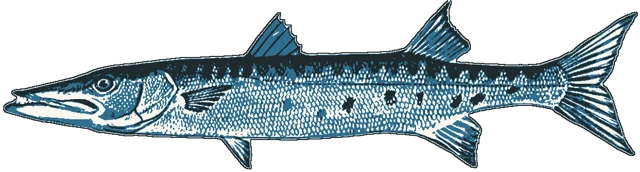
Great barracuda
Sphyraena barracuda · also called kaku · Saltwater
The classic ciguatera fish: the CDC lists barracuda among the fish most likely to cause ciguatera poisoning, and cooking does not destroy the toxin.
- Tastes
- mild (when safe), firm
- Limits
- No limits. no statewide limit listed (species not named in the DAR Marine Fishes and Other Vertebrates regulated-species table) (DAR regulated-species page as fetched Nov 21, 2026 (page cites HAR 13-95 and related rules; DAR booklet dated May 2025)) Source
- Where
- Inshore and offshore; juveniles prefer brackish water, bays and stream mouths (DAR manual).
- tube lure
- swimming plug
- Ciguatera risk, highest in large fish from South Florida and the Caribbean (Florida Museum).
- Do not eat (anyone): any fish from Pearl Harbor, the Ala Wai Canal and its boat harbor, urban streams of Honolulu, or the Marine Corps Base Fuel Pier and Marina Area in Kaneohe Bay (DOH).
- Do not eat (anyone): the head, guts, liver or roe of any reef fish, because of ciguatera (DOH).
- DOH (2025) advises eating no reef fish at all, or at least skipping the head, guts, liver and roe.
- FDA's illness list (content current as of Oct. 19, 2026) has a December 2024 Hawaii report of 2 cases from barracuda with ciguatoxin confirmed in the fish, and CDC says barracuda is among the reef fish more likely to cause ciguatera.
- Cooking, drying, salting or freezing does not kill the toxin, and DOH says every island is at very high risk.
Peacock grouper (roi)
Cephalopholis argus · Saltwater
Brought in as a food fish in the 1950s, roi became one of Hawaii's leading ciguatera carriers; UH researchers concluded a safe fishery does not appear feasible.
- Limits
- No limits. no statewide limit listed (species not named in the DAR Marine Fishes and Other Vertebrates regulated-species table) (DAR regulated-species page as fetched Nov 21, 2026 (page cites HAR 13-95 and related rules; DAR booklet dated May 2025)) Source
- Where
- Reefs and rocky areas at about 10 to 40 fathoms, generally near ledges and crevices; introduced 1956 and 1961 from the Society Islands (DAR manual).
- spear (most roi are speared)
- handline
- trap
- FDA lists Hawaii ciguatera reports from roi in 2019, 2024, 2025 and 2026, with the toxin confirmed in the fish each time
- Hawaii DOH: never eat the head, guts, liver or roe of any reef fish; cooking, freezing, drying or salting does not destroy ciguatoxin
- Do not eat (anyone): any fish from Pearl Harbor, the Ala Wai Canal and its boat harbor, urban streams of Honolulu, or the Marine Corps Base Fuel Pier and Marina Area in Kaneohe Bay (DOH).
- Do not eat (anyone): the head, guts, liver or roe of any reef fish, because of ciguatera (DOH).
- FDA's illness list (content current as of Oct. 19, 2026) has Hawaii reports from roi in November 2019 (4 cases), May 2024 (3), March 2025 (2, from roi and weke) and February 2026 (1, from roi and papio), with ciguatoxin confirmed in the roi each time.
- DOH's ciguatera fact sheet (revised Aug. 31, 2018) names grouper among the larger fish the toxin can build up in.
- Cooking, drying, salting or freezing does not kill the toxin, and DOH says every island is at very high risk.
Meal limits and other waters (3)
- Limit (pregnant or could become pregnant, breastfeeding, young children): grouper, and roi is one, up to once a week, counted together with the other Group A fish in Hawaii's eating advice (mercury, 2019 guide).
- After a meal of ono, opah, or bigeye or tombo ahi, the same people should wait two weeks before eating grouper.
- DOH (2025) advises eating no reef fish at all, or at least skipping the head, guts, liver and roe.
Blue marlin
Makaira nigricans · also called a‘u · Saltwater
US Atlantic anglers release nearly all blue marlin; it is a trophy gamefish, not a food fish here.
- Limits
- No limits. no statewide limit listed (species not named in the DAR Marine Fishes and Other Vertebrates regulated-species table). No non-commercial bag or size limit is listed for federal waters around Hawaii in NOAA's western Pacific pelagic rules (50 CFR part 665, subpart F). (DAR regulated-species page as fetched Nov 21, 2026 (page cites HAR 13-95 and related rules; DAR booklet dated May 2025)) Source
- Best months
- Most common June through early September off Kona (Sport Fishing)
- Where
- Over bank areas where baitfish are abundant, and over offshore ledges where the bottom drops from 100 to 1000 fathoms or more (DAR manual).
- live bridled skipjack (aku)
- trolling heads with squid skirts
- FDA/EPA list marlin as a 'Choice to Avoid' (highest mercury).
- Do not eat (pregnant or could become pregnant, breastfeeding, young children): kajiki (Pacific blue marlin) in any form, raw, cooked, dried, smoked or jerky (mercury; DOH's Local Guide to Eating Fish Safely, 2019).
- Limit (the same people): nairagi (striped marlin) up to once a week, counted with the guide's other once-a-week fish.
Bonefish
Albula vulpes · also called oio · Saltwater
Florida made bonefish catch-and-release only in 2013, and it is bony enough that almost nobody keeps one elsewhere.
- Limits
- Light regs. Minimum size 14 inches; no bag limit listed. Open all year. (DAR regulated-species page as fetched Nov 21, 2026 (page cites HAR 13-95 and related rules; DAR booklet dated May 2025)) Source
- Best months
- More taken December through April (DAR manual)
- Where
- Sandy bottoms, usually over sand patches or channels in reef areas (DAR manual).
- Minor ciguatera risk if eaten (Florida Museum).
- Do not eat (anyone): any fish from Pearl Harbor, the Ala Wai Canal and its boat harbor, urban streams of Honolulu, or the Marine Corps Base Fuel Pier and Marina Area in Kaneohe Bay (DOH).
- Do not eat (anyone): the head, guts, liver or roe of any reef fish, because of ciguatera (DOH).
- DOH (2025) advises eating no reef fish at all, or at least skipping the head, guts, liver and roe.
- Cooking, drying, salting or freezing does not kill the toxin, and DOH says every island is at very high risk.
Where to fish in Hawaii
Fish named here are what people catch at each spot, not a promise they’re safe to eat. Read the eating advice on the fish’s card before you keep one.
# Salt or brackish# Freshwater
- 1Ala Moana Beach Park surf · salt
Honolulu shoreline; the adjoining Ala Wai Canal is a separate DAR regulated area. Do not eat (anyone) any fish or shellfish from the Ala Wai Canal or its boat harbor beside the park (DOH).
Access: City and County of Honolulu beach park; no state license needed for residents, nonresidents 15 and up need the Nonresident Recreational Marine Fishing License.
- 2Sand Island State Recreation Area surf · salt
Shore fishing near Honolulu Harbor; Honolulu Harbor bans draw, drag and seine nets. Keehi Lagoon, off the island's west side, starts the near shore water (west to Oneula Beach) that DOH's impaired-waters table puts under the Pearl Harbor advisory: do not eat any fish (anyone).
Access: State recreation area; Honolulu Harbor rules apply nearby.
- 3Kualoa Regional Park surf · salt
Windward shore fishing on the edge of Kaneohe Bay; Coconut Island refuge is off limits and separate. Do not eat (anyone) any fish or shellfish from the Marine Corps Base Fuel Pier and Marina Area at the other end of Kaneohe Bay (PCBs, DOH).
Access: County regional park on Kamehameha Highway.
- 4Kahului Harbor pier · salt
Harbor fishing with a 50 marine-life daily limit, no nets, no snagging.
Access: Public harbor shoreline; DAR rules: landing net 2-inch mesh or larger, hand net 8 inches or less, no more than two poles with one line and up to two hooks each.
- 5Wailoa River and Waiakea Public Fishing Area (Hilo) estuary · brackish
Hilo Bay, Wailoa River and Wailuku River: 20 mullet, moi and ulua combined, no more than 15 moi or 10 mullet; Waiakea Public Fishing Area allows 20 aholehole, ulua and mullet combined, no more than 10 of them mullet. Wash all fish and shellfish from Waiakea Pond before eating to rinse off sediment, and avoid eating its limu (DOH, August 2019).
Known for: Striped mullet, Āholehole (Hawaiian flagtail), Giant trevally (ulua), Pacific threadfin (moi)
Access: State park with boat ramp (Waiakea PFA); thrownets and spears banned in Wailoa River, and other nets limited to small shrimp, nehu and crab nets; a Freshwater Game Fishing License covers introduced game fish in the PFA.
- 6Kawaihae Harbor pier · salt
Harbor fishing on the dry Kohala coast; two lines or two rods allowed, no snagging or fish feeding.
Access: State harbor; restrictions apply in the south small boat basin per DAR map.
- 7Puu Lua Reservoir (Koke'e Public Fishing Area) reservoir · fresh
Stocked trout reservoir; more than 95% of the Koke'e trout catch comes from Puu Lua (DAR, 2026).
Known for: Rainbow trout
Access: Open to licensed anglers only during the announced season (2026: June 20 to Sept 30); check in and out; four-wheel drive recommended.
- 8Wailua Reservoir Public Fishing Area reservoir · fresh
Public Fishing Area per DAR: 3 fish a day in total (2 of any one species), largemouth 9-14 inches, smallmouth 9 inches and up, tucunare 12-15 inches, bluegill 7 inches and up, no live bait, daytime only.
Known for: Largemouth bass, Smallmouth bass, Butterfly peacock bass, Bluegill
Access: Public Fishing Area off Kuamoo Road; no boats or floats; Freshwater Game Fishing License required.
- 9Kaunakakai Harbor pier · salt
Pole-and-line and thrownet fishing in Area 1A and 1B; no nets except as DAR permits.
Access: Public commercial and small-craft harbor on Molokai's south shore.
- 10Manele Harbor pier · salt
Small boat harbor on Lanai's south coast; DAR bans nets here except small crab and hand nets.
Access: State small boat harbor. Stay outside the adjoining Manele-Hulopoe Marine Life Conservation District (DAR allows shoreline pole-and-line only there; treat as off limits unless you read the rule).
Hawaii fishing license and rules
- Resident: $5 Freshwater Game Fishing License (residents and military 16 and over); minors 9-15 $3; seniors 65 and over free. Online processing fees may apply.
- Nonresident: $25 Freshwater Game Fishing License
- Nonresident short-term: Freshwater: 7-day tourist license $10, 30-day $20. Ocean: Nonresident Recreational Marine Fishing License 1-day $20, 7-day $40, annual $70 (online only).
- Saltwater: Residents fish the ocean with no state license or registration. Nonresidents 15 and older need the Nonresident Recreational Marine Fishing License ($20 1-day, $40 7-day, $70 annual, plus an online processing fee), bought online only; members of the U.S. armed forces on active duty in Hawaii, their spouses and their minor children are exempt.
- Who needs one: Freshwater game fishing license from age 9 (introduced game fish only); nonresident marine license from age 15.
- Free fishing days: None: Hawaii's license law and rules set no free fishing days. Residents need no state license for ocean fishing on any day, and children under 9 can fish fresh water without a license when they are with a licensed adult.
More license details
The freshwater license is required to take any introduced freshwater sport fish (bass, tucunare, trout, catfish, bluegill and others); sale of those fish is unlawful. Vessels taking Deep 7 bottomfish need a free DAR registration. The Wahiawa Public Fishing Area entry permit (free) is listed by DAR, but lake access at Wahiawa Freshwater Park has been closed since May 3, 2026 (see DAR announcement).
Buy a license License types and fees
Fees: DAR licenses and permits page, Nov 21, 2026.
- Nonresidents 15 and older need the Nonresident Recreational Marine Fishing License to fish the ocean ($20 1-day, $40 7-day, $70 annual, online only), except active-duty military in Hawaii, their spouses and their minor children; residents need no state license. Anyone 9 or older taking introduced freshwater game fish needs the Freshwater Game Fishing License.
- Deep 7 bottomfish (opakapaka, onaga, ehu, kalekale, lehi, gindai, hapuupuu): 5 total per person per day without a commercial marine license, the boat must carry a free DAR registration number with 'BF', and fishing is closed when DAR announces a closed season. In federal waters, vessel owners and non-commercial anglers on the boat also need NOAA's Main Hawaiian Islands Non-Commercial Bottomfish Permit ($70) or a state commercial marine license for Deep 7 and uku (charter customers do not). NOAA's Deep 7 limit is 493,000 pounds for the 2026-27 fishing year, listed as open on Nov. 18, 2026.
- Federal angler registry: NOAA says a U.S. resident 16 or older who will or might fish in federal waters (more than three miles from shore) must first register with the National Saltwater Angler Registry ($12, good for one year). A Hawaii license does not exempt you. You are exempt with a saltwater license from a state or territory other than Hawaii, Puerto Rico or the U.S. Virgin Islands, if you fish only on a licensed charter, or if you fish under NOAA's Main Hawaiian Islands Non-Commercial Bottomfish Permit or a commercial or subsistence license or permit.
- Rules differ on Maui for uhu and goatfish: no take of uhu 'ele'ele or uhu uliuli on Maui, kumu bag limit 1 and 12-inch minimum on Maui (10 inches elsewhere), and larger minimum sizes for moano and weke. At Kahekili on Maui, no uhu, nenue or surgeonfish may be taken. Kipahulu (Maui) and Miloli'i (Hawaii Island) have their own limits, including 1 omilu a day and a May-September moi closure at Kipahulu and a March-May closure for large uhu at Miloli'i.
- Seasons: moi is closed June through August (bag limit 15, minimum 11 inches; May through September at Kipahulu, Maui); 'ama'ama (striped mullet) is closed December through March (minimum 11 inches); pakuikui is closed in the West Hawaii Regional Fishery Management Area through 12/17/26.
- The Waikiki-Diamond Head Shoreline Fisheries Management Area is open to fishing in even-numbered years and closed to fishing all of 2027.
- DAR's 5/01/26 notice closed lake access at Wahiawa Freshwater Park (Lake Wilson) from May 3, 2026 for dam rehabilitation, still in place per its June 2026 update; Nu'uanu Reservoir is closed to fishing (DAR, Nov 21, 2026). Bass and tucunare in the Wahiawa PFA are catch-and-release only.
- Koke'e trout fishing is open only during an announced summer season (2026: June 20 to September 30, 7 trout bag, no catch-and-release, check in and out, no corn, no treble hooks).
- Sharks and rays: it is unlawful to intentionally or knowingly capture or entangle any shark or ray, alive or dead, or to kill one in state marine waters.
- Marine Life Conservation Districts and other regulated areas have their own rules (some are no-take); read the DAR page for the area before fishing, and ask the landowner first because most stream banks and reservoirs outside Public Fishing Areas are private.
Limits here are summaries for convenience, checked on the date shown. The official Hawaii regulations govern; check them before you keep a fish.
Before you eat it
- Do not eat (anyone): any fish, crab or shellfish from Pearl Harbor (PCBs and pesticides). DOH issued the advisory in 1998, its 2024 water quality report and April 2026 draft still list the harbor, and the Navy's June 2023 fishing rule says the advisory remains in effect and allows only catch and release there. DOH's impaired-waters table ties it to the harbor waters and the near shore waters to 30 feet from Keehi Lagoon to Oneula Beach. DOH says pregnant or nursing women, women planning a pregnancy and children should not eat any fish from Pearl Harbor.
- Do not eat (anyone): any fish or shellfish from the Ala Wai Canal and its boat harbor in Honolulu (pesticides and lead; DOH advisory of 1998, 2024 water quality report and April 2026 draft).
- Do not eat (anyone): any fish or shellfish from the urban streams of Honolulu (DOH's 2000 report to the Legislature and its water quality reports through 2012). Reports since 2014 name only Pearl Harbor and the Ala Wai Canal without saying the stream warning was lifted, and the April 2026 draft still lists dieldrin and chlordane in Manoa and Nuuanu streams.
- Do not eat (anyone): any fish or shellfish from the Marine Corps Base Hawaii Fuel Pier and Marina Area in Kaneohe Bay (PCBs; DOH interim advisory, Dec. 6, 2017). DOH's December 2020 report to the Legislature says the advisory stays in effect during cleanup tests, with catch and release only along the shoreline and open water near the base's Salvage Yard. DOH says pregnant or nursing women, women planning a pregnancy and children are especially sensitive to these chemicals.
- Ciguatera, statewide: do not eat (anyone) the head, guts, liver or roe of any reef fish, sharks and eels most of all. DOH's Food and Drug Branch (2025) advises either staying away from reef fish completely or at least skipping those parts. DOH says Hawaii is at very high risk on every island, and cooking, drying, salting or freezing does not kill the poison. Avoid fish from sites known to have a ciguatoxic algae problem; DAR says you can call DOH to ask about reports from the area you fish. Symptoms usually start within a few minutes to 6 hours and can take up to 30 hours.
- Do not eat (pregnant or could become pregnant, breastfeeding, young children): kajiki (Pacific blue marlin), shark or swordfish in any form, raw, cooked, dried, smoked or jerky (mercury; DOH's Local Guide to Eating Fish Safely, 2019).
Limit (pregnant or could become pregnant, breastfeeding, young children): up to once a week in all from Group A, which is aku, yellowfin tuna, canned albacore, channel catfish, grouper … (see the full list)
Limit (pregnant or could become pregnant, breastfeeding, young children): up to once a week in all from Group A, which is aku, yellowfin tuna, canned albacore, channel catfish, grouper, halibut, mahimahi, nairagi (striped marlin), red devil and tucunare, with canned light tuna up to 2 to 3 times a week. Up to once every two weeks in all from Group B, which is ahi (bigeye or tombo), ono and opah, then wait two weeks before eating any fish from either group. A serving is 6 ounces for an adult and 3 ounces for a child. Pregnant women should not eat fish raw. Anyone in this group who has eaten more than that should skip the limited fish for a few months (DOH guide, 2019).
FDA's illness list (content current as of Oct. 19, 2026) has Hawaii ciguatera cases from roi (2019, 2024, 2025, 2026), great barracuda (2024), weke (2025) and uhu (2025), all with … (see the full list)
FDA's illness list (content current as of Oct. 19, 2026) has Hawaii ciguatera cases from roi (2019, 2024, 2025, 2026), great barracuda (2024), weke (2025) and uhu (2025), all with ciguatoxin confirmed in the fish, and from giant trevally (2023, 2024), where leftovers tested positive for toxin activity. FDA names barracuda, grouper, snapper, jacks and trevally, wrasse, tang, moray eels and parrotfish among the fish tied to ciguatera; in Hawaii those families include roi and hapu'u (grouper), onaga, lehi and ta'ape (snapper), ulua, papio and kahala (jacks), kole and manini (tang) and uhu (parrotfish).
- DOH says ciguatera can be found on each of the Hawaiian Islands, and FDA says fish caught side by side may contain widely differing toxin levels, so no side of an island is known to be safe.
- DOH's Food and Drug Branch (2025) says ulua, kahala, kole and po'ou are the local fish most often implicated in ciguatera poisoning, and that uhu, taape and opelu can also carry the toxin.
- Scombroid (spoiled fish): DOH lists ahi, mahimahi, bonito, aku, albacore, mackerel, sardines and anchovies as the fish most associated with it, and its 2025 sheet adds opelu, ulua and kahala. Ice the catch right away and keep it below 38 F until you cook it; cooking does not remove the toxin.
- Waiakea Pond in Hilo: wash all fish and shellfish before eating to rinse off sediment, and avoid eating limu (algae) from the pond, because its sediment is high in arsenic (DOH, August 2019).
- Algae blooms: DOH says to stay out of water that is discolored, scummy or smells bad, and to check for and follow posted swimming, fishing and shellfish advisories.
- Hawaii's fish advice sits on several DOH pages. Before you eat fish from a harbor, canal or city stream, read posted signs or ask DOH's Hazard Evaluation office, 808-586-4249.
Local lingo
- Ulua and papio: giant trevally and other large jacks are ulua; young ones are papio (DAR lists them together).
- 'Oama: young weke (goatfish) under the minimum size; DAR allows 50 and says take them by hook-and-line only on Maui.
- Deep 7: the seven regulated bottomfish (onaga, opakapaka, ehu, kalekale, lehi, gindai, hapuupuu).
- Tucunare: the peacock bass, a freshwater game fish stocked in reservoirs.
- PFA: Public Fishing Area, DAR's term for its designated public fishing areas (Koke'e, Wailua, Wahiawa, Waiakea); access at Wahiawa is closed for now.
- Akule and halalu: bigeye scad and the young fish; net rules apply statewide, and Hanamaulu Bay and Ahukini pier, Nawiliwili Harbor and Port Allen on Kauai cap akule at 75 a day.
- MLCD: Marine Life Conservation District, many of them no-take.
Questions anglers ask about Hawaii
What is the most common fish in Hawaii?
By number, akule (bigeye scad) is the most-caught fish in Hawaii's salt water, averaging about 3.71 million a year in 2023 to 2025 in NOAA Fisheries' estimates from the Hawaii Marine Recreational Fishing Survey. Goatfish come next at about 772,000 a year, most of them yellowstripe goatfish ('oama and weke 'a), then opelu (about 456,000), omilu (about 259,000) and aku (about 258,000). Akule swing widely, from 1.2 million in 2023 to 6.8 million in 2025, and the survey does not cover fresh water.
Do I need a saltwater fishing license in Hawaii?
Residents fish the ocean with no state license or registration. Nonresidents 15 and older need the Nonresident Recreational Marine Fishing License ($20 1-day, $40 7-day, $70 annual, plus an online processing fee), bought online only; members of the U.S. armed forces on active duty in Hawaii, their spouses and their minor children are exempt.
What is the best fish to eat in Hawaii?
14 of the 34 fish on our Hawaii board rate Best eating. Among the fish caught most: bigeye scad (akule), goatfish (weke, kūmū, moano), mackerel scad (ʻōpelu), yellowfin tuna, Pacific threadfin (moi) and pink snapper (ʻōpakapaka).
What is the state fish of Hawaii?
Humuhumunukunukuapua'a (reef/rectangular triggerfish, Rhinecanthus rectangulus): Official state fish, HRS 5-11.5 (Act 67, 2006).
Does Hawaii have free fishing days?
None: Hawaii's license law and rules set no free fishing days. Residents need no state license for ocean fishing on any day, and children under 9 can fish fresh water without a license when they are with a licensed adult.
Which Hawaii fish are better to eat than their reputation?
We give the Worth a try badge to bluestripe snapper (taʻape): fish most anglers toss or rate low that eat well when they're cleaned and cooked right. Each card says how.
Sources
Limits, prices and advisories come from these pages, read on or before Nov 21, 2026. Where a line gives its own date, that’s the date it rests on. Eating advice changes: check the state’s current list. Ratings are national and come from the fish’s own page.
42 sources
- apps-st.fisheries.noaa.gov bigeye scad (akule): catch evidence (NOAA HMRFS estimates, 2023-2025); bluefin trevally (omilu): catch evidence (NOAA HMRFS estimates, 2023-2025); bluestripe sn
- coastalscience.noaa.gov menpachi (soldierfish): advisory
- data.capitol.hawaii.gov state fish
- dlnr.hawaii.gov fishing spots; rainbow trout: 2026 season
- dlnr.hawaii.gov butterfly peacock bass: Wahiawa closure; largemouth bass: Wahiawa closure
- dlnr.hawaii.gov giant trevally (ulua): regs (Hilo Harbor, Wailoa River and Wailuku River); striped mullet: regs (Hilo Harbor, Wailoa River and Wailuku River)
- dlnr.hawaii.gov Pacific threadfin (moi): months; Pacific threadfin (moi): names; Pacific threadfin (moi): where; bigeye scad (akule): months; bigeye scad (akule): names; bigeye
- dlnr.hawaii.gov bluefin trevally (omilu): regs (HAR 13-95-1 and 13-95-22); parrotfish (uhu): regs (HAR 13-95-16); yellowfin tuna: regs (HAR 13-95-17)
- dlnr.hawaii.gov parrotfish (uhu): regs (HAR 13-95.1-21, Maui)
- dlnr.hawaii.gov manini (convict tang): why common (DAR, Dec 2024); parrotfish (uhu): why common (DAR, Dec 2024); sea chub (nenue): why common (DAR, Dec 2024)
- dlnr.hawaii.gov ehu (squirrelfish snapper): regs; longtail red snapper (onaga): regs; pink snapper (ʻōpakapaka): regs
- dlnr.hawaii.gov bluegill: regs; butterfly peacock bass: regs; channel catfish: regs; freshwater regs; largemouth bass: regs; rainbow trout: regs; smallmouth bass: regs
- dlnr.hawaii.gov Pacific threadfin (moi): regs; bigeye scad (akule): regs; blacktail snapper (toʻau): regs; blue marlin: regs; bluefin trevally (omilu): regs; bluestripe snapper
- dlnr.hawaii.gov Pacific threadfin (moi): regs (Kipahulu); bluefin trevally (omilu): regs (Kipahulu); fishing spots; goatfish (weke, kūmū, moano): regs; manini (convict tang): r
- dlnr.hawaii.gov Pacific threadfin (moi): regs; bluefin trevally (omilu): regs; fishing spots; giant trevally (ulua): regs; mackerel scad (ʻōpelu): regs (Miloli'i); menpachi (so
- dlnr.hawaii.gov bigeye scad (akule): regs; bluegill: regs; butterfly peacock bass: regs; fishing spots; largemouth bass: regs; rainbow trout: regs; smallmouth bass: regs; strip
- dlnr.hawaii.gov butterfly peacock bass: regs; fishing spots; largemouth bass: regs
- dlnr.hawaii.gov bluefin trevally (omilu): regs (omilu is in the ulua and papio group)
- dlnr.hawaii.gov smallmouth bass: where; where to fish; āholehole (Hawaiian flagtail): where
- dlnr.hawaii.gov fishing spots
- dlnr.hawaii.gov fishing spots; license fees; license info
- fishing.hawaii.gov license buy
- health.hawaii.gov Pacific threadfin (moi): advisory; bigeye scad (akule): advisory; blacktail snapper (toʻau): advisory; bluefin trevally (omilu): advisory; bluegill: advisory; b
- health.hawaii.gov Pacific threadfin (moi): advisory; bigeye scad (akule): advisory; blacktail snapper (toʻau): advisory; bluefin trevally (omilu): advisory; bluegill: advisory; b
- health.hawaii.gov blacktail snapper (toʻau): advisory; bluefin trevally (omilu): advisory; bluestripe snapper (taʻape): advisory; bonefish: advisory; consumption advisory; ehu (s
- health.hawaii.gov mahi-mahi: advisory; skipjack tuna: advisory; wahoo: advisory; yellowfin tuna: advisory
- health.hawaii.gov blacktail snapper (toʻau): advisory; ehu (squirrelfish snapper): advisory; green jobfish (uku): advisory; longtail red snapper (onaga): advisory; peacock groupe
- health.hawaii.gov blacktail snapper (toʻau): advisory; bluefin trevally (omilu): advisory; bluestripe snapper (taʻape): advisory; bonefish: advisory; ehu (squirrelfish snapper):
- health.hawaii.gov consumption advisories
- health.hawaii.gov Pacific threadfin (moi): advisory; blacktail snapper (toʻau): advisory; giant trevally (ulua): advisory; goatfish (weke, kūmū, moano): advisory; striped mullet:
- health.hawaii.gov Pacific threadfin (moi): advisory; bigeye scad (akule): advisory; blacktail snapper (toʻau): advisory; bluefin trevally (omilu): advisory; bluestripe snapper (t
- health.hawaii.gov Pacific threadfin (moi): advisory; bigeye scad (akule): advisory; blue marlin: advisory; butterfly peacock bass: advisory; channel catfish: advisory; mackerel s
- atsdr.cdc.gov Pacific threadfin (moi): advisory; bigeye scad (akule): advisory; blacktail snapper (toʻau): advisory; bluefin trevally (omilu): advisory; bluestripe snapper (t
- fda.gov blacktail snapper (toʻau): advisory (fish groups); ehu (squirrelfish snapper): advisory; giant trevally (ulua): advisory (Hawaii cases); goatfish (weke, kūmū, m
- fda.gov peacock grouper (roi): advisory (toxin levels differ fish to fish)
- fda.gov bluefin trevally (omilu): advisory (ciguatera hazard); green jobfish (uku): advisory (ciguatera hazard); manini (convict tang): advisory (ciguatera hazard); pin
- fisheries.noaa.gov pink snapper (ʻōpakapaka): federal annual catch limit
- fisheries.noaa.gov ehu (squirrelfish snapper): federal season status; green jobfish (uku): federal annual catch limit and status; longtail red snapper (onaga): federal season stat
- fisheries.noaa.gov ehu (squirrelfish snapper): federal permit; green jobfish (uku): federal permit; longtail red snapper (onaga): federal permit; pink snapper (ʻōpakapaka): federa
- law.cornell.edu blue marlin: regs (federal waters, 50 CFR part 665 subpart F); mahi-mahi: regs (federal waters, 50 CFR part 665 subpart F); skipjack tuna: regs (federal waters,
- sportfishingmag.com blue marlin: baits; blue marlin: months; wahoo: baits; wahoo: months; yellowfin tuna: baits; yellowfin tuna: months
- wwwnc.cdc.gov great barracuda: advisory
Illustrations: stencils we made from public-domain art by NOAA (Bluegill); Duane Raver, U.S. Fish and Wildlife Service (Channel catfish, Rainbow trout, Smallmouth bass, Great barracuda); H. L. Todd (Mahi-mahi); U.S. Fish and Wildlife Service (Largemouth bass); Hugh McCormick Smith (Striped mullet), via Wikimedia Commons.
Spotted an error or a rule that changed? Tell us and we will check it against the official source.