Best eating · Freshwater
The best freshwater fish to eat
Every freshwater fish we rate Best eating, listed by how widely it’s caught: the fish near the top are among the top species in the most states.
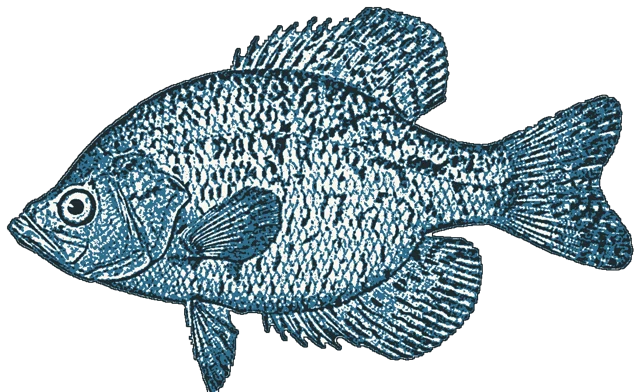
One of the classic fish-fry fish: MeatEater counts crappie among the best-eating fish in freshwater.
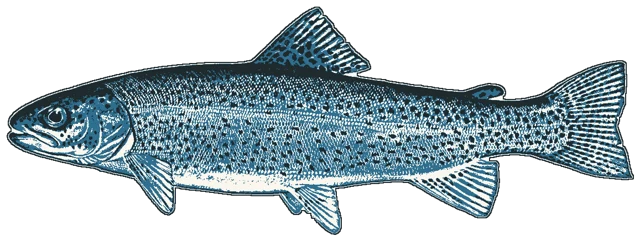
TPWD calls rainbow trout an excellent fish to eat; the most-stocked put-and-take fish in America.
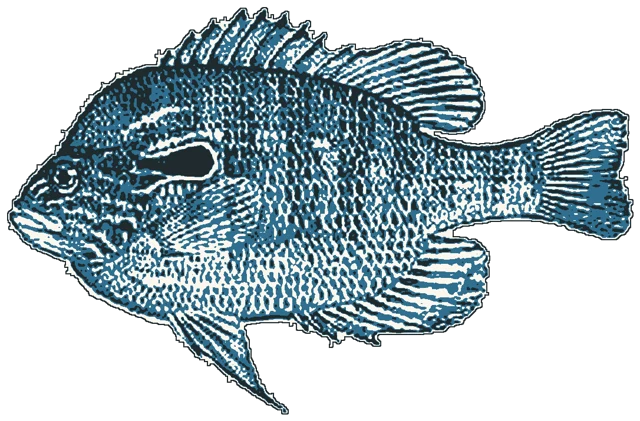
MeatEater calls the flesh light, delicate and sweet; the original fish-fry panfish.
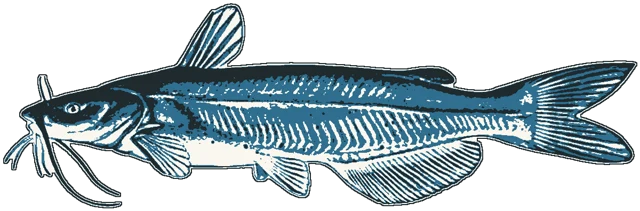
Very good to eat (Maryland DNR) and delicious when cooked (TPWD), and the basis of US catfish farming.
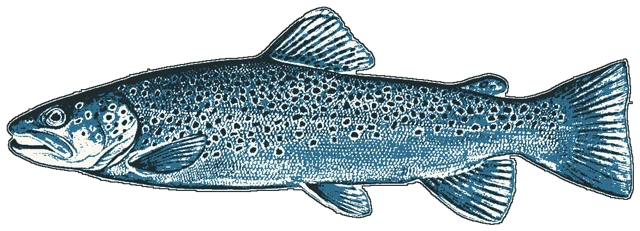
Brown trout
Good trout eating like rainbows; most kept browns are stocked fish.
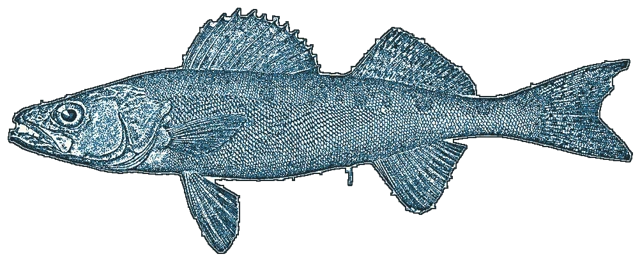
Widely rated the best-eating freshwater fish: Maryland DNR calls it one of the best tasting, TPWD an excellent food fish.
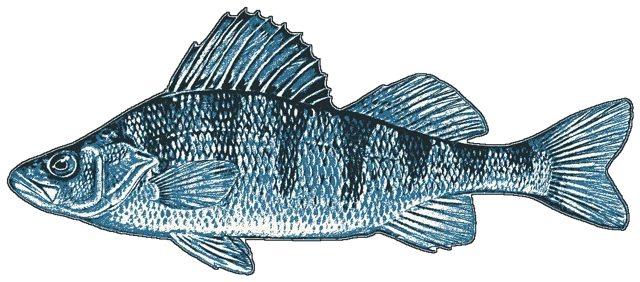
Yellow perch
A great food fish (MN DNR) and the centerpiece of Great Lakes perch fries; Iowa DNR calls a fried stringer of perch unsurpassed in flavor.
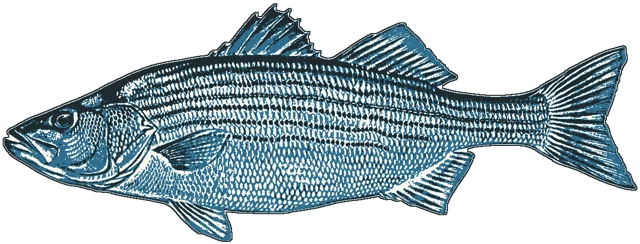
Firm, large-flaked, slightly sweet white meat; one of the most kept and eaten gamefish in the country, fresh or salt.
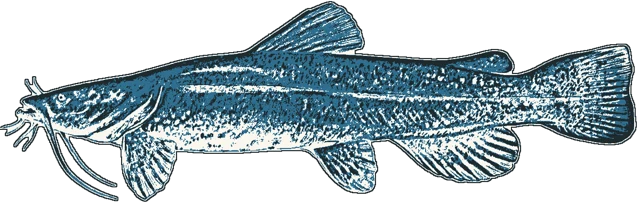
Flathead catfish
Widely considered the best-tasting catfish because it eats live fish instead of scavenging; Maryland DNR notes its mild, white flesh.
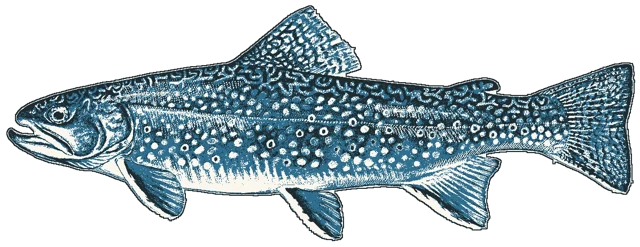
Brook trout
Often called the tastiest trout: MeatEater describes the meat as light and delicate with an almost sweet flavor.
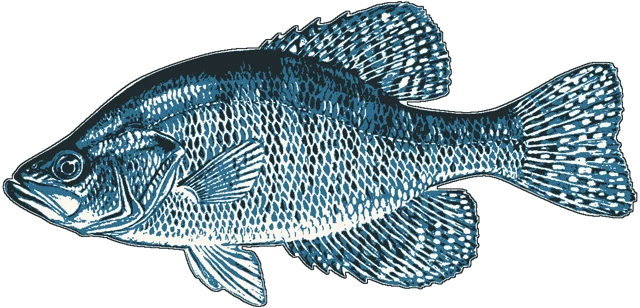
White crappie
Same top-tier panfish fillets as black crappie; one of the most popular panfish in the country.
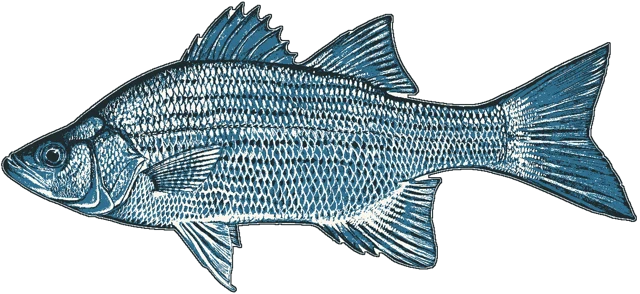
White bass
Texas Parks & Wildlife calls white bass superb table fare, and the spring runs fill a lot of coolers; light, flaky meat like walleye.
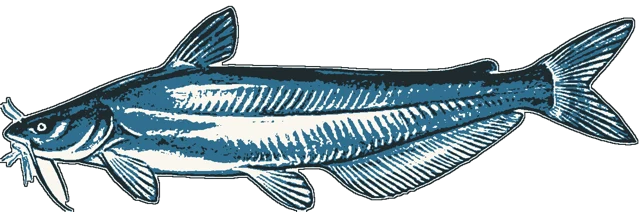
Blue catfish
TPWD calls it an excellent food fish; Maryland DNR says blues are very good to eat.
Hybrid striped bass
Indiana DNR says hybrids make great table fare; mild white fillets like a striper's.
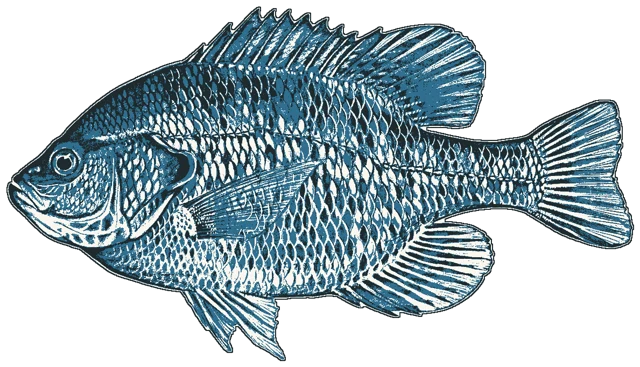
Redear sunfish
Larger than bluegill, with the same sweet fillets; Indiana DNR calls sunfish, redear included, delicious fish.
Sauger
The walleye's smaller river cousin, with the same fillets; MeatEater says they taste just as good.
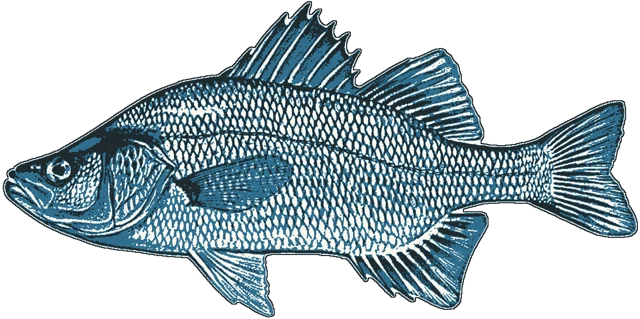
White perch
Maryland DNR calls it a delectable game fish, and it is a staple panfish in the Chesapeake and a prized ice-fishing catch in New England.
Chinook salmon
NOAA calls Chinook the most highly prized salmon in the culinary world: rich, buttery and oily.
Cutthroat trout
Eats like other trout; kept where legal, especially stocked fish and coastal sea-run cutts.
Pumpkinseed
A standard northern panfish; MeatEater notes pond owners stock it partly for its quality as table fare.
Steelhead
Steelhead are sea-run rainbow trout, and bright fish eat like a mild salmon; hatchery fish are kept as food across the Pacific Northwest and Great Lakes.
Saugeye
Oklahoma's wildlife department says saugeye make first-class table fare.
Coho salmon
High oil content, firm and flaky when cooked; NOAA notes smaller coho have a delicate flavor.
Kokanee salmon
Landlocked sockeye with vivid orange, rich flesh; kokanee anglers fish specifically to fill a cooler.
Tiger trout
A sterile hybrid of brown trout and brook trout, both rated Best eating. We found no agency or cook reviewing tiger trout itself, so this is by parentage.
Lake whitefish
The Great Lakes' signature commercial food fish; smoked whitefish is a deli staple and fresh fillets are sweet and mild.
Rainbow smelt
Maine Sea Grant says smelt are marketed for their sweet, delicate flavor; fried whole, they are a classic northern winter and spring meal.
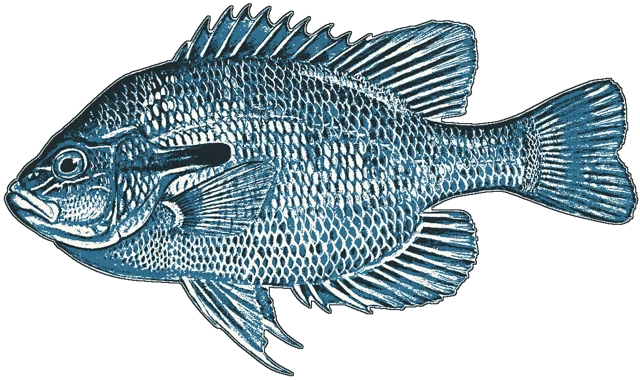
Redbreast sunfish
A favorite river panfish across the Southeast; MeatEater counts panfish among the best-eating fish in freshwater.
Arctic grayling
Flaky, white meat that MeatEater calls a versatile food fish; Alaskans commonly keep a couple for the pan.
Landlocked Atlantic salmon
The same species as farmed Atlantic salmon, whose flesh NOAA describes as buttery and rich; landlocked fish are a kept-and-eaten gamefish in northern New England.
White catfish
Maryland DNR says white catfish are very good to eat; a mid-size cat with the same mild fillets as channel cats.
Golden trout
A small high-country trout eaten like any stream trout where harvest is allowed.
Sockeye salmon
The reddest, richest flesh of the wild salmon; NOAA says its flavor rivals Chinook.
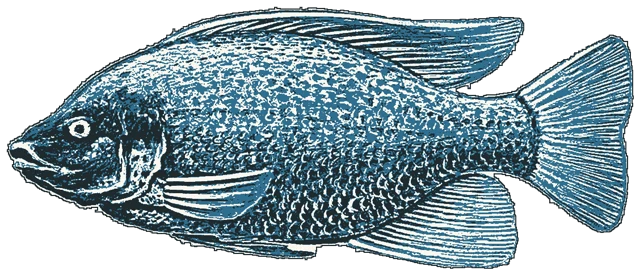
Tilapia (blue tilapia and relatives)
White, flaky meat with a mild flavor that TPWD describes as excellent table fare; the same fish sold in grocery stores.
Arctic char
Delicate pink flesh, milder than salmon with a light, flaky texture (Seafood Watch); the farmed fish is a restaurant staple.
Gila trout
Eats like other stream trout; New Mexico and Arizona allow harvest in some stocked or recovered waters.
Apache trout
Eats like other stream trout; Arizona and the White Mountain Apache Tribe stock it in some waters specifically so anglers can harvest it.
Dolly Varden
ADF&G calls Dolly Varden relatively easy to catch and delicious; ocean-bright sea-run fish have pink, flavorful flesh.
Sheefish
A large Arctic whitefish that the Alaska Department of Fish and Game praises for its fine eating qualities; eaten frozen raw with seal oil, dried, baked and fried in Alaska.
Just OK, but worth a try
Freshwater fish with a split or bad reputation that eat well cleaned and cooked right.
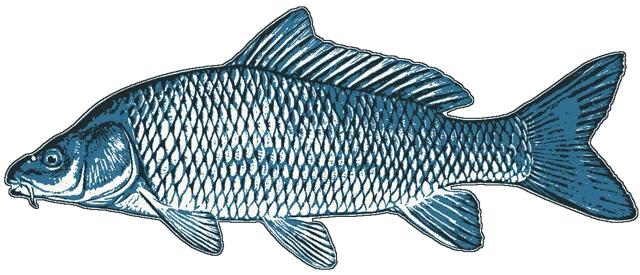
Common carp Just OK Worth a try
Most US anglers call it a muddy, bony trash fish, but it is a prized food fish in Europe and Asia and eats well from clean, cold water.
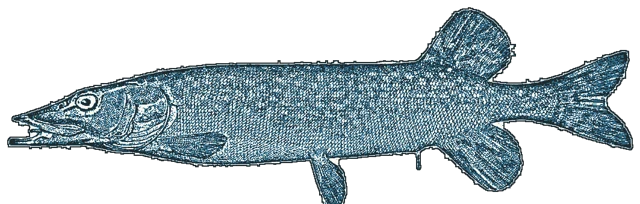
Northern pike Just OK Worth a try
The meat is white, flaky and great in flavor, but the Y-bones put many anglers off; reputation is split between 'too bony' and 'better than walleye once you learn to clean them'.
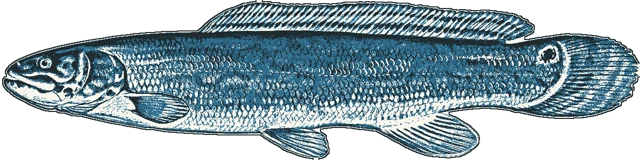
Bowfin Garbage fish Worth a try
TPWD calls it a rough fish rather than one for the table; the soft, pale flesh earned it the nickname 'cottonfish'.
Freshwater drum Just OK Worth a try
Many anglers call it a rough fish, but it is prized as food in some areas (TPWD); bled and iced, the boneless fillets eat like a redfish's.
White sucker Garbage fish Worth a try
Suckers have perhaps the worst reputation of the rough fish (MeatEater) and are mostly raised and sold as bait (MN DNR); the many small bones keep most anglers from eating them.
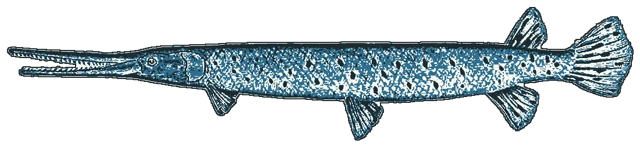
Longnose gar Just OK Worth a try
Most anglers treat it as a nuisance and few eat it, but the firm white backstraps are good once you get through the armor.
Bigmouth buffalo Just OK Worth a try
A food fish many people consider worth keeping despite its many bones (TPWD), but and rarely caught on hook and line, so most anglers write it off as a rough fish.
Burbot Just OK Worth a try
Many anglers still throw back the slimy, eel-like 'eelpout' as trash, yet Alaskans keep them for their delicate white meat.
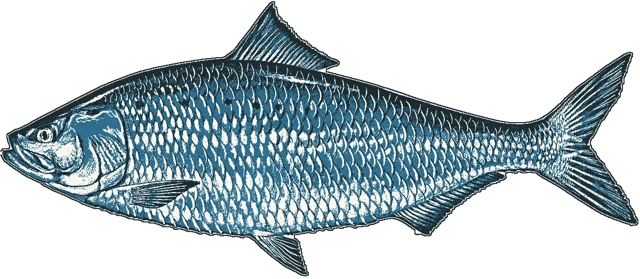
American shad Just OK Worth a try
Some of the best-flavored fish in North America and prized roe, but so bony that most modern anglers do not bother.
Smallmouth buffalo Just OK Worth a try
Smallmouth buffalo is highly prized in many areas (TPWD), but some anglers still call it a rough fish because of its bones.
Questions about freshwater fish
What is the best-tasting freshwater fish?
Walleye is the fish most often called the best: Maryland DNR calls it one of the best-tasting fish and Texas Parks and Wildlife an excellent food fish. Yellow perch, crappie and bluegill are close behind.
Are bass good to eat?
Yes. The temperate basses (striped bass, hybrid striped bass, white bass and white perch) all rate Best eating. Largemouth and smallmouth are perfectly edible but split in reputation, so they rate Just OK; small fish from clean, cool water eat best.